
Podcast
1001 Stories From the Old West
Hosted by Jon Hagadorn · EN
Welcome to the new 1001 Stories From the Old West.. Here we offer hand-picked accounts from diaries, historical documents, autobiographies, books of the time period, and historians to bring you the American frontier story directly from the people who lived it. You'll hear actual accounts of Indian battles, pioneer struggles, outlaws, cowboys and Indians, lawmen, and the men and women who took the chance and moved west, many by wagon train, to a largely uncharted and wild territory. Go west, young man, are the words often attributed to Horace Greeley, American author and newspaper editor, but there was more to that quote. He wrote "Washington is not a place to live in- the rents are high, the food is bad, and the morals are deplorable. Go west, young man, go west, and grow up with the country.
We invite you to go west with us to another world, another time, another place- and see if you have what it takes to survive and thrive in a world that was much simpler than today's- yet demanded much more of you. Time to mount up-1001 Stories From the Old West is waiting for you. We publish new episodes every other Sunday night at 6pm Eastern Standard Time and you're invited to join us where ever you go for podcasts
80episodes
Episodes
Newest firstAll episodes

THE OREGON TRAIL (CHAP 11) SCENES AT THE CAMP
Mar 1200:43:24Tap to summarizev Chapter 11 Summary — Scenes at the Camp Chapter 11 finds Parkman and his companions settled into a rough but lively camp on the prairie, where daily life blends danger, boredom, and unexpected company. The chapter opens with Reynal—always high-strung—panicking at the sound of distant gunfire, convinced a Crow war party is closing in. The tension breaks when the source of the shots appears: four rugged trappers named Morin, Saraphin, Rouleau, and Gingras. Their arrival instantly changes the atmosphere. These men, with their battered rifles, buffalo robes, and hard‑earned stories, embody the wild, perilous life of the Rocky Mountain trapper. They lounge in the shade, swap tales, and settle in beside Parkman's party as if they've always belonged there. With their nerves eased, the group decides it's time to move camp. Their old site has been trampled into mud, so they shift to a massive cottonwood tree by the river—its trunk carved with mysterious Indian hieroglyphics and its branches still holding the remnants of a burial scaffold. The new location adds a sense of history and solemnity to their daily routine. During a midday meal, a small procession of horsemen appears over a nearby hill. Leading them is Bull-Bear (Mahto‑Tatonka), a young Ogallalla chief of striking presence, accompanied by his brother and two other warriors. The men dismount, accept coffee and biscuits, and share the pipe in the traditional manner. Their visit is calm, respectful, and quietly ceremonial—an intimate glimpse into Plains diplomacy and hospitality. Across the chapter, Parkman paints a vivid picture of camp life: the mingling of cultures, the constant undercurrent of danger, the camaraderie of the frontier, and the way each new arrival—whether trapper or chief—reshapes the rhythm of the day. Coming Soon Chapter 12 — Ill-Luck Next week, the journey takes a sharp turn. Chapter 12 plunges Parkman into a stretch of misfortune—bad weather, bad luck, and bad timing—that tests the endurance and spirit of everyone in the party. After the relative calm of the camp, trouble is about to ride straight into their path.
Transcribe →
FOOLS GOLD and THE OPEN RANGE TALES OF THE TEXAS RANGERS
Mar 1101:01:52Tap to summarize⭐ "Fool's Gold" — Summary In "Fool's Gold," Ranger Jace Pearson is called in when what looks like a simple robbery turns into a far more calculated crime. A man is found dead after being lured into a phony gold‑mining scheme, and the trail leads Jace into a world of con artists who prey on greed and desperation. As he pieces together the victim's last movements, Jace uncovers a pattern of deception involving forged claims, fake assays, and a smooth‑talking swindler who has left a string of victims behind. The case becomes a race to stop the con man before he disappears with his next haul. ⭐ "The Open Range" — Summary "The Open Range" begins with the murder of a respected rancher, a killing that threatens to ignite a range war. Ranger Jace Pearson rides into a tense situation where cattle rustling, land disputes, and old grudges all cloud the truth. As he digs deeper, Jace discovers that the murder is part of a larger, carefully organized rustling operation run by a mastermind who uses hired guns and intimidation to control the open range. The investigation builds toward a classic Western showdown as Jace works to expose the ringleader and restore order before violence spreads. Tales of the Texas Rangers, a western adventure old-time radio drama, premiered on July 8, 1950, on the US NBC radio network and remained on the air through September 14, 1952. Movie star Joel McCrea starred as Texas Ranger Jayce Pearson, who used the latest scientific techniques to identify the criminals and his faithful horse, Charcoal, to track them down. The shows were reenactments of actual Texas Ranger cases. The series was produced and directed by Stacy Keach, Sr., and was sponsored for part of its run by Wheaties. Learn more about your ad choices. Visit podcastchoices.com/adchoices
Transcribe →
THE OREGON TRAIL (CHAP 10) THE WAR PARTIES
Mar 800:49:28Tap to summarize🌾 Chapter 10 Summary: The War Parties Chapter 10 opens with the plains alive with tension. The summer of 1846 finds the Dakota bands stirred into a state of warlike excitement after suffering heavy losses the previous year. Several war parties had been wiped out, leaving the nation in mourning and hungry for revenge. Among the fallen were ten warriors led by the son of an Ogallalla chief known as The Whirlwind, all killed in an ambush by the Snakes. The Snakes, fearing retaliation, sent a peace offering—a scalp and a parcel of tobacco—delivered by the trader Vaskiss. This scalp is the same one Parkman had earlier seen hanging at Fort Laramie. But The Whirlwind refuses peace. He sends messengers across hundreds of miles, calling the Dakota to unite for a massive retaliatory campaign. Soon, thousands of people—warriors, families, entire villages—are slowly converging on La Bonte's Camp for a grand war council and ceremonial preparations. Parkman is thrilled. His goal in traveling west was to observe Native life firsthand, and this gathering offers him the chance to join a village and live among them. He resolves not to miss the rendezvous, setting the stage for the next phase of his journey—one that will immerse him deeply in the culture, politics, and daily life of the Plains tribes. 🔎 Key Themes • Cycle of retaliation: The chapter highlights how honor, loss, and vengeance shaped intertribal conflict. • Cultural immersion: Parkman's excitement reveals his deeper purpose—understanding Native societies from the inside, not as an outsider. • Mass mobilization: The gathering at La Bonte's Camp shows the scale and organization of Plains warfare, far beyond the small raiding parties often imagined.
Transcribe →
THE WILD WEST AT SEA by WILLIAM F. CODY
Mar 700:16:30Tap to summarizeBE SURE TO CATCH 'THE QUEEN'S SHADOW''AT 1001 SHERLOCK HOLMES PODCAST SUNDAY MARCH 8 AS HOLMES AND WATSON SAVE QUEEN VICTORIA DURING THE WILD WEST SHOWS LONDON RUN IN 1887. (Sharing this story below gave me the idea to write a Sherlock Holmes Adventure) This rare piece discusses the problems and triumphs experienced by William F. Cody's Wild West Show went it sailed to London in 1896. Excerpt from Buffalo Bill: From Prairie to Palace', complied by John M. Burke, with authorization from Gen'l W.F. Cody. Get all of our shows at one website: WWW.BESTOF1001STORIES.COM REVIEWS NEEDED . My email works as well for comments: 1001storiespodcast@gmail.com SUPPORT OUR SHOW BY BECOMING A PATRON! https://.patreon.com/1001storiesnetwork. Its time I started asking for support! Thank you. Its a few dollars a month OR a one time. (Any amount is appreciated). YOUR REVIEWS AND SUBSCRIPTIONS AT APPLE/ITUNES AND ALL ANDROID HOSTS ARE NEEDED AND APPRECIATED! LINKS BELOW. Learn more about your ad choices. Visit podcastchoices.com/adchoices
Transcribe →
WHO LIVES BY THE SWORD and THE HUNTER GUNSMOKE
Mar 400:39:30Tap to summarizeGunsmoke is one of those long-running classic vintage radio shows that everyone knows and remembers. It's also one that is still respected for its high values, in all aspects. Gunsmoke first aired on the CBS network on April 26, 1952, billed as the first adult western. It was set in Dodge City, Kansas in the 1870's.The main character, Marshall Matt Dillon was played by William Conrad. Get all of our shows at one website: www.bestof1001stories.com My email works as well for comments: 1001storiespodcast@gmail.com SUPPORT OUR SHOW BY BECOMING A PATRON! https://.patreon.com/1001storiesnetwork. Its time I started asking for support! Thank you. Its a few dollars a month OR a one time. (Any amount is appreciated). YOUR REVIEWS ARE NEEDED AND APPRECIATED! Learn more about your ad choices. Visit podcastchoices.com/adchoices
Transcribe →
THE OREGON TRAIL (CHAP 9) SCENES AT FORT LARAMIE
Mar 100:34:09Tap to summarize**Chapter 9 Summary — "Scenes at Fort Laramie" from The Oregon Trail by Francis Parkman (1849)** Parkman's ninth chapter is a vivid snapshot of life at Fort Laramie, the great frontier crossroads where cultures, tempers, and ambitions collided on the mid‑19th‑century plains. For your show notes, this version emphasizes atmosphere, character, and the cinematic detail your listeners enjoy. 🌵 Life at the Edge of the Frontier Parkman arrives at Fort Laramie expecting a military outpost, but what he finds is something far stranger and more colorful—a bustling, multicultural trading hub where soldiers, trappers, emigrants, and Lakota families mingle in a dusty, sun‑baked courtyard. The fort is alive with movement: horses stamping, children running, traders shouting, and the constant hum of barter and gossip. The place feels less like a fort and more like a frontier village, full of contradictions. Parkman notes the adobe walls, the cluttered rooms, and the uneasy blend of hospitality and suspicion that greets newcomers. 🏹 Encounters with the Oglala and Brulé Lakota One of the chapter's most striking elements is Parkman's close observation of the Lakota Sioux, who camp in large numbers around the fort. He describes their clothing, their horses, their ceremonies, and their interactions with the white traders—sometimes friendly, sometimes tense. He is especially fascinated by: • Warriors in full regalia, wrapped in white buffalo robes • Women adorned with beads and bright fabrics • Children darting through the fort's alleys • Pipe ceremonies and diplomatic gestures Parkman's tone mixes admiration, curiosity, and the biases of his era, giving modern readers a layered, sometimes uneasy window into cross‑cultural contact on the plains. 🏚️ Spartan Quarters and a Haunting Detail Parkman and his companions are initially mistaken for rival traders, and their welcome is chilly until a letter of introduction clears things up. Their assigned quarters are stark—buffalo robes on the floor, a crucifix on the wall, and, in a detail that startles both Parkman and modern readers, a freshly taken scalp hanging as a trophy. This grisly reminder underscores the volatility of the region. Peace at Fort Laramie is always temporary, always fragile. 🔥 A Place of Rumor, Diplomacy, and Brewing Conflict Throughout the chapter, Parkman captures the fort as a place where: • Rumors swirl about war parties, raids, and emigrant trains • Military discipline clashes with frontier informality • Trade and diplomacy happen side by side • Tension simmers beneath every interaction The chapter ends with Parkman sensing that the uneasy calm around the fort won't last. The region is on the brink of conflict, and the next chapters will carry him deeper into the world of war parties and tribal politics.
Transcribe →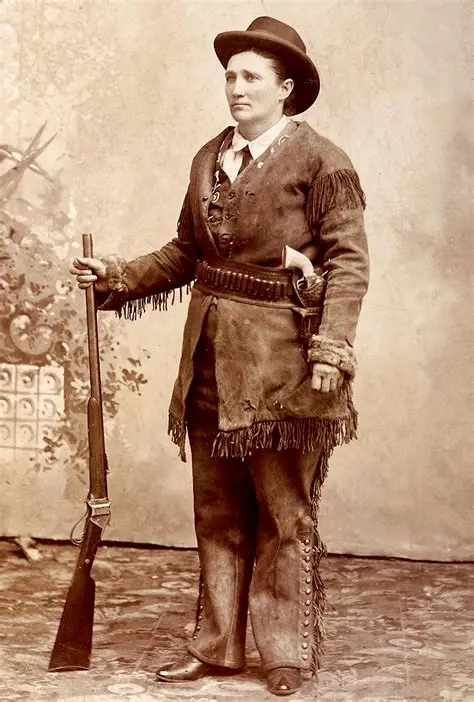
THE LIFE AND ADVENTURES 0F CALAMITY JANE and LIFE IN DAKOTA W GEN. CUSTER
Feb 2500:34:28Tap to summarizeMETwo great stories here- the first from the autobiography of Calamity Jane, and the second from Custer's wife Libby, who accompanied him on the Plains campaigns. The theme is 'GerryOwen'- an old Irish tune that Custer picked to be the 7th Cavalry's official song. narration by Kevin Sikes. New Twitter address- @1001podcast Follow Us! Get all of our shows at one website: WWW.BESTOF1001STORIES.COM REVIEWS NEEDED . My email works as well for comments: 1001storiespodcast@gmail.com SUPPORT OUR SHOW BY BECOMING A PATRON! https://.patreon.com/1001storiesnetwork. Its time I started asking for support! Thank you. Its a few dollars a month OR a one time. (Any amount is appreciated). YOUR REVIEWS ARE NEEDED AND APPRECIATED! Learn more about your ad choices. Visit podcastchoices.com/adchoices
Transcribe →
THE OREGON TRAIL (CHAP.8) TAKING FRENCH LEAVE
Feb 2200:38:08Tap to summarizeChapter 8 Summary Taking French Leave Concise summary: In Chapter 8 Parkman recounts the party's departure from the Platte country and their approach toward Fort Laramie, focusing on the small dramas of travel — disagreements among companions, the decision to separate from the English officers, encounters with traders and emigrants, and Parkman's close observations of frontier life. The chapter emphasizes the practical tensions of an overland journey (logistics, personalities, and local warnings) while also pausing for vivid scenes of the plains and the people who inhabit them. Key moments to note: • Parkman and his companions break with the British officers after disputes about route and company. Their decision to break camp and leave first when they want to, without notifying their stubborn counterparts,, can be described as 'Taking French Leave" • The narrative mixes travel detail (routes, rivers, forts) with character sketches of traders, emigrants, and "mountain men." What Taking French Leave Meant Definition: "Taking French leave" means leaving a place or duty without saying goodbye or without permission — essentially departing quietly or abruptly. Historically it referred to a social custom attributed (often pejoratively) to the French of slipping away from a gathering without formal leave; the phrase later broadened to include unauthorized absences. What the Indians Smoked with Pipe Tobacco Substance used: The Native peoples Parkman describes commonly used kinnikinnick — a traditional herbal smoking mixture made from inner bark or leaves (often bearberry or red willow) and other local plants — either alone or mixed with tobacco to complement pipe smoking. Kinnikinnick recipes vary by region and tribe and were noted by 19th‑century travelers for their aromatic and sometimes narcotic effects. It was described as "Shinshasa"here. Teaser for Chapter 9 Scenes at Fort Laramie Teaser copy: Next chapter moves the story into Fort Laramie, a bustling crossroads of traders, trappers, soldiers, and Indian delegations. Expect sharper portraits of frontier commerce, tense rumors of intertribal conflict, and Parkman's close-up encounters with the people who make the fort a temporary capital of the plains — where hospitality, suspicion, and rumor shape every decision. Please share our show with friends and on social media- that'show we grow! Also, sign up forour newsletter aat www.bestof1001stories.com-Thanks!
Transcribe →
THE COWBOY and THE MINES from THE PASSING OF THE FRONTIER by EMERSON HOUGH
Feb 1800:40:50Tap to summarizeTwo great old west pieces by historian Emerson Hough from his 'Passing of the Frontier'. Get all of our shows at one website: www.bestof1001stories.com REVIEWS NEEDED . My email works as well for comments: 1001storiespodcast@gmail.com SUPPORT OUR SHOW BY BECOMING A PATRON! https://.patreon.com/1001storiesnetwork. Its time I started asking for support! Thank you. Its a few dollars a month OR a one time. (Any amount is appreciated). YOUR REVIEWS ARE NEEDED AND APPRECIATED! Learn more about your ad choices. Visit podcastchoices.com/adchoices
Transcribe →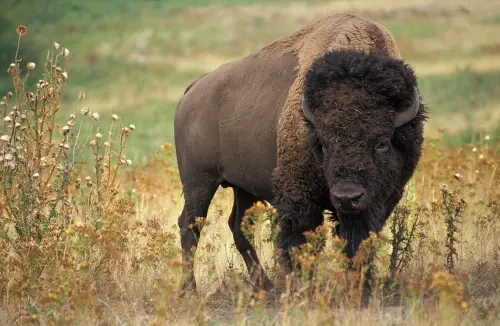
DID THEODORE ROOSEVELT SAVE THE BISON? SPECIAL RELEASE
Feb 1500:17:07Tap to summarizeIn chapter 7 of Francis Parkman's "Oregon Trail" , which was titled "The Buffalo", I promised this article from Teddy Roosevelt's Presidential library. Its titled "Did Theodore Roosevelt Save the Bison?"- and the answer follows. Check out www.bestof1001stories.com for all 12 of our 1001 Podcasts!
Transcribe →