
Podcast
18 Questions, 40 Mystics
Hosted by 18Forty · EN
18 Questions, 40 Mystics is a new podcast and video series by 18Forty and Share interviewing the leading rabbis, teachers, kabbalists, and artists immersed in the world of Jewish mysticism.
Join Rabbi Benji Levy as he asks 18 of the most existential questions to 40 mystics from around the world. If you are looking to dive into the world of spirituality, inspiration, and pnimiyut, then this is the podcast for you.
Have questions or comments? Shoot us an email at info@18forty.org.
Join Rabbi Benji Levy as he asks 18 of the most existential questions to 40 mystics from around the world. If you are looking to dive into the world of spirituality, inspiration, and pnimiyut, then this is the podcast for you.
Have questions or comments? Shoot us an email at info@18forty.org.
38episodes
Episodes
Newest firstAll episodes

Judah Mischel: 'I identify as somebody who is living in the days of redemption'
2w ago00:48:10Tap to summarizeRaised in a home that focused on the soul of Judaism, Rabbi Judah Mischel was immersed in the world of mysticism from a young age. For Rabbi Judah, true connection with God begins with love for other people. Rabbi Judah Mischel is the Executive Director of Camp HASC and founder of the educational initiative Tzama Nafshi. He is the author of the Baderech series, and lives in Ramat Beit Shemesh with his wife Ora and family.Now, he joins us to answer eighteen questions on Jewish mysticism with Rabbi Dr. Benji Levy including its unparalleled accessibility, the importance of restoring simple faith, and the miraculous nature of the State of Israel. Here are our questions: What is Jewish mysticism?How were you introduced to Jewish mysticism?In an ideal world, would all Jews be mystics?What do you think of when you think of God?What is the purpose of the Jewish people?How does prayer work?What is the goal of Torah study?Does Jewish mysticism view men and women the same?Should Judaism be hard or easy?Why did God create the world? Can humans do something that is against God’s will?What do you think of when you think about Moshiach?Is the State of Israel part of the final redemption?What is the greatest challenge facing the world today?How has modernity changed Jewish mysticism?What differentiates Jewish mysticism from the mysticism of other religions? Does one need to be religious to study Jewish mysticism?Can mysticism be dangerous?How has Jewish mysticism affected your relationships with yourself and with others?What is a Jewish teaching that you always take with you?
Transcribe →
Elliot Wolfson: ‘Jewish mysticism is the garment that I wear in this world’
3w ago00:37:56Tap to summarizeProfessor Elliot Wolfson, one of the world’s foremost scholars of Jewish mysticism, has dedicated over forty years to teaching and researching Kabbala and its expressions across Jewish history. He explores how ancient kabbalistic concepts resonate with contemporary philosophical and feminist theory. Elliot Wolfson is a professor emeritus of religion at University of California, Santa Barbara. He is renowned for his research in the history of Jewish mysticism, but he has also contributed to the fields of philosophy, literary criticism, feminist theory, and more. Now, he sits down with Rabbi Dr. Benji Levy to answer eighteen questions on Jewish mysticism including the mechanics of prayer, the constant recreation of time, and Pardes [the orchard]. Here are our questions: What is Jewish mysticism?How were you introduced to Jewish mysticism?In an ideal world, would all Jews be mystics?What do you think of when you think of God?What is the purpose of the Jewish people?How does prayer work?What is the goal of Torah study?Does Jewish mysticism view men and women the same?Should Judaism be hard or easy?Why did God create the world? Can humans do something that is against God’s will?What do you think of when you think about Moshiach?Is the State of Israel part of the final redemption?What is the greatest challenge facing the world today?How has modernity changed Jewish mysticism?What differentiates Jewish mysticism from the mysticism of other religions? Does one need to be religious to study Jewish mysticism?Can mysticism be dangerous?How has Jewish mysticism affected your relationships with yourself and with others?What is a Jewish teaching that you always take with you?
Transcribe →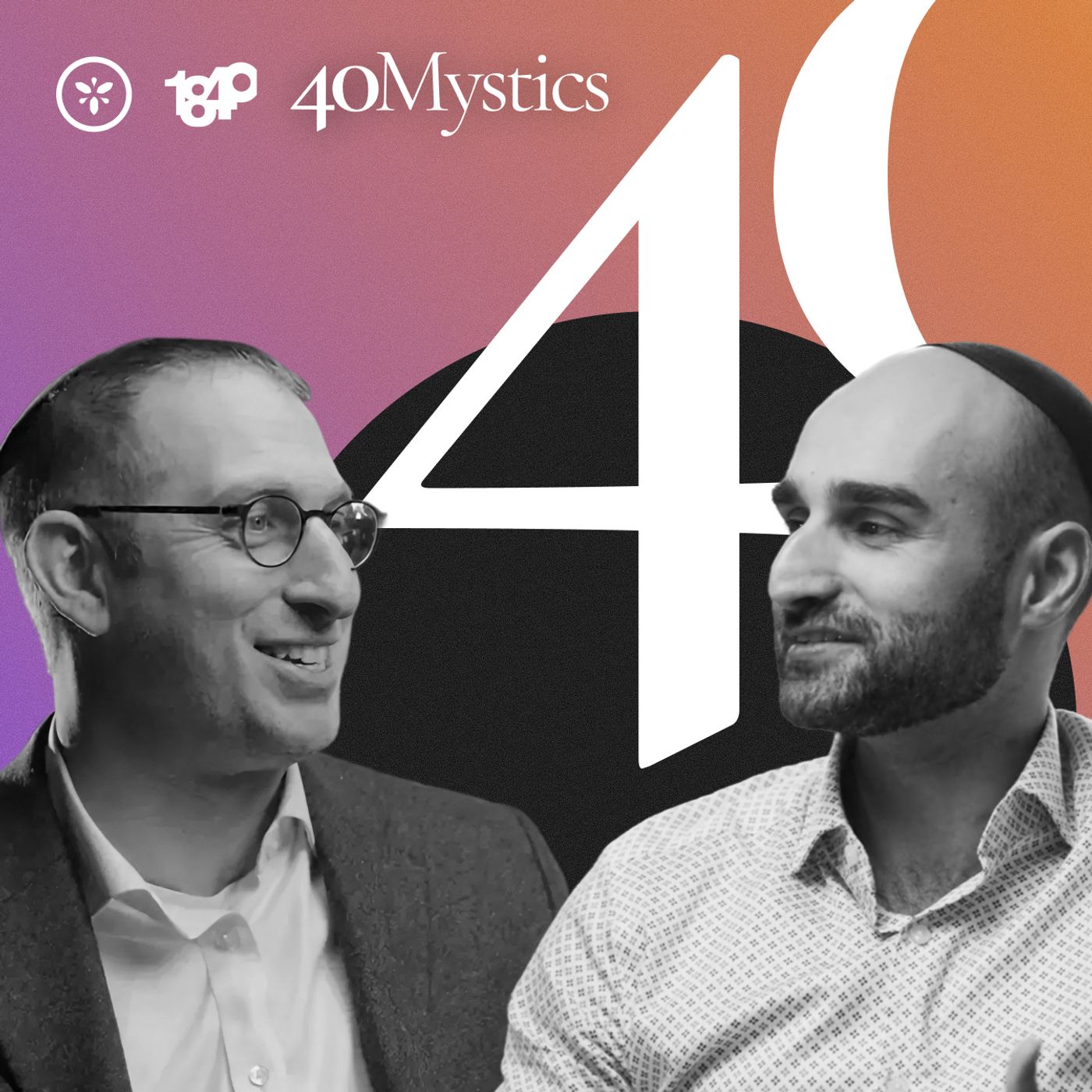
Efraim Palvanov: 'Every person can be the Messiah'
4w ago00:45:49Tap to summarizeWhat is taught today as basic science, argues Efraim Palvanov, was taught centuries ago in the Zohar. To Efraim, complex scientific functions such as quantum physics, epigenetics, and wave particle duality go hand in hand with Torah and Jewish mysticism. Efraim Palvanov studied biology and chemistry at York University, earned a bachelor of education at University of Toronto, and studied at Aish HaTorah in Jerusalem. He is head of the science department at Bnei Akiva Schools Toronto, runs two regular blogs as well as a YouTube channel, and is the author of five books.Now, he sits down with us to answer eighteen questions with Rabbi Dr. Benji Levy on Jewish mysticism such as the dangers of misinformation in today’s world, prayer as self-reflection, and every Jew’s role in bringing Mashiach [the Messiah]. 'Here are our questions: What is Jewish mysticism?How were you introduced to Jewish mysticism?In an ideal world, would all Jews be mystics?What do you think of when you think of God?What is the purpose of the Jewish people?How does prayer work?What is the goal of Torah study?Does Jewish mysticism view men and women the same?Should Judaism be hard or easy?Why did God create the world? Can humans do something that is against God’s will?What do you think of when you think about Moshiach?Is the State of Israel part of the final redemption?What is the greatest challenge facing the world today?How has modernity changed Jewish mysticism?What differentiates Jewish mysticism from the mysticism of other religions? Does one need to be religious to study Jewish mysticism?Can mysticism be dangerous?How has Jewish mysticism affected your relationships with yourself and with others?What is a Jewish teaching that you always take with you?
Transcribe →
Fruma Schapiro: 'The direct path of connection to Hashem is through the simple and the small'
Jun 2900:41:52Tap to summarizeFruma Schapiro’s connection to Jewish mysticism is deeply entrenched in Chabad Hasidism. She has seen the way it can transform lives and nourish souls, and she is particularly drawn to the idea that each and every person has a responsibility to spread a little more light in the world.Fruma Schapiro is a teacher in California. She teaches Judaic studies at Ohel Chana, a girls’ school in Los Angeles, and she hosts a podcast called Weekly Sichos, which spreads Chasidut [Hasidism] through teachings from the Lubavitcher Rabbi to women around the world.Now, she sits down with Rabbi Dr. Benji Levy to answer eighteen questions on Jewish mysticism including the role of prayer for women and how Jewish mysticism can positively influence our relationships with others.Here are our questions: What is Jewish mysticism?How were you introduced to Jewish mysticism?In an ideal world, would all Jews be mystics?What do you think of when you think of God?What is the purpose of the Jewish people?How does prayer work?What is the goal of Torah study?Does Jewish mysticism view men and women the same?Should Judaism be hard or easy?Why did God create the world? Can humans do something that is against God’s will?What do you think of when you think about Moshiach?Is the State of Israel part of the final redemption?What is the greatest challenge facing the world today?How has modernity changed Jewish mysticism?What differentiates Jewish mysticism from the mysticism of other religions? Does one need to be religious to study Jewish mysticism?Can mysticism be dangerous?How has Jewish mysticism affected your relationships with yourself and with others?What is a Jewish teaching that you always take with you?
Transcribe →
YY Jacobson: 'Jews were chosen to hold onto the frequency of redemptive consciousness'
Jun 2200:55:11Tap to summarizeIn this insightful conversation, Rabbi YY Jacobson presents Jewish mysticism as a dynamic framework for consciousness and connection rather than abstract theology. He passionately and clearly illustrates how faith and, ultimately, surrender can redefine how we see ourselves, our pain, and the world around us. Before the Lubavitcher Rabbi’s passing, Rabbi Jacobson served as one of his oral scribes. As a close disciple of the Rabbi, he developed a strong foundation in the world of Chassidut [Hasidism] and Jewish mysticism. Now, Rabbi Jacobson is a world-renowned speaker and scholar.He now joins us to answer eighteen questions with Rabbi Dr. Benji Levy on Jewish mysticism including how Torah is the map of reality, how spirituality should inform your relationships, and the function of humility in religious growth. Here are our questions: What is Jewish mysticism?How were you introduced to Jewish mysticism?In an ideal world, would all Jews be mystics?What do you think of when you think of God?What is the purpose of the Jewish people?How does prayer work?What is the goal of Torah study?Does Jewish mysticism view men and women the same?Should Judaism be hard or easy?Why did God create the world? Can humans do something that is against God’s will?What do you think of when you think about Moshiach?Is the State of Israel part of the final redemption?What is the greatest challenge facing the world today?How has modernity changed Jewish mysticism?What differentiates Jewish mysticism from the mysticism of other religions? Does one need to be religious to study Jewish mysticism?Can mysticism be dangerous?How has Jewish mysticism affected your relationships with yourself and with others?What is a Jewish teaching that you always take with you?
Transcribe →
Oshra Koren: 'If this is not redemption, I don't know what is'
Jun 1500:15:03Tap to summarizeFor Rabbanit Oshra Koren, mysticism is the soul and spirit of the Torah that animates the "body" of Jewish law. It is a path of deep longing that wakes the sleeping heart, transforming the way we see ourselves and our capacity to heal the world.Rabbanit Oshra Koren is the founder and director of Matan HaSharon and the global Matan Mother–Daughter Bat Mitzvah program. A sought after speaker and educator, she leads the Gavna Ensemble and serves as deputy head of the Raanana Religious Council, contributing extensively to communal leadership and women’s Torah study in Israel and abroad.Now, she sits down with Rabbi Dr. Benji Levy to answer eighteen questions on Jewish mysticism including the soul of the Torah, the spiritual significance of Israel, and how Hasidic stories wake the heart.Here are our questions: What is Jewish mysticism?How were you introduced to Jewish mysticism?In an ideal world, would all Jews be mystics?What do you think of when you think of God?What is the purpose of the Jewish people?How does prayer work?What is the goal of Torah study?Does Jewish mysticism view men and women the same?Should Judaism be hard or easy?Why did God create the world? Can humans do something that is against God’s will?What do you think of when you think about Moshiach?Is the State of Israel part of the final redemption?What is the greatest challenge facing the world today?How has modernity changed Jewish mysticism?What differentiates Jewish mysticism from the mysticism of other religions? Does one need to be religious to study Jewish mysticism?Can mysticism be dangerous?How has Jewish mysticism affected your relationships with yourself and with others?What is a Jewish teaching that you always take with you?
Transcribe →
Jonnie Schnytzer: 'The world caught up with kabbalists'
Jun 800:40:30Tap to summarizeFor Dr. Jonnie Schnytzer, Jewish mysticism teaches us to recognize that nothing in this world is the way it appears to be. Kabbalistic study is a process in deconstructing something we think we understand and rebuilding it. Dr. Jonnie Schnytzer has a PhD in Jewish Philosophy and currently teaches at Bar-Ilan University. Previously, Jonnie has served as advisor to the CEO of Taglit-Birthright Israel, led Israel advocacy delegations with StandWithUs, and directed the strategic partnerships of the Israel-Asia Center.Now, he joins us to answer eighteen questions on Jewish mysticism with Rabbi Dr. Benji Levy including how teshuva [repentance] begins with knowing you were born perfect, the question of Jewish governance, and how Torah study is the pathway to personal growth. Here are our questions: What is Jewish mysticism?How were you introduced to Jewish mysticism?In an ideal world, would all Jews be mystics?What do you think of when you think of God?What is the purpose of the Jewish people?How does prayer work?What is the goal of Torah study?Does Jewish mysticism view men and women the same?Should Judaism be hard or easy?Why did God create the world? Can humans do something that is against God’s will?What do you think of when you think about Moshiach?Is the State of Israel part of the final redemption?What is the greatest challenge facing the world today?How has modernity changed Jewish mysticism?What differentiates Jewish mysticism from the mysticism of other religions? Does one need to be religious to study Jewish mysticism?Can mysticism be dangerous?How has Jewish mysticism affected your relationships with yourself and with others?What is a Jewish teaching that you always take with you?
Transcribe →
Dina Etigson: 'The point is not to transcend this world but to bring God here into it'
Jun 100:24:35Tap to summarizeFor Dina Etigson, encountering Jewish Mysticism has been a transformative experience. Beyond the academic and textual Judaism she already knew and loved, she describes the experience as entering “a different dimension,” where spirituality and intellectualism blends. Dina Etigson is a teacher and a thinker in Israel.Now, she sits down with Rabbi Dr. Benji Levy to answer eighteen questions on Jewish mysticism and discuss the balance of taking and receiving from God, God’s greater goals for the Jewish People’s existence, and how we can reframe our mindsets to better connect with Him.Here are our questions: What is Jewish mysticism?How were you introduced to Jewish mysticism?In an ideal world, would all Jews be mystics?What do you think of when you think of God?What is the purpose of the Jewish people?How does prayer work?What is the goal of Torah study?Does Jewish mysticism view men and women the same?Should Judaism be hard or easy?Why did God create the world? Can humans do something that is against God’s will?What do you think of when you think about Moshiach?Is the State of Israel part of the final redemption?What is the greatest challenge facing the world today?How has modernity changed Jewish mysticism?What differentiates Jewish mysticism from the mysticism of other religions? Does one need to be religious to study Jewish mysticism?Can mysticism be dangerous?How has Jewish mysticism affected your relationships with yourself and with others?What is a Jewish teaching that you always take with you?
Transcribe →
Biti Roi: 'Every generation brings mysticism to a different stage'
May 2501:07:23Tap to summarizeFor Dr. Biti Roi, the texts of Jewish mysticism aren’t just ideas to study – they are a life force. A renowned scholar of Zohar, Kabbala, and Chasidut [Hasidism], these texts are the animating energy behind Dr. Roi’s teaching and way of life. Dr. Biti Roi is a fellow of the Kogod Research for Center Contemporary Jewish Thought and the academic coordinator and adviser for North American seminars at the Shalom Hartman Institute. She is the author of Love of Shekhina: Mysticism and Poetics in Tiqqunei ha-Zohar. Now, she joins us to answer eighteen questions with Rabbi Dr. Benji Levy on Jewish mysticism including Shabbat as a practice in hope, the feminine presence within the Divine, and more. Here are our questions: What is Jewish mysticism?How were you introduced to Jewish mysticism?In an ideal world, would all Jews be mystics?What do you think of when you think of God?What is the purpose of the Jewish people?How does prayer work?What is the goal of Torah study?Does Jewish mysticism view men and women the same?Should Judaism be hard or easy?Why did God create the world? Can humans do something that is against God’s will?What do you think of when you think about Moshiach?Is the State of Israel part of the final redemption?What is the greatest challenge facing the world today?How has modernity changed Jewish mysticism?What differentiates Jewish mysticism from the mysticism of other religions? Does one need to be religious to study Jewish mysticism?Can mysticism be dangerous?How has Jewish mysticism affected your relationships with yourself and with others?What is a Jewish teaching that you always take with you?
Transcribe →
Zvi Leshem: 'Modernity in general was a movement that was anti-mystical'
May 1800:35:42Tap to summarizeAs director of the Gershom Scholem Collection for Kabbalah and Hasidism at the National Library of Israel, Rabbi Dr. Zvi Leshem dedicates much of his time to the study of Jewish mysticism. He believes Jewish mysticism teaches us to listen, uplift, and shape our world as part of our path towards redemption. Rabbi Dr. Leshem received his PhD in Jewish Philosophy from Bar-Ilan University and is the author of Redemptions: Contemporary Chassidic Essays on the Parsha and the Festivals. He has previously served as the associate dean and director of overseas programs at Nishmat. Now, he joins us to answer eighteen questions with Rabbi Dr. Benji Levy on Jewish mysticism including how it transforms relationships, connecting to God through Torah study, and how the world’s greatest challenges persist over generations. Here are our questions: What is Jewish mysticism?How were you introduced to Jewish mysticism?In an ideal world, would all Jews be mystics?What do you think of when you think of God?What is the purpose of the Jewish people?How does prayer work?What is the goal of Torah study?Does Jewish mysticism view men and women the same?Should Judaism be hard or easy?Why did God create the world? Can humans do something that is against God’s will?What do you think of when you think about Moshiach?Is the State of Israel part of the final redemption?What is the greatest challenge facing the world today?How has modernity changed Jewish mysticism?What differentiates Jewish mysticism from the mysticism of other religions? Does one need to be religious to study Jewish mysticism?Can mysticism be dangerous?How has Jewish mysticism affected your relationships with yourself and with others?What is a Jewish teaching that you always take with you?
Transcribe →