
Podcast
5 Plain Questions
Hosted by 5 Plain Questions · EN
5 Plain Questions is a podcast that proposes 5 general questions to Native American and Indigenous artists, creators, musicians, writers, movers and shakers, and culture bearers.
24episodes
Episodes
Newest firstAll episodes
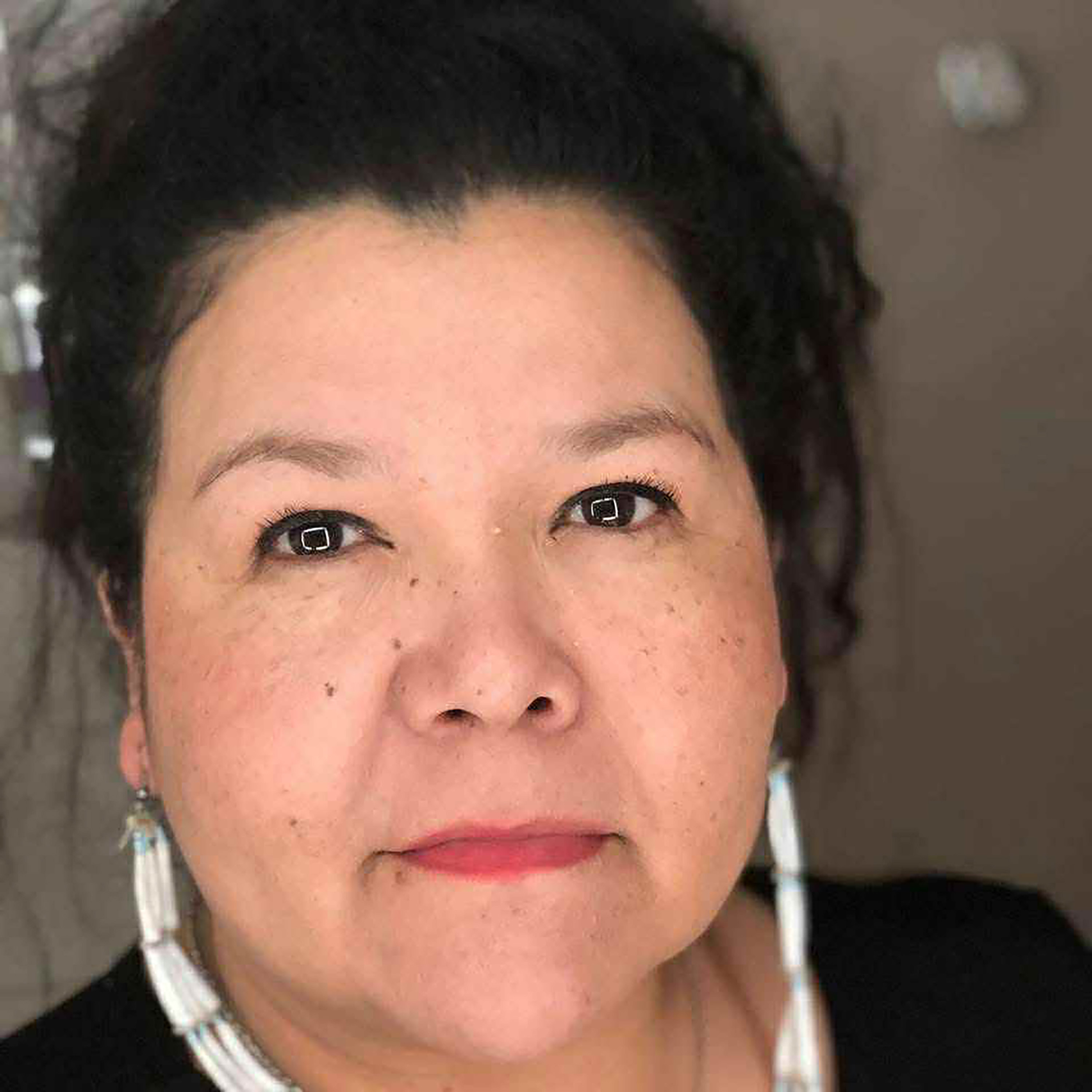
Dustina Gill
Oct 800:29:49Tap to summarizeThe central theme of this podcast episode revolves around the impactful work of Dustina Gill, an enrolled citizen of the Sisseton Wahpeton Oyate, who serves as the founder and Executive Director of NIS'TO Incorporated. This Native nonprofit is dedicated to fostering youth leadership, skill development, and wellness through the lenses of environmental justice, art, and Dakota culture. Throughout our conversation, we delve into Destina's multifaceted identity as a visual and digital storyteller, along with her experiences as a published poet, highlighting her artistic contributions showcased in prestigious galleries across the globe. Moreover, we explore the profound influence of her family and community on her endeavors, particularly focusing on the significance of storytelling as a healing process in the face of personal and communal loss. Ultimately, this episode serves as an inspiring testament to the resilience and creativity inherent within Indigenous communities, as exemplified by Destina’s ongoing commitment to nurturing the next generation.Takeaways: In this podcast episode, we delve into the life and work of Destina Gill, a prominent Indigenous artist and community leader. Dustina Gill has founded NISTO Incorporated, a nonprofit organization dedicated to youth leadership and environmental justice. Throughout her journey, Dustina emphasizes the importance of storytelling as a means of healing and preserving Dakota culture. The conversation highlights the significance of community engagement and the need for intergenerational knowledge sharing among Indigenous peoples. Destina reflects on the profound impact of loss and the role of art in processing grief within her community. Finally, we discuss how contemporary Indigenous art serves as a reflection of current societal challenges, bridging the past and present. Links referenced in this episode:elevenwarriorarts.comhttps://www.facebook.com/neeshtoinc/Companies mentioned in this episode: NIS'TO Incorporated
Transcribe →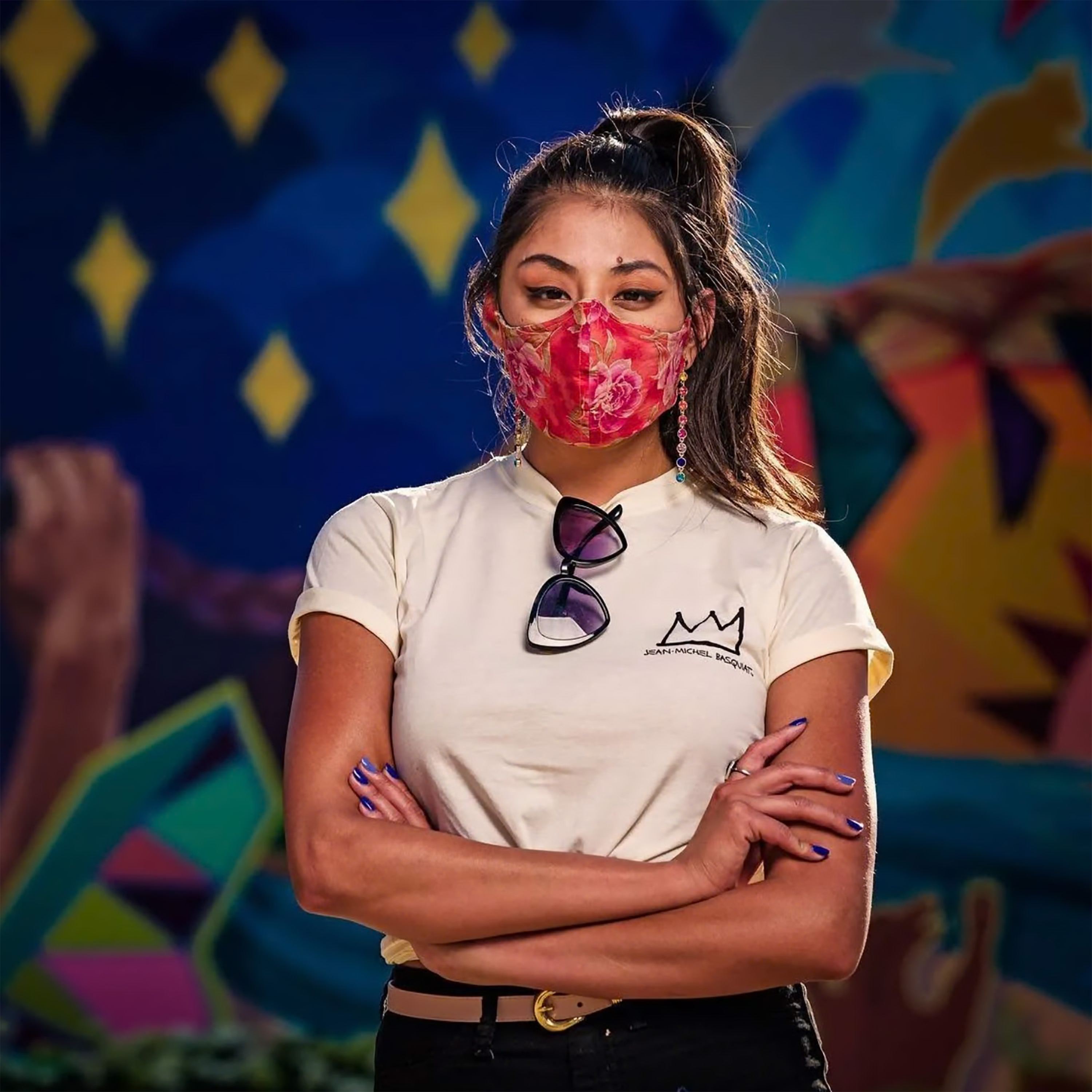
5 More Questions with Reyna Hernandez
Oct 100:41:22Tap to summarizeReyna Hernandez, a distinguished painter and muralist with deep ties to her Dakota heritage, elucidates the significance of public art and its role in fostering community engagement. Throughout our conversation, we explore into Reyna's artistic journey, which is profoundly influenced by her Ihaŋktoŋwaŋ Dakota roots and the cultural narratives that shape her work. She articulates how her murals not only challenge conventional representations of Native narratives but also invite community members to actively participate in the creative process. By employing a community-based approach, Reyna emphasizes the importance of collaboration in art, ensuring that the voices of those living within the mural's context are heard and reflected in the final composition. As we explore her recent projects, it becomes evident that Reyna's commitment to authenticity and representation is not merely an artistic endeavor; it is a vital act of cultural preservation and empowerment.Takeaways: Reyna Hernandez's artistic practice is deeply rooted in her Indigenous heritage and personal narratives. The collaborative approach utilized by Reyna and her team fosters community engagement and shared storytelling. Public art serves as a crucial medium for expressing Indigenous identities and challenging colonial narratives. Reyna emphasizes the importance of authentic representation of Indigenous women in her work, countering historical misrepresentation. The community-based mural projects aim to create accessible art that resonates with local populations and fosters connection. Reyna's experiences reveal the complexities and challenges of navigating public perception and collaboration in art. Links referenced in this episode:waterers.orgelevenwarriorarts.comhttps://offthewallgallery.com/Companies mentioned in this episode: Waterers University of South Dakota Oscar House Art Institute Off the Wall GalleryMentioned in this episode:The Waterers
Transcribe →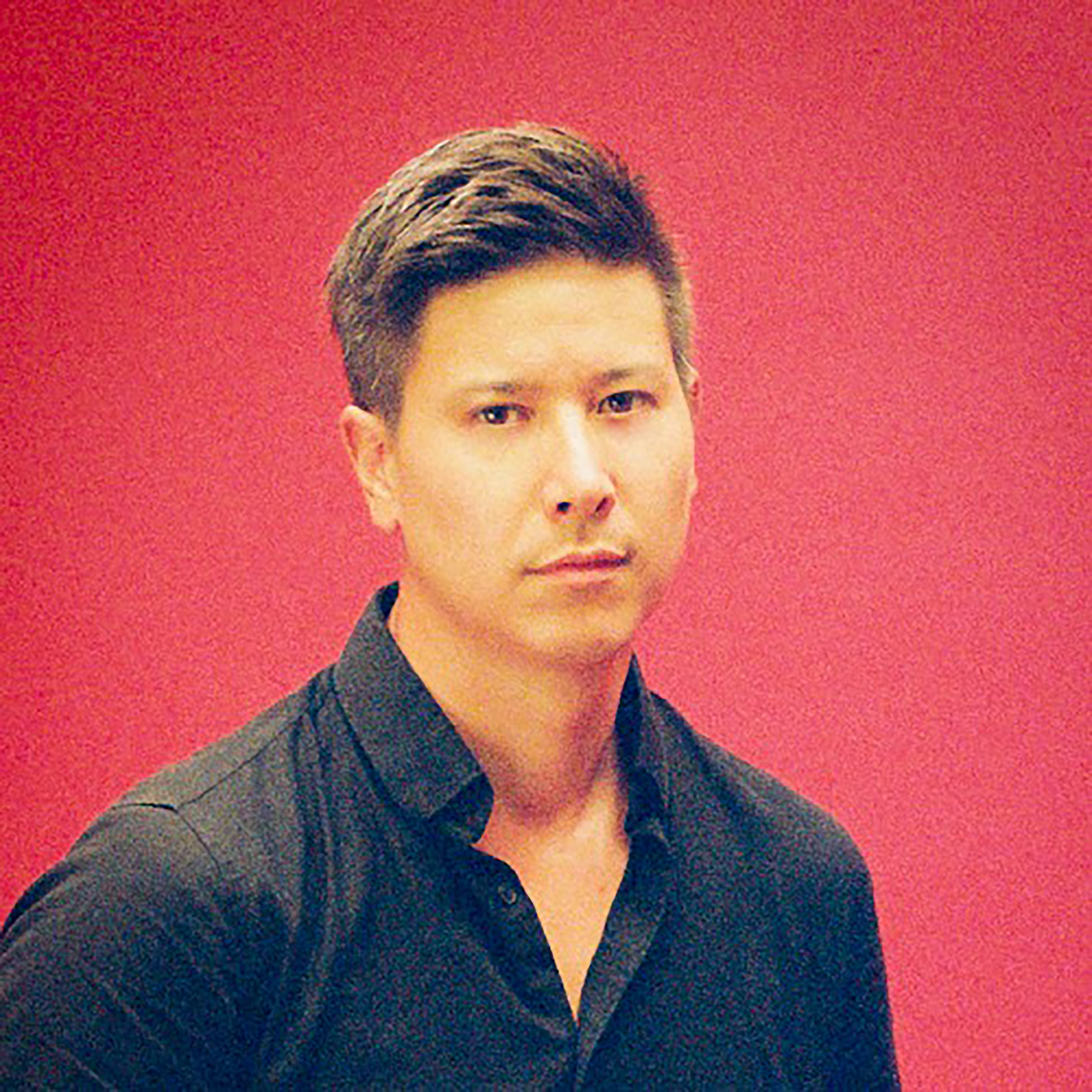
Ryan Stopera
Sep 2400:22:23Tap to summarizeThe conversation centers around Ryan Stopera, a multifaceted artist whose work in film, photography, and community development illustrates the potency of storytelling as a catalyst for social change. As a mixed-race, Chinese American individual, Ryan’s journey is deeply influenced by his background in social work and his commitment to community engagement. He commenced his career by supporting marginalized populations, such as those experiencing homelessness and foster care youth, which profoundly shaped his artistic lens. Throughout the conversation, Ryan articulates how his initial foray into documenting protests around the 2008 recession became a pivotal moment, igniting his passion for documentary filmmaking as a medium to amplify voices often silenced in mainstream narratives. This episode intricately weaves the threads of personal loss—specifically, the death of his sister, who was a filmmaker herself—into his creative impetus, revealing how grief can transform into a powerful narrative force. Ryan’s artistic philosophy emphasizes collaboration and the necessity of community-based storytelling. He reflects on how the supportive fabric of the Twin Cities’ artistic environment has fostered his projects, allowing for the coalescence of diverse voices and ideas. The episode further explores his current endeavors, including his work on a feature-length documentary titled 'Why We Dance', which illustrates the significance of indigenous dance as a vessel for cultural expression. Through heartfelt anecdotes and a commitment to social justice, Ryan's insights serve as a testament to the belief that art can indeed shape societal discourse, encouraging future generations to embrace their narratives and create collaborative spaces for change.Takeaways: Ryan Stopera's profound journey as a self-taught artist began with his dedication to social work, emphasizing the importance of community engagement. Through his documentary work, Ryan has elevated marginalized narratives and transformed them into powerful stories that resonate with audiences. Collaboration is a cornerstone of Ryan's artistic practice, allowing him to merge storytelling with community organizing for impactful change. Ryan's filmmaking endeavors strive to showcase the often-invisible aspects of community life, fostering connection and understanding among diverse populations. The influence of familial relationships, particularly the memory of his late sister, serves as a driving force in Ryan's creative expressions and storytelling. As an artist, Ryan advocates for the significance of building intentional relationships that sustain collaborative projects and enrich the creative process. Links referenced in this episode:www.waterers.orgelevenwarriorarts.comhttps://www.ryanstopera.com/https://www.artoftherural.org/Companies mentioned in this episode: Waterers Bank of America Art of the Rural
Transcribe →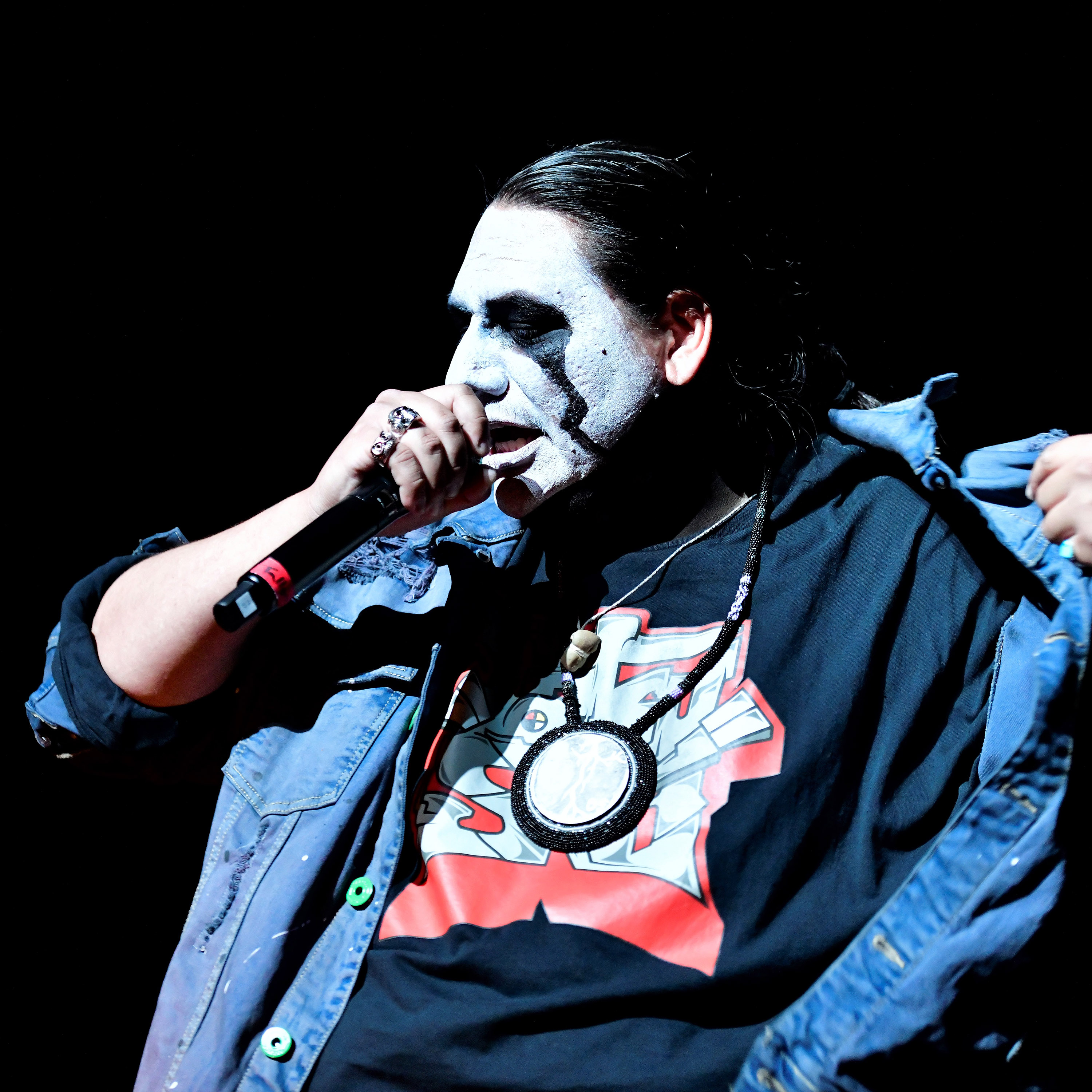
Talon "Bazille" Ducheneaux
Sep 1000:39:06Tap to summarizeTalon "Bazille" Ducheneaux, a multifaceted rap artist from the Cheyenne River Lakota and Crow Creek Dakota nations, shares his story in this episode of 5 Plain Questions. With a profound commitment to his community, Talon is the manager of the Wicahpi Olowan Music Program Recording Studio, where he fosters the talents of Indigenous artists through mentorship and collaboration. His musical oeuvre, which includes culturally infused rap albums, embodies themes of struggle, resilience, and perseverance, drawing from his rich cultural heritage. In our conversation, we talk of Talon's influences, his journey in sound design and music production, and his vision for empowering Native youth in the arts. This episode not only highlights Talon's artistic endeavors but also underscores the importance of community support and the legacy of mentorship within Indigenous cultures.Takeaways:The podcast episode features Talon "Bazille" Ducheneaux, a multifaceted artist from the Cheyenne River Lakota and Crow Creek Dakota nations, who shares his profound journey in the music industry.Ducheneaux emphasizes the importance of community engagement through music, highlighting his role in managing the Wicahpi Olowan Music Program Recording Studio.He articulates the significance of mentorship in his career, detailing how influential figures have shaped his artistic and personal development.The conversation delves into Ducheneaux's reflections on the evolving nature of Indigenous representation in the arts and the necessity for greater recognition of Indigenous artists.His narrative illustrates the transformative power of music as a medium for cultural expression, resilience, and healing within Indigenous communities.Ducheneaux stresses the importance of creating opportunities for youth in the arts, showcasing his commitment to fostering new talent and supporting emerging artists.Chapters:00:29 - Introduction to Talon "Bazille" Ducheneaux03:45 - Talon "Bazille" Ducheneaux: Influences and Inspirations10:24 - The Journey of Musical Discovery17:06 - Opportunities and Growth in Music25:21 - Cultural Reflections on Community Celebration28:01 - The Journey of Growth and Connection32:22 - Exploring the Sound Design JourneyLinks referenced in this episode:https://www.bazille.info/aboutHttps://www.waterers.orgelevenwarrioararts.comCompanies mentioned in this episode:Wicahpi Olowan Music ProgramFirst People's FundPlaying for the ChangeOglala Lakota Art SpaceCornerstone Theatre CompanyKennedy CenterGuthrie TheatrePennsylvania Academy for the Fine ArtsUSDArt of the RuralWatersIndigenous Association in Downtown Fargoindigenous artists, indigenous music, native hip hop, talon "Bazille" Ducheneaux, native sound design, indigenous communities, cultural resilience, indigenous mentorship, indigenous music programs, first people's fund, playing for change foundation, dakota culture, lakota culture, soundscapes, indigenous theater, community engagement, native youth empowerment, music therapy, indigenous storytelling, indigenous creatorsT6vPoAPRffV0Ga62sXxbMentioned in this episode:Waterers intro
Transcribe →
5 More Questions for Xavier Tavera
Dec 18, 202400:51:51Tap to summarizeXavier Tavera joins us once again on 5 Plain Questions, bringing his unique perspective as a Minnesota-based photographer and cultural storyteller. In this engaging conversation, he reflects on the evolving nature of storytelling and representation in his work, emphasizing the importance of listening and understanding the narratives of marginalized communities. Xavier shares insights from his current projects, including his work with Latino populations in rural Minnesota, and discusses the significance of reciprocity in art. The discussion also delves into the contrasts between urban and rural art scenes, underscoring the vital role that art plays in fostering community dynamics. As we navigate these complex times, Xavier offers thoughtful reflections on the responsibilities of artists to engage with diverse voices and histories.The conversation with Xavier Tavera unfolds as a profound exploration of storytelling and representation, particularly through the lens of an artist deeply immersed in the complexities of cultural identity. Tavera, a Minnesota-based photographer originally from Mexico City, reflects on how his experiences as an immigrant have shaped his artistic vision. His work not only captures the lives of marginalized communities but also seeks to foster dialogue about the narratives that often go unheard. Throughout the discussion, Tavera shares insights from his diverse projects, such as his compelling work with veterans, which taught him the intricacies of communication and the importance of listening deeply to others’ stories. As the dialogue progresses, Tavera emphasizes the challenges and responsibilities artists face in accurately representing their subjects. He discusses the impact of technology on storytelling, particularly the rise of social media, which he feels has created barriers rather than bridges in authentic communication. Tavera's perspective invites listeners to consider how art can serve as a tool for connection and understanding in a world that often feels divided. He passionately argues for the need to cultivate conversations across differing viewpoints, advocating for a more civil discourse in our current political climate. The episode culminates in Tavera's reflections on his ongoing projects, such as exploring the lives of lighthouse keepers in Chile and his work with Latino communities in Minnesota. His dedication to documenting these stories reflects a broader commitment to acknowledging the histories and experiences of underrepresented groups. By sharing not just the images but the stories behind them, Tavera aims to create a richer narrative tapestry that honors the complexities of identity and belonging. This engaging dialogue not only showcases Tavera's artistic journey but also serves as a call to action for listeners to embrace the power of storytelling in fostering empathy and community engagement.Takeaways: Art serves as a vital vehicle for conversation and connection within marginalized communities. Xavier Tavera emphasizes the importance of listening and engaging with diverse narratives. The interplay between urban and rural art dynamics shapes how stories are told and perceived. Tavera's experiences highlight the challenges of representation in institutions for Latino artists. The need for open dialogue and understanding different perspectives is essential in today's society. Art can document and preserve stories for future generations, making cultural contributions invaluable. Links referenced in this episode:artoftheworld.orgelevenwarriorarts.comXaviertavera.comCompanies mentioned in this episode: Art of the World Minnesota Institute of Art Minnesota Museum Museum of American Art Minnesota Historical Society Minnesota Historical Center Ramsey County Historical Society Wiseman Art Museum Carleton College NYU Mentioned in this episode:Art of the RuralArt of the Rural is honored to support 5 Plain Questions. We are a collaborative organization that works to resource artists and culture bearers across the country. Together, we build relationships, change narratives, and bridge divides. Across the last fifteen years, we’ve collaborated with individuals and communities from a range of cultural and geographic backgrounds to contribute towards a more equitable and healthy future for rural and Indian Country. We invite folks to check out some of our work. Our Rural-Urban Exchange strengthens intercultural networks through a locally- focused creative leadership program. Our Spillway initiative supports artists and culture-bearers to cultivate relationships along the Upper Mississippi River region. And our High Visibility initiative creates podcasts, exhibitions, and publications that share nuanced and complex perspectives on contemporary life in rural and Indian Country. If folks would like to learn more about our work, please visit art of the rural dot org.
Transcribe →
Ben West
Nov 28, 202401:03:37Tap to summarizeThe podcast welcomes Ben West, a dynamic Indigenous filmmaker whose work centers on Native American narratives and experiences. West's background is rich, having grown up in Washington, D.C., and Albuquerque, New Mexico, with deep ties to the Cheyenne and Arapaho Tribes of Oklahoma. His professional journey is marked by collaborations with notable production companies and cultural institutions, including the Smithsonian Institution. The conversation dives into his recent film, 'Imagining the Indian,' which addresses the impact of Native American mascots in sports, a topic that resonates deeply within Indigenous communities. West articulates how this film is not just a documentary but a call to action, aiming to shift public perception and inspire dialogue about the representation of Native peoples. The emotional weight of the subject matter is underscored by personal anecdotes, revealing how mascotting has affected individuals within the community, including painful experiences of bullying and misrepresentation in childhood. West emphasizes the importance of storytelling in healing and community empowerment, making a compelling case for the role of media in advocating for Indigenous rights and cultural integrity.As the discussion unfolds, West shares insights about his influences, particularly from family members who have dedicated their lives to the betterment of Indigenous people. He reflects on his grandfather's legacy and how it continues to inspire his filmmaking. The episode elaborates on the significance of family bonds and the shared commitment to uplifting Indigenous voices in a predominantly Western narrative landscape. West also touches on his new project, 'Loyal to the Soil,' which focuses on Native American military service, highlighting the unique experiences of veterans and the need for greater recognition of their contributions and sacrifices. This film aims to shine a light on the challenges faced by Native veterans, from healthcare accessibility to the complexities of identity and service in a country that has historically marginalized them.Listeners are encouraged to engage with the themes presented, as West’s work embodies a broader movement towards Indigenous storytelling that seeks not only to educate but also to inspire change. His commitment to social justice through film serves as a reminder of the power that narratives hold in shaping perceptions and fostering understanding. Ultimately, this conversation with Ben West is a celebration of resilience, creativity, and the unyielding spirit of Indigenous cultures as they reclaim their narratives in the modern world.Takeaways: Ben West emphasizes the importance of storytelling within Indigenous communities through film and art. The film 'Imagining the Indian' raises awareness about the harmful effects of mascotting. Ben highlights the significant contributions of Native Americans in the military, showcasing their service. Networking and organic conversations are key to creating opportunities in one's career path. The upcoming documentary 'Loyal to the Soil' will focus on Native American military veterans. Ben's family background and influences shape his commitment to Indigenous storytelling and advocacy. Links referenced in this episode:rfccollective.orgimaginingtheindianfilm.orghttps://tv.apple.com/us/movie/imagining-the-indian-the-fight-against-native-american-mascoting/umc.cmc.3qa2hqaa2irstn0ca6gfmj7e2https://www.amazon.com/gp/video/detail/B0CV4GV6FR/ref=atv_dp_share_cu_rCompanies mentioned in this episode: Carsey Werner Mandebach Telenova Productions Mandalay Pictures Smithsonian Institution's National Museum of the American Indian Library of Congress Aspen Institute Reno Flying Coyote Collective
Transcribe →
Dr. Anton Treuer
Nov 20, 202400:41:41Tap to summarizeDr. Anton Treuer, a professor of Ojibwe and prolific author, joins Joe Williams on Five Plain Questions to share his insights on language revitalization, cultural identity, and the importance of community engagement. With a rich background rooted in his mother's experiences on the Leech Lake Reservation and his father's immigrant journey, Dr. Treuer highlights the influences that shaped his path towards advocating for Indigenous rights and education. He discusses the significance of balancing personal aspirations with the collective needs of the community, emphasizing that true success is defined not by individual accolades but by fostering cultural continuity for future generations. Throughout the conversation, Dr. Treuer also reflects on his diverse roles as an educator, ceremonial leader, and author, revealing how each facet of his work intertwines to serve a greater purpose. This episode offers a profound exploration of identity, purpose, and the ongoing journey of Indigenous revitalization in contemporary society.Dr. Anton Treuer’s narrative is a compelling exploration of identity, culture, and the transformative power of education. As a professor of Ojibwe language and culture at Bemidji State University, he embodies the intersection of academic rigor and community engagement. His upbringing on the Leech Lake Reservation, coupled with the influences of his mother—a pioneering Native attorney—and his father—a Holocaust survivor—shapes his worldview and professional ethos. Dr. Treuer provides listeners with a rich context of his life experiences, emphasizing the importance of cultural heritage and the role it plays in shaping personal identity. He shares poignant stories from his childhood that reflect the realities of growing up in a community deeply affected by systemic oppression and the lack of representation in professional fields.Throughout the episode, Dr. Treuer articulates his commitment to cultural revitalization through education and community service. He discusses his involvement in officiating traditional ceremonies and his work in diversity and inclusion, which aims to create equitable spaces for Indigenous peoples. His latest literary endeavor, 'Where Wolves Don't Die,' encapsulates his belief in the significance of storytelling as a means of preserving culture and fostering understanding. The conversation delves into the challenges and rewards of balancing multiple roles—educator, community leader, and author—while maintaining a strong connection to his roots. Dr. Treuer’s reflections serve as a reminder of the resilience and strength found within Indigenous communities, urging younger generations to embrace their heritage and take initiative in their personal and communal journeys.The episode resonates with themes of hope and empowerment, culminating in Dr. Treuer’s call for collective action and responsibility. He emphasizes that meaningful change is not just an individual endeavor but a communal one, where each person’s contributions are vital to the larger narrative of Indigenous resurgence. As listeners engage with Dr. Treuer’s insights, they are encouraged to reflect on their own roles within their communities and consider how they can actively participate in fostering a more equitable future. This rich dialogue serves as both a celebration of Indigenous culture and a call to action for all individuals to engage in their respective journeys with purpose and passion.Takeaways: Dr. Anton Treuer's diverse background influences his work in language, culture, and education. He emphasizes the importance of community engagement and cultural revitalization in his projects. Trueur believes in the significance of showing up for both personal and professional commitments. His experiences with family shaped his view on justice and the power of education. He advocates for understanding and navigating colonial systems while promoting Indigenous culture. Treuer encourages young listeners to believe in themselves and take initiative in their pursuits. Links referenced in this episode:elevenwarriorarts.comhttps://antontreuer.com/https://www.amazon.com/stores/Anton-Treuer/author/B003TUIJPG?ref=sr_ntt_srch_lnk_1&qid=1731520480&sr=8-1&isDramIntegrated=true&shoppingPortalEnabled=true
Transcribe →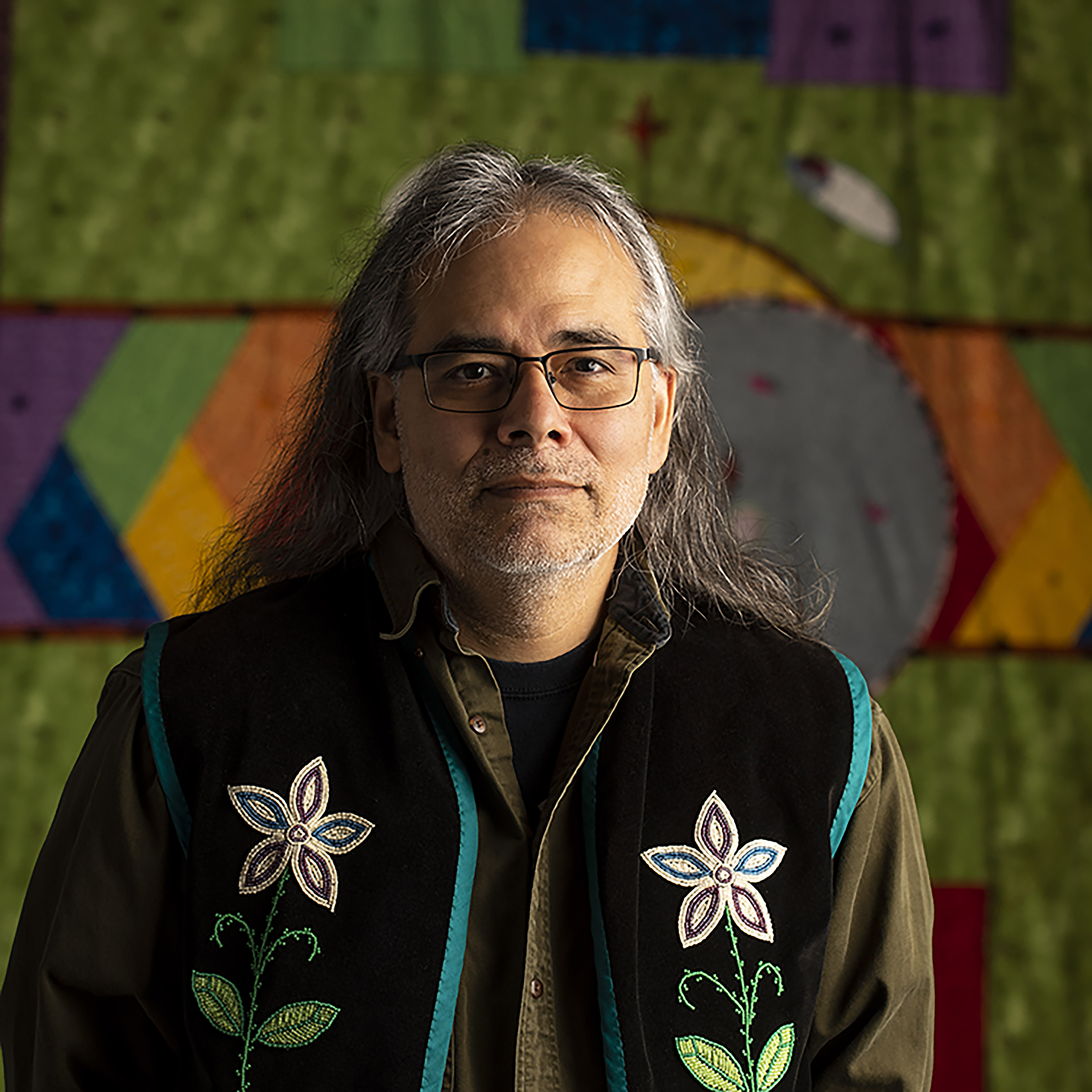
Rick Kagigebi
Nov 13, 202401:36:56Tap to summarizeJoe Williams engages in a captivating conversation with Indigenous artist Rick Kagigebi, who has dedicated his life to creating meaningful blankets that tell stories and serve as ceremonial gifts. Rick shares his journey from humble beginnings, learning to sew without any prior experience, to becoming a respected fiber artist recognized for his unique approach and contributions to his community. Throughout the discussion, Rick emphasizes the importance of storytelling in his work and how each blanket carries deep cultural significance and healing energy. He reflects on the challenges he faced, including personal tragedies and health issues, and how these experiences have shaped his artistic expression and commitment to cultural practices. The episode highlights the power of art as a means of connection, healing, and community engagement, encouraging listeners to embrace their creativity and contribute to their cultural heritage.A profound exploration of art, identity, and community unfolds as Joe Williams engages Rick Kagigebi, an Indigenous artist whose journey is marked by resilience and creativity. Rick shares his unique story, beginning with his upbringing in Newfoundland, Canada, and his eventual move to the La Courte Oreilles Reservation in Wisconsin. Through his heartfelt narrative, listeners discover how Rick found solace in sewing after facing personal tragedies, including a life-altering stroke. His art, particularly his blankets, transcends mere fabric; each piece is imbued with stories and cultural significance. Rick emphasizes the importance of ceremonial gifts, viewing his blankets not only as artistic expressions but as vessels for healing and connection. The conversation further delves into how art can foster community bonds, offering insights into Rick's teaching endeavors that aim to inspire the next generation of Indigenous artists. With a blend of personal anecdotes and cultural reflections, this episode serves as a poignant reminder of the power of creativity in navigating life's challenges and preserving cultural heritage.Takeaways: Rick Rick Kagigebi's journey into blanket making began in 1980, inspired by cultural ceremonies. He has developed his unique style, using yarn to tell stories through his blankets. Rick emphasizes the importance of community and sharing cultural practices through art. His blankets serve as both healing gifts and personal expressions of his life experiences. Rick's art has been influenced by his life events, including personal tragedies and recovery. Opportunities for sharing his craft include teaching classes to inspire others in the community.
Transcribe →
Matt Johnson
Nov 6, 202400:39:17Tap to summarizeMatt Johnson, a talented musician and songwriter, shares his journey of growth and self-discovery in the latest episode of Five Playing Questions. With a deep connection to his Native American heritage, Matt reflects on how his family’s musical legacy has shaped his artistic path. After overcoming the challenges of addiction, he found clarity and inspiration in sobriety, leading him to write more meaningful music. He emphasizes the importance of simplicity in songwriting, aiming to create catchy, relatable tunes that resonate with listeners. As he discusses his current projects and the dynamics of balancing family life with a music career, Matt’s passion for his craft shines through, inspiring others to embrace their artistic journeys.Joe Williams hosts a heartfelt conversation with Matt Johnson, a talented musician from the Turtle Mountain Band of Ojibwe. The discussion delves into Matt's rich musical heritage, highlighting the significant influence of his family, especially his grandfather, Eddie King Johnson, a country musician who inspired him from a young age. Matt shares his journey through music, from his initial guitar lessons to his self-taught approach that led him to develop a unique style blending rock, Americana, and jazz influences. He emphasizes the importance of simplicity in songwriting and performance, reflecting on how his experiences as a father and a sober musician have shaped his artistic identity. The conversation also touches on the challenges of navigating the music industry, particularly for independent artists, and the necessity of perseverance and authenticity in creating meaningful music that resonates with listeners. Through his narrative, Matt encapsulates a journey of self-discovery, resilience, and the power of community in artistic expression.Takeaways: Matt Johnson's musical journey is deeply rooted in his family heritage and experiences. Sobriety has positively influenced Matt's songwriting and musical creativity, enhancing his craft. The importance of simplicity in songwriting allows listeners to connect with the music easily. Learning from family musicians inspired Matt's passion and commitment to his music career. Matt emphasizes the value of continuous learning and growth as an artist throughout life. He advocates for the significance of writing impactful lyrics that resonate with audiences. Links referenced in this episode:elevenwarriorarts.com
Transcribe →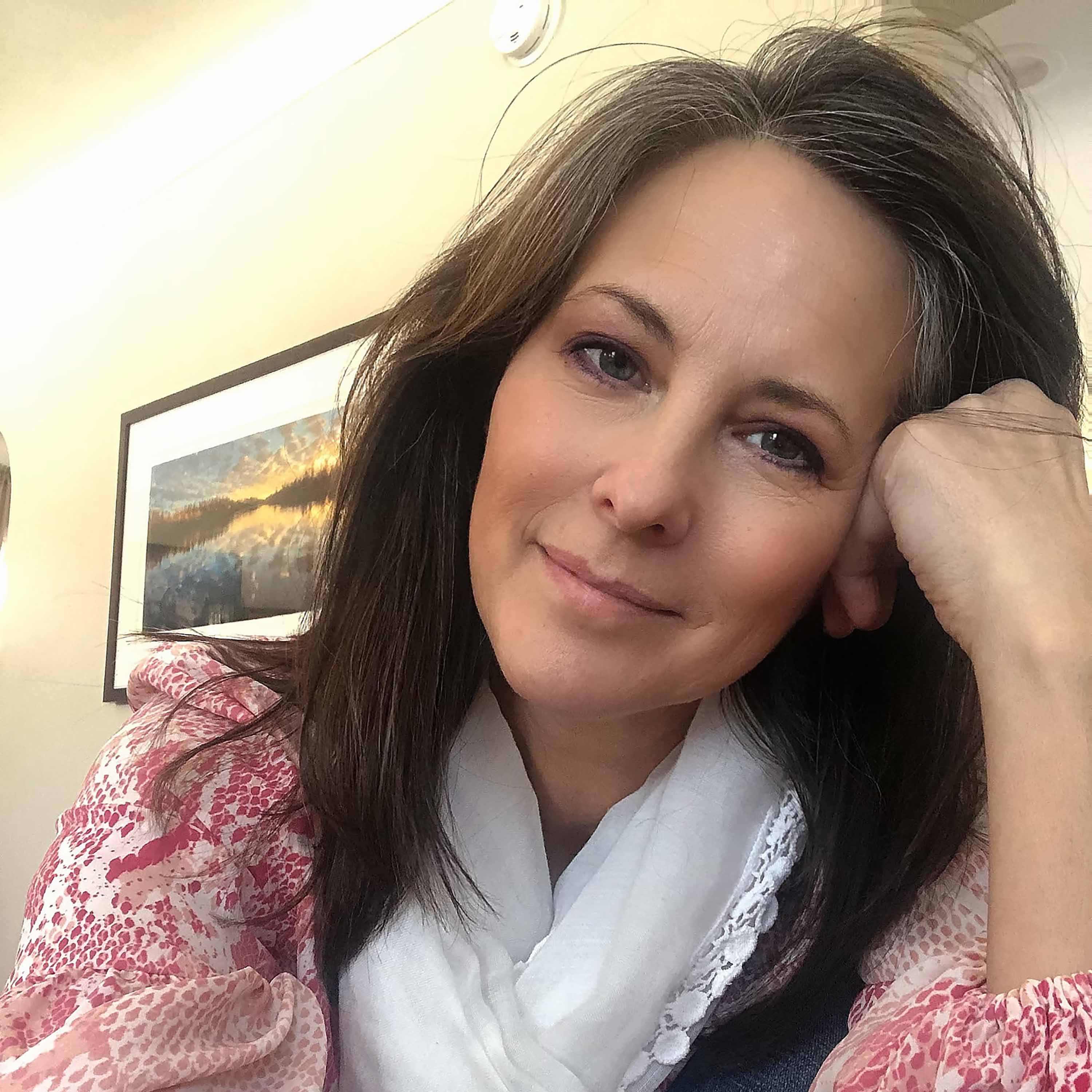
Christina Woods
Oct 24, 202400:48:21Tap to summarizeChristina Woods, the first Anishinaabe Executive Director of the Duluth Art Institute, shares her journey of transforming a predominantly white institution into a BIPOC-led hub for the arts. With over 35 years of experience working with underserved communities, Christina emphasizes the importance of community engagement and inclusivity in the arts. She reflects on the profound influence of her elders and family, particularly her mother and uncle, who instilled in her the values of love and activism. Throughout the conversation, she discusses the significance of lived experiences and storytelling in shaping artistic practices, advocating for a deeper understanding of knowledge beyond academic credentials. Christina’s passion for empowering individuals and fostering creativity shines through as she highlights the vital role of artists in enriching community life and driving change.Hello, and welcome again to 5 Plain Questions, a podcast that proposes 5 questions to Indigenous Artists, creators, musicians, writers, movers and shakers, and culture bearers, people in the community doing great things for their communities.I’m Joe Williams, your host for this conversation. My goal is to showcase the amazing people in our Indigenous community around the region and country. So, join me as we sit down and hear the stories and perspectives from our amazing community, where there is a story with each and every one of us.I want to introduce you to Christina Woods.Christina Woods has 35 years working with underserved communities and individuals and serves the Duluth Art Institute (DAI) as its first Anishinaabe Executive Director. Currently, she serves on the City of Duluth Public Arts Commission, past president, State of Minnesota Capitol Arts Committee as the Chair, the State of MN CAAPB task force participant, State of Minnesota State Arts Board, Arts Midwest Board of Directors, Chair of the Board New Native Theatre, U.S. Senate Curatorial Advisory Board, The Nature Conservancy Board of Trustees. Christina is an enrolled member of the Bois Fort Band of Chippewa and works closely with the Anishinaabe community as a leader and mentor. Christina also conducts trainings and workshops on equity, diversity and inclusion including the program she created for the DAI, Commission Your Bias. Christina’s work social justice brings a unique lens to the context of an arts organization. Christina is a 2019 AARP 50 0ver 50 awardee in bias busting. She holds a bachelor’s degree in Elementary Education and a Masters of Education in Leadership. Christina is called upon locally, regionally and nationally as an expert in decolonization, diversity, equity and inclusion. Christina consults on these topics through her company Diversity Consulting.A top talent, brilliant administrator and strategist, Christina Woods is a talented leader. Her success includes a 14 year career teaching, 10 years narrating and on camera work on the national program Native Report, and 30 years writing curriculum and grants, fundraising, and diversity/inclusion consultation. Christina brings an extensive range of non-profit experience as a board member, executive director and business leader. As an Anishinaabekwe and community leader, Christina sharesher enthusiasm for empowering individuals and illuminating the breadth of human experiences.Christina enthusiastically leads the vision of the Duluth Art Institute as its first Anishinaabe leader. Her focus is delivered with tender attention to advocacy rooted in celebrating inclusivity and expansive thinking. Christina thoughtfully serves our community with a vision to the future. She lives in Duluth, MN with her acknowledged home in the Bois Forte Nation of Northern MN.So let’s jump into this conversation with Christina…Website:duluthartinstitute.orgLinks referenced in this episode:duluthartinstitute.orgelevenwarriorarts.comCompanies mentioned in this episode: Duluth Art Institute Arts Midwest Diversity Consulting New Native Theater Nature Conservancy
Transcribe →