← AdExchanger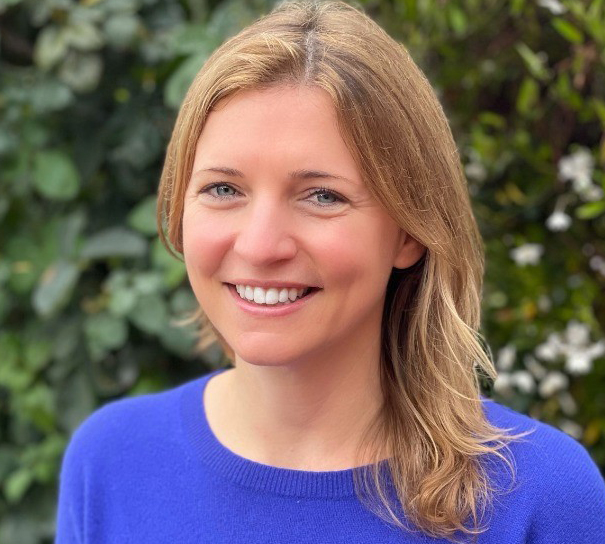
AdExchanger
Can LinkedIn Become A B2B Streaming Hub?
01:00:00
LinkedIn has been investing in video like nobody’s business. Lindsey Edwards, VP of product management, takes us inside the company’s video strategy, which now includes CTV ads and a creator rev share program. Plus: Why LinkedIn decided to host...
Loading summary
Transcript69 lines
- [00:00]
Lindsay Edwards
Foreign welcome to Ad Exchanger Talks, the podcast devoted to examining the issues and.
- [00:17]
Alison Schiff
Trends in advertising and marketing technology that.
- [00:20]
Lindsay Edwards
Matter most to you.
- [00:24]
Sarah Sluice
This episode is brought to you by Mutinex Podcast Pioneers in AI powered market mix modeling. Get fast answers to hard questions with Mutinex, your growth co pilot. Ask for a demo at Mutinex Co. That's M U T I N E X Co.
- [00:51]
Alison Schiff
I'm Alison Schiff and thank you kindly for lending an ear to Ad Exchanger Talks and and for watching. Because this is the first episode of Ad Exchanger Talks that we're recording with audio and video. Hopefully that old phrase won't apply about having a face for radio and a voice for silent film. Considering that this is our first episode with video, my guest is rather appropriate. Lindsay Edwards is the VP of product management at LinkedIn, which has been investing in video like it's nobody's business. In fact, LinkedIn hosted its first ever New Friends presentation this year, which was a closed door affair for advertisers where LinkedIn showcased its video centric advertising strategy including new targeting options, CTV ads. Because yes, LinkedIn has CTV ads and also a new slate of B2B creators. We'll get deep into LinkedIn's video ambitions from a product perspective and we'll talk about how LinkedIn is investing in AI because of course it is. But before we get started, the celebration of the year is almost here. The 2025 Top Women in Media and Ad Tech Awards. Whether you're one of this year's incredible honorees or proud supporter, don't wait to confirm your place at the event where we shine a spotlight on the boldest, brightest and most badass women in media and marketing. You'll join industry leaders, rising stars and change makers for an unforgettable evening of celebration, storytelling and connection. Let's honor the work, the impact and the future of women in our industry together, Podcast listeners, you get $50 off the price of your ticket when you use code womenrock all one word in caps at checkout. Hope to see you there. Hey Lindsay. Welcome to the podcast, Nelson.
- [02:42]
Lindsay Edwards
Thank you for having me.
- [02:44]
Alison Schiff
So this for our listeners is our first video podcast. So you might be listening to this audio only, but you might also be watching us. And I'm recording from my bedroom in Astoria, Queens, New York. And this is real. This is all my stuff in the background I forgot to clean up. Lindsay, where are you recording from?
- [03:05]
Lindsay Edwards
I am in a guest room in my house in Danville, California which is in the East Bay. And so also I was like, oh, let me at least make sure the bed is made behind me so I don't totally embarrass myself.
- [03:17]
Alison Schiff
You did more than I. You can't see it, but my bed is not made. So what is one thing about you that not a lot of other people already know?
- [03:30]
Lindsay Edwards
It's interesting, at LinkedIn we have a long time tradition where when we are introducing new people or when we have customer visit or whatever, we ask like, what's the one thing not on your LinkedIn profile? And I've been at LinkedIn 12 years, so I've had a lot of answers to that question in 12 years. But notably one I will share today that I don't often share in the work context is I do have a two year old who is, it was Mother's Day yesterday. It was a lovely day. Is the, is the light of my life. But she was also meant to not be in the house today. And she is very much here because it's raining outside and not at the park. And so you may hear some shouts or pitter patter or door slams or who knows what she will do because she's trapped inside today, which is not ideal.
- [04:14]
Alison Schiff
Well, pitter patter is just an adorable word. So if we hear pitter patter, it's perfectly fine. And speaking of when we're going to speak of LinkedIn a lot. But speaking, speaking of looking at your LinkedIn, I went all the way back to the beginning of your profile and I saw that you started your career interning at Gallo Winery and you did this internship development program. It was over 5, 4 summers between 2000 and 2004. And the description of it on LinkedIn almost makes it sound like you got a business degree. Like, you worked in the finance department, the creative services department, you did supply chain management and you did marketing. So it, it seems like that really set the stage for you and you had your pick of, of things that you could do after having a variety of exposure.
- [05:07]
Lindsay Edwards
Yes. Yeah. So I look back at sort of my journey, my professional good journey, my life really, for all intents and purposes. And this is one that notably, I think sort of like changed the course of my life and what I wanted to do. And I am one of many sort of like fortunate turns along the way. So I'm from a town called Modesto, California, which is a relatively small town in the Central Valley here in California. But Gallo Winery, who at the time was the largest independently owned winery in the world, happens to be headquartered in Modesto. So when I was 17 years old, a senior in high school. There was a brand new program, I think was the second year that they did it, where they created this internship program where you had a chance to start interning for them the summer after your senior year in high school. So you're quite, you know, I hadn't had any kind of like real job. I'd worked in like a retail store and things, but like sort of being in the corporate environment but also not legal.
- [06:00]
Alison Schiff
Not legal to drink.
- [06:02]
Lindsay Edwards
Yes. Which, which was notable especially in my marketing spin there because I would be on sets where we, we would be doing advertising campaigns, ironically. Now I will get back to this later in the conversation as well. And I wasn't allowed to touch anything that had had any alcohol in it. Like, they were very strict about like you had to like stay very far away. So, yes, I was not 21 until my last summer. Maybe I didn't turn 21 until my last summer. So, yes, a very interesting look at the wine business. But really having that exposure to a large corporate environment at a very young age and then learning all the different parts of a business at that scale was just this fascinating opportunity, I think was completely unique versus my peers. As I was in college and trying to figure out what I wanted to major in and what I wanted to do, I'd had this like, incredible opportunity. So I still am insanely grateful. I also received sort of like a partial scholarship. So I was putting myself through school. Very much helped me in my journey as well, reduce my student debt. So for. For so many reasons, like incredibly grateful for the company, the leadership that sort of envisioned this program and then sort of like the play the, the role it played in my life and how I kind of decided what I wanted to be when I grew up. Although I changed my mind.
- [07:19]
Alison Schiff
What does your 2 year old want to be when she grows up?
- [07:22]
Lindsay Edwards
She doesn't have a great answer to that right now. She is most obsessed with garbage trucks. So like she woke up this morning in her crib shouting, she thought it was garbage truck day. Garbage truck day is Tuesday. But I would say like she. But she might want to be the garbage truck, not the garbage man. So we'll see how that evolves as she gets a little bit older.
- [07:44]
Alison Schiff
So after Gallo, you sort of stumbled into product like with a capital P, and you moved to a startup called Reardon Commerce. And for anyone who's not familiar, and correct me if I'm wrong, but they developed a platform and apps to help businesses and also consumers manage and book services services like Travel, shopping and local deals. And you wore a bunch of different hats when you were there. You were a product manager, a corporate development manager, you were a director of SMB solutions at one point and then it wasn't long after that when you moved to LinkedIn. But it's still not what a lot of people might imagine to be like a quote unquote traditional path. So looking back, like, what advice would you give your younger self as you started your career in tech? Just like putting on and taking off all of these different hats?
- [08:34]
Lindsay Edwards
Yeah, yeah. So I, I joined that first startup when it was maybe 25, 30 people and by the time I left it was 500 people. So I had that opportunity to, to ride that crazy sort of growth path of an early stage startup that's exploding from um, like from all, from all angles. Number of people that number of ideas you're working at all the time, their ambitions in terms of really, truly believing you're going to go change the world as this small group of people. And I think it was, it was again sort of like fortunate that I did it when I was really young because I didn't know any better. Like my biggest advice would be when someone comes to you with an opportunity, like say yes. So you know, the company was growing so fast we couldn't keep up with ourselves. And I had been there since kind of the beginning of so many of these ideas and what we were trying to create and what we were trying to build. So time and time again there would be an opportunity, there wouldn't just be enough, there wouldn't be enough people in seats that had the experience or the, the knowledge of what we were trying to do. And so probably seven or eight times in that five plus year journey, someone, you know, come work on M and A, like, let's go acquire a company. How was the least qualified person to go run an M and A experience? But I had been there, I knew the company, I knew what we were trying to accomplish by bringing the technology on board and building something out. And I was like smart and hungry and ambitious and so like just having that, being in the right place at the right time, but also saying yes. I will say the one time I had the hardest time saying yes was when that opportunity was product management, ironically. And the reason for that being I didn't come from a technical background. Like I knew sort of like the business ins and outs, but I was like, I can't work with engineers all day, I don't know how to do what they do. So how am I going to be successful in being the sort of communication that, in between, between the customers and the partners and what we're trying to do. But then working with engineers day out, day out, and I honestly probably thought, like, they're going to think I'm really dumb. They're going to think I don't know what I'm doing because I don't know how to code. And it turned out, in my opinion, the some of the best PMs that I know are not engineers or have not been engineers. It gives you that like, unique ability to explain a problem, what you're trying to do, who you're trying to solve it for, and find the best of both sort of sides of the brain or sides of approaching a problem or approaching an opportunity in order to create something meaningful. Um, but it, it was intimidating. Like there it was, it was, for me specifically, it was very intimidating to step into that and to sort of get over some of the imposter syndrome of like, am I really the right person to do this?
- [11:25]
Alison Schiff
It sounds like the kind of experience you need is like a wine blend almost.
- [11:31]
Lindsay Edwards
Yes. I try to bring, I try to bring everything in my life back to wine in some way or another. So you may hear me, that's a good one. You may hear me do that again.
- [11:42]
Alison Schiff
Well, are you a white wine or a red wine person? And what does that say about somebody?
- [11:47]
Lindsay Edwards
So I, I, I had a, a glass of red wine yesterday on Mother's Day, but I, I do not, there's not very much wine that you could bring me that I won't give an opportunity to. So it depends on the day, depends on the mood, depends on the weather, hot weather, cold weather. I could, I could be very happy with either red or white wine.
- [12:07]
Alison Schiff
So then you joined LinkedIn in 2013 as a senior Product manager for Marketing solutions. And then by 2018, I believe you were the senior Director of Product Management for Sales solutions and the enterprise platform. And then fast forward a few more years and now you're the VP of Product Management and you focus still on marketing solutions and sales solutions and the business platform. So I was going to ask you, like, are you a coffee drinker or a tea drinker? And what do you do after you pour a cup of that or steep your tea? Like, what is a day in the life? I was then going to try and make a joke about wine, but then I didn't want to imply you were drinking in the morning. So what is a day in your life when you have like your mug in your Hand. Then what?
- [12:55]
Lindsay Edwards
Yes, I do have, I actually have a mug in my hand right now. It says one tough mother on it. So good Mother's Day tribute there. And it's always coffee. I wish. Which was your say?
- [13:06]
Alison Schiff
Oh, mine says Mermaid life. I have a black cat named Mermaid who's prowling around in the background.
- [13:12]
Lindsay Edwards
Amazing. Amazing. Always coffee. Gosh. A day in the life. I think maybe one of the most. I would say challenging is not the right words. Exciting. Challenging. Depending on the day of like, of, of being a product manager is you really are wearing so many hats so often. You may be in the weeds doing a standup with your engineers trying to figure out how to get the next launch out the door. You may be having a very big broad business discussion about how you're going to take a product to market. You may be in like a pricing and packaging discussion. You may be, it's like you, you, you sort of, and this is true not just at my level, but even when you're, when you're quite junior and young in your career as you're sort of expected to almost wear this mini CEO type hat where you're sort of like going up and down the scale of like magnitude of what you're talking about, but also like what you're trying to solve for and whether it's a today problem or a next three years problem. And you kind of have to traverse that like up and down throughout your day, throughout your week, throughout your month. And so I think what you know, Monday morning I tell the more junior folks on my team, it's just sort of time to like buckle up and expect all of that at the same time. So there is no true day in the life or preparation I think you can do. But, but having the flexibility, being able to, to figure out how to, to be all of those things at the same time and not feel like you're, you know, a chicken running around with your head cut off. Like it's, it's easy to do in this job specifically, but just sort of embracing it and also how you learn how to then carve out time for doing the work you want to do and all the other things because you are quite in demand. It's sort of like you're, you're kind of the, the spoke of the wheel with a lot of cross functional partners that you're working with that are depending on you. So navigating that and feeling comfortable navigating that sort of like the, the core skill set that's very hard to like explain or Maybe learn rather other than doing it on the job.
- [15:17]
Alison Schiff
And so that's a lot happening every day. It sounds interesting and exciting and maybe a little bit different every day. Although of course you are working to a schedule on specific products. It's not just like la la la. But I want to take a step back because You've been at LinkedIn for more than 12 years, which has me beat. I've been at Ad Exchanger for just shy of 11 years and there's been so much change in terms of what we write about. Even though there are certain themes that just keep, you know, there's a drumbeat. But having been at LinkedIn for so long and on either the marketing and, or sales side and of the business the whole time, I feel like you have a very good pur over the ad product roadmap and how it's evolved and what the ethos is. So how would you describe LinkedIn's advertising and monetization strategy, just briefly? And how would you say it's changed or evolved since you started at LinkedIn over a decade ago?
- [16:17]
Lindsay Edwards
Yeah, I mean the short answer is everything's changed. I mean, I think when I, and, and I, and I think I'm very lucky that I had that opportunity to come into the advertising business in 2013, right before we went through this massive transformation. So when I joined the advertising business at LinkedIn was almost entirely like a desktop display business. And it wasn't that long ago. I mean, I know 12 years, I guess for the younger folks listening, 12 years is going to feel like forever. But you know, you know, I know it goes by in a blink of an eye. And so when I joined, I was part of a very small team at that point that in the course of maybe, you know, started meaningfully in my first year, but certainly within two years we had transformed the business from a desktop display business to a mobile first business, to a feed based native business to a like, we took this like huge sort of like step forward in terms of what, not just the products we were going to build and serve, but the monetization strategy and also how people thought of and were consuming LinkedIn globally. And so that was sort of like this period of fairly significant disruption and transformation. And then we sort of like settled in and built from there and really scaled the business in a really incredible way. And then there's now we're going through what I would consider another pretty significant transformation in that and there was a lot along the way. But of course right now, you know, not just disruption from An AI perspective, which I'm sure we're talking about from like a tech perspective. But also More and more LinkedIn is being viewed and consumed and valued from a member perspective based on video. Right. We're doing this via video for the first time, which feels like a great move as we're seeing these consume. Like the members that, you know, are finding value on LinkedIn for all different reasons, really being more comfortable consuming content and getting value from that content via video than other means. And so that is something that over the last 12 months, like ish, maybe a little bit longer than that, we just start to see like so often our members tell us what they need, what they want and how they're going to get value from LinkedIn. So this is another time where you really just have to understand how your members, how the people coming to LinkedIn every day or every week or every month are, are getting value and then you lean into that. So we saw that with mobile as our membership really transitioned to consume, consuming on mobile more than on desktop. That was sort of like my first foray. And then now seeing this in terms of video just being, you know, the means by which people are more comfortable getting, consuming and content. And so that's like sort of what we see on the consumer side play out. But of course our job on the advertising side is okay, how do we now enable marketers to get the most value from. They know the B2B audience is on LinkedIn. They know folks are coming to LinkedIn with a certain context and what they're hoping to get from LinkedIn, which is very different than the other platforms. And so how do we now bring marketers along on the journey? And this is the best way you are going to be able to resonate with the audience that matters for you as you're looking to help solve problems for those folks. And so it feels like we're early on that journey, which I know, like video isn't new. There's obviously platforms that have been video only or video first for a very, very long time. But in this professional context and what we really stand for and what I believe we are good for in the world, I think, I think we're still in the newer, maybe earlier parts of this journey.
- [20:11]
Alison Schiff
It's funny you say how people are comfortable consuming content. I'm thinking of being comfortable creating this kind of content because I'm, I'm used to doing these podcasts as audio only and it really is a transition for me as I don't think of myself as a creator. I think of myself as a journalist. I want to interview people and I think of podcasts as an audio only medium. Perhaps I'm an old lady and I don't understand what, what the value is in having video when for me audio is about putting in my AirPods and going for a walk and maybe doing an errand or something while I listen. But I completely understand that this is a very important trend and that I'm possibly an outlier.
- [21:02]
Lindsay Edwards
I don't, I don't think you are though. I mean, certainly there's a generational complaint point here, right? I mean, I think if you're talking about certainly Gen Z, but millennials as well, like they've sort of grown up in this era of being so comfortable both creating content of themselves on video and consuming content in that way. And like the creation. I will tell you, maybe I shouldn't say this since, since, since I have the job that I do, but I posted a video on LinkedIn last week, two weeks ago. It's not my favorite thing to do. It's intimidating. You're standing there, you're staring at yourself creating this video. And it, you know, I, I want it to feel valuable and you know, I want to, I want to differentiate from all the other noise out there. I also just don't love putting myself out there on a video and saying, look at what I did. I mean, it's just, it's not. And I, and I like, I, I think it's great. Other people are like farther on the journey and feel comfortable with that. But I think most of us, particularly as professionals, particularly on a site like LinkedIn, where, you know, you're, you're really wanting to deliver that valuable message. It's not entertainment. It's not meant to be entertainment. It's meant to be truly professionally valuable content that can be shared with the world. Like, do I really have something to say that's that important? That's that differentiated. It's a high bar. And I'm grateful that people feel like there's the high bar on LinkedIn, but you kind of also just have to rip off the band aid and get out there and do it. And it's not as bad as it as. Especially once you do it a couple of times, I think you do get more comfortable with it. I think we're all, on, many of us, I should say, are on that journey somewhere. And it certainly doesn't come naturally or without its sort of like anxiousness for a lot of, a lot of folks, particularly when it's not just like purely entertainment type video, which is great too, that has, that has a place. But that's certainly not what we're looking to do at LinkedIn.
- [22:53]
Alison Schiff
Well, Lindsay, you definitely have things of value that are differentiated to say so I'll just say that. And we're going to keep talking about your perspective on all things video. We're going to talk about the new, the new fronts. LinkedIn had its first ever new fronts recently, which is really interesting. We're also going to talk about AI and. Yeah. So stick with us for the second half. Foreign.
- [23:32]
Sarah Sluice
Hello, I'm Sarah Sluice, executive editor of Ad Exchanger, and I'm here with Henry Innes, the co founder and global CEO of Mutinex with a focus on driving product development. Henry leads the Mutinex product vision. He's obsessed with what's next for customers. With a background in software engineering, marketing strategy, works with a lot of the world's largest brands. Welcome Henry. Let's dive right in. Every organization talks about being very data driven in their marketing, but a lot of them struggle to get there. What's holding them back in your opinion?
- [24:09]
Henry Innes
I think the number one problem and issue holding any organization back is the cost of asking a question. So if you think about the cost of an organization asking a question, when a CMO goes to ask that question, what tends to happen is a cascade of things happen. People look at various platforms and look at various sources of truth. They wrangle that together in a presentation and it takes weeks and weeks and weeks and arguably cost millions and millions of dollars. So the number one way to solve that is to build systems and processes that go beyond just aggregating and building models around data analytics, but are able to deliver answers to complex questions quickly, immediately and without cost. And if you can start to solve that problem, that allows you to answer more questions. When you can answer more questions, you can become more data driven.
- [24:58]
Sarah Sluice
So there's a lot of analytics tools out there now. Why isn't it that the tools are solving the problem?
- [25:06]
Henry Innes
Well, I think if you have a bunch of data scientists building tools for other data scientists, it becomes ridiculously hard to build something workable for actual organizations and users. So I'd say that's probably the first thing. I think ultimately it's because we're all focused on the wrong thing. We're focused on more data, not good answers. And I think ultimately every data product focuses on generating more and more data for organizations, which adds more and more cost to organizations. When you have more and more cost to organizations being added from more data, what ultimately happens is they get overwhelmed. How many times have we seen analytics platforms being added in only for new teams to spring up around them, new owners to spring up around them, and them not to be integrated into the business? So we focus very much on ignoring the data problem. And in fact, you know, we know organizations don't want more data, they want less data crafted to better answers. And so ultimately that's, that's what we.
- [26:05]
Sarah Sluice
Shoot for, less data crafted to better answers. I really like that as a North Star. How do, how do you fix this answers problem?
- [26:17]
Henry Innes
Well, the first thing is to acknowledge that no one wakes up in the morning wanting to buy a market mix model. Everyone wakes up kind of, you know, going, I have a problem. What's the data I need to understand to answer that question. And so that is the product that you're ultimately trying to build. You're trying to build answers platforms, you're not trying to build market mix modeling platforms. The entire framing of the MMM industry around models betrays the fact that it's not a customer centric or focused industry. And so I think if you start to change that fundamentally and start to go, okay, how do we get really good answers? Where we have very fast models that we know are very accurate and have extreme granularity so that we can actually select the right components that matter to analyze a problem, rather than providing very high level generic answers with lots of strategic waffle to justify those answers, then we start to get to a much better place.
- [27:14]
Sarah Sluice
So I hear you alluding to what you're building at Mutinex. How does your team tackle this challenge? Give us a little more detail.
- [27:22]
Henry Innes
So we tackle the challenge firstly by, you know, making data ingestion very easy. You know, if you, if you can't take in unstructured data, if you have to spend weeks and weeks in data, it's impossible to get to a good answer quickly. We then focus on having models that run really fast in a very generalized fashion. The reason why is that means those models are not biased by analysts and they also stand up over time and they're more robustly tested across different environments and scenarios. And that means they're more reliable for forecasting, they're better in parameter recovery, they're better in holdout testing, which are objective tests that you can run. And finally, we then build usable interfaces that sit over those generalized models that select the right answers with the right level of granularity to present the information that a user needs, rather than forcing the user to Consume lots of data that they don't need.
- [28:19]
Sarah Sluice
Well, I like this approach. It's very thoughtful of what people need versus just trying to maybe push another tool for the sake of a tool. As we were talking about early in the conversation. Thanks for coming on the podcast, Henry, and thank you to mutinext for supporting our podcast.
- [28:38]
Henry Innes
Thanks.
- [28:56]
Alison Schiff
All right, we're back, and let's just get right back into it. So I want to talk about Stories for a second because LinkedIn introduced Stories, it was in 2020, a feature that was very similar to Stories on Instagram, Facebook, Snap, all of those guys. But the vibe on LinkedIn is very different from the vibe on Instagram, even though people now with video do some crossbody posting. But it's, I mean, the focus is on professional networking. So I think it was about a year that you guys had stories, and then September 2021, you discontinued it, which makes sense to me, and I kind of applaud it. Right. I mean, something is out there. It seems like everyone wants a certain kind of format. So you experiment, you try it, you see if it works or not, and then you move on when it doesn't. But I guess why does short form ephemeral video, like, make sense on other social platforms and not so much for you guys? Because I, I feel like it's, it's possible to make it work maybe, but I guess there just wasn't the engagement.
- [30:05]
Lindsay Edwards
Yeah, I think there was a couple of, of challenges and it might, you know, in, in, in product management, I think what I've learned, particularly being in one place like LinkedIn for 12 years and having seen products evolve or you try something and it doesn't work, you try it again, you try it again. It's like it has to be both the right thing at the right time. And so when I look back at Stories, I'm not sure it was the wrong product, although I'm sure there was lessons learned and a better way to create the right format and the right engaging experience for the member. But maybe it was just a little bit too far ahead of its time in terms of the comfort level of the audience. Back to what we were just talking about before the break in terms of creation and consuming video in the professional context in this way. And so you will. We are sort of like back on a similar trajectory, but with a different angle on the product that I think we need to be quite specific and help our members understand both our creators, but also consumers. Like, what's the, what's the appropriate kind of video content that our members would want to see and value and, and it's certainly again like I will, I will. I heard a new term and I don't. Hopefully I'm not like, I'm just stealing it at this point from someone interesting but called the infotainment. Like if it's just purely professional and information related might be kind of boring and you have to like, so then how do you have the right balance of the content that's delivering some kind of professional value or context, but also in the format, in the right time and place to resonate? And I think that's where over the past year we've seen sort of our members run out ahead of us, which is the best. What I was talking about. That's sort of like the best news, right? When our members are telling us this is what we want, this is what we're valuing. And we see that in our engagement metrics. We see in how they're spending time on the site, we see in how often they're coming back. We see in how often they are engaging with certain types of content or certain types of information or even certain types of members or companies or content. And so we're sort of back. I think we made the right decision at that time with the value we were delivering and therefore the engagement that was following. And now we've learned those lessons, we've started to see our members really, really enjoying and coming back for more video content over time. So in a different kind of format, but still similar or sort of moving forward now with, with what that means for how we can lean in and do more of that.
- [32:38]
Alison Schiff
Well, you have the vertical video feed, which is scrollable, similar to TikTok. TikTok and shorts and reels housed in a, in a video tab in the app. And they're not ephemeral, so people can go back and watch them again, which to me makes a lot of sense because if someone's giving advice, some kind of career advice or something, you would want to go back and watch it again. And you also, you released some video editing and caption tools or at least enhanced versions of them to do text overlays and automatic closed captions just to make it easier for people to actually make video. And then last year you rolled out something called the Wire program, which is basically your ad solution for video. So putting in stream pre roll ads next to contextually relevant content in the feed. And then that got expanded recently to something called brandlink. So it's a lot of names, it's just a lot of things. So what's new? What can brands do with brandlink that they couldn't do before? And yeah, what should advertisers know about these offerings?
- [33:50]
Lindsay Edwards
Yeah, absolutely. And sorry for the naming confusion. We are, brandlink will be the name moving forward. We'll lean into that. But we've had some, we've had some shifts in that along the way. We're just a part of the process when you're trying to figure out new products and, and what will resonate. But what's most important to know here is like we, we believe and we know from what we've seen so far in this journey with video on the platform is mapping and matching that marketer message, right? Like marketers are trying to deliver a message to the world, to the professional audience about a problem they can solve, a solution they have for potential buyers and companies or people that would be buying their product or service. When that matches the content you're already consuming, it feels native, right? So we learned this 12 years ago when we launched our first feedback product is like I often talk to people and they ask where I work and I say LinkedIn. And they, and I talk about how I work on ads and they say I don't even notice ads on LinkedIn. Well that's like, that's my, that's my ideal outcome, right? It should feel more organic in nature. It should feel like it resonates, it should feel like it's targeted to you, which means it's not an ad sticking out somewhere. It's really feels like it's part of the content. It's part of what I'm already consuming. And so with brandlink, what we can do is, is take a marketing message and map it to a topic or a message that it's going to feel one in the same and unified in terms of it really being part of the experience. So with the old product, which I won't mention that name anymore because we'll move forward with brandlink, that was really about publishers, right? So you have something like the Wall Street Journal or a publisher that has a message to the market and then having the marketer be able to incorporate their message in a pre roll video along with that pub. But then extending that from like big name. Publishers are great, right? They're respected, they have important messages for the world. That's like a strong tie between the two. But the world we're moving to is really creators, right? Creators and the topics they're passionate about and how they communicate to their audiences about topics that resonate also with the audience. So isn't it sort of that dream world to have that marketer message unified with the creator message and a topic that feels cohesive? Then it starts to feel like just part of the message, end to end, and it resonates with the audience more than anything else that we see out there. So this really is the extension from the publishers out to creators around topics that we know resonate and matter to our audience so that we can have that more organic type feeling. And we know then that marketing message lands better, resonates longer and is more sort of like lasting to, to the audience and the, and the potential buyers our marketers are trying to reach, when.
- [36:42]
Alison Schiff
You also really have to resonate with marketers themselves, which is what the first ever newfronts presentation was about this year. It was closed door. So just for advertisers, I didn't get to go for that reason, but I did hear about a few highlights, including something that I have to admit I had never heard of and I didn't know that LinkedIn has, which is CTV ads. So the way I understand it, LinkedIn, you guys have a lot of great first party data and advertisers can target ads off of, off of LinkedIn. So like off site and off app on smart TVs and streaming devices and reach business professional audiences. And it's mostly like a brand awareness thing at this point. It kind of feels like mixing business with pleasure, but like the pleasure, pleasure of unplugging and sitting, sitting on your sofa and not thinking about work, like not getting sold to. It's a very important part of my life. So how do you make sure you're reaching people when they're in the right mood? Because I mean, I personally find it a little jarring sometimes to see ads about the ad tech companies that I write about. I see YouTube ads for them all the time. When I'm just trying to relax. I'm like, oh, I just wrote about them. Okay, hi guys. I see what you're doing here, but I'm actually not in the, I'm not in the market to buy your technology. Obviously you're trying to reach people who are, but you don't want to reach them when they're drinking their wine. Or maybe you do, or maybe you only sometimes do.
- [38:16]
Lindsay Edwards
Yeah, I mean, I think, I think we do or we sometimes do. And, and the reason for that being we launched our, our CTV products last year, so it's like relatively new product for us. But the reason we believed it was going to be an impactful sort of like addition to the portfolio of products and offerings we provide to marketers is, at the end of the day, I do come to LinkedIn with a certain idea of what I'm going to see and how I'm spending my time. And we really do believe LinkedIn is a place people come to invest time. Right. Like, whereas maybe sometimes when we go home and watch tv, we're really not wasting time, we're just trying to unplug. Wasting time could be another, another way of putting it.
- [39:00]
Alison Schiff
Wasting time with purpose, which is to unplug by plugging in to something else.
- [39:07]
Lindsay Edwards
To try to turn off your brain sometimes, I think is like a very, a very important thing to do, especially for some of us that are fairly addicted to our phones and work sort of like always at our fingertips. But the opportunity to have a message in that moment that isn't going to convert you, right. Like, I'm not going to make you a buyer when you're at home having a glass of wine, watching your favorite TV on, streaming your favorite show on your television. But to the extent that I land a message there and carry it forward tomorrow, next week, next month. So, you know, we, we do serve B2B companies who might have sales cycles that are 12, 18 months long. Right. You're going to have to reach a lot of buyers and you have to reach them many, many times in that period of time in order to ultimately convert a customer. So we have some early data, but that's quite exciting to say. When you've been exposed to that CTV message, your, your conversion down to the lead level increases dramatically. So, yeah, it's not about hard selling you on your couch, it's just sort of like planting that seed and carrying that message on, because that's going to have to happen in a lot of different ways and over time in order to really have that chance of ultimately converting you to being a customer, which is ultimately our goal, of course.
- [40:28]
Alison Schiff
I mean, it's an interesting opportunity to reach people that doesn't really or didn't really exist on television. Because if you have some very specific enterprise software that you're selling, you'd never buy a TV ad. It would just be ridiculous.
- [40:43]
Lindsay Edwards
That's right. That's right. And what we do, uniquely, without being too salesy here, is like, we know who those B2B professional audiences are and we know who's in the buying group or the buying committee that's going to influence a decision on behalf of all these different types of customers that are selling different kinds of products and services. So that ability to take that audience, transition that to the television moment, to again, not hard sell you, not convert you, but to carry your message forward, it will increase your likelihood that you're ultimately going to convert that customer over time.
- [41:16]
Alison Schiff
What kind of reactions are you getting from advertisers after the first new fronts? And I guess how much work do you have to do to get them to think of LinkedIn as a B2B streaming hub, like a video hub? Or is it taking a little bit of convincing? Not that it's not doable, but it's just not what you think of automatically.
- [41:36]
Lindsay Edwards
It's a journey. It's a journey for short. I mean, so this was our new fronts. It was our first new fronts ever. And we've been in the advertising business at LinkedIn for 14 or 15 years. So it was sort of, it was an important statement, I think, and perhaps a bit of an experiment. I mean, we also weren't sure exactly what to expect. So anytime you're doing it for the first time, I think we were also, you know, mindful of, we wanted to learn as much as possible about was it delivering the right message in the right way, Is it delivering the value for the customers attending for LinkedIn in order for us to sort of commit to doing it on an ongoing basis? But I have to say from I was in California, I also was not there. But the excitement, I think, from certainly the folks that were responsible for pulling this off on behalf of LinkedIn, but also from some notable customers and then the creator audience who we really invited in and embraced as part of this as well, because that is essential, I think, for not just LinkedIn, but for the entire ecosystem, including the advertising components. I felt the buzz all the way from New York to California. And so early signals, early feedback, everything is pointing at quite a positive reception to the moment and the message we were trying to deliver. Now the thing that we need to do is carry that forward. How does that then extend throughout the rest of this calendar year as we not just plant that seed of the changes we're seeing on LinkedIn and the opportunity for creators and marketers, but now how do we carry that forward?
- [43:06]
Alison Schiff
Well, creators. So we should talk about creators for a minute because it's my understanding that brandlink has an ad rev share and sharing ad revenue with creators is really, really important if you want to grow anything. So to the growth of video on LinkedIn. And it's also like a mark of maturity. You just can't have a vibrant creator economy on a platform. TikTok, YouTube, any of those guys. If you don't incentivize creators to develop really engaging, high quality, watchable, fun, entertaining, whatever it is, content. So talk to me a little bit about that and how you're courting creators, maybe also to get them to create content specifically for LinkedIn. I mean, it's very common for creators to repost their stuff on Instagram, from TikTok, TikTok to shorts, shorts to TikTok, like all of that. But it would be a huge coup, I think, to get creators making stuff expressly for LinkedIn. So tell me about how you're courting creators and, you know, how, how it's. How you see it playing out, even though I know it's early.
- [44:14]
Lindsay Edwards
Yeah. No, I mean, to me, this is such a. Just as someone's been on LinkedIn so long is such an exciting opportunity for LinkedIn. Right. We've always had creators on the platform who believe in LinkedIn, what, who we are, what we stand for, what we're trying to do. But to your point, we haven't always made it easy for them to, you know, see the sort of, the, the outcomes in terms of like, monetization, direct potential from the investment they're making. It takes them a lot of time to do what they do on LinkedIn, and they're great at it. And so often what we heard from creators was they had enough tracking on the back end to know leads were coming to them, but perhaps going to their website or, you know, if you're a professional coach, for example, that's like one category where obviously makes a ton of sense for you to be investing a lot of time on LinkedIn, putting your message out there, getting leads for either speaking engagements or even, you know, coaching opportunities. And then they sort of were able to attribute the flow back to LinkedIn most of the time. So they appreciated that it was worth their investment, but they were having to do all the accounting and all of the tracking and everything on the back end to say, like, okay, LinkedIn as a channel is benefiting me and, and I am growing my business. I am able to see success from my investment there. This is one of the first times we are going straight there, which is. No, you're going to, you're going to know exactly how your efforts are paying off in terms of dollars in your pocket, which is, which is really important. I think you will see us do more of that over time, because again, I don't. I appreciate. It takes, it takes time and effort and that time and Effort could be spent elsewhere, if not on LinkedIn. So we need to be able for the creators to see as quickly, as early and often as possible that LinkedIn is helping grow their business and help them with whatever they're hoping to achieve. So this is a meaningful step forward. It's something we've talked about for years and years and years and just prioritization and the right place in the right time and the right kinds of products. It's exciting to like finally be there. Early days. But there's going to be more of this.
- [46:20]
Alison Schiff
I find myself watching video on LinkedIn. Like I'll go and check just to see if anyone shared one of my stories or if anyone said anything about me. And then I'll, I'll scroll a little bit and I'm really not a user of anything, so you've, you've hooked me a bit. So we're, we're nearing the end and I would be remiss if I didn't bring up AI because you guys have also been making a big investment in AI powered ad products and obviously you have to be like, what platform is not doing that? So just like a quick whistle stop tour of the product roadmap in terms of AI powered targeting, enhancing that for advertisers, how that compares to more traditional targeting options. AI powered creative. I mean, generating creative is a massive priority for every platform.
- [47:10]
Lindsay Edwards
Yeah, yeah. So the, the big product that we have in market today on the AI side is called Accelerate. So it was our end to end campaign creation optimization tool, literally powered by AI. And this was, you know, this was something we launched last year and I think, you know, we were a little later than some of the other platforms in terms of having this complete end to end AI powered experience where literally you can plug in a URL and we create the entire campaign for you, from targeting to budgets and bidding to creatives to. You could create a campaign in minutes and launch it. But I think what we found, and it wasn't a surprise, is that customers are still pretty leery to adopt these, like, let me just hand over the keys of the castle to you. Let me just give you total rights to like do all of this for me. It's a scary and uncomfortable thing. And so what you will now see us do, and some of these are early testing in market, some are a little further along, is breaking it in pieces, like if you're comfortable giving us the keys to the castle. And by the way, about a quarter of our new advertisers, particularly, you know, smaller and Mid sized advertisers are sort of getting there. They are saying for my first campaign, here's the URL to my website. You can create that campaign for me and it's reducing the time and effort and sort of overhead associated to creating and launching a campaign on LinkedIn. But for the other advertisers maybe I just want a pieces of that, right? Like I just really want the targeting because I do know LinkedIn and their professional audience that I could see benefit from having an audience that's generated by AI based on seeds I've given to the platform or on the creative side. I think the creatives is going to be the most interesting or certainly has sort of like the sexy elements to it of all that we can do. You know, you take text, you can transition that not just into a very high quality ad but also all the way to video. Right? Like it's sort of like sky's the limit here in terms of being able to take seeds of assets and then create on behalf of the customer. But I still think, you know, as much as we all talk about AI every day, maybe we're still a little bit like early on the adoption curve in all ways, not just for marketers and advertisers, but and other kinds of tools that we use for our personal lives, for our professional lives. There's still a way to go to really have the trust and the confidence to use AI in the right way. But everything you mentioned we're doing some amount of. So expect us to continue to release products but also trying to meet customers where they are with their comfort level and readiness to adopt AI solutions.
- [49:56]
Alison Schiff
Have you considered adding a plus sign after Accelerate because that's what everyone names their AI powered platform, Advantage Plus. Yeah, well it's performance Max but Smart plus, there are a lot of pluses all over the place. That's true.
- [50:10]
Lindsay Edwards
I feel like the, the naming conventions one to your point, teasing us a little bit, which we deserve for, for changing names on products a lot. You see that they actually white space as well. Like the minute you think you understand all of the naming it gets scrapped and rebranded as well. So I think we're still, maybe we're on the journey there of trying to really figure out the names that will resonate as well.
- [50:31]
Alison Schiff
Well, I, I wanted to ask you about something I've been noticing which is the use of AI generated prompts and AI content creation tools which it leads to posts sounding a little bit like generic or formulaic or having that like machine generated feel feel and that's not a problem that's specific to LinkedIn, but I have noticed it on LinkedIn and I think prompting people can be really, really helpful in certain situations that are specific to LinkedIn. Like, it's really hard, I think, to post post about bragging about a professional achievement or putting yourself out there after you've been laid off. And it can just be helpful to have a little something to work off of. But then there's always the danger that you end up with a sameness of tone and language across the platform and I imagine that would impact engagement over time. So how do you make sure that you're still keeping things feeling real and human and authentic, which is like the word authentic is so overused. But how do you balance that with. Which is what people want with also bringing more AI content creation tools into LinkedIn?
- [51:45]
Lindsay Edwards
Yeah, I think this is such a real challenge for us as individuals and professionals and also for platforms like LinkedIn. Right. Because I don't know about you, but how often are you going to chat GPT to have it right or rewrite something. But then for me at least, I'm always rewriting part of it. So like, did I really save any time? Did it end up that much better? Because I don't want it to feel like something that got spit out, that doesn't have my tone then. So that's like just me as, like as I'm trying to figure out how to use these tools to increase my own efficiency, effectiveness. But like also, yeah, like not going down the line of like, everybody knows that I didn't, I didn't actually write this, which is, which is not a great feeling. Then how does that transition to, okay, now you're responsible for the LinkedIn feed and what every, you know, what a billion members all across the globe are seeing when they log in and expecting to see, you know, not just the professional context, but also the voices of their network, of people they've chosen to follow, of news and such and when. And it just has that ickiness feeling. I don't know what else to call it when you can just tell it's like, it's not that. And so it reduces the. I will use authenticity as well. Because, like, what else are you but like the value? I mean, I think you sort of like, you sort of like in your head, you're sort of like subtracting value from the message because you could tell it wasn't from the person or from whatever you were looking for. And so it's going to be a balance over Time and we're trying to, you know, we, we obsess about engagement at LinkedIn. So we're looking at the numbers by every single day and broken down into very granular levels of any moves we're seeing positive or negative. And then the why behind it, the hypothesis behind we're seeing something good or something not. Then with the AI flavor of that, what might we be doing that's seeing a positive outcome and what might be doing this causing a negative outcome? And just being mindful of how, how easy we make it to just like, okay, AI this, you know, like just take this and, and, and redo it and, and how much we encourage our members, encourage, certainly our marketers encourage our creators to make sure they're, they're being mindful of that as well. But it's, it's, there's no great answer here. I think, I think individuals in the world, students in the world and you know, professionals and also like companies and platforms like ours need to be really mindful of how this balance plays out over time.
- [54:14]
Alison Schiff
Well, so last question. AI obviously holds tons of promise, potential peril, and it's a whole spectrum of peril. Right? Like a loss of engagement with posts. But then, you know, also maybe we should be polite to the robots so that when they take over they remember how nice we were and they don't, I don't know, destroy us. But also peril for a lot of jobs that could be transformed. Not in a good way, although there are a lot of benefits too. But journalism, for example, I, I have started to use perplexity to do my research, but I set very clear parameters for myself because I'm a little bit nervous about getting lazy and it's quite easy to get lazy. But I wanted to ask you about AI and product development, like Vibe coding, which is AI assisted programming where you basically just describe what you want in plain language and then an AI system writes the code and modifies it and debugs it for you as needed. And you don't have to do it manually probably. There are tons of security issues with that. I think it's cool that non coders can build apps and prototypes quickly, putting aside some of the problems. But are the Vibe coders coming for your job, Lindsay?
- [55:37]
Lindsay Edwards
Well, okay, let me one, I will start with like, I think it is so cool. Like as someone that came from a non technical background that stepped into a very technical role, that spent my early years like very intimidated by the fact that I didn't have this software engineering background, like the fact that I can go to a couple dozen tools right now and with zero coding experience, create a fully functional application is incredible. In fact, two weeks ago, again, just trying to make sure that I'm holding myself accountable to understanding what these tools are, what they do. I built like a wine tracking app. What else, what am I going to do? Like, let's choose something fun that'll be useful to actually use for myself. It works, it's on my phone, it does what I wanted it to do. It's not the prettiest app. Like I don't. As someone that's on the product and the design side. Like I. There's obviously some gaps in my, either which tools I used or how I implement them, or maybe the tools themselves. But that's like, that is a new world in which you can say, I have this thing I want to accomplish, I have this problem in my life, I have this challenge. I can go create an app on literally on the fly. Once you know the tools, that gets really far along the way in terms of accomplishing what you want to. I certainly felt, felt like very proud of myself for being able to do that. But this is the. But I think there is, there's a difference between like creating a little wine tracking app for myself or perhaps like a lot of my friends have been toying around with like you know, planning out meals for the next two weeks for their families. You get both the recipes, but you also get the shopping list. I mean it's a huge amount of like efficiency gain and utility and like taking these problems or maybe opportunities we have in our lives and taking the reins to build these things that are ultimately sort of like solving this we call jobs to be done right. Like they're doing the job to be done of what I wanted to do when I set out to build this thing. As particularly as a non technical person that is very different than these things working like at massive scale across you know, complex tech platforms, doing something from scratch with relatively simple like utility is. They're there, they're there and they're insanely useful and everyone should try it like just to be ready for the world and where we're going. The hardest part is honestly just like getting the tools, figuring out which ones you like, getting them set up in a way that works, but once you know what you're doing, it acts like they've done an unbelievable job at creating that value. Are they going to work at scale for large scale problems? Large scale platforms, complex systems, complex interactions. They're going to help particularly on the R D side people be much more effective and efficient but you are still going to need a human involved at almost every step along the way from a, from a development life cycle perspective to oversee and in some cases do much more than oversee. So jobs will be displaced. I mean I think that's the reality if any of us think they aren't. Like, I think you're living a little bit, you know, and under a rock. But there's going to be new jobs created as with all sort of like periods of this kinds of tech or disruption that maybe we can't totally see or know what those jobs are. But I think that ability to be flexible, to lean in, to be curious to try things out, like we don't know what those jobs of the future are, but they will be there. So how are we all preparing ourselves to say, like, okay, my job might not be the same anymore, but there will be creation here. And as long as I'm on that journey, I'm sort of like not massively left behind.
- [59:12]
Alison Schiff
We started with Gallo and we ended with your wine tracking app.
- [59:16]
Lindsay Edwards
So we've come full circle.
- [59:19]
Alison Schiff
Cheers for being on the podcast.
- [59:22]
Lindsay Edwards
Thank you so much. Foreign.
- [59:33]
Sarah Sluice
This episode was brought to you by Mfinex, pioneers in AI powered market mix modeling. Get fast answers to hard questions with Mutinex. You can ask for a demo@mutinex co that's m u t I n e x co.
- [59:53]
Alison Schiff
Sa.