Loading summary
Transcript86 lines
- [00:00]
Allison Schiff
Foreign. Welcome to Ad Exchanger Talks, the podcast devoted to examining the issues and trends in advertising and marketing technology that matter most to you.
- [00:25]
Sarah Sluice
This podcast is brought to you by adstrated. Adstra's leading identity resolution network enables precise targeting, scalable activation and richer customer understanding. Whether you're looking for person based accuracy or massive scale, only adstra has the transparency to give you both. Learn more@adstradata.com that's a-t r a data.com.
- [00:59]
Allison Schiff
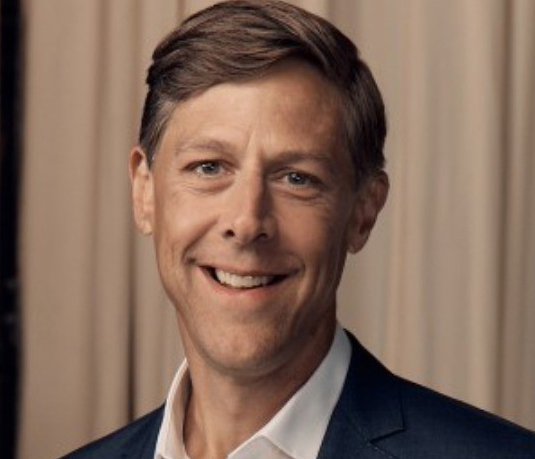
I'm Allison Schiff and you're listening to Ad Exchanger Talks, our first episode of the year. And to state the obvious, I'm not in Las Vegas right now, but my guest this week is I've got Ryan McConville, Chief Product Officer and EVP of Ad Platforms at NBCU and it's full court press for him at CES right now. NBCU made a bunch of advertising announcements leading up to ces, including new ad formats and measurement capabilities, which we'll talk about. Of course. We'll also talk about the recent dispute between the VAB and Nielsen over cross platform measurement, NBCU's monetization plans for its jam packed slate of live events in 2026, including the Winter Olympics and the super bowl, the challenge of and progress being made toward moving TV inventory toward a biddable model, and lots more. But first, please save the date for Convergent TV World, taking place on March 5th and 6th at the Times center in New York City. Convergent TV World is the new name for our CTV Connect event. We'll bring together the worlds of linear TV streaming, CTV gaming, retail media and digital out of home to help you tackle the challenges of measurement, attribution and cross screen storytelling. Podcast listeners get 10% off the price of their ticket when they use the code POD10. Get your ticket and see you there. Hey Ryan, welcome to the podcast.
- [02:20]
Ryan McConville
Hi. Thanks for having me.
- [02:22]
Allison Schiff
All right, you know the drill. What's one thing about you that not a lot of other people already know?
- [02:29]
Ryan McConville
What can I say to this question? I'll answer it this way because I was actually just on the website yesterday is I started doing these Hyrox competitions. Have you heard of this?
- [02:42]
Allison Schiff
I don't know what that is.
- [02:44]
Ryan McConville
So it's just one of these things as you get into like your midlife where you live out in the suburbs and maybe you don't have enough, you know, extracurricular activities to do that crazy people pick up. It's like this new like sporting competition craze where you run a race and do all these sort of, like, exercise, feats of strength. So I become a little bit addicted to it. I did my first one earlier in the year. I did two of them this year. And so I was just, like, looking at the slate for 2026. So that's. That's one of my. My new passions that has emerged, I'd say, over the last 12 months.
- [03:21]
Allison Schiff
What's one quick example of a feat. What are the feats that you're engaging in?
- [03:27]
Ryan McConville
So it's essentially, it's a five mile race broken into eight parts.
- [03:32]
Allison Schiff
Oh, you lost me. Sorry.
- [03:35]
Ryan McConville
Just kidding.
- [03:35]
Allison Schiff
Go on.
- [03:36]
Ryan McConville
It's a. It's a five mile race broken into eight kilometers. So eight kilometers equals five miles, which I learned through this, through this competition. And at the end of every kilometer, you do kind of like a. What I'm calling a feat of strength. There's probably a better way to describe it, but, like, one is you row for a thousand meters. Another one is you do sandbag lunges. Another one is you do like a hundred wall balls. Another one is, like you push like a heavy sled. It's a little random, as I hear myself describing it, but, like, for people that are kind of like, into fitness and running and, you know, stuff, it's.
- [04:13]
Allison Schiff
It's.
- [04:13]
Ryan McConville
It's fun and it's challenging, but doable. So I think that's why a lot of people have kind of embraced it.
- [04:18]
Allison Schiff
I applaud you as someone who paid for a climbing gym for over a year and went three times, literally. So, okay, it's been. It's been about six years since you joined nbcu, which is crazy because I actually remember seeing the press release because you and I knew each other slightly when you were at Cargo, and I saw it, I'm like, oh, cool. For him. And for first, you were EVP of advertising platforms and operations, and then earlier this year, you were promoted to Chief product officer and EVP for ad products and solutions. But back in 2019, when you first came aboard, that EVP of ad platforms and ops role was a newly created role. And why did NBCU create it specifically to oversee that stuff? Why did they need one person just looking at ad platforms and operations?
- [05:08]
Ryan McConville
It's a great question. It's actually. It's kind of the perfect question to I think, kind of cue up, like, the larger theme of maybe a lot of things that we'll talk about today. You know, nbcu, that was around the time that they were about to launch Peacock, right? So it was at this very unique time in the history of the company. Where they were really beginning to transform their call it TV platform from the traditional sort of linear television experience to the digitized streaming experience. And as that process has happened at our company and just kind of to the TV industry writ large, technology and specifically ad technology has taken on a bigger role within television. As it's become digitized, it's become, you know, put on top of what we think of as traditional digital ad technology pipes. And so they created this role to bring in talent that would start to build ad technology capabilities that were kind of being brought over from digital and brought into television. Things like advanced targeting, things like advanced measurement, things like programmatic enablement. And that was sort of a new muscle that the company was developing. And so they birthed the idea of this sort of platforms lead that was going to tie together the traditional linear platforms with the new digital platforms to create a modernized kind of tech stack for the future of television. And that's really what we've been pursuing since I arrived in 2019.
- [06:50]
Allison Schiff
2019. What a different world and a different time. Not just for NBCU's business, but the whole world. Right. I mean, it was pre Pandemic and PeaceRock launched in 2020. So that was some good timing.
- [07:04]
Ryan McConville
Yeah, it was pre Pandemic. I was lucky to get a few months actually in the office meeting some of my new colleagues before everything shut down. So I was grateful for that. But in a lot of ways, you know, it's interesting, just on the technology theme, the pandemic probably expedited, you know, Comcast, NBC Universal's embrace of technology, you know, from things like, you know, teams and slack and like, and all the other things that kind of come with that you would assume to be at a big tech company, like just also just the ways of communicating. So that was sort of something kind of an interesting insight that I took away from the Pandemic. It really expedited a lot of the technology parts of our business, from the external platforms like Peacock to the way we actually just worked within the company.
- [07:58]
Allison Schiff
Now that is interesting, but to focus on the streaming aspect, I mean, TV distribution is completely transformed. And that was going to happen anyway, but the pandemic definitely accelerated it.
- [08:13]
Ryan McConville
100%. I mean, you know, we've been really happy with the growth of the streaming platform, but you know, we're also really happy with the success of our linear platforms. And really it's the combination of the linear tech stack and the call it the CPB or streaming tech stack into what we call one platform, which was also announced in 2020 that we think is the true power of call it the modern TV stack. Because the reach when you put those two assets together is we can communicate with 82% of households on every screen across streaming and linear every month. And next year with our incredible slate of live events, you're talking about being able to reach 286 million people. It's the largest ad supported footprint in the industry. And just another stuff that just recently happened just to kind of talk about the power of these two stacks together. The Macy's Thanksgiving Day Parade reached 74 million people across linear and streaming in a single day, which is more people than the top three video on demand streaming shows in their entire first week in 2025. So it really is the combination of distribution and audiences across both platforms brought together that is the secret sauce of the modern TV stack.
- [09:48]
Allison Schiff
I do have a question about the Thanksgiving Day parade. Obviously a very iconic moment every year and millions and millions of people tune in, but I know just from my own experience, I'm not watching the whole time. It's there. It's so integrated into the experience of the day. It's on a big tv but it's in the background. So I don't know that I can remember a lot of the ads that I saw necessarily. And so how do you, I don't know, think about that? Right. Being such an integral part of the nation's celebration of Thanksgiving but also kind of woven into the fabric as a background character.
- [10:27]
Ryan McConville
Yeah, well, you know, I think everyone's viewing experience is slightly different, I would say actually my kids and, and, and, and a lot of members of my family, aside from those maybe preparing food, we're pretty tied in. But you know, we work with a variety of measurement companies, over 60 certified measurement companies that are attached to our campaigns across the board, whether they're live events like the Macy's Thanksgiving Day Parade or the NFL or any of our variety of on demand shows. So the good news is that we have data that can show the level of engagement, the level of reaction, the actions people took upon seeing the ads, after seeing the ads kind of across the full funnel. In fact, we made a big announcement just a few days ago that we're going to talk more about at CES around what we call the Performance Insights Hub, which is a first of its kind like real time analytics dashboard that shows advertisers the engagement that they're getting from top to middle to bottom of funnel within the, within the shows and context that they're advertising, including things like big events like the Macy's Thanksgiving Day Parade. So the proof is essentially in the pudding. Like we, we bring measurement companies to bear to show, to show that it's working.
- [11:51]
Allison Schiff
The proof is in the stuffing.
- [11:53]
Ryan McConville
The proofing better, better.
- [11:57]
Allison Schiff
Fun fact about the parade though that I think I picked up from reading CMO today. But there are these people that are hired at the end to stand at the end of where the floats go or the balloons go to immediately fall on them, jump on them to take the air out so that it's all safe and they don't float away or something. Maybe that could be one of the feats of strength.
- [12:22]
Ryan McConville
It sounds like a cool job. It reminds me of the Seinfeld episode right where they like signed up to carry the floats. I think something bad happened.
- [12:30]
Allison Schiff
Most likely something very Larry David happened. Well, I want to bounce over to cross platform measurement because there was a little kerfuffle between the vab, the Video Advertising Bureau and Nielsen right before the holidays. The VAB and NBCU is a member put out this report basically saying that Nielsen's new big data and panel currency is unstable. It creates volatility in core demos and then Nielsen fired back that the analysis was kind of flawed and it was like a little bit ugly. But that's just sort of like their vibe. The, the VAB and Nielsen are like that, there's no love lost. But like from your perspective as someone who actually, you know, has to transact in this environment, what do you make of an exchange like that? And also zooming out, like what does it say about where the industry really is on cross platform currency readiness? Because there's just been a lot of fighting and a lot of finger pointing and at the end of the day you just want to get the true value for your inventory and advertisers want to reach those people. It does seem like a pretty simple proposition. Obviously quite difficult in practice.
- [13:46]
Ryan McConville
Yeah, I mean it's a complicated question. I think we've been pretty consistent in our approach to measurement like kind of writ whole or writ large in that we do believe in a sort of multi currency world. And so we are working with all of the currency providers, including Nielsen to make TD measurement as effective as possible. I'd say though, kind of bigger picture, kind of getting back to some of the themes I was talking about earlier. Some of the potentially more interesting or at least equally interesting things that I think we're pursuing in what I would call the new kind of TV stack is looking at measurement effectiveness beyond the counting and the currency and the upper funnel reach and frequency and really getting into how advertising campaigns also deliver outcomes from consideration. And that includes how much search and website traffic it's driving down to the lower funnel. And so I'd say we're equally invested and focused on bringing those partnerships to bear so that we can kind of light up how the whole campaign is working kind of from top to bottom. And I mentioned earlier we work with over 60 different measurement partners and vendors and I think we work with all of them to try to make that measurement as effective as possible.
- [15:19]
Allison Schiff
I mean MPCU is clearly invested in a multi currency future because you guys are a member the jic, the joint industry committee. And for any listeners who may not know, although we've written about it quite a bunch, it's a cross industry group of all the major TV and streaming companies, a lot of advertisers, agencies. Nielsen is notably not a member of it, but the goal is to set common standards for how video audiences are created and measured. And you're on the board of OpenAI, which operates the JIC. I always want to say JIC instead of JIC, but everyone calls it JIC. I don't know, JIC just sounds weird to me.
- [15:59]
Ryan McConville
But on the board of Open ap. I wish I was on the board of Open.
- [16:02]
Allison Schiff
Oh my God, I meant Open ap. That would be wild. Yeah, thank you for correcting me. But anyway, you are pretty clued in on the state of cross platform measurement. Clearly. And you know the chicks work is supposed to help drive this multi currency future. But even so, I do think we're going to end up with some, I don't know if the word winner is right but like, like winner, like companies emerging. I mean do you believe that we'll whittle down to just a small, like a really small handful? Kind of like how alter alternative identity providers. Right. There's a really a large crop of them, but I don't think we're going to end up with more than like five or six that people use. Seriously?
- [16:47]
Ryan McConville
Yeah, I mean I think these things are hard to predict and that's why, you know, we've always taken the approach of, of being agnostic and working with multiple partners. At the end of the day we want to embrace the solutions that are going to help our advertisers and our agency partners to run their businesses most efficiently and effectively. And we want to be on the ground and that's why we, you know, we are a founding member of the JECT and we continue to participate. We just renewed our membership. We want to be on the ground, to help out. Right. And provide our insights to make, you know, the whole, the whole thing better. And so, you know, we remain committed to that work and we look forward to doing that, you know, continue to do that in 2026.
- [17:37]
Allison Schiff
How much progress has there been?
- [17:40]
Ryan McConville
I mean, I think there's been progress. I mean, if you think about the innovation around TV measurement, again, I'm zooming out a little bit like writ large across the full funnel. If you go back a decade versus what is capable today from a multi currency, multi measurement perspective is what I mean. I think we've made a lot of progress. I think our advertisers are getting more insights than ever into how their TV advertising dollars are working. And again, I emphasize not just at the counting level, but really across the full funnel from consideration to action. And I think that's really what they want, is to understand how all the pieces flow together, not just one single piece. And I think if you look at it from that framework, we've made a lot of progress and NBCU has led in a lot of ways, you know, to power that. And as I mentioned earlier, the new launch of our Performance Insights hub is just sort of the latest example of that.
- [18:48]
Allison Schiff
And let's keep sticking with the big picture. You already talked about one. But zooming out, how close are we overall to truly integrating linear and streaming into one cohesive TV ecosystem operationally from an advertiser's point of view, not just in NBCU's universe?
- [19:08]
Ryan McConville
I mean, I think we're there, I mean, we're doing a lot of cross platform activations. It doesn't really make sense for advertisers to not do that. I talked about the Macy's Thanksgiving Day Parade, but you could talk about the Olympics, you could talk about the NFL, you could talk about even Bravo. I think there is, I don't want to get the stat wrong. I think it's, it's a very low percentage, 7%, something like that, 7 to 10% duplication between the viewership or people who watch Bravo on linear television and who watch it on Peacock. And so, you know, if you're an advertiser that wants to reach audiences that you're, you know, who's, if your product resonates with the audiences of, you know, of Bravo watchers, it really doesn't make us any sense to bifurcate them. And then from a data perspective, both on the targeting and on the measurement side, it doesn't really make that much sense either because the combination of D2C data, subscriber data in the streaming world and ACR and set top box data in the linear world allows you to, to apply advanced audiences not in the exact same way, but in a very consistent way to target, you know, more advanced audiences. In fact, 60% of investments now across NBCU's One Platform are transacted on advanced audiences. And then when it comes to the measurement side, you know, similarly we, you know, talking about working with measurement partners, one thing that we really have highly push them on across the funnel is their ability to measure, you know, cross platform and to not just focus on, you know, the digital side. And our partners that are certified as part of our program and our performance insights are all looking at this from a cross platform perspective using some of the very same, you know, big data sets. And so I think in that, in that lens, you know, targeting and measurement, planning and activation, those things are all in place. I think that the only thing that really slows it down is folks that are just kind of more comfortable with doing it the old fashioned way, so to speak. But I don't think it's any longer like a huge technological challenge. I think the piping is in place to do these things at scale.
- [21:44]
Allison Schiff
That's interesting that this is more people just settling into the way they've always done things and they're not ready yet to embrace something that is feasible because maybe it's a little scary too. Maybe they feel like they don't, I don't know, want to lose control because they've gone direct and they like picking up the phone, that kind of thing.
- [22:07]
Ryan McConville
Change management is, you know, you know, people change management is. And you know, I'm saying this from the perspective of someone on the product, product and technology side, but one of my biggest observations over my career is that's, that's a big part of the process. Like you can, you can put the technology in place, but if you don't also have the sort of stewardship teaching, you know, teaching the new operational workflows and all the other pieces that go along with change management and also just understanding the sensitivities of people who have done things, you know, a long way. I mean, I even catch myself sometimes, like when you, you know, you get your new operating system upgrade on your iPhone or something and you're, why did they change this?
- [22:47]
Allison Schiff
Oh my, I just had that experience and I felt like a thousand years old. I couldn't, it's like.
- [22:52]
Ryan McConville
And you and I probably, sorry, you know, are more on the side of people who embrace change but we're even guilty of it. So. So, yeah, I do think there. I think there's a little bit of that.
- [23:03]
Allison Schiff
I had to get off, like, yell an old man, yell at this guy, get off my lawn moment, like with. With my boyfriend. When Just like a few days ago when I updated my iPhone, I actually literally said the words, why do they change things when there's nothing wrong with it?
- [23:18]
Ryan McConville
Change for change, you got to catch yourself. But you know what? A week from now, maybe you'll text me and let me know if that. If you're like, actually, you know what, this works. Because sometimes, like, you know, a new feature, it's like, I don't like it. And then I'm like, oh, now I get it. So it takes a minute, you know? Yeah, exactly.
- [23:40]
Allison Schiff
Well, thank you for nerding out with me about measurement. I'm going to change gears slightly. Just before we take a quick break, I want to broach ces, because you'll be there, of course. And NBCU is doing this full court press and we're recording this before ces. But you'll be there? I'll be at home reading all the missives. I've never been to ces, actually.
- [24:05]
Ryan McConville
Yeah, really fun right after the holidays to go to Vegas.
- [24:08]
Allison Schiff
Right? Just like dash all of your New Year resolutions immediately. But CES does feel like it's becoming kind of like the new upfronts, but instead of just unveiling, like fall TV lineups, media companies, lots of companies, are using it as an opportunity to drop their ad tech, their cool new data offerings, all of those kinds of announcements. And yeah, it feels like CES is becoming where, like, the tech narrative defines the media conversation for the year. And it makes a lot of sense. It's as early as you can possibly be in the new year. But is that how you guys are treating it? And if so, what does that mean for the relevance of the upfront upfronts, which really were built around a pre streaming, traditional TV world which increasingly doesn't exist?
- [24:56]
Ryan McConville
Listen, first of all, we're out with our clients and agencies interacting 365 days a year. So the idea of official starts and stops is a little bit of a framework that I think is dropped on top of television. That being said, I do think that cefs has come to play an important role because upfront planning does start. It seemingly feels like it starts earlier every year. So CS has become kind of a natural place to, you know, make an impact. And because of its kind of technology spin, it's Just a good, it's a good time to kind of highlight those aspects of your offering which are going to kind of make their way into the upfront. So, you know, I think it's, it's, it's a, it's, you know, after joking about it, you know, coming out of the holidays, happened to fly to Vegas. It is a good way to kick off the year and talk about some of the new technologies that will be coming that year that I think will feed into upfront conversations that do start, tend to start earlier than I think historically they have.
- [26:05]
Allison Schiff
Well, we're going to take a quick break and when we're back, we're going to talk a bunch more about recent announcements that NBCU made in advance of ces. I also want to talk about a little bit about the move toward biddable. So stick with us and you will hear all about it.
- [26:36]
Sarah Sluice
Hello, I'm Sarah Sluice, Editorial director of Ad Exchanger and I have with me here Rick Irwin, CEO of adstrate. Hi Rick.
- [26:44]
Rick Irwin
Hi, Sarah. Great to see you.
- [26:46]
Sarah Sluice
So in a market dominated by very large identity providers, how do you see adstra disrupting this space?
- [26:55]
Rick Irwin
Well, really simply, we set out and every day we do the things that the bigger players in the industry either cannot do or will not do. And when I say cannot do, it's because we have technology that we architected from day one that allows brands and their partners to do things that they can't do with the larger partners, like manage all of their identity resolution in their cloud environment rather than in the provider's environment. And then we do things that larger players perhaps can do but won't do because it might threaten their business model that they've very successfully built up over time. A good example of that is challenger brands often need the ability to scale their business using identity solutions. And volume based pricing methods like CPM really don't allow for scale because they tend to charge commensurate prices as the client grows. And so we work with clients oftentimes to provide them subscription based pricing that's flattened level and they can plan around that for a year or 18 months or two years at a time. Those are two examples of how we disrupt.
- [28:09]
Sarah Sluice
So more flexibility in terms of pricing and in how you use the identity product.
- [28:16]
Rick Irwin
Exactly.
- [28:17]
Sarah Sluice
Let's talk a bit about transparency and drill into that. Ad Exchanger listeners tend to love transparency. And where do you stand on that issue?
- [28:27]
Rick Irwin
Well, we think the two values that matter most in identity are transparency and control. One goes with the other in both directions. Transparency allows the brand to actually see how identity resolution is being performed because it can be adjusted to be more precise or less precise depending on the appropriate customer use case. And so we give our clients the ability to see how matches are made and then control rides along with it. They can change the level of precision for the use case that they are pursuing that particular day. So if they're pursuing an awareness campaign, they might actually want a little bit less precise identity resolution because they want to cast a wide net and reach a lot of customers. And in an application where they're offering best customers a special promotion, they would be more interested in having a very, very precise match so that they don't offer a best customer promotion to someone who perhaps accidentally isn't the best customer. So transparency and control are both extremely important.
- [29:35]
Sarah Sluice
Okay. The opposite of a black box is what you get with Adstra. And let's talk about identity. It's such a broad term in the industry now. It can mean a lot of different things. How do you think people should be thinking about identity? And how is identity sometimes misunderstood?
- [29:54]
Rick Irwin
Well, the biggest thing I would, if I could wave a magic wand, I would love for people to understand the real and important difference between identity graphs and identity resolution platforms. Astra is an identity resolution platform. And every identity resolution platform produces a graph, which is a snapshot. I use an example, I use a metaphor of a movie. What's your favorite movie? Can I ask you your favorite movie? Sarah?
- [30:19]
Sarah Sluice
Right now I'm feeling Melanie Griffith in Working Girl.
- [30:22]
Rick Irwin
Okay, Working Girl. So imagine if you were, if you were a production assistant or a camera person on the making of that movie, when that movie was being shot, and you made a scrapbook of everything that happened during the movie shoot, you'd have this big scrapbook, and page by page, it would sort of tell a story. But it's not the same as watching the movie. And that's the difference between an identity graph, which is like a scrapbook, it's just a point in time, and an identity resolution platform, which is actually like a motion picture in that it is running matches perpetually all the time, updating to make sure that the association of one form of identity to another is accurate. And that requires software, hence why it's a platform. And a graph can just be a bucket of data. But an identity resolution platform is actually a working, breathing piece of machinery, if you will, that performs the work of identity 24. 7.
- [31:22]
Sarah Sluice
I love that distinction of identity resolution and identity graph. It feels like an ad explainer article. I'll File that away. Thank you, Rick, for educating us on identity and for supporting our podcast.
- [31:36]
Rick Irwin
Great to be with you, Sarah.
- [31:53]
Allison Schiff
All right, we're back. And right before the break, we started talking about CES and how it's kind of like an announcement gasm and NVCU has a bunch of its own. You previewed a whole slew of things right before ces. I listened into the press briefing, saw the demos, programmatically available pause ads, ads on user profile pages for Peacock. You guys are calling them arrival ads, some new contextual ad capabilities, cross platform measurement. But let's focus on Live Total Impact. It's a new cross platform tool, and the way I understand it captures viewership, real time viewership from live events. And you guys have a lot of live events this year like the super bowl or the Olympics, and then it automatically retargets those exposed viewers where they are next time. So linear streaming, digital, whatever it may be. And during that press briefing, you described it as, which I like a lot, it encapsulates it. Social retargeting for TV or like social style retargeting for. For tv. So with that in mind, is this kind of thing going to help you snag some dollars away from the old, the old walled gardens?
- [33:08]
Ryan McConville
I think that remains to be seen, but I do think that.
- [33:12]
Rick Irwin
You do.
- [33:13]
Ryan McConville
Make the good point. And the point that I want to kind of keep coming back and re emphasizing, which is sort of where we started, right? Which is that the sort of arrival of digital ad tech to the TV space is raising the bar for what TV can do across both linear and streaming and providing advertisers with a marketing platform that goes beyond sort of upper funnel demographic reach and frequency, right? So all these sort of technology tricks of the trade, and part of the reason why I wanted to come to NBCU is like, we saw that, we saw this coming with the advent of streaming and big data within. Television is like imagine a world where you could do some of the things that you do on a mobile phone in social or in display, but do it using premium storytelling on the big glass 70 inch screen in the living room. What could that look like? And Live Total Impact is, you know, it's just one of many examples of how we're kind of bringing that to bear and trying to provide leadership there. It also, I think it also helps in another aspect, which is that the TV platform, even though it has these new capabilities of having more precise targeting or re exposures or lower funnel attribution, is still really good at the top of the funnel. So it's not like we're trading one for the other. An example like Live Total Impact to me is a good example of how the full funnel can be approached using a TV platform like nbcu, where your initial exposure is reaching massive amounts of households. Like I gave you the Thanksgiving Day parade example, across these live events with high concurrencies, which maybe we'll talk about when we get to biddable, where there's these cultural moments where everyone's plugged in. And so you have that initial exposure there. And then based on. And I kind of described it as a ripple effect, like you drop the big sporting event or the big cultural event is the sort of stone that you drop into the water. What we heard from our marketers and our client advisory boards is like, there's a lot of investment and time that goes into that moment, but then what ripples out from that initial exposure? How do we take better advantage of that? And I think that was the interesting aha. To say, okay, we can use the broad reach and the premium IP that TV is so good at to create that initial exposure, and then we can use the data and the ad technology to then re expose the users who are most interested. And that can be retargeting just for incremental frequency. And that can happen using more advanced targeting levers in our kind of VOD assets or our full library of assets. It also can be used to re expose those who have seen the initial exposure and then visited their website. And I'm not sure you're familiar with this, but NBC has been a leader talking with IB Tech Lab about creating a standardized conversion API capi for television. And that was actually one of the ideas that I brought to the board and said, you know, TV is kind of flying blind compared to the big tech companies, because one of the things they do is they deploy these pixels and conversion APIs so that they understand what actions people are taking after, and then they can decide what to do next with the campaign in terms of inflight optimization. So we're bringing those capabilities more to bear and then allowing marketers to kind of follow that ripple out right from the initial event. And the early results were really amazing. I mean, at the upper funnel in the beta that we did, we saw a 10% lift in awareness and memorability. At the mid funnel for search, we saw a 70% higher search engagement. And then retargeted viewers exposed to the game in this instance visited the website almost seven times more than those who. Than those who didn't see the initial ad in the game. So this combination of broad exposure and a big cultural moment and then kind of precision follow on can it's the data shows that it has the ability to kind of move folks through the funnel, which is the hypothesis that, you know, I've talked about on this podcast and that we've had for a long time here. And we're starting to really see the data bear that out.
- [38:00]
Allison Schiff
I mean, this year, well, 2026, it's going to be a wild year for you guys. You're going to be just like drowning in cultural moments because you've got the Winter Olympic Games in Milan, you're broadcasting the super bowl, you've got the NBA playoffs, you've got the regular MLB season on NBC. There's the FIFA World cup on Telemundo. I don't even missing something. And so it really is like a once in a lifetime opportunity. It's like all of these major sports tent poles colliding at once. But it also feels like a massive juggling act. So what's, I don't know, one or two or 10 or 20 things keeping you up at night about turning all of that inventory into revenue and then also making the experience work for viewers and for advertisers.
- [38:48]
Ryan McConville
Well, thank you for rattling off all of those stats because that's something that I always want to, I always want to get in whenever I have an audience. We actually caught legendary February and because in that like two week period it's the Super bowl, the NBA, NBA all star game and the Olympics is a 17 day period over which we will reach two out of three Americans. And just just to add on a little bit before I kind of get to your question, next year we'll have a combined, I think it's 7,500 hours of live events and 70% of NBCU and telementows programming will be live next year. So yes, there is a lot going on in the live space, but we find that to be so compelling because of the power of live and the power, as we talked about a minute ago with Live Total Impact to kind of leverage those moments and then expand out to other parts. In terms of what keeps me up at night, I mean, I feel very grateful that we have, you know, that NBCU has these assets and this content. So I wouldn't, I mean I would genuinely say it doesn't keep me up at night in terms of worry. I think there's a lot of opportunity. You know, we have been a leader in bringing biddable programmatic to live environments. So next year during the Olympics, we're launching the first self serve ad manager, Universal Ads, which is a product of Comcast and NBC Universal. That'll be the first time a small business that doesn't even have an enterprise DSP license that literally can log onto the Internet with a credit card, you know, and, and set up to buy inventory in the Olympics will be available. We've also certified a number of other big DSP partners to also kind of buy into the Olympics. So those things took a lot of work. I wouldn't say they kept me up at night, but they, they were very, they were really engaging projects. But it's going to be really fun and exciting to see them play out next year across all these live events. Obviously there's a benefit to us because it brings in new markets and new buyers, but it really democratizes access to the biggest cultural moments on television to entirely new companies that never really knew how to get access before.
- [41:11]
Allison Schiff
And there's also the ability to take advantage or to capitalize on or to tie yourself to moments. They're not necessarily cultural moments, but they're moments all the same and you want to react in real time to them. As an advertiser, maybe. So this thing that you guys announced in time for ces, like ads that react in real time, so like scanning a live game for a fumble or a goal and then automatically slotting in an ad that ties to it. So if it's a fumble, paper towel ad could follow where someone's spilling something. I think that's the example you guys shared. And it's clever. The demo I saw looked cool and smooth, but then how do you guard against something like that becoming like gimmicky or ham fisted? Right? Because you want to, you want it to be smooth, but you don't want it to, I don't know, feel like forced in any way.
- [42:01]
Ryan McConville
Well, I think, listen, all of these approaches that utilize advanced technology like AI, you know, also, you know, have like sort of a human in the loop or in this case, marketer in the loop aspect to it, right? So I think that we would carefully curate these types of experiences. You know, obviously with the marketer, the intention of like the demo that we showed that that stuff isn't made up on the fly, like that is going to be thought about in advance so we can go to marketers and have a, a brainstorm around like, you know, what are the MBA or MLB moments that you think resonate the most or the data tells us resonates the most. In terms of, you know, people's eyes kind of glued to the screen. And in that moment, if it's a home run that happened, a walk off home run, or a fumble or a last minute field goal, like what is some messaging that can really resonate around that? And as I talked about at the press event, you know, we showed sort of an overlay that kind of spoke to the moment. But you could develop, you know, with our internal teams or just with your creative agency, you know, a dedicated creative that's really custom to that moment and like very elegantly done. So I think, I don't think that we're concerned about it being, you know, in bad taste. I think it will be very, it will be very well thought out. The kind of creative messaging approach, the real time aspect is signaling to the ad server that these moments have happened. And so to kind of react and be able to place that kind of very pre thought out creative at the exact right time, that has been the thing that has been really hard to do that the more advanced technology will unlock.
- [43:46]
Allison Schiff
I think this is probably a perfect time to talk about programmatic TV and TV inventory moving toward more of a biddable kind of situation, like Peacock's pause ads going programmatic or opening up olympics access to DSPs, that kind of a thing. But with all of that biddable scale coming online, how do you make sure that it doesn't erode the premium feel or turn into kind of like a CPM race to the bottom learning from the mistakes of the open web.
- [44:19]
Ryan McConville
Yeah, I mean you had kind of two questions in there that I heard. One is just ensuring the quality. I'll stick on AI for a second. Why? Not everyone wants to talk about AI, but during the Olympics last year, we had to think about a new way to scan the creatives that were coming in programmatically. Because there's a robust vetting process that happens to ensure the quality of the ads that run during the Olympics. And then there's just very strict kind of brand exclusivities and things like that. So we have deployed sort of real time scanning technologies to ensure the quality of the ad, the appropriateness of the ad, that it doesn't break any sort of other exclusivities. And then we also have built a bunch of homegrown technology that does quality assurance on like the file type. So you know, you'll see in some streaming applications from time to time like a lower kind of bit rate video. You won't see that on Peacock and you certainly won't See that in these live events because we are capturing every video asset and then running it through essentially automated QC process to make sure it has a mezzanine file that's going to appear crisp and clean on like a 70 inch glass television. Like all of those things are happening in the background. To ensure that as we democratize access to smaller advertisers, we're not sacrificing the quality of the ads that users are seeing.
- [45:57]
Allison Schiff
Well, we're getting close to the end and I'd be remiss if I didn't bring up ad id, which I know is something you're personally pretty passionate about. Those are unique codes that buyers are supposed to include with every ad creative or it would be great if they did so that it can get tracked universally from production through trafficking measurement down to the DSP level. You were, you are a big proponent of ad ID, but I know I read somewhere that only around 15% of digital creative has an ad ID appended and that just wrecks frequency caps and isn't helpful for attribution, which are two major complaints that everyone has. These are perennial. So why do you think it's such a tough sell when it's pretty clear that using this label would really help with cross platform everything? Like what's the hold up house and.
- [46:52]
Ryan McConville
Your lips to God's ears. May everyone hear this over the holidays or wherever they hear it and take it to heart. Yeah, it's been a passion project of mine. I think part of it, part of the, part of the difficulty of it is it's a little, it's kind of its wonkiness. Right. Everyone agrees that they want to have accurate measurement, but I think they do fail to realize that the way that like the way that the sausage is made increasingly is that measurement is derived from these logs of ad exposures, whether they're on the linear ACR side or through the streaming logs. Obviously done in a privacy compliant way, typically through clean rooms. Right. These days. But if you look inside those logs, everyone calls these creatives something different as it hops through the supply chain. And so if you're a measurement expert or a data scientist, you get into these logs and you realize you have this huge mapping problem where there's all of these CPG creatives, I won't name an advertiser, but just a CPG brand and they're all called different things and you're not sure which ones are the same creatives. And so that's where the problem really lies. So if you want to do cross Platform reach and frequency. But also, I mean, I think almost more importantly, which creatives are more effective at driving outcomes? Back to the sort of the big tech comparisons, they focus a lot on the creatives, right? Which creative is working best and like show more of that creative. Without a consistent way to identify the creatives and which ones led to the website visits or which ones led to the app downloads, it's going to be hard to sort of optimize those things. So there's a ton of benefit, but you have to kind of explain how measurement works under the hood to large swaths of people. So that's one thing. And then the second thing, just to get back to another, another theme we hit on is change management. Right? So on the linear side of the house, it was established early on that everyone had to append an ad id. It used to be called an ISCI code, I believe, and it was just, it was enforced so you could not run a TV ad without this code. And so it became a habit on the streaming side. It never was enforced from the beginning. And so, and a lot of the ad operations people on the buy side are not the same people, you know, Nestle, they came from linear. And so it's like a new muscle that you have to develop. And what's interesting, you said about 15% on the digital side. It's almost completely adopted on the linear side. And many of the digital creatives have an ad id. They just are not realizing it and then putting it in the right place in the vast tag. So a lot of work done. Yeah, a lot of work that we've done with asif, which is the Ivy Tech Lab. It's just reminding people of that. And we're also working with sort of third party ad serving companies in their UI to sort of create reminders and then make it really easy to hit a button and take the ad ID that's often in the wrong place. It could be like in the file name and like move it into the custom field. So that's all a really long answer. I hope it made sense. I think here's my big takeaway. The ACIF framework is now in place and the registry that powers ASIF is ADD id. Not to confuse people with these acronyms. We're using it, we're using the API. We're highly suggesting that our customers use it. Next year is really about education and adoption now that the framework and all the APIs and infrastructure have been built by the Ivy Tech Lab. So I do remain hopeful and I do think that for the benefit of proving the effectiveness of cross platform TV platforms, which has been a big topic during this whole interview. Inputs like a deterministic ID for which creative you're looking at will be important pieces.
- [51:11]
Allison Schiff
Guys, do Ryan a solid. Put the ad ID in the right spot, please.
- [51:16]
Ryan McConville
Thank you. It'll be my holiday gift.
- [51:20]
Allison Schiff
This is totally unrelated, but I was curious. My penultimate question. Is shoppable TV ever really going to be mainstream? Maybe I'm an outlier or a Luddite or whatever. That's, that's fine. I think I am a Luddite in a lot of ways, but I don't want to buy stuff directly from interactive ads overlaid on TV or streaming content. That would just take me out of the experience. Because TV and movies, I love movies. They're escapism for me. And so if I like someone's jacket, I don't want to buy it, right? Then I might want to buy it, but I don't want to buy it while I'm watching the movie.
- [51:58]
Ryan McConville
Well, I think it remains to be seen because I think the user experience is still evolving. I think there's a lot of sort of experimentation, right, from things like using QR codes to, you know, capture it and then complete the transaction on your phone to more native checkout capabilities. Again, you know, I go back to social in the early days or even the Internet if you want it, because I'm old enough to go back that far. Like, you know, am I really going to buy something over the Internet? Am I really going to buy something through, you know, this social, you know, app that I'm using and not go into the store? And it was a learned behavior and it took, you know, time and different experimentation of different user flows to, to kind of really bear that out. And now, you know, now it happens at scale. And so I think, I think it remains to be seen. I remain, I kind of remain bullish on it in that you have this great canvas for telling a story about, you know, about different products. You have the alignment with the content and, you know, celebrities that are, you know, kind of aligned with some of these products. You have a lot of the ingredients for inspiring someone to want to shop. And I think, you know, most people, myself, I'll speak for myself and my family, like we could be pretty impulsive with our purchasing decisions. So I think if you get the user flow right, I think there's still, there's still a ton of promise. And you know, we've seen a ton of promise like the purchases through our mushop TV and our virtual concessions have grown significantly year over year. Are we still kind of early, I think in adoption? Yes. But are the numbers, like, going up in significant ways? The answer to the question is also yes. So I remain a little bit more optimistic maybe than you in this holiday shopping season.
- [53:59]
Allison Schiff
True. And I'm sure I'm wrong in old man yelling at the sky style. I'll just be buying coats and whatever from right from the movie that I'm enjoying. So. Last question. We're recording this right before the holidays. You're not in Las Vegas yet, but this episode will air while you'll. You're probably going to be traipsing around the aria while this episode drops. So what is one thing you're like, genuinely curious and excited about heading into CES and not the usual stuff? Maybe even something that you're looking out for as a human fan and not an advertising executive.
- [54:38]
Ryan McConville
Oh, as a human fan, it's a great question. I'm going to be really embarrassed with my answer, which is like, I don't even know because I never have enough time to do the human, like if I was just going to CES as a human and not as an advertising executive stuff and then like, and then you told me not to give you the obvious answer, but it's like all the like from a consumer perspective, it's all these different applications of like agentic AI. Obviously I think it's going to really change, change the entire world around us. So, you know, if I'm lucky enough to get some free time and kind of wander the halls and look at that, I'll now I'll report back to you about the most interesting things that I found.
- [55:23]
Allison Schiff
Fair enough. I also didn't mean to draw a distinction between humans and advertising executives.
- [55:29]
Ryan McConville
Well, yeah, maybe there is a slight distinction. Hopefully not.
- [55:35]
Allison Schiff
Bring me back one of those AI powered toothbrushes.
- [55:42]
Rick Irwin
Foreign.
- [55:49]
Sarah Sluice
This podcast was brought to you by Adstra. Adstra's leading identity resolution network enables precise targeting, scalable activation, and richer customer understanding. Whether you're looking for person based accuracy or massive scale, only Adstra has the transparency to give you both. Learn more at Astra Data. That's a D S T R A data com.