Loading summary
Transcript72 lines
- [00:00]
A
Foreign.
- [00:13]
B
Welcome to Ad Exchanger Talks, the podcast.
- [00:15]
A
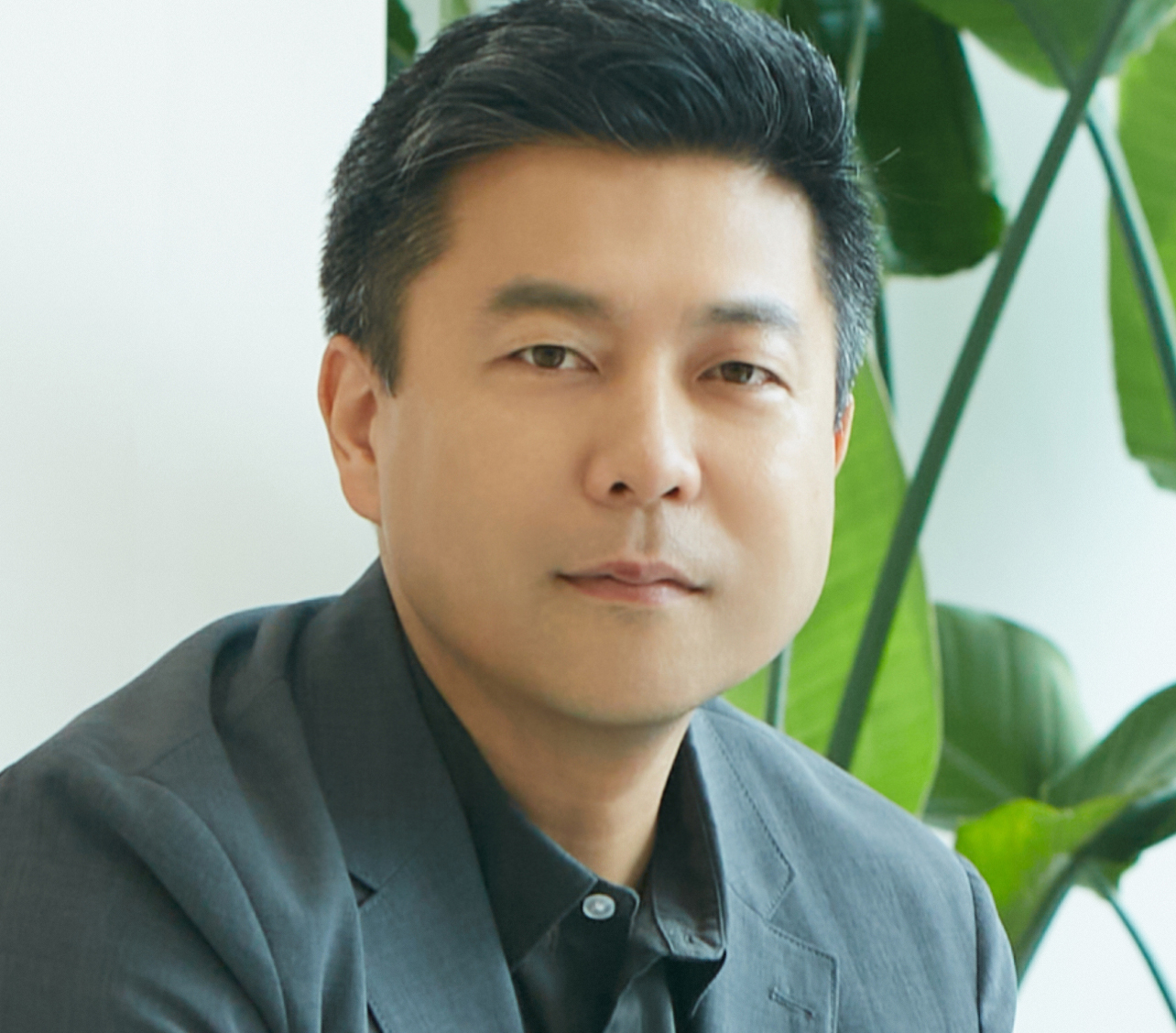
Devoted to examining the issues and trends in advertising and marketing technology that matter most to you. This episode is sponsored by Amazon Ads. Amazon Ads offers a range of products and solutions that can help businesses achieve their advertising goals. Advertising needs a world where marketers no longer have to choose between building their brand and driving results. Amazon Ads helps marketers prioritize solutions that break down silos and simplify campaign management, enabling the orchestration, execution and measurement of holistic campaigns that achieve both objectives. We remove the guesswork for advertisers by making it simple to manage all of their TV planning and buying. And with Amazon Ads. I'm Allison Schiff and you're listening to Ad Exchanger Talks. I hope everyone had a nice Thanksgiving holiday if you celebrate and that the only optimization you did was making sure you had enough pie on your plate. Everyone deserves a break. My guest this week is Ikjin Ahn Cuz, CEO and co founder of Maloco, a company known for its machine learning powered approach to digital advertising. We'll talk about everything from standing out in a sea of AI sameness to AI hyperscaling and dealing with retail media fragmentation. But first, save the date for Convergent TV World taking place on March 5th and 6th at the Times center in New York City. Convergent TV World is the new name for our CTV Connect event. We'll bring together the worlds of linear TV streaming, CTV gaming, retail media and digital out of home to help you tackle the challenges of measurement, attribution and cross screen storytelling. Podcast listeners get 10% off the price of their ticket when they use the code POD10. Snag your ticket today and see you there. Peek Jin welcome to the podcast.
- [02:18]
B
Right, thanks for having me. Great to join.
- [02:21]
A
What is one thing about you that not a lot of other people already know and that I couldn't find out just by googling you?
- [02:30]
B
Interesting. I think people probably know my AI machine learning data backgrounds, right? Yeah, I grew up in Korea. Yeah, maybe it's kind of obvious, but I grew up in Korea, came here for my graduate school study and then yeah, there's several, several moments I didn't expect but happened like when I connected dots backward. So yeah.
- [03:00]
A
And I guess you stayed ever since.
- [03:02]
B
Yeah, yeah, I stayed ever since I first came to the east coast and then moved to the west coast and then came to Silicon Valley in 2008. Yeah, since then I stayed here so.
- [03:14]
A
Before co founding Maloco in 2013. And we'll talk about exactly what Maloco is in a bit and how it's evolved. You were at YouTube and Google working as a software engineer. So what lessons would you say you learned from working at a tech giant? And then how did that shape, I don't know, your entrepreneurial journey or however you would describe it.
- [03:40]
B
Right, right, right. Great question. So first project at Google was a YouTube and I joined when monetization team was only 5 team members. If I remember correctly, the monetization team.
- [03:56]
A
Was five people, five team members. It's hard to imagine.
- [04:00]
B
Yeah. So when I first joined, it is not even just single stage, standalone independent team. It was a part of a monetization and copyright management. And when I say, hey, I joined YouTube in 2008, the first question normally I get in Silicon Valley is hey, did you join before acquisition? And after acquisition? Right. And then I got that question so many times. So I have my own kind of a standardized answer. I will always say unluckily after, but lucky enough with all the work, with all the early team members. So it was exactly two years after the acquisition. So first two years. From my perspective, what Google and YouTube did is really solving the scalability problem. So if you probably, I mean if you are even in industry for a long time, you probably remember that. And for a while and YouTube was growing like crazy and they often had the server outage and we even actually took down the server once a week to update the binary. Right. So that was where we are at. And so first three years, I mean Google basically rewrite a lot of video encoding and serving stats. So by 2008 we forget about the scalability, but monetization become like a real issue. Right. So Google paid $1.6 billion to acquire YouTube, but losing close to $0.8 billion if I remember correctly, every year. So by year three is like another $1.6 billion of investment or loss. Right. So and I still remember, I think at that time I was at ad revenue only 200 million. So there was a. Yeah, big, big problem. I mean I'm data person, so when I check the data, we are only building monetizing homepages. You probably remember the Super Mario ads which is crushing the YouTube homepage. Right?
- [06:01]
A
Yeah.
- [06:02]
B
And yeah, and those are the like how we sold our homepage in pure brand. But when I checked the data, what I found was that there's like a still half a million of different videos and we don't show much ad and we don't show Right. Ads in this half a million of the videos and then the number doesn't make sense. Right. If you cannot monetize and then utilize the data from those very Diverse video on YouTube. There's no way we can cover the cost to serve all these diverse videos. Right. So that's kind of when I started the first initiated first AI machine learning project at YouTube which was featured video and I teamed up with some, some part of the Google research team and that was actually the, the leader of that research team was our chief machine learning officer, tar. And TAR is always like a joking hey, what you did is Bayesian inference, not machine learning. But I did the prototyping and then worked with a research team to really build a first largest scale machine learning system in YouTube monetization. And that become the first project to initiate lots of different machine learning project, AI project within YouTube monetization. So that lesson, going back to your question, that experience taught me how critical AI machine learning is for any platform who want to build a sustainable business and who need to monetize and acquire user effectively. And my second project after YouTube was Android. So I was first data engineer, Android team. And so a lot of great apps are growing like crazy like Uber or DoorDash. Right? But not only that, like very unique apps like Nextdoor, like Strava. I mean I'm still like a usual over many of these apps. But what I find quite interesting is I don't see like healthy revenue stream from like in app purchase or even through the ad monetization. And I felt like this is a very similar problem to what YouTube had in 2008. Right. And I deeply thought about hey, what can be the solution? And then the key, key kind of hypothesis or insight is the data, the differentiated data is unique asset of all these platforms. I think that's also changes I begin to see in older days big platforms like Google has all the data through the mobile revolution I begin to see each unique platform has a better data. Right? So for example, if we ask which restaurant is most popular In New York, 20 years ago Google knew the best answer. But now probably at this point Doordash or Uber probably knows better answer because it's a more real time, more authentic data with the payment, right? So that's kind of when I felt like hey, these platforms has potential, but where someone need to have is bringing AI to utilize this data for their business and for their growth and monetization. So that's kind of a beginning point. And I'd probably say I'm not like a typical, like a startup founder, right? So I definitely thought about hey, can you do this as a part of Big company. Maybe I'm a bit less brave but as I think about more the answer is this is something which can be done better outside because people, because I'm in conflict of interest and more focused effort. So yeah, that's kind of my long story short. That's my past Maloco experience.
- [09:37]
A
Well, I want to get into what Maloco was and what it is today because I remember covering you guys the first time I went to look back to make sure when it was it was in 2016 or so and you were mainly, or it was my perception that you were mainly focused on mobile app marketing. So using machine learning to help with user acquisition and re engagement and stuff like that. But then you pretty quickly broadened your scope and it was clear right that there were more opportunities and needs in digital advertising, commerce media, retail media, streaming, other things. So talk to me a little bit about that evolution from what Maloco was to what you are today and how would you describe yourself today? And no jargon. No jargon alone.
- [10:26]
B
No jargon. That's great. So regarding no jargon, probably one fun episode I can share is when I first came out Google and started Moloko I didn't know what DSP means, right. So and our core idea is how can we build the AI engine for the diverse. For diverse platforms and for open Internet ecosystem. And one day while we are thinking and then as a startup we had this chicken and egg problem. We know what it takes and technology wise but we don't have a customer. We thought about how we can bootstrap and what can be the great test bed to build our first version of our AI engine. And one day one of our team member he came to me and hey, I just found this like a DSP thing and I asked what is DSP thing? What is a dsp?
- [11:22]
A
I had that question too when I started at Ad Exchanger. I didn't know what a DSP was either.
- [11:27]
B
Yeah, yeah. Oh this one actually we can get all the bid requests from the Internet Internet and then oh Google display at the network and then at the time mopar. Right. And then this can be great testbed to build our AI engine. So yeah, I thought yeah, let's do it. So that's kind of how we started DSP business and for we pursue both monetization and DSP business. Right. And we pitched the idea. I mean if you see some of our at that time I watched a lot of a Game of Thrones movie, right. So some of our early stage CJ Deck I started with some Pages from like the Game of Thrones and the title of Winter is coming. Hey, the ecosystem is a healthy monetization. And some of our investors told yeah, winter will come at some point, right? He said, but we are probably in Spring in 2012, 2013. That's kind of when I felt like I'm someone like a lonely Jones who's shouting that winter is coming in King's Landing. Right? So, so yes, I mean at that point many people, many companies are thinking about growth, not about like a monetization. Right? So that's kind of when we realized hey, maybe there's a. The market is at like expansion stage. And that's kind of when we decided let's focus on dsp. We always pursue some of the enterprise opportunities but we had a strong growth in DSP and when we first met in 2016 and 2018 was a really pivotal moment, was really goal like different pivotal moment in different speed of growth. And while we do that, we actually had our first project over MCM in 2017 focused on the building right engine for commerce companies. And then while we are preparing ourselves and getting more ready for the enterprise in the meantime, industry is changed from the mobile ecosystem become more mature and the macroeconomics become like low interest rate world. High interest rate world. Right. So now actually we see more needs, more people's needs to really build their healthy like sustainable monetization. So I think this is why we are getting more traction on the commerce media. And our goal is always introducing AI to the different parts of our open Internet ecosystem. So whenever we see the opportunity, we will try and, and build product with our partners.
- [14:01]
A
So AI and machine learning, that is your shtick. Like empowering companies, whatever their size is, to scale revenue, reach more users using machine learning and AI. And I feel like that's a line that could easily be lifted from any one of your press releases. But how do you stand out? Because if you saw my inbox, you'd laugh. The pitches I get now, they're all pretty much the the same, they sound the same. Every single company uses AI to make marketing better, to make the lives of marketers better. More efficient, more scale, more precision. More, more, more, better, better, better like AI, AI, AI. So there's so much commoditization.
- [14:38]
B
That's right, absolutely. I mean they're also probably biggest challenge from, from the beginning, right? Everything can say AI. Right? But I mean it's hard to really see the benefit until you try to. Right. This is in some scientific, very classical problem or experience goods like how do you know, a movie is good before you try, right? So it's. Yeah, it's a kind of a typical problem if we kind of rewind and if we see our history when it first began. That's even before like AI when it first began, a lot of people were skeptical about the potential of open Internet, right? So there was 2012 and many people said, even like some of the ad industry expert who actually run Ad Exchange said hey, ad exchange is junkyard. If you try to find right users more like finding jewelers in junkyard, right? So while we are proving that hey, there's enough opportunity in open Internet, right? STTD also grow a lot. They went to IPO I think in 2014, right. So we started in 2013. So now actually at this point, no one is asking question about if there's enough opportunity in opening time or not, right? Why we are picking up in performance DSP like around like 2018, 2019. A lot of people ask what's the opportunity in performance. Many people said hey, we see there's enough opportunity to open Internet on brand from TTD example. But what's the performance at its niche market smaller than brand. That's also continuous. We heard now actually yes. I mean while we are growing, a lot of great players like app loving, Unity and other companies are growing now no one is asking if there is enough market for performance now the question is what's next? I think AI can be the great tool to find the next. And when we first started, many people actually not even the question is not even hey, you have a better AI than than than other players. The question is why AI matters, right? In 2025 good news is no one is asking why we need AI. Everyone see hey, we need AI. But the question is who has a better AI. On that note, the our track record, our in some sense like early movers advantage really have my job as a CEO right now we have a scale why we have a. And we have a proven track record, right? So I mean when someone is asking how your AI is different then I can always say hey, see our cases, see how much scale we can deliver. So that makes my job easier. Again, I'm open to hear your feedback. If you have a great idea how you differentiate in AI story before someone else, right? That's the one. Something like I really want to find and I'd love to hear like your feedback on that.
- [17:41]
A
So I do have an answer to that actually. I love examples like cool, interesting, specific examples of whatever the technology or feature is in use and Being able to talk to marketers or whoever's spending the money, the agency about something real that they did. So actually, why don't you make the offering real for me? Give me an example of something cool that you've done for a client.
- [18:07]
B
Yeah, I mean the AI I think especially in 2025 and 2026, what it really matters is actually is it like outright positive and how much scale it can handle. Right. I mean you can build toy example with genetics very easily. But the key differentiator is how much feed volume, how much scale you can achieve. So in many of our client cases they are running global campaigns. Right? I can think of some of the game companies who mainly targeted the US market in the past, but they expanded their global presence using us. While they are still growing in great way in the US market, they found Middle Eastern market and APAC market through our campaigns. So that's because we can handle the global traffic in very effective way with the high accuracy in better ROAs and better ROI. That can be great example. I mean Wayfair can be also a great example on commerce media, right. They have a great technology team. And when after we are partnering with the Wayfarer's strong engineering team, we just break their projections each quarter by quarter. Now I mean what we are building together is aiming really higher level over as revenue. Then each of us can plan separately, right? I mean if you are talking about commerce media, yes. I mean some of the industry development is exciting, but still Amazon is like more than 80% of a retail media market. This is a very consolidated market. But what people often forget is Amazon's actually GMB share in the US is not 50%. I think it's close to like 30% I think. A few months ago I saw the news that Amazon finally exceed Walmart's gmb. That actually surprised me. I was surprised. Amazon was still smaller than GMB still like a few months ago. Right. The E commerce and commerce retailers are way more fragrant to the market than everyone thinks. Right. So When Amazon is 600 billion, Walmart is 600 billion. Like Costco is over 200 billion. Right. And we have other plans in Shopify is 300 billion. Right. So the current market share of a retail media from Amazon is unproportional than their basis in the market. Right. That's I think what AI can contribute to balance that. Like a bias. Right. So that's kind of what we are. If you think we use this as revenue per GMB, a 2G internally Amazon, their ads, revenue per GMB is getting close to 7 to 8% in my back of the envelope calculation. All other players in the market is the best case is below, I mean around 2%. And many companies stay at 1% of A to G their ad revenue compared to their GMV. Right. Our goal is helping clients to hit 2% very like a consistently within like a 24 months of the project with us. And then we are aiming 3%, 4%. Right. We, our next frontier will be 5% of the A2G. Right. So that's, that's. I think the AI can really make the difference.
- [21:34]
A
I'm glad you brought up commerce because that's what I want to spend a whole bunch of the second half talking about. But I do have one more question before we hit our break. I want to talk a little bit about a AI architecture, like what underpins the platform because I was reading in doing research for my chat with you about AI hypercomputer and I think I have like a five year old's understanding of it. Like oh, it's like a supercomputer and it's powered by very large scale AI and you know, it's like a mix of super fast hardware optimized software and it's been trained to run advanced AI models. You could do it faster and more efficiently than on a regular computer. That's where my understanding kind of ends. But you guys use that technology to automate the scale of your AI infrastructure. You process like billions of requests a day. It's like 10x faster, something like that. And it's cheaper, which is really important because it gets super pricey to run this kind of computing power very quickly.
- [22:33]
B
That's right.
- [22:35]
A
What are the biggest leaps that you see happening here and how will they affect the future or I guess the very near future which is pretty much the present of digital advertising and personalization.
- [22:51]
B
Great, great, great question. So yeah, I mean AI hyperscaler perspective. I think the biggest difference between like a deep learning and now and the Gen AI foundation model and now is that I mean in the past, right when I was at school people data was I mean one of the like a scarce resource. Right. And people pay. People tend to put more efforts on feature engineering. Right. If you're thinking about like marketing online, this is when people thought about hey, can you predict demographics better and how can we design campaigns per like human readable taxonomy of demographics and their interest and then they run campaign and then they see the result. Okay, this campaign works better. Next time let's expand to like a different interest. Can you add let's say like a. Like a soccer interest on top of a sports interest. Is it better? So those are the probably like the word before hyperscalers right throughout like a deep learning and foundation model. I think what people realize is a very. With a very powerful. Like a different generation of AI model Now we can put all the features and machine learning or AI will figure it out that like a matchless between the combination of features better than the other one better than human. And then now it's foundation model and AI. When I talk to I had an interesting dinner with some of OpenAI researcher their key focus is a scaling. And the belief is as we build a bigger scale which means as we put more data and all different features that's the best way to achieve better answer, better performance. And now actually the engine is quite generalizable so it can actually answer pretty much all the questions. I think that's kind of a fundamental thesis of a hyperscaler. And in some sense. Right. This reminds me some of the movie scene of the Hitchhiker's Guide to Galaxy. Right. So if you this big machine and you ask question and there's four. Four. You take four while and then answer like 42 right. Sometimes it feels. And why 42 right. That's kind of I think some of mystery we have. We have in the industry. So how this will change industry. So from my perspective so one area and where we are focusing on is still if you think about team members in big companies like Meta or Google still the majority of the AI engineers in advertising team. So ad is still one of the large. I mean the largest, most scaled application of AI. That's kind of origin of AI. Right. So still if we just applied most generalizable foundation model it will be too expensive and it'll be too slow. Think about how long it takes to get the answer from ChatGPT because it's the chat agent. We can't wait three to two seconds. If your recommendation or sponsored search ad is taking three seconds. I mean that's a problem.
- [26:16]
A
Yeah, yeah.
- [26:18]
B
And if any ad tech companies say hey I would burn like what billion dollar per quarter. No, that's another answer. Right? So how to observe all this new technology of foundation models and transformer but making working for one of the Internet's largest application in cost effective way in very fast frequency. Right. There's a steel. I mean state of the art very like a frontier over all the AI techniques. Right. That's the one of the area we are really focusing on. I think that Become the really key area. Very, very for a very long time. There's a lot of innovation got to happen. Again, main point is how we also bring those most like the advanced technology of hyperscalers in this AI context, right. Making it really effective and ROI positive way. So that's one of the core we are focusing the really important part another one is actually how we explore new areas. We did a company hackathon and I definitely want to show this after our podcast. Three team members in a week made this automated creative generation. So what you need to do is you just need to put your app store, your app link and machine automatically generates the creatives just using the icons and materials on your product data page or app store. That just quality is way better than something I've ever seen from human creation. So how to apply this now? The very powerful foundation and gen AI technology for the traditional ad industry ad area of creative generation, campaign management or insight generation. I think those are another big, big frontier, right? And another one is a lot of AI application. It really needs also like a monetization like people, this is the area of like gen AI engine optimization, geo and the monetization of AI applications. Right. So I think these are three big category of the areas I think the AI will really change. So.
- [28:37]
A
All right, well we're going to take a quick break and when we're back we'll talk a little bit more about some some of those practical applications. So.
- [29:03]
C
I'm Sarah Sleuth, editorial director at Ad Exchanger, and I have with me here today Ludo de Vallon Pro, the product marketing lead at Amazon Ads, our podcast sponsor this month.
- [29:13]
A
Hello, Ludo.
- [29:14]
D
Yes, hello. Thanks for having me.
- [29:16]
C
So to start things off, what is the biggest opportunity right now for advertisers in the streaming TV market?
- [29:24]
D
Well, the biggest opportunity in my view is to remove the guesswork for marketers. When you think about it, streaming TV combines the best of both worlds. It's mass rich with precision and personalization. And with Amazon Ads, advertiser can achieve this personalization at scale by serving ads to specific audience based on viewer behavior while delivering broad reach. And this powerful combination helps maximize advertising impact and remove more importantly wasted ad spend. And this is really critical because you know, the ANA has estimated that marketer on average waste 36% of their budget through inefficient targeting, duplicative ad delivery or over reliance on probabilistic audiences.
- [30:04]
C
So streaming delivers that same mass reach people love with TV advertising. But less waste, more personalization. When advertisers Consolidate their streaming TV investment with Amazon ads. What happens?
- [30:19]
D
Well, I think there are two advantages to work with Amazon ads. I mean, first of all, Amazon ads as the only DSP that has all premium streaming inventory under one roof. So of course we have prime video ads, which is our own property. But advertisers also have access now to all premium publishers including Netflix, Disney, Roku and more. And the second advantage is that we power our advertising solutions through the Amazon Ads authenticated graph. This is a unique graph which is built on verified relationship and not model data. And so in the US we can reach 90% of household to help advertiser manage through unduplicated reach and frequency and it's delivering great performance. So for instance, with the same budget, advertiser can see on average 42% improvement in unique reach for their campaign with a reduction of 27% of frequency.
- [31:09]
C
So we've got inventory and identity as the two unique pieces. So let's close with looking ahead. Where do you see advertising on streaming TV heading in the next few years?
- [31:21]
B
So.
- [31:22]
D
So I think streaming TV is really democratizing access to TV advertising. The barrier to entry are coming down with more self service options without minimum budget or year long commitment. So for instance at Amazon we have Sponsored tv which is our self service streaming TV solution for businesses of any size without any commitment in terms of minimum budget. And the second driver is AI tools that make video advertising creation both accessible and also very affordable. And I think this means that small businesses who could never afford TV before will join the game. And all in all, I think we could go from thousands of advertisers to potentially millions of TV advertisers in the next few years, which will unleash a new golden era for creativity with more choice and more entertainment for consumer.
- [32:09]
C
So we will be seeing more small advertisers entering the TV market using AI to create their ads. Totally agree with that prediction. Thank you Ludo. And thank you to Amazon Ads for supporting our podcasts.
- [32:22]
D
Thank you for having me.
- [32:38]
A
All right, we're back. And before we get back into the weeds, I wanted to ask, what does the name Maloco mean by the way? What is that a reference to?
- [32:47]
B
Yeah, I should admit that I'm not great at naming, but yeah, we just don't know what it means. Great, great. I like that. And then the more people love the name, it's a machine learning company, mrc. So machine learning company. And then we put just for the O to make it sounds better.
- [33:09]
A
So. So yeah, interesting. Okay. It always reminded me of Coffee for some reason.
- [33:15]
B
Oh, okay, great. I, I love, I had this weird.
- [33:18]
A
Association, kind of like a milky coffee would be, you know.
- [33:21]
B
Actually one of the funniest moment was I was pitching, I mean when we are in series A stage to some investor and one of the investors to suddenly speak me in Russian. So voloko in, in Russian means milk.
- [33:36]
A
Oh yes. I didn't actually know that because I went to high school with a girl who grew up in Ukraine and she taught a few Russian words including airplane, which is samol Yacht. And a way to remember that a weird mnemonic is some old yacht like the boat. It doesn't really make any sense. But you won't forget it now.
- [33:58]
B
Yeah, that's right.
- [33:59]
A
So there you go. Yeah. Well, I want to as promised spend some time now talking about commerce trends because retail media is growing super fast. There's tons of buzz around AI powered retail media advertising. But I don't think it's all smooth sailing. There are just so many challenges that retailers have to struggle. They have to manage tons of data, they have to keep the ad experience good. Their measurement headaches, making all different platforms work together like fragmentation is very real. So what are the biggest challenges that you're seeing? Retail retailers and also the marketers that they work with having to deal with on a day to day basis. And do you think it's getting any better?
- [34:44]
B
Yeah, great, great point. Right, let's start from the retailer side. I mean that's where we are really working closely with a lot of our larger retailers and also like fast growing online marketplace companies. The first travel struggle I see is as you mentioned like operations. Right. And if we are seeing, I mean yes, I mean Amazon is leading the market, Amazon's Playbook or if we also, I mean benchmark or Google or Instagram met us Playbook. Right. Yes, you have a large brand who is spending on your platform but how you lift the ECPM or can ask more CPM to this brand is because of all the long tail new brands or merchant. Right. If you see go to Amazon and then yes you see Samsung like Sony png. But in the meantime you see one of the largest spend on their platform is company like a power bank company like anchor, all these small gadget companies and also like K beauty companies. Right. And these are not small companies. I mean these are selling like a small goods but they quickly grow from 100 million GMB company to 2 billion like a GMB company through these platforms. I think that's actually what any modern retail media platform need to provide. So what it means is you need to be able to handle very large scale brand advertisers on their sophisticated lead on ROAS ROI and InSight. In the meantime you should be able to basically you need to provide playground for new merchant who is testing your platform with a thousand dollar or even like a dollar three hundred per month. And when you return, as you return your ROI they begin rapidly increase like they are spending because they see this as a dollar in, dollar out. Right? But then the reality is many of the retail platforms, right, because of lack of AI or machine learning power, sometimes they are not delivering roi. But more importantly their operation is still very manual. There's a lot of human involvement. In that case you can focus on just like a top tier, top heavy some of the brand advertisers but you cannot really open and onboard these long tail advertisers. So in our case, yes, before we talk about ROI and anything, we really provide like a very scalable automated campaign managers through AI power. So in one of our customer example, they onboarded more than 10,000 advertisers with five ad operation team in in three months. And this is just a different scale of operations. But this is what AI can provide as efficiency in your operations. I think that's the beginning part. And on the retailer side another challenge is yes roas. Now actually industry is even talking of the incrementality. But I'd say the reality is many platforms have a hard time to even provide roas or ROI from their own campaign even before we talk about incrementality. So how we drive better ROAS roi, I mean same like AI can really provide that and it's about finding matchings between your product and your target custom audience to actual users. And this is where AI can really improve. So those are the challenges I'm seeing in the market. From the retailer side, I want to.
- [38:37]
A
Talk a little more about Wayfair, which you mentioned during the first half they're using Maloco's commerce media platform. So that's to help them use their first party data to show more personalized ads to shoppers. That's it in a nutshell. And they have more than 22 million customers. So that's a lot of first party data. But what about retailers and brands that don't have such a wealth of first party data at their disposal? Like what can they do to compete with larger retailers? Because I know a big thing that you guys talk about a lot is democratizing AI and making it to whatever company regardless of their size.
- [39:16]
B
That's Right. I mean the one of I think strengths and beauty of a retail industry is each platform have their very loyal user base, right? Wayfair is great company. They are already scared they have their own mode. But one of the strengths actually I have is there are very deep like a focus over furniture and interior and related verticals.
- [39:41]
A
Right.
- [39:41]
B
They are not like everything store. They are not like trying to compete against Amazon on let's say power bank. Right? But if you are interested in remodeling your home, buying furniture for your living room, people will check Wayfair through their journey. The point I want to make is when we first began, when we pitched the retail media platform idea monetization to some of investors. Some of investors actually even said this is 201213 even they said Amazon will not have a chance in ad world because they don't have a universal data. Right? And my pushback was no, they don't have a universal data but for commerce ad they have enough data because they have a deep data in commerce and they have no law. Google Meta has universal data. So Amazon will not have a chance. Now yes. While we are proving our thesis, yes. Amazon proved that you can become the fastest growing ad business in the US or in the maybe in the world. Right. By focusing on that vertical e commerce data. What I'm seeing is that that can happen in smaller scale in each verticals. And we are very, I mean we see. I'm excited about Wayfair project because we think there's a proof in one vertical, right. And we are reproducing this success in food delivery and we are reproducing this in like a beverage industry. We are reproducing in fashion industry. Right. Wafer is a great example. And our belief is that again we want to be scaling engine for the Internet economy. And I strongly believe Internet can be more diverse and tech trend is actually supporting this. If you think about before iOS and Android revolution, we have a way more diverse set of vertical apps and vertical marketplaces, right? And this was enabled by also public cloud computing. Now if you have idea, you can build your app easily. And scalability is another bottleneck when you are scaling. Each platform can focus on their unique value and can have actually very unique data. Right? So for example, going back to wafer example, if you want to know, hey, what kind of style people like most in the US about like a living room decoration. I think Wayfair has probably, I mean one of the best data and then they can compete. They have like a div enough data compared, compared to any other platforms in the U.S. right. So that's kind of a world we want to support. And with AI, I think that can become possible. So that's kind of what I'm excited about.
- [42:30]
A
You can't talk about AI and shopping. I know it's a little early, but. But you can't talk about AI and shopping without talking about how we're moving fast toward chatbots and alms. And it feels like the ad tech ecosystem is about to get seriously shaken up. So how are you guys adapting to what's still pretty nascent behavior of people shopping through a chatbot? And then what happens to on site and in app retail media advertising when people are just like asking ChatGPT to buy them more toilet paper on Walmart.
- [43:04]
B
Something I love my job is. Yes. Our team and I are continuously meeting this innovative startup founders and sometimes I'm amazed, sometimes I'm shocked by how radical idea, how transformative idea they have. So we have this client in beauty category, beauty marketplace and that founder CEO, she one day actually we had this regular quarterly business review and she said, hey Chin, I have a good idea. I mean I have a crazy idea. She said, crazy idea, right? And said, what was the idea? I want to test what if we remove homepage and change to chat box. Right? Okay. You are the real star founder. I like the idea, right? But I told her, but let's start from the A testing, right? We can, we can support you all the A testing. So when you talk about like a trade agent, a lot of our clients already thinking about that, right? Even like this is an interesting time. A lot of traditional retailers are also ready to run, right? They are also ready to adopt different technology, all the advanced technologies. So a lot of people we try to in the make already, many of them already have a chatbot but want to increase like their tech level. For this chat agent, this is probably similar to like Amazon Rufus approach, right? Building great chatbot within your ad and make the seamless transition between your search box to chatbot and make the chatbot more context and your history. Basically you want to make the chatbot as more concierge service, right? We have the technology and we are testing and willing to test more on that note with different partners, right? So I'd say that area we are already exploring and by the way, building that prototype become way easier than people. You'll be amazed how quickly we can build what any other startup can build. The key question is how you continuously improve that service. Prototyping is easy, but how you build that continuous improvements and make it really stable and ROI positive as a result. And on the cost perspective, another one is how you design seamless integration between your traditional search and sponsored search with the chatbot experience. Right. So those are the definite some of the exciting area we are exploring. Another area is actually there's also like, how do I say like a universal chat box like openais like chatgpt or Gemini. So this is like a geo area, right. How you expose your product in Gemini's recommendation or ChatGPT's recommendation. I see this is a connecting point. If you build a good like a chatbot within, within yourself and is that recommendation can be, I mean probably right. Set to recommend whatever question people are asking in ChatGPT and like Gemini. Right. So that, that's another area we are paying attention.
- [46:13]
A
Do you personally use any chatbots for buying things or for researching products? I really haven't done that yet. But I do use chatbots sometimes for help with editing. Honestly, like I will paste an awkward sentence into perplexity and say make this less awkward. And usually it makes it more awkward but then I use that to unfurl it. It's kind of a weird process, but I haven't used it for commercial reasons.
- [46:40]
B
This is a great question. I mean we have very diverse people's thought from our team. Some people maybe their technologies are more focused on the futurist. Right. Some people say oh, in two years I only buy things through ChatGPT or like Gemini. Right. Some people say no, I mean that's probably 5% of population will do that. People will still go to store. I will still go to my grocery store. Yes, I think we, I mean we will see. I mean we just discussed, right. Amazon is 600 billion. That's crazy. Walmart is still 600 billion. Right. We see very diverse set of people. I have to say I'm kind of in the middle. I, I, I still go, I still use a lot of my Wayfair and yes, I go to Costco. Right. And then like grocery stores. Right. I sometimes use a chatgpt. The interesting example, probably most effective usage case I felt wow was I'm traveling a lot. I mean as you can guess, sometime last year this time my luggage was broken, the wheel was broken and I got to find new luggage. I mean if you think about it, you got to check the measurement and check check all the airlines regulation. So I actually use ChatGPT and ask hey, I'm using United and this is airlines most can you recommend the luggage which fit to their Regulation. Right. And yeah, it's the recommended three and I check three. All kind of past the size. I mean, do I need a perfect luggage? No. I mean, do I happy with the luggage with the fit to the policy? Yes. Right. So that's a kind of interesting case. And after that, whenever I kind of search for those complicated kind of commerce, like a survey, I use chatbots. And yeah, those are kind of, I would say, like corner cases. I find like a usefulness.
- [48:50]
A
I'll say that I do love going to Costco. I'm drinking a Kirkland's seltzer right now as we speak. Uh, the sparkling water grapefruit, it's delicious. I love walking around because I find stuff that I wasn't even thinking of. I'm like, that's weird. I'll buy 10,000 of them. Thank you very much.
- [49:08]
B
That's right. That's right. I mean my, my, my cotton like a jean pants I'm wearing is from Costco. Right. So I'm, I'm, I'm very loyal Costco user in some sense. I mean they are the like true form of a TED agent. They do all the curation. Right. Put the right product even before I think. Right. So the key question is now how they really utilize their curation power in the new world. Right. So I think, yeah, but they are the first form of ChatGPT in some sense.
- [49:45]
A
I also just bought like a 25 pack of Buldak ramen yesterday.
- [49:53]
B
Wow. Wow. I didn't know that you like. Yeah, okay, I do. They, they are, they are also our clients. So I mean, happy to connect you to some of their marketing team. They're actually quite innovative in marketing and want to learn more about the market. So maybe I'm there the interesting the people to interview at some point.
- [50:12]
A
So they actually have so much organic marketing that happens around them, particularly on TikTok. I don't really use TikTok, but sometimes I watch, you know, videos on YouTube that are compilations or whatever. I fall down a rabbit hole and I learned about putting cheese into ramen. Bulldog Ramen specifically by. Yeah. Watching influencers post about it.
- [50:36]
B
I think actually then, now then they are making the productionized version over like a bulldog with a cheese. Right. Bulldog carbonara kind of stuff. Right. So I think they have a very tight kind of a feedback loop between their influence marketing and how they update the product based on what they are seeing from the market. So it's a very interesting marketing study case.
- [50:58]
A
It is legit delicious by the way. Cheese and ramen. It Is very, very good. I recommend it so highly. So we're nearing the end of our podcast and I wanted to change gears a little bit and get kind of warm and fuzzy and talk about Maloco Love, which is a corporate social good initiative that you guys launched in 2021, focused on making a positive impact globally and in communities like locally and abroad. And it involves charitable giving, volunteering, community support, raising awareness for causes. You've provided laptops to schools, advocated against racial bias, you've donated meals to first responders. And I think it's a really great initiative. So yeah, tell me a little bit about how corporate social responsibility and community involvement fit into the business strategy and then also just the overall culture at Malco.
- [51:53]
B
Right. I mean, I mean one of our core values. Create a real value and go further together. Right. So our mission is scaling the Internet economy. Scaling engine for the Internet economy. Right. I mean we really think this as from ecosystem perspective. Right. And yes, the Internet open Internet is a big ecosystem. Ad is big ecosystem. But broadly we are also living in. These are like a social ecosystem, right? I mean, yes, I mean we are VC backed, we are backed by several decent investors. But if you actually see who is the investor of these mega funds, it's like the teachers fund, a lot of pension fund. Which means actually each of our individual in this society is contributing the money to this, their pension fund or teacher's fund. And then they picked right person to decide what future bets are most promising. And this VC fund or a mutual fund also picked company who they think most promising for the society. Right. So yes, I mean our team put a lot of day and night of the efforts and they literally put their part of their life to make this like a engine working. In the meantime, we are also backed by society. That's kind of how I think now. Yes, we want to contribute the part of that into the society. And compared to like our business scares you, we are very, I mean doing small part. But I think this is almost ritual. That's kind of what I felt. Right. I did some like volunteer work when I was a student in like yes. Before grad, undergrad and grad school, undergraduate school. What I found is this is richer. You are already thinking about like giving back to society or sometimes you say hey, hey, I will donate when I become rich, something like that. Right. Hey, we can do the social thing, social contribution thing when our company become big. No, you can do it now and it become ritual. And actually that has brought a lot of positive energy. Right. To the, to the team. A lot of this is also a great moment to really remind what our mission is. And regarding more local love, we actually studied way before we become the profitable and big company. So how we started was I think around time of pandemic or before pandemic. We have this laptop recycling the rotation and engineers using that more than two years machine become old at that time. Actually we are small team. We literally wipe out the machine as a reformator machine and literally wipe out the machine with a sanitizer and packed it and then donated to local schools and community. And that was actually still the most memorable moment of a more local. Now if we are doing bigger scale sometimes right there's a team, separate teams or vendors who do the same thing for the reprogramming the laptop before the donation. But that experience we can sit down together and wipe out, literally wipe out the laptop and visit the institute and then really deliver that laptop and how they, I mean perceived what we did and that very memorable, I mean experience. And I think that kind of changed me in some way and changed our team in deep way.
- [55:42]
A
I think it's a great initiative and we're recording this episode right before Thanksgiving. It'll drop right after Thanksgiving. So in the spirit of Thanksgiving, my last question to you is what is one thing that you're thankful for like in this industry? Because the ad tech industry is really good at self flagellation and beating itself up for being non transparent and being all like messed up. So it's nice I think to pause and recognize something positive for a change. So what's one thing you're thankful for about. About ad tech?
- [56:17]
B
I think yes. I mean we have a competition right between the players and sometimes yes, as you said, people think this is so traditional zero sum game. But over time I think we see more collaborations like this concept of open Internet. As I mentioned when you first began, people think about RTV Open Internet 2012, many people are skeptical how big opportunity is now. No one is questioning that about the opportunity. When you talk about there's a opportunity outside of the Google and Meta in 2015 Many people are skeptical. But yes, Amazon is growing fast. But we also see other good players like Reddit, right? And now Newcoming players like a snap discord. And then I mean yes, surely like us app loving Unity, right? I think ecosystem become more diverse and some people, many people are now realizing it's not like a zero sum technology can make the industry way more effective and create more value. Now we can design the win win situation rather than like a zero sum game and now I think players are realizing their potential and then the technology, especially AI is making really possible by creating more values. Right. So that's something I'm hopeful again for the next two and five years. We go through many, many changes so it'll be quite volatile, but that's something I'm probably excited as a startup founder.
- [57:49]
A
Well, here's to innovation.
- [57:51]
B
That's right, here's the innovation that's.
- [58:04]
A
This episode is sponsored by Amazon Ads. Amazon Ads offers a range of products and solutions that can help businesses achieve their advertising goals. Advertising needs a world where marketers no longer have to choose between building their brand and driving results. Amazon Ads helps marketers prioritize solutions that break down silos and simplify campaign management, enabling the orchestration, execution and measurement of holistic campaigns that achieve both objectives. We remove the guesswork for advertisers by making it simple to manage all of their TV planning and buying with Amazon Ads.