← AdExchanger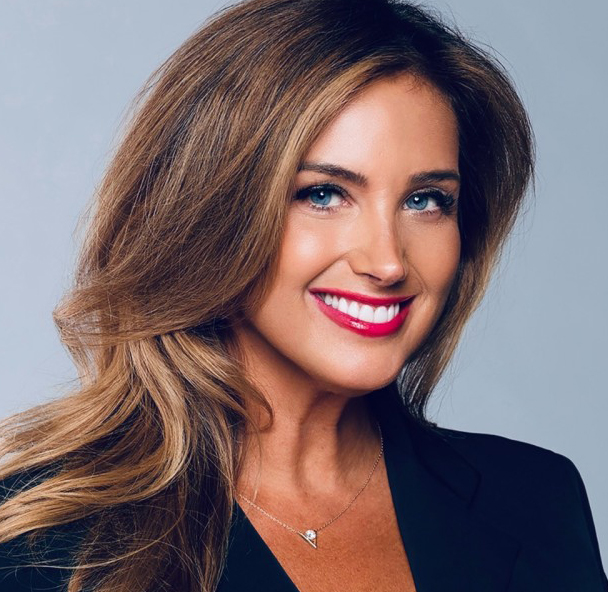
AdExchanger
Introducing The Wedding Tech Stack
00:55:07
Today, David’s Bridal is as much an AI-powered tech company as it is a retailer of wedding apparel and accessories, according to Elina Vilk, president and chief business officer. The company recently unveiled a new digital transformation strategy...
Loading summary
Transcript100 lines
- [00:00]
Alina Vilk
Foreign. Welcome to Ad Exchanger Talks, the podcast devoted to examining the issues and trends in advertising and marketing technology that matter most to you.
- [00:26]
Sarah Sluice
Today's episode is sponsored by Philo Ads. Philo Ads is built for brands that want premium connected TV placements without the premium price tag. With highly engaged audiences on fan favorite Networks like Discovery, TV One, MTV, A&E, Own, Lifetime and more, Philo Ads delivers a CTV experience that gets results. Kick off your next campaign with Philo Ads today at Ads Philo tv.
- [01:01]
Alison Schiff
Hey guys, I'm Alison Schiff and you're listening to or possibly watching at Exchanger Talks. My guest this week is Alina Vilk, the president and chief business officer of David's Bridal, which is the largest bridal and occasions retailer in the U.S. david's Bridal is also building a smorgasbord of its own technologies, including a media network and an agentic wedding planning platform. You heard me right, an agentic and AI powered wedding planning platform. Think of it as a wedding stack. But before we get into it, Programmatic IO, New York is coming and we promise it's going to be a good one, maybe even the best one ever. Prog IO is September 29th and 30th in New York City, but you might as well just snag your tickets now. Podcast listeners get 10% off by using the code pod 10. That's pod 10. So what you waiting for, Alina? Welcome to the podcast.
- [01:59]
Alina Vilk
Thanks for having me. Good to meet you.
- [02:01]
Alison Schiff
It's good to meet you too. And now I want to get to know you better. I'm going to ask you my favorite question, which is what is one thing about you that not a lot of other people already know and that I couldn't easily find out by googling you or just checking out your LinkedIn posts?
- [02:21]
Alina Vilk
English is not my native language. Okay, might be an interesting factoid. I came to the States right around middle school and I perfected an American accent by watching 90210 religiously. I was Brenda very long time. So here you hear the California Brenda. That's me.
- [02:44]
Alison Schiff
I am actually picking up a little bit of Brenda.
- [02:47]
Alina Vilk
You got Brenda? Yeah.
- [02:48]
Alison Schiff
When I lived in Ireland on a work permit after college, I lived with a girl from Naples and she would watch the OC to learn English. And so she had all of these like turns of phrase that she would work into conversation, but with a pretty thick Italian accent. She had a lot of likes that worked their way into her conversation.
- [03:12]
Alina Vilk
I had a lot of likes too. I have a lot of Likes, too.
- [03:17]
Alison Schiff
I have to say. By the way, when I was pulling together my questions and doing, you know, research into what David's Bridal has been up to, I had the jingle from the commercials from the early 2000s in my head. I could not get it out. Like the. You'll love David's Bridal. I just had it on a loop. It's like a top 10 memorable jingle. Like, do people just hum that all the time around the office?
- [03:43]
Alina Vilk
You're one of the first that's brought it up. But it's so funny because I studied. I studied the role of jingles in music. People can remember jingles for two decades. It's crazy.
- [03:54]
Alison Schiff
It comes from some atavistic part of your brain, and it's kind of like smells, sound smells. They're very evocative.
- [04:03]
Alina Vilk
Branding is definitely something that I think companies are walking away from but need to maybe circle back.
- [04:12]
Alison Schiff
I think they should embrace it a little bit more. I mean, we're talking about a jingle that I remember from. I think it was like 2003 or four or something like that. I mean, it's over two decades ago.
- [04:24]
Alina Vilk
Yeah.
- [04:25]
Alison Schiff
So a little bit about you. You're a marketer through and through. You've been at Visa, eBay, PayPal, Facebook. You were CMO of WooCommerce. You were also CMO at Hootsuite, and then you joined David's Bridal as chief Business officer last summer. So it's been almost a year, and you just added president to your title a little more recently than that. And I'm sure you're drawing a lot from your experience in this role, but this feels different because you're selling a physical product. You're also, of course, selling the experience of a wedding and. And helping people make their dreams come true, all of that stuff. But I do feel like there has to be some difference when you are selling a physical product and marketing a physical product as opposed to financial services or, you know, a tech company. So what are the through lines? What are you able to bring, and what's different for you now?
- [05:28]
Alina Vilk
I felt like some sort of a different species when I walked in the door at David's Bridal. The language was different. The. The entire concept of merchandising didn't exist in tech companies. And also what I was bringing, what I was trying to bring in, which is, you know, asset, light, repeatable revenue, SaaS, businesses. That doesn't exist in and in retail. So when I say the word product as an example, it's never a physical product. Right. Like it's like a software or an ad unit or we ship a product. We're not actually shipping anything. So when I would say that, you know, because by the way, I'm also building technical products and David's. So we'll talk about the confusion. I could talk about that in a minute. But when I say ship a product, they're literally thinking I'm shipping a physical dress. Right. Like, or a physical. So, yeah, it's, it's completely different. I definitely learn, I'm learning, I'm still learning a ton. I've learned more here in under a year than years in past and I've worked from some pretty high intensive brands with pretty good learning curves. But yeah, there's been, there's been a ton of learning acceleration for me. Personal, on a personal level, I would say what I'm bringing in from, in all the companies I worked with, we worked with other large enterprises and many, many retailers almost in a consultancy role. Because when you're at PayPal, I was heading up their marketing of the enterprise division for almost like a decade. And so I would work with every brand, I mean, from Neiman's to, you know, you name it different, all the different sectors and retail, non retail, et cetera. And so we get into their business just enough to be dangerous, but not enough to really understand what's under the hood. And so I think it's a very unique proposition. I think I do bring a different perspective, but at the same time I've also been absorbing a lot from the teams to learn the culture and learn the operating rhythms and the P and LS and the systems and all the financials, et cetera.
- [07:45]
Alison Schiff
So we're going to talk about David's as a publisher because you are in certain ways now you launched your own media network and there's a lot that we can dig into on that. But first I want to talk about David's own digital marketing strategy. How you guys show up in the world, how you promote yourselves. Because there's a lot of competition out there. It's driven by this new generation of brides that want, like digital convenience. They want individuality. Not that brides 20 years ago didn't seek to express their individuality, but brides 20 years ago weren't watching TikTok videos for wedding inspiration. So, yeah, like what goes into your marketing mix and your media mix and how is that mix having to change and evolve as your customer changes and evolves and you have to stay relevant and meet them where they are.
- [08:38]
Alina Vilk
It's Interesting you say that because we're actually going through a completely new process in the way we're going to market now. We've been going on this journey, we call it aisle to algorithm in terms of the overarching story for Davids. So what's interesting about our journey right now is that marketing and product distribution are kind of becoming the same thing. And I'll give you an example. We launched Doordash for wedding dresses.
- [09:12]
Alison Schiff
I do remember seeing that actually and.
- [09:14]
Alina Vilk
Thinking, huh, yeah, can you guess, can you guess the top city for door dashing dresses, wedding dresses in the country?
- [09:24]
Alison Schiff
Could it be New York? No, no. What would it be?
- [09:27]
Alina Vilk
When I say it, you're going to be like, oh, that's so Las Vegas, baby.
- [09:33]
Alison Schiff
Oh my God. Of course, of course it is. Oh my God.
- [09:37]
Alina Vilk
So by, by a mile. So we're on, we built, we're building it. We built a tech talk shop. You know, we're, we're going into commerce areas. So what's interesting about marketing is it isn't what it used to be. From the standpoint that hey, we're going to have a new editorial and we're going to launch new, new dresses, new products and then we're going to just do an ad campaign around the new products that we're launching. And it's not this binary, you know, step one, step two, it's now the distribution channel has its own set of marketing. And coming from that world, I think it does help the team a little bit because I can think about it from the standpoint of what works in these worlds. Right. Because marketing and social and we know this, that the new bride, it's very different. Even five years ago, even, you know, you look at increments of 20 years, 10 years, 5 years, 2 years, the paradigm is really changing for brides. And I can give you a couple of examples. One is the pressure has always been to create a perfect day. How much more is that pressure magnified with social media? Yeah. And yeah. And it's not just the day itself, it's also the micro moments in between. Have you heard of bridesmaid puzzles?
- [10:57]
Alison Schiff
I must admit that I have not. Yeah, like get down, get down on one knee and ask your best friend to be.
- [11:05]
Alina Vilk
So my, my sister in law Marcella, say hi to her. My sister in law, she proposed to me out to officiate my, her and my brother's wedding through like a, like a box. She gave me like a ring. Look, it's like a gigantic ring box. And she opened it up and there Was like a, a custom cookie made. And so, you know, and she did something similar for all her bridesmaids, okay. And my brother proposed to his grievous men with sunglasses. Just one example. But I mean, if you go on Instagram or TikTok, you'll see these elaborate proposals to your bridal party. And that's one example, okay? And so there's a lot of these micro moments that are happening that are all being filmed. The engagement itself, there's a lot of pressure for the guy now on the engagement itself, you know, and so on and so forth. So what happens is you get engaged and you're so excited and then you spend the next 18 months with insane anxiety. And so as you plan your wedding, average wedding is a 12 to 18 month cycle. So insane anxiety. And so the, the struggle is real and the pressure is very much on to create these perfect moments. And so brides today with their grooms are spending eight hours plus on social media researching, getting inspiration, researching weddings. And so when you think about channels of distribution, you think about marketing, you have to think about the role of every channel. And I think of it in terms of three layers. Awareness, relevance and significance. Which is what is the customer thinking? Are they aware of what we can provide them? Where are they aware? Where is that awareness coming from? And how do we interact with that channel from the awareness standpoint? And then relevance. Are we relevant to them? To me, relevance means they're spending time on us. Like even if they're engaging with our social and they're engaging with our stores, we're becoming relevant to them. Are they spending money with us? You're further down the relevance paradigm, for real. And then significance. Are we a significant part of their lives? Like are they loyalists? Are they, you know, are they going to remember us? And what's great about a company like David's is that you remember where you bought your wedding dress. Do you remember the stylist? You remember the moment, you know, and the stylists in the stores, they act like therapists sometimes. So it's a big part of their journey. So we do have a good core of significance. And how do we think about that differently? And every channel then has this three pronged role, right? So if you're on TikTok, what's awareness relevant? Sign of on TikTok. It's not just TikTok is an awareness channel, you know what I mean? Because you can do commerce on TikTok. Now we have TikTok shop. So yeah, so it's really thinking about Distribution and distribution channels, how they work and how the product starts to manifest in these different areas.
- [13:48]
Alison Schiff
It almost feels like you have or you're offering a wedding stack. Like to put it in tech terms.
- [13:53]
Alina Vilk
Yeah, I love that. A wedding stack. Yeah, we've used words like wedding economy, wedding ecosystem. I love what you just said. A wedding stack is a great concept.
- [14:05]
Alison Schiff
What else is in there? What is in the wedding stack? Because I know aisle to algorithm is this sort of strategy writ large, but there's a lot of stuff going on under there. So it's a digital first approach. You're using AI, but then it manifests in lots of different ways to simplify it.
- [14:22]
Alina Vilk
It's three things. It's inspiration, planning and shopping. So how do we inspire you early in your journey and throughout your journey? How do we help you remove the stress from your whole planning process? And how do we make it really easy for you to buy everything in one spot and not just your dress, but every aspect of the wedding? That's really what it is. It's inspiration, planning and shopping. And so on that note, there's two sides to all of those things really. There's a media side that we built out and then there's the consumer side which is where the brides and grooms are interacting. So on the inspiration, for example, we acquired a company called Love Stories tv, the number one company in terms of media across the board for weddings and for love. And so which we love love at David's. It's kind of nice to be in the business of love, I will say that. And so that's on the inspiration side. And then we're building inspiration throughout Davids.com and so we hire full time writers and researchers who really are going to help across the entire journey. And then the brides go to that to get all the information they need. Then we flip that into retail media for partners who on the shopping side, we're also offering the right partners that can tailor through their wedding. A Bride will buy eight to 30 outfits. It's not just wedding dresses. I mean she's buying her bikinis, her bachelorette outfits, her, you know, I mean, like she's accessorizing parties, Accessorizing head to toe. Head to toe. I mean, teeth whitening, like all of it. And so spray tan, you name it. And so the idea there is that we have these partners across the board across the entire wedding journey. And once we have all of that in place, we can start, we can market to this audience. And so the retail media network really acts as that vehicle for us and we buil out this entire media network. What's great about David's is that it's first party. We know we actually have the bride and they're shopping and interacting. We have like 90% of all brides. I don't know if you know this, but 90% of all brides in the market in the US will at some point interact with the Davids, whether it's on our website or in our social and our stores. So it's a direct first party interaction. So for the partner, it's great because they can actually introduce their product at the right time to the bride. And so that's how the inspiration plays out. I talked a little bit about shopping. We're building out an entire marketplace. We're upgrading our entire tech stack to be able to support it at scale. We really want to service the entire wedding industry. And so what that means is, well, someone used to be a competitor to us, right? Even if it's another bridal gown, we want, we want there to be choice. Now we want to be that ecosystem. So we were inviting folks in, like, we just included. I don't know if you saw the Marquesa announcement, but we now are selling Marquesa dresses on our website and in one of our stores. So we're really inviting folks in to be part of the wedding ecosystem because we have the bride, we don't have enough product for the bride. That's. That's our biggest pain point. And so now we're really evolving that entire ecosystem. And then the planning, well, we just announced our beta and it's coming live very, very soon here, which is a completely new way to think about planning. So that one's just. That's like a. I think that's going to be a game changer. I really do.
- [17:58]
Alison Schiff
And that's the Pro planner.
- [18:00]
Alina Vilk
Yeah, that's Pro Planner.
- [18:02]
Alison Schiff
To go back to the media network, though, the Pearl Media Network. What I think is really interesting about it, and you just touched on this point, is that it's not just endemic advertisers. It's really anything that a bride could be interested in. And it's not always necessarily obvious to someone on the outside. There's a lot of fragmentation in retail media and it's almost become a meme in the industry, like, oh, another retail media network. But it does make sense for the wedding industry because like you say, it's a more than a year of a planning process and you have brides doing everything from, you know, buying jewelry to whitening. Their teeth, to getting a tan, to plucking things. I don't know. It's head to toe. So talk to me a little bit about that. The kind of broad category of categories of advertisers that, you know, you would court to buy media with you.
- [19:02]
Alina Vilk
I think the main thing to think about and what attracted me to this role as a marketer is who the audience is. Because if you zoom out for just a second, the number one decision maker for the whole wedding and the entire wedding party is the bride. Okay. That same person is moving into a situation where she's getting married and overhauling her whole life and is becoming what we call the household CEO. So we know 85% household female is the CEO. Right. Makes the majority of 85% of purchase decisions in the house. So when you look at combine those two things, you're setting up a new household in that same moment in time that you're getting married. You're making all your decisions from what is our mattress company going to be to what is our toothpaste company going to be? Right. How valuable is that to get to that customer as they're evolving into that role? I would say fairly valuable for an advertiser. Right. How valuable is it to know that it is first party to know that that's the bride? Obviously pretty valuable. So our first where we're starting is really around the wedding industry because there's so much white space there for us. And we want those partners to also sell on our platform in our marketplace so that we can just drive that through line and provide it all in one place. Because it's a cycle, right? Because we get more customers that way, we become the destination for all things wedding. And it continues to build. And then beyond that, we are going to move into household CEO, which is targeting baby, household formation, et cetera, which is really across the board for any advertiser that seeks that. Like, I know from working with a lot of brands in my former companies that there's certain moments that are just really more valuable than other moments during life stages when you first move in. For example, if you're a furniture company, you want to know when that couple's first moving in together, because they will spend $1,000 in the first month and moving and more. And so having that data and having that audience is super valuable to all these brands. So recording quite a few brands on the large enterprise side. We're also building out a SaaS business on the small business side.
- [21:24]
Alison Schiff
So that that makes me want to ask about managing retention and the lifetime value aspect of CRM. So one, how you communicate with people and stay in touch with them once they're already not just down the aisle but they're fully done, they've renewed their vows. I don't know. Do you still communicate with them? And are you helping furniture brands understand when someone might even want to replace a mattress? Right. I mean, almost like a clock ticking down. If someone gets married and moves in in 2025 and they've furnished a home in 2030, they may likely be in the market for X, Y, Z. So is that something you think about too?
- [22:08]
Alina Vilk
I'm definitely starting to think about it. I feel like there's my lowest hanging fruit right now is really just this beginning journey. But to answer your question, on the loyalty front, we have a very successful program called diamond and we just hit 3 million members. Now who would believe that a bridal dress company formally known as David's bridal would have 3 million loyal a program of 3 million loyalists. And so we have a lot of cross promotion to do with them on our special occasion dresses today. Tomorrow we're going to have all these partner brands and it's not even that far along. Tomorrow we already have a ton of brands we're pulling in and we have a long queue of just trying to get them through into our marketplace and moving that forward. And so and we're, and we're giving them points to do all these actions, whether it's planning or whether it's shopping, they're getting points along the way to do that. And so the diamond program has been really successful for us and helps us on the CRM front.
- [23:13]
Alison Schiff
Okay, well, we're going to take a quick break, but when we're back, we're going to nerd out a little bit on segmentation. And I want to talk about what it's like to work at a brand like David's basically now until October. Your life must be crazy. It's wedding season, so stick with us.
- [23:45]
Sarah Sluice
I'm Sarah Sluice, executive editor of Ad Exchanger and Ad Monsters. And I have with me here Reid Barker, who is the head of advertising for Philo. Welcome, Reid.
- [23:56]
Reid Barker
Hey, thanks for having me.
- [23:57]
Sarah Sluice
So let's start by telling us a little bit about who watches Philo. Why do users come to your service and who is the audience?
- [24:06]
Alina Vilk
Yeah.
- [24:06]
Reid Barker
So Philo is the streaming service that has the linear channels from the cable, entertainment and lifestyle networks you've known and loved from Warner Bros. Discovery, Paramount Global, Hallmark A&E plus the entire AMC library. So with that entertainment and lifestyle focus. That means our audience is primarily women. We see them watching it on the biggest screen in the house, and active users are watching, you know, linear television more than three hours a day.
- [24:34]
Sarah Sluice
So we know that you're different on the audience side. But let's talk a little bit about the tech, the programmatic pieces that our viewers love, agencies, but agency buyers are flooded with CTV options, fast networks. So tell us what differentiates Philo on the ad side.
- [24:52]
Reid Barker
Yeah, you know, the bid conversations all around dollars moving from direct linear to programmatic. And Philo's been programmatic from the start. That means we've been in programmatic advertising more than seven years. That means we understand that programmatic is not just a machine talking to machine that you plug in a pipe. It's about really understanding what goes on there. So we feel ourselves are really have a lot of expertise in this area. That means that we need to have the best signals both for identity as well as context, the most transparency, and really listen to the buyer so that we can say yes to what they need to fulfill their KPIs.
- [25:29]
Sarah Sluice
Great answer. Reid, you and I were both at can. What are some of the trends and innovations you saw there that are exciting you in the CTV space?
- [25:40]
Reid Barker
Yeah, I've been around innovative ad products forever, and seeing some of the things like pause ads, interactive ads, suddenly becoming standardized in a way that makes them available via programmatic channels is just. It's great to see they're actually finally going to get adopted. And the other thing is just everyone's talking about mergers, sell offs, spinoffs, and I feel like I'm a Jack Nicholson at a Lakers game with the front row seat of what's happening. And in addition to actually just watching, I'm also on the field. So it's amazing and amazingly terrifying all at the same time.
- [26:12]
Sarah Sluice
Well said, Reid. I couldn't say it better. Thank you for joining us on the podcast.
- [26:17]
Alina Vilk
Thank you.
- [26:32]
Alison Schiff
All right, we're back. And yeah, I mean, it's wedding season, so how does your approach change now? Although I assume you're actually busier in the lead up to wedding season than you are right now.
- [26:49]
Alina Vilk
We have a season called bridal Christmas, and bridal Christmas is like right after Christmas season, ironically. And so it's actually the first half of the year, that is, and we're busy now in terms of alterations and getting the dress, because it's like the. The dress happens, you know, very early in your journey. Like a few months in, you kind of pick your venue and then you get your dress like those are your first two actions. And so it's pretty early in your, in your shopping journey. So if it's summertime, it's your wedding, then you've gotten, you've had your dress for probably half a year, eight months, ten months plus depending on the duration, how long your planning cycle is. So it is busy alteration season for us for sure. And we're already think we already know what next year looks like for bridal season because that's the girls that are coming in, our boys are coming in, are, are really planning ahead. But yeah, it is fun because we're, we're seeing the photos. A lot of our stylists get invited to weddings.
- [27:49]
Alison Schiff
It's amazing.
- [27:49]
Alina Vilk
It's so great. Yeah, I've been invited to a wedding. I got so excited. I got invited to a wedding. I think it's, it's such a different industry because you are a part of an, a core memory for someone else and it's hard pressed to find another industry like that. You get addicted to it. A lot of people at David's have been there a decade plus. I'm like, how are you at this company a decade plus? Because I come from tech. That's not a thing. I mean it is in some rare cases, but you see a lot of movement in tech but you don't see as much movement here. My guy. It's really get really addicted to the job of love. You get very kind of set in.
- [28:30]
Alison Schiff
That people love tech but they're not necessarily loyal to the one company. Right. I mean, this is a different kind of thing.
- [28:38]
Alina Vilk
Yeah.
- [28:39]
Alison Schiff
I want to talk a little bit about targeting and segmentation because of course you're targeting people that are in market for wedding stuff. But you must get more specific because a big day means something very different depending on who you are. Some people really care about, I don't know the band more than they care about some other aspect of their wedding. Someone might actually not really be so obsessed with getting the right dress. They just want a dress. So your messaging probably has to be quite different. So just knowing that someone's a bride is really just the very, very tip of the spear.
- [29:23]
Alina Vilk
There is so much segmentation. I mean, let me start with the different audiences and then I'll get into the specifics in each audience. So you have the brides, but 25% of brides are also bridesmaids and vice versa. You know, a lot of times brides will tell you it feels like everyone's getting married at the same time. They are your whole friend and group's getting married within five years, Within a five year scope. So all the bridesmaids are prospective brides and vice versa. You're buying bridesmaids dresses, you're selecting a bridesmaid dress for yourself, you're buying a dress for yourself. You could be buying your second dress. A lot of girls are doing a second dress. There's also the mother of the bride, mother of the groom, and then we have special occasion, we have prom, homecoming, college, etc. We are across all of it. So yeah, absolutely. Different occasions, different segments, different groups of people. That's just the top line. Then inside of dresses and wedding dresses and specifically there's very different aesthetics and styles and trends. And so what's really interesting about this world is the merchandising world and the marketing world and how those two come together. If you're in merchandising, you have to understand a trend like a year before it happens and the marketers kind of validate that trend. Or don't we have now have conversations around. There's, there's, there's, there's, you know, a trend for elegance and simplicity as an example. And so how do we, how do we lean into that idea? Then there's different price points, there's kind of the hot couture bride, then there's the middle market bride and then there's the bride who wants to spend like under $200. Right. And so not a priority for her. How does she do it? Right. So those are the different things we think about. And the messaging, the marketing, even the photography on that is going to look different.
- [31:13]
Alison Schiff
You touched on this briefly in the first half, but it's kind of like a little breaking news for you. The wedding process is of course more than just the dress like we were talking about. And you guys just relaunched this tool called Pearl Planner. It's an AI powered all in one wedding planning platform and vendor marketplace. It's free. And I was reading the press release and it mentions the word agentic because of course it does. Agentic is the word of 2025. So how does it work? How does it help with personalization, with loyalty and sales and all of that good stuff?
- [31:52]
Alina Vilk
Well, first of all, I think it's going to be a game changer for the entire industry. I really hope it will be. At minimum, I think it's going to help a lot of grooms and brides and, and it's going to help a lot of vendors, especially small businesses, which is something I really care about. So I'll talk a little bit about it, how it works, what it does, and why. I think it's going to be the biggest CRM divide for us in the history of time, for the company, and it's going to fuel our retail media as well. So a couple of things on it. It is a world first planning platform. This means that you can actually plan your entire wedding with every task. By the way, we've mapped out over 300 tasks. I'll talk about that.
- [32:40]
Alison Schiff
Oh, my goodness gracious. I hate to undercut your business, but maybe people should elope. My God, that's a lot of work.
- [32:47]
Alina Vilk
Even eloping is more work than you think. Yeah. Okay. So I mean, I'll give you, this is the example I always go with because people can connect with it quickly. So let me give you an example of a task. One task is booking an engagement photo shoot. You think that's one task, but it's not. Let's start naming a few things you have to do for that. What are you, you have to pick a location, right?
- [33:17]
Alison Schiff
Right.
- [33:18]
Alina Vilk
You got to book your photographer.
- [33:20]
Alison Schiff
What are you going to wear?
- [33:21]
Alina Vilk
What are you going to wear? Your hair? Are you doing that? You gonna get a blow dry? You want to maybe color it beforehand? Are you shoes, accessories? What's he wearing? Are you, are you studying poses ahead of time?
- [33:39]
Alison Schiff
You have two locations, one for rain, one for a nice day.
- [33:43]
Alina Vilk
Yeah. Do you, you know, like, so that's one task, one on a checklist. That's one thing that we just named like 10 things for that one thing. Right. Everything is like that. And the burden that women have, I mean, we carry this with us like a mountain in our heads every day, by the way. We do this for everything. Right? But like with weddings, it's like I mentioned earlier, it's a particular stress point because you just so feel the pressure of getting it right. It's like you're spending so much money, so much time, so much effort. It really feels like a full time job. And it's not. You're still working, right? Like you're still, you still have your day job for the wedding, for God's sake. And you gotta pay for it. Yeah. People are paying for weddings on their own. And you know, they're young and it's, they're not at like the income threshold. They can afford hundreds of thousands of dollars. Their average wedding is still around 35, $36,000. So, you know, it's a lot and it's a lot more than you think it is. So when I thought about that as the problem statement. How do we remove stress from weddings? How might we do that? It was the first step was coming from tech. We have a lot of really incredible software to do our day to day jobs. We have like asanas of the world and we have like the jira's for developers and we have like, you know, we just have spots, et cetera, right? We have like a lot of really great tools my teams over the years have used. I was like, well, do we have like the only tool that you have to plan anything is Excel, right?
- [35:22]
Alison Schiff
I mean that was a pregnant pause. And for anyone listening just on audio, we, Helena, I just looked at each other and went, oh, Excel, right?
- [35:31]
Alina Vilk
That was like a big aha moment for me. I was like, well, how are they doing this right now? And it doesn't even matter if you have a planner because your planner helps you a lot. And even if you have a planner, they're not going to do all these micro things, right? And you still want a place to document everything. So we are, by the way, we're building a version of this for planners. It's coming out later this year, so there's going to be an interface. But to me it's the difference between. It's like the real estate market. I was around when I actually worked for a company early in the early tech days that brought real estate listings online for the first time. And we were debating things like how is this going to work? Like what's the tool going to look like? People still use an agent when they. But they want to look at the real estate online, they want to see the house, they want to know what they're going to see ahead of time, right? It's the same thing. We are building it out. We're mapping out all the micro tasks too. It's not just the things on a checklist, it's all the little details that follow. And you can add your own details, right? Because if you have an Indian wedding that's going on for five days, that's going to look different, right? And so you can add in your own. You just get everything out there. And so it's a, it's a really, really robust tool that we built. That's the starting point. And what's really cool about it is that it allows. You can have the AI do the whole thing for you or you can control as much as you like, but there's a lot of little micro things in there. So the first thing was like, how do we even think about what My style is or what kind of wedding I want. Like, where do I even start? It just feels so overwhelming. How to remove that Barri we created a very simple vision quiz. You just pick a bunch of images. So I a bride. Most brides can tell you what they like if they see a photo of it, but if you ask them to describe it in words, you'd be hard pressed to do it, right.
- [37:24]
Alison Schiff
I imagine actually that people. I'm just thinking of myself and maybe this says something about me, but I know what I don't want more than I know what I want, right? Because I've been to weddings. I'm like, I don't want that.
- [37:37]
Alina Vilk
You can't like name it, you know what I mean? It's hard to name, like I'm this style, right? Like I'm boho chic or I'm country fresh or whatever, you know, so well, first thing we did was we, we load a ton of AI enriched images, okay. And we, you just click, click, click, click, click through images you like. Based on that, it's kind of like a personality quiz. Or like, you know, when you take like a Myers Briggs or something like that, we're able to then determine for you what your aesthetic is, what your colors are, who you are from a wedding perspective. That then gets pulled into the tool and you get a vision board built for you. So it's the equivalent. You spent like less than a minute on this, by the way. And you know, normally you go through, I mean, I remember going through over 20 wedding magazines cutting things out, like all of that. That idea stemmed from that, like cutting things out, like that's what it did. But AI now can power this whole thing for you. You get like a little vision board right there.
- [38:37]
Alison Schiff
Share that vision board doesn't need a glue stick, so.
- [38:41]
Alina Vilk
Doesn't need a glue stick. It's right there for you. And then we, based on your wedding date and everything you telling us, we've mapped out your tasks, but we're not showing you everything. You can see everything if you want to. We have multiple views. We're just showing you what you need to do, like that week that's in your dashboard. And so we want to remove the overwhelm and then the tasks get done. And by the way, that vision board, as you complete your tasks, you could start to see the real life images build. So like, let's say in the vision board you have a vision of a dress and then, you know, you buy your actual dress. It's this image of the actual dress. Now in your tasks, there's a lot of different kinds of tasks that you're doing. Some tasks are just things you have to do and we just, you know, we surface them to you when we think you need to do them. You can add your own tasks, you can build upon that. Some tasks are vendor related, like I have to book a vendor. So we built out like a marketplace, very similar to like a Google my business or Yelp, et cetera, where you can actually have a marketplace with vendors. What's really cool about that is that we surface for you the vendor when you need to see them only. So we're surfacing a floor florist to you when it's time to do a florist task. So when it's time for you to book a florist now you'll see florists and you'll see the florists in your area, in the area where you're having your wedding, I should say. And you'll see them based on your aesthetic, based on the things that we, the AI enrichment all along, that you have a companion AI that gives you advice, that tells you exactly how to do the task, that can even do the task for you. And on the flip side, what's really cool for the vendor is that they're not paying for, they're paying for a subscription like a SaaS business, but they're getting a bride. It's not like a random ad that they're putting out there and they're being surfaced at the exact moment she needs them. So it's super hyper relevant targeted advertising on their part. Right. So it's really cool. It's kind of like the open table for weddings. Right. But it's surfaced based on the milestone, the task, tailored and customized to the bride in her specific journey.
- [40:45]
Alison Schiff
I mean it's the same concept as search intent, except someone sort of on rails already through the experience.
- [40:51]
Alina Vilk
Exactly. That's right.
- [40:54]
Alison Schiff
Well tell me though how prior to Pearl Planner ties into the media network. I know there's a strong connection there.
- [41:00]
Alina Vilk
Yeah. So I mean the data piece is obvious, but as Pearl Planner, I think it's going to be huge. We have tasks in there that are going to get work, deep embedded workflow tasks that we're going to monetize with partners. So we're going to think about like your invitations or think about your wedding website or your registry. You know, we have partnership with my registry as an example. Right now we're just sort of taking it to them, but we're going to be building out an API with my Registry pretty quickly here where you can actually do things as part of your wedding journey. Every task add to Registry, add to registry is just a task or if there's specific items that get surfaced in through the API, you're going to be able to do it right there. So as we have these data nodes, right we built a knowledge graph around the entire system. So it's a proprietary knowledge graph for you based on your preferences using like three different language learning models. And so based on that we can tailor your experience and then we're building out these APIs with these partners. Partners can advertise through this or build these workflows with us, which we love because it's, we want to create a totally seamless experience across the board. So it takes advertising kind of turns it on its head. It's like first party, real time and totally hyper relevant. Like you'd be hard pressed to find something with all three attributes, right.
- [42:19]
Alison Schiff
If you're advertising, you hear people talk, talk about advertising as a utility all the time and it's really just so much lip service because it's just an ad. But yeah, I mean this is advertising as a service because you in that moment quite literally need to book the flowers that will be in your hand and on the table and the intent is there, right?
- [42:44]
Alina Vilk
So I mean if you're looking at, you know, but creating invitations, right, having the right invitations to partner in there and then you know, think about all the tasks you have to do or you're buying a wedding outfit before your wedding for your brunch, right? For your mother in law brunch. There's a lot of different, there's a lot of different kind of tasks that come in where we can actually start to serve things up that are very hyper relevant to the specific task. So it's not even like knowing who the audience is, it's knowing what, who they are, but also what their intent is in that moment in time and serving it up at the right moment, at the right time. And what's great about that is it's serving the bride, but it's also serving the partner and the vendor.
- [43:27]
Alison Schiff
I mean the timing aspect is really important. Programmatic advertisers love to talk about right time, right person, right place. And it's become a total like cliche. But if you serve someone an ad for flowers, but it's not at the right moment in their planning process, they are going to discount it. They might, maybe they'll take a screen grab, maybe they'll save it they won't come back to it, they'll jot it down, they'll forget about it and then probably find something else later when it's the right time. So timing seems like a really critical aspect of this whole process.
- [43:58]
Alina Vilk
Yeah. And you know, the fact that we're giving this away for free, this entire tool, like why wouldn't every bride use it?
- [44:08]
Alison Schiff
I mean our, there's this whole, you know, AI is going to take our jobs kind of thing. I mean is this going to take a media, an unmedia planner, a wedding planner's job? Media planners are always on my mind.
- [44:20]
Alina Vilk
It doesn't, it doesn't take a wedding planner's job because it won't like deal with your mother in law and it won't deal with the venue. Right. Like it'll help like what, you know, I, we're gonna, the next, like I mentioned the next gen of this, we're going to create a planner version so that they can interface and they can curate more. So the AI will help the planner do more. The planner is very thin in terms of what they can do and what they offer. The way that they do their packages. It's like I'm going to help you on day of, I'm going to help you pick your venue. I'm going to. There's still a lot of like, there's still like over 100 details you're kind of on your own on depending on the level of service you get from a planner. Right. And so this will actually allow planners to create better contracts for themselves where they can actually do the whole end to end thing because they can do all the leg, can do a lot of the legwork for them. And, and then they know the bride, even with all the AI in the world will never replace a human conversation. And so it'll help them, it'll help them with a lot of preferences. And by the way, if we already have them enabled on this AI, we just get that to the planner that they choose like the data with their permission. That'll help them with their planning journey as well. And then they can collaborate. Do you like this image? They can load their own dress images, they can load their own venue images, they can build and curate things for them with their vision boards. Like we can give them the tools to really work better together. And by the way, like the other aspect for example that we're building in there, we're building top two pain points that we got from wedding planning. Number one is budget. Yeah, my man. To your point earlier, like we're going to be building out like utility models for example that say okay, bands are number one most important thing to me that means you want to spend X dollars on a band based on your total budget. We're going to receipt management. Things like that are all going to be part of it. Right? Or even like collaboration tools dealing with your bridal party. You're still going to do that with or without a planner, you know what I'm saying? So it's like which dresses do, do they want? We're going to create like a voting mechanism where you can pick like the bridesmaids dresses and, and send that off to them. So we're building out like a hundred different things that are just workflows and tools that are going to help throughout. Just again the problem statement, how do I start? Remove stress and anxiety. We're going to just continue to build that out as we go. And we think for planners this is going to be a very, very valuable tool very, very, very soon.
- [46:41]
Alison Schiff
Here is mother in law mode on the roadmap though that would be helpful.
- [46:47]
Alina Vilk
Mother in law mode is great question. We actually played around with snippets. We actually trained, we trained the LLM to. For questions like my mother in law just added seven people to. What do I say? What do I do?
- [47:15]
Alison Schiff
That is choice. Well, there's one other thing I wanted to talk about quickly before we have to end, but I was reading about the diamond and pearls thing. This boutique store concept. It's like a luxury tech enhanced bridal shopping experience. It just got rolled out in May. It's a curated styles and so a lot less inventory than you'd get in a regular store in a more personalized service and champagne. Yeah. Do you, do you see that really as the future of retail or is that just good to have as an option? And there's still a place for just racks and racks of dresses in a, in a big old brick and mortar store.
- [47:57]
Alina Vilk
I think it shows the segmentation of who we have as an audience and I. So I think that the answer is depends on the market and depends on the bride archetype in the market. And so you know where we opened it in Delray, it's perfect archetype for that market. It's you know, we've got dresses there as high as like $6,000 but at the same time we have dresses as low as $500. So it's really nice in that sweet middle space, upper high end for us. There are luxury gowns and there are couture gowns. In there. But if you're middle tier in terms of budget bride, you could still shop there and have a great experience. So it depends. I think the future is in some of the things we put in there. Opening up a brand new store allows you to reinvent it. And this whole concept of aisle to algorithm, what's been really cool is building out. Well, now we have a much smaller box, right? We're going from a 10,000 square foot box to a 3,500 square foot box. How do we start to think about that differently when we have so much selection, so much choice in our inventory? So the digital screens created an endless aisle and that whole concept of inspiration, shopping and planning is inside of all those screens. Eventually, planner is going to be part of every single appointment book period. And the data from what your dress is is going to go to every stylist. And so that is going to create preferences upon entry. So it's going to accelerate the journey of even buying your dress, moving forwards. And think about that. Right? Like we know today's appointment. If you have to tell us I like an A line or I like lace or I don't like lace, you may. If you talk to stylists, they'll tell you from the beginning of the appointment to the end of the appointment, it's always something different than what the bride originally talked about. Because when you try something on or when you see it in person, or when you see a visual of it, it's very different than the way you imagine it or where you're describing it. Right. So we're going to get them a lot more data earlier in their cycle and we're going to, they're going to understand the aesthetic of the whole wedding. So they'll know exactly what to pull. That's going to help the entire journey and experience. And if there's something missing in that store, there's something that maybe is kind of close. We can, we can order it for them. So through the endless aisle. So that's the, that's the magic of what we're building here. I think the connection point with AI and data and bringing that into the storefront, that's really the future aspect of it.
- [50:17]
Alison Schiff
So we are pretty much out of time. But I want to invite you to be a little catty for a minute. I'm sure you read about weddings and wedding trends all the time. Is there a recent wedding trend that you either hate or just totally don't get or wish that people would stop doing it because I ask? Because we, I was Reading a bunch about what you guys are working on. And then I fell down a few rabbit holes and I was reading an article about ax throwing becoming a kind of thing at weddings, and it just feels like a really terrible idea if there's an open bar especially.
- [50:52]
Alina Vilk
Yeah, yeah, I probably wouldn't advise axe throwing. We had a lot of heated debates about things at David's that are wedding related. And the heated debates, I mean, we talk about like, first look or no first look or like, you know, donuts or cakes or. Right. Like, do we do a donut tray or do we do a cake or a cupcake tray or there. Or, you know, there's new trends, right?
- [51:24]
Alison Schiff
I mean, who knows?
- [51:25]
Alina Vilk
No cake at all, right. Like, no cake at all. Like, you know, to hell with norms. And was it Love Stories tv? The company we, we acquired has some really interesting trend data. I mean, there's weddings across the board. Like, people will do Star wars weddings. That's a big theme.
- [51:41]
Alison Schiff
Sure.
- [51:43]
Alina Vilk
I'm here for all of it. I just think that the thing that I want brides to have is I want them to express their individualism and who they are through their wedding. The trend that I don't love and the trend that, you know, the only thing that I will say is don't do something because of how you think it might look to other people. That is the number one mistake, right? That is the number one thing because it's like you will spend an extra $10,000 plus on stuff that doesn't matter. And also getting wrapped up in the details and forgetting why you're doing the thing in the first place. It's really easy to get wrapped up in the Instagram culture of like, what the wedding should look like and where it is. And a lot of the stress comes from that, you know, And I would say that if they can. If they can zoom out and enjoy. Really, it's hard to say because you get so stressed out in the details, but the 18 months leading up to the wedding, right, you are engaged, and that is a cycle of life you're never getting back. And that is a time for you and your partner to get to know each other. So I invite you to get to know your partner in a different way through the wedding journey and create micro moments that matter to you and them. Right? And so, you know, it's like cake tasting, let's say that is going to be a core memory for you. If you do it in a way where you care about each other and you, you make that a date, right? And you make that an experience for, for one another. If you start factoring in, I want to do hyper realistic cake that matches my theme, that goes to a specific color that you know, like you can take things to a notch that at the end of the day, at the end, that's not, that's not going to be what you remember, right? So that's my only pet peeve is make it. Make it about who you are, make it about the two of you and try to live in the moment. Because this is a cycle you're not getting back again, right? This is, this is just as an important cycle. You're engaged. That's a big milestone moment for you all. Don't do it for others, do it for yourselves.
- [54:01]
Alison Schiff
Alina, now I feel like I should say live and let live to the ax throwers. Just make sure you aim properly so everyone does survive the wedding.
- [54:10]
Alina Vilk
Just survive it. Don't kill your guests.
- [54:13]
Alison Schiff
That's the best advice. Don't kill your guests.
- [54:15]
Alina Vilk
Guys, please don't kill your guests. Don't injure them. Let's. Let's leave them all safe and happy.
- [54:21]
Alison Schiff
Thanks for doing it.
- [54:33]
Sarah Sluice
Today's episode was brought to you by Philo Ads. Philo Ads delivers premium content, a CTV first audience, and zero stress ad buying that works for everyone from scrappy startups to savvy marketers. So shake up your ad buying strategy and launch your next campaign with Philo Ads today. Visit Ads Philo TV to learn more.