← AdExchanger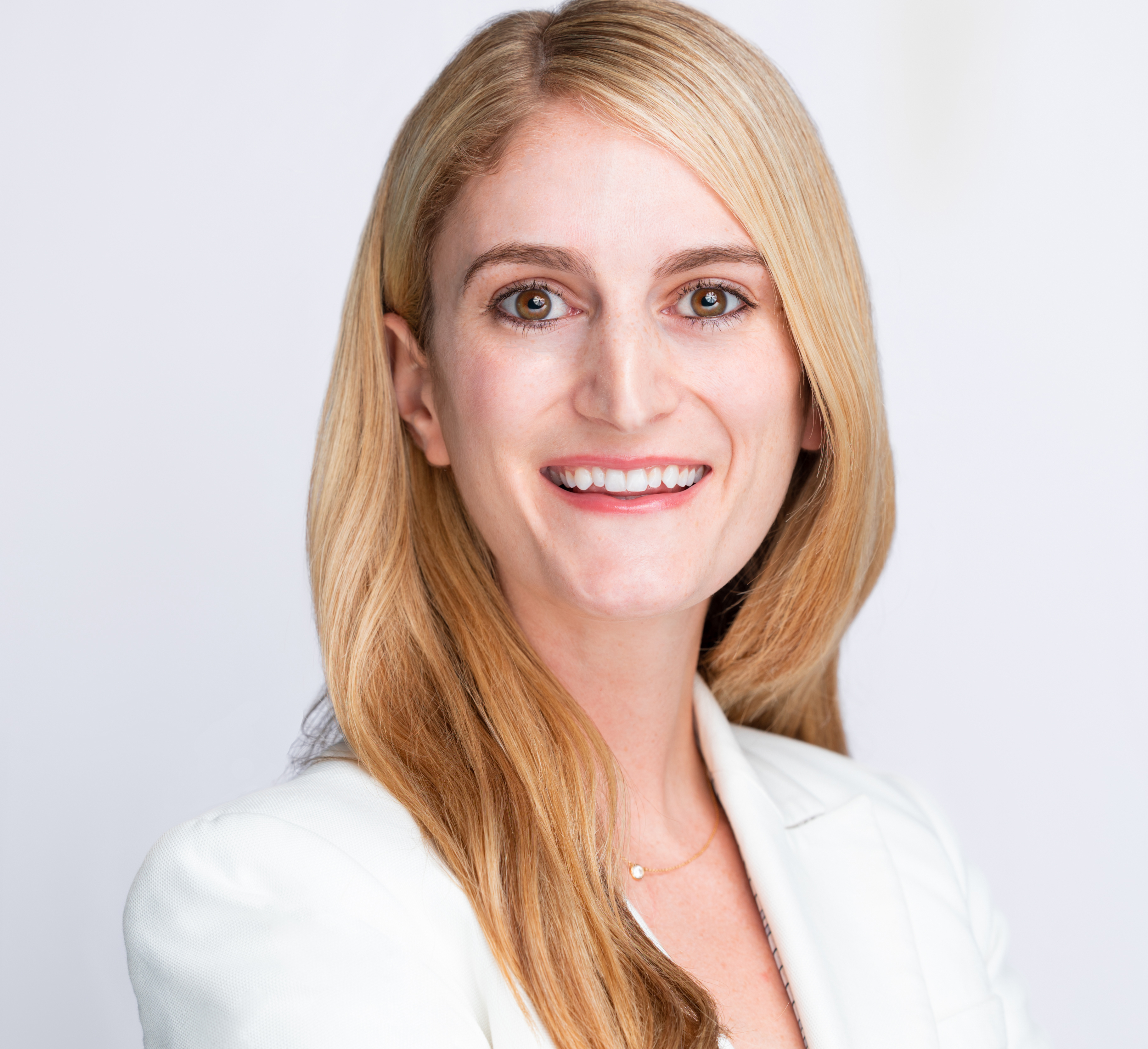
AdExchanger
Making Sense of DSP-SSP Convergence
00:48:08
DSPs are building tools to bypass SSPs and SSPs are increasingly trying to cut out the buy side. It’s a dramatic tale, at least by ad tech standards. But putting the noise aside, the real question is whether the technology improves effectiveness,...
Loading summary
Transcript84 lines
- [00:00]
Kara Puccinelli
Foreign welcome to Ad Exchanger Talks, the podcast devoted to examining the issues and trends in advertising and marketing technology that matter most to you.
- [00:26]
Sarah Sluice
Today's episode is sponsored by Philo Ads. Philo Ads is built for brands that want premium connected TV placements without the premium price tag. With highly engaged audiences on fan favorite Networks like Discovery, TV One, MTV, A&E, Own, Lifetime, and more, Philo Ads delivers a CTV experience that gets results. Kick off your next campaign with Philo Ads today @ ads Philo TV.
- [01:03]
Alison Schiff
I'm Alison Schiff, Managing Editor of Ad Exchanger, and thanks for listening to our little podcast. My guest this week is Kara Puccinelli, Chief Customer Officer of Nexon, which is the combination of many different ad tech companies that was compiled over more than a decade to become what it calls itself today an end to end platform. We'll talk about those pieces, how they came together, what it really means to be an end to end platform, and and who the winners are. As the border becomes rather hazy between DSPs and SSPs, plus lots of other good stuff. But first, it's totally time for you to snag your tickets to programmatic IO taking place in New York City on September 29th and 30th. There's a link to the event site on our website, so visit, read all the headlines and then cast your eyes to the top right of the page and click on Programmatic I.O. new York. If you're on your phone, tap on that little hamburger menu on the left. Podcast listeners get 25% off their ticket when they use the code podcrush, all one word and all in caps. See you there. Hey Kara, welcome to the podcast.
- [02:11]
Kara Puccinelli
Hi Alison, thanks for having me.
- [02:14]
Alison Schiff
All right, so kick it off with one interesting thing about you, like a fun fact that not a lot of other people already know or that I couldn't easily find by looking at your LinkedIn or just doing a little Google search.
- [02:28]
Kara Puccinelli
Yes. Okay, so fun fact. People say I have fun hobbies. I'm a big fan of adventure sports, so really into rock climbing and hiking. I was in Patagonia for the first time over the winter which was incredible. Like if you haven't been huge bucket list and trying new things. I'm learning how to do a type of windsurfing called winging this summer which very humbling to learn something as an adult where you fall a lot. So yeah, I like spending my free time with doing something things fun.
- [03:08]
Alison Schiff
I thought about trying to learn how to ski or snowboard, but I feel like I should have started Way earlier for that reason.
- [03:16]
Kara Puccinelli
Right.
- [03:16]
Alison Schiff
Like if you fall down and you're a little kid, you just pick yourself back up also way less.
- [03:21]
Kara Puccinelli
Yes, yes. But I will tell you, there is nothing more humbling as an adult to learn something like that and fall down a lot. So I encourage.
- [03:29]
Alison Schiff
Also feels like maybe almost metaphorical advice for like business and for life. Right? Like learn how to fall and pick yourself back up.
- [03:36]
Kara Puccinelli
Yep. Yes, exactly.
- [03:39]
Alison Schiff
So I, I do want to talk about you and your career path, but first I want to go back in time a little bit like ad tech memory lane and lay out all of the different pieces and the various M and A machinations that led to what Nexon is today. And you'll correct me if I'm wrong and you'll let me, you'll let me know if I leave anything out. So here, here goes. All right, we're going to wind back the clocks to 2014. It's Maramedia, which is a British digital ad management platform. It was publicly traded in London. They buy a mobile ad company called Taptic. Later they take Taptica's name. 2015, Taptica buys a social marketing tech company called Area1. The year after, there's the acquisition of a majority stake in Ad Innovation. It's a Japan based mobile marketing company. And now we're up to 2017 and Taptica buys Tremor Videos DSP for 50 million. 2019, okay, I'm right. Okay. In 2019, yes, there's a merger with Rhythm One, which was a cross screen ad ad tech company that itself owned a bunch of assets. They had previous acquisitions. It was Yumi Burst Media. There were some pieces from Radium One and then the whole shebang takes the name Tremor International. 2020, Tremor Buys Unruly Video Ad Platform from News Corp. 2021, Tremor Buys Sphere Ad Ad Server and unified a platform. 2022 and we're getting closer to the present day. Tremor acquires a mobi, another DSP. It's the biggest deal so far. 239 million. 2023, the rebrand to Nexen. And that is where we are. Did I miss anything?
- [05:30]
Kara Puccinelli
No, that. That was everything. And I, I came from the amobe side of that journey. So yeah, it's been really interesting to see how it's all come together. And you know what I will say is that what I'm very happy about is that since the rebrand, as you mentioned, I no longer have to explain the logo soup that you just went through because we really have now created a brand that greater market recognition than any of those and we're excited that it's come together in this way.
- [06:04]
Alison Schiff
So there's the branding aspect, but also the fact that there were so many pieces. So is everything still like in there knocking around, like, how does this stuff work together? Because it is a lot of stuff. I assume some of it's been retired and some of it is still part of the, of the soup.
- [06:22]
Kara Puccinelli
Yeah, absolutely. So we have spent, you know, since 2022 really a high focus on integrating the technology and building, you know, the end to end solution that we have today. So everything that we have is centered around our data platform. And our data platform includes, you know, feature rich solutions for first party data, but also includes discovery which was a part of the amobitech stack. And then we've integrated that into our DSP and rssp and we still also have the ad serving capabilities as a part of that too. And on the DSP side we've really taken like the best of what's been a part of the Tremor DSP and built that into the Amobi dsp. Really focused on creating a solution that can optimize across, you know, both buy side and sell side and ultimately, you know, serving for a, you know, purpose to drive better returns for advertisers and better connections for publishers.
- [07:30]
Alison Schiff
Is there a bucket for that? Like what bucket? Because I love buckets. I need to describe the companies I write about in like two or three words right before the company's name. Like the blah blah company. Nexon, what's your bucket?
- [07:43]
Kara Puccinelli
Yeah, so we are really focused on delivering greater marketing profitability through data driven advertising. And that's really connecting both the buy side and sell side to drive greater outcomes on both sides.
- [07:56]
Alison Schiff
So would you say like end to end platform or how would you condense it?
- [08:01]
Kara Puccinelli
Yeah, end to end platform is where we sit in. So, you know, we are different than a lot of companies in that, you know, we very much have built through acquisition and now integration, connecting technology on both sides with the idea that as you build the DSP and SSP on a single data layer, you can drive better outcomes and ultimately increase, you know, working media for agencies and brands as a part of that. So we very much fit in that, that, you know, true end to end platform category.
- [08:41]
Alison Schiff
I'm not expecting you to break news on the Ad Exchanger Talks podcast, but is Lexin done for now like on the M and A front? Do you still need other pieces or you just settling now? I don't mean settling like settling in in a negative way, but just like chill.
- [08:58]
Kara Puccinelli
You know, we, we are always in a position where we're looking at new solutions. Right. New technology, new ways to advance the business, new ways to solve challenges that our clients bring us. But I would say we have all of the pieces we need right now that we feel can allow us to really, you know, continue to capitalize on growing our market share and, and growing outcomes for our customers as a part of that. So, you know, always looking, but right now it's really focusing on just advancing the existing capabilities that we have and delivering results as a part of that.
- [09:35]
Alison Schiff
And a lot of the pieces that came together to make Nexen, those deals happened during what I feel like were the early teenage years of ad tech. Right. I mean, now there's more of a maturity, I think, that's settling across the industry.
- [09:49]
Kara Puccinelli
Yeah, there absolutely is. Yeah. I, I actually originally came from the Turn side. So, you know, Turn was the first, I think, platform to serve an RTP impression. So, like, very, very early days. And so, you know, to come this far and see now, you know, the end to end solution that really helps advertisers drive greater results and increase working media as a part of, really allowed us to advance, you know, advance in meaningful ways. It's no longer just a point solution. It's, you know, really having the ability to impact everything from, you know, audience creation and the planning stages into activation and really connect, you know, premium supply as a part of that.
- [10:36]
Alison Schiff
This is such a goofy thing to say, but whenever I hear the term working media, I just think of, I don't know, like a little guy with a briefcase and a little hat, like, getting on the subway, like he's going to work, like he wants to be as efficient as possible. Yeah. Anyway, that's just my own weird brain.
- [10:56]
Kara Puccinelli
Yeah.
- [10:56]
Alison Schiff
But I want to get back to you and your career path now that we've laid out all of the pieces that make up Nexon. Because you've been with this, like, combo platter company, you know, for, for a long time. Yeah. Like you said, you came on through the Amobi acquisition and you'd been at Amobi for nearly a decade and now it's been a couple of years with Nexen. So it's a pretty good purview over a decent time horizon. And I'm just wondering how client expectations change during that time and also, like, how you build a lasting client relationship in the face of just so much change, all of this transformation, like all of those buzzwords.
- [11:38]
Kara Puccinelli
Yes. Yeah. It's been a really interesting journey. So, you know, for me, when we combined with Tremor, I wasn't sure I was actually going to stay on for the future. And a lot of it was questioning what is these new solutions going to do for our existing customers? And so clearly. So it became so clear to me that the integration of a DSP and SSP provided so much value to agencies and marketers. And a lot of it was because we could solve for things that we couldn't solve for just being on the DSP side of it. So as an example for that, you know, getting additional data points to help with, you know, understanding auction dynamics and pricing dynamics that leads to more effective media buying, or as an example, being able to look at fee structure and say, if you're having a challenge with roi, how do we support a model that helps with greater transparency across the entire value chain versus just a piece of it? So it's been really motivating to see our customers that were customers of ours on the DSP side have now also translated into customers that work with us end to end. And all of our customers on the DSP are now working with us in additional ways and, you know, buying into a lot of our supply because of those benefits I just mentioned. And you know, we have clients that we've been with very early on, like Molson Coors as an example who's like, really reaping the benefits of, you know, working with a platform like ours to help them drive greater media effectiveness and, you know, driving a greater, you know, operational efficiency as they work with one platform.
- [13:33]
Alison Schiff
So I was going to save this as a topic for the second half because I spent a lot of time talking about AI. But I'm going to, I'm going to put a pin in the AI conversation that was I was going to bring up next. But I want to talk more about like the blurring line between DSPs and SSPs because there's been this active push from both sides to basically disintermediate each other. And I was reading this piece indigiday from a couple of years ago, actually. It was a sponsored piece by you guys and you were quoted in it. And you made the point that the goal of the blurring line here is to optimize the supply path. And then you basically like ask and answer your own question. I'm just going to quote it. An unanswered question in this pursuit is what will disintermediation ultimately mean for advertisers and publishers? And the answer is not all that encouraging. SPO without the Appropriate technology is problematic for various reasons, not least of which because it wastes advertisers money. So that was your point of view two years ago. But for me on that, like, has the industry moved closer to the ideal of true SPO that really serves the whole supply chain?
- [14:44]
Kara Puccinelli
Yeah, you know, we've seen obviously a big shift in the last few years of DSPs, you know, wanting direct connections or trying to dis. Remediate SSPs. SSPs trying to build their own bidding solutions to not have to use DSPs. And what it comes down to me, you know, is really is the technology allowing you to be more effective or not. And like, when you think about that, like, we've got to go back to, you know, what matters the most, which is one, like, what is the experience as a viewing consumer? Right? What is the experience for an advertiser to get greater return on the money they spend in ad platforms? And then like publishers need to continue to be able to monetize and make money. Right. That's like how we continue with the open Internet. I'd like that. Yeah, yeah. Which we, which we all want. And I think when we, when we think of those things, to me, you know, having technology on both sides allows for the greatest opportunity for that to exist. And the reason for that is that, you know, allowing for technology to work together seamlessly to optimize, right? Like DSPs exist because if they don't, there's a lot of waste that happens, right? We need to reach the right audience. We need to make sure we're paying the right price to reach that audience. We need to control for reach and frequency. Right? These are all things that matter. What I always encourage people to ask is we shouldn't be cutting out the technology. We should be having a discussion on does the technology work together in the right way to provide the right path and am I paying the right price for that? And those are the things that should be solved for versus trying to cut one or another out. That creates a different experience.
- [16:32]
Alison Schiff
And I do think that ad tech journalists, maybe, myself included, we're perhaps a little guilty of framing this blurring of lines in a very dramatic way. You know, like one side is out for the blood of the other side. But that doesn't really. I mean, it's a narrative, it's an interesting narrative, but it isn't. Not that it doesn't reflect some version of reality, but it doesn't necessarily serve the industry so well to frame it that way because it's quite adversarial.
- [16:58]
Kara Puccinelli
Yeah, yeah. Exactly. And it doesn't have to be. I think, you know, ultimately if we go back to why this discussion is taking place, a lot of it is taking place because of, of margin discussion. Right. And I think that instead of us saying, you know, let's approach it from a cost perspective, we say we need technology on both sides, but as long as it works effectively and we're being transparent about the cost that exists and we're helping get the greatest return to advertisers and helping make publishers money, then like that's, you know, that's the ad world I want to live in.
- [17:37]
Alison Schiff
It does feel like everyone in ad tech though is suddenly like full stack, you know, in air quotes. But I do wonder if the pendulum is just going to swing away again because there was this time when everything had to be separated because people would talk about misaligned incentives and then they came together or started to come together in the name of efficiency. But I feel like it'll just swing back the other way eventually. Just like one administration is Democrat, then it's Republican, then it's Democrat, back and forth and back and forth, like in perpetuity, and then nothing really gets done. Curious what you think about that.
- [18:09]
Kara Puccinelli
Yeah, you know, I, when I previously was at a mobi, you know, we sold against end to end platforms. And I think the reason that at the time we saw it as a negative was because you compared it to solutions like Google. And when I look at a platform like Google, you know, the challenge with it is that they don't provide transparency and they don't provide the data access. And so now when you look at, you know, where media buying sits today and you think about, you know, the challenge with a lot of the costs that comes in with, you know, using platforms, you know, it's a much different opportunity for me, which is that if you can be transparent on the costs and you can share with the advertisers the benefit of increasing their media as a part of that, you can bring buyers and publishers closer together to make like smarter decisions about what they want to see in packaging, then that benefit is, you know, instrumental. And I think ultimately it comes down to, you know, platforms having access to more data as a part of that. So I don't see that going anywhere. I think what we will see though is we need technology to be effectively built and connected in order for that to happen. So the platforms that may be building sort of, you know, workaround solutions I think are going to take us farther back because we're not going to get to that outcome that we want in terms of, of optimizing.
- [19:45]
Alison Schiff
So in that vein, and one more question before we hit a quick break. As these lines blur between DSPs and SSPs, are there winners and are there losers? I guess in the short term, if you're creating a workaround, you're a winner because maybe you appeal to someone who's quite enamored of the status quo or whatever, I don't know. But who wins and who loses as the lines blur?
- [20:12]
Kara Puccinelli
For me, the winners are the people that have the technology integrated and that's really what matters, right? If we have technology that isn't speaking on the same data layer, that doesn't have the same identity solution connected, then the whole benefit of having something end to end goes away. So the ones that have put in that effort to do that and then have incorporated AI as a component of that, so that optimization happens that much more effectively. I think we'll get the farthest. And I would say I don't know that there's any losers, but I would say that the, the players that are traditionally a point solution on one side, that again, like you said, try to do that workaround, I think are going to have a bigger challenge because I don't think you're going to see the results, the scale, you know, the experience that customers want. And so then it becomes how do you partner with those other platforms more effectively versus try to makeshift something on your own to control margin or control, control the buying capabilities.
- [21:14]
Alison Schiff
Pure point solution. Maybe you get acquired by Nexon, I don't know.
- [21:17]
Kara Puccinelli
Yes. Yes.
- [21:20]
Alison Schiff
Okay, cool. So we're, we're going to take a quick break, but when we're back, you said AI and we're going to talk way more about AI. Stick with us.
- [21:47]
Sarah Sluice
I'm Sarah Sluice, executive editor of Ad Exchanger and Ad Monsters, and I have with me here Reid Barker, who is the head of advertising for Philo. Welcome, Reid.
- [21:58]
Reid Barker
Hey, thanks for having me.
- [21:59]
Sarah Sluice
So let's start by telling us a little bit about who watches Philo. Why do users come to your service and who is the audience?
- [22:08]
Kara Puccinelli
Yeah.
- [22:08]
Reid Barker
So Philo is the streaming service that has the linear channels from the cable, entertainment and lifestyle networks you've known and loved, from Warner Bros. Discovery, Paramount Global, Hallmark A&E plus, the entire AMC library. So with that entertainment and lifestyle focus, that means our audience is primarily women. We see them watching it on the biggest screen in the house and active users are watching, you know, linear television more than three hours a day.
- [22:36]
Sarah Sluice
So we know that you're different on the audience side. But let's talk a little bit about the tech, the programmatic pieces that our viewers love. Agencies, agency buyers are flooded with CTV options, fast networks. So tell us what differentiates Philo on the ad side?
- [22:54]
Reid Barker
Yeah, you know, the big conversation is all around dollars moving from direct linear to programmatic. And Philo's been programmatic from the start. That means we've been in programmatic advertising more than seven years. That means we understand that programmatic is not just a machine talking to machine that you plug in a pipe. It's about really understanding what goes on there. So we feel ourselves are really have a lot of expertise in this area. That means that we need to have the best signals both for identity as well as context, the most transparency, and really listen to the buyer so that we can say yes to what they need to fulfill their KPIs.
- [23:31]
Sarah Sluice
Great answer. Reid, you and I were both at Cannes. What are some of the trends and innovations you saw there that are exciting you in the CTV space?
- [23:42]
Reid Barker
Yeah, I've been around innovative ad products forever and seeing some of the things like pause ads, interactive ads, suddenly becoming standardized in a way that makes them available via programmatic channels is just, it's great to see they're actually finally going to get adopted. And the other thing is just everyone's talking about mergers, sell off spinoffs, and I feel like I'm a Jack Nicholson at a Lakers game with the front row seat of what's happening. And in addition to actually just watching, I'm also on the field. So it's amazing and amazingly terrifying all at the same time.
- [24:14]
Sarah Sluice
Well said, Reid. I couldn't say it better. Thank you for joining us on the podcast.
- [24:19]
Alison Schiff
Thank you. All right, welcome back. And during the first half we were talking a lot about industry change and you really can't talk about industry change without talking about AI. And I know Nexon is investing a lot in AI tools, positioning yourself as an end to end platform, which we were also talking about. Although I will say the term end to end platform feels a little jargony to me. So lay out the main benefits of an end to end platform approach for me, but without actually saying the words end to end and like why that's better than like standalone AI powered features.
- [25:12]
Kara Puccinelli
Yeah. So I think it's important for us to define what makes up the solution and platform that we have today. So we have a data platform which includes the capabilities to have feature rich solutions around first party data that also combine our own research and insights solution we call Discovery, which has additional data that we've invested in that can help with really rich media planning and audience insights that sits at the center of our DSP and our ssp. So our DSP has the capabilities for full, you know, media planning and buying, and then our SSP has the capabilities of being able to monetize access to publishers and media owners across our DSPs and third parties. What's really meaningful for us on the AI front is that we believe that AI is something that should be integrated across the technology versus being this separate thing that sits on the side. And so we've invested in integrating AI across our existing product that really help supercharge that differentiation. And for us, you know, that differentiation really sits at being able to use the data across both the DSP and SSP to make smarter decisions. So, you know, understanding things like auction dynamics and price and allowing that to make smarter decisions on what we see in the dsp, in addition to, you know, looking at insights we have around audiences and having that lead to smarter planning, insights that tie directly, directly to activation. So it's really about having that work across the platform from that entire, you know, customer journey, from media planning to buying to measurement, and having that process be, you know, more seamless and effective.
- [27:11]
Alison Schiff
If you're not born as a AI company and I get pitched on the dot AI companies daily, how hard is it to integrate AI into like all of your processes? Right, because the, I guess the tendency would be to just kind of jam it in there. Pretty challenging to change the way something fundamentally works, I would imagine.
- [27:34]
Kara Puccinelli
Yeah, I think for us what was important was that we went through the heavy lift to integrate the technology before so that we actually are sitting on the same data layer so that the data that feeds it can be powerful across, across the platform. So that was like the first level of the heavy lift, I think. Secondly, it was about determining where we want to prioritize building AI. And where we focused is really starting with our DSP and discovery, really starting with the use cases that we think would drive the best customer impact. So on the DSP side, a lot of it was focused on optimization. So specifically, you know, not just understanding, you know, what to do in terms of performance, but why are things happening the way they're happening and how do we advance that into a stage where we can actually start troubleshooting? So as an example, if we're not getting strong performance reviewability, not just what sites are causing that, but why are we seeing that overall? I would say, you know, beyond that, we moved into discovery, which is really our solution for audience planning, which, you know, takes consumer insights and marries that with everything from interest to purchase to sentiment to really uncover a much more holistic view of your consumer. And what we've been able to generate with AI is really the ability to generate those insights not only faster, but create more meaningful white space opportunities because we can do that iteration more quickly and then ultimately tie that back to activation. So, yeah, I think having that connected now is what we're solving for next, which is making that AI work more seamlessly across all of those components so that we can do that in a way that learns from each other and optimizes from each other in a more effective manner.
- [29:39]
Alison Schiff
Can you say anything about the models powering all of this? Because I sometimes forget to ask that question and I just refer to AI as this monolithic thing, like it's AI powered. But, like, what does that mean for Nexon?
- [29:50]
Kara Puccinelli
Yeah, I mean, what we look at is, you know, really balancing, like, qualitative and quantitative. And I think, you know, our industry is very used to quantitative. Right. Big data. Right. We know how to use numbers and do the math and understand how to. How to simplify workflows as a part of that. With AI, I think what's been most meaningful is the qualitative part of that. And so when we look at models that can understand things like sentiment, that can understand things like consumer behavior, that's the area that we've really invested in around, like, the research and insights component of our discovery tool. And that's allowed us to, you know, solve one of the harder challenges. But I would say, arguably one of the more important challenges in, you know, the media life cycle, which is like that planning stage and tie that back into an activation strategy.
- [30:46]
Alison Schiff
And this is a question I'm really loving asking people. How do you use AI in your personal life or in your work life? Like, what do you use and how do you use it?
- [30:56]
Kara Puccinelli
Yeah, I use it in all different forms. Like many people, I think that, you know, for text, I like chat, GPT. I find myself creating a lot of decks. So, like, Copilot has been a big, you know, time saver for me to create decks more easily. Time management, like, I'm a big fan of, like, you know, anything that makes it easier to schedule or manage your own time. So reclaim, I think, is really interesting. So, yeah, I've, you know, started to incorporate in a lot of different ways, a lot of which to just make the day more effective and powerful.
- [31:35]
Alison Schiff
I've said this many times on this podcast. But my, my truly favorite AI application of my own life is Otter AI because it's a transcription service. I used to, oh my God, like the amount of time I used to spend transcribing interviews, it was hellacious. I mean, I think I save a day of, of work.
- [31:54]
Kara Puccinelli
Yeah.
- [31:54]
Alison Schiff
By using that service. Although I also, I, I do wonder about people who didn't have to take the notes and like, learn the like, skill of active listening because it's such a safety net to know it's all being recorded for you. So I, I like, I like having that now, but I think I like also having been basically hazed by the experience of having to take physical notes and also transcribe from recordings. So.
- [32:23]
Kara Puccinelli
Yes, yes, I agree. Yeah, there's like, you know, you have to wonder what it's going to look like, you know, future facing world where, you know, people in the future workforce don't have that experience. Right. And I think we have to like, like you said, continue to remember, like how do we as humans learn alongside, you know, using these tools that make us much more effective at our jobs?
- [32:46]
Alison Schiff
Well, make all of this real for me. What's an example of next AI and how it works for discovery? Something real, just not, not a hypothetical.
- [32:56]
Kara Puccinelli
Yes. So, you know, starting with how it works, we have built an agent where brands and agencies can ask a series of questions. And those questions will generate within three to four minutes a deck that has insights. Those insights span from, you know, advanced audience segmentation to sentiment interests to, you know, what TV consumption and shows is that audience watching. So it really just, you know, obviously improves the time. But what's even more interesting is it's allowed us to capitalize on more meaningful insights as a part of that. So we as an example, have a travel brand that we work with. They've brought their own first party data into our discovery tool and they wanted to generate insights around, you know, what those consumers were purchasing beyond, you know, what they know. Right. And as a travel brand, you know a lot about, you know, where they travel to and like very verified demographic, but they didn't know anything else about how to interact with those consumers. So we were able to develop really interesting audience segmentation around business travelers and what those people look like, including what they purchase, what they're interested in, what shows they watch. And ultimately that helped them support, you know, not only a strategy to better reach those consumers, but ultimately help them with better creative recommendations as a part of that too.
- [34:27]
Alison Schiff
How predictive can you get with it? So Putting business travelers aside. Like, I'm, I'm in the mood to travel, but maybe I don't know where I want to go. Maybe you want to tell me. I don't know myself well enough. I don't know.
- [34:42]
Kara Puccinelli
Yeah, we can, you know, use a lot of different data points to help showcase not just past behavior, but what can we do to indicate what's likely to happen. And I think that's actually one of the more interesting use cases is being able to see, you know, what I know about that particular consumer. How does that help me understand if they're going to have a higher affinity to potentially be interested in this product or to your point, you know, travel to this destination or purchase that, you know, premium flight upgrade. So that's all of the types of data that we can look at to help come up with that recommendation.
- [35:19]
Alison Schiff
One other question, I mean, this is kind of an edge case. Shut up. And if you heard that someone on my street is sitting on their horn. I do business travel, but I book it all myself. And some of the places I go are like, kind of random, but they could be considered vacation spots. So I'm going to Plano, Texas for the Google Ad Tech antitrust trial. Right. That the state of Texas is doing in August. But I'm, I'm flying JetBlue. I'm not using a business account. I'm staying in an Airbnb. It kind of looks like I'm going on vacation to Plano for a week. I am not. Like, how do you, how do you know, like, what someone is doing if they give you only like oblique signals?
- [36:04]
Kara Puccinelli
Yeah. A lot of it is about combining the power of that first party data. So in that case, you know, we would get that data from, as an example, JetBlue. If you purchase that ticket with the other data signals we have access to. So we've invested in, you know, panel data and we see bidstream data and we see TV consumption data from our ACR partnerships. So it's really making the best decisions you can off of those various touch points. And I think that's really the power of, you know, discovery is it's not just looking at one data source in isolation, which a lot of these tools solve for. It's looking at what is that 360 degree view of the consumer and then how do we best use that to understand where they're at within their journey? And is it always perfect? No, but it creates, you know, a lot smarter recommendations and insights than what we see. If, you know, you're only Having access to a couple of those touch points.
- [37:05]
Alison Schiff
360 degree view. What about AI hype in AD tech and in general? Like, do you have any tips for brands, publishers, just people like myself to tell what's really driving performance and, well, what's really driving performance versus what, like, is a performance, you know, like, not legit? Because I do feel like, I mean, I'm not being sold AI technology, I'm being pitched on AI technology to cover it. If I'm a brand, I'm going to be spending my time testing it, I'll be spending money on it. And it might just be hot air. I mean, there's a funny phrase someone used recently. Fried air. Like, this product is just fried air. So how do I know if an AI product is fried air or not and worth covering? And how does a brand know whether it's worth testing?
- [37:55]
Kara Puccinelli
I think a lot about it is asking the questions to understand, you know, really what is the application and use case going to get me and how is it different? You know, I don't think that with AI you have to build something that's wildly different to create value. It's more about what is going to be different than how I'm using the product today that's going to get me to, you know, the outcome that you're, you're saying that you can achieve. And I think for Nexon, you know, that was really where, you know, as I mentioned, we decided that, you know, we wanted to make sure that that was a part of what our existing platform is. That makes it easier, that makes the performance better. And, you know, I think really looking at, you know, how it accomplishes that and asking the questions about, you know, what's, what's been built in order to achieve that is, allows you to differentiate. And I think right now in the industry, a lot of, you know, where we're focused is just the workflow components, right? How do we make, you know, spend less time doing things? But I think the promise of AI is really, you know, much bigger than that. And I think if we can get into more around like creative and messaging and, you know, combining interesting research, that leads to better creative messaging. To me, that's where we can, you know, move to even greater value.
- [39:19]
Alison Schiff
How though, are companies that provide AI technology or, you know, have AI technology underpinning what they do for creative or targeting or, or whatever, how are they going to differentiate one between the other? Because what you can make already is so good. Of course, it's a little Uncanny valley or, or whatever, but it's like, pretty damn good. So at a certain point everyone will just be like, really good and like, using similar models. So, like, why use one over the other? Like, how do you even sell in that environment?
- [39:52]
Kara Puccinelli
Yeah, it's a good question. I think that, you know, a lot of it's going to come down to what is that AI built on? And I think that's what we have to go back to, which is that, you know, AI is only going to be as good as the data that feeds it or, you know, the solution that feeds it. And so I think the companies that have access to, you know, data assets that are very interesting, that they've continued to invest and build on are going to, you know, have a differentiated edge. And then I think, you know, also the companies that are marrying a strong, you know, service and human element with it. Right. I think just because, you know, AI advances to inability doesn't mean that you don't have to have a strong team driving the overall strategy and relationship with those customers selling that solution too. So I think very much it's the data that's going to feed that and also making sure that you're differentiating with the human side of what you're doing.
- [40:56]
Alison Schiff
So we're drawing to a close. So I wanted to change gears a little bit and just bounce to a different topic that I think you probably have an opinion about, which is CTV fragmentation, because audience viewing is just like super spread out across so many different places, different apps and fast channels and smart TVs from various makers. So how do you guys manage that fragmentation for, like your advertisers that want to make reach people effectively, but they, they want it to be working media that works well. Right. Like without wasting budget or missing out on scale. And by the same token, like, frequency is still like just so bad for that reason, like, I just see the same ads and over again, and they're also like, so irrelevant. And I don't know why that's not a solved problem yet.
- [41:45]
Kara Puccinelli
Agree. Yeah. I mean, I think, you know, going back to like, the consumer and in this case, like, viewing consumer right is the most important thing we should focus on. Right Is it's important. And, you know, we actually launched an education program we called Nexon University. And a lot of it was focused on this challenge, which is helping bring industry experts together from agencies and brands and also from the buy side to really educate on topics, you know, tied to fragmentation within ctv. Because what we found is there's a really strong misperception and understanding still of a lot of how these things work. And so, you know, I think that in order to drive a stronger customer experience or, you know, viewing consumer experience, it's going to be, you know, one having the walled gardens approach a level of data and transparency so that we can work together to manage things like reach and frequency. I think there's always been this promise of like one platform to control. Right. Global frequency. And, you know, we may never get to that place, but I think as an industry, we can do better at allowing, you know, these different platforms and media owners to work better together so that ultimately we don't, you know, piss everybody off in the process. To your point of seeing the same ad 10 times. So I think we'll start to see a lot more of that happen, you know, especially as we see more CTV supply generally. I think that we'll see, you know, hopefully some of those walls come down and, you know, there'd be a lot and be the ability for more data sharing to happen so that brands can ultimately control that experience on their own.
- [43:36]
Alison Schiff
Yeah, and I, I think it's less annoying at this point and more of like a missed opportunity. Right. I, I, I just noticed the same like four ads in a podcast five times during one episode of something. It's like, why, like, why do that? Like, there, that's a totally missed opportunity to do something interesting. It just feels like paint by numbers. And it doesn't have to be like that.
- [43:59]
Kara Puccinelli
Yes, yes, agreed.
- [44:03]
Alison Schiff
So, penultimate question. You spend probably a ton of time talking to clients. I think that's a huge part of the job. What's the, I don't know, most frequent question or the biggest concern that crops up among your clients?
- [44:20]
Kara Puccinelli
A lot of them are trying to understand, you know, how they can increase the performance outcome. And I think now more than ever, when, you know, consumer behavior is changing, we have a, you know, a macro situation that's, you know, unstable. They're all trying to figure out how do they, you know, report stronger results or, you know, performance and sales to their, you know, to their executive team. So, you know, the biggest question we're asked is, you know, how can they do that and what are the right ways to help control for that and, you know, what ways can we help them, you know, reduce the cost to reaching consumers and how do we help them measure more effectively, you know, the interaction between their media mix to ultimately leading to that conversion. So that's, you know, really where we're spending a lot of our time, you know, helping, helping them ultimately drive whatever KPI and sales Results they're trying to achieve.
- [45:23]
Alison Schiff
It seems almost like, just help me make my CFO like me.
- [45:27]
Kara Puccinelli
Yes, basically that's exactly right. And you know, for good. For good reasons. Right. I think we, in a lot of cases have, you know, produced a lot of complexity in the industry that has also produced a lot of cost as a part of that. And so, you know, really spending the time to break down for them. How can they get to a place where they can drive better results with what they have? Right. Everyone's asking, do more with less. And so, you know, getting to a path that they can achieve that and make the CFOs happy.
- [46:04]
Alison Schiff
So before we go, I do want to just toss one your way about the Chrome privacy sandbox and testing, because I know Nexon and lots of other companies too, invested like pretty heavily in testing the privacy sandbox. A lot of resources, time, people, money and third party cookies obviously aren't going anywhere. Any regrets about all that time and money spent?
- [46:26]
Kara Puccinelli
You know, I don't know that I would say there's any regrets. I think ultimately was there time spent that could have gone other, you know, been better spent in other places? Sure. I would say, you know, it's clear that that solution would not have worked. It was, you know, more of an academic solution than a practical one, which one of my product leads said, which I thought was, you know, right on. But I think, you know, what it did do is I think, drive greater adoption of IDs in general. Like, we see, you know, a much faster adoption of things, you know, IDs like ramp ID. And so I think it's put us in a position where we have now tested alternative IDs at a greater scale. So, you know, I'll see that as a benefit.
- [47:13]
Alison Schiff
I'm going to steal that. It was an academic exercise. That's a good one. Yes. Cara, thank you.
- [47:20]
Kara Puccinelli
Thanks, Allison.
- [47:35]
Sarah Sluice
Today's episode was brought to you by Philo Ads. Philo Ads delivers premium content, a CTV first audience, and zero stress ad buying that works for everyone from scrappy startups to savvy marketers. So shake up your ad buying strategy and launch your next campaign with Philo Ads today. Visit Ads Philo TV to learn more.