Loading summary
Transcript45 lines
- [00:00]
A
Foreign welcome to Ad Exchanger Talks, the podcast devoted to examining the issues and trends in advertising and marketing technology that matter most to you. Foreign.
- [00:37]
B
Welcome to Ad Exchanger Talks, the Ad Exchanger podcast where the editorial team catches up with interesting folks with different perspectives from across the advertising ecosystem. This is James Hersher. As you likely notice, I'm filling in for Alison Schiff today and we are continuing with the outliers, I think with someone who's sort of interesting and you know, maybe new for the Ad Exchanger Talks podcast in that she is really not from advertising technology, digital marketing, but is a. An interesting observer of sorts. It is Vidushi Dial. Welcome to the show. I'll, I'll let you sort of intro yourself.
- [01:19]
A
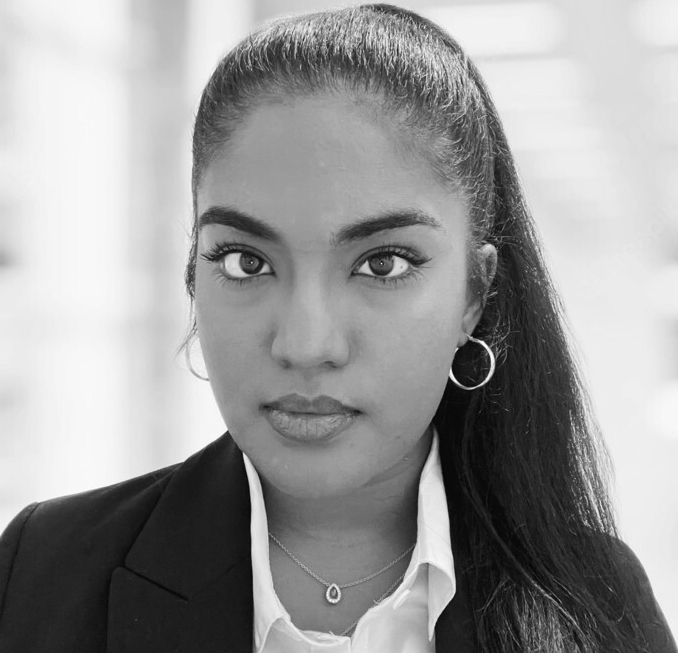
Well, thank you for having me. My name is Vidushi Dayal and I, I am the director of Legal analysis at Chamber of Progress. And for those of you who are unfamiliar, Chamber of Progress is a technology trade association that advocates for technology's benefits to consumers, workers and communities. What I spend a lot of my time doing is tracking really exciting and important cases in digital markets. A lot of my time is spent on competition cases. So I attend and live tweet on hearings and when a trial is happening, I'm in the courtroom every day sending out recaps and just serving as kind of a voice in this space. So thank you for saying I'm not an ad tech because ad tech is quite daunting for those who aren't in the trenches. But I've been following the DOJV Google Ad tech pretty closely. I attended the entirety of the liability trial and just the first half of the remedies trial that just wrapped up.
- [02:38]
B
Yeah. So it has been definitely our worlds have, have collided in the past few years. Certainly the like, legal antitrust space and, and Google in particular, the search and the publisher ad tech trials. You know, how, how do you feel like, you know, your, your background is, is legal. But what, what was it like to, you know, learn about the ad tech industry through these trials? Really like at, you know, not, not sort of coming up through the space, but, but okay. Sort of. I need to, I need to acquire some background here and also probably just like learning as you follow the cases.
- [03:24]
A
Yeah. So thankfully, because I was learning it in the context of a case, I was surrounded by lawyers and the audience was a judge, a very sharp 80 something year old judge who also wasn't an ad tech. So I feel like things were spelled out definitely simpler for us folks than it would be for those in the industry.
- [03:51]
B
Actually, I think it was more confusing being there in person. I think that it does a. The ad tech experts, like they did. They didn't really like, you know, I don't know, like, that's my perspective. But I was like, mine was like, oh man, someone following us. I only followed one part of it, but it was like, oh boy. Like you would not come away with like a good clear sense. Like it is, you know, it's. You're right. Like Leon, the, the judge in this case is extremely sharp and where she interjects it really does seem to be like, okay, that was like, what a good sharp question that was. But yeah, it was funny. Allison covered the first, the, the first part of the trial last September and I covered it more recently. Like I was there and she came back and she was like, I'm like, I love like Leona Brinkham, the judge. She's like, I have such like a weird like crush on her. She was a huge like Leone fan. And, and so it was like that was like seven. I was like, oh, okay. Like, I get it. Like, yeah, she's a, she's just like a badass. Like said like 80 year old lady. But it's just whip smart.
- [04:52]
A
Totally. And I, that's fair because I, I think with any feels where, you know, you really have to be in it, if you kind of step into a 101 that's geared for another audience, you're probably not going to get much out of it. But at least in this context, I think one, ad tech is extremely daunting. Last, last time during the liability trial, I feel like this image of what was called the ad tech spaghetti football went pseudo viral, at least in the community, because it was just the most complex diagram of pipes and all of these tools and how they interplay with each other, even though, you know, the, the trial and the case itself is kind of focusing on a much smaller subset of, you know, properties.
- [05:46]
B
But yeah, I think that was like an example of the. How these things have just sort of enmeshed and can't really, I guess, like, can't be like pulled apart cleanly.
- [05:56]
A
Exactly. Like, ad tech is complicated and there's lots of moving parts. So I am thankful that at least we're only really focusing on just a few pieces in this case.
- [06:08]
B
Yeah, that's true. Are there, are there other, you know, are there other examples of, you know, cases? Are there other like industries entirely that you, you, you have followed as well? You've tracked.
- [06:19]
A
Yeah. So like kind of just running it back My interest in, like, just tech and law began, like, right out of college when I was a cybercrime investigative analyst. And that's when I saw firsthand how the law plays with, you know, online harms and how in, in lots of ways the rules are there, but it kind of requires a novel way to look at things. When you, when you look at tech and then the online space, it, in a way it seems like the wild west, not necessarily because there are no rules, but because the terrain is relatively new and constantly changing. And like, law loves a good old hypothetical. Like, when you go to law school and learn about tort law, you always start with the case where some guy is walking and a barrel of flour falls from a warehouse window. And, like, there's no witnesses to see it, but, like, the accident kind of speaks to itself that something went wrong, someone was negligent. So it's like this. Go to illustration that barrels don't just fall out of windows. That can translate to all sorts of other real world situations. But for some reason, when things, when we're talking about things happening online, it can feel very different. It doesn't always need to be the case, but we're really at a time in antitrust in particular, where we're seeing a lot of key precedents in the process of unfolding how courts are defining markets, how they're wearing platform design choices. And now we're kind of in, like, remedy Palooza is what I call it between the search case and the ad tech case.
- [08:04]
B
So how do you feel about where, like the, where the search case netted out? Obviously, we don't know in the world through the, the, the trial phase of remedies. And we'll, we'll be hearing it. It'll probably be, I don't know, many months before we get that, but. Yeah. How, where did you, where did you feel about how the, how the search case played out?
- [08:24]
A
So I will say I feel like Judge Mehta during liability and even during the remedy trial was keeping his cards pretty close to his chest. But when closing arguments came around, I think he started to show his hand. And I mean, closing arguments is kind of the time for judges who already have at least a skeleton of their order in the works to kind of start tweaking and getting those questions out. And I think that was when he was expressing a very healthy amount of skepticism of what the DOJ had brought to the table, which was a lot. And I think that was part of the problem where they bit off way more than they could chew. And they only had two weeks to kind of sell it to Judge Meta. And understandably, you know, all of these cases are going to go through appeals and they're going to have to survive, you know, the appellate level. So you want to actually feel like what you're doing has been supported by the record. And obviously search and ad tech are two different beasts. But what stood out to me was right before the ad tech remedy trial started, during the final pre trial conference, Judge Brinkoma looked at the parties and said, I'm going to need a really fleshed out briefing on how what happened in search could apply here and what that kind of means for me and what I need to look into. I was expecting a brief before the remedy trial, but post trial briefs are due next Monday. So I'm thinking that's probably where the parties are going to flesh that out. And again, while the markets are different and the challenge conduct is different, I think in both cases the DOJ is looking for a breakup of some kind. And, and you.
- [10:29]
B
And really just to sort of, you know, translate that a little bit, I think that sort of is considered. Maybe you're like, this is like a good sign for Google that like Google wants, obviously the search case where there was no breakup and Meta was very sort of. Judge Meta was very skeptical. Yeah, say that because like whenever people say meta, you hear it on a podcast. Everyone's just going to think Facebook. But yeah, Judge Meta, very skeptical of a breakup. And so you know that during the remedy phase, like, I think that case was cited constantly by the Google legal team, by the counselors, like, you know, as the, like the precedent. And then the DOJ was saying, you know, I think they cited them once on the opening day specifically to be like, that case has no bearing. Chrome was, you know, not part of the monopolies. So like had. They didn't have the same like, breakup sort of call for. Yeah, a breakup. That was definitely interesting. So, yeah, so like that is sort of what you're saying. That's. That is a good sign in a sense that even the judges, you know, sort of considers that important. That's how you know that's gonna form part of her opinion.
- [11:39]
A
Yeah, exactly. And I mean, all of these cases, even though they've been around for a while, are nowhere close to being resolved. You know, remedies is kind of phase two before appeals kicks off. And I think we can expect all of these things to be appealed. So with that in mind, I think that obviously in Judge Mehta, people who are critical of Judge Mehta's opinion say that, you know, he, he went a little too easy and it was a slap on the wrist. And even though he is mandating some data sharing with all of these AI rivals who weren't part of the case. So like that is a pretty big step that will of course I'm sure be subject to appeal by Google. But on, on the remedies piece of things, I think in his opinion he says caution is key, like at least six times. And the DOJ in both of these cases is, is advocating for courts to really run with the idea of remedies and courts having this really broad remit to do what they need to do for forward looking action. And Judge Meadow was saying while that's true, they also need to be cautious and tailor these remedies to what came out in liability. So I think there is a lot of applicability between the two that I think Judge Brinkham will have to look at. One thing that kind of jumps out at me are these related or broader markets like Judge Meta didn't want there to be this negative crossover spill in browsers, carriers, distributors, search, syndication. And with this ad tech case, the market is really narrow. It's open web, display and that's excluding all sorts of other ad types. It's also excluding like these, these direct deals that take place. So when you're looking at something like breakup, Judge Brinkoma will have to consider the effects of all these other ad types or at least the search, the search order would kind of have her do that.
- [14:01]
B
Yeah, I think the search market is so much more important and the changes, the changes that Judge Meta might theoretically have made would have, would have, you know, like consumers. Yeah. Billions of people who use Chrome and Google search like those. The sort of potential there is like, as you say, just is so broad and so massive. Whereas when you isolate the publisher ad tech market, it's like, all right, look, you know, it's like it's important for us in the programmatic world and you know, I love programmatic publishers but like it's a pretty small market and like no person cares or actually like, you know, there's not. Like there aren't millions of people who know adex and care about DFP or you know, and what happens here doesn't matter to them. Like it, like what? Like, oh, like my Chrome just changed. My like Google search has changed. So, so yeah, definitely an interesting distinction, but still an important market. Let's take a break here, throw it to a sponsor and we'll be back with more Just a minute. Welcome back. Let's start the second, second half off with a bit of a, a bit of a step back, maybe just a quick, quick breakdown of what Chamber of Progress does, where you fit in the space. Adam, who I think is, you know, probably your boss was former Googler who I believe founded the group. But yeah, maybe, maybe just a sort of quick, quick elevator pitch or breakdown of where you guys, what you guys do.
- [15:53]
A
Yeah. So we're a tech trade association. We have over 30 partners ranging from big tech companies like Google and Apple to smaller ones like Dreamwith, which for those unfamiliar is this online journal platform. So our advocacy spans across a really great, a broad range of issues within tech policy, AI speech, FinTech, AVS, ticketing, competition, et cetera, et cetera. Most of my time is spent on competition just because there's no shortage of really fascinating and high stakes antitrust tech cases going on. So I track them and just a few are the Google search and ad tech cases, the cases against Apple and Amazon that are being brought by federal agencies. Epic Games has brought some private suits which have moved pretty fast and are being very high impact.
- [16:57]
B
And then is Epic one of the like a partner of yours or are you just sort of citing that case?
- [17:03]
A
Oh, sorry, no, they're not a partner of ours. So Epic Games, they're the makers of.
- [17:06]
B
Fortnite, they're bringing suits against Apple, they're.
- [17:09]
A
Bringing suits against Apple and Google on app stores and the fees that are associated with that. Those cases have gotten pretty far. They've. I think they're now in the appeals stage. So those are really high impact antitrust cases. And maybe we can talk.
- [17:28]
B
Those remedies have played out too. Like, I think it also is like we've now that we have seen some of these remedies play out. It's like, okay. It really does. It's like, okay, it matters to mobile developers and like people notice it that, oh like, okay. Like as a result of that case and others sort of going on in Europe, like the pressure on those app store fees and the exclusivity, apps can send people to sites to sign up elsewhere and they're like, okay, there's like new flows, there's new interest, exciting products for Unity and Apple, all these other mobile companies. So yeah, it's interesting to me how quickly those, it could be like from remedy to like, oh, people feel this.
- [18:08]
A
Yeah, no, it's very true. Funny with just remedies in general. So antitrust is funny in that these cases kind of get split. So you Have a liability phase and then you have the remedies phase. And what I've noticed is kind of being sort of boots on the ground is when you looked at the search case during the liability phase, the courtroom was packed. There was an overflow room that was packed during the remedies phase. And this was of course after the government had secured a win and this was their time to get something done. As you say, the courtroom was pretty empty. Mind you, it was poor timing where like the FTC Meta case was. This is meta the company, not the judge. The FTC Meta case was also playing out but there was not that much attention which you know, the counter programmed.
- [19:00]
B
Programmatic IO unfortunately too. So we couldn't be there for yeah good chunk of it. Like ah, come on guys.
- [19:07]
A
Antitrust scheduling is honestly the worst because when something happens, literally everything is happening. So you, you kind of can't catch it all. Okay, this is a good actually segue back into your question of what I do. But yeah, so it's unfortunate that public access to these court proceedings one is also so limited and at times non existent. So having that in person coverage and reporting is critical.
- [19:35]
B
It really is like having just, you know, done my week at the courthouse. It, you know, you really, you get such a better picture being there and also because there is no picture that like it is because you get so little from you're outside the courtroom. All you get is these sort of sometimes paraphrase sometimes like a remembered quo. You jotted down a line that some, you know, but you could take pic, you know, like you could get the, the anything that is like a visual that they create and post that you could find online afterwards. But like all these, you know, there's all this important stuff that really doesn't get captured very well. I actually remember covering. I started at PBS NewsHour, My first job in journalism and I remember covering like Supreme Court cases that were like there was nobody allowed in. Like there was nothing allowed in the courtroom and people would like wave flags. Like there was like it was like a race to break the news. Like the broadcast cameras were like, you know, a couple hundred yards away. And like it literally someone they raced out of the courtroom wave flags like their person who's at the front door who waves a flag to somebody like down the promenade who waves a flag.
- [20:48]
A
It's what do the flags mean? Is it like a green case was decided?
- [20:52]
B
There's like each like CNN would have like. And there was like a way that you know, Fox and I remember there was I think it was either the gay marriage or the Obamacare. I think it was the gay marriage Supreme Court case. And there was like a flag mix up. And so like the conservatives started like celebrating like they got the wrong flag from their person first. And so like. And then the other people started getting their flag that were like, okay, that was like, you know, gay marriage legalized. And there was like this huge, I mean I'm sitting there like on the, in front of like this pre court is like just total chaos. But that is literally what like covering these court cases is. Like, you know, there's, there's no recording, there's no nothing. Now they have the audio feed and it's so, it's so like interesting. It's like, oh man, it's, it's just amazing even just like having the audio of how much like more you get out of it. And then also the. When you get like video or when you're in court and it isn't just you're reading a transcript, but you actually see like from a transcript, you don't get the kind of like sometimes there's a real like judges will be like joking, they'll be like, okay, this was, they said this, but they said this really like sharply how much more you get out of it. Like, you're right. It does make such a big difference to be there.
- [22:09]
A
Absolutely. And even these audio feeds half the time can fail or you know, just completely malfunction. And like you said, there's so much nuance that missed coverage can't paint. The full picture can be full of gaps. And obviously that becomes more problematic when people want to have a conversation about these cases. And like I remember in the search case, ironically, we're just talking about public access and transparency there. There were a lot of issues that came up where the judge over exercised caution in sealing the court for certain witnesses in the name of, you know, trade secrets. Certain like contract terms not being public knowledge, fine. But the court would be sealed for extended periods of time. And a lot of coverage of the case that ended up making headlines was simply that fact, which of course is important. But a lot will fall through the cracks obviously when these expert witnesses testify. You know, it's really important. And argu, arguably this is what judges are looking at the most and listening the most intently to. But that might not make the story. So it's really important to have, you know, people who are attending these things. It's grueling, particularly ad tech and Judge Brinkham's courtroom, she runs a really tight Ship. But you can testify to this. Anyone who spends a day in her courtroom is filling a notebook of notes. So, yeah, that, that's essentially what a lot of.
- [23:50]
B
No water bottles allowed. That's how tight the ship is.
- [23:54]
A
Oh, it's, it's, it's a dungeon. You can't chew gum actually either. I don't know if you knew that, but it's, it's really struck in there. But yeah, so a lot of, A lot of my work is to, to show up.
- [24:09]
B
Yeah, it was, it was interesting, like keeping track, even just, you know, marking like, okay, he's. These are the people who are there every day. There's very, there's like high up people at Google and you know, publisher, lawyer, people who are, you know, there's like a couple of people who have really like, pushed behind the scenes to make this case happen, work with all the like, you know, publishing trade groups. And you know, they're on the DOJ side and you know, like, they're like, these are people who are like probably in the general, in a general way. These are people who are like glued to their phone, messaging all the time, super plugged in, and they are there every day, their phone somewhere else put down and they're watching it like front to back at that. That, that I thought was like telling like all these Google people. Like. Yeah, sometimes it's like you can't just get like a paraphrase passed along. Like, the value of being there is so great.
- [25:03]
A
Absolutely.
- [25:04]
B
And maybe one last thing is, you know, I feel like you're, you're sort of representing Google. You represent Google, Apple, like in, you know, in the sort of face of Epic's case or like the DOJ cases here or, you know, I feel like there is, there is this almost like that's like the Empire, right? Like, these are, you know, you're always like on the other side of the, you know, the sort of rebels who you feel compassion for. And there's like. And then it's like Google and Apple are, you know, they take on this like, okay, they're the, they're the empty pie or they're the stormtroopers or whatever. Do you, do you feel that way? Is it like, like, is there the, like an animus about like Google? Do you wish, like. I wish I was on the like publisher side. That's. Everyone feels more sympathy there.
- [25:50]
A
Well, what I will say, I don't represent them. But in terms of what you're saying, that's definitely. I, I feel like in the courtroom, like, you Said there's a lot of people who are in publisher groups and publishers themselves. So that, that does kind of feel like the tone and, and sometimes that is really reflective in the coverage of these cases. So I will say a lot of these antitrust cases are spanning across all sorts of areas. Ad tech, search with the epic cases, app developers, and there's real skin in the game for a lot of these people, a lot of these rivals of Google, that's why they're showing up. But kind of zooming out, what really interests me is sort of these broader themes within antitrust that are kind of coming out through these big tech cases. And if we're zooming out even further, like antitrust enforcement generally has been targeted towards much more older, slower moving fields like pharmaceuticals, agriculture, chemicals, things that are really slow and bloated. And obviously tech has also been around for a while, but you can definitely contrast it from those other industries I just mentioned. And competition does look very different. But it's interesting to me to see how these cases are being used as vehicles for some more novel antitrust enforcement, like breakups being a big one. Usually breakups you'd see in these unlawful merger cases, which isn't the case in either of the Google instances. Chrome is a really homegrown tool. Android same thing there. In the ad tech cases, acquisitions were part of the liability phase and Judge Brinkoma did not find that they were unlawful. But now they are being on the table for breakup and it really kind of signals this kind of bigger picture of what antitrust enforcement can look like. In a lot of ways it seems like these tests cases are guinea pigs for these theories. So that's something that I'm kind of really more interested in, or that's kind of the lens that I, I take all of this with and also kind of the fallout now that we're in remedies. It's like what, what could really come out of this? You mentioned with search, obviously there's billions of users, so that seemed way more obvious that this could be disruptive. But even in this case, I feel like a lot of the DOJ's witnesses across the ad tech field kind of also weren't on the same page. You had some say that ADEX and DFP both needed to be divested, some saying it needed to be one or the other, and then kind of talking about the fallout there, some saying actually none could be divested, but then in court they're saying something slightly different. Um, so that, that's kind of the perspective that I'm Kind of taking as I'm following these cases.
- [29:13]
B
Yeah, I don't think the, the ad tech industry, the ad industry experts didn't do the DOJ many favors. I think the DOJ did some disservices to itself. They, they like introduced, you know, like we have so many three letter acronyms in our, in our space. But they sort of introduced this idea of final auction logic as something that should be open sourced without getting like too crazy into the details here, you know, it was just this whole new idea that they sort of introduced themselves in their remedy and Google seized upon because it was like, nobody knows what this is. Like, you know, every ad tech expert there was like, oh, can you describe, like, you know, how would like final auction logic work? And everyone's just like, I don't know what that is. So, so yeah, it is, it was tough on I think on both parts. And they also just, they did like they were, you know, under oath and people like, the people ask like, oh, like do you think Addict should be sold? Like, oh, I think Addict should be just shuttered like that.
- [30:10]
A
I remember, yeah, that was a, I.
- [30:11]
B
Think that was one like, oh, I, yeah, James Kevl, like James Avery of Kevl had said, like, oh, I think they really should just, they have to be sold together. Just like, oh, that's a big hassle. Like because the DOJ is actually not saying that DFB like necessarily needs to be divested. So like that. Yeah, so they definitely, it is part of it too. It's like, you know, it almost was like, you know, like it's the advantage of like, why is the, you know, the Mafia family like so hard to take down? Because they toe the line. Like every Google witness like towed the right line. And you know, the DOJ witnesses were kind of all over the place. Like they told their truth, but they was, it was sort of all over the place.
- [30:50]
A
Yeah. And so funnily, I think what the DOJ did better in this case than in the search case was feasibility of divestiture. I think in part because while Chrome was such a long shot, no one had ever considered that in any means internally in Google. Whereas in this case there were all these project names that came up that discussed some sort of business type of divestiture. And a lot of it did seem to look at least on, on the surface, like what the DOJ was asking for. Even though there was this distinction between what a business divestiture looks like versus this court ordered one. Like I think Google said, well in their projects it was More so this kind of handoff of like an instruction manual. It wasn't really involving Google kind of building out the pipes for a buyer and all of the other minutia that would be in the DOJ's proposal. But like you said, James Avery from Kevl like said that they, it would be ideal to actually own them together because separating the two would diminish value. And it's kind of like, it's kind of what Google was arguing in in part. And then. Curious to know your thoughts on this. I feel like there was a lot of infighting over the, the role of like private equity where you know, James Cavill said, James Avery from Cabel said if he were to be a buyer he would like lean on that. And then I forgot what other witness came up and said how that would be the worst thing in the world for ad tech and how private equity is buying up dentists and now ad tech is next. And I think all of that kind of not only hurt the DOJ's case but make.
- [32:37]
B
Yeah, I think the sort of root of that was that you know, any company like if you know, okay, like Kevl Baby would be interested in, in Google's ad server business. But it, it's Google's ad server business is far bigger than Kevl. Kevl doesn't have the cash for this. So they would certainly need private equity. And then you would also need or you know, they would need equity backing of like you know, some kind of nine or ten digit number. And you would also need to sort of I think account for the fact that it's free for most Google publishers. So you would have to do it in a way. You know, Kevl doesn't have a free version of its software or whatever so they're going to have to like figure out how to offer it for free. And so, so yeah, like there certainly anybody like okay, like Microsoft or Amazon could buy it but then you have the same antitrust issue kind of. So like there is this issue of like okay, you spin this out, who's big enough to buy it. Like you have to package in like equity buyer. I. Yeah, that seems like something they still had to wrap up a lot.
- [33:47]
A
Exactly. And all of those things are what Judge Brinkham is going to have to grapple with and why. I think at the end of it, I don't think she is going to go for divestiture. Because while divestiture, some describe it as, it's been called, quote unquote, an elegant solution, it's really not especially when we see all these kind of conflicting views on, on the impact of, of it. And I think it was the ad exec who is the pharmacy of Goodway Group also said Google's proposal gets you 80% of the way there. And I think it was during the DOJ's case, Tim Krakoff from Google kind of seemed to be bartering with the judge over like, you know, what a behavioral order could look like and if, you know, there's that 20% how they could get there absent something structural. So all of those things have me thinking she also may not go the structural route and would probably just try to do an airtight behavioral package instead that, you know, maybe goes further than, than what Google has put forward but has that kind of back and forth to get there.
- [35:06]
B
Well, we will see. That's, that's a good spot to call it. And I, I will, I will probably see you in November. I will be there for closing arguments. So, you know, listeners check back in November 17th I think it is, we'll, we'll be, we'll be back here speculating again and then we'll have another few months or more before the decision comes out. So yeah, don't hold your breath. It's going to be a long while. Vidushi, thank you for joining us.
- [35:39]
A
Thank you so much for having me. See you in November.
- [35:42]
B
Yeah.
- [35:49]
A
Sa.