
Podcast
ADHD Aha!
Hosted by Understood.org, Laura Key · EN
Listen to people share candid stories about the moment it clicked that they have ADHD. Host Laura Key, who’s had her own ADHD “aha” moment, chats with guests about common topics like ADHD and shame, mental health challenges, and more. Through heartfelt interviews, listeners learn about the unexpected, emotional, and even funny ways ADHD symptoms surface for kids and adults.
22episodes
Episodes
Newest firstAll episodes
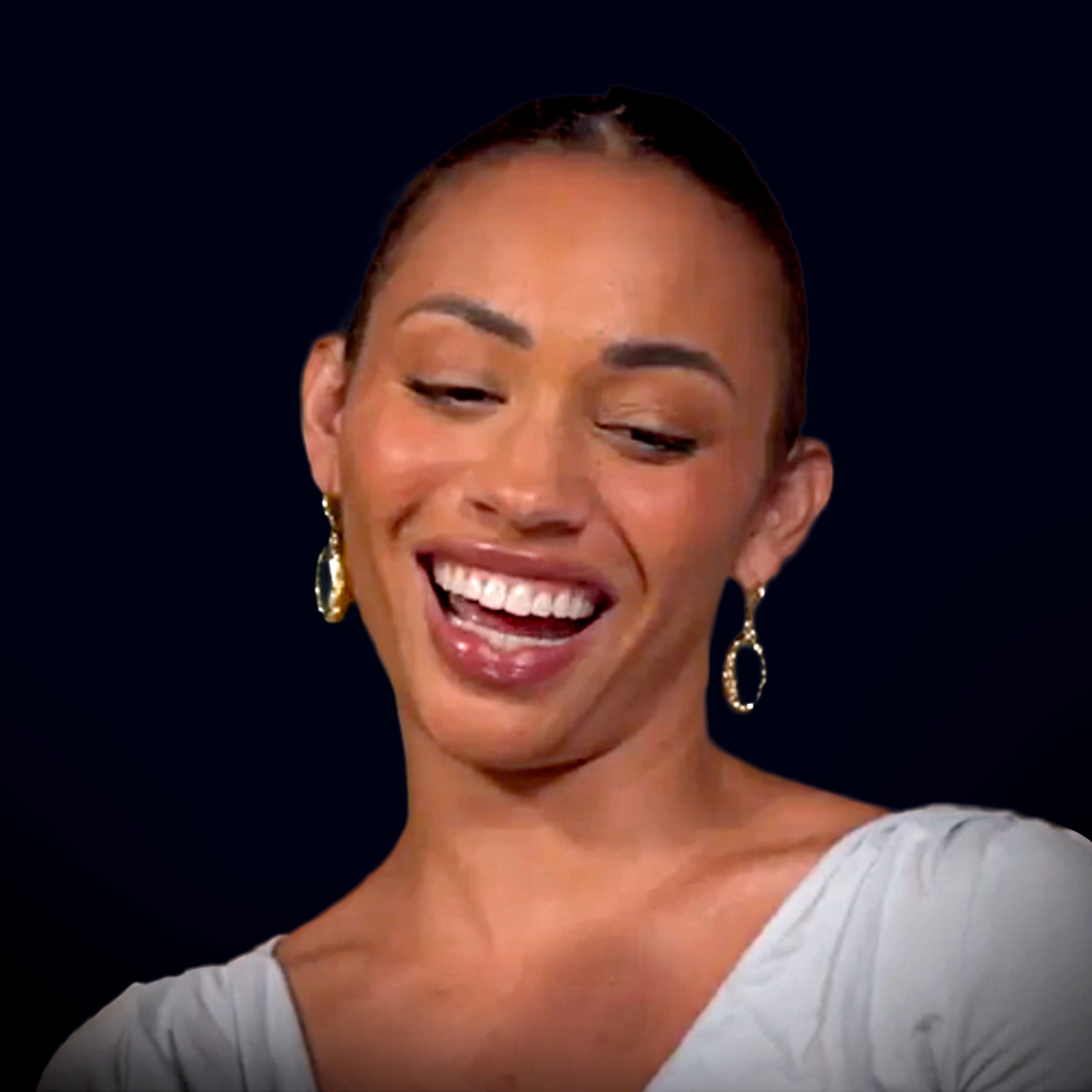
Comedian Taryn Delanie Smith’s wild ADHD ride
2w ago00:33:09Tap to summarizeCold-calling strangers about Brazilian butt lifts wasn’t exactly the plan. But for Taryn Delanie Smith — comedian, actor, former Miss New York, and creator of the viral TikTok character “Denise, Heaven’s Receptionist” — the detours turned out to be the whole story. In this episode, Taryn talks about competing in the Miss America pageant with undiagnosed ADHD, the curses and gifts of ADHD, a learning disability in math, and struggling in corporate America. Plus: justice sensitivity, farting around time, and why waitressing might be the perfect job for an ADHD brain. For more on this topic: Listen: What’s so funny about ADHD? (Comedian Jim Tews’ story) Read: ADHD and creativity Watch: What is dyscalculia? For a transcript and more resources, visit ADHD Aha! on Understood.org. You can also email us at adhdaha@understood.org. Understood.org is a nonprofit organization dedicated to empowering people with learning and thinking differences, like ADHD and dyslexia. If you want to help us continue this work, donate at understood.org/give Hosted by Simplecast, an AdsWizz company. See pcm.adswizz.com for information about our collection and use of personal data for advertising.
Transcribe →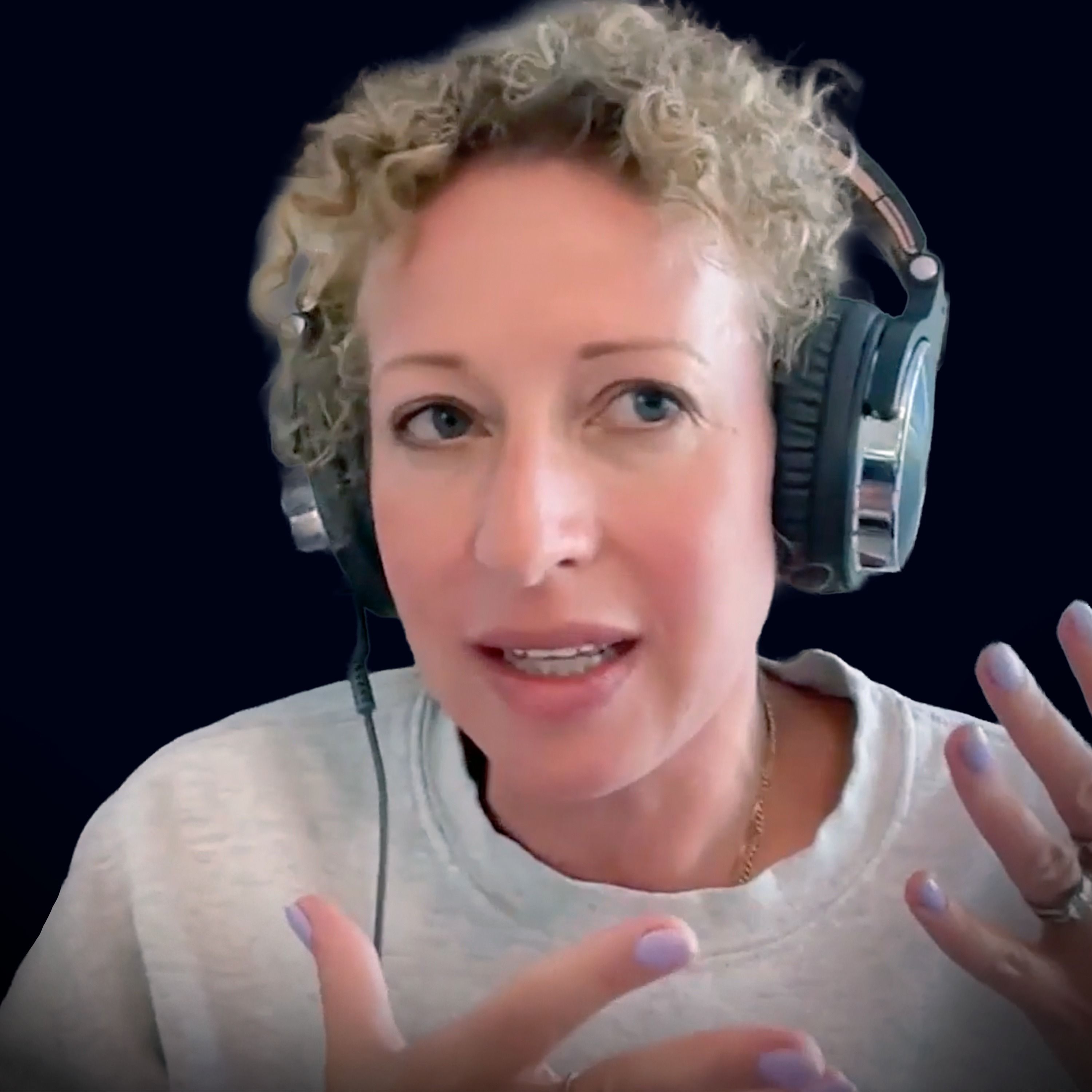
When ADHD feels like your insides are crawling (Kate Moryoussef’s story)
4w ago00:26:52Tap to summarizeWhy does sitting still feel like a physical emergency? Kate Moryoussef, ADHD lifestyle and wellness coach and host of the “ADHD Women's Wellbeing Podcast,” spent years convinced she was the problem. It wasn't until her daughter's meltdowns, daydreams, and overwhelm mirrored her own childhood that everything clicked. In this episode, Kate unpacks restlessness and what ADHD actually feels like in the body, how generational ADHD shapes families, and why so many women spend decades doubting themselves before finally getting answers. For more on this topic: Listen: Can I get rid of my adult sensory issues? Read: How ADHD can affect your mental health Watch: Can ADHD affect physical health? For a transcript and more resources, visit ADHD Aha! on Understood.org. You can also email us at adhdaha@understood.org. Understood.org is a nonprofit organization dedicated to empowering people with learning and thinking differences, like ADHD and dyslexia. If you want to help us continue this work, donate at understood.org/give Hosted by Simplecast, an AdsWizz company. See pcm.adswizz.com for information about our collection and use of personal data for advertising.
Transcribe →
Rage quitting, constant tiny mistakes, and emotional regulation with ADHD (John Garden’s story)
Jul 700:25:17Tap to summarizeWhat if the clue to an ADHD diagnosis was making a different tiny mistake every night on stage? John Garden is a therapist and professional musician. He shares how years of strong emotional reactions, rage quitting, boredom with repetition, and feeling like a failure eventually led to an ADHD diagnosis. The conversation explores emotional regulation, inattention to detail, perfectionism, and the hidden ways ADHD can show up. It also highlights how ADHD realizations are often not a single lightning-bolt moment. More often, they come from years of experiences that slowly add up until everything starts to make sense. For more on this topic Listen: Adult ADHD, perfectionism, and soft productivity Read: ADHD and perfectionism Watch: ADHD and emotional dysregulation For a transcript and more resources, visit ADHD Aha! on Understood.org. You can also email us at adhdaha@understood.org. Understood.org is a nonprofit organization dedicated to empowering people with learning and thinking differences, like ADHD and dyslexia. If you want to help us continue this work, donate at understood.org/give Hosted by Simplecast, an AdsWizz company. See pcm.adswizz.com for information about our collection and use of personal data for advertising.
Transcribe →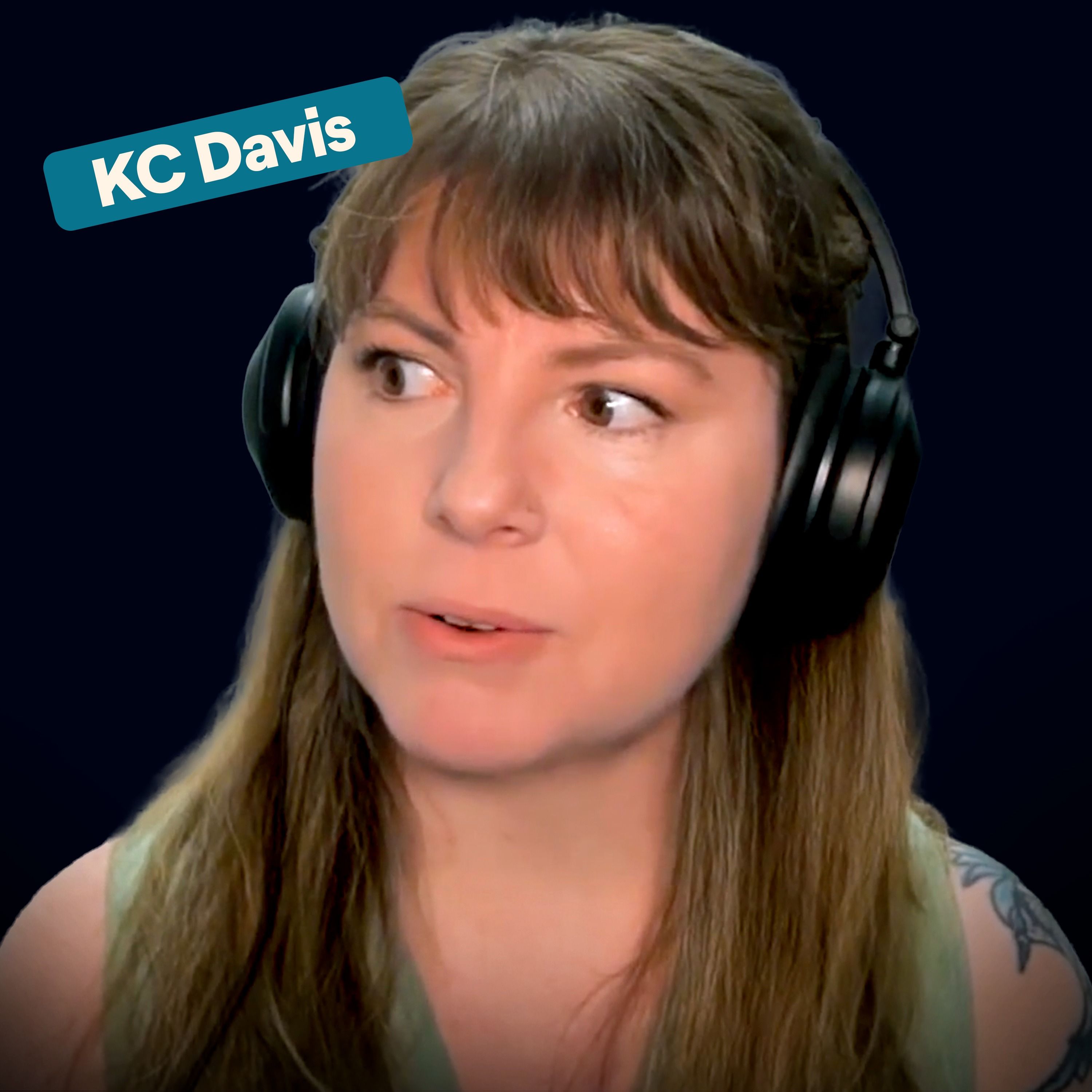
Painful everyday realities of ADHD and executive dysfunction (KC Davis’ story)
Jun 2300:32:03Tap to summarizeKC Davis, counselor, author, and host of Struggle Care, talks about the everyday realities of ADHD and executive dysfunction: messiness, boredom, and keeping up with household tasks like laundry. She shares how caring for a newborn and a 2-year-old during the COVID shutdown pushed her coping strategies to the breaking point — “I lost my mind,” she says — and ultimately changed the way she understood herself. KC reflects on ADHD signs that showed up throughout her life, from forgetting to turn in homework to biting her tongue until it bled to stop herself from interrupting people. She also discusses working memory, addiction, and the years she spent fighting for radical acceptance in therapy — and why understanding her ADHD sooner might have made that journey much easier. For more on this topic Listen: Managing expectations in relationships with ADHD (interview with KC Davis) Read: ADHD and boredom Watch: Why ADHD makes everything so hard (executive dysfunction explained) For a transcript and more resources, visit ADHD Aha! on Understood.org. You can also email us at adhdaha@understood.org. Understood.org is a nonprofit organization dedicated to empowering people with learning and thinking differences, like ADHD and dyslexia. If you want to help us continue this work, donate at understood.org/give Hosted by Simplecast, an AdsWizz company. See pcm.adswizz.com for information about our collection and use of personal data for advertising.
Transcribe →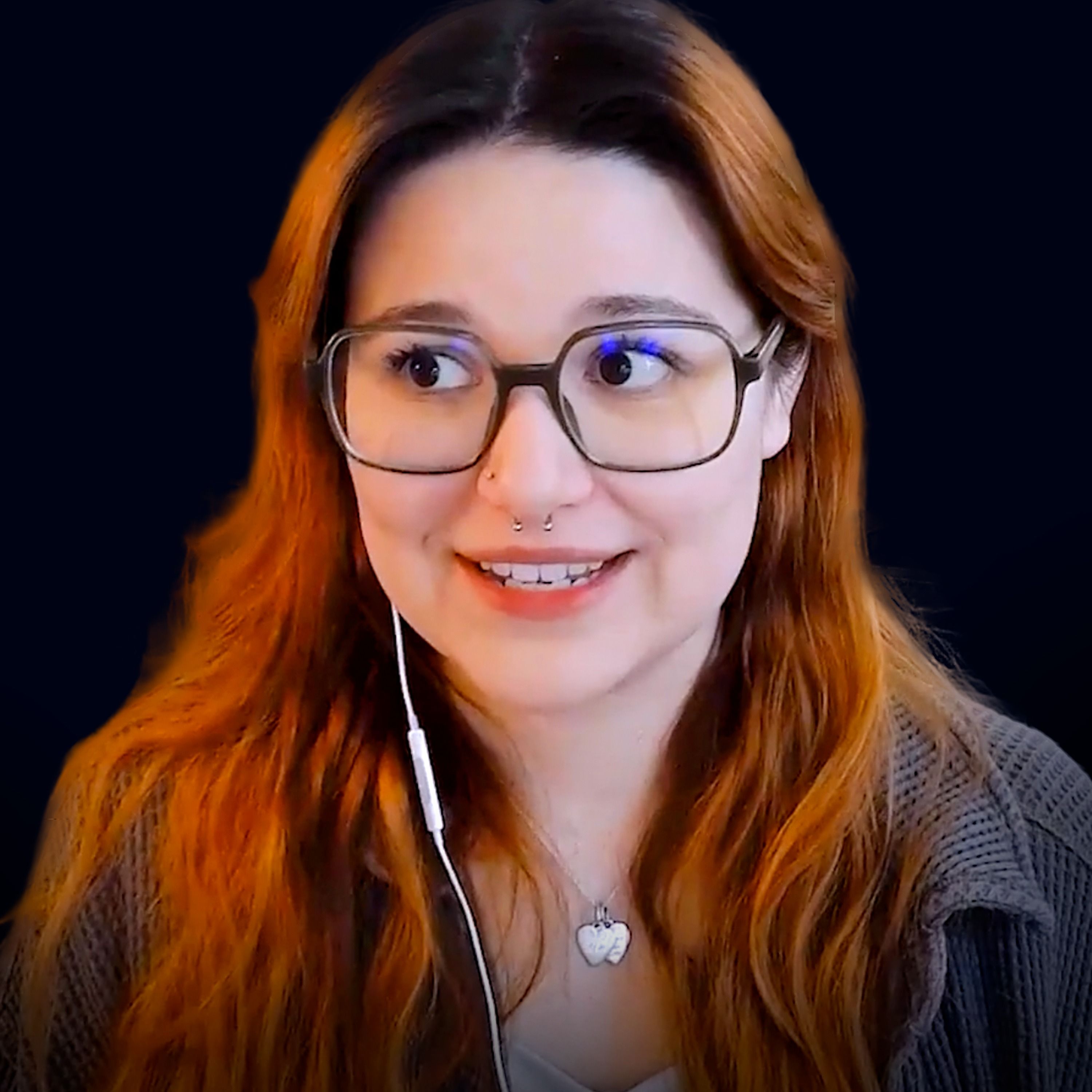
I gave 110% with ADHD. They still told me I’d never go to college. (Rebecca Gonzalez-Ojeda’s story)
Jun 900:19:34Tap to summarizeA tangled ball of spaghetti. That’s how aspiring therapist Rebecca Gonzalez-Ojeda describes her ADHD brain. Diagnosed with ADHD in fifth grade, Rebecca grew up hearing messages to “just try harder” while struggling with school and self-esteem. It felt like giving 110% still wasn’t enough. Rebecca reflects on painful IEP meetings, discouraging comments from teachers, and the emotional drain of being misunderstood for years. She also shares what it was like “raw-dogging” life after losing access to treatment, then getting re-diagnosed with ADHD after college — and how ADHD medication changed her life. For more on this topic Listen: The “devastating” findings of a decades-long ADHD study Read: ADHD and self-esteem: What to say to kids Watch: Psychologist explains the biggest challenges of adult ADHD For a transcript and more resources, visit ADHD Aha! on Understood.org. You can also email us at adhdaha@understood.org . Understood.org is a nonprofit organization dedicated to empowering people with learning and thinking differences, like ADHD and dyslexia. If you want to help us continue this work, donate at understood.org/give Hosted by Simplecast, an AdsWizz company. See pcm.adswizz.com for information about our collection and use of personal data for advertising.
Transcribe →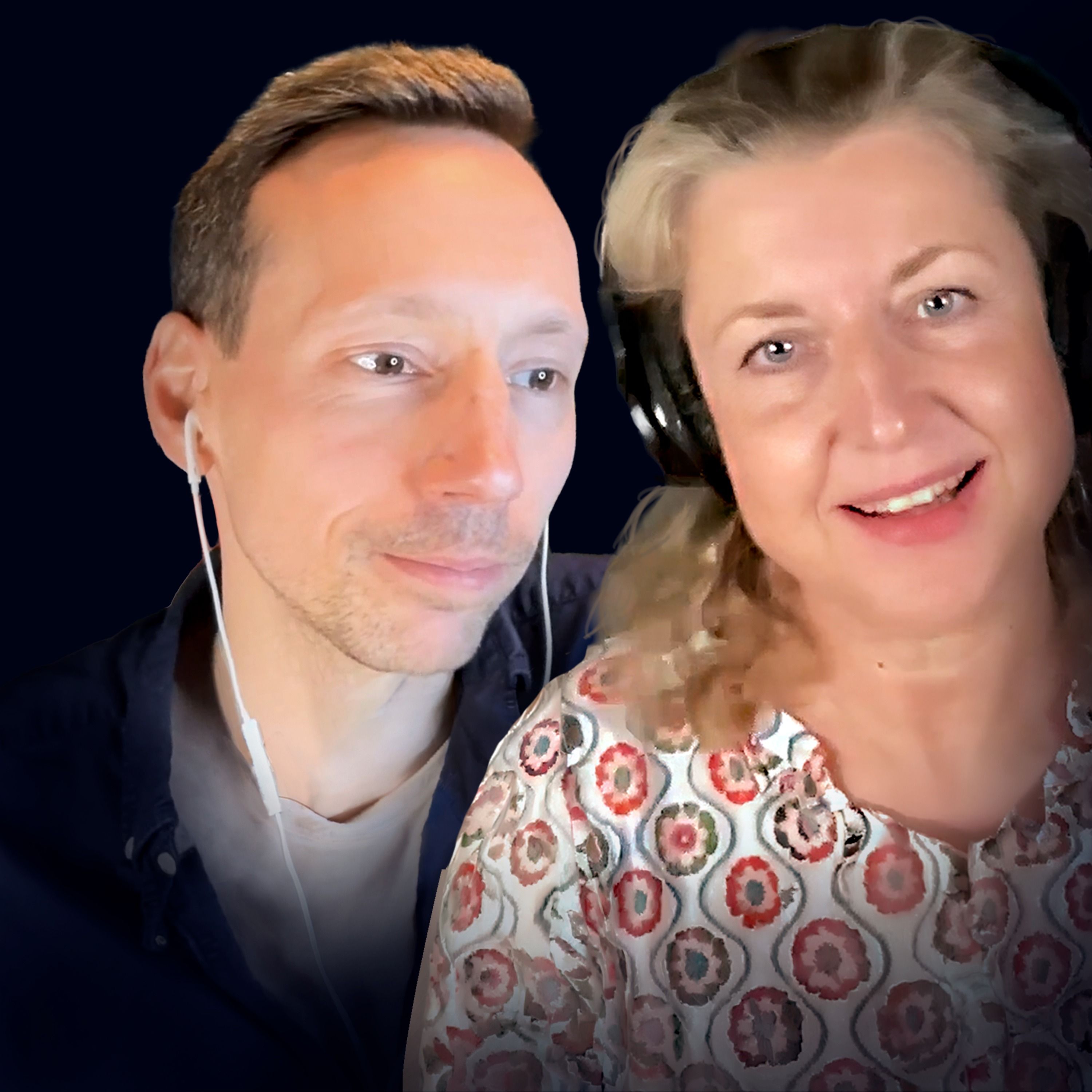
Two adult ADHD diagnoses, opposite reactions (Sam Pittis and Katie Breathwick’s story)
May 2600:29:46Tap to summarizeSam Pittis and Katie Breathwick — best friends and co-hosts of You’re Wrong About ADHD — compare their very different reactions to being diagnosed with ADHD. Katie came to her ADHD diagnosis through her teenage son and felt a sense of excitement and clarity. Sam felt shaken. He began to see his years of depression, emotional crashes, and coping habits in a new way. Hear how ADHD shows up uniquely in the two of them, from emotional dysregulation and sensory struggles to disorganization and missed signs in childhood. Also in this episode: gender differences, late diagnosis, and the quiet grief of wondering what might have been. For more on this topic Listen: Building ADHD community Read: 8 common myths about ADHD Watch: ADHD and depression For a transcript and more resources, visit ADHD Aha! on Understood.org. You can also email us at adhdaha@understood.org . Understood.org is a nonprofit organization dedicated to empowering people with learning and thinking differences, like ADHD and dyslexia. If you want to help us continue this work, donate at understood.org/give Hosted by Simplecast, an AdsWizz company. See pcm.adswizz.com for information about our collection and use of personal data for advertising.
Transcribe →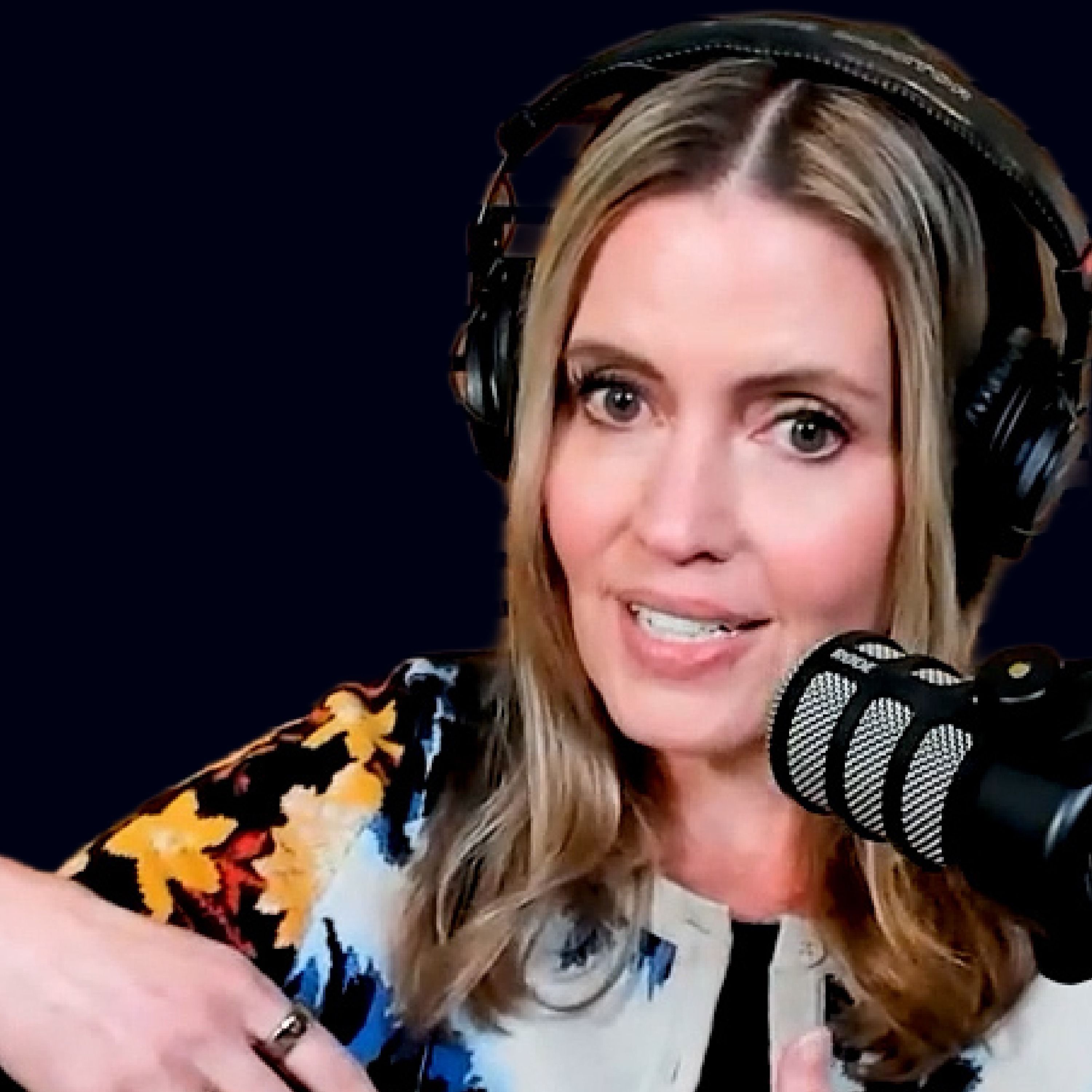
Isn’t that every busy mom? Emotional dysregulation and ADHD (Kim Holderness’ story)
May 1200:22:02Tap to summarizeADHD symptoms can be easy to miss — even when you’re someone who knows a lot about ADHD. Kim Holderness shares her adult ADHD diagnosis and the complicated feelings that came with it. Kim felt embarrassed and like a fraud. For years, she assumed her anxiety and emotional ups and downs were simply part of the very real load many busy moms carry. Kim and Penn Holderness — creators, authors, and the couple behind the Holderness Family — have long been surrounded by ADHD in their life and work. In a quick, sweet cameo, Penn (who also has ADHD) shares how he supports Kim in practical ways, like handling paperwork and day-to-day logistics. For more on this topic Listen: ADHD and emotional dysregulation Read: 3 surprising skills ADHD affects Watch: Are people with ADHD oversensitive? For a transcript and more resources, visit ADHD Aha! on Understood.org. You can also email us at adhdaha@understood.org. Understood.org is a nonprofit organization dedicated to empowering people with learning and thinking differences, like ADHD and dyslexia. If you want to help us continue this work, donate at understood.org/give Hosted by Simplecast, an AdsWizz company. See pcm.adswizz.com for information about our collection and use of personal data for advertising.
Transcribe →
The voice in my head said “You’re stupid”: ADHD and negative self-talk (Carla Ciccone’s story)
Apr 2800:23:04Tap to summarizeCarla Ciccone, author of Nowhere Girl: Life as a Member of ADHD’s Lost Generation, shares what it’s like to grow up thinking you’re the problem. She talks about learning to mask when she was just 6 years old and living with constant negative self-talk. Like many girls with ADHD, Carla hid her struggles and felt like a lost cause. Carla opens up about her inner voice — the one that says “you’re stupid” — and how fear, failure, and pressure from others can build deep self-doubt. Motherhood became a turning point, pushing her to change the way she spoke to herself so her daughter wouldn’t continue the cycle. Also in this episode: Carla draws parallels between her experiences with asthma and ADHD. For more on this topic Listen: ADHD and self-medicating Read: 3 things I’m learning as a new mom with ADHD Watch: How to combat negative self-talk with ADHD For a transcript and more resources, visit ADHD Aha! on Understood.org. You can also email us at adhdaha@understood.org . Understood.org is a nonprofit organization dedicated to empowering people with learning and thinking differences, like ADHD and dyslexia. If you want to help us continue this work, donate at understood.org/give Hosted by Simplecast, an AdsWizz company. See pcm.adswizz.com for information about our collection and use of personal data for advertising.
Transcribe →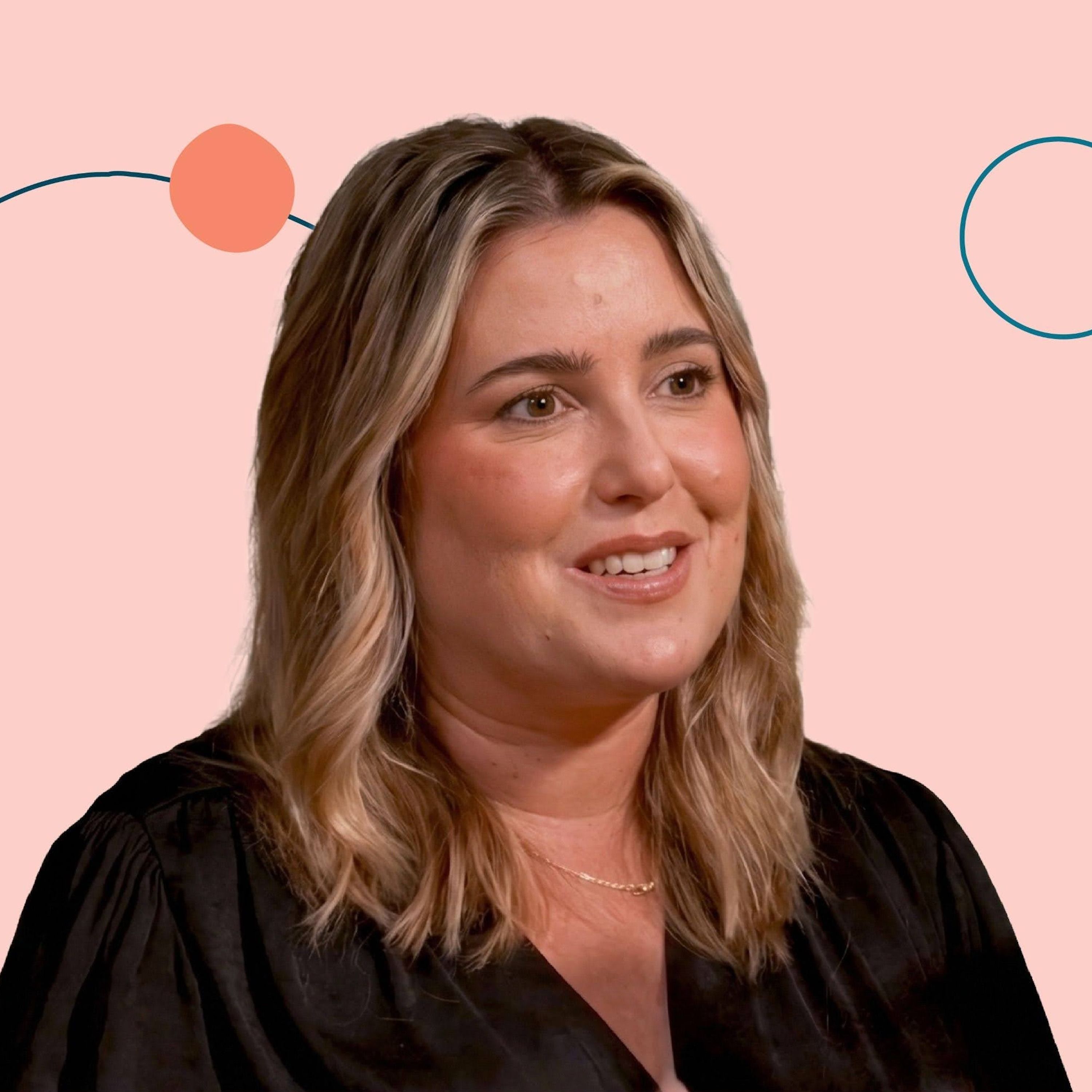
“Mom rage,” sensory overload, and shame (Kaitlin Soulé’s story)
Apr 1400:24:24Tap to summarizeMarriage and family therapist Kaitlin Soulé shares her story and expertise. She opens up about rage — especially “mom rage” — and the sensory overload and shame that often come with it. Kaitlin and Laura talk about what rage actually feels like (it’s more than just yelling), and how constant noise at home can push them past their limits. They also look at how “rage” is often framed as a women’s issue. (Have you ever heard anyone talk about “dad rage”?) Kaitlin shares practical ways to come down from intense moments and repair things with loved ones. The conversation also touches on masking — why it can be easier to hold it together at work, but not at home. ADHD and mood swings come up too, and why some women are misdiagnosed with bipolar disorder. For more on this topic Listen: She broke the silence on ADHD shame in women (Sari Solden’s story) Read: ADHD and emotions Watch: ADHD and mood spirals: How to calm down fast For a transcript and more resources, visit ADHD Aha! on Understood.org. You can also email us at adhdaha@understood.org. Understood.org is a nonprofit organization dedicated to empowering people with learning and thinking differences, like ADHD and dyslexia. If you want to help us continue this work, donate at understood.org/give Hosted by Simplecast, an AdsWizz company. See pcm.adswizz.com for information about our collection and use of personal data for advertising.
Transcribe →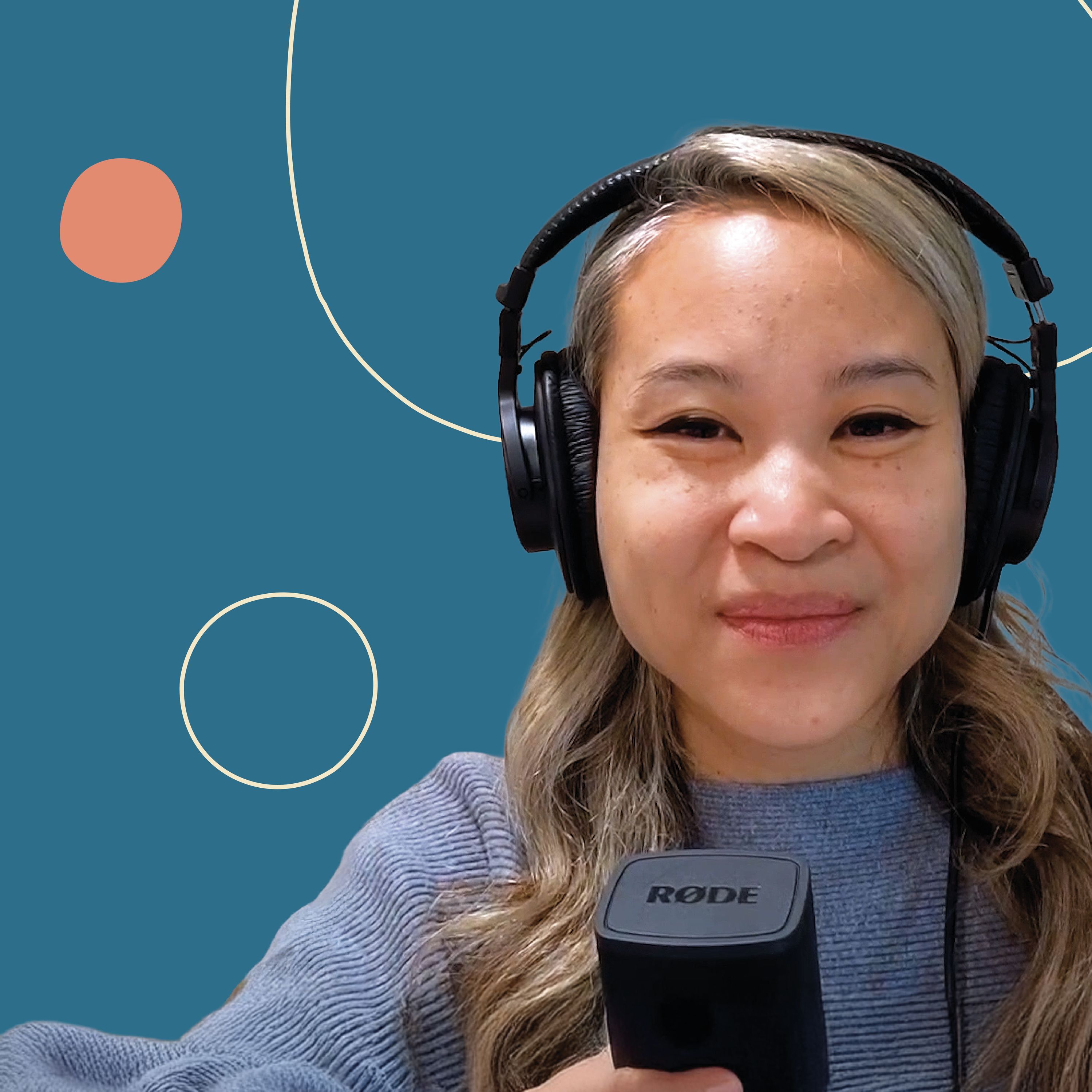
Recovering perfectionist, no longer a martyr (Kim Tran’s story)
Mar 3100:25:16Tap to summarizeKim Tran spent years chasing perfection: a high achiever who believed struggle wasn’t an option. As an Asian American woman raised with the pressures of the model minority myth, asking for help felt like failure. But after being encouraged three separate times to get evaluated for ADHD, Kim finally said yes — after becoming a mom and realizing she wanted something different for her child. In this conversation, Kim talks about perfectionism, cultural expectations, and why martyrdom isn’t a badge of honor. She shares how learning to ask for help reshaped her life, and how she’s modeling a healthier path for the next generation. For more on this topic ADHD and perfectionism ADHD and model minority mask (Emily’s story) For a transcript and more resources, visit ADHD Aha! on Understood.org. You can also email us at adhdaha@understood.org . Understood.org is a nonprofit organization dedicated to empowering people with learning and thinking differences, like ADHD and dyslexia. If you want to help us continue this work, donate at understood.org/give Hosted by Simplecast, an AdsWizz company. See pcm.adswizz.com for information about our collection and use of personal data for advertising.
Transcribe →