← Adult Child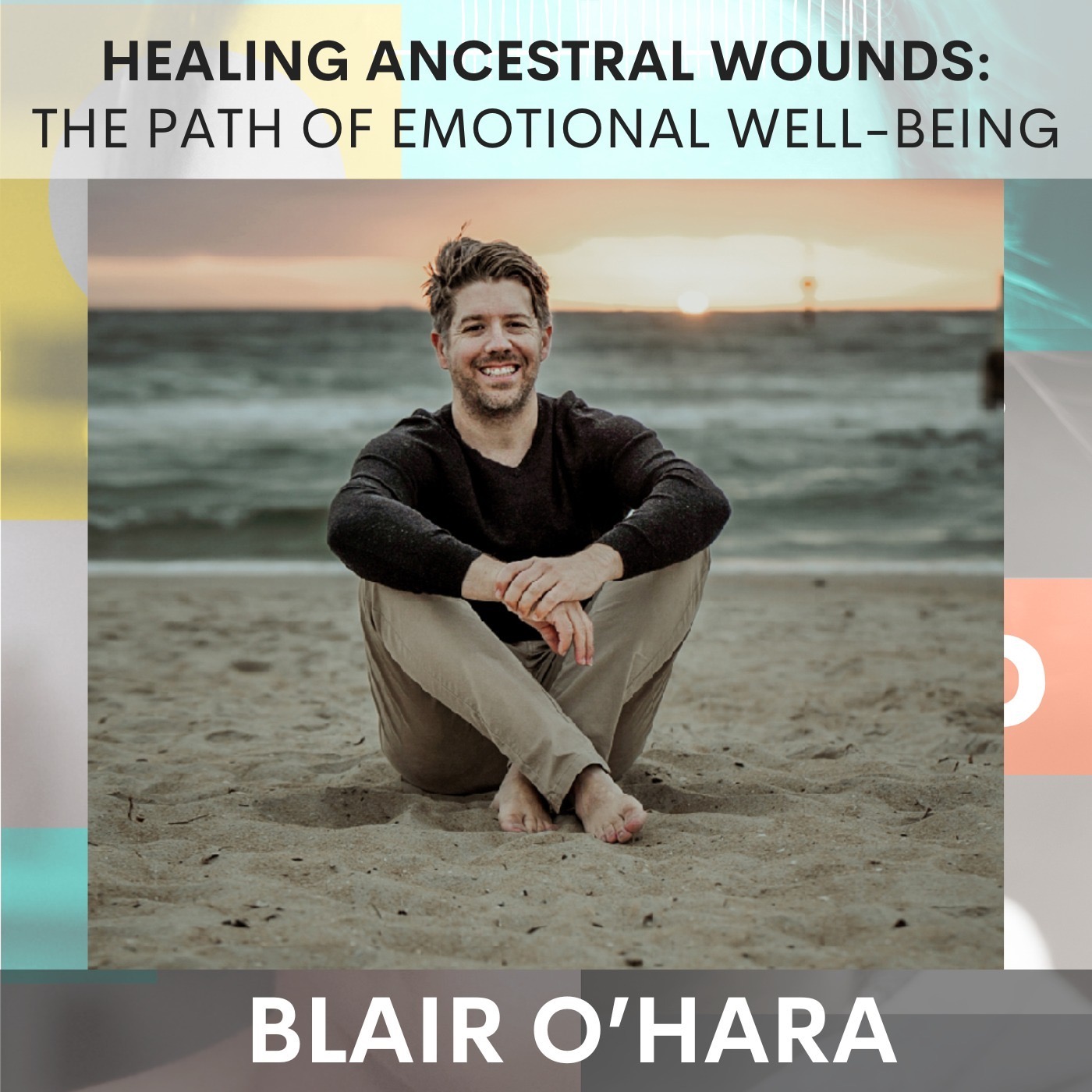
Loading summary
Transcript157 lines
- [00:01]
Andrea
If trauma can be inherited from one generation to the next, then so can love, emotional intelligence and wisdom. My name is Andrea and this is Adult Child.
- [00:18]
Blair O'Hara
What you holding on to? But just let it all go.
- [00:23]
Andrea
What's making you smile? Welcome back to Adult Child, where we take a deep dive into the impact of growing up in a dysfunctional family. Ahoy, my dear shit Shows for any new listeners. My name is Andrea. I am a total incomplete shit show. I am the captain of this hot mess of a ship. And this is where we talk about what to do when you realize your childhood screwed you up a whole hell of a lot more than you initially thought that it did. For me personally, you know, I spent many, many years in denial minimizing the impact that my childhood had on me. Now, there was never a shadow of a doubt that it was less than ideal, that it was dysfunctional. But, you know, I thought, well, I can talk about what happened to me without getting upset or it wasn't that bad. Others had it way worse than I did, or, you know, I've been sober for X amount of years and I've worked the 12 steps. I should be good, right? It couldn't have impacted me that much. Well, it turns out that it impacted me a whole hell of a lot, folks. It turns out it actually was trauma. Never once had I considered that what I experienced was trauma. I thought trauma had to be big catastrophic events, going to war or being assaulted. I had no idea that what I had endured was trauma and that this unresolved trauma was the root cause to so many of the issues that I was encountering in my life as an adult. And truly, I am so grateful that I figured that out, and so should you if you figured this out. Because so many people will spend their entire lives never putting the pieces together, never realizing that that is the dealio. So welcome aboard this hot mess of a ship. Buckle up. We curse here. You've been warned. I'm an acquired taste. You've been warned. And before we talk about today's interview, I have something that I'm actually really excited to share with you because I think this is going to be extremely helpful for many. So listen up. Perk those ears up, baby. So when I started this podcast four years ago, we just passed the four years. We just hit the four year mark on March 31st. So I had been on this adult child healing journey for a little over three years. Three years of going to therapy, three years of over, of working on my childhood wounds. And then if you've been listening to the podcast, you know that it was about two years ago that a series of events occurred that triggered my abandonment trauma. This abandonment trauma that I. It felt pretty good that I had worked through that completely knocked me on my ass and, and put me into survival mode. And I basically lived in a trauma response for the next 18 months. And what I really didn't understand until the tail end of this most recent dark night of the soul was that I was actually in a state of functional freeze. And I want to talk about functional freeze for a second and what this actually looks like because it's sneaky and there are many of you listening right now that are deep in it without even realizing it. Because here's the deal. It doesn't always look like lying in bed all day or feeling totally shut down, although it can. But more often it looks like you are going through the motions of life while feeling completely numb inside. While doing it, you're doing the things, you're functioning. You might even be killing it at work. But everything feels like it takes twice the amount of energy that it should. You feel exhausted. No matter how much sleep you get, you're disconnected from joy, from desire, from your own body. It can look like laziness, but it's not. It can look like procrastination, but it's not. It can look like self sabotage or a total lack of motivation, but is what is really going on is your nervous system is stuck in shutdown. You're not lazy. Your body thinks it's not safe to take action, so it just freezes. It conserves energy, it dissociates. And you beat the shit out of yourself thinking what the hell is wrong with me? I know because that was me. So functional freeze is when you're surviving, but you're not living. You're numb, you're disconnected. And the worst part is that you've been in it for so long that you think it's just your, your personality. It's not. It's a trauma response. And what finally helped me shift, what finally helped me start to be me again, was somatic work, breath work, nervous system education, you know, trauma stored in the body needs to be released through the body. And I had been doing so much head up healing, but my body, my body was still keeping the score. And so that is why I'm so excited to tell you about Breathe to Heal, a six week journey of somatic release, which is a course, a series of workshops that I'm hosting that is being facilitated by Teresa, who is one of our very own shit show members who also happens to be a certified somatic and breathwork practitioner. So if you've never done the body based part of your trauma work, this is the place to start. If you're in that functional freeze and you don't know how to break out of it, this is the place to start. This is safe, this is live. This is not polished or performative. This is come as you are, cry on camera if you need to exhale the shit out kind of healing. Okay, so it will be every Wednesday for six weeks starting on May 14th. This will be on Zoom. And there are two different pricing options going on in including one that gives you full access to the shit show community throughout the duration of the course. So I am so excited for this because this is with a skilled healing practitioner who also happens to be one of us. So I know that this is going to be such a safe container for some powerful healing to happen. And this is going to be limited capacity because I want to keep this intimate. So head on over to adultchildpodcast.com breathtoheal adultchildpodcast.com breathetoheal to get your spot or learn more. You'll find all the details on that website. You can also go down to the show notes to find the link there as well. And I'm just so excited and grateful that Teresa wants, wants to do this, has offered to do this. And I'm telling you, this somatic work, this somatic piece, it's non negotiable, folks. It is non negotiable. So today we are going back to adult child episode number 68 with psychotherapist and Reiki healer Blair O' Hara, who specializes in healing inherited generational trauma. He has such a fascinating story, not to mention he's Australian so he's great to listen to. Right? Am I right? But he has such a. An interesting personal story as it relates to generational trauma. Epigenetics. We were talking about epigenetics last night in our Shit show book club. He studied under Mark Wahlin. We talk about family tree psychotherapy, which is fascinating. We talk about how unresolved trauma manifests as physical pain. This is a, a damn good conversation. So let's just get on with the damn show. Okay, but first let's talk about why you. Yes, you need to damn the Join Chit show, my online support community where I host four weekly Zoom support groups where we have at least six weeks. Weeklies. Weekslies where we have at least six groups per week where you can connect with me with Teresa, our upcoming breathwork practitioner and so many other rad people that are doing the damn work to heal for less than a dollar a day. Okay? This is a support system at your fingertips through our app. This is the place to be. Okay? So head on over to adultchildpodcast.com shitshow to damn the join already. And I just wanna say this, if you're new and you're and you've been wondering, why does she say damn the join? I said damn the join one time instead of join the dam. And it's just been Damn the join ever since. Okay, so damn the join. Shit. Show you. Yes, you the person that's been wanting to join for her. How about today's the day. Okay, just do it now. Next, give me a little follow on Insta on Tik Tok at Adil Chad Pod. And last but not least, whatever you do, please, please give me damn. 5 star rating on Apple, on Spotify. Thank you. Love you all. Lowe's knows that no matter your paint.
- [09:58]
Blair O'Hara
Project, saving is at the top of your list. That's why when you shop today, you can buy one, get one free. Select Valspar and HGTV Home by Sherwin Williams. One Coat coverage interior paints via rebate shop these deals in store or online today at Lowe's we help you save. Selection varies by location while supplies last. Discount taken at time of purchase. See sales associate for details offer valid.
- [10:22]
Andrea
821 through 9 3. Today we are diving deep into inherited trauma with Blair o'. Hara. He is a counselor, he is a psychotherapist, he is a Reiki healer who specializes in inherited generational trauma. So he studied underneath Mark Wallin, who is basically the inherited trauma guru. I had him on the pod. It was episode 16. Highly recommend that you go take a listen to that one after this episode if you have not. So Blair, in addition to sharing his professional experience, his tips, his tools, he will also be sharing his own raw and vulnerable journey, which as you know, is a requirement around here. So he discovered that he was suffering from generational trauma in his 30s and it surfaced psychosomatically. And it was a few years before he figured out what the hell was going on with him. So you will be hearing all about that and this is really a fascinating conversation. So in preparation for this episode. So I am currently at my parents house in Florida. So I was going through the closet that has all the old photo books and mementos. I don't know if that's the right word. Memorabilia is not the right word. Antidotes. I don't think that's the right word either. I'll go with mementos of, you know, from grandparents and just all the old pictures. Just seeing what I could find in there, you know. Is there any generational trauma clues in there? Well, I did not find any generational trauma clues. I did however find some of my old report cards and boy was this interesting. So I found first and second grade report cards. Now first grade, nothing of note. Andrea is a good student. Here I am again talking in third person but nothing of note in my, in my first grade report cards. Second grade is a different story. So second grade was the year that I found out that my mom was an alcoholic. So first I'm going to read you. This is the, this is the mid year. So this was January, January 1997. My teacher's name was Mrs. Weisight who actually she was Australian, which is interesting because as you'll hear, Blair is Australian. Okay. So she goes through the, all the academic stuff and I'm doing well. And so this is the final paragraph. Socially, this year has had its ups and down. Because Andrea is tall and sometimes speaks and behaves in a way which belies her age and second grade status, it is easy to expect too much of her. The problems at the beginning of the year were not atypical of this grade and Andrea has made real effort to solve them. She appears to understand herself quite well, that is to have good interpersonal skills which help enormously when she or anyone is dealing with interpersonal situations. We will continue as a class to work on social skills, friendship issues and inclusivity in the school family. And I'm sure we will see Andrea grow in this area because she shows a real desire to do so. Well, let's go to the end of the year 1. It doesn't sound like Andrea. Andrea was growing too much. So now this is June 1997. Unfortunately it has been a difficult year for Andrea socially. While Andrea has a lot to offer a friend, she appears to enjoy controlling friendships and has almost an adult way of expressing herself at times with her peers. Sarcasm and bossiness tend to be alienating and Andrea is prone to exhibiting both. Because Andrea is so motivated, it might be that she is creating stress for herself and this is leading her to inappropriate behaviors with other children. Perhaps too, each incident lessens her self confidence in the social arena and leads to further missteps. I have given a lot of thought to this problem and I would like to recommend that Andrea talk to someone like Dan o'. Neill. Of clearings over the summer and into the new school year. Andrea may need some strategies with which she could initiate or deepen friendships, as well as some understanding of her own behavior. It might also help her to get some assistance in dealing with her height or which is a difference for a child her age. And considering her outburst to me the other day about being considered a bully because she is tall, it may be that this is causing her some distress. I would like to see Andrea more comfortable socially and able to blossom even more academically. This is really trip for me to read that as I've shared before, and if you guys don't know, I was really fucking tall like I have back in San Francisco. I actually have my class picture from the second grade and I was as tall as this teacher was in the second grade. But so, yeah, a few thoughts. So I've shared before that, you know, when I found out that my mom was an alcoholic, that it felt like I went to bed that night and I woke up the next morning feeling as if I had skipped like several stages of development and became an adult. And so I think that that's really interesting and how both of them. She refers to me acting like an adult and treating my peers in an adult like manner. So I thought that that was absolutely fascinating. I thought it was fascinating that she talked about being controlling because clearly I felt so out of control at home. But yeah, so I read this to my mom and she did not really provide any insider clarity on anything. I remember not liking this teacher. I don't really remember this year being a tough year for me socially. I thought that that was interesting that I had an outburst at her. What did she say that I. And now considering her outburst to me the other day about being considered a bully because she is tall. I'm not quite sure if. I'm not quite sure what she means by that. If I was saying that she was telling me that I was a bully and I was telling her, you just think I'm a bully because I'm tall.
- [17:01]
Blair O'Hara
I don't know.
- [17:03]
Andrea
But yeah. So this is kind of like the sign. This is me kind of first showing some signs of distress, right? That there's traumatic shit going on at home. And then it would be the following year that I would start with the separation anxiety stuff. I believe it was in the third grade was when I woke up in the middle of the night in a total panic. And then that started the cycle of me sleeping in my mom's bed every night. And then I don't think it was until the following year. Fourth grade was when I finally went to a therapist for the first time. So I just thought I'd share that. Well, today we are joined by.
- [17:38]
Blair O'Hara
By.
- [17:38]
Andrea
So typically I announce everyone as a shit show. I don't know if you're a shit show yet, but we'll figure out as we chat longer. I feel pretty confident that you probably are a recovering shit show, but we'll find out. So we are with Blair o', Hara and he is a psychotherapist joining us from Australia. So we're. We're in two different days right now. Welcome.
- [17:59]
Blair O'Hara
True. Thanks, Andrea. Yeah, great to be on the podcast and great to meet you and yeah, look forward to chatting with you more.
- [18:07]
Andrea
So did you have a bottom? Like, when did you realize that you were suffering from trauma?
- [18:18]
Blair O'Hara
Yeah. So the thing that really broke me apart emotionally, mentally, in all the ways, physically, psychosomatically, was getting divorced. Right. So really it was the separation that. I know this sounds like an everyday thing, but for me, and I'll explain where I got to with it all, was. It was just shattering. It was really, really hard to take. And. And so that began my journey to understand emotions.
- [18:52]
Andrea
How long ago was that?
- [18:55]
Blair O'Hara
Seven years ago.
- [18:57]
Andrea
Okay. And did you want to stay married?
- [19:00]
Blair O'Hara
Yeah, I wanted to stay married. Two children, and the family unit to me was like. Like sacred. Right. And just that kind of breaking up of that family unit just was so hard for me to deal with. And now I work in family systems and family trauma and all that stuff, so. So for me, that was. That was definitely. I've had, you know, my 20s and 30s was consecutive. You know, I was. I was probably a lost child in terms of my purpose, what I was meant to be doing, making mistake after mistake after mistake to try and trying to do the right thing, but always kind of finding a way for it to go wrong.
- [19:57]
Andrea
Was there an element of self sabotage?
- [20:03]
Blair O'Hara
Not consciously, but I feel like I know this. You know, I'm a bit, you know, a science kind of based person, but I do think that I had a purpose that I was meant to be living, which is what I'm doing now, that I had to get beaten down by life, circumstances, universe, God, however you want to put it, to get me onto this path. Like, I had to suffer and just go through several incarnations in the same lifetime. We'll talk about other lifetimes, inherited stuff, I'm sure. But I just had to get everything taken away from me that I thought was important before I actually had a chance to put myself Back together. It was really like a Humpty Dumpty moment. But that, that separation, when that happened, that was my Humpty Dumpty moment where it just, I don't know if you know what that means.
- [20:58]
Andrea
Yeah, I know, I know who Humpty Dumpty is.
- [21:03]
Blair O'Hara
I thought it might be like an Australian American lost in translation, but no, so, but that was, that was where it all fell apart to kind of start again really.
- [21:14]
Andrea
And so what did that look like?
- [21:18]
Blair O'Hara
So those years, it was like everything started to fall apart. So my car was falling apart, my job, my career path was falling apart, the marriage fell apart, my health fell apart, my physical fitness fell apart. So it was just like, you know, some business kind of things that I'd started just fell apart. And it was like everything conspired against me over like a two year period. It was just like everything that could go wrong would go wrong. You know, money, like just investment. Everything that could have gone wrong basically did for a period, about three months. I was, I was, I would say walk. It was like a walking coma. I called it because I couldn't function. I, I get to work. I was still working and I couldn't concentrate. I was just, I could not concentrate. I had to talk to people, I had to distract myself. Like I just found it so hard to function like, but I had to hang in there because you know, I still, I still had time with the kids, I still had to do that. I still had a job. Like I couldn't afford to lose my job at that point. So I really just had to kind of hang in there. And luckily I, I, I built up a bit of, you know, credit at work. So I had, you know, I, I, I could kind of fudge around a little bit, but it was only because I couldn't think. Like my brain just went into like a shutdown state and I was just overwhelmed and lost and. Yeah, so I was just really stuck. Like, like it was just, it was just a nightmare. It was really a nightmare. But only because like I'd never, I was a very shut down person.
- [23:12]
Andrea
Yeah. Emotionally, yeah. So what were you taught about emotions growing up?
- [23:18]
Blair O'Hara
I wasn't. Zero. Yeah. Zero. Modeling of emotions. Zero. You know, not, not. I think my parents did their best job they could and they were for all intents purpose, okay and good. But you know, emotions weren't just, it just wasn't on the table. You know.
- [23:46]
Andrea
Were you taught that you weren't, was it just kind of ignored or were you given messages that certain emotions weren't okay.
- [23:56]
Blair O'Hara
They Were just suppressed. Just suppressed and ignored and dismissed.
- [24:02]
Andrea
Mm. So when you're going through this, you know, barely functioning, what is your. What is your understanding of what's going on with you? Do you think I'm just having a hard time that you're gonna pull yourself out of this? I mean, did you think that this is life as you know it? Like, were you suicidal?
- [24:22]
Blair O'Hara
I don't know if I was suicidal, but I was. I was, you know, to. To an actionable state. But I, you know, it was. There was a lot of despair. A lot of despair and wondering, you know, when this was going to end. Because there were two things that were going wrong, kind of physically. One was this horrible brain fog. Like, I could not. It was like my head was, like, so heavy. And then I had this. I developed this pain in my stomach that was like a headache, but it was right in my stomach. So it was like I woke up and it hurt. And until I went to sleep that night, it would hurt. So it was like, all day pain and then this chronic brain fog. So I was just trying to work out, how do I stop this from hurting? Like, how can I stop this from hurting?
- [25:14]
Andrea
The physical pain.
- [25:15]
Blair O'Hara
The physical pain, and it was, you know, entirely linked to emotions, like psychosomatic emotion, you know, connection. I didn't, I didn't understand any of that. I just. All I knew is, was I can't think straight and I've got this pain in my stomach all the time.
- [25:34]
Andrea
So then when was the aha?
- [25:36]
Blair O'Hara
Yeah. Came a lot later. So from there, it was just kind of trying to.
- [25:43]
Andrea
Survive.
- [25:44]
Blair O'Hara
Survive. Yeah. Just kind of get through the day. Try not for anything else to go wrong. Right. Just to kind of hold the pieces that were okay together. And, you know, I, I, I can hide emotions really well. Like, I, I, I, I, I can. I can put on a brave face really well, so. And I don't, like, haven't liked sharing too much. So my mission was to. I need to figure this out as much on my own as I can.
- [26:17]
Andrea
Yeah, and not let anybody know that.
- [26:19]
Blair O'Hara
You'Re suffering as much as possible. Yeah. So I just tried anything and everything.
- [26:26]
Andrea
Doctors, I'm assuming, were you seeking medical attention for the stomach issues?
- [26:31]
Blair O'Hara
You know what? I kind of avoided GPS because I'd actually, you know, for the most part, I've been relatively healthy and, you know, but I just didn't think I was going to get the right answer there. So I was trying, like, things like I would, I would, I would go for a coffee, and then I'd see a shop, and I'd walk in and be like, okay, so, oh, what's kinesiology? You know, let's try that. You know, and, you know, so I'd try that. And then, um, you know, after separation, I did get on kind of the dating apps way, you know, way too quickly. And then I quickly realized I did make one great friend out of. Actually, she was still a friend now and really helpful, but.
- [27:14]
Andrea
You got any good, juicy, awful date stories? Do you share?
- [27:18]
Blair O'Hara
Oh, well, just. Just the one like we talked about before. Like, you know, the one person. When I got there, I actually didn't recognize the person. I completely walked past pastor, and I was like, is that this? And then. So, you know, it was a waste of time. And, you know, she was lovely, otherwise a nice person, but didn't. And I was like, this is. This is actually a recipe for disaster if I keep doing this. So, you know, besides meeting the friend that became a really good friend, that was kind of a. But. But what. What happened? Couple of years. So. So this. This pain in my stomach just never went away. So this is now years later since the separation. So it's like a year and a half's gone by and I'm still trying to deal with it. So, you know, you. You know, even drinking or, like, having a beer or wine or like, it didn't really affect it. So that wasn't helping either. Right? Even if, you know, had a lot, you know, a big night, it was still there. I'd go to bed, and it wasn't like that helped. So that wasn't really, you know, you still enjoy the night, whatever. But wasn't. Wasn't helping. And then, you know, long story short, I did. I did get back on the dating app, and the woman I actually saw for a few months was she. She started doing yoga. And long story short, we put. Broke up. And. And when after we broke up, I had time on my hands, I was like, you know what? I'm going to try some yoga. And this wasn't my thing. I still can't touch my toes. Like, it's not my jam, really. Flexibility and. Anyway, so I tried it. And what was good about it was, you know, it did offer some physical release, but it actually connected me into, like, you know, I got to meet people that way, actually. And then I'd start talking to other people. And then out of the yoga came, you know, contact who was doing, like, Reiki and stuff like that. And I didn't know what Reiki was, and also led me into like a men's group that kind of helped me kind of sit around and, you know, chew the fat with other guys who were having hard times and things. And. And so then it started some. Some momentum started to build in the right direction because now I was connecting with people that were healthy, trying to help others or like seeking help for.
- [29:49]
Andrea
Themselves on a journey of self improvement.
- [29:52]
Blair O'Hara
100%. Yeah, exactly. So, and then, you know, we started doing ice baths and meditation and breath work and, you know, more of. So all those practices actually started to come together. And my Reiki person is a dear friend of mine, and that was actually really helpful. So the stuff in the stomach really started to shift when I had this. Right. And I didn't know what. Have you had Reiki done?
- [30:20]
Andrea
No, I have not.
- [30:21]
Blair O'Hara
So Reiki is that like traditionally, like a really either hands off. So I've learned since then it's hands off or just really gentle pressure. So what would happen is you put an eye pillow on, you're lying down. I'm sure people have done it who are listening. And. And my practitioner is hands off for the most part. So you kind of like sitting on the. On like a treatment table for an hour. You got. It's comfortable and there's music and it smells nice and everything. But you, like, is anything actually happening?
- [30:52]
Andrea
Because it's not like there's no talking.
- [30:54]
Blair O'Hara
No, no talking. Right. So you could, but. But generally not. And so it's not like physio chiro where like, they're playing with your body. You can doing this and. But then I. So half an hour goes by, I walk out and I'm feeling like I'm floating on clouds. Like what is just happening? Because nothing really happened, but it feels good. So now I'm onto the. I'm moving out of like, the pain and into what starts to feel good. You know, this is close to two years since the separation, right. So it's been a long, long time.
- [31:29]
Andrea
Was there any, like, pre work as far as before you did that initial session? I mean, obviously this is somebody that I guess you knew, but I mean, did they know? Did they. Was there any backstory? Like, did they know that you were having stomach issues or anything?
- [31:44]
Blair O'Hara
No, no.
- [31:45]
Andrea
Is that typically how Reiki's done, or is there typically some sort of like, assessment done beforehand?
- [31:52]
Blair O'Hara
We talked like, we had a. Like there's a talking part and then there's a, like a practical part. So we talked. But the thing with Reiki is, so I've learned Reiki as well, is like, you get attunement in the hands. So when you're hovering your hands over someone's body, you get. There's feeling. Like, you get feeling in the hands, and based on where the feeling turns up, you can tell what's going on for them. So I had a lot of tension in the belly, like, huge amounts of trapped tension in there. And so what the Reiki offers is basically just an outlet for release. So you're providing a channel for the trapped energy and emotion to flow out, because emotions are meant to move. Right.
- [32:41]
Andrea
I'm sure it's different for everyone, but for you, like, now that you are a Reiki practitioner, what does it feel like for you specifically when you are sensing, like, trapped energy? Does it vary? Is it always the same feeling? Is it like a heat, tingling, numbness? What is it?
- [33:02]
Blair O'Hara
Yeah, all of the above. Right. So the most acute. I haven't done a lot of Reiki practitioner. I'm more, you know, psychotherapy. But the most acute was I was doing it on a woman, and I went over her knee, right? And it was like, you're getting kind of, like, heat, and then someone, like, pinching the skin of your hand. Like, it was really tangible. Right. It was hot and it was tight. And then I'm like, what's up with your knee? And she had a surgery, like a couple of that. So it's. It's not. You have to ask the person what's happening, but it's like there is a radiance from the body about what's going on for the body. So you can feel numb, you can feel tight, you can feel hot, you can feel cold. It's just. It's really interesting, actually. But you. It's. You have to kind of just play with it. And. And if you did Reiki all the time, then you would be more able to kind of tell what's going on for people. Yeah, but I just did it for my own benefit and some practice, but. But it is. I do find it, like, out of all the modalities that I tried, because I tried lots and lots, that was and continues to be, you know, when I get it done from time to time, just really releasing it just helps the emotions move when they have a tendency, like me as a chronic suppressor, to get them moving. Right.
- [34:31]
Andrea
So then what do you think with this lady with the knee? She had just had, like, some sort of an operation, but, like, was there more of a backstory there, or did anything else come out of that? Was there. There's emotional element to it.
- [34:43]
Blair O'Hara
Yes, great question. So. So I work, you know, psychosomatically with people in psychotherapy as well. Right. So. So what happens with trapped emotions is they, they. It is like an energy and it depends what the emotion wants to do. Does it need to express itself? Right. Which means it's going to be more hot, more strong, more tight. Like for me, I had a knot, right. I had a knot which meant it didn't actually want to move. It didn't want to move and that's why it stayed there for so long. But then some, some things like numbness, they want to stay buried. So grief, if you, if you're suffering from grief or loss, then you're most likely to feel numb. Like you'll feel sad, but under the sadness there's a numbness. So when you're, you're asking someone to feel into their body, then they feel numb. They actually don't feel much of anything. Right. So it just depends. Yeah, it just depends. And the body can feel. Can we go on a bit of a tangent here?
- [35:53]
Andrea
Because I think that's what I like to do.
- [35:56]
Blair O'Hara
Right. So. So when I do the family systems work with people, I look at, you know, parent dynamics.
- [36:03]
Andrea
You were trained by, were you trained by Mark Lohan?
- [36:06]
Blair O'Hara
Yeah, Mark Wallen.
- [36:07]
Andrea
Yeah, I've had him on.
- [36:08]
Blair O'Hara
Oh, wow. Yeah. Cool. Yeah, Mark's amazing. And yeah, he's really inspired a lot of family constellations based practitioners. Like I know a few ones in New York and Paris and Mexico and here and so on. So, yeah, great mentor as well as.
- [36:28]
Andrea
A super solid guy.
- [36:32]
Blair O'Hara
I love them.
- [36:33]
Andrea
He's. Is he working on another book? I think he is, yeah.
- [36:35]
Blair O'Hara
He is, yeah. Yeah, he is. So, so what's interesting about that is, you know, because we look at parents, we look at grandparents, we look at great grandparents sometimes, beyond that, but not usually. And so part of that method is to actually have the person stand in for. And when I say stand in, it's like if you had to map out your family tree and his dad on, and then the grandfather and grandma and great grandma. So what we do is get people to stand in the place of a person. So let's just say you go and stand in for your grandfather. Right. The body will feel different things based on who you're standing in for. Right. So I'll give you an example of a guy I worked with a couple of years ago. So I said, you know, go stand in for grandpa. And his body felt really hot, like immediately hot. And he wasn't hot before. Right. And Then he felt, like, some feelings in the legs which weren't all that stable. Right. So now you're looking at, you know, like, you know, there's a lot of things to connect it to, but I won't give you the whole story. But then I said, okay, stand in, grandma. Literally about two minutes later. And his body immediately went cold. Right. So he's gone from feeling normal to hot to cold. And basically the body is holding, like, is able to hold all these kind of physical sensations, emotions. And when you kind of draw upon them through, you know, family connections, then they start to come out. So what that means is if we're trying to explore what's going on for someone emotionally, mentally. Well, we have to explore. Where could this have come from in the beginning? Where did it originate from? Because often. And that's the title of Mark's book, it didn't start with you. Right. So if we can work out where it began, then we can help release it for an individual person living now. Right. Because almost all of us are carrying something from the past, some legacy, burden, you know, that's come out of war, famines, you know, poverty, you know, bad, you know, you know, the show of humanity. Right.
- [38:58]
Andrea
Bad first dates, you know.
- [39:00]
Blair O'Hara
Right, right. Yeah. Well, you know, all good ones. You know, there's a lot of grief that comes out of having lost a lost love.
- [39:11]
Andrea
Yeah, Loved and lost.
- [39:12]
Blair O'Hara
Yeah, a lot of stuff. And know, in those war times when, you know, you'd have this young relationship, you know, goes to fight, dies, you know, it's very hard to recover from that, you know, and people move on and they remarry and stuff, but there's always this grief. The grief kind of just for long.
- [39:34]
Andrea
A gaping hole.
- [39:36]
Blair O'Hara
Yeah.
- [39:37]
Andrea
So I don't know if you're on the. In the process of doing this, but. So did you. What were you able to find out about that particular guy with the being hot with his grandma and cold, or hot with grandfather and cold with grandma? Did you.
- [39:51]
Blair O'Hara
Well, what was interesting with him was he was adopted at birth. And so what we were doing was reconciling, like, his birth dynamics. Like, so he never got to meet his father, sorry, his mom. He didn't make contact with his dad, but he didn't know anything about his grandparents. And so what we're doing is trying to get a sense of what he's carrying on, what he's holding on to that's come through from. From the side of the family, like his biological family that he didn't know. So what happens when you release, it is actually, you just, you just feel better within yourself. You actually get to have a sense of who you are as an individual separated from, you know, you know, what the beliefs were of your family, you know, the patterns of your family. You just get to be yourself a little bit more than you have before. You know yourself better, you just, you just can move on with things. You develop more resilience because you, because when you're holding on to things from the past, they're taxing, they're energetically tiring. So when you release those, you, it's like, it's almost like you get that energy back and you can do with it what you want. The thing that I notice when I work with people for a long time is vitality, right? So they got on the first call and they're crying and their face is kind of gray and like you can see the sorrow, whatever's going on. And then, you know, a few months later, you can see the energy in their face, like the vitality in their eyes. Like it's really. Because everything I do is on zoom. But even on zoom, you can see the vitality returning to their body. It's really, really nice.
- [41:37]
Andrea
So this guy was adopted. Let's say somebody has no idea who even their grand, like their blood grandparents were. Like, what if they don't even have a name? Could you still do that work? Would you still do that work?
- [41:54]
Blair O'Hara
Oh, yeah, all the time. All the time. So, so let me connect my, my story and where, where, why, my, why that separation hurt me so much. So in my own research, and I didn't know this before, but I had a great grandfather fight in World War I. So he was an Irish guy, he moved to London, he had four kids, one of which was my grandfather. And then when war broke out in 1914, he was 37, right. And he was one of the first guys to go over to Europe and fight in the First World War. Okay. 80 something days into the war, he gets captured. He didn't die. Like the, I've done the history, it's like brutal. It's a miracle he actually lived. But he got captured and was sent to Germany to be a prisoner of war for three and almost four years. So the rest of the war, 1918, he gets out. Okay, so what I, what, what my parallels were, was I got separated at 38, he got separated from his family at 37. So when you're a prisoner of war, like, what are the emotions that you feel? You feel helpless, you're away from your family. Like, there's nothing you can do. You're defeated, like, you're scared, right. You don't know what the future is going to hold. Right. So all of that and, like, emotion that he was experienced, I feel like, carry through to me. So when my marriage ended and I got separate, I felt helpless. I felt like a failure. I felt like I didn't know where the future was going to come, what was happening next. I was broken up from my family. Different circumstances think, you know, I'm not running through a battlefield. But the emotions were still the same, right. So when I realized that, I was like, holy. Like, I feel like I'm holding on to his trauma and it's just played out in my lifetime in the way that. And this is why I feel like all of those events that transpired for two years, just like all the bad things that happened had to bring me to that point where I had to. I was now responsible for healing his wounds as well as my grandfather. What my grandfather couldn't deal with it. My dad definitely couldn't deal with it. And then it was my turn, right. And it's either going to break me or it's going to, like, turn me around.
- [44:32]
Andrea
I guess what my question was. Well, so then you were able to. Well, I want. I want to hear how, how you ended up figuring that this part out. You were able to do some research and find this information out. But, like, what I'm saying is, like, can it still be done for somebody that they don't have any of the information?
- [44:56]
Blair O'Hara
Yeah, yeah. And we do this through the feelings, like the physical sensation. Right. And Mark would say, like, I learned this from Mark actually, that it sometimes helps not to have a story because it can be more authentic for you. Because at the end of the day, what an individual trying to take on is healing their stuff. You feel certain things, like I feel grief or I feel anxiety or I feel anger or rage or whatever it might be, and I've got to deal with those emotions. So what we do in therapy is we map out the family tree psychosomatically, right? So what we do is we start with individual. So we map out your feelings. So where. Let's just say I'm feeling numb in the heart, right. And I feel I've got this knot in my stomach, right? So they're the two character, like the two key indicators of what's affecting me. So then when we do the work, it's like we have to prepare, but once we start to do it, it's like, okay, let's go stand in for dad. What do you feel when you're standing in for dad? Oh, I feel. I get a headache and not much else. Okay, so that's that. We've mapped that out. Okay, let's go stand in for Mum. You know, I feel funny in my feet, and I get a little bit of this numbness in the heart. You're like, okay, let's go do Grandma. We're standing for Grandma. Right. And then it's like, oh, I've got this numb into my heart and I've got a knot in my stomach. So I was like, okay, hang on. So what you're saying is when. When you stand in for grandma, you're feeling the same things that. That you're feeling in your body, in your own life, like the way you feel it. Yeah. So now we've got a bit of a match. Right. So you don't have to know grandma to get this kind of overlap of physical sensations. Right.
- [46:49]
Andrea
And then it's about just feeling into those emotions. It's just. It's just feeling it, sitting with it.
- [46:56]
Blair O'Hara
Yeah. You know, we work with some. With some healing language, and we try and bring peace to that person's experience. So now if we feel like, you know, the trauma or the inherited pieces come through from Grandma, then we. We look at who's around Grandma. So we do the same work as if we are working on behalf of Grandma and bring peace into her body, so then it brings peace into ours. All right. I know it sounds a little bit out there.
- [47:29]
Andrea
No, not at all.
- [47:30]
Blair O'Hara
Really. Kind of. You just trust the way the body gives you the feedback.
- [47:35]
Andrea
Yeah. That one of that one story of Mark's about the girl who was cutting herself and then her grandma had died in that car accident. That was crazy.
- [47:45]
Blair O'Hara
Yeah. So people say things so just on that. So Mark, like, you know, he. His method's brilliant about the core language.
- [47:53]
Andrea
Yeah.
- [47:54]
Blair O'Hara
So in that story, he's like. When he's in the session with the young girl, he. He said right before you cut, what do you say? What do you. What are you hearing in your head? And she said something like, you know.
- [48:07]
Andrea
I think it was something about, like, not deserving, I don't deserve to live, or something like that.
- [48:11]
Blair O'Hara
And it's like, hang on, those words don't apply to her lifetime because, you know, her parents are fine, and. But here she is and she's saying these words. So I've had. I've had people say things to me that, you know, you're saying, what's the problem. And they say things that don't apply to their life story. So. So then you're actually saying words that came through from somebody else that have just. And they come through different languages. So if you've got a grandparent that's, let's say, let's just say French and you don't speak French. Right. Her words, whatever they may be in French and turn up in English in your own voice. Right? So I've got some. Yeah, some really interesting. So as soon as you ask certain questions and they give you that kind of feedback, like some people say, you know, I'm going to be ripped in two. Right? Or and you're like, hang on, what do you mean you're going to be ripped into? You know, and then you discover that, you know, there's been some birth trauma or they've had, you know, something where a part of them has felt like it's been removed. But that, you know, it's, it's doesn't relate to their lifetime. You know, it's got to do with something else. So that language element, you know, gives you a lot of clues to past trauma as well.
- [49:31]
Andrea
So then tell me about how you went from Reiki to discovering this shit out.
- [49:40]
Blair O'Hara
Good question. So here's another weird thing that happened to me in this process was I was doing some journaling. It was kind of like guided meditation journaling. And it was about feeling things in the body. And I wrote down. So this is before I did the research, but I'd written down my pain is related to three generations ago. It's related to war, it's related to alcoholic parents, and it's related to not being able to speak the truth. And I'd written this down as a, like with pencil and it had nothing. It meant nothing to me, right? And then six months later. So these are the words that are coming that are there but don't make sense. So then six months later I jump on ancestry and like looking. And my dad didn't know this stuff. Like it's his grand grandfather, my great grandfather. And I found all these military records with this guy's life and prisoner of war. And the ironic thing, this kind of is a bit trippy, but I'll say it. So my ex wife was German and he'd got trapped in a German prisoner of war camp. So I still think there's a connection there, that me meeting her and blowing up is something to do with his experience too. But that's for another day. But, but basically when I'd worked out that this link came like my, I reckon my pain was ancestral. Then I started researching about ancestry and that's how I found kind of the family constellations work.
- [51:20]
Andrea
And it's crazy that, that, you know, channel through you.
- [51:28]
Blair O'Hara
Yeah. 100 panel. And, and, and so I'd, I'd carried on with the yoga. I became a meditation teacher, did reiki practitioner, and started counseling back then as well. But the thing that then brought it all together was doing Mark's training three, four years ago. And when I sat in there and I was doing that training and I'd read his book, but only half of it, and I told him that it was just like light bulbs, like every 15 minutes, just going. And that just put all. And, and basically there was a three day, four day kind of training and I was vibrating. I was sitting there literally shaking. I'd walk out on a break and my body was releasing. It was just on non stop release that whole time. And from there it just. My whole world kind of came together. So like my modality that I work with professionally answered my personal questions, helped me bring a lot of peace, you know, helped me kind of put it all together. And then I've kind of, you know, built on this as well, like with other stuff.
- [52:36]
Andrea
But yeah, the training that you did was that for. Was that for people to be trained, you know, as a, as a practitioner of this work or, or was it like a workshop that you were doing it for yourself?
- [52:49]
Blair O'Hara
It was practition, but you do it for yourself as well. You cannot live it. And I've since done Peter Levine's somatic experiencing training, which is, you know, taking those feeling states and working through and unlocking that trapped trauma with those methods as well. So it's really, really effective way of releasing from the body because, you know, there's that other great book called Body Keeps the Score, which is about what we hold on to. And yeah, it's just fascinating. I could talk to you.
- [53:25]
Andrea
Was there anything else other than what you discovered about your grandfather, anything else in your own journey of doing this stuff with the family tree that was profound or interesting?
- [53:36]
Blair O'Hara
Well, it's just trying to understand what the body's trying to tell us. Right. So that knot I had in the stomach, what I kind of worked out was that it's trying to tell me something like it's screaming at me for two years. Just listen to me. It's almost like the knots, like, listen to me. You've gone through 35 years, 38 years of your life without listening. And now I'M gonna. The only way you're gonna pay attention is if I make it painful. So. So now instead of suppressing it, ignoring it, dismissing it, you've got to pay attention to it. Right? And that's been the thing that's basically helped me navigate future. Stuff that comes up and challenges is like, okay, I can't ignore it anymore. If I ignore my emotions, what's going to happen? It's going to hurt. It's going to go, hang on, you're forgetting me. You're not paying attention, but I'm. I'm just gonna give you these pain so you can stop what you're doing and come and talk to me. Basically. That's what I think. A lot of pain.
- [54:47]
Andrea
You know, I think it all is. There's always a spiritual purpose behind it. And, you know, that's what my message of this podcast is, is not just to heal, to heal our unresolved shit, but to actually, like, view it as a blessing, you know, because it's allows us to. It forces us to do that work, you know, and there's a lot of people out there that never get into enough pain to do anything about it. And I just so feel so grateful that I am someone that has experienced a buckload of pain, you know, because I had to do the work.
- [55:19]
Blair O'Hara
Yeah. Yep. I couldn't agree more. And, you know, yeah, it's. It's courageous stuff. And, you know, I. I made a lot of people, you know, in that pain. They're in that pain place. And when you've got that pain, you know, like you and I just described, like, that's all you can think about. That's all your life becomes the pain. And you forget you've got good things going on as well. And like you, for people to deal with pain for years and years and years, you don't realize it, but you have to be strong, right? For you to just still turn up and live, you have to be strong, right? You have to have courage, right? You have to have a level of resilience. And those three things are awesome qualities, but we just have to kind of get this pain off our back, just get this. Just release these burdens so we can actually use that, these qualities for things we want to be doing, not just putting fires out and dealing with the crap. It's like, you know, and when you explain this to people, that, you know what? I actually do have a lot of strength, maybe I do have a lot of courage, and that can kind of give them a little bit of a boost. And help them see that there's a way out of this. There is a way out of this. And guess what? It's like, you know, Dorothy with the wizard of Oz. Like some of these things you've had all along, you just haven't realized it. And these are the things that are going to help you, you know, get out of this jam and actually make your life, you know, give it a real crack.
- [57:01]
Andrea
Through doing this work, did you also gain a new perspective on your childhood? I mean, you mentioned that there was no emotions, but was there anything else that you, you thought was normal but was not really so normal?
- [57:18]
Blair O'Hara
Yeah, so my, my father had pretty massive mental health issues and. Good question. Yeah, I mean a lot of, a lot of perspectives, but specific to childhood I think it was, you know, I was never present either. Like I was always worried about the next thing. So when I read, you know, the Power of Now, like Eckhart Tolle when I was like 38, I was like, holy shit, what is this idea of presence? I'd never thought about it in my whole life. Gone. The present moment, what the hell is that? And that was, that was like massive. Like I've never been, I'd always been past or future, never present, ever. My mind never was present. And yeah, I don't think I was prepared. Like I don't think this is necessarily my parents fault because I don't think they could have, if I'd have asked them, they, they wouldn't necessarily have been able to tell me. But I don't think I was prepared for life, like adult life, like stuff. I just kind of went through the motions, did all the things, you know, find the girlfriend, marry, have the kids at the house. Like I was just in the cookie cutter framework of what life should be like. No emotional. My school was very rigid. Emotions had no place in my school whatsoever. So it was just like this absence of context about what is really going on in life. Like it's an emotional experience more than anything else. A felt sense and an emotional experience. And that was never expressed and never explained, never, you know, just never put on the, on the agenda. So when you walk into things like things that are distressing, like I didn't have any coping strategies at all. Like I would drink and I would run away from it that I'm avoidant and suppressing. So never face it because I didn't have the tools. Like no ability, got no clue.
- [59:33]
Andrea
So through doing this work as well for me, like on the surface I thought I had pretty high self esteem. You Know, I thought I liked myself, but my actions clearly showed otherwise. And I had no clue that deep down I believed that I was, you know, unlovable or inherently flawed. And so what were some of the kind of limiting beliefs that you've, you discovered and have worked through?
- [59:59]
Blair O'Hara
Yeah, similar. Yeah. I had to achieve to be worthy of anything. I had to do good things to be recognized and to be, you know, given attention. I had to like succeed in whatever it was, you know, I always felt like I had to give more than what I deserved, like in return. Like I always had to give to get rather than just being open to receiving good things and, and other people's gratitude. Took me a long time to be able to receive a compliment without feeling super awkward. That was one that, you know, I'd almost like reject compliments out of hand. Just, you know, it was almost like an insult when someone gave you something nice to say. Even though I was still on the, on the flip side, striving for recognition, but then when the musician came, I wasn't able to hold it, so. Yeah, and also I had to be, I would say, to be something bigger than myself just to be recognized and just to be, to be loved, probably. I couldn't just be myself in whatever way that meant may have been to receive good things, I had to do something good to get good things back. I couldn't just be myself. Right. Be something.
- [61:23]
Andrea
What were you doing for work before? You were doing this stuff?
- [61:27]
Blair O'Hara
Yes, I had a career in like the sports industry actually. So I was a commercial, money making kind of a guy.
- [61:34]
Andrea
What were you doing?
- [61:35]
Blair O'Hara
Well, I used to manage like sponsorships, like player management, you know, business development.
- [61:41]
Andrea
Kind of like a sports agent.
- [61:43]
Blair O'Hara
Like I was in this, I worked for, in a sports agency for a while and then kind of community based sports organizations.
- [61:51]
Andrea
But so what was it for? Rugby or soccer or what kind of professional.
- [61:56]
Blair O'Hara
Our Australian football. Okay, Australian football, which is its own version. And I, I love that. Yeah, I mean a lot of, Well, I loved it to a point and then it became completely meaningless work. It was a job and an industry people love to be in. I got, you know, free tickets to the footy, I'd get wine and dine, I'd get like free stuff all the time and you know, had the best seats in the stadiums kind of stuff. And you know, for a while it was just like the best because it was like a dream come true. And then after a few years, like after, you know, all of this work started coming through me, it just became so boring. And meaningless. And it was like, oh, God, this is just painfully stupid.
- [62:46]
Andrea
I get it.
- [62:48]
Blair O'Hara
Yeah. So I just lost all motivation for it. And. But, you know, the. The funny thing about that was I was transitioning into this, what I was doing now. And in my job, I'd, like, broken sales records and highest of this, highest of that, praised. But in the end, I was, like, managed out. Like, I was like. I got played. I was, like, political. Like, got political. And this was just another sign that I had to just shove off, get out of that. Whether or not I was ready for it at the time, I was probably a year away, but I just, you know, accepted it and just took it as an opportunity. Like, okay, if you're not going to jump, we're going to push you.
- [63:34]
Andrea
And so the same exact thing happened for me. Like, I am. I wish I could be one of those people that works hard no matter what, but, like, I'm not. And so if I'm not into something, like, it's. I'm a horrible employee. But, yeah, so it was. Once I launched this, I already wasn't, like, super into my job, but even more so. And I. Horrible employee. And I didn't feel great about that. I just wasn't in a position. The podcast was, you know, lucrative enough for me to have this be my job. And so I was waiting for that, and then I got fired. My boss, like, we had a meeting. He's like, this isn't working. And I was like, yeah, you're absolutely right. This is not working. And it's not fair to them, me being such a shitty employee, and it's also not fair to myself. So it was. Was that push off the ledge, I think.
- [64:27]
Blair O'Hara
I think this happens a lot for people, actually. I think this is happening all the time. Is. We're trying, like, whatever force it is, it's just nudging you into the place that you want to be. But because we're conditioned by culture, school, whatever expectations we resist. But I think the universe, whatever it is, is working for us way more than against us, 100%. And in my weird, wonderful brain, like, I kind of get intuitive thoughts that turn up. And when I was really, like, fearful kind of years ago, I kept getting this thing, like, you'll be supported. Like, you'll be supported. You'll be supported. And as I transitioned from that career to this one, like, weird things happen, which meant, like, instead of, like, you know, because you're trying to build a practice and learn new things and make a living, and it was really actually Terrifying. And I would just. The messages keep coming through, just, you'll be supported, you'll be supported, you'll be supported. And that's exactly what's happened. And now I'm kind of sustainable and, you know, going fine and. And, you know, I could have easily taken a job, gone back into that old industry, got paid well and. But I was like, thinking of going back actually made me physically sick. So I'm like, my body's telling me I'm going to vomit if I choose a decent job or what's going on. I have to kind of. I either have to trust it now or not. But when I trusted the previous thing, it just, like, it broke my life apart. So I'm just gonna put faith in whatever's going on, keep stepping one step at a time. And it's true. Just. It keeps getting better and better, but it's not. It was scared. Like, it's been scary.
- [66:28]
Andrea
It is.
- [66:28]
Blair O'Hara
And maybe foolish, but it's like, you know, it's one lifetime. Let's just wear it. Let's wear the fear and push on and see what happens. Funny that the physical feedback that I think is the best sign for moving forward with something is like, overall, a sense of peace and calm, but with a little tinge of excitement. Like, you don't want too much excitement because then you might be in your dopamine and going for your high. But I think if you've got, like this calm sense, the body feels peaceful, and then you've got this little tinge of excitement that just wants to go. Those three things are the sign for me that I'm stepping in the right direction. Right.
- [67:18]
Andrea
And you need to quote that. Have you made a video on that?
- [67:23]
Blair O'Hara
I haven't, actually, no. I'm still just kind of cranking up my social media and everything, so. But I might take your inspiration and do a little reel about that one.
- [67:32]
Andrea
Yeah, Better do it quick or I'll. Before I make it.
- [67:35]
Blair O'Hara
I'm happy to, you know, I want people to, you know, heal and, you know, because every, Every. All this stuff's really helpful. We need healers and we need people to have the clues to help themselves. And, you know, if someone hears it and applies it and feels better, then everyone around them feels better and everyone around them feels better and a little bit better. And, you know, I do kind of subscribe to the butterfly feeling like it. You may not feel like him having much of impact, but every little bit does help. Right. And it radiates around the world. I don't Know, if you felt it, like, when Covid hit, like, it was like there was this global anxiety. Like, you could feel the tension just in the community, right? It was just like this sense of, oh, this is just shit, right? But when good things happen, like, it's the opposite. So, you know, spreading the healing messages is far and wide.
- [68:42]
Andrea
Well, everyone that listens to my podcast, and they should be really grateful for Covid. It allowed. I was working from home, you know what I mean? Like, it allowed me to be able to do this shit and have my. My boss not realize I, you know, don't work all day, and created a podcast.
- [69:02]
Blair O'Hara
Perfect.
- [69:03]
Andrea
Yeah. So a couple of questions. So, one, I was. I was. I saw one of your videos, and you were talking about how before you attempt to work on the relationship with a parent or partner, work on the relationship you have with the feeling you have inside about the parent or the partner.
- [69:27]
Blair O'Hara
Yeah, yeah, yeah. So. So if you think of a person who you have an emotional dynamic with, right, There's a. There's. It has. Like, you'll feel different things for different people. So if you think of an ex partner, the body will take it on different. If you think of mum or dad or brother or sister or whoever, and it's like your body feels different things for different people. Like, the felt sense is different. So before you, you know, want to work on a relationship dynamic, whether it's, you know, family or romantic, whatever, you've got to be able to reconcile. What does that feeling mean to me? All right, so let's just say, you know, looking at an ex partner and there's some resentment or some bitterness or something like that, and. And maybe it's justified, right? They've done something wrong and goes against your values. And. And so before. So what. What has to happen first is a reconciliation of those feelings. So we have to. We have to come back to peace. We want to come back to not holding on to stuff that doesn't serve us, right? So we've got that bitterness. Let's just say we hold the bitterness. Sometimes the other person doesn't care less. They've got their own stuff, and we can't be them. We can't solve it for them, right? So in that dynamic, there's this thing, and it's creating this feeling within us. And if it's not good, we need to clear that first. And then. So let's just say you want to have a reconnection with a partner or a parent or whoever you can. You want to turn up with clearness like clear emotional state within yourself, and then you can be present with them. Because whatever's come, the history has created this feeling in the body. I don't like it. It feels yuck. All right, so I have to clear this. No one's going to clear this for me. That's what I'm trying to get at. And then whether or not you have a reconnection or you never see the person again, it doesn't matter. Like, you want to bring your body back into health. That's the most important thing to you or me, you know, for ourselves. And so. But what we are often trying to do, in contrast, is gonna. I need this person to do something for me so this feels better. Right. And that person doesn't know how to do it and really can't do it or doesn't want to do it. And then we're stuck. Right. So we can't get them to fix us. We've just got to clear it. And it's just emotional energy. It's not words. It's not what they said. It's not the way they behave. It's just energy that's within us that needs to be processed.
- [72:15]
Andrea
Our.
- [72:16]
Blair O'Hara
Yeah, we need to just, you know, our. And it needs to just be flushed out.
- [72:22]
Andrea
That. That banana video like that.
- [72:25]
Blair O'Hara
Oh, yeah, the banana video. Yeah. That was my first reel I was terrified to do.
- [72:30]
Andrea
Did you come up with that one on your own?
- [72:33]
Blair O'Hara
Yeah, because there's a fruit bowl just over there. And I was like, what am I gonna do? I'll just grab that banana and it goes as a video. There's some there right now. You got another one.
- [72:42]
Andrea
I love it.
- [72:43]
Blair O'Hara
You. Yeah.
- [72:44]
Andrea
Inspired by fruit.
- [72:45]
Blair O'Hara
I haven't done any more. I haven't done any more banana videos, but maybe I will.
- [72:50]
Andrea
Yeah. Well, you could try some different food products. You know, spice it up.
- [72:54]
Blair O'Hara
We've got some avocados over there and some oranges and some pistachio nuts.
- [73:00]
Andrea
Yeah. Every day you have to find us something to tie it into your work.
- [73:04]
Blair O'Hara
Next reel I'm going to make will have some food in it and. Okay. And it'll be. Could be. You'll have inspired it.
- [73:12]
Andrea
Wonderful. What about. I had someone ask in my group right before this, so has there been any new research that. Or findings that have come out as of recently related to intergenerational, like specifically from like a DNA perspective? Because I know that there's, you know, a ton of studies with the mice or the rats or whatever. I know about the. The Holocaust study, obviously. Have there been have there been other studies that have been more so human? Like, has there been any recent human studies that have come out?
- [73:51]
Blair O'Hara
Well, it's hard to do humans because the generation span so long, like why they use mice, is they can replicate generations very quickly, and then you can, you know, review it within a year or two, and it's meaningful. But with us, you know, we're waiting 20 years for a generation, 40 for two, three, you know. But, you know, there's another study called the Dutch Winter. It was like, it was to do with World War II. It was a Dutch, like, winter famine. So basically, in Second World War, like, the Netherlands was cut off from food supplies really, really badly. And so obviously, people that were there, you know, were malnourished and then. But it didn't stop them having kind of babies and stuff like that. So. And so what they've been able to do since then is actually map, like, the physical needs of those offspring. Right. So some are predisposed to not need that much food. So when they eat, they actually gained too much weight because their bodies, in their epigenetic change, was that, okay, we can survive on very little food. So that when they actually went back to an abundant natural, like, like it is now, they actually gained weight too easily. Like, more easily than a not average person. And. But then their children, I think, were the opposite. So basically, they lucked out.
- [75:17]
Andrea
They got to be the thin one.
- [75:19]
Blair O'Hara
Yeah, yeah. So it. It can change. But what's also, you know, becoming more and more apparent is how important meditation is to help influence your. The way that your brain processes emotions and also how you can influence what markers are predisposed to kind of go off in your. In your. In your DNA and help kind of regulate those. So if. So for me, when I. When that separation occurred, those markers that came out were all these intense things in the stomach. Helplessness. So if I'd have meditated for, you know, five or six years before that. You never do, because you don't exactly. I probably would have been. I would have been more prepared. Like, it would probably, like, yeah, you want to leave? Great. Have a nice day. See you later. And I would have been more. Had the capacity to deal with whatever came up. But as I said, you don't do it till.
- [76:24]
Andrea
Till you have to. Yes. Are there any specific meditation techniques that you find particularly beneficial for all this stuff compared to others?
- [76:37]
Blair O'Hara
That's a good one. So the best one is just the original one, which is just following your breath, and it's the simplest one, but also the Harder. It's so hard to do. So it's just like, you know, just pay attention to your breath as it goes in, pay attention to your breath as it goes out, and just wait for the thoughts to turn up and distract you because that's what will happen. And then it's the ability to notice that your mind's gone wandering, and then you come back to following your breath. Right. So what's good about this is it helps regulate your nervousness because you're breathing calmly. And then also it starts to really dismantle an overactive ego because the ego wants to throw you off. And every time you bring yourself back just to that simple practice of observation, you're like, having a win over your ego. And then the more that you can become aware of when thoughts just start running wild, well, then you're in a better capacity to actually, like, change it. So the better we can become aware of what's going on for us all the time, the better you can navigate. It's like having hands on the wheel of your car all the time as opposed to just kind of like sticking your head out the window while you're driving and wait for the next thing to go wrong. So. So just that simple following of your breath is easy to do, but hard to master kind of thing. But just in the effort that you spend to try to do that, it creates, like, benefits on lots of levels.
- [78:16]
Andrea
So talk about what type of work you do with people.
- [78:20]
Blair O'Hara
Yes. So, yeah, my. My method's quite tried and tested at this point. And basically just what I've shared. I want people to. One of the mistakes, I think we try too hard and is trying to take on our biggest traumas too quickly because that's where the pain is, but we're not ready to deal with it yet. So. So what I help, like, to start with is building. Preparing people to heal before we actually try to heal. So that is developing, like some of the questions that you've just asked about, you know, practices and things. We need a few tools in the toolkit, right? We need to know how to kind of bring ourselves back into calm states and regulated states without digging into trauma, because we can't do that before we start. Like, once we start talking about this or that, you're going to get overwhelmed, and then we're not actually making any progress.
- [79:25]
Andrea
Yeah, that's. Well, that's the, like, prep step in EMDR too, right?
- [79:30]
Blair O'Hara
Yeah, yeah, yeah, yeah, for sure. And then I. So all the way through, I'm working somatically, so I'M constantly talking about the feeling states because people, we need to become familiar with that and does take time for people to understand these messages that, you know, took me years to understand. Right, yeah, as well. And, and so, but then I want to go in and understand the psychology. So I work with like the ifs, like internal family systems arts kind of approach. So I, I, we start there because that's the basis of the limiting beliefs. That's the basis of the lens we see the world through. There's a dominant aspects of our personality that are trying to help us, but they're not anymore. So we need to, it's like taking apart a car. Like, we need to see all the parts of the car before we work out what's actually not working. And then we put them all together again. And then, then we'll do the, the Family Constellations method. And we'll go through that really thoroughly and, you know, applying the somatic release work as we go. And then, you know, people inevitably get like, good outcomes. Like they start to feel better, they start to, yeah, they become much more resilient and can handle things. But we need to make any breakthrough that they've had. Familiar. Right. Because a lot of therapy, I did this too by mistake. Like how to win in therapy and then quit therapy because I've worked it out, I'm done. And then I had like a, like a, went backwards a little bit because I didn't bet it down. Like all the feelings that we want to have, we need to make it kind of said it before, like, we need to make them familiar. We need to make, it's like imagine this. Like, imagine you got two pairs of shoes, your old comfortable slippers, right? And new shoes.
- [81:35]
Andrea
You gotta break them in.
- [81:36]
Blair O'Hara
You gotta break them in. But it's really hard to give out that old pair. But that old pair is the one that you walked around in your trauma with. We didn't move on from that. So we step into the new ones and they're like, I don't know if they're as comfortable and don't like this so much. But the old ones are really tempting. But you know, if you go back in them, you really don't want them anymore. But they're comfortable, they're familiar. Right? And this is the last part, really important part. And you need time and support just to kind of hang in there until those new shoes. That familiar new sense of yourself is like vanilla and normal. Right. We don't want it to be like a dopamine high and look at Me, I'm like, healed person and I'll go fix the world. Right? We actually want it to become normal. And now we've embodied it. Now you don't have to think yourself out of trouble. Your body's, like, doing it for you. You're healing on autopilot. And that's really profound. That's when you kind of really created a new. A new version of yourself and you live life. You're starting to write a new chapter for your own experience. Like, I'm driving this show now. I'm not just getting picked around by Tron patterns. And when stuff does go wrong, you've got the. You can deal with it. You got tools, you're more resourced, you understand yourself and you just move on. Like, what might have taken eight years to heal now takes three or four days. You're back, you're good. Okay. We're moving through.
- [83:15]
Andrea
Well, I expect to see a video now that includes a sneaker and a slipper. Okay. We had banana.
- [83:24]
Blair O'Hara
You're. You're my social media manager.
- [83:26]
Andrea
Yeah. Look at all these great ideas I have for you now.
- [83:29]
Blair O'Hara
That's a great idea. That's a great idea.
- [83:31]
Andrea
I'll let you know if I think of anything else. Well, I will include all of your info in the show notes and people are going to. People are going to eat this shit up. So thanks so much for your time.
- [83:44]
Blair O'Hara
Yeah, so if, if any, like, just the Heal with Blair on Instagram is great, you know. You know, basically all my content is on there. If Instagram was to disappear tomorrow, I'd be in all sorts. But yeah, Heal with Blair.
- [83:58]
Andrea
Yeah, head on over there, guys. We got some prop work going on, so. Yeah, yeah, not your average video.
- [84:04]
Blair O'Hara
You're gonna see some more videos and reels with fruit and shoes. What you're holding on to. Just let it all go.
- [84:21]
Andrea
What's making you small now? Let it all go. What you got to do yet? Say what you want about AI, but it's here and it's helping businesses get more done in a day. Wix's website builder is infused with AI so you can stay ahead. Create a beautiful, functional website just by describing your idea. Track how your site appears in AI search results, create custom images on demand, or launch an entire campaign in a matter of minutes. Wix gives you AI wherever you need it. Try it out for yourself at wix. Com.