← Aeon Byte Gnostic Radio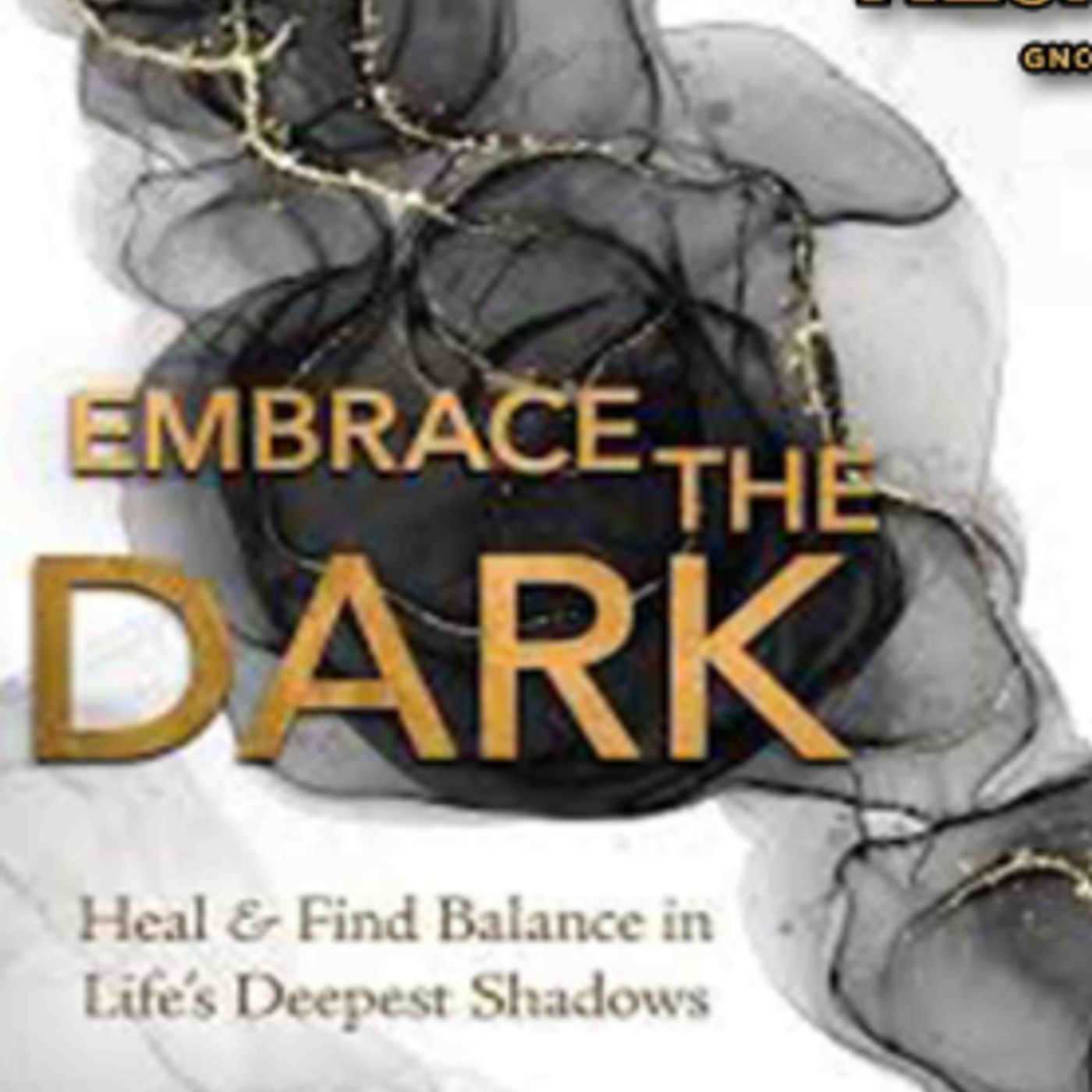
Aeon Byte Gnostic Radio
Kelly Ann Street on Dark Archetypes: Wounded Healer, Shadow, Triskster & More
01:01:47
Let’s go into the underworld to retrieve our treasures of self-knowledge, as Kelly Ann Street joins me to discuss Embrace the Dark.
Loading summary
Transcript121 lines
- [00:00]
A
Your new home is now ready. Dr. Horton, America's builder, has new homes that are ready today. With new construction communities throughout the Puget Sound and Central Washington areas And more coming, Dr. Horton has the right home for you at Dr. Horton. We're still building. With more construction, more communities and more homes available every day. Tap your screen now or visit drhorton.com to find your new home now ready.
- [00:26]
B
Dr. Horton, America's builder and equal housing opportunity builder.
- [00:30]
A
This is the table, the one with the view. This is how you reserve exclusive tables with Chase Sapphire Reserve. This is your name on the list. This is the chef sending you something he didn't put on the menu. This is 3 times points on dining with Chase Sapphire reserve and a $300 dining credit that covered the citrus pavlova and drinks and the thing you didn't think you liked until you tasted it. Chase Sapphire Reserve now even more rewarding.
- [00:55]
B
Learn more@chase.com Sapphire Reserve cards issued by JPMorgan Chase bank and a member FDIC subject to credit approval.
- [01:01]
A
Let's go. From Nintendo and Illumination, the Super Mario brothers can take care of the kingdom Comes a super powered adventure.
- [01:12]
B
Wahoo.
- [01:13]
A
This Wednesday, pack our things. The galaxy gets even bigger. He knows that's my bike, right? Yes, sir. The Super Mario Galaxy movie Kitty pg. Only in theaters Wednesday. Get tickets now. There's a concept called the wounded healer. Yes. And the most powerful shamans, magician and healers are the broken ones. Yeah. As children in these tribes either had a near death experience or a disease or some trauma opens the channels of communication and they become the shaman of the tribe. And they heal not in spite of their wounds, but because of their wounds. They're in so much pain. They understand the pain of others.
- [01:58]
B
Yes.
- [01:58]
A
And they address them, but it eventually destroys them as a. And there's traditions and circumpolar shaman tribes, shamans and north and south, they end up like Elvis. They end up as fat drug addicts, sick people just there. And the tribe's like, well, that's your job. You're the one who has to heal us and entertain us and advise us. And the shaman's like, I know, that's my job burden. And they die. And Elvis was carrying that bird. He was a wounded healer. A shaman. And I have other theories. I try to approach it from Jungian, alchemical, different theories. We'll never know. It's a mystery. Indeed. As the quote says, we are all wounded healers or shamans in the making. And welcome to A Bite. I hope you enjoyed that little intro, which I think is very relevant to our show today, as is an archetype, we will deal with the wounded healer. And we've dealt with this archetype many times on this show and how it manifested in individuals like Elvis in my book, my upcoming book on David Bowie, Wounded healers like Jim Morrison, Sylvia Plath, so many. And we will find your wounded healer today. But again, welcome to Ambidextrous. My name is Miguel Connor, and I am so glad to see you. If you're listening live on this Mercury day or catching us on the replay, yes, you are a wounded healer, but you are amazing. You can bring so much wonder and bring out so much light in the darkness of your underworld and in the darkness of mere being. I see already everybody in the chat, as always. If you have any questions, please super chat them so that Graham can get to them. And of course, if you are a member, YouTube member, like I see WW3, 4, give us a question. And don't worry about the super chat. And if we can recognize he's a Patreon or an AV prime member, we will do the same. So today, let's be forever Jung and even beyond. I am very excited to be joined by Kelly Ann street to discuss her new book, Embrace the Dark. Heal, Find, Heal, and find balance in life's deepest shadows. Kelly, thank you very much for coming on the show.
- [04:31]
B
Yeah, thank you so much for having me. I am excited and excited with a little bit of nervousness to get into this topic. I like to be. To be honest and forthright, and that's. That's the energy I'm bringing in today is who The. The trickster, the shadow, the wounded healer. All of those things. It's. They're. They're tricky to talk about.
- [04:55]
A
They are indeed. And in a way, we lay our cards on the table and we're like, well, will I be exposing myself? Well, that's the whole point. But it's not easy, right, Kelly? It's one of the hardest things to do when you're just like, I'm naked in the wind. This is me.
- [05:12]
B
Exactly, exactly.
- [05:14]
A
But you did that in your book. And we'll definitely talk about it. And with us, too. We got Graham Pong. Graham, how are you doing?
- [05:21]
C
Oh, pretty good. And I always also think about the inverse of things where in this case, Achilles showed that the wounded heel will take out the warrior.
- [05:32]
A
Is. Yes, yes. Speaking of mythology, we'll certainly get into that. Yes. Not much housekeeping as always. Got. I have some notes here, but yeah, remember, we change our password for AB prime private RSS feed. So if you have an issue, go to the page and get the new password or just message me as some of you've done sunsetting the Red Circle app at the end of this month. So jump to the other places where you can become a member, Patreon, YouTube or AB Prime. And yeah, that's about it for now. Please support AM Biden any way you can. Of course, I love one time donations. If you really want to support this show. I do have a wish list which I need to put up. But if you want to help with equipment, just message me too. And yeah, yeah, let's keep the lights of the pleroma going. Let's keep this red pill cafeteria going. I can't do it without you. This is where you find unique gnostic takes and how they can manifest and help you in today's world. No other place will you find it, that's for sure. So Kelly, as we were, we were talking about the wounded healer in the shadow. I was reading your book and I was like, wow, if anybody has a case that she had a big shadow that needed to be addressed, that would be you, right? You had quite a past. Tell the audience about the past and how you, how you, you got out of it. I mean, including getting out of a cult.
- [07:10]
B
Yeah, yeah. Oh, where do I start? Well, I guess I'll start there. So speaking of the cult, and it's funny, I didn't think of it as a cult when I was growing up because it was just evangelical Christianity, you know, it was just the church that you go to once or twice a week. So I was raised in a very, very small town, a town of 300 people in northern Minnesota. And in that small town I went to this evangelical Christian church. And you know, it's a, it's a brand of Lutheranism. And it was just one of the particularly strict and conservative brands of Lutheranism and was raised in this, in this church and through that had both some really challenging experiences with the pastor, had some challenging experiences with my parents and how to reconcile the person that I wanted to become the leader, the healer, all of that with who I was allowed to be as a girl, as a female growing up in that religion and that faith. And then eventually that reconciled into, you know, this is skipping over so many details and we can get into as much as or little as you would like or people would like, but led to eventually. In my mid-30s, I started receiving phone calls every single week. And I write about this in the book every single Week I received phone calls from the church and from the elders in the church and that led to eventually me being told that I was no longer welcome and I was excommunicated even though I had not attended the church in over a decade. They kicked me out for not attending, even though I hadn't. And there was something about that happening of receiving that letter of excommunication that I didn't even know was a thing in the Lutheran Church, that I had never heard of that. But doing that both lifted the veil from my eyes about the kind of cultish aspects of being brought up in that church and also freed me from, from the bonds that I didn't even know were there. Again, it was like getting me out of a cage that I wasn't even aware that I was in, if that makes sense.
- [09:36]
A
No, it makes perfect sense for sure. Yeah. And it's hard because as you, you write, you, you witnessed, you know, you experienced the, the death of your nine year old cousin in a three wheeler accident and it was never really addressed and you had issues with the pastor and abusive relationships, just, just hard. And so what would you say? Because as people say, as Jungians say, you know, shadow appears when everything's, you might say, oppressed. The first time we tell our little child, don't touch that fire. In a way we're creating a shadow because we're impeding the growth. We are saying you have limits and you got to suppress these things. You burn yourself, which is fine. So shadow is not a bad thing. But then there's other things. But this shadow then eventually gets initiated, integrated. You're an adult. I now tell my child, you know, there's steps, but when you say your shadow material kept, kept being created, when did it start really causing damage to your health and your life or what would you say?
- [10:51]
B
Yeah, I think in my, in my teens, really, even, maybe even a little bit before that. So at around 12 years old, I started to develop an eating disorder. And so I think as a result of both the sexual abuse that I went through and also this, this really shadow side of, as you mentioned, of death, of seeing my cousin die, seeing another young cousin die, seeing just lots and lots of death, that I had a really skewed view around mortality and kind of thought of myself as sort of alive, not alive. And because of that shadow, I think I was always playing with my relationship with life and death and so withholding food from myself because I felt that I wanted to disappear or that I wanted to hide and you know, really I can Remember as a teenager, imagining myself as I would not eat and as I would be hungry, I would imagine myself like, okay, I can just fade away. I can disappear into nothingness, and maybe then I will feel better. Maybe then I will be, you know, I will be safe from all of this pain that I feel.
- [12:03]
A
And as you write, it kept manifesting in different ways. Overspending, you know, you started. We project this, and the body don't lie. It affects your body. Obviously it affects your behavior. When did you realize that you had a shadow and it was time to confront it and begin the process of integrating the shadow, the dark side of you.
- [12:29]
B
Yeah, yeah. So interestingly, the. The positive side of the. The faith and religion that I grew up in, there was always the mention of the devil, you know, the devil on your shoulder or the devil in your mind. And when I got into. Into therapy, into my own healing work in my 20s and early 30s, really diving into, like, what is the shadow? And deeper psychological texts and learning about Jung and all of that, I realized, oh, what I had grown up with, all of this talk about the devil, all of this is the shadow, and all of this is what I'm hiding from myself. My. My shopping addiction, my eating disorder, all of those different things, my relationship difficulties. You know, I. For me, in my 20s, I definitely was a person who had a bad picker, as they say, because I was choosing people out of a place of shadow. I was choosing partners from a place of pain instead of a place of healing or growth or who I wanted to be. I was always looking from a place
- [13:41]
A
of your dark side, your shadow.
- [13:43]
B
Yes, yes. And then seeing that reflected in my partners is, you know, like seeing these. These narcissists that I just kept picking over and over and over because I had no sense of self. I was very lost.
- [14:00]
A
Exactly. And what would you say? I mean, I think it was Ann Casement, to put it very simply. The shadow is everything I don't want to see or everything I don't want to be. So sometimes it's not a bad part of you, as many have said, you could have one. Let's say you were growing up in a fine life and you wanted to help animals. And one day you said, well, society doesn't expect me. You know, there's no money or career, so I'm going to go become a banker or a lawyer and whatever. You've created shadow material and the fact you didn't want to help animals will haunt you like a shadow, but it's a good thing. And all you have to do is one day said, you know, it's. It's making me sick. I realize I'm not doing well. If, okay, my shadow wants me to help animals on the weekend, simply solves it. Right. But would you say. But then there's a side. You say the other side is the wounds. Right. Would you say the shadow is a wound too?
- [14:58]
B
Yeah, absolutely. I think the shadow can be. The shadow is where we find the light, but the shadow is also where we find or explore our wounds. And, you know, that idea of the job and life purpose, I definitely had this. My. My healer that I wanted to be as a child. When I was told no, when I was told that I couldn't be that in the way that I saw, because the only reference point I had for what. What a healer was was the pastor. And so when I was told I wasn't allowed to be that, I just sort of put that idea into the shadow of, like, okay, well, that's not. That's not an option for me. And so then I went into college and adulthood and got into a career and didn't believe that I had the capability, the healing fields. And so I went into marketing. And over. Over a decade, I wove in and out of different jobs, never feeling satisfied, never being fulfilled, knowing that I was not living a purposeful life. And because of that, it just was always over the shoulder, always kind of cropping up every few months, and until eventually I had to face that I was not doing the thing that I was meant to be doing.
- [16:22]
A
Yeah. In a way, our shadow is one of our. One of the greatest communicators. It holds. Yeah. Our path, our light, the avenues to heal our trauma. It holds all of that too. And it's. It's very popular today in all circles. Pop psychology, the occult, mainstream. And in a way, Jung's more popular than ever. But for your clients, when you want to, they're like, what's my shadow, Kelly? I'm Peter Pan. I don't have a shadow. Or I need to find my shadow. What. What are the steps you tell? Or what's the process? And then finding this their shadow and integrating them.
- [17:03]
B
Yeah, I think the easiest. Well, the easiest way, I will just say to access your shadow, because the shadow is one of the ways, I think about it, that is. Takes away the mysticism of. It is. It's the things you don't know that you don't know. And how do you get to the things that you don't know that you don't know it's tricky, right, because you don't know that you don't know them. And so having a witness, having someone else outside of you poke holes in your story or point out the things that are issues that you may not see, that's how you start to get to discover the shadow. So doing that with another person, with a witness, whether that be a therapist, a guide, a good friend who can be a reflector for you, or even in another simple way that we can find out our shadow is. And this is very, very basic too, but is think about the people who drive you crazy. Think about the people that you. That when they come to mind, you just feel irritation. What is it about that person? And now what is it about that person? What is it about it in me that gets activated, that gets triggered? Because likely you're either mirroring something with them or you share the same traits. So it's either opposite or similar that we're either magnetized toward or magnetized against something. The shadow in somebody else.
- [18:31]
A
Oh, agreed. It's when people are out there online and they're complaining about Trump 247 or Kamala Harris, I'm like, you better watch out. This is a message. This is. It's a learning opportunity. It's, it's, you know, the devil is God's shadow. So Jung would say he's somebody we should certainly get to know. Right?
- [18:53]
B
Yeah. Yes. Yeah, absolutely. That, you know, he doth protest too much. Kind of an idea.
- [18:59]
A
Yeah, yeah, yeah. And what. Yeah, we learn from much more, from those we dislike and so forth. I mean, it's just. It's basic and it's. It's hard. Yeah, it's an. It's an integrating the shadow. Is there a process to it as you teach your. Your clients or your patients, other than Wendy grabbing the shadow and sewing it to Peter Pan or whatever happens in the story?
- [19:26]
B
Yeah. You know, it's funny until you, until you're mentioning that just now, I, I had never thought of Peter Pan as an allegory for, for working with the shadow. But it's so clear. It's obvious that's what they're doing is, you know, he wants to stay a child forever, and we can't. We. We have to grow up. But we, but we do need to carry with us that the past and the. Who we were. We can't just push it away or leave it behind. It has to stay with us so we can then move into the future and grow up and. And be who we are supposed to be. And so to answer the question of, you know, what is the, what is the path? How do you, how do you work with that? How do you integrate it? It's. I find that it's very individual. You know, some people are journalers, some people are physical healers, some people need to use substances. You know, I talk a lot about psychedelic therapy in the book as well, and everybody needs to kind of use their own method in what works for them. But one of the essential pieces of the puzzle when doing any shadow work, I find I would be if you agree with this, because you're, I think, probably an expert in shadow work as well, is compassion coming from a place of compassion, compassion for yourself. The parts of yourself that you don't like, the parts of yourself that you hate, the things that you do that push other people away, that rub others the wrong way, is treating yourself very, very tenderly in order to welcome that in. Because I find that the shadow underneath it is often, as you said, a wound. And that wound needs tenderness, that needs caring. It needs, you know, just like when you get an actual wound, you need to clean the wound, you need to put some salve on it, you put a bandage on it, all of that. When you do that, you know, if you can think about doing that for yourself mentally as well as you would think about doing that physically.
- [21:28]
A
Yeah, really well said. And many of my exercise, yeah, go back in time as hard as it is, recreate the trauma of the beating or the sexual abuse and hug your child self and say it's not your fault, you know, don't blame yourself and recreate it again. And it's very hard. And the big step is you go back in time and then you forgive your abuser because it's the right thing to do. Because it's not like they just decided one day to, you know, your pastor comes from a line that he was programmed into the person he was. Right. He had a shadow, he had ancestors, he had a system that oppressed him or created his ego and his Persona. So you got to forgive them too, if you can.
- [22:12]
B
Yeah, absolutely. I love that you mentioned, you know, going back and hugging your, your young child self as. I had a really beautiful experience of doing that in one deep therapy session that I did where I went back to a memory that, you know, it's that thing where you kind of know it's there, but you don't fully remember it. And so I went back to this memory of myself as a three year old going to daycare. And my mom would always tell stories of I would Kick and scream and wouldn't want to go into this home daycare that I went to. And I had a place of memory as well, of one day she dropped me off at the daycare and I, as a little three year old, got myself into the back of the pickup truck and was in the back of my parents old pickup truck screaming and kicking and no, no, no, I'm not going to go. And that memory was in me, but I didn't know why. And so in this therapy session, I worked with my inner child, that young, that young one in me. And she led me into the house and she led me into the memory of why. And that memory was my first initial experience of, of abuse or molestation. And in that memory I was then able to, after reconciling and after seeing her and telling her it wasn't her fault, I was able to take her out of the situation. I asked, what do you want? Where do you want to go? And she said, I want a bath and I want to live in the forest in your mind. And so like I took her into a bath, I gave her like a little home in the woods and she was like safe in this little house. And I still kind of mentally visit her sometimes just to check in on her because she needs that. I mean, she's in my mind, in my, in my being. She is a little three year old girl who needs that care and assistance and checking in. So yeah, that is, that is a beautiful way that you can work with the shadow and heal those little wounded parts of you.
- [24:20]
A
Oh, that's beautiful. I love it. Yeah, you're right. When that girl got her abuse, it created a part of you that will exist forever. It's not really, Kellyanne, it's not really your ego, but it's a being that lives within you and wants to be heard and is like, hey, you know, if I'm for the ride, you need to help me.
- [24:40]
B
Right?
- [24:41]
A
Just like the shadows. Like, I ain't going anywhere. We either work together or I will F you up. That's the choice, right?
- [24:49]
B
Yes. Yes. I will come and come again until you face me.
- [24:54]
A
Yeah. And I will destroy your body. I will destroy your life. I will make sure anyways. Well, why? Because that's integration.
- [25:02]
C
It's.
- [25:02]
A
It's messy. I mean, look at the collective shadow. That's. Isn't that one. That's a force that you. Don't you think, Kelly, when you're just shaking, you're like, how do we fix that?
- [25:13]
B
Yeah, I do. I honestly, that is. That Is sitting really heavily with me right now. I think, with a lot of people, is feeling the. The extremes, the polarities that are going on right now, and it's so intense. Is, you know, people on one side, just the. The energy of. Of hate and disdain that you feel, I think, as a collective right now. And no capacity for being able to accept, for allowing others to feel or think or be different. Which, as we mentioned earlier, the less we. The more that we do that, the more we are actually similar to the person that we are hating.
- [25:58]
A
Mm, exactly. Even issues like I've said before, issues like, all right, slavery and war and racism. Yeah, that's America's shadow. But guess what? It can be integrated. It should be integrated. Let's integrate it and move on and be very aware instead of it always hanging over our heads.
- [26:18]
B
Yeah.
- [26:20]
A
And. But. But people want to listen. They don't. Have you ever watched. Speaking of great shadow stories, have you ever watched the movie Black Swan with Natalie Portman?
- [26:31]
B
No, I haven't. I actually have not seen it, but I was talking about it the other day. I've seen little clips of it. Yeah, I was just. There was an article about it that I saw, and I was like, oh, yeah, I have to put that on my list. Yes. Because I've seen the images that are just so striking of the Black Swan and the White Swan. And
- [26:54]
A
Yeah, I mean, Aronofsky goes into some gnostic territory to Kabbalah and other, but this one, he goes Full on youn, Full on shadow work. And at the end, you will be like, did she integrate it or not? Who won? What happened? But it's a. You'll love it. You'll love it when you watch it.
- [27:12]
B
Okay.
- [27:13]
A
And let me bring in Graham or Graham shadow. Do you have a question, Graham?
- [27:18]
C
Oh, no, definitely. I'm. I'm enjoying the talk. I was gonna sit there and say I heard marketing, and it's like, bo, you are trained to prey on other people's shadows for profit.
- [27:30]
B
Yeah. Isn't. Isn't that the way of it?
- [27:33]
C
Oh, exactly. They do some real shadow work in marketing and then profit off of it. Yeah. No, I was gonna sit there and say I kind of walk my own path. And it's like, I try to, you know, like the old, you know, how do you eat an elephant? You know, one bite at a time. When it comes to integrating my shadow, I usually can't go for compassion. You know, first shot. I usually have to go first shot through is just try to stop lack of revulsion at myself. You know, try to just not sit there and say, you know, how could you be so dumb? How could you do that? You know, just, you know, go for acceptance first. Yes, you did that. And then through maybe a second or third pass I can move on to compassion. And I was curious about your thoughts on some of my own personal approach where I kind of lone wolf approach where one of my big revelations was accepting that life is pain and it's a question of minimizing necessary pain. And that comes from my economics. And because of that I use my intent and the results of the me failing to achieve my goals to reveal my unconscious. Because once I set my goal, you know, if I achieve it, that's great. If I didn't, why didn't I achieve it? And that becomes a, you know, once I eliminate the possibilities, I'm able to reveal a lot of the time and unconscious at work where I'm self sabotaging and that's at least my way in order to get to some of my shadow and unconscious, you know, on my own without, you know, you know, responsibility. Partner, how does that track with your work?
- [29:18]
B
Yeah, I definitely think some, for some people doing the lone lone wolf path is the path that works for them. I'm always curious whether for, for those who choose the or who find that the lone wolf path works for them, whether they're leaning away from community or away from relationship or whether they do just find that it works for them. And I think for some people there is a fear of being seen by the other. But for some people, the other, you know, therapist, friend, partner, whatever can be a distraction or you can find that other people are sort of putting their stuff on you. And so I with the Venmo debit
- [30:06]
A
card, a top on one hand and a ordering a ride in the other means you're stacking your rewards. Nice. Get up to 5% cash back with Venmo stash on your favorite brands when you pay with your Venmo debit card. From takeout to ride shares, entertainment and more, pick a bundle with your go tos and start earning cash back at those brands. Venmo Stash bundle terms and exclusions apply. See terms at venmo me stashterms max $100 cash back per month. The day begins at the Chase Sapphire lounge by the club at Boston Logan Airport. You get the clam chowder in San Diego. It's Tostadas New York Espresso Martini. It's 10am why not? It's the quiet before your next flight. The shower that resets your day. The menu that lets you know where you are. This is access to over 1300 airport lounges and every Sapphire lounge by the club. And one card that gets you in Chase Sapphire Reserve now even more rewarding.
- [30:59]
B
Learn more@chase.com SapphireServe cards issued by JP
- [31:02]
A
Morgan Chase bank and a member FDIC,
- [31:03]
B
subject to credit approval. So good, so good, so good. Spring styles are at Nordstrom Rack stores now and they're up to 60% off. Stock up and save on Rag and Bone, Madewell, Vince, All Saints, and more of your favorites. How did I not know Rack has Adidas? Why do we rack for the hottest deals? Just so many good brands. Join the NordicLub to unlock exclusive discounts. Shop new arrivals first and more. Plus, buy online and pick up at your favorite Rack store for free. Great brands, great prices. That's why you rack. My name is Mackenzie and I started a GoFundMe for the adoptive mother of a nonverbal autistic child. The mother had lost her job because she wasn't able to find adequate care for this autistic child. So she really needed some help with living expenses, paying some back bills. So I launched a GoFundMe to help support them during this crisis. And we raised about $10,000 within just a couple of months. I think that the surprising thing was by telling a clear story and just like really being very clear about what we needed, we had some really generous donations from people who were really moved by the situation that this family was struggling with. GoFundMe is the world's number one fundraising platform, trusted by over 200 million people. Start your GoFundMe today at gofundme.com that's gofundme.com gofundme.com this podcast is supported by GoFundMe. There can be. There just needs to be some awareness there whether which one of those it is. But yeah, I love everything you said and I have some, some thoughts also about, about the pain is the pain thing. And that is there's the Buddhist teaching of, you know, something about life is pain, but it doesn't have to be suffering and the difference between having pain and having suffering. So, yeah, we can, we can go in any of those. But what are your thoughts on that, Graham?
- [33:06]
C
No, no, definitely, you nailed it pretty well. I agree with that one. Definitely on the boots. There's a difference between pain and suffering. Suffering is that sense of endurance. Pain is an instantaneous sensation. So, yeah, no, that's one of those. Unless you, you, you dive deep into definitions. It's so easy to confuse what, what a religion saying. As far as the. The lone wolf aspect, for me, a lot of it comes down to balancing the levels of pain where, you know, if you're sharing yourself, you're opening yourself up to that other person hurting you. And while you can benefit from opening yourself up and you can even benefit from other people hurting you, it's a question of balancing, you know, benefit cost. You know, is the reward for opening up and interacting in a community, you know, when is that more pain than the benefit that you're getting from it? And to me, that's where the lone wolf balance comes in. It depends how much you're getting hurt versus supported by the community. That's just my thought as to where I balance that.
- [34:20]
B
Yeah, I mean, that is so real. That is so honest. Is the opening yourself up and being vulnerable means that you might get hurt. And whether that is worth it or not, whether that makes sense, whether or not it's a safe kind of a hurt. Because, you know, my. I luckily have a wonderful husband, a supportive husband who is. He's great. He's an awesome partner. He reflects my own shadow to me at times and tells me when he notices my shadow. And that is a person who I know he is safe for me. But there have been partners in the past who were not safe, who were trying to reflect things to me, but those things were not true. And so I talk a lot about, I teach a lot about discernment. And discernment, to me is one of the most valuable skills that you can learn. And one of the things that for generations, we were doing a disservice to children by telling them that, oh, you don't really know, or, oh, stop it, you're not really upset. Like, there were generations of people who were teaching their kids to not feel, to not trust, to not acknowledge what was happening in them or were downplaying it. And it was because of the parent, you know, you know what you know at the time. And it was their own discomfort or they didn't want to coddle or have kids be too soft. And what they were really doing was teaching those children not to trust themselves. And so then they grew up and were adults who didn't trust themselves. And so when you get in relationship with somebody else, no matter what that relationship is, barista at your coffee shop, whatever, you then are not able to trust. And you question decisions you make. It's the person who goes to a restaurant and goes, I don't know what should I have. Oh, should I have the pasta? Oh, what. What are you gonna have? Oh, that sounds really good. Maybe I'll have that. And then you get your meal and you hate it because it didn't come from you, it came from someone else.
- [36:31]
C
100%. One of the ones that I think is so toxic, the parents at least used to do is you. Well, that you shouldn't be upset by that or that shouldn't hurt you. And that's just invalidating that person's experience. They're hurt or they're upset by what happened. And what the good parent should do is say, okay, you were hurt by it. Let's explore why it and, you know, see what we can do and try to, you know, see whether you should be hurt by that in the future. You were this time. Maybe next time you'll understand why it's why something like that. Other people do that and you're not going to be as hurt the next time. And one of the things you sat there about your partner and you sat there about reflect. And I think if you. A lot of times you weren't dealing with somebody trying to reflect, you're dealing with a narcissist trying to project onto you their narrative and expecting you to. You to swallow it without questioning. And that's. That. That's one of the really toxic things I could see going on in society these days. Hey.
- [37:32]
B
Yes. Yeah. And I will say the. You know, just being on the hot topic of narcissism, I don't. I don't know if this totally derails where we're going or where you wanted to go, Miguel, but I think that narcissism, to me is just. It is a real thing. And it is both so completely overblown on one side, and on the other side, we are all a little bit narcissistic. And the way our society has trended towards social media and influencers and all of that, we are creating so many more narcissists in the world, paradoxically. It's just. It's wild to me how all of that is happening of people are no longer questioning their own narrative. You know, there's lack of discernment on one side, and then on the complete opposite, it's like, well, I believe it. It's my truth. So I'm right. And that is also. That is a shadow of. Of where. Where discernment can go.
- [38:38]
C
Yeah, absolutely. And one last one before I take it back to Miguel is that it becomes. It becomes toxic when. When they reinforce. Sorry, when you get to narcissists. And it's our trick truth. Not just my truth. You can't shut them up, Tag. Sorry, Miguel.
- [38:57]
A
Well, we should probably move to archetypes too. In your book, you do talk about archetypes, tell us how they can work for our healing. And you talk, obviously the shadow is an archetype. We all know this. But you talk about the hero, the mentor and the wounded healer. Tell us about that, Kevin.
- [39:20]
B
Yeah, yeah. So I think the. We have, we all have these archetypes in us. We're not just. At least that's. That is how I view it is that. And I think how Young talked about it as well. We all have the mentor, we all have the wounded person, we all have the teacher. You know, we all have, have these little, little creatures, little archetypes, little parts of us that can be activated at any one time. And I think I, because I'm seeing it in our listing about what this show is about. The one that I actually would like to pull most from right now is the trickster. Because I think I'm just really feeling so much of the trickster energy happening. I have some things that are coming up in my life where I'm like, what is that? It has to be that little trickster energy. And it's sort of, when I think about the trickster, I think about, it's both kind of can be sort of a goofy, childlike energy, but there can also be a darker, malicious side of things. And that we can all have that we can all be silly, we can all be playful on the light side, but on the dark side, there's the way that we accidentally hurt others or hurt ourselves. Kind of that self sabotage energy. I think you mentioned earlier, the, the things that we do that under the surface are actually sabotaging the goals, the dreams, the desires that we have, for sure.
- [41:02]
A
So when does the trickster, you would say, manifest itself? I, in my book Elvis, I write about the trickster because he was affected by it. And, and also in my David Bowie book. But in our, you know, we're not stars like them that can change history. But when does the trickster archetype possess us or manifest in our lives?
- [41:25]
B
You would say, I think it can come at any time. I talk about the trickster in particular, as when I talk about our relationship with abundance or, you know, abundance, money, finances, the things that we have is the trickster can really come up there because it's like in Lord of the Rings, like Gollum in the cave where, you know, he's he is, I would say, overcome by the shadow of his trickster energy where he thinks that nothing else matters except this, this gold ring and all of the energy that it possesses. And that is where, that is where I, I think the abundance category is really where trickster can get us. It can come up in lots of other areas, but. And so there's no particular time in someone's life, there's no particular way specifically that it manifests. But I think for one of my clients, I would say the trickster energy is manifesting in his area of abundance in that he has this loop that he gets caught in this catch 22 where he wants to have a stable family, a stable life, like work life, balance, all of that stuff. But he keeps losing sight of that for the sake of money or of income or of a particular job title. And so it's. The trickster is like, oh, you want to spend time with your family and friends? Well, they want to go to, the kids want to go to summer camp. Oh, well, the kids want to go to a good college. And so he keeps going, getting refocused and getting off topic and away from the family life and the balance that he wants for the sake of chasing money and chasing a title.
- [43:22]
A
Right? Yeah. As I say, Hermes will lead astray and lead the way. So it's, it's a force you have to always consider. It's a double edged, Double edged sword. But that's where the gift. Right. Is, Kelly, to understand this power within you.
- [43:39]
B
Yeah. Yes, absolutely. Yeah. To understand that they both exist and it's just how to work them. Because I think the shadow coming up shows us also where we have strength. Because the shadow can be really strong, it can be powerful and give us determination. It's just how we use that energy and what we, what we allow to take over us versus the, the sovereignty that we allow ourselves to have over it. Over the shadow.
- [44:20]
A
Exactly. We're all working in the, we're all working together. That's the whole point of the self. Right? Yeah. I'm sure you probably don't talk to your clients about complexes because then that would be an endless topic. Even though it's just as important as everything else. Right. Nobody today wants to talk about complexes.
- [44:41]
B
I talk a lot about complexes. I, I like, I like to, to hit on all the things I, I like to, I definitely prefer to go, to go deeper with people. And sometimes I think, sometimes sessions are working with me. It feels like, like we're walking a labyrinth over the course of the session. Where it's like we. It's like, are we meandering? Are we even getting anywhere? Are we getting to the center of something and, you know, like, will we find gold at the center? Yes. Okay. We had to walk this. This kind of crooked path and go around and back and forth to get to the center, to then come back out and go back out into the world and be the people that we need to be.
- [45:26]
A
Yeah. As you say, this is kind of the hero's journey's myth is kind of eternal. That's what whatever one of your patients and clients is doing. Right. The shadow work is going out on the hero's journey.
- [45:39]
B
Yeah, yeah. It never. It doesn't end. I would say it doesn't end beyond our lifetime, maybe, but it specifically does not end. As long as we are breathing, living. As long as we are here, we are all. All on the hero's journey. We are all doing shadow work. It is all necessary. It never ends. And that is the hard part about being human, but it's also the gift.
- [46:02]
A
Agreed. And what about the wounded healer archetype? Tell us how you approach it or how it works in your work.
- [46:12]
B
Yeah, yeah. I. I look at each and every single one of us as a wounded healer. So I think that we all, in our own ways, are able to both heal ourselves and then go out in the world and heal others. And so obviously, that. That wounded healer archetype, that is the. The person, the. The myth of the. I'm having.
- [46:44]
A
What are you talking about? The. The cut. What's the name? The Horseman.
- [46:50]
B
Yes. Yes. And I.
- [46:51]
A
Who's the horseman? Who. Chiron. Is that him?
- [46:54]
B
Chiron? Yes. Thank you, Chiron. Yes. I was having, I will say a little bit of. A little bit of postpartum gray matter brain loss happening there.
- [47:06]
A
Yeah.
- [47:06]
B
So. Yes, Chiron. So Chiron, the wounded healer, gets hit with a poison arrow, but is an immortal and so doesn't die, but has this pain and so spends his whole life figuring out how to not live in pain, how to heal himself, and by default then learns how to heal others. And I think that is what we are all doing, isn't it? You know, we are all going through pain, learning how to heal ourselves, I hope, and offering then those teachings to others. Whether that be, you know, me as a therapist or whether that's you in the work you're doing or even whether that's, you know, I have a client who works for a big, you know, glass company, and in that glass company, being the account executive or whatever. He is there. He can also, in that world, be a wounded healer. Can be someone who shows up and is either a shoulder to others or a support or whatever that looks like. You don't have to be a, quote, healer in order to be someone who is walking through the world as a wounded healer. You just have to do your own work so that then you can pass that energy on to someone else. You can show someone else the way. You know, I think, Miguel, one of the things I do know about you, and I don't know much, is that you work in the world of addiction, which. With others. And that is one way where when you've been through your own pain, you can then come through and come out and be a wounded healer for others, because it doesn't mean that you're not still dealing with that shadow that comes up for you. You're very honest about. We all have vices, and we do. And the way that you get to be a wounded healer is you say, yes. Yep, I'm also there. I've also been through that. Or I also still struggle with that. That, to me, is. The wounded healer is someone who can say, I am. I have been hurt. I am still hurting. And here's how I'm living with it.
- [49:21]
A
Yeah. This is my story, my myth.
- [49:23]
B
Yeah.
- [49:23]
A
And then you find out these myths are already up there in the world of myths, and then they're in the world of archetypes. So. So it's very liberating to know you're not that original, but that your story is in the stars. Right?
- [49:36]
B
Yes. Yeah. Yep. Yeah. We're all. I like. I love. I used to say, like, we're all, you know, beautiful individual. We're all snowflakes.
- [49:46]
A
Yeah.
- [49:46]
B
And yet there are a billion snowflakes that fall in one single snowstorm.
- [49:52]
A
Yeah. And each one is different, but they're all the same.
- [49:56]
C
So.
- [49:57]
B
Yeah.
- [49:57]
A
It's. Yeah. Nothing new under the sun. And sometimes that's the best news, because I want to think that my shadow and trauma is so original. Nobody suffers like me. Right. Nobody's ever gone through what I've gone. And then I realized, no. But others could hear my story, and others could, like, zip, hear my advice. Just as when I'm having a bad day, I will call sponsors, people in addiction, and I will be like, help, Help. So it's wonderful. That's our superpower. Right, Kelly? Empathy, how we can help each other.
- [50:33]
B
Yes, absolutely. And that is exactly why I wrote this book, is I came across the idea of. I was working through my Own shadow. I came across the idea of dark night of the soul. And I realized that I was not alone. I thought not from a place of like, oh, I'm a special snowflake. But I thought I must have this unique experience of what is happening. I'm not hearing people talk about what this is. It's not depression. It's something different. But I didn't have the words for it. And so then when I came across the idea of dark nights of the soul, of working with the shadow, I went, oh, that's what this is. That's how I can talk about it.
- [51:20]
C
It.
- [51:21]
B
And so then out of. Out of that, you know, out of working with my shadow, thank goodness, came, I think, the light of this book. Even though it's called Embrace the Dark.
- [51:31]
A
Right, right. No, I love the. The title. And. Yeah, and we want to move on, not just get into Jung, but to talk about other parts of your book. You talk about the letters embrace. That is an acronym. Tell the audience about that and how it helps to reclaim your. Our true self.
- [51:49]
B
Yeah, yeah. So I'll just. I'll just grab my book off the shelf for anybody who is watching. But in the book, I use what is called a wheel of life. And if anybody's familiar with that, it's. It's a way to kind of categorize the different areas of your life to think about areas where you want improvement, you want to seek growth, or areas where you're feeling happy and comfortable. And so in my book, I use the areas of life embodiment to talk about our relationship with our body. I use meaning to talk about our. How we create meaning from our lives, whether that's religion, spirituality, whatever it is. Becoming is the area of personal growth. Relationships is all kinds of relationships. And then abundance and calling, who we are meant to be in the world, our purpose or our work, and then environment, the place where we live or places where we have lived as well. And all of those different areas, I think, are areas where we can find shadow. We can work with shadow
- [52:58]
A
for sure. You also talk about the parasympathetic nervous system, and you call it the real life hero. That's. Yeah, the hero. That's another hero in the journey. Tell the audience about that, please.
- [53:11]
B
Yes. Yeah. I. As. As a therapist or a coach in the work I do with people, I am a huge, huge believer in working with the soma, the somatic, the body. And so accessing that parasympathetic sympathetic nervous system, the. The fight, flight, freeze response, and moving into the rest and digest response. Because that's what we have. We have this container, this is our feedback machine. And we either live in a meat suit that is numbed out, or we live in one that is on overdrive and we're feeling too much of things. So, yeah, one of the things with the parasympathetic nervous system that I talk about is the vagus nerve. I don't know if anybody out there is familiar with that. I think it's getting a lot of buzz these days. But the vagus nerve is a nerve that follows our spinal column. It goes from the very back center of our brain where our sort of. Where our fight, flight, freeze response is, and all the way down our spinal cord all the way into our gut. And so obviously we have our animal instinct that then triggers our gut response, our gut instinct. And it's why we either, you know, can. When we're upset, we can have diarrhea or we can get constipated. Is, you know, just to be blunt, just to put it out there. So, yeah, doing. Doing a lot of work with that. I think is. Is really helpful in embracing our shadow and working with the dark sides of us is what is being activated. How do you feel it in your body? Are you wanting to constantly kind of fantasize out of your life? Are you always running away from things? Are you frozen, unable to make decisions? Where do you kind of land on that spectrum? And how do you get to a place of being able to rest, digest that is, feel peace, feel centered?
- [55:25]
A
Yeah. Great advice and something we definitely should follow also as we get to the end. I love how you bring in the artist's way. There's that exercise, and I should do it more often, where you wake up, soon as you wake up, get a notebook and you fill up, what, three pages or whatever page. Just get all the monkey brain shadow, whatever your ego's freaking out about, and just put it all down and it feels your day goes on so much better, doesn't it, Kelly?
- [55:57]
B
Yes, it absolutely does. Yeah. I love the artist's way. I love doing the morning pages. And I also, you know, I know for some people doing the morning pages, but doing them at night to either, you know, dump everything that happened during the day so you can then go to sleep. Which I think for me, where I'm at in my life right now, I think that's more of what I need to do is sometimes we wake up and we need to clear the slate or just kind of set the expectation for the day. But I think for Some people it's more about clearing the decks at the end of the day. And so whether you do that morning or night. Yes. Sitting down and just free writing as much as you possibly can until the bucket feels empty, so to speak, is, is a beautiful way to, to start or to end your day.
- [56:49]
A
I agree with you. Really any journaling is so important. That's how, you know, Jung would say that's how the active imagination, your shadow things, your anima comes out. To start journaling, whether you're writing down, you know, you're anxious, write down your worst fears, write down what you think of that, anything, just bring it out into the world. What do you say? If you make the, if you make the unconscious conscious, it's no longer like fate. It won't feel like you're trapped, you know, and just journal. Right, right. And it'll all come out and in a very sometimes non verbal way you'll feel better or understand what's going on.
- [57:26]
B
Yes, absolutely. It's one of those things where journaling is one of the simplest things we can do and sometimes that makes it the hardest.
- [57:38]
A
Yeah, the simplicity, sometimes we over complicate things, but it is what it is. Well, as we get towards the end of the interview, Graham, do you have a last question for Kelly?
- [57:52]
C
I was gonna say the last one I, I was gonna say is so much of this sounds like old school stoicism where your character is revealed by, you know, basically you don't pay it forward, you don't pass on the pain, you just absorb it and you don't let that pain roll down that power gradient like it normal normally does. I was going to say, is, is that fair to say that there's a certain amount of connection between your work and again, old school stoicism?
- [58:24]
B
Yeah. In fact, I write a little bit about stoicism and I both, I both love stoicism and also have, have, take a little bit of, have a little bit of a beef with it. Just, just on the fact of. I think yes, it can be yes to absorbing it, yes to not passing it on, but also to alchemize or transmute it, to not necessarily hold onto it, but to find a way to, to let it go, to not just be in the mindset. Because I think sometimes people can think about stoicism as like, oh, I've got to like really hold that pain. Like, like it's, you know, I need to be the harbinger of, of all of this and take it on. It's almost like, you know, thinking about the crucifixion, honestly, and, and really what we need to do is, yes, we can hold it, but then we got to let that go.
- [59:25]
C
Well said. Well said. Thank you. I think your book will definitely help a lot of people.
- [59:29]
B
Oh, thank you so much, Graham. I. I hope so. That's. That's the goal, right? Is at least. At least for me, that is the goal is. I. I think I often say, like, if it can make one other person feel less alone in their own shadow and their own darkness. That's the goal. That's all I hope for.
- [59:50]
A
No. Agreed. And I have your website on the show notes as well as a link to your book, but anywhere else you want to send people or just your website, tell the audience who are listening what's your website and what they can expect when they go down into Kelly land.
- [60:09]
B
Yes. Yeah. So you can find me on either embracethedarkandthelight.com or kellyannstreet.com they both go to the same place. And from there you can get. You can find my writing, you can choose to work with me, you can. Can find courses, meditations, and you can also find my, my social media as well on there. So that might be the. The best place to send people. And then from there you can take the path that you choose to take.
- [60:39]
A
And you work with people online, too? I mean.
- [60:41]
B
I do, yeah. Yep. Yep. I work as a coach as well as a therapist, so I can work with people from anywhere.
- [60:49]
A
Exactly. And of course, I. Not of course, but I. I like your Instagram because I like your little short videos are very helpful to my day.
- [60:59]
B
Thank you. Thank you. I appreciate that.
- [61:02]
A
Awesome. Well, we are at the end. I hope I see a good crowd there on the chat. I don't see any super chats, but some decent discussions and remarks. Again, please support AM Biden any way you can. Please keep in mind, if you have voiceover needs for a movie you're making or a documentary or a video game, keep me. Please consider me. And I'm also looking for sponsors if you have a company or know somebody who has a company that has products, obviously that are sovereignty products, bodily sovereignty, chemical sovereignty, that kind of stuff. Spiritual sovereignty because. Because it's all about freedom and choosing the path that you should choose that you desire for whatever happens. For whatever happens. So keep that in mind. Great shows coming. On Friday, we'll do a live show on the occult Timothy Leary. Next week we will show where we're scheduling on ayahuasca and the battle that the. That shamans are doing to make it legal in the United States. And of course more typical or intense Gnostic fare with shows on the Anunnaki and the Archons and all that good stuff. So great AM Byte stuff coming your way. And we'll be doing lucid dreamings at some point pretty soon, so but that's it. First I'll say, Graham, thanks for keeping us company.
- [62:34]
C
Always a pleasure. And I want to thank Kelly for her great work and for sharing it with us.
- [62:40]
B
Thank you so much. It has been a really cool conversation. I'm glad to have been here.
- [62:45]
A
Yes, really enjoyed it. Kelly, we appreciate your time, the work you're doing, spreading some light, as Jung would say, in the darkness of mere being. And yeah, you're making a difference. Those of us who spread the light make a difference, even though it does seem we're always walking uphill. But that's the hero's journey, as they say. So yeah, Kelly, thank you very much for coming on the show.
- [63:11]
B
Thank you so much.
- [63:12]
A
And for the audience, I appreciate you being here. You are wonderful. You have the final authority. And you are not just wonderful, but you're going to do so many wonders, so many wonders when you find out who you are, what your destiny is, which each one of us have. But in the meantime, have a good rest of your Wednesday. As I always say, write your own gospel, live your own myth. Take care everybody. Join the redeemed ark on Sabaoth on his fool's journey with the Gnostic Tarot. Learn about the journey of the Gnostic Jesus. Follow Mary Magdalene in her quest for forbidden knowledge. Experience the celestial majesty of Bar below the Supreme Mother. With the Invisible Spirit or the one of the Gnostics. Accompany the Gnostic sage Marcelina as she weaves primordial mysticism. Engage with Marcus the Magician and his coven of Gnostic witches. Experience the fall and liberation of Sophia in the simulation. Also discover the sagas of Abraxas, Simon, Magus, Thunder, Valentinus and more. In the end, see if Sabaoth and Sophia can unite to defeat the Demiurge. The Gnostic Tarot is perfect for divination and Gnosis, the knowledge of the heart. Cast alchemical fire upon the world like Jesus in the Gospel of Thomas, or grasp the mysteries of existence like Mary and the Gnostic Gospels. USAA knows dynamic duos can save the day like superheroes and sidekicks or auto and home insurance. With usaa, you can bundle your auto and home and save up to 10%. Tap the banner to learn more and get a'@usaa.com bundle restrictions apply. If you've never tried Mochi ice cream,
- [66:06]
B
it's time to tempt your taste buds with Mymochi. Mymochi Ice Cream is rich premium ice cream wrapped in sweet, soft dough with
- [66:14]
A
delicious flavors like strawberry and mango.
- [66:17]
B
It's creamy on the inside and chewy on the outside like an ice cream dumpling.
- [66:22]
A
Don't miss out on the joyfully chill sensation of my mochi ice cream.
- [66:26]
B
Grab a purple box of my mochi today and taste the amazing flavor yourself. Hi, I'm Chandler Garcia. As a PICU nurse and global health advocate, I've cared for women and children all over the world, from Costa Rica to Egypt to Kenya and beyond. And no matter where I go or how tough the conditions get, I always wear my figs. These scrubs are lightweight, breathable and super soft. Perfect for long shifts in any environment. They've got pockets in all the right places, the fit is flexible and they're durable through every admission, surgery and post op. But it's not just about the the scrubs. Another big part of what I love about figs is when they say they're committed to supporting healthc care workers all over the world, they mean it. I recently joined them on an impact trip to India where I worked in triage caring for babies in a mobile clinic. My figs aren't just what I wear, they're part of the impact I want to make. Wherever my work takes me, Figs helps me show up ready to make a difference while looking and feeling my best. Get 15% off your first order at Wear Figures with code FIGSRX. That's wherefigs.com code figsrx let's talk groceries. Specifically your groceries. With Instacart, you want your groceries just the way you like them, right? Well, the instacart app lets you do just that. They have a new preference picker that lets you pick how ripe or unripe you want your bananas. Shoppers can see your preferences up front, helping guide their choices. Instacart get groceries just how you like Most people know American Express for our iconic personal cards. Some know us for our business cards to help entrepreneurs grow. But American Express also offers something built for companies at scale the American Express Corporate Program. With the corporate program, you can apply for employee cards tailored to their needs, issue virtual cards to your team and suppliers, and even automate accounts payable with American Express OneAP. Along the way, your company can earn rewards or cash back as a statement. Credit to reinvest where it matters most and because it's all backed by American Express, you get the service, insights and flexibility to help keep your business moving forward. The American Express Corporate program designed to help companies grow with confidence. Terms apply, enrollment required and fees may apply, including an auto renewing monthly, monthly platform access fee. Suppliers must be enrolled and located in the United States.