Podcast
AirSpace
Hosted by National Air and Space Museum · EN
We see the connections to aviation and space in literally everything. From our favorite movies and the songs in our playlists to the latest news of space exploration and your commercial flight home for the holidays – aerospace is literally everywhere you look. Twice a month, our hosts riff on some of the coolest stories of aviation and space history, news, and culture. We promise, whether you’re an AVGeek, wannabe Space Camper, or none of the above, you’ll find a connection to your life and learn something interesting in the process.
17episodes
Episodes
Newest firstAll episodes
50 Years: New Ideas
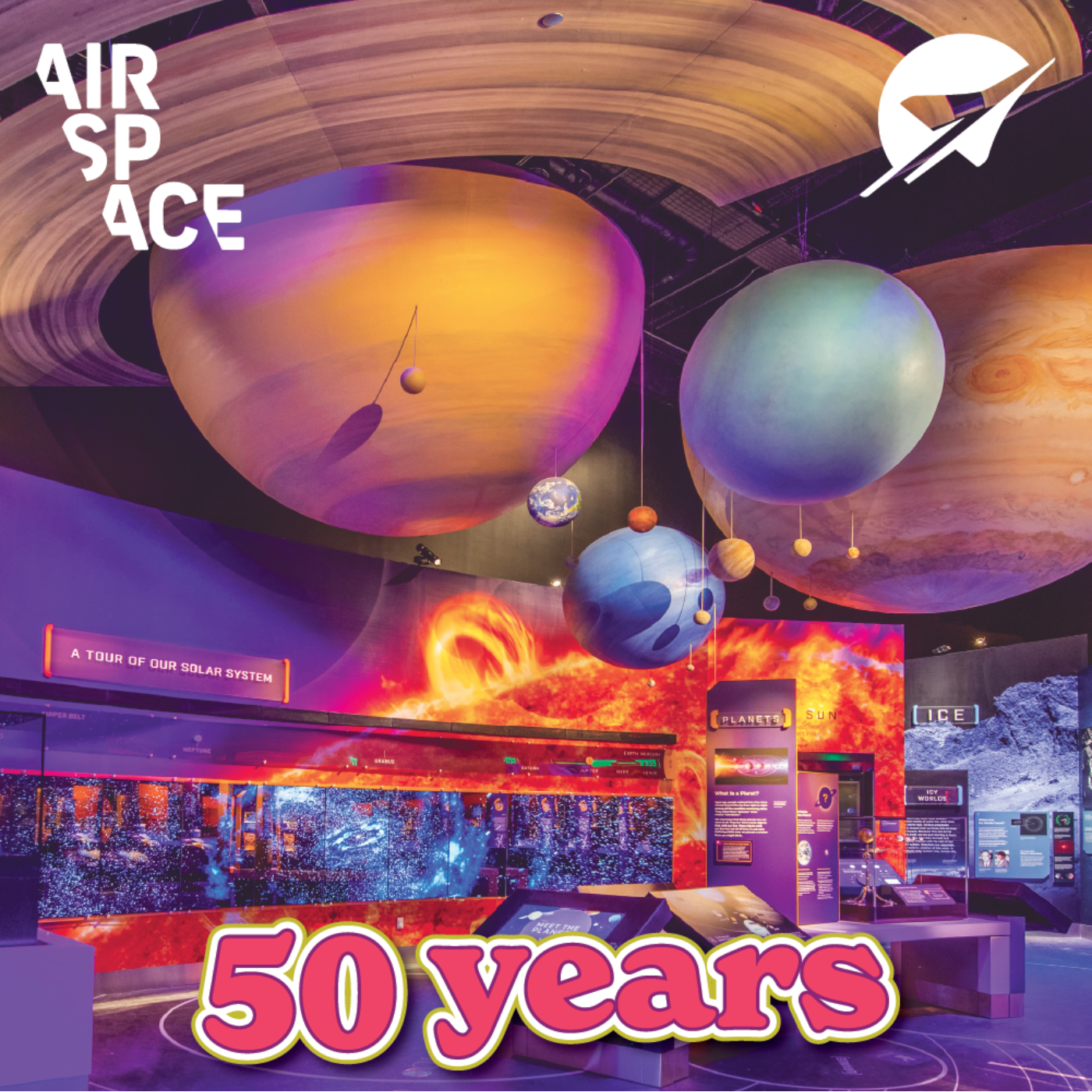
4w ago00:24:38Tap to summarizeAs the National Air and Space Museum built its collection and its identity, it also needed to find its footing as a place for science and research. In the third episode of our four-part limited series “50 Years of Air + Space,” we’re exploring the history of scholarship at the Museum. We’ll dive into early debates over what type of research this new Museum would do and what type of academics would be a part of the team. We also hear the stories of how we came to host the Center for Earth and Planetary Studies, and how the study of the history and culture of aerospace became core to our mission.Thanks to our guests in this episode: Dr. Ted Maxwell, Retired Chair of CEPS Dr. Mike Neufeld, Retired Curator and Smithsonian Historian Dr. Cathleen Lewis, Curator Dr. Tom Crouch, Curator Emeritus and Smithsonian Historian Find the transcript for this episode and more information at https://s.si.edu/50YearsEp3Subscribe to our monthly newsletter at https://s.si.edu/airspacenewsletter.AirSpace is made possible with the generous support of Lockheed Martin.
Transcribe →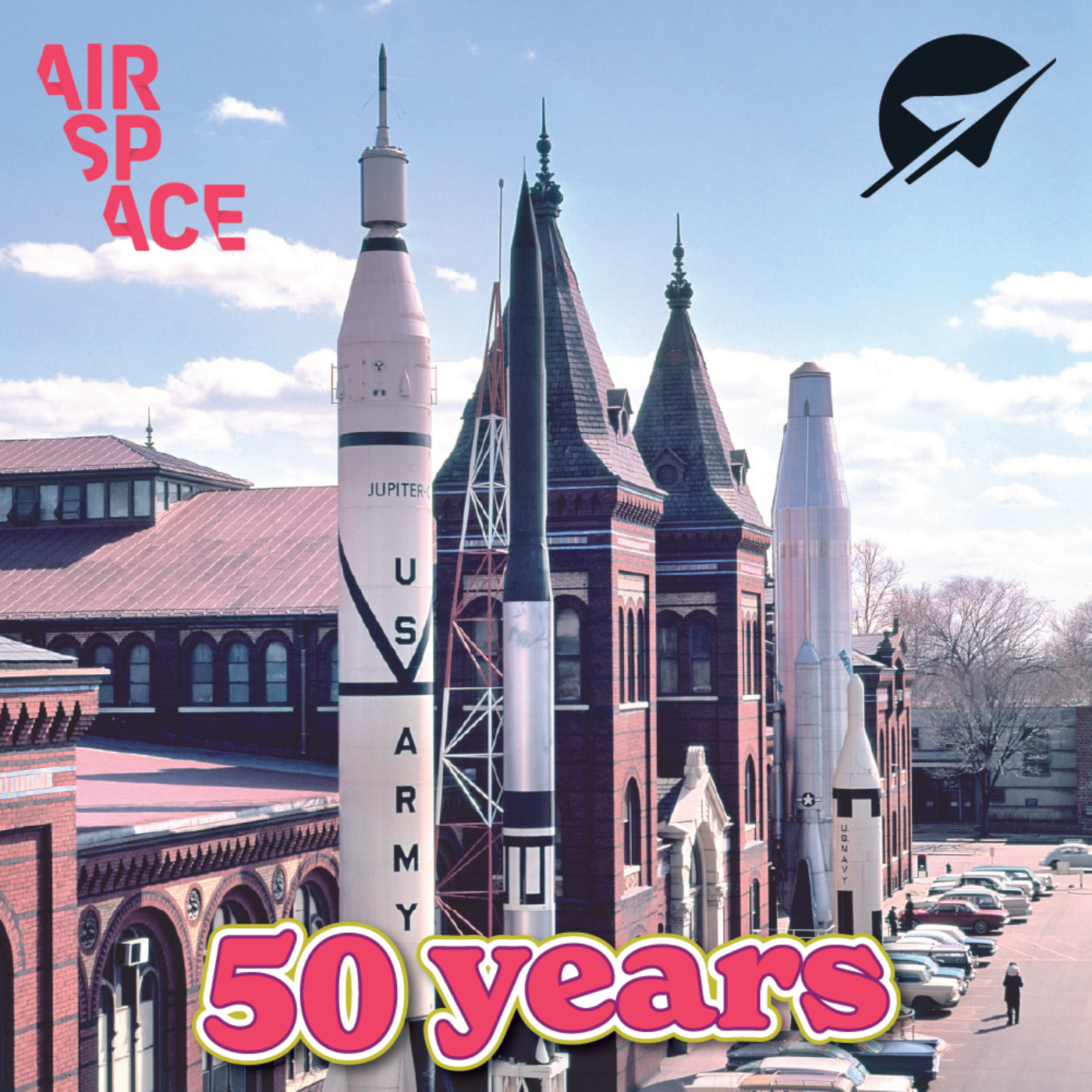
50 Years: Origins
Jul 900:29:39Tap to summarizeThe National Air and Space Museum’s building in downtown Washington DC just turned 50 years old, but the Museum’s story began long before the ribbon-cutting in 1976. In this episode, we’re continuing our four-part limited series “50 Years of Air + Space” by going back in time for the Museum’s origin story. We’ll explore early aerospace connections and artifacts at the Smithsonian and the interesting places they were displayed before a permanent home came together. We’ll also learn when and why “and Space” was added to our name, how competing visions of the Museum shaped what it became, and who worked to help bring it into reality. Thanks to our guests in this episode: Dr. Mike Neufeld, Emeritus Curator and Smithsonian Historian Dr. Jieun Shin, Professor and Researcher, Sejong University Dr. Tom Crouch, Emeritus Curator Find the transcript for this episode and more information at https://s.si.edu/50YearsEp2.Subscribe to our monthly newsletter at https://s.si.edu/airspacenewsletter.AirSpace is made possible with the generous support of Lockheed Martin.
Transcribe →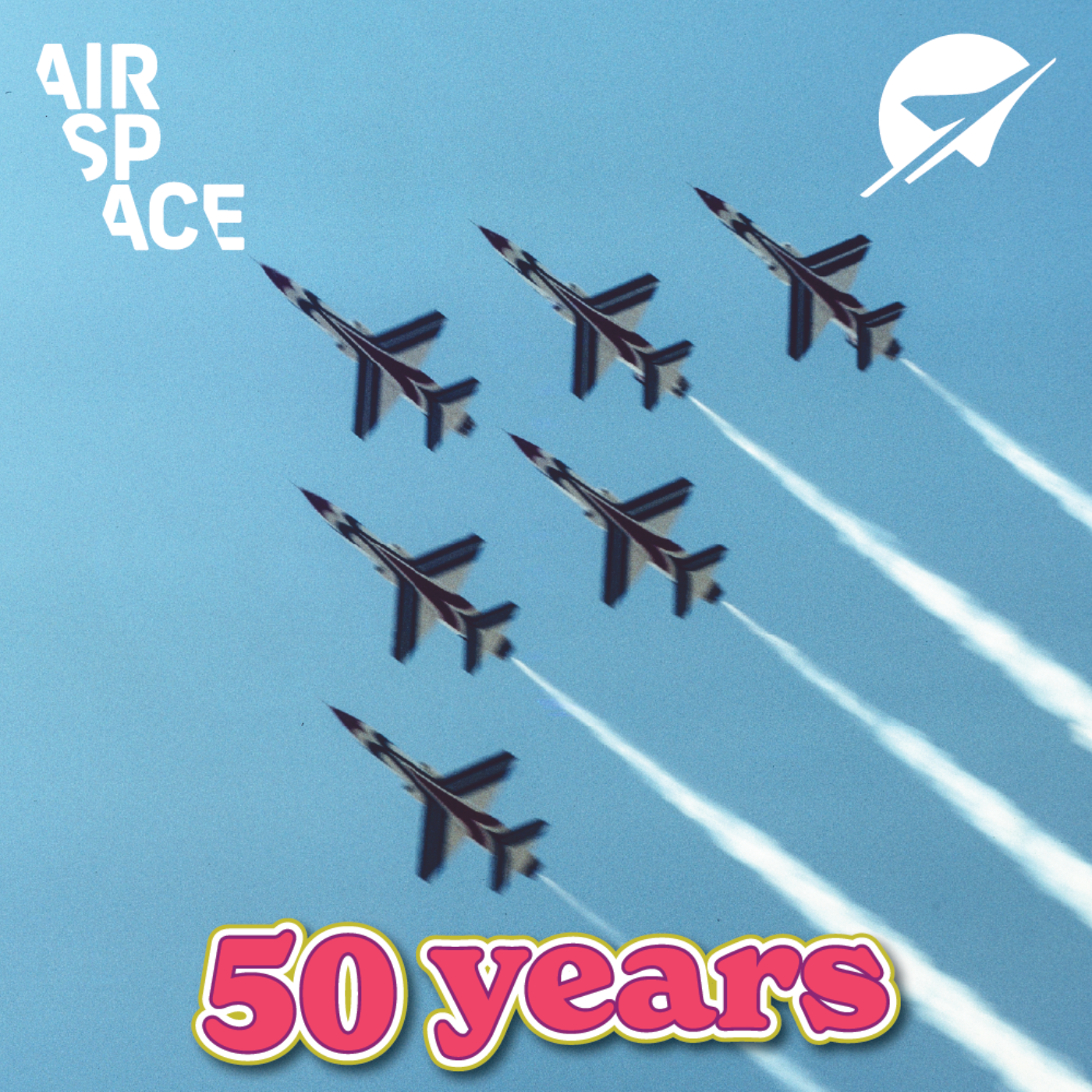
50 Years: Opening Day
Jun 2500:27:18Tap to summarizeOn July 1, 1976, the National Air and Space Museum opened its doors to the public. It was an unforgettable debut for an iconic building, complete with a flyover from the Air Force’s Thunderbirds, speeches from President Gerald Ford (and a certain Apollo astronaut), and a ribbon-cutting triggered by a signal from a spacecraft on its way to Mars. There was nothing quite like the National Air and Space Museum at the time, and thousands of people lined up on the National Mall in Washington, D.C. to be among the first to see artifacts like the Spirit of St Louis, the Apollo command module Columbia, and the Wright Flyer in the new building. Millions more have come through our doors over the last 50 years, and the Museum has continued to reinvent itself for future generations. Today on AirSpace, we’re launching our four-part limited series 50 Years of Air + Space with the story of our Museum’s Opening Day.Thanks to all our guests in this episode (by order of appearance): Dr. Bob van der Linden - Acting Chair of Aeronautics Dr. Ted Maxwell - Retired Chair of the Center for Earth and Planetary Studies Dr. Tom Crouch - Emeritus Curator Dr. Cathleen Lewis - Curator of International Space Programs and Spacesuits Dr. Michael Neufeld - Emeritus Curator and Smithsonian Historian Dr. Lonnie G Bunch III - Secretary of the Smithsonian Institution Find the transcript for this episode and more information at s.si.edu/50YearsE1.Subscribe to our monthly newsletter at s.si.edu/airspacenewsletter.AirSpace is made possible with the generous support of Lockheed Martin.
Transcribe →
AirSpace Bonus! Sidedoor: The Wright Sister
Jun 1100:40:47Tap to summarizeWe'll be back soon with new episodes of AirSpace! In the mean time, here's a treat from our friends at Sidedoor.Orville and Wilbur Wright have been immortalized as the men who opened the skies to human flight. But could they have achieved such great heights without the wind beneath their wings—their sister? Katharine Wright was her brothers' biggest champion, official spokesperson, closest confidante, and the only one of the Wright siblings with a college degree. For years, Katharine, Wilbur, and Orville were inseparable—until tragedy and a love affair upended everything. This is the story of the Wright sibling that history almost left out.Guests: Thomas Paone, curator at the Smithsonian's National Air and Space Museum Tom Crouch, curator emeritus of the aeronautics division at the Smithsonian's National Air and Space Museum and author of The Bishop’s Boys: A Life of Wilbur and Orville Wright You can find the transcript of this episode and more information on our website.
Transcribe →
AirSpace Revisited: How Do You Sleep?
May 2800:26:50Tap to summarizeOne of the most commonly asked questions about living and working in space is where and how the astronauts sleep. Watching the astronauts set up their sleeping arrangements on the recent Artemis II mission around the moon got us thinking about this topic again, so we're revisiting a favorite episode from 2022. Sleeping in space goes back almost as far as there have been people in space (specifically, a cosmonaut who caught some shuteye in 1961). Astronauts have slept in capsules, shuttles, space stations, and even on the Moon. Sleep is an important part of an astronaut’s health, particularly for longer duration missions. But from noisy crewmates to spaceship sounds and even the sheer excitement of it all, sleeping in space hasn’t always been easy. To find out what it’s really like, we speak with former astronaut Mike Massimino who relates his shuttle sleeping experience to a big slumber party. We’re catching Zs in zero-G, today on AirSpace.Thanks to our guest in this episode: Mike Massimino, former astronautFind the transcript for this episode and more information at https://s.si.edu/AirSpaceSleep.Subscribe to our monthly newsletter at s.si.edu/airspacenewsletter.
Transcribe →
Whirly-Girl #13
May 1400:27:43Tap to summarizeIn the late 1940s and early 1950s, helicopters were creating quite a buzz. After limited use during World War II, manufacturers ramped up production and enthusiasm for vertical flight soared. Although the dream of “a helicopter in every garage” never quite materialized, more civilian pilots earned their helicopter ratings. One of them was Jean Ross Howard, who became the 13th woman in the world to do so. In 1955, Jean brought together every woman helicopter pilot she could find to form an organization known as the Whirly-Girls.Today on AirSpace, Matt and Emily take a whirlwind tour of 20th-century helicopter history with the Museum’s curator of vertical flight, before diving into the story of the Whirly-Girls—from their founding and early years to the work the organization continues to do today.Thanks to our guest in this episode:Dr. Roger Connor, Curator of Vertical Flight, National Air and Space MuseumFind the transcript for this episode and more information at s.si.edu/AirSpaceS11E12.Subscribe to our monthly newsletter at s.si.edu/airspacenewsletter.AirSpace is made possible with the generous support of Lockheed Martin.
Transcribe →
Snoopy in the Sky
Apr 2300:21:45Tap to summarizeIT'S A BIRD! IT'S A PLANE! IT'S A . . . DOGHOUSE? Throughout Charles Schulz's Peanuts stories, Snoopy has used his incomparable imagination to go on iconic aviation and space adventures. He's transformed himself into a World War I flying ace, a charter pilot, an astronaut, and even a helicopter. Today on AirSpace, we learn how Charlie Brown's best friend Snoopy became a bona fide aerospace legend. We also learn about his impact on real-life aerospace industry and culture, including as a symbol of flight safety at NASA and a very special role on the uncrewed Artemis I mission in 2022. Thanks to our guests in this episode: Benjamin Clark, Curator at the Charles Schulz Museum Melissa Menta, SVP of Global Brands and Communications for Peanuts Worldwide Find the transcript for this episode and more information at s.si.edu/AirSpaceS11E11.Subscribe to our monthly newsletter at s.si.edu/airspacenewsletter.To learn even more about Snoopy in space, check out this article from Air & Space Quarterly. AirSpace is made possible with the generous support of Lockheed Martin.
Transcribe →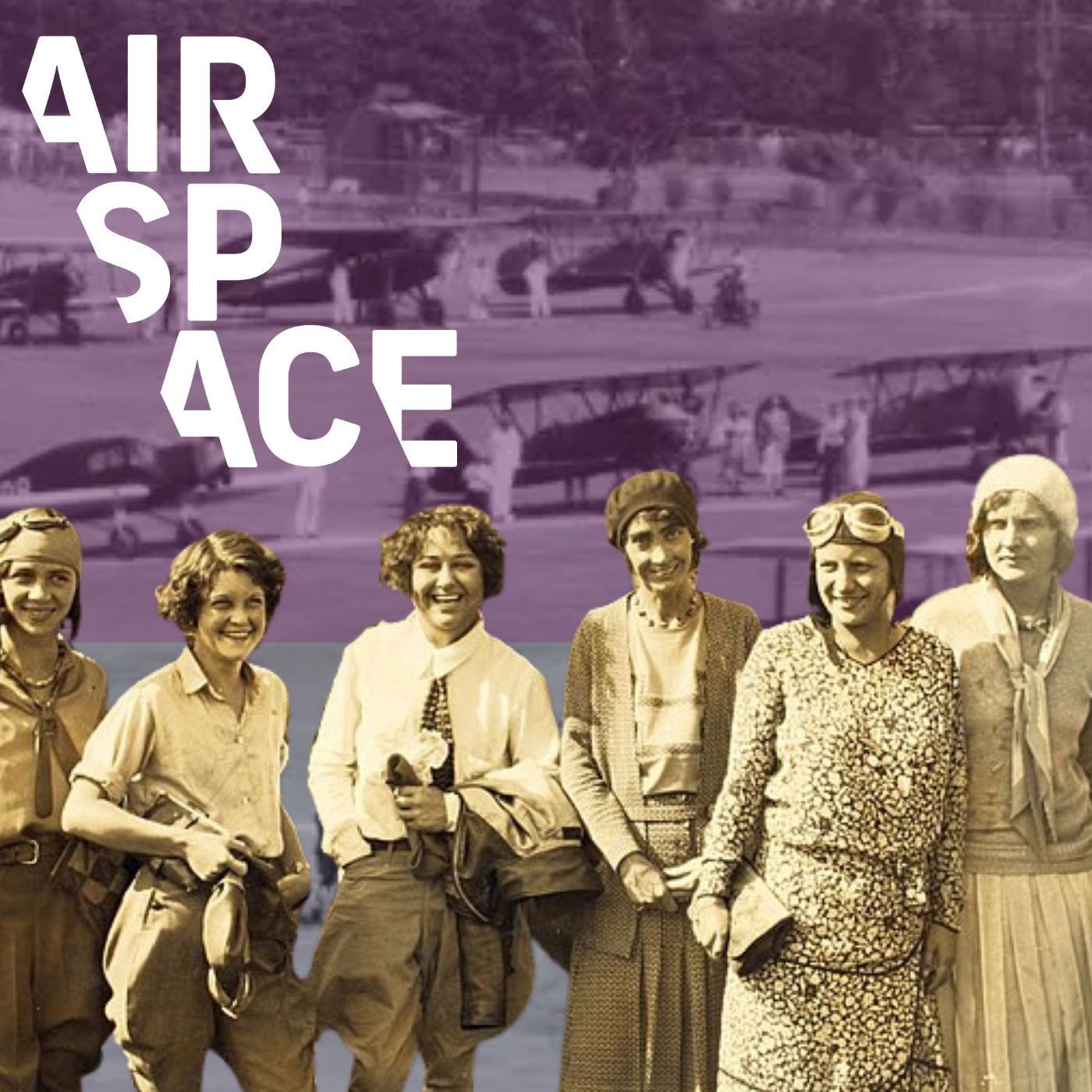
GO, SPEED RACERS! The 1929 Women's Air Derby
Apr 900:27:14Tap to summarizeSPEED . . . SKILL . . . SABOTAGE? In August 1929, twenty pilots took off from Santa Monica in a historic and thrilling air race. The all-female lineup—including big names like Amelia Earhart, Pancho Barnes, and Louise Thaden—hopped from city to city across the U.S. on their way to the finish line in Cleveland. Though it was dismissed by some at the time as the "Powder Puff Derby," the Women's Air Derby of 1929 was a major race between world-class pilots. It was also a national sensation at a time when pilots like Earhart and Barnes were genuine celebrities. And as if the race itself wasn't exciting enough, rumors of sabotage swirl to this day...Today on AirSpace: Matt and Emily are joined by aeronautics curator Caroline Tapp to learn all about the Women's Air Derby of 1929. Listen to find out who won, what happened along the way, and how the derby changed the way people thought about women pilots. Thanks to our guests in this episode: Caroline Tapp, Aeronautics Curator, National Air and Space MuseumFind the transcript for this episode and more information at s.si.edu/AirSpaceS11E10.Subscribe to our monthly newsletter at s.si.edu/airspacenewsletter.AirSpace is made possible with the generous support of Lockheed Martin.
Transcribe →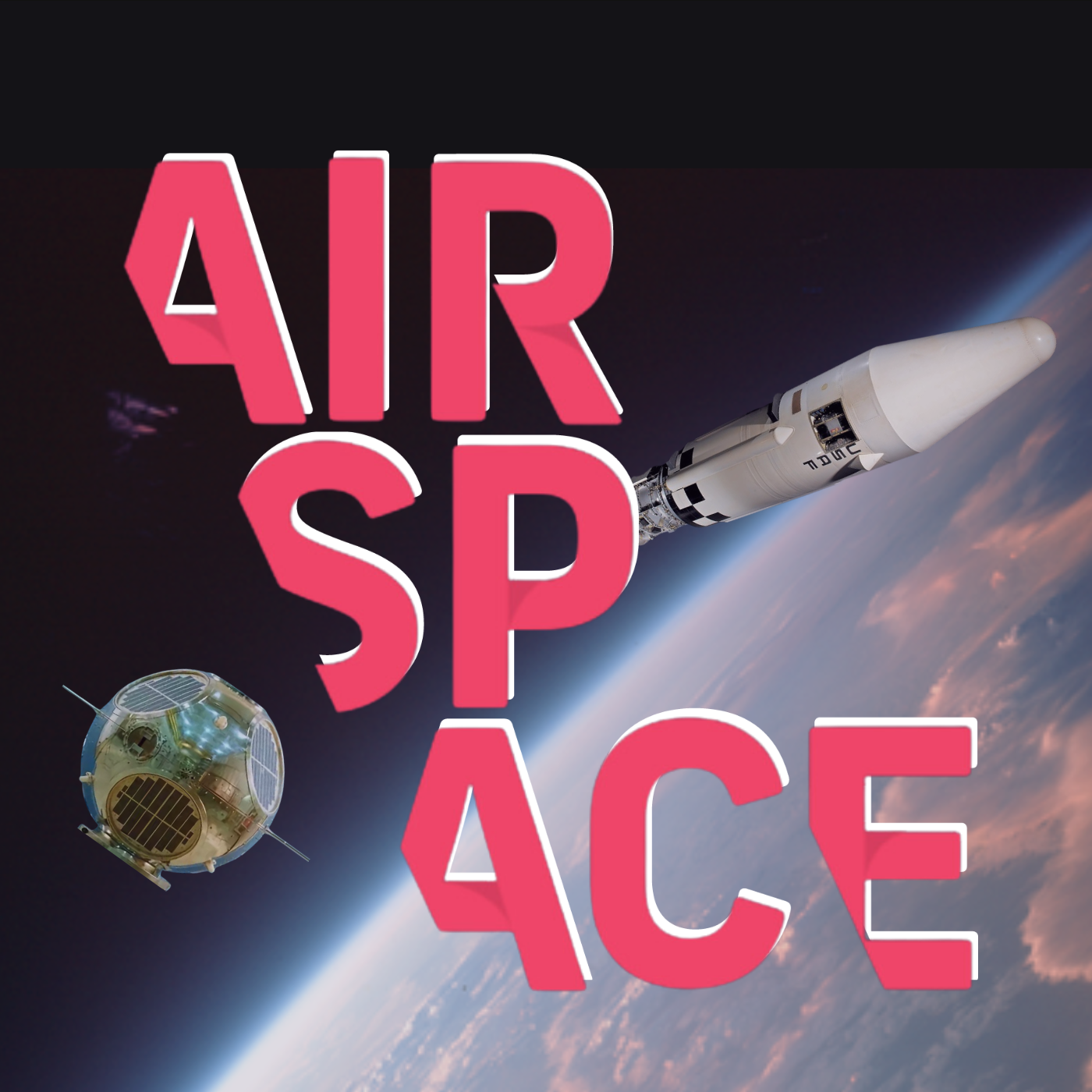
A Tale of Two Satellites
Mar 2600:40:51Tap to summarizeIn the Cold War, space was a new and critical frontier for intelligence. Many early satellites were spy satellites (although they did a bit of science, too). In this episode, we learn about two early U.S. spy satellite programs, GRAB and CORONA. We learn what motivated these programs, why they were so important to future satellite development, and how to recover film capsules mid-air using a gigantic hook on the bottom of a plane. Thanks to our guests in this episode: Keith Masback, intelligence expert Andrew Ross, Guggenheim Fellow, National Air and Space Museum Find the transcript for this episode and more information at s.si.edu/airspaces11e9.Subscribe to our monthly newsletter at s.si.edu/airspacenewsletter.AirSpace is made possible with the generous support of Lockheed Martin.
Transcribe →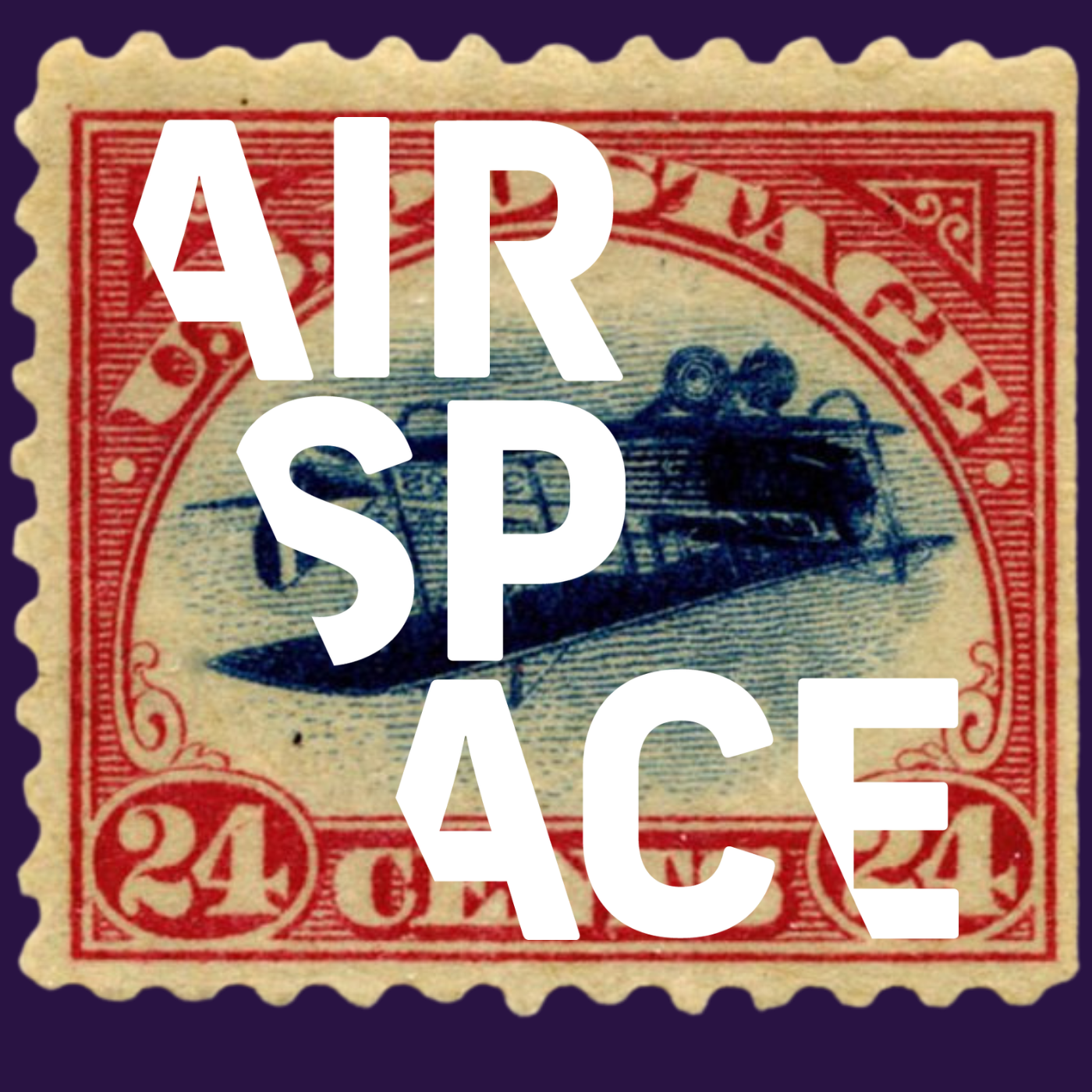
Scandalous
Mar 1200:25:01Tap to summarizeToday on AirSpace: the scandal of the century! Matt and Emily are joined by friend of the show and Museum curator Bob van der Linden to learn all the twists and turns of the Air Mail Crisis of 1934.The controversy centered on one question: who should fly the mail? Conflicts between brand-new commercial airlines, Congress, and the Roosevelt administration reached a boiling point that led to lucrative contracts being cancelled and the disastrous involvement of the Army Air Corps. In the aftermath, new regulation shaped commercial flight and the Postal Service for generations. This story is a political drama, a postal drama, AND an aviation drama. What more can you ask for?Thanks to our guest in this episode:Dr. Bob van der Linden, Curator for Commercial Aviation, National Air and Space MuseumFind the transcript for this episode and more information at s.si.edu/airspaces11e8.To learn even more about the Air Mail Crisis, check out the Museum's website.Subscribe to our monthly newsletter at s.si.edu/airspacenewsletter.AirSpace is made possible with the generous support of Lockheed Martin.
Transcribe →