Podcast
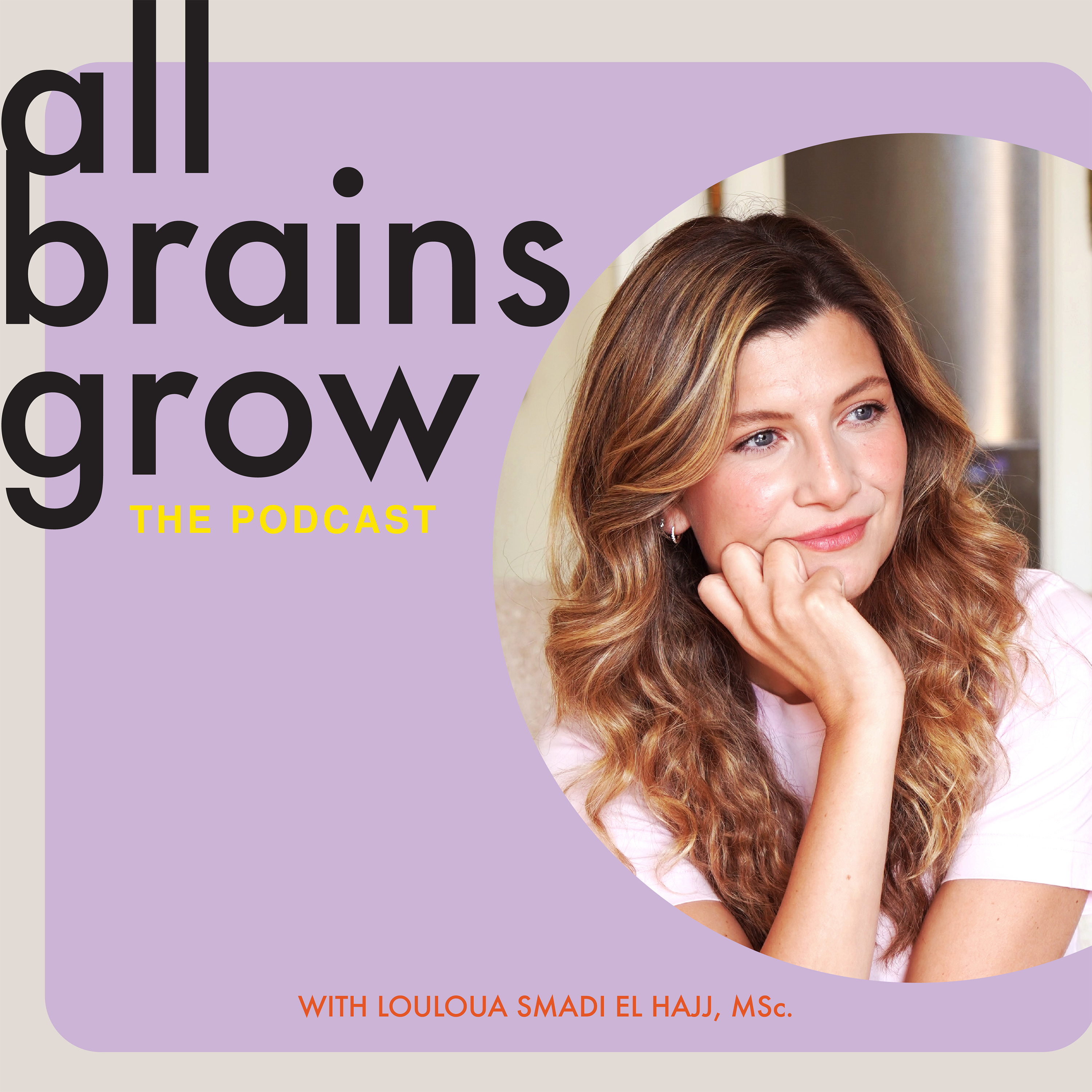
All Brains Grow
Hosted by Louloua Smadi El Hajj · EN
Progress can often feel impossible. Whether you’re parenting a neurodivergent child, navigating a life-changing conflict, or struggling to help yourself, it’s easy to feel stuck and overwhelmed. But I’ve learned through my journey—from growing up with an autistic brother, raising a deaf son with cochlear implants, to working as a neurotherapist—that growth is always within reach. Every brain can learn and adapt, no matter the diagnosis.
Hosted by Louloua Smadi El Hajj, founder of the educational platform All Brains Grow and author of ”From Client to Clinician”, this podcast offers tools, stories, and conversations to help guide you through possibilities which you might have thought unimaginable.
I’ll be sharing insights from inspiring caregivers, experts, and my personal experiences, answering questions like: ”How can I support my child’s development at home?”, ”What therapies or interventions are most effective?”, ”How do I manage challenging behaviours?”, ”How do I take care of myself?”, ”Am I doing enough for my child?”, ”How can I manage my feelings of guilt or grief?”, ”How do I stay resilient and optimistic?”
No matter how hard things may seem, believing in growth and change can lead to transformation—for your child, your family, and yourself. From neurodiversity to mental health, therapy, parenting or science, we won’t shy away from asking the vulnerable questions that will get you the intimacy and knowledge that you’ve been craving.
Let’s rewrite the narrative around neurodivergence and celebrate the everyday heroes who are moving mountains. Together, we’ll build a life of confidence, love, and acceptance—one story at a time.
Visit allbrainsgrow.com/podcast for support and resources, and be sure to rate, review and subscribe wherever you’re listening to never miss a episode!
(Parenting neurodivergent children, autism, neurodiversity, therapy, mental health, science, support for families with special needs, managing behaviors, home therapy techniques, sibling dynamics, resilience, and self-care for parents.)
12episodes
Episodes
Newest firstAll episodes
What If You Stopped Saying “Stop” to Behaviors? (And What to Do Instead)
Jan 1200:15:57Tap to summarizeWhat if the word “stop” is doing more harm than good? As caregivers, siblings, and parents of neurodivergent and disabled children, we often ask behaviors to stop, not out of frustration or lack of love, but because we want our loved ones to be accepted, included, and safe in the world. In this video, I talk about two essential steps when responding to behaviors: Step 1: Choose love and acceptance first Before teaching, before correcting, before explaining... we choose to be okay with the behavior. Not because we want it to stay forever, but because stopping a behavior without understanding the need behind it often creates more distress, not less. Step 2: Teach to the effect of the behavior, not the behavior itself Instead of saying “stop,” we teach cause and effect, gently, specifically, and in context. We explain how a behavior impacts others, the environment, or the moment, while still respecting the person’s need to regulate. Behaviors are not random. They are not “bad.” They are signals from a nervous system doing its best to regulate, cope, and survive. And don’t forget, all brains can grow. About Me: Hi, I’m Louloua, a mom, sister, neurotherapist, author and founder of All Brains Grow. I'm on a mission to empower families raising neurodivergent children by equipping them with the tools, confidence, and clarity they need at home and in real life. When you’re ready, here’s three ways I can help out 👇️ FREE GUIDE “5 ways to deal with meltdowns without feeling helpless" so you can feel in control when your child is out of control - https://www.allbrainsgrow.com/freebie... MY BOOK "From Client to Clinician: The Transformative Power of Neurofeedback Therapy for Families Living with Autism and Other Special Needs" - https://www.amazon.com/Client-Clinici... LEARN ABOUT BIOPLAY: aka biofeedback through play, our signature behavioral approach that feeds the brain intentionally through feedback, in order to create change physiologically and behaviorally, created by Dr Lynette Louise - https://www.allbrainsgrow.com/services
Transcribe →Believe They Understand: How Expanding Expectations Builds Stronger Brains
Jan 700:15:40Tap to summarizeDoes my autistic or neurodivergent child understand what I’m saying? This is a question so many parents carry quietly, and one I’ve asked myself countless times, as a sister, mother and neurotherapist. In this episode, I share why believing that our children understand, truly understand, can change the entire trajectory of their lives. After years of working with families and growing up alongside my autistic brother, I’ve learned that our expectations shape the brain just as much as any therapy session. I tell the story of a teenage autistic boy and a simple moment with a pack of cookies that revealed something powerful: when we expand our explanations, raise the bar, and presume competence, we open the door to independence, connection, and real neuroplastic change. This conversation is about giving our loved ones the information, feedback, and belief they need to grow. Not perfectly. Not instantly. But over time, because the brain is always learning. If you’ve ever wondered whether your child truly understands you, or worried that your efforts aren’t “landing,” this episode will help you see their potential through a completely different lens. And remember, all brains can grow. ------- About Me: Hi, I’m Louloua! I'm a mom, sister, neurotherapist, author and founder of All Brains Grow. I'm on a mission to empower families raising neurodivergent children by equipping them with the tools, confidence, and clarity they need at home and in real life. When you’re ready, here’s three ways I can help out 👇️ FREE GUIDE “5 ways to deal with meltdowns without feeling helpless" so you can feel in control when your child is out of control. MY BOOK "From Client to Clinician: The Transformative Power of Neurofeedback Therapy for Families Living with Autism and Other Special Needs" GROW WITH BIOPLAY aka biofeedback through play, our signature behavioral approach that feeds the brain intentionally through feedback, in order to create change physiologically and behaviorally, created by Dr Lynette Louise.
Transcribe →The Epilogue: A Season of Growth
Jul 31, 202500:08:42Tap to summarizeAfter 28 episodes, I’m closing this season with a quiet reflection on the voices that shaped this past year: parents, siblings, therapists, educators, and experts. And the ones I hope to hear more from in the next. You’ll hear moments from the most personal interviews, people who were brave enough to say things out loud they’d never said before. And you’ll hear from the mothers I sat with, privately and tenderly, who trusted me with their stories. This episode isn’t a summary. It’s a turning point. A reminder that growth isn’t always loud or linear, and that understanding someone deeply can be more powerful than changing them. Thank you for listening, for showing up, and for allowing this season to be a space for honesty. We’ll be back soon, with more voices, more truths, and maybe this time, a few more visuals. With love, Louloua You can find me: Instagram @allbrainsgrow www.allbrainsgrow.com
Transcribe →
The Music Teacher Who Broke the Rules — By Setting Them with Joan Koenig
Jul 24, 202500:45:45Tap to summarizeJoan Koenig didn’t just teach music, she redefined how it should be taught. In this fun episode, I sit down with Joan in the heart of her music school, surrounded by pianos, harps, and joyful noise, to talk about what truly makes a child learn. From welcoming my deaf son into her classroom with open arms, to creating a school where joy and discipline live side by side, Joan challenges the traditional rules of education, by setting better ones. We explore the power of rhythm, structure, and laughter in learning; the societal myths that make us believe education should be hard; and how music creates connection even when language or hearing is missing. Whether you’re a parent, teacher, or simply someone who believes in kids, this conversation will leave you hopeful, and maybe a little emotional. Because maybe the secret to great education… is joy. Joan Koenig is founder of L’école Koenig and author of “The Musical Child”. Head to www.allbrainsgrow.com for resources on how best to support your differently abled child.
Transcribe →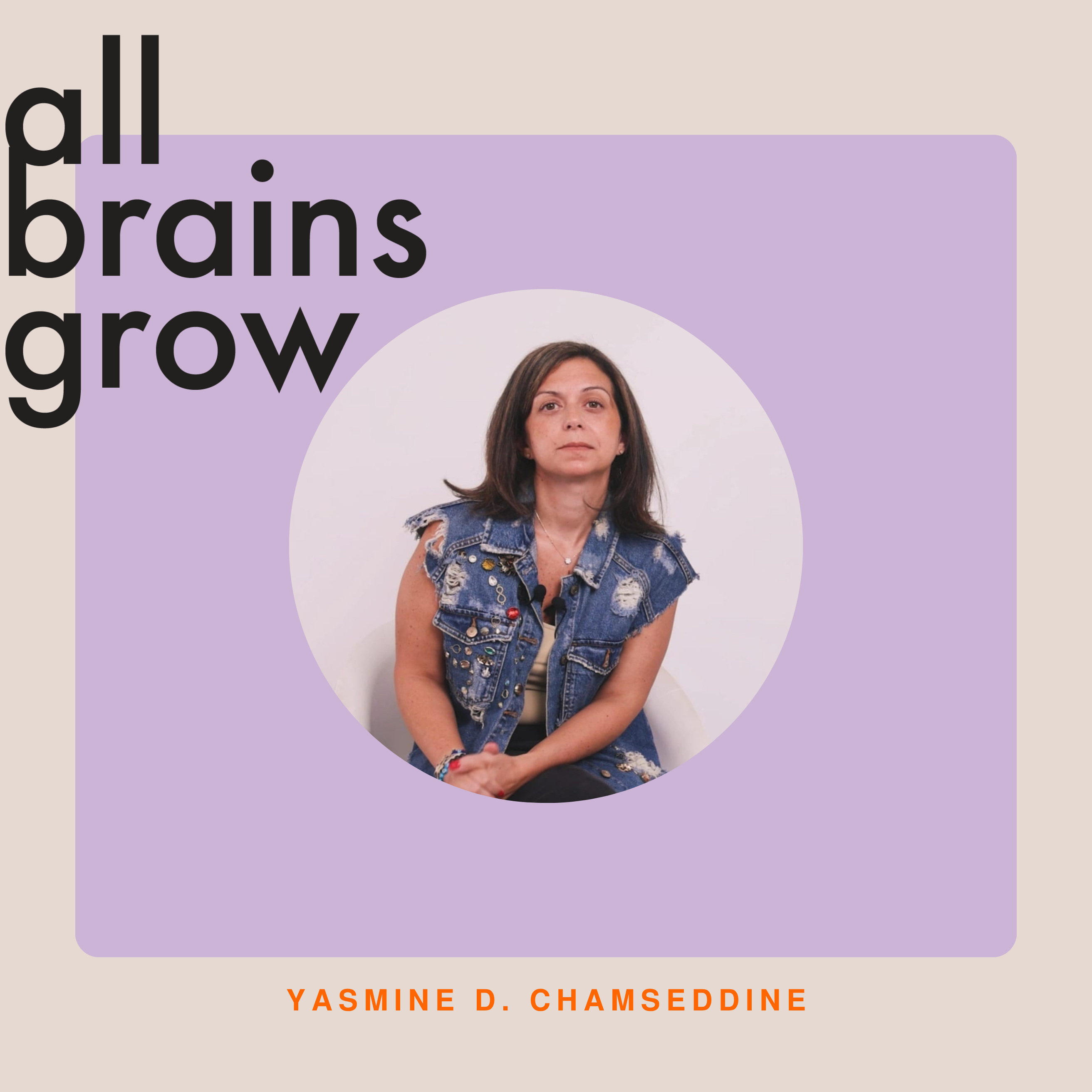
The Teacher-Therapist-Parent Trap with Yasmine D. Chamseddine
Jul 3, 202500:33:35Tap to summarizeEver felt like you're stuck in the middle? Between professional advice, school expectations, and your own gut instinct? In this episode, Yasmine D. Chamseddine joins us to unpack the quiet tension so many parents feel when navigating therapy, education, and advocacy. From late diagnoses and school pressure to the unspoken rules of “collaboration,” we explore what happens when everyone has a plan for your child, except you. This is the episode for every parent who’s ever wondered: Am I allowed to question this? Do I really get to say no? Raw, validating, and filled with truth that rarely gets airtime.
Transcribe →How Real Change Happens
Jun 27, 202500:10:13Tap to summarizeWe all want to create change, in our lives, in our children, in our families. But sometimes, without realizing it, our desire for growth turns into pressure, frustration, or even quiet rejection. In this episode, Louloua shares the hard truth about where real, lasting change actually begins: not with fixing what’s wrong, but with loving what is. She unpacks the difference between change driven by fear and change rooted in belief, and opens up about her personal journey — from chasing her son’s speech to rediscovering joy, connection, and a new way forward. You’ll also hear the story of her autistic brother, the meltdowns that shaped their family, and the unexpected lessons that came once they stopped resisting and started listening. If you’ve ever felt stuck, unsure how to help, or afraid of doing it wrong, this episode is for you. Head to www.allbrainsgrow.com for resources on how best to support your loved ones.
Transcribe →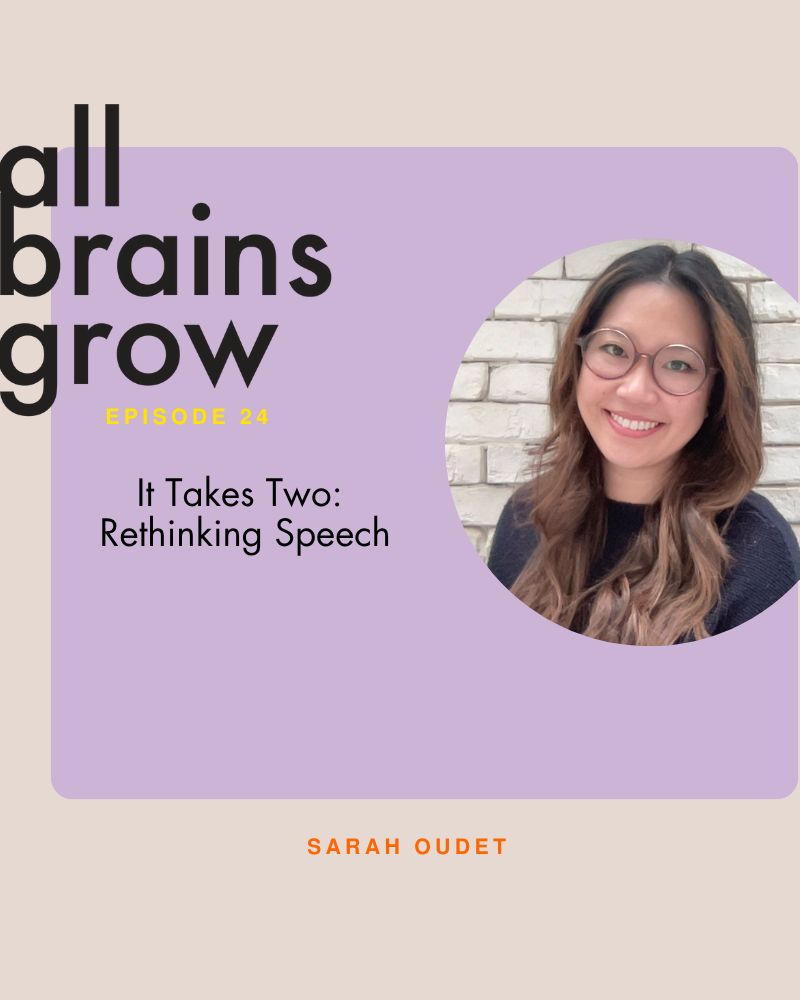
It Takes Two: Rethinking Speech with Sarah Oudet
Jun 19, 202500:42:50Tap to summarizeWhat if speech therapy wasn’t just about the child, but about empowering the parent too? In this episode, I reconnect with Sarah Oudet, a speech therapist, autism researcher, and mother of three, to explore how her professional and personal journeys have come full circle. Years ago, Sarah coached me through a parent-led speech program for my son, Talal. What stayed with me was this: the sessions weren’t really about him, they were about me. We talk about the Hanen program, what “parent-led” actually means, and why coaching the caregiver may be the most effective way to support communication and development, especially in bilingual and neurodivergent families. Sarah also shares her experience raising an autistic son in France, the challenges of navigating diagnosis in a culture that resists labels, and how she’s learned to balance therapeutic strategies with parenting values at home. Whether you’re a parent, therapist, or educator, this conversation is a gentle but powerful reminder: You’re not on the sidelines. You’re at the center of your child’s growth. Head to www.allbrainsgrow.com for resources on how best to support your neurodivergent child.
Transcribe →What If It’s Not a Motor Issue, But a Belief Issue?
Jun 13, 202500:09:08Tap to summarizeIn this solo episode, I share a powerful question a dad recently asked me about his autistic son—one that opened the door to a much deeper conversation about motivation, brain development, and how we teach. His son has psychomotor difficulties with his hands but loves cooking. Should he be encouraged to pursue it, even if it's hard? Or is that setting him up to fail? We explore why ability is only part of the story—and why belief, emotional safety, and how we teach matter just as much as what we teach. I walk you through the principles of BioPlay, how to create a learning environment that feels joyful and light, and why fun is not a luxury—it's a requirement for growth. If you’ve ever wondered how to support your child’s passions while still being realistic, or how to strike the balance between challenge and compassion, this episode is for you. Head to www.allbrainsgrow.com for resources on how best to support your neurodivergent child at home and in real life.
Transcribe →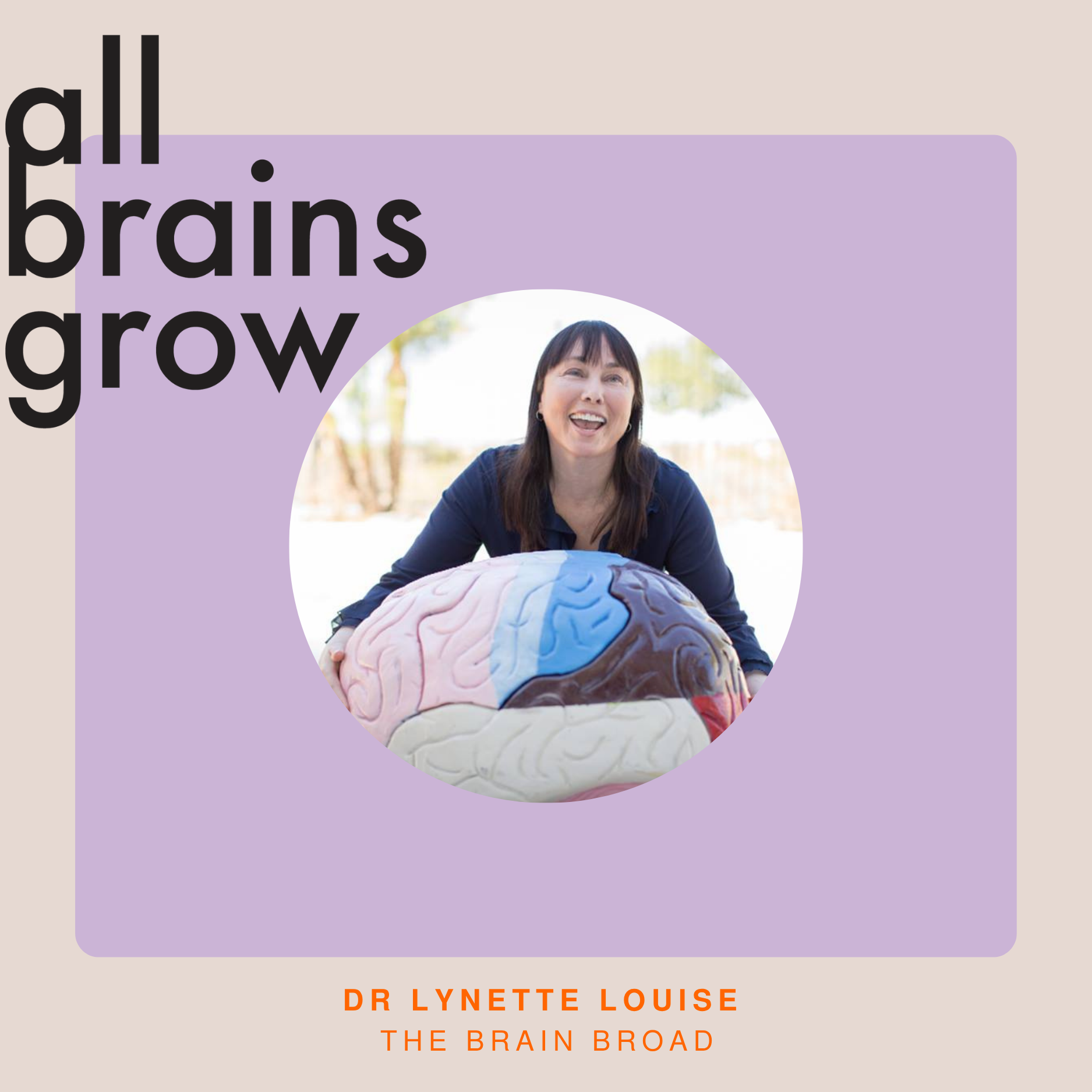
The Sensory Obsession with Dr Lynette Louise
Jun 5, 202500:33:22Tap to summarizeWhat if your autistic child never learns to like something like sand? Will it hold them back? Will it mean they’re not “regulated”? In this episode, I’m joined once again by my mentor, Dr. Lynette Louise, to unpack one of the most misunderstood topics in the world of autism: sensory regulation. I open the conversation with a story about my autistic brother—his intense stims, the sounds, the taps, the stillness. These sensory experiences are deeply familiar to so many of us, but what do they actually mean? Are they obstacles to learning? Clues to something deeper? Or simply part of the child’s natural way of being? Together, we challenge the way sensory sensitivities are often pathologized or treated like checkboxes in therapy. From a parent worrying about her son’s aversion to sand to the over-reliance on sensory rooms and swings, we dive into how misunderstanding sensory behavior can distract us from the real work of connection, teaching, and growth. Dr. Lynette reminds us: it’s not about fixing everything—it’s about understanding what matters to your child and what doesn’t. Because sometimes, nothing bad happens if your child doesn’t like sand. This episode is an invitation to look beyond the obsession with regulation and see the child in front of you. Head to www.allbrainsgrow.com for resources on how best to support your neurodivergent child at home and in real life.
Transcribe →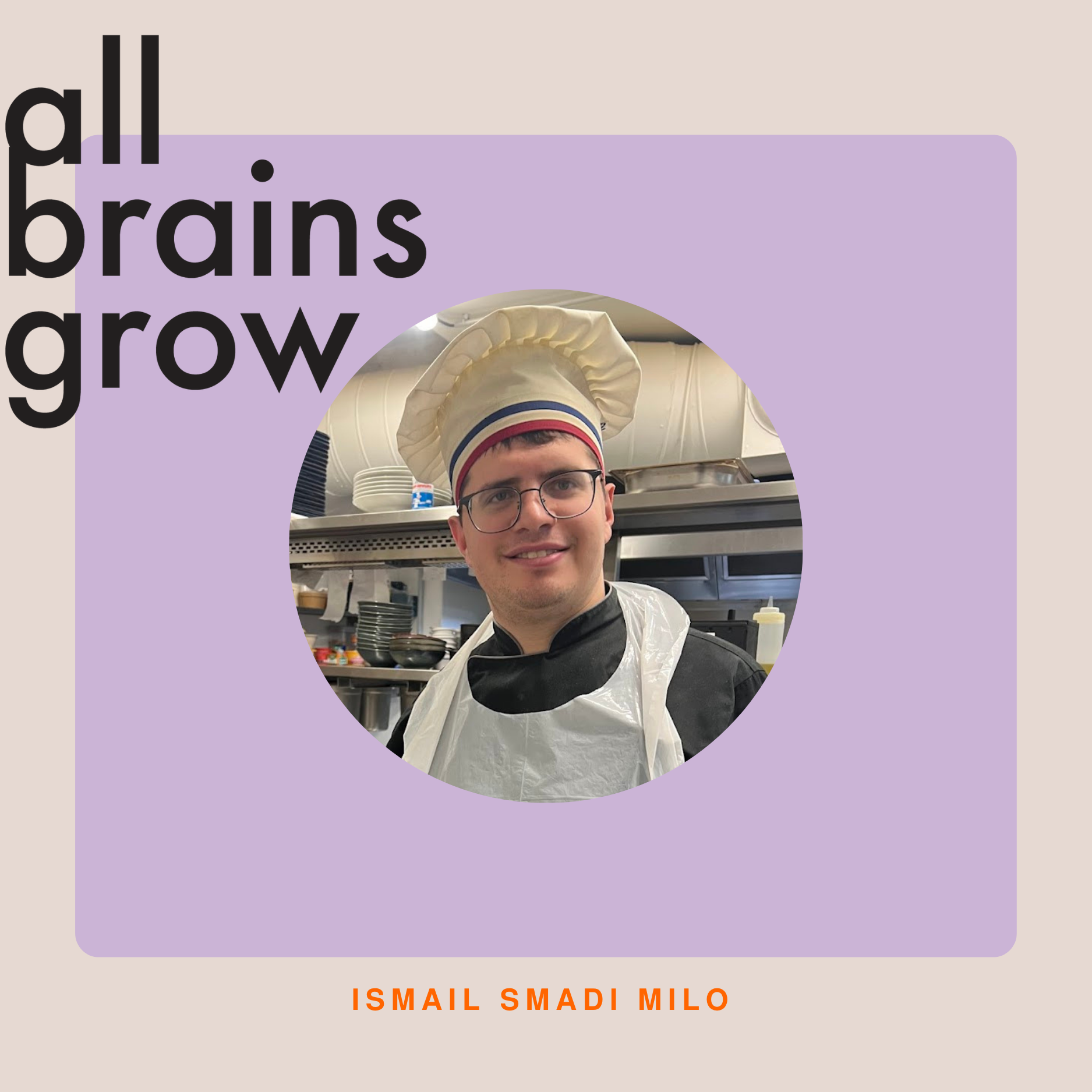
A Phone Call with My Autistic Brother
May 29, 202500:11:28Tap to summarizeEvery evening around 5pm, Milo calls. It’s a rhythm as familiar as the streets of Paris he walks while on the phone. In this episode, I share one of those calls. It might sound like a simple sibling exchange, full of repeated phrases, reminders, and offbeat transitions, but listen closely, and you’ll hear something much deeper. This isn’t just a phone call. It’s a window into neurodivergent communication, into the rituals that bring comfort, connection, and meaning for my autistic brother. It’s also a reminder that a person's behaviors, however repetitive or "different", don’t limit their capacity for independence, love, or joy. I recorded this conversation not because it was extraordinary, but because it was ordinary. Because it reflects a truth I want every parent, sibling, and loved one of an autistic person to understand: your child, your sibling, your person can live a rich, connected, meaningful life. Even if they repeat things. Even if the way they engage looks different. Let this episode be a small invitation to listen differently, love more fully, and believe in what’s possible. Head to www.allbrainsgrow.com for resources on how best to support your neurodivergent child or loved one.
Transcribe →