← All Of It with Alison Stewart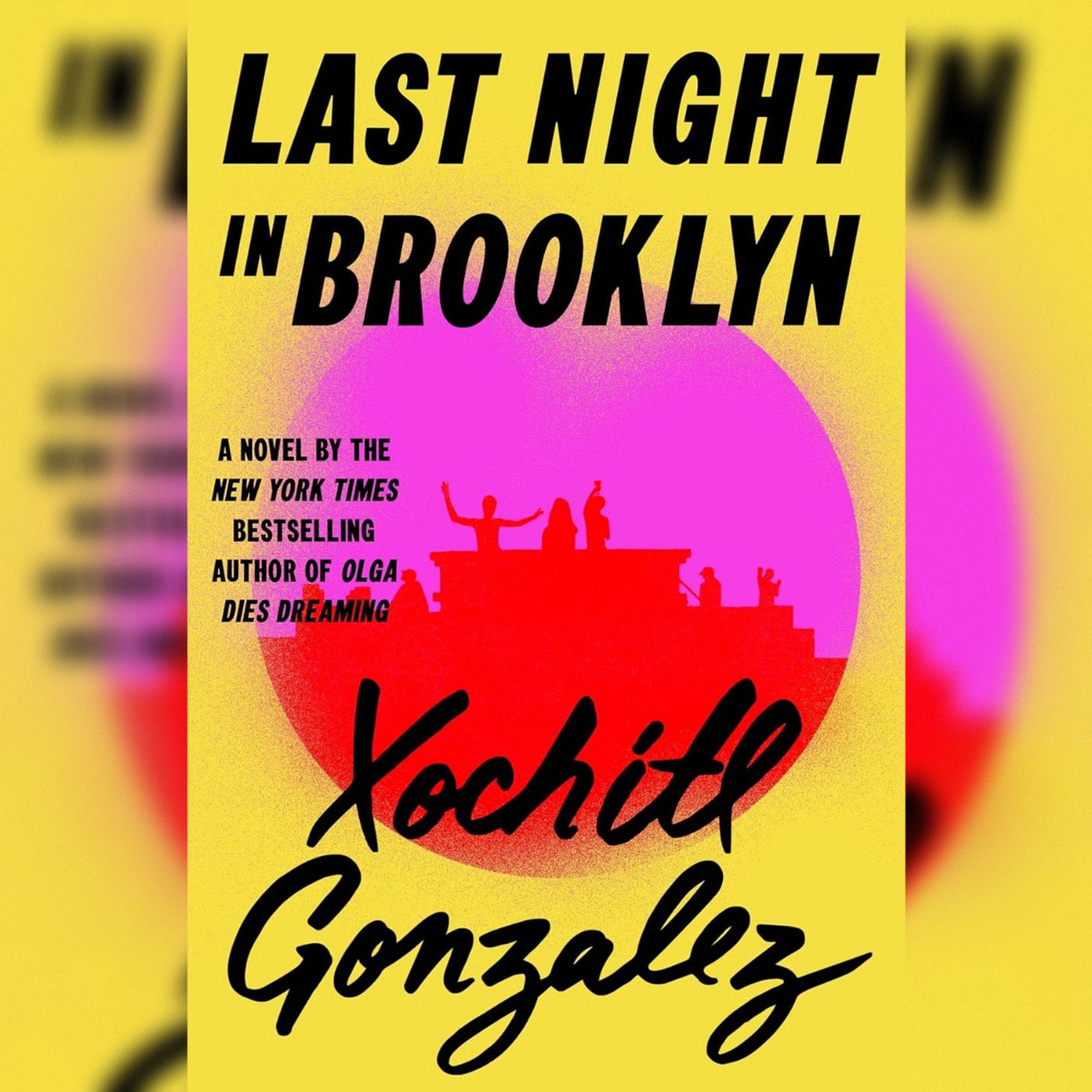
All Of It with Alison Stewart
Gentrification and the American Dream in 'Last Night in Brooklyn'
00:16:39
Loading summary
Transcript43 lines
- [00:00]
A
Foreign. This is all of it on wnyc. I'm Alison Stewart. We continue our hour of new releases with a Love letter to 2007 Brooklyn. Before Obama, before the Barclays center opened, and before real estate went through the roof. It's titled Last Night in Brooklyn. Set in Fort Greene, the novel follows 26 year old Nue Rican Alicia at the crossroads of her life. She returns home to save money for her wedding, while her fiance, a man she met while visiting her father's family in Oak Bluffs, attends medical school in Syracuse. However, the distance puts a strain on the relationship. As he studies to become a doctor, Alicia explores a new side of herself alongside up and coming professionals in her neighborhood in search of their own version of the American dream. The novel explores themes such as gentrification, socioeconomic class, and what it means to be from a place that is rapidly changing. Author Xochil Gonzalez is also the author of the critically acclaimed novel Olga Dies Dreaming and Anita Laughs Last. I began our conversation by asking Zoechil why she chose to set this story in 2007 Fort Greene.
- [01:22]
B
So, you know, it's in some ways a Gatsby reimagining. And I wanted to think about another time where it felt like we were just making money in our basements and like, you know, like, and everything felt up and up and up and you thought there was no down. And that 07 summer, like it was like even if you didn't love Hillary or Barack, you were like, oh my God, but we might make history. Like it was this idea that you were going to participate in tremendous change and cracking open America. And then also people were so rich and it felt like everybody was kind of rich and there was still like a third layer of middling job that I think now is AI driven that like you kind of really did leave at 6 and you could go and have a great time with your friends.
- [02:09]
A
Yeah.
- [02:09]
B
So it was really a moment of possibility and I felt like it seemed the right moment to center like sort of reimagine this kind of classic American tale of classism.
- [02:22]
A
You want your protagonist, Alicia. She's Alicia. She's sort of at an in between point in her life.
- [02:28]
B
Yeah.
- [02:28]
A
First of all, what qualities did you want her to have, your character?
- [02:31]
B
So I wanted her to sort of be, I wanted her to be rooted in Brooklyn. Like she's like, and she's not from like a sexy part of Brooklyn. She's from like Gravesend, you know, like, and like she had gone to Yale and so she had this sort of like Insight. She's had a bunch of insights into, like, a better way to be, and I think she's just not sure. And is that better? Like, and she's skeptical. And so she's always been forced to kind of live between worlds. And she finds herself now in her own hometown, living in another version of her own hometown. And on the one hand, and she's actually really seduced by it. Like, she's like, feels really seduced. And so she's kind of thinking, like, am I buying into this other life now? Because it's kind of populated with the people that she sort of thought she didn't like. And on the other hand, she finds a friend circle, and. And that kind of makes this place feel like home in a way that no place had really felt for her before, and in a way that clearly her fiance didn't feel.
- [03:28]
A
Well, let's ask about James. How attached is she to the idea of marrying James?
- [03:33]
B
She is so into the idea of marrying James, and I think that that's also very arts because I really feel like if you were a high performing woman, like, you kind of did all of the things, you got into a great school, and then it was like either like med school, law school, or marriage.
- [03:52]
A
Yeah.
- [03:52]
B
And like. And you're like, now what do I do with myself? And then, of course, her mother really likes the idea of James. And then that makes her really like the idea of James. And so. And then James is nice, you know, like, he's like a nice guy. So I don't think that he ever really, like, I don't think he ever quite titillates her. But, like, he's like, he's really nice. And she knows, she's got this, like, sense that she's like, well, that is the right thing to do. And in that sense, my mother is probably correct and I should just be with this nice guy. But life and that feeling of not having everything so safe is also really titillating.
- [04:28]
A
Enter Mateo.
- [04:29]
B
Enter Mateo. As things happen sometimes. Yes.
- [04:33]
A
What does Mateo offer her that James doesn't?
- [04:36]
B
Mateo is not attached to a plan. Like, I think at one point she talks about James. She's like, when James is told a good idea, nothing is gonna sway him from it. Right. And I think Mateo is sort of like, you know what? Like, this sounds good. Like, do you feel like going over to Red Hook now and staying up all night and like, then going into a dance party? Like, like, anything goes for him. And I think that he's so in the moment and he's hot. And he DJs, you know, like, he's like sort of like the guy who knows where the party is and he's got good taste. And it's like he feels so like, present and alive and not kind of putting everything off to the future. And I think that she's really interested in this present and maybe not doing everything towards the future.
- [05:19]
A
We're talking to Xochil Gonzalez about her latest novel, Last Night in Brooklyn. It revisits 2000 Fort Greene through the eyes of its character, Alicia, and represents the different aspects of the American dream. Throughout the novel, Alicia has a sort of an internal monologue, sort of reconciling her Puerto Rican heritage to her mother's side. And the possibilities slash opportunities through her sort of wealthy, African American father's side of the family. But that relationship is complicated.
- [05:48]
B
It's very complicated.
- [05:50]
A
What makes it complicated?
- [05:52]
B
So she was the product of like a summer fling between her dad and a paralegal at his law firm. And her mom being the paralegal, you know, like, she'd gotten her associates at John Jay very proud of it. And like, you know, and like, and she is literally thought that this, like, her mom kind of thought this was the ship that had come in and then he just disappears. And rather than like, be even like mad about it, she kind of pines for it.
- [06:17]
A
Yeah.
- [06:17]
B
And so this whole, like, she's sort of. Alicia's kind of like, shaped in reaction to her mom's love addiction, you know, like, and it's like, like, okay, like. And I. In a weird way, I think that's also like, the appeal of James is like, she's like, I'm not that into him, but I don't know that that's good because look at how obsessed my mom was with my dad. And like, and I don't even think he's all that great, you know, like, it's like, I think, like, she's really torn by this. And her dad kind of wasn't around very much and he's very arms. Because she's kind of a stain on the. The family. And they're very proper and very old fashioned. And so it wasn't like she was really fully embraced. She was just literally given the name.
- [07:00]
A
What conversations did you want to have around race and color?
- [07:03]
B
You know, I really wanted to talk a lot about kind of elitism that exists within communities of color because I think that I've written a ton about elitism and racism, you know, sort of in like, the larger world and in upper class circles and I think that stuff still means something and plays out within minority communities also. And you know, there's a line that she has later on where she's like, you actually probably couldn't even tell the difference between my mother and my father. Like. Cause like her, she's like, like my father's so light skinned and my mother's so relatively like dark as a Puerto Rican woman that like, like I don't know who I like who I took after. But like, but it doesn't matter because I've never seen us fully this and I've never seen as fully that. And this idea of what gets you excluded and what gets you included I think was also a conversation that you know, I think is something that a lot of the Latino community is often having and like should be having more. I think it's a lot of conversation that happens within the Afro Latino community and the black American community. And I think just I felt like I hadn't really, I had this conversation with friends and I hadn't really gotten to talk about it here. And I think the class side, I think a lot of us don't like to talk about at all. I was gonna ask you, like when
- [08:21]
A
you talk to your friends about it,
- [08:22]
B
are people like oh, I'll have a beer instead.
- [08:24]
A
Or like do they wanna talk about it or is it.
- [08:27]
B
I think that my. I write about class a lot so I think that now people are pretty feel safer talking to me about it. And I think I write about it cause I'd always kind of talked with my friends about it. And you start to like learn ways to privilege that. In fact, I don't even like using that word because I think it like shuts people down. But I think it's like, like the difference that a well resourced childhood makes versus like an unresourced childhood. And I think you know, she encounters like, you know, a big part of the book is that she encounters her neighbor, this woman Lagarza, who is literally kind of one of these people that's made from scratch, you know, like, like, like completely. And even though she doesn't make a big deal of it, she does get help. Like she does know how to operate. She can turn that on and walk into harden her R's. Like Alicia code switches. She code switches. She can go and play tennis and like. And I think she sees in this woman and kind of admires it because she understands how she didn't get any, any of thing. Like I think you know, like a diamond, like she didn't get any of that diamond polished at all by, like, in prep to try to enter this world. And I think she both sees that she hates that that happened to her, but then she also sees how it's helped her. And she also kind of likes getting to go out to somebody's house in the Hamptons. Like, she. You know, like, she's like. At one point, she's like, I didn't particularly like the way my family treated me, but those beaches are beautiful. Like, Right. Like, it's like. Like when I would go up to the Vineyard. So I think that she's a little tormented by it, but she does see that it gave her an advantage that her own mother didn't have. Like, Right. Like, because her mom really was like, oh, this is what it's like over here in Manhattan. Like, that seems nice. And then, like, felt she needed a man to give it to her, you know, like, and I think that she's sort of, at least as a real observer, but she's also, like, taking those observations. And a lot of the book is, like, what she's then learning, and I love that part of life, and it was, like, a lot of fun to write. That phase of life, right? Like, when you're. Everybody you're meeting is a lesson.
- [10:30]
A
It's interesting. Lagarza. I want to bring her up. It's someone Alicia knows from her neighborhood who is often called Gigi in the book. What's the difference between Gigi and La Garza?
- [10:41]
B
Gigi is, like, soft, and she is tender, and she is, like, all love and sends her brother, who's in the military, like, a letter of encouragement every month. You know, like, Gigi is making you dinners, and La Garza is, like, showing up to a party ready to be put in Page Six. Like, you know, like, Legarza is like. Like, she steels herself. She's like, Sasha Fierce. But everybody thinks Legarza is Legarza, and most people don't get to see Gigi. And it's like. And Alicia lives across the street, and she's, like, slightly obsessed with her neighbor, and she sees her being Gigi before she even knows what Gigi is, because she sees her having coffee and writing in her diary and, like, you know, staring off into space. And so, like. Like, Gigi is the girl that she thinks the world's too rough for. And probably it is, you know, and Legarza is New York tough, and she's ready to be seen. And I think a lot of the time, especially as a woman, when you're trying to make a name for yourself, you have to have that Persona. Like.
- [11:49]
A
Yeah, I'm talking to Xochil Gonzalez about her latest novel, Last Night in Brooklyn. There's a character in the book that constantly refers to Brooklyn, like Paris. Why does she choose Paris?
- [12:02]
B
There was a period of time in Brooklyn around this era when this book was shaped that everybody was walking around with, like, handlebar mustaches and, like. Like, the next thing you know, like, it was like, like, the people would speak with, like. Like, like, bated breath about, like, did you hear they're opening a cheese shop? Like, like, it was like, like, there's going to be artisanal cheese. Like so. And so, as a native Brooklynite, people were. And they. That was kind of around the same time that they opened up that French immersion school in Carroll Gardens. And it was like. It was like this bizarre obsession with things. French opening in Brooklyn as a signifier to Brooklyn finally getting nice. And it would. There's always a little bit of me in these characters. It would make me nuts because I was like, I have been to Paris. This is nothing like Paris. This is nothing like Paris. And so. But there was this idea that if we could make this, like, Paris, then it would finally be really nice. And then us having moved here would have been worth it. Like, it was that risk taker, you know, like the person that bought the brownstone. But, like, maybe didn't love the block at the time. It was like, but now we're getting a cheese shop. Everything's great. Everything's great.
- [13:18]
A
It's interesting because there is a character who talks about Brooklyn having potential, which could be seen as a positive or can be seen as a pejorative.
- [13:25]
B
Yeah, yeah, yeah, yeah. And I think they. He sees it as a pejorative. He sees it as a pejorative. I think there's that same character. There's a scene where the Neck defunct Blue Ribbon Brooklyn. And he's like, if only you had more of these, then it would really be something, you know? And she's like, well, then it would be Manhattan. Right? Which, you know, we could say. We could argue about, like, if that maybe has slightly happened.
- [13:49]
A
It's true. You obviously, if people follow you on social media, they know that you write a lot about gentrification.
- [13:56]
B
Yes.
- [13:57]
A
What do you think has been underreported about it?
- [14:00]
B
I think that what actually doesn't get looked at is there's a lot of work now. I'm finishing a nonfiction book about class. But, like. Yeah, but, like, what I found out was that when I moved to my grandparents because I was, you know, my mother is a socialist activist, so I went to live with them so I could be settled. And I. It was 1980 and 10% of Brooklynites had college degrees. And so it was truly like a working class place and a blue collar place because people, you know, you. You couldn't get a New York Times outside of Brooklyn Heights, like to save your life. Right? Like, like if you needed it for a school project, you're like, I don't know where to get a New York Times. Like you were getting the Post to the Daily News. And so like, you know, and then by the time, I think 22,000 census, maybe 2010, 2010 census, I think 40% of Brooklynites had a college degree. And so that is a fundamental shift of you. We can call it racial and we can often talk about it racially, but it is also a fundamental, like culture value shift. Because, you know, when you are living with fiscal precarity, you know, you tend to be more communal because you're like, you may need my help today, you might need my help later. And if the entire point of college at America, for your college in America is like finding your individuality and your thing. And so it's really like truly a values change. And I think that that was the thing that I read that data point and I was like, well, this makes a lot more sense. Like, yeah. And it felt less amorphous, Right? Like, yeah, yeah, yeah, yeah.
- [15:31]
A
I don't want to give away the end of the book, but was that always going to be the end of the book?
- [15:40]
B
Yes, because it's not necessarily a happy end. No. But I was very inspired by taking on a kind of Gatsby esque tale. And there was a certain inevitability. Yeah. And she's kind of a metaphor for Brooklyn in and of itself. And it was a bit of an inevitability. But we won't give away the end.
- [16:03]
A
We won't give away the end. But I was curious if that was always going to be the end. And it sounds like it was.
- [16:08]
B
Yeah, I think it was more the how that I spent a lot of time noodling.
- [16:12]
A
That was my conversation with Xochill Gonzalez and her recent novel Last Night in Brooklyn. Listeners, if you're signed up for the Summer Reading Challenge, don't forget that it ends on September 7th and you can head to wnyc.org summerreadingchallenge to fill out the form if you've completed all your books. And that's all of it for today. I'm Allison Stewart. I appreciate you listening, and I appreciate you. I'll meet you back here next time.