← All Of It with Alison Stewart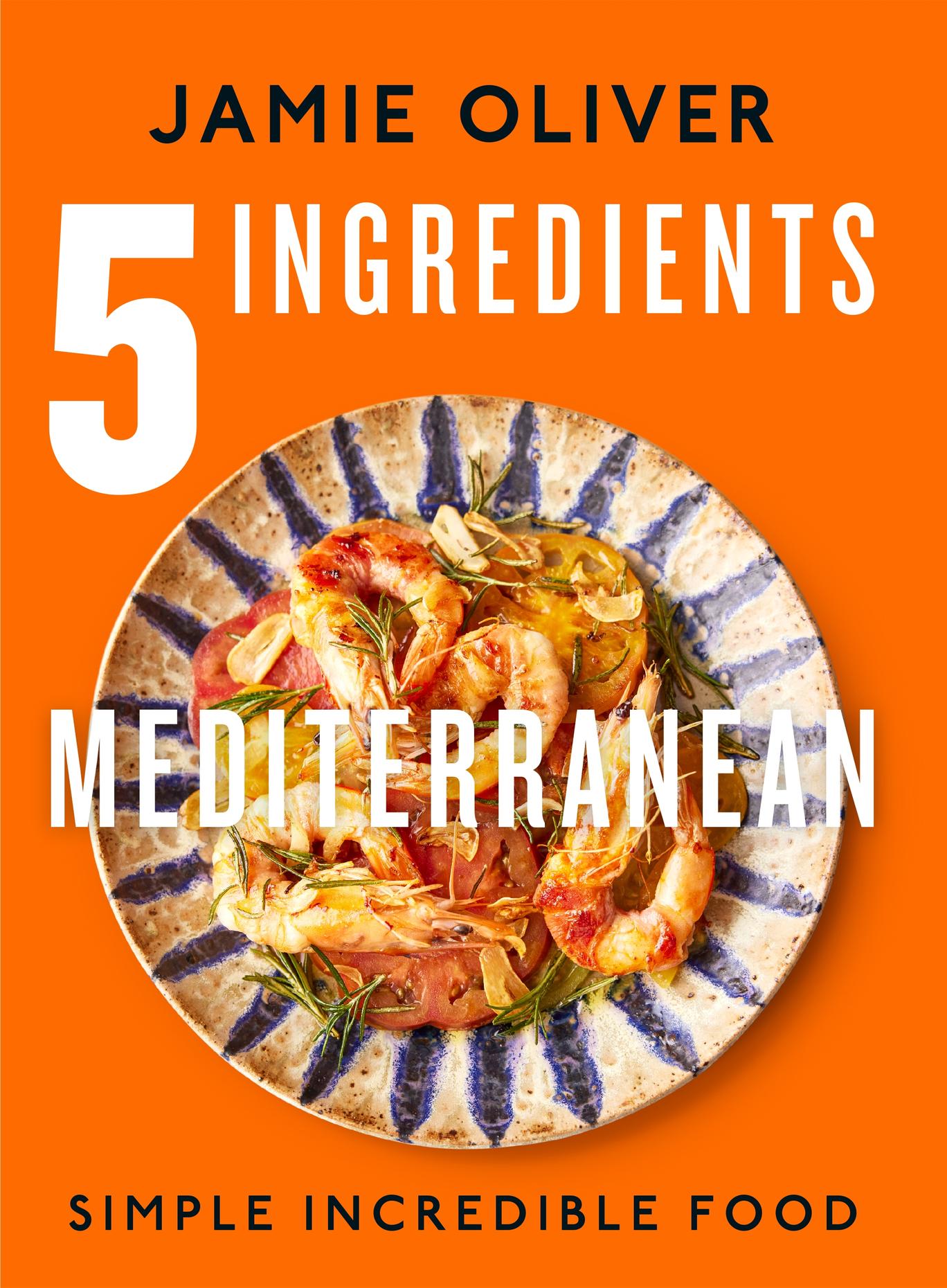
All Of It with Alison Stewart
Jamie Oliver Does Mediterranean
00:31:11
Celebrity chef Jamie Oliver take questions from listeners about incorporating the Mediterranean cuisine in their cooking.
Loading summary
Transcript109 lines
- [00:00]
Wix Announcer
No one knows your business better than you, so who better to create your website than. Well, you. Wix's website builder puts it all in your hands. Create a beautiful website just by talking with AI or choosing from thousands of templates. Customize every detail with simple drag and drop tools and get everything you need to start running business your way. Build more, think bigger and do it all yourself. On Wix go to wix.com they say if you want to go fast, go alone. But if you want to go far, go together. At Amica Insurance, we know what matters most to you and we work even harder to protect it. Together as a mutual insurance company, we're built for our customers and prioritize your needs. Amica empathy is our best policy. Visit amica.com and get a quote today.
- [00:59]
Alison Stewart
At RXBar they believe in simple nutrition without the BS. That's why they said NO to artificial ingredients and yes to deliver intentional, transparent nutrition. Try their original 12 gram protein bar, the nut butter and oat bar or Minis RXBar, the proud sponsor of no BS. Use code RXBar on RXBar.com for 25% off, subject to full terms and conditions and to change. Valid until September 30, 2025 and may not be combined with other offers. See rxbar.com for full details and limitations. This is all of it. I'm Alison Stewart live from the WNYC studio in soho. Thank you for spending your day with us. I'm really grateful you're here on the show. Today we'll speak with Queens native film director James Gray about the Criterion Channel's new collection of his work, James Gray's New York. We'll break down this week's Oscar nominations with New York Times Awards season columnist Kyle Buchanan. And something for your ears. Phoebe Judge, the host of the venerated podcast Criminal, joins me to talk about its 10th anniversary. That is the plan. So let's get this started with Jamie Oliver. Here are two numbers I want you to remember. 27 and the number 5. 27 is the number of cookbooks English chef Jamie Oliver has published. If you include his new one titled five Mediterranean Simple, Incredible Food, the book incorporates the flavors of southern France, Italy, Spain, Greece, Morocco and Tunisia into day to day dishes. There's a Greek inspired peach salad with halloume steak tagliata. Tagliata. Tagliata.
- [02:46]
Jamie Oliver
Tagliata.
- [02:46]
Alison Stewart
Yeah, Tagliata steak tagliata with glazed beets, goat cheese and tarragon. So those are four ingredients right there. What's number five? Balsamic vinegar and of course, lots of fish and seafood. As you heard, Jamie Oliver sitting across from me. Jamie, welcome to the studio.
- [03:01]
Jamie Oliver
Thank you. Lovely to be here.
- [03:02]
Alison Stewart
Listeners, we want to get you in on the conversation. Do you have any cooking questions for Jamie? Looking to add some Mediterranean to your diet? Are you looking for ideas or maybe you have a favorite recipe of Jamie's that's yours. Go to give us a call 2124-3396-9221-2433. WNYC. You may call in, join us on the air. You can also text to us at that number. And of course, social media is available at all of it. Wnyc. So, Jamie, you said one of the reasons you wrote this book was to address the changes and the way they cook. What are some of those changes?
- [03:34]
Jamie Oliver
Well, look, 27 years since the Naked Chef, you know, that's when we kicked off we launched Food Network and it was like a different time. And statistically, like the time that we spend cooking at home has more than halved. So the average is around 46 minutes. Now. It's like well, before COVID it was 21. So it's, it's less, it looks like it's less now. So life's changing, we're changing our families, the structures, technology is changing. So I guess my job as someone that's desperately trying to get people to see the value in the basic love and joy of cooking skills and the choices that it gives you, if you know the basics, you know the target's changing. Definitely. So like five ingredients, Mediterranean is kind of code for I'm trying my best to get you. And, and, and like, you know, the modern day audience and the listeners included, like they know quite a lot about food. They see it, they swipe through it. But you know, we're into sort of two, maybe three, four generations of people that weren't taught to cook at home traditionally by mama or Nona grandmother. Sorry. And, and at school, like, it's still not seen as a necessity in school to learn how to cook. For, for me personally, I'm working hard in the States and in the UK on 10 recipes to save your life. The basic principles of shopping and budgeting. I truly believe it's a great leveler.
- [04:56]
Caller/Listener
I'm old enough to remember when they used to do that, they called it home economics.
- [04:59]
Jamie Oliver
Yeah, for sure.
- [05:00]
Caller/Listener
And I guess initially the thought was that only girls took it.
- [05:03]
Jamie Oliver
Yeah, well, I went to a boys school so we never had it at all. Yeah, yeah.
- [05:06]
Caller/Listener
I think it's the idea that every boys and girls should learn to cook.
- [05:09]
Jamie Oliver
Yeah. Well, the next thing was about getting the boys back in the kitchen or in the kitchen. Not even back. They were never there. But, you know, I think. I think one can't con. One can't commiserate, like how life's changing because it's always changed. But I do think that as time goes on, us humans, we kind of. We start to lose the true value of the knowledge. And in a world like what is. What is a luxury? What is the currency? And for me, I think, like, if you look through the book here, what, five ingredients, it keeps the shopping list short. It makes shopping, like, easier, smarter. I focus then on sort of breakfast, brunches, lunches, dinners, treats. And keep it quick and easy. Try and keep washing up to a minimal. Try and, and really focus on dishes and techniques. So restraint is the secret ingredient. And. And seemingly. Look, it's really interesting because I've been doing this for a long time now, and on day one of promotion, I only get here for a week, a year to do this kind of thing. It went straight to sort of number one, number two position. So, like, I'm super grateful for that. But also that, that.
- [06:19]
Caller/Listener
I mean, it lets you know what people are interested in.
- [06:21]
Jamie Oliver
Yeah. It lets me know exactly where America is at right now. And definitely that reaction can only happen if people are listening, thinking, well, maybe this is the book for me. Maybe I can text my partner and like, maybe he or she can, like, pick up something on the way home from work. And if you flick through the book, you can see I've shot. Can you see I've shot the ingredients? And it's not just to remind you what the ingredients look like, but also what you'll. You'll get a flow of this. We're using tins, we're using jars, stuff that's ambient, affordable, and you can have on your shelf.
- [06:51]
Caller/Listener
Yeah.
- [06:51]
Jamie Oliver
Sitting there waiting for that time you get back from work when you're starving, you want something good and maybe, maybe you don't want to take away. And I get the takeaway romance and the restaurant romance. I like, I get it. But I think to be able to cook yourself something delicious quick in your own home, like, that's a joy.
- [07:11]
Caller/Listener
And this is also really great for city dwellers because we don't have a lot of space.
- [07:15]
Jamie Oliver
Yeah.
- [07:16]
Caller/Listener
So we don't have the room to have a million different things in our refrigerator or our freezer at the same. At the same time. But we also have this great luxury of you can Walk by a West side market or you can walk by a cheese store on your way home.
- [07:27]
Jamie Oliver
Big time. Like, like when. When you write a cookbook and there's many cookbooks out there and there's a billion cookbooks that could be invented. Right. But when I do this book, I'm trying to listen hard to the global audience, what they're worried about, what they love, what they're annoyed about. And I build myself a load of rules, including things like washing up, you know, controlling the ingredients, time and are the ingredients, like can you get them from a regular supermarket? And when you build all these rules, what you do is make your life harder. But that's what I get paid for. Right. That's. Look at. My job is to be creative and have a simple offer and a promise. And obviously, if you can do anything, then anything's possible. But what I'm trying to do is the most beautiful. Well, hopefully when you flick through the book, although you're. You had an early copy and it's black and white and that breaks my heart. I mean, I don't even know. But.
- [08:18]
Alison Stewart
Well, focus. You know what it required me to focus on the writing.
- [08:21]
Jamie Oliver
Yeah. You made me nervous. Then I went, that's not the American edition. They're beautiful, colorful pictures.
- [08:26]
Alison Stewart
They are beautiful. But. But it made me focus on the writing. It made me focus on like what the recipe was because you can get distracted by the shiny stuff. But the recipes are really clear.
- [08:35]
Jamie Oliver
Yeah. And.
- [08:36]
Alison Stewart
And doable. Which I think is really important.
- [08:38]
Jamie Oliver
Yeah. That's like, I'm a dyslexic guy. Right. So that was like, for the first part of my life, that really haunted me at school, which is why I came out of school with pretty much nothing. But when, when I write these books, it's a. It truly is. Well, it's an honor. But also it's a very emotional experience. Right. So on this particular kind of book, which is a solution promise book, I'm fighting for white space. I'm fighting to use. I want it to be ultra clear, but with not too many words. It's kind of business. Crack on five ingredients and you've got the step by step pictures. So what I'm trying to do is give you not an illusion, but I want you to have the sense of simplicity. And I can.
- [09:19]
Caller/Listener
New Yorkers will like that.
- [09:20]
Alison Stewart
We like to cut to the chase.
- [09:21]
Jamie Oliver
Yeah.
- [09:21]
Alison Stewart
Like, tell me what I need to do, Tell me how I need to do it. Let's go.
- [09:25]
Jamie Oliver
And people choose not to cook because they're scared and Scared of lots of things. Like, you know, if they've cooked something before and their partner didn't like it, or their kids didn't like it, it's like, well, that's kind of depressing. If, if they've cooked something before and they wasted a load of money and they didn't like it, that's kind of depressing. So even down to the essential, like, when we test cook the recipes, I do it five times in my hq, where we have test kitchens, and then we send it to two strangers.
- [09:48]
Caller/Listener
That's interesting.
- [09:49]
Jamie Oliver
Each. Each recipe I test cost me like 1800 quid, you know, so, like, it's. It's expensive to test. Do you know what I mean? All the food, people's time. But that's, for me, I think, after 25 years, I think that's the only way you can really get people's trust.
- [10:04]
Caller/Listener
It's also more expensive than for people to say, like, I can't do a Jamie Oliver recipe. Yeah, it's money well spent.
- [10:10]
Jamie Oliver
Yeah. Yeah. Often in my early career, when I was a younger man, like a lot of my heroes, chefs, like, very highly regarded chefs, they were, they were, like, annoyed that I was doing so well and they couldn't quite get it. And there are some basic rules, like turn up for the shoots and actually do it yourself and actually write it yourself. And listeners wouldn't probably believe that a lot of chefs don't write their own books. But. And it's more common than it should be. But testing, testing, testing, as boring as it is, is essential if you want that reader to come back a second or maybe a 25th time or whatever, you know, So I think it is a relationship for a long time.
- [10:51]
Caller/Listener
My guest is Jamie Oliver.
- [10:52]
Alison Stewart
The new book is called Five Ingredients Mediterranean, simple, incredible food. We've got a call. Liz is calling in from Seacliffe. Hi, Liz, you are on the air with Jimmy Oliver.
- [11:00]
Caller/Listener
Hi, Allison. Hi, Jamie. I'm excited about your new book.
- [11:04]
Jamie Oliver
Thank you.
- [11:05]
Caller/Listener
I'm committed to eating healthier these days and I love fish, but I'm very intimidated when I go to buy it. So, like, I bought cod twice in the last couple of weeks and two weeks ago, like, I had the most beautiful piece of cod and I was like, I have to have this all the time. And then I went back the next week and I bought from the same supermarket some cod. And I got home and it didn't have any smell, which I thought was weird, and it was kind of wet, and when I cooked it, it was mushy. So I want to ask you if you have any tips for picking out fish.
- [11:36]
Jamie Oliver
Okay, so first of all, like, do you have a fishmonger or is it always at the supermarket?
- [11:41]
Caller/Listener
It's pretty much always at the supermarket, unless I want to drive.
- [11:44]
Jamie Oliver
Okay, so listen, right, so here's the coup. Right behind the fish counter is like a flow, like the old classics of like getting back to those skills of like being gnarly. And, and, and what does that mean? It means like you got to be street wise about this. And, and the most vulnerable product in the whole supermarket is fish. The minute it comes out the sea, it's deteriorating. So there's a couple of things here I can give you advice on. First of all, talk to the person behind the counter, if there is one, and ask them when stuff comes in, right? Because what will happen is it will get to a certain point, then they'll either discount it or throw it away. So find out when the fresh stuff comes in and then kind of get your shopping to sort of duck and dive around that. And then the other thing is, and it's contrary to what your thought or taught is often when you see fish, it's always on ice. And actually water hates fish, right? That's what the bacteria that makes the smell makes it fishy is what it needs, requires water. So whenever you buy fish, the first thing you do is take it out of the plastic. Don't let it sweat, right? Pat it off with kitchen paper, right? And if you can, and it will surprise you that it works, you can put it on a plate in the fridge, open, don't cover it again, right? So it's the, it's the water and humidity that creates the ammonia and the smelliness, right? So fish, fish should never smell fishy if it's fresh. And if it does smell fishy, don't buy it. The other thing is, and, and so then, then play around with different fishes and see what you like. If it's fresh, you've got a really good, you normally have like white fish and oily fish. Oily fish has to be really fresh. If it's like mackerel, but salmon and tuna can kind of hang around longer and it's still very, very good. Don't, don't write off frozen fish. The technology of freezing is genius. Certainly in the UK you can get bags of all kinds of lovely fish, frozen, skinned, pin boned, and it's just sitting there in your freezer ready and raring to go. What do you lose through freezing? You can lose the flaky meaty texture. But then if you were to sort of like make a basic tomato sauce, let's just make it up like garlic, a little chili tomatoes, a few olives and then plop some frozen white fish in there and pop it in the oven. Right. You will never really, you'll be hard pressed to notice the compromise. And again, you've got the omega threes from a nutritional point of view, you've got this fish that is a great carrier of flavors. So that same tomato sauce we discussed, if you want a little bit of Moroccan, then a few little pinches of spice, rasahanu, stuff like that can do that. Or you can go Portuguese or Greek or Italian, a little bit of like mozzarella popped in there and basil, squeeze a lemon juice. So I love these principal recipes which you'll find in the book that will allow you to like, well actually I prefer that herb to that or I'll swap that nut out for that or I'll go pesto instead of like tapenade. So yeah, fish is actually. Yeah, I hope that's useful to you. And, and, but, but don't write off frozen fish because it's actually, you have minimum waste there as well.
- [14:45]
Caller/Listener
And the techniques are so much better than they used to be.
- [14:47]
Jamie Oliver
Yeah.
- [14:48]
Caller/Listener
Not like old school frozen fish, like fish sticks.
- [14:50]
Jamie Oliver
Yeah. And certainly nearly all Americans don't have enough oily fish every day. So like you know, you got the old capsules of Omega 3s but actually like getting fish I think in your diet a couple of times a week is, is optimal.
- [15:03]
Caller/Listener
This is a great text. It sounds like it is perfect for you. Hello. I am a young 20 something living on my own for the first time. I've never enjoyed cooking, mostly I think because I've had poor kitchens and been far from grocery stores. Sometimes delicious food seems insurmountable. But I'm looking to turn it all around. My family is Israeli and I love the flavors of the Middle East. Sitar, fresh and crisp vegetables, grilled meats, Food that tastes like it's from somewhere hot. I wonder what advice you have on starting to loving cooking. Is it a cookbook, a set of habits? Something else? Thanks.
- [15:35]
Jamie Oliver
Yeah, look, it's an interesting thing. Like the fact that he or she is is even asking this question means the good news is the curiosity is there and the relationship and the journey on food never ends. And it is all about curiosity, asking questions and like I said earlier, being streetwide about food that's in your neighborhood. And no matter where you live in your life, whether It's Israel or here or New York or that postcode or this country, like, like that. If you can find that curiosity, you'll be pretty down with it in a month. So I think, look, when I was your age, I ate really well, right? When I was your age, I had no money, right? I was in the red every week, right? But I ate really well. When I was your age, I had a crappy little studio flat, right? I had no garden, but I had a window. And I grew herbs, I grew chilies, and I ate really, really well. When I was his age, I would use food to love my girlfriend. And even in that young age, using food for mates, for buddies. Like, guys, you want to go down the bar and watch a game, or do you want to come around mine and, like, I'll knock out a da da, da da, and we'll have a bowl of that and like, it's a beautiful thing. So I think because America's so full of opportunity and choice, actually the simple and humble is not only more than often more cost effective, more nutritious, but also the fact that you own it when everyone else wants to own it for you. Like, when, when someone, like, when, like the whole machine of food here and at home for me, of course, is we will solve your solution of not enough time or you're worried or like they're analyzing all this, like, but they're taking away from you that warm sense of gratitude when you see someone you love, even yourself, just slurping a bowl of something delicious. That hits the spot. And to have everyone else fix your problems all the time, like, there's a big. There's like a void.
- [17:28]
Caller/Listener
Yeah.
- [17:28]
Jamie Oliver
And that's called pride. And then pride, of course, is just like any positive reinforcement. It makes you be more curious, ask more questions, and then go up the scale of food. And hopefully, if you're lucky in your career and your life, like, you'll be able to have and afford other things. But interestingly for me, as I've traveled around the world, things that have touched me and inspired me and change the way I think about food have always come from poor communities. And I think it's an important thing because, yeah, in American England, there's like, if you're passionate about food, back home, we would, because it's not the same here, but we would say that's quite posh, quite middle class, you know, like, if you like food, but if you go around, like, say, the Mediterranean, if you go to a poor community, everyone cooks great food. Like, it's Normal. And they eat well and they sit around a table, you know, so I, and I'm not making that up. Like I've seen it a million times. So I was once in the Middle.
- [18:25]
Alison Stewart
East and I saw a family drying tomatoes on their roof.
- [18:30]
Jamie Oliver
Yeah.
- [18:30]
Alison Stewart
And then, and then having, like the grandma take them and make something delicious. Yes, it was. And it was. I can see them.
- [18:37]
Jamie Oliver
Yeah.
- [18:38]
Alison Stewart
On the roof.
- [18:39]
Jamie Oliver
Yeah. To preserve foods, to concentrate the flavors of food.
- [18:42]
Caller/Listener
Yeah.
- [18:43]
Jamie Oliver
And, yeah, I just think. But the fact that this text is asking the questions, I've got huge hope for them because it's that curiosity that takes you all the way.
- [18:53]
Alison Stewart
We've got more questions for you about pasta and cheese. And we wanna get into some of the recipes in 5 ingredients Mediterranean. Give us a call if you have a question for Jamie Oliver. If you have a question about the book. 212-433-969-2212, wnyc, you can call in and join us on air. You can text to us as well. We'll have more after a really quick break. This is all of it. You're listening to ALL of IT on wnyc. I'm Alison Stewart. My guest is Jamie Oliver. The new book is called Five Ingredients Mediterranean. Simple, incredible food. We'll get to more of your calls in a minute, but I do want to dive into a couple of recipes. Garlic Chicken with Creamy chickpeas, Spinach and sumac. All right, so wait, that's four. Do we remember? It's on page 208. What the fifth ingredient is off the top of your head.
- [19:46]
Jamie Oliver
Onions. Is it onions? I'm looking peppers. What page is it?
- [19:52]
Alison Stewart
Garlic chicken breast, chickpeas, spinach and sumac.
- [19:55]
Jamie Oliver
Yeah.
- [19:55]
Alison Stewart
All right, so tell us what the sumac does.
- [19:57]
Jamie Oliver
Sumac's beautiful. It's an incredible berry. You can get it in all the supermarkets. Now, if you have a little look around the sort of spice area, it's ground down and dried and ground down. It's kind of sweet and sour, quite zesty, quite fresh and fragrant. And you will see it around the Middle east and Lebanon and all those kinds of areas. And you can use it across meat, fish, sweet, savory veggies. But think of it kind of like, I guess, lemon juice. So whether it's a dried berry in this context or the juice of citrus, lime, you know, lemons, it kind of does the same thing. So, you know, chicken, I think chicken's like the protein of choice in the US and certainly basket data tells you that, like, people are Buying it very regularly. And what goes with that is people get bored of it. So for me, this is a nice little one pound. Wonder where you can kind of cook the chicken. We strip it up. You can cook it quite quickly. So it can happen like in under 15 minutes. And the chickpeas, like, these are really cheap, like really good for you. They feel quite carby, but actually they're a legume. So they're a veggie. And definitely any nutritionist or doctor would say America needs to get more veggies in there. A handful of spinach, and then like you hit that up with the sumac, it just gives it a nice tang.
- [21:17]
Alison Stewart
Got a text that says, when I lived in Turkey, pepper paste was an indispensable ingredient, but I can't find it anywhere here. Anybody wants to help out with pepper paste. But curious in the book, what are some reoccurring spices? Like we have sumac here. What are some of the reoccurring ones that people. Because we're so lucky, we have so many great stores.
- [21:37]
Jamie Oliver
I think when I write these books before, I kind of get all excited and creative. What I try and do is analyze what is available in normal supermarkets, average supermarkets, and that is an ever changing feast. So one of the upsides is the world becomes a smaller place. 25 years ago, when I started, like, balsamic was like, posh and like not everywhere. Now it's everywhere. It's to a penny, like you can get it in every supermarket. So that happens with many things. So these little. And I think as we've cooked less, and I think I said to you earlier, we've never cooked less than now. Like, we need help and we need to reassure people that are scared to have a go, maybe. So things like pastes like tapenades, pestos, curry pastes of all descriptions, things like harissa, which is a chili paste from North Africa, you know, spices like, I guess curry powder would be an obvious one. Or it could be occasion mix, or it could be things like sumac. Like, these are either unusual and delicious or like in the curry powder, it could be like mo. It could be 10 spices in that mix. Yeah. So when you're going into five ingredients, like, my job is to like, give you a good bang for your buck. So having things like even like tzatziki, which is available in every supermarket. So what you got, you got Greek yogurt, you got lemon, you got garlic, you got mint, you got seasoning, olive oil. So that's. That's kind of six in one so this is me. This is me cheating on your behalf.
- [23:07]
Geico Gecko
Right.
- [23:08]
Jamie Oliver
So you can use that traditionally, but you can also hack it and use it as a marinade. Or, you know, there's a great chicken dish where you marinate in tzatziki and then you like, you like, pan roast. You pan roast it and as it's resting, then you use all the sticky, gnarly bits to make a, like a really good rice dish. So. And you got your veggies in there as well, so a £1 wonder, but it feels like a really complete main course meal. So, yeah, I mean, I think those. Those jars, maybe 10 years ago, I would have been a bit like. What's the word? I don't know, I'd have been a bit cheffy and like. Oh, yeah, I don't really use those. But the reality is, is they are really helpful. They are quite consistent. And if people are nervous, it takes some of that stress away. Certainly in areas if it's like a Korean or Indian dish that you might be nervous, it kind of gives you a good. A good hit.
- [23:58]
Caller/Listener
Got somebody saying that they. At their YMCA camp, they put sumac and pink lemonade together. Yeah, that sounds interesting.
- [24:04]
Jamie Oliver
Very clever.
- [24:05]
Caller/Listener
Getting a big shout out for Clestians on Lexington Avenue that every spice anybody ever want. If you've never been to that store, you.
- [24:12]
Alison Stewart
You have to go.
- [24:13]
Caller/Listener
It's pretty great. This is a great text. I'm an average home cook, Jamie, but I've always struggled to get good results with eggplants. Aubergine in the uk, it's one of my favorite vegetables and I love when it gets nutty and creamy, but I either burn it or undercook it. I aspire to make a really killer vegetarian moussaka. Any tips? This is Roz from Brooklyn.
- [24:32]
Jamie Oliver
Yeah, cool. I mean, like, listen, I come from a country that destroy aubergine. You know, like British people don't understand aubergine at all. And in my travels around the world, and particularly Europe, au pigeons are amazing. Oh, my Lord. So look, you can slice them up and you can dry grill them, right, and it almost gives it a nutty, toasty flavor. And then you can do it thinly and fast, or you can cut them fatter and just grill them slightly slower. And then you can dress it in. One of the things you shouldn't do is put olive oil on the aubergines, then grill it, because you'll just destroy the structure of the oil. But doing it dry gives nuttiness. And then you. Then once off the heat, you Dress it in gorgeous olive oil, like good vinegar oil or citrus herbs, or, you know, you can steam aubergine in half or whole until it's like curdy and fleshy and unctuous. And then you could just turn the heat up and get the skin crispy, crispy, so you have that contrast. And then you can go to Asia, you can go to Japan, you can kind of go to India, like, so you can let your. What I love is like just that technique of like, if you cut an aubergine in half, skin side down in the pan, fry pan with a, with a, like centimeter of water and a lid on. Take that for 10 minutes until it's tender. When it's tender, lid off, right? Put some oil in there and then you're working on the skin getting crispy. That's a neutral, texturally extraordinary aubergine. And then whatever your culture or your love or your kind of curiosity, then you kind of, you can hit that up with all kinds of things. And who knows if it's a right or wrong answer, but it's highly likely that if that tender aubergine that's crispy skinned has a pesto or like a little brush of curry paste and a squeeze of lime or, you know, do you know what I mean? Like, or it could be like ginger chili, like, like smashed up lime leaves, you know, so, yeah, go for that. But it's, it's a beautiful vegetable. It really is part of the nightshade family.
- [26:35]
Alison Stewart
Roz, I wish you could see Jamie's enthusiasm as you're describing.
- [26:39]
Jamie Oliver
I'm all in.
- [26:40]
Alison Stewart
He's all in.
- [26:41]
Jamie Oliver
It's so funny because I've eaten so much good aubergine and, and you know, even if you like from the moussaka of Greece, like, you can use it in so many different ways. But pickled is amazing, right? And there's actually loads of Obergine in this book as well. But in my country, we destroy it. So, like, you know, from where I've come from and where I've got to is like two different places.
- [27:04]
Alison Stewart
Let's talk to Ruth from Highland Park, New Jersey. Hi, Ruth, thanks for calling, all of it.
- [27:09]
Caller/Listener
Hi.
- [27:10]
Do I need to turn off the radio part?
- [27:13]
Alison Stewart
Wouldn't be bad, but you can just talk right into your phone. I think you're okay.
- [27:16]
Caller/Listener
Okay. Okay. So would you like to hear my story?
- [27:20]
Jamie Oliver
Yeah, go for it, Ruth.
- [27:22]
Caller/Listener
Okay. So for 25 years, I was a vegetarian cook. My husband and I decided we didn't want to eat animals. We raised our kids that way. And then when the boys got to be teenagers, they wanted meat and we went to the Indian restaurants and the tandoori chicken did the same. So we changed. And for all those years I was cooking three meals a day because we were homeschooling five kids. And long story short, the thrill is gone. I had to learn how to cook meat and fish because I hadn't done that really as an adult. And so I'm wondering maybe what I need is a really simple cookbook. Add to that that I am gluten free and dairy free. I have a vegetarian daughter in law and so I need advice.
- [28:13]
Alison Stewart
Ruth needs the spark back.
- [28:14]
Jamie Oliver
Yeah, I mean I think that this is, this is where technology can help. I mean certainly like on my website, jamie love.com, we got everything's free. Like there's thousands of recipes up there. You can, you know, you can find gluten free stuff and, and you can, you can start removing things that you can't eat and it will start, start serving you all sorts of recipes. But yeah, I mean it's, this is the challenge of today. I mean, what, when I was a kid, like the allergies and sensitivities to food were minimal and now it's to a penny. So, so even in, even in my, I mean I'm still deeply young, as you can see. Like that's 48 years old. But no, but honestly, like it's, I'm joking, I feel it, don't worry. But no, I, I think, you know, having control to cook if you can. I mean, what's interesting about what Rufus described is she, she cooked all those vegetarian meals for years. So she will be an adapt cook. And if she's, if you're incorporating meat and fish back into that, then I'm presuming, Ruth, that you'd be going for quality, not quantity because those ethics that made you vegetarian in the first place, I presume are still with you. Right, Zerith?
- [29:28]
Caller/Listener
Still there, being good to the animals and all that stuff.
- [29:32]
Jamie Oliver
Yeah, so I think so. And, and I think that here's the thing. Like, so my advice to you would be nice, easy, simple. Well look, that's what I've written that book for.
- [29:43]
Alison Stewart
Just keep it simple.
- [29:45]
Jamie Oliver
There's a lot of help online, there's lots of videos online. And I, and I think certainly when you're eating meat, like it's good to be fussy. Like, yes, there's, there's, you know, yes, you can get cheap meat. But I mean, I think like it's good to commit to Sort of higher welfare and make the most of it and stretch me a long way.
- [30:05]
Alison Stewart
We got a comment that somebody's making your potato mushroom alfano from this book right now and proud because they found a hack mushroom bacon. Just so you know. That's interesting. Before I let you go, we did have a couple of questions about cheese. And I did want to point out that halloume is in this book quite a bit. For someone who's thinking, okay, I want to try something with halloume. What's a good entry halloumi recipe?
- [30:27]
Jamie Oliver
Well, look, if you look in the book, I've kind of used halloumi in a few different ways, if I may. Like in the book was a chapter that I never expected to write. I mean, well, how can I say there's a pasta chapter. Right. It wasn't planned, but most of the recipes are not Italian. And as someone that's traveled Italy for the last 30 years a lot, this was a shocker. But I'm talking about recipes that have been going for hundreds of years. So when we went to Tunisia, which is a North African country nearer to Sicilian islands than actually Italy mainland, the things that you love about Sicilian cooking may well be part of the Tunisian culture. Right. And Tunisia is the second largest consumer of pasta in the world. So, you know, when we. When we. I was looking at that, there's a beautiful Cypriot orzo pasta recipe that's delightful. Lemon halloumi. The inner halloumi melts so beautifully. Yes, you can fry it. Yes. You can grill it, but, like, grating it like cheese, you know, finely into pasta and using the cooking water or the sauce and the cheese to emulsify, to make that silky sauce. It's tangy and beautiful. So that. That's really, really nice. Another little hack that I did in one of the recipes was like, we did this beautiful salad with. With fruit. So it's like mixed leaves. I think it's like mint in there and peaches. And that fruit salad kind of savory thing is quite interesting. But what I did was great halloumi from a height, very simply like a doily into a pan, and that then starts to go golden and set as a kind of giant doily crisp made out of halloumi. And that gives hand crunch and think of it like crouton in a salad. So if you're just trying to knock up a little lunch dish and make it, like, cool and contemporary and delicious, like, I try to use the halloumi in different ways like that, but, yeah, it's a great cheese. It can be bouncy, squeaky, charred, but it can also, it can also be like tangy, salty and kind of silky depending on how you use it.
- [32:30]
Caller/Listener
The name of the book is Five Ingredients. Mediterranean, simple, incredible food. Thanks to everybody who called in. And Jamie, thank you so much for taking our listeners calls and texts. Really appreciate it.
- [32:39]
Jamie Oliver
Pleasure. Thank you.
- [32:41]
Wix Announcer
Wix. It's where website creation meets AI and where your boldest ideas become real. It just takes one platform to build a site that looks great and does everything you need it to. And it just takes one person you to start taking care of business. Like a 10 person team with AI tools for creating an entire website from scratch or testing new ways to make money. WIX is there with you from day one. Try it out now@wix.com.
- [33:07]
Geico Gecko
I don't mean to interrupt your meal, but I saw you from across a cafe and you're the Geico Gecko, right?
- [33:11]
Alison Stewart
In the flesh.
- [33:12]
Geico Gecko
Oh my goodness. This is huge. To finally meet you. I love Geico's fast and friendly claim service.
- [33:17]
Jamie Oliver
Well, that's how Geico gets 97% customer satisfaction.
- [33:21]
Geico Gecko
Anyway, that's all. Enjoy the rest of your food.
- [33:24]
Alison Stewart
No worries.
- [33:26]
Jamie Oliver
So are you just gonna watch me eat?
- [33:27]
Geico Gecko
Oh, sorry, just a little starstruck. I'll be on my way.
- [33:31]
Alison Stewart
If you're gonna stick around, just pull up a chair.
- [33:33]
Geico Gecko
You're the best.
- [33:34]
Jamie Oliver
Get more than just savings. Get more with Geico.