← All Of It with Alison Stewart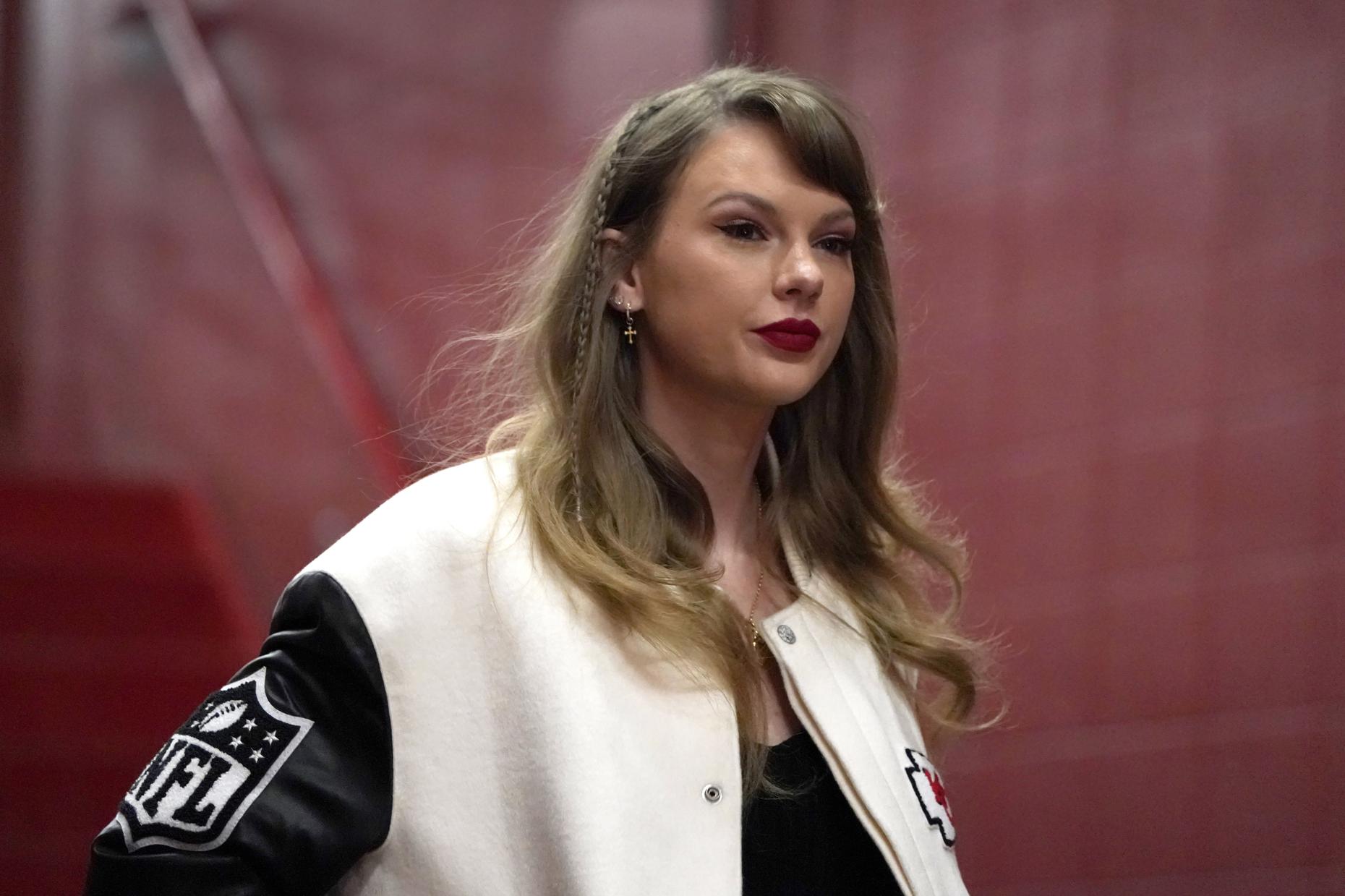
All Of It with Alison Stewart
Kris Mohandie, Ph.D Discusses Stalking Awareness
00:33:08
On the heels of Stalking Awareness month, Kris Mohandie, Ph.D and expert on security management joins to discuss stalking--why it happens, and what resources there are for victims.
Loading summary
Transcript70 lines
- [00:04]
Dr. Chris Mahandi
Listener support WNYC Studios.
- [00:17]
Alison Stewart
This is all of it. I'm Alison Stewart live from the WNYC studios in soho. Thank you for spending part of your day with us. I'm really grateful you're here. On today's show, we'll hear from Grammy nominated bluegrass artist Molly Tuttle, who will join us for a listening party for her nominated album City of Gold. And we'll learn about some little known history about the black nurses at a hospital on Staten island who played a crucial role in the discovery of a treatment for tuberculosis. That's our plan. So let's get this started with a conversation about stalking. Listeners, our next segment is going to discuss issues of stalking and domestic violence. If at any time you need support or help, please call the National Domestic Violence. That phone number is 1-800-799-SAFE 1-800-799-7233. Today is February 1st, but we didn't want to let an important issue pass. January was National Stalking Awareness Month. But of course, stalking isn't just limited to one month or to people in the public eye. We've all read the headlines about the recent arrest of Taylor Swift's stalker here in New York City. But unfortunately, anyone can be stalked and the stalker can be a stranger. But many people are st stalked by former intimate partners. And the rise of social media has made it easier than ever for stalkers to find information about their prey. Joining me is Dr. Chris Mahandi, a forensic psychologist and stalking expert who has co authored multiple studies into the behavior of stalkers across North America. He's also a consultant of threat and risk management. Chris, welcome to all of it. May I call you Chris?
- [01:56]
Dr. Chris Mahandi
You may. May I call you Allison?
- [01:58]
Alison Stewart
Yes.
- [01:59]
You're the doctor. I'm just the radio lady. Chris, Listeners, we want to hear from you. Have you experienced stalking? What steps did you take to make yourself safe? What was the most difficult aspect of law enforcement or the legal system to navigate? Or maybe you've been the victim of cyber stalking. We'd like to hear about your experience, too. You may join us on air by calling 2124-3396-9221-2433-WNYC. Or, you can text to us if you prefer to remain Anonymous. Our DMs are open at Instagram at all of it. W. I see. Chris, how do you define stalking?
- [02:38]
Dr. Chris Mahandi
Stalking involves repeated unwanted contacts or approach behaviors of a target that puts the victim in fear. So there's, there has to be a course of conduct more than one time. And, and it has to Be something that is unwanted, and the victim has to be in fear. That's kind of the core three components across legal definitions throughout the states. They vary somewhat, but course of conduct is usually not as. As. As. Like, do we have two. It's usually going to be way over the top. If it's an authentic stalking case, you know, you're going to have, like, multiple contacts in multiple contexts. You know, it could be online. It could be approaching you at the. At the grocery store, at your house, and the person will, you know, the victim will typically try to avoid or tell the person, I don't. I don't want this. Or maybe, you know, try and be polite about it. And ultimately the outcome for the victim is fear. And that fear may be expressed verbally or it may be manifested by behavior. And that's, you know, kind of what law enforcement gets involved in after the. After the fact, you know, prosecutors looking for, okay, where's the course of conduct? Do we have documentation of that? Which is why it's so important for if you're experiencing this. Well, first and foremost, make sure you're safe. And you need to call 91 1. You call 91 1. But once all the, you know, once all those immediate concerns are taken care of, it's important to document it. Because what's your first response when you get something that's unwanted from some creepy person? Throw it away, get rid of it, delete it. But it's important to document and create a package of this information which could be used by an agency to pursue the case, whether it's a restraining order, ultimately charges, and then to be able to articulate the ways you may have changed your behavior as a. As a sign or a behavioral indicator of fear is important as well. And then if there's been any, you know, documentation of, I told him to stop, I told him I didn't want this. You know, those kinds of variables are important. But course of conduct, unwanted fear. Three pieces.
- [04:51]
Alison Stewart
Does the contact have to be threatening to be stalking?
- [04:55]
Dr. Chris Mahandi
The contact doesn't have to be verbally threatening at all to be stalking. The behavior itself may be perceived as threatening. You know, and, you know, person showing up all the time, you know, how does he. How does he know where I am? How does she know that I'm here at this time? That kind of behavior may not have any explicit verbalized threat, but for the victim, receiving may actually be received and perceived as threatening. So verbal threats are not necessary in many or most jurisdictions in order for it to be considered stalking. They often are. There. And those threats cannot just be, you know, towards the victim, but it might be towards third parties, it might be towards their pets. It might be that the stalker's threatening to hurt themselves. Any of those kinds of behaviors are very concerning in terms of risk for violence indicators that we see in cases that are important to document. But an explicit threat is not necessary. In many jurisdictions, it's the course of conduct that often conveys the threats and it's the context. Or even sometimes the statements themselves might be, you know, not have any explicit threat like an ex husband or an ex boyfriend that says, you know, I'm going to make this just like the good old days when we used to go to Vegas together. There's nothing threatening in there. But if you look at the history, maybe the good old days in Vegas were when there used to be a lot of DV that went on or a near, you know, a serious assault that occurred. So there can be nuances that are case specific that can be meaningful towards the prosecution. But it's very important to document first and foremost, keep yourself safe, have yourself a safety plan. And there are resources. By the way, I want to give a plug first to the Stalking Prevention Awareness and resource center, Spark Spa/stalkingawareness.org that is a DOJ funded program. And they may not respond to an immediate call for assistance or 911. But there's a repository of great information about how to document, you know, how to approach a case in terms of getting it ready, to be able to get law enforcement to take it seriously. And then there's also a nonprofit called Stop Stalking Us that is also helpful for victims to. To feel a sense of connection. Because what often happens for victims is a sense of isolation that is created by the stalker, you know, infiltrating their lives. I often liken it to, you know, creating a jail without walls for some. Some of the victims. Because I used to go to health club, but he shows up there. I don't feel safe going to my work. I don't feel safe going out to where I used to like to go for entertainment or the restaurants because the guy's showing up. Or. Or I've had to curtail my online activity because this guy just keeps on showing up or setting up bogus accounts, you know, that kind of thing. So these are. These are some data points about. I will tell you, there are four different types of stalkers that we see.
- [08:05]
Alison Stewart
Yeah, I want to get to them. One minute. You know, we have a call. We have a call coming in. I want to talk to Angelique Clayton from North Carolina. Angelique from Clayton, North Carolina. Calling in.
- [08:15]
Angelique, thank you for calling in and sharing, sharing your story.
- [08:20]
Angelique Clayton
Thank you so much for having me. So I was listening to you talk, Dr. Christ. Talk about reporting and like, the problem is that a lot of times for women, when they report to the police, it's dismissed and it escalates the violence. And women know this intuitively. There's like, there's, there's a lot of reasons why women don't report, and that's a main one, is that it'll cause escalation in the violence. And when their answers go unheard by police or dismissed, that really angers the perpetrator, especially when it's in domestic violence situation. So it's very scary to like be telling people that you have to report, but then that could cost you your life.
- [09:02]
Alison Stewart
Angelique, thank you.
- [09:03]
Dr. Chris Mahandi
You're right about that. And what was your first name again?
- [09:07]
Alison Stewart
Angelique.
- [09:09]
Dr. Chris Mahandi
Angelique. You know, it is definitely a challenge. And you know, you know, it's a scary thing. One in five, only one in five victims historically would come through forward with their reports. And then when they did make their reports, oftentimes they got somebody that didn't understand, you know, what stalking was or just was dismissive or somehow blamed, you know, the victim. And these kinds of things happen even in agencies that have had good stalking programs, you can have a change of personnel and. And now you got people that were starting from ground zero all over again. So I concur that there is wide variability in the receptivity and skill and appropriateness of law enforcement responses throughout North America. That being said, even if you do have a, you know, a good involved detective or officer, that still doesn't mean that you don't have to take your own safety precautions. We, you know, a good friend of mine, Lenora Claire, who's a victim advocate, survivor of stalking herself, has experienced this firsthand. And we've worked together on her case and others. And the issue is, unfortunately, victims have to take some matters into their own hands in terms of helping to manage their case, navigate it, and push. And that means, you know, it's a challenge if you don't have many resources. But my suggestion is you keep pushing with the agency going to higher levels and don't worry about what, you know, how they're viewing you. This is your life, this is your safety. So you push, you advocate for yourself, you get people involved that, that may take you seriously. Supervisor, a captain, you know, you move up the chain and concurrently, at the same time, you are doing what you have to do to keep yourself safe. That means if you've gotta leave where you are, if that means you've got to, you know, stay in a safe location or pursue, you know, you know, a place that is for victims to be safe from their abusers, you. You pursue whatever you have to, to, to take personal responsibility for your safety. It shouldn't be that way, but unfortunately, many times it is. So I guess what I'm saying is, I'm validating what you're saying, Angelique. And I'm also saying there is hope because there are resources out there and you sometimes have to push and push while at the same time having a safety plan.
- [11:36]
Alison Stewart
My guest is Dr. Chris Mahandi. We are discussing stalking. January was National Stalking Awareness Month. We wanted to shine some light on this important issue, and we'd love to hear from you. If you've experienced stalking, what steps did you take to keep yourself safe? What was a difficult aspect of stalking? Maybe you've been a victim of cyber stalking. We'd like to hear your stories. 2124-3396-9221-2433-W. You can text to us and you can also join us online on the conversation by calling in or you can DM us on Instagram if you'd.
- [12:10]
Like to remain anonymous.
- [12:12]
And we're going to get to this. Some people have been saying it's not always the guy. We're going to get that to that.
- [12:16]
In just a moment.
- [12:17]
Dr. Chris Mahandi
True, too.
- [12:17]
Alison Stewart
Yeah, yeah.
- [12:18]
Dr. Chris Mahandi
I've worked plenty of cases that, that involve female stalkers and, and so forth, you know, but at the same time, there, there is a lot, if we're looking straight demographics, it's more likely male on female. But I've had plenty that involve female on male, female on female, male on male. You know, it's all different levels. But I want to hit what's. What you said at the beginning of the show, Allison, and that is we see the celebrity cases, the, you know, the disturbing situations where Taylor Swift has a guy showing up and, you know, people like that. But the average stalking case is going to be an ex boyfriend, ex lover, ex girlfriend pursuing somebody that they've had a prior intimate relationship with. And those cases are frankly, the, oftentimes the most scary and dangerous because that individual knows your life patterns, knows where you are. There may be kids in common that, that, that, that create opportunities for aggression. So the, the prototypical case that doesn't get as much attention is the ex intimate Case which are the, typically the most dangerous, with the most violence and the most threats.
- [13:30]
Alison Stewart
Something I wanted to ask about, maybe this might apply to that, those kind of cases, but also the celebrity cases, is many of these stalkers aren't trying to hide their behavior. They're very open and they're very clear about it and they say it out loud. Why is that the case?
- [13:48]
Dr. Chris Mahandi
Well, we have to look at different groups. If there's four types of stalkers that I've research, there's the ex intimate stalker. We call intimate stalkers prior relationship stalkers. There's the acquaintance stalker, somebody may have worked with or somebody may have treated as a, as a doctor patient or as a client. There's the private stranger stalker, somebody that just happens to live in your building, you don't know them or work in the same mall that you work in, and they become fixated. And then there's the public figure stalker who is only pursuing somebody because they've seen them, you know, in the public domain at some level of visibility. You know, there are different patterns. Like in, in the. If you've never had a relationship with your victim, that type of stalker typically will have some sort of serious mental illness. So they may have a psychotic thought disorder. They may have delusions that they have a relationship or that they're going to be rescued by the, by the person, or that there's some sort of already a relation, you know, that the person loves them, that the victim loves them. These are delusions. So that person's pursuing based upon, you know, their mental illness and their misperceptions. So they actually may believe that they have something there, which is why, why should I hide it? Madonna stalker, for example, a guy named Robert Hoskins, he pursued her because he believed he was married to her and he believed he married her, married her when she was in male form, when they had a chance encounter on a tour bus in Denver, Colorado. Okay, that's mental illness. And so when he went to her house multiple times, he says, I did nothing wrong. She's my wife. I was just coming home. Delusional. Okay, so that's the psychotic types. The prototypical types, though, like these exes often will have personality disorders, narcissism, borderline personality, kinds of characteristics where they are so desperate or so entitled in their perception. They believe, hey, that's mine, you know, she has no right to do this. They, they view the victim as an object that they possess and that, or they're so dependent that I'm going to do what I want to do. Nobody's going to stop me, you know, and she had. And she needs to be punished for how she's mistreated me. So there's an externalization of blame oftentimes. There is most times, many times entitlement. And a lot of these people will also have drugs or alcohol problems on board too. That may be fueling some of the problematic behaviors they may have. They may have, you know, some depression or other kinds of things that are in the backdrop. But by and large, they often project blame and don't see anything wrong with their behavior because they're so personality disordered and entitled in the way that they view relationships is pathological.
- [16:40]
Alison Stewart
Got an Instagram dm?
- [16:41]
Dr. Chris Mahandi
I want to say one last thing about a colleague of mine. We talked earlier about legal definitions of stalking, you know, and different, the different three components. But a colleague of mine put it most simply in terms of the broader definition of stalkers. He called them obsessional followers is what he labeled stalkers, which is less of a legalistic term and more of a behaviorally informative term. What do these people do? They obsess and they pursue obsessional followers. So those are typically the two things that they do. These people live in their heads. They ruminate, they overthink, they play out scenarios in their heads. They fantasize and then they figure out a way to pursue. Those two components are key in most stalking scenarios, whether it rises to a legal level or not. They obsess and they pursue.
- [17:35]
Alison Stewart
We're discussing stalking. January was Stalking Prevention, Stalking Awareness Month. Excuse me. My guest is Dr. Chris Mahande. He's a forensic psychologist and a stalking expert and consultant. Our phone lines are pretty full. We're going to talk to, to Brian from New Rochelle who has a story as well as get to some of our DMs via Instagram after a quick break.
- [17:55]
This is all of It.
- [17:59]
You are listening to all of it on wnyc. I'm Alison Stewart. We are talking about stalking. January was National Stalking Awareness Month. Our guest is Dr. Chris Mahandi who is walking us through some of the details, some of the information you might want to know or need to know about the issue. We've got a lot of people on the phones. Let's get to a few. Brian is calling in from New Rochelle. Brian, thank you so much for calling in.
- [18:25]
Brian from New Rochelle
Thanks for having me. Allison, love your show.
- [18:28]
Dr. Chris Mahandi
Thanks.
- [18:28]
Brian from New Rochelle
Your, your guest is dead on with this. I'm a, I'm a male, black male, had a white female stalker and she just disappeared into the ether. Came to My house daily. Wrote me daily and very creepily told people that she was my fiance and she would show up at places. I'm a musician. She would show up at places before I got there and say, oh, yeah, I'm waiting for Brian. And literally, it was. She just completely infected my entire life. And the people. I'm sure there's people who know me who are listening to this, and they know exactly what's going on. The cops were involved 10 times. They were here at my house. That is, I have cameras. They were like, call us every single time she comes. They were totally on my side, and they could not get her. She would just disappear. Like, walk in this zombie walk.
- [19:22]
Chris from Carmel, New York
Wow.
- [19:22]
Brian from New Rochelle
Right around the block and wait until they left. This was my life for like, six months.
- [19:30]
Chris from Carmel, New York
Wow.
- [19:30]
Alison Stewart
How did. How did you change the way you walk through the world, Brian?
- [19:35]
Brian from New Rochelle
I didn't change a thing. I'm like, that's not me. I didn't change a thing. I'd be. I literally. It was tempting, okay? Like, I'm from. You know, I'm from the streets. You know, I wanted to handle this differently, but I didn't. I didn't. And. And I, you know, I'm like, well, that'll get me in trouble. And literally, you know, there was different sets of cops coming here, and they were like, okay, did this happen, sir? Because she would tell these crazy stories.
- [20:02]
Alison Stewart
Yeah.
- [20:02]
Brian from New Rochelle
And I'm like, no, no, no. I'm the one who's the victim. They would, you know, I'd have to re. Establish that I'm the one that she's. This is my property she's on.
- [20:13]
Alison Stewart
Yeah. Brian, thank you so much for calling in.
- [20:17]
Really appreciate you.
- [20:18]
You sharing your story. Let's talk to Chris calling in from Carmel, New York. Hi, Chris, thank you for calling.
- [20:24]
Chris from Carmel, New York
Hi, thanks for having me. I just want to quickly. I had. My brother died in 1979. And since 1979, I've had somebody who I don't. No. Sending me cards, letters, sexual content, threatening at times. I had two little kids at the time. I. We put nails through the windows because he at one point sent a card with directions to our house. We didn't have money to move. We ended up buying a shotgun. They called the police. They sent the cards to FBI who said, oh, this guy will never do anything. Now it's 40 years later. I'm still getting cards. I'm still getting letters. The last one I got was a card at Christmas that Merry Christmas from Jill and Joe Biden. We want to know how to identify this person, I have no idea who it is. And we're thinking maybe if we go to the post office, they can identify, you know, the stamp. It's just, I mean, it's got to the point where it's almost a joke, but it's not.
- [21:31]
Dr. Chris Mahandi
I understand.
- [21:31]
Chris from Carmel, New York
So anyway, I just wanted to share my story. I'm not particularly traumatized by it at this point. It was in the beginning, I would go to the post office and I'd see, you know, his handwriting on the car. And it was very, very upsetting. But it's just like really 40 years. Wow. You're gonna.
- [21:52]
Alison Stewart
Chris. I'm gonna dive in here.
- [21:53]
That the time. That's really interesting.
- [21:57]
Dr. Chris Mahandi
Yeah. We've seen, we've seen some cases when we first started studying stalking cases, you know, back in the early 90s, because stalking is a old behavior but a relatively new crime. If you think about it, it was California, where I'm at, had the first stalking law. I think it was 1990. Ish. But we, we were looking at studies and we had some stalkers that were 15, 20 years. They'd been episodically like a meteor. You know, they disappear for a while, then they come back, because what do they do? They obsess and they pursue and, and, you know, they would disappear. Maybe they were an institution, maybe they were focused on somebody else. What, what it sounds like this listener has, is somebody that is writing, that is an unknown subject. And it's somewhat unusual for somebody not to eventually reveal themselves, but it happens. And that's the good news, is that they haven't revealed themselves. They haven't shown up on her doorstep knocking and saying, I'm here and I'm ready. But it's been this creepy orbit, you know, for 40 plus years. And I, I imagine that there's a, A, a method, but it would involve great resource expenditure that, you know, the FBI, if they applied their stuff to it, or she got a private firm, you know, again, it's going to be costly. They could research things like the postal stamps. They could set up surveillance, you know, at different places based upon where the trail leads. They would need all that documentation. And eventually they'd probably be able to get something, a fingerprint, some sort of information, if she's collected all this. But it would be an expenditure of resources. And if this person hasn't approached or made any threats after 40 years, it's possible that they could at some point escalate. And you still need to monitor for the content of what's being communicated or if it's escalating in terms of frequency or they're starting to shift methodologies of approach. But, you know, I think it's certainly important for her to continue collecting. I think it may be worthwhile if she's got the wherewithal to make a report with her agencies again and say, this has been going on for 40 years. Could somebody take this bull by the horns and find out who this is so we can at least know and then research what we do have? Because it is a hope that it's not a dangerous individual. But they don't know. They don't know who he, who he or she may be. And until you're able to do a full workup on the person, you know, yes, it's, it's good news that there hasn't been any approaches, but you don't know for sure.
- [24:38]
Alison Stewart
Let's talk to Ann from New Jersey. Hi, Ann, thanks for holding. You're on the air.
- [24:43]
Chris from Carmel, New York
Hi.
- [24:44]
Ann from New Jersey
I was stalked by my ex husband when I was living in New York City in the late 90s. I actually was, you know, pursuing theater and singing, and I met him out with friends, and he was actually NYPD detective when I first met him. You know, it was like in a bar up town, out with friends. And so eventually we got married and once we moved into my. He moved into my apartment with me on the Upper west side. You know, things changed behavior wise. He was very controlling where I worked a long time in a really good restaurant job while I was trying to do theater things. And he just seemed to turn after we got married. And then while I would be working, he'd be out and he was, you know, I had a lot of evidence of him cheating, and suddenly he didn't like or accept friends who are gay. So one evening, you know, after barely doing a big wedding, being married less than a year, I packed a bag and I went to work and I looked around what was my home and I didn't come back. And then from there I moved in with a friend down the Village and I, you know, it's like we're getting divorced. And I had great cause to get divorced. And he started using police resources, stalk me. He would, you know, so we had to stay a little in touch to divide things as, you know. Unfortunately, I married him. And so he would, like, call me and say, oh, who's, you know, license plate, you know, like 27 lg G. You know, you know, John Smith from Rockville Center. So now I'm freaking out that he, you know, whether it was men or women? I'm going to my friend's farm, the Village. Like I said, we were in theater. I was with, like, my vocal coach, who was a man, who was a gay man. He would show up at the restaurant. So finally, it just got so tenuous, I said. And then we had a big party for my parent, my mother, up at her upstate New York summer house. And he showed up there at six in the morning after the party.
- [26:48]
Alison Stewart
And, you know, I'm gonna, I'm gonna dive in, only because I. We have a lot of folks online, and something that I think you said, which is really interesting was. I mean, it was all very interesting, and I'm sorry you went through that. The use of technology, that her ex was able to use his resources and technology. Now, that was a while ago. Now, people, a lot of people have that access to that kind of technology. When we're thinking about the role of technology in this conversation, Chris, what would you want people to understand and know about computers and about social media?
- [27:21]
Dr. Chris Mahandi
Well, every single time there's a technological advancement, stalkers will use it. And in the beginning, when I started this a long time ago, I'm going to date myself, there were beepers, pagers. People would use the alphanumeric pagers to harass people. Then it was fax machines, believe it or not, many people saying, what's a fax machine? You know, and then, then the Internet came along and cyber stalking and all these platforms. And you've got people now that are, you know, like yourself, influencing. And this is your livelihood. You're out there on YouTube, you're out there on these various platforms, Twitter, Instagram or whatever. And your, you know, people are out there. They're, they're, they're broadcasting their lives. And stalkers are opportunistic and they're manipulative. They're bright. They typically are pretty bright. And they will access that, that, those sites, they will use that to their advantages to figure out, where's my victim? What. What are he or she doing? And so it's not fair. But if you have stalkers, people pursuing you, you have to navigate that. Now it becomes yet another method that they can use to put themselves in proximity to harass you, to develop intelligence about you, to research you and you. And you have to be mindful. Many, many people that are now kind of the next generation of celebrity who are becoming, you know, famous, if you will, online, they don't, they don't. They didn't have the kind of grind that like a past actor Rock star might have had of ascending and then developing kind of a group of people around them that help create boundaries.
- [29:08]
Alison Stewart
Right.
- [29:08]
Dr. Chris Mahandi
And help. And help filter out that. And in a safety net. And if you are advancing, you know, in your popularity, in your visibility, this is unfortunately coming with the territory and you have to navigate it. We've seen terrible cases, fatal cases, as you know, of people that are, you know, virtual, virtual celebrities virtually overnight and who've lost their lives to, you know, stalkers.
- [29:37]
Alison Stewart
Right. Because some people, average person can't afford infrastructure of bodyguards.
- [29:41]
Dr. Chris Mahandi
That's right. That's right. But as you. It, it is that, that quick rise to visibility, you're going to get stalkers with that and you have to start thinking about your safety as that happens. So, yeah, several, several messages here. Number one, stalkers use whatever technology comes out to their advantage. Those, those little devices you can put on your objects to keep from losing your keys. They'll put them on your car, they'll put them on you. You know, all that stuff can be misused by the stalker. And we've had cases with that. So technology will be abused by stalkers. And as we have people on social media, that, that becomes their, you know, their livelihood, that becomes where they live. That become. Now you have to be thoughtful and, and navigate that. And, and we're. How much information about who my friends are, where I'm at and what time. You got to think about that. You really do.
- [30:42]
Alison Stewart
I want to.
- [30:42]
There's a text here that says NYP pre. NYPD precincts have an officer assigned as.
- [30:47]
A DV officer, by the way. And I want to say that I had this happen to me. Obviously, I don't know a woman in the media. Well, I do know some, but most women who have been on TV or on radio have had this situation. And the NYPD were really terrific in my case. I know people have had difficult times, but they were really, they were really, really good. So I would say, I know we had a caller said it was difficult, but I, I would say you have.
- [31:10]
To try the police at least.
- [31:13]
Dr. Chris Mahandi
Right? That's right. You have to. You have you do any.
- [31:17]
Alison Stewart
The last, last thing you'd like to leave our listeners with?
- [31:21]
Dr. Chris Mahandi
Yes. What I'd like to leave listeners with is there is a lot of variability in terms of the law enforcement response you might, you might receive. The first consideration is always keep yourself safe. And that if, that if, you know, it's a 911 call, it's a get out of there, it's a put yourself in A safe house someplace. If you got. You gotta, you gotta take some responsibility, unfortunately, because of that variability, for your personal safety. Second, there are resources out there on many departments, if you get to them, people that are informed about this that will help you, that are educated, that will do everything they can to help you with your case. Both law enforcement as well as prosecutors that are invested in this. There's a group that I belong to called the association of Threat Assessment Professionals. It's a multidisciplinary group, the largest of its kind of prosecutors, detectives, private security, mental health that are devoted to managing threat cases, research that organization. There are people that belong to it all over the country from different agencies. And if you can find that person at that agency, that might be your person. So that's the second thing is there are people out there and I put out the resources earlier of places you can get additional help and support. I'm going to give them to you one more time because I think it's so important. Stalking Prevention Awareness and resource center spark stalkingawareness.org is where you can find them or stopstalking us.com get the help you need. Keep yourself safe and don't give up. And get mental health support if you need it. Because a lot of times there's trauma that goes along with this. It makes you feel powerless. You need support. Seek out the support that you need. Good luck.
- [33:04]
Alison Stewart
My guest has been Dr. Chris Mahandy. Dr. Chris, thanks for your time today.
- [33:08]
Dr. Chris Mahandi
Allison. Thank you so much for having me and having this on your show. And best of luck to everybody that has these issues. Don't give up.
- [33:18]
Multicare Announcer
Our state has changed a lot in the last 140 years. We know because Multicare has been here guided by a single purpose. Making our communities healthier. That comes from making courageous decisions, partnering with local communities to grow programs and services and expanding health care access to those who need it most. Together, we're building a healthier future. Learn more@ multicare.org.
- [33:49]
Dr. Chris Mahandi
Alright Groceries soccer practice.
- [33:53]
Ann from New Jersey
Getting the tires Start by finding your.
- [33:55]
Chevrolet Service Announcer
Tire section, width and aspect ratio. You have enough to do without becoming a tire expert. Chevy certified service technicians are factory trained to fit your vehicle with the tires specifically developed for it. And with our tire price match guaranteed guarantee you get the best fit for the best deal. Let us do the work. Available on select eligible tire brands at participating dealers only. Offer ends 1231, 25 terms apply. C Dealer for complete details visit chevrolet.comservice to learn more.