← All Of It with Alison Stewart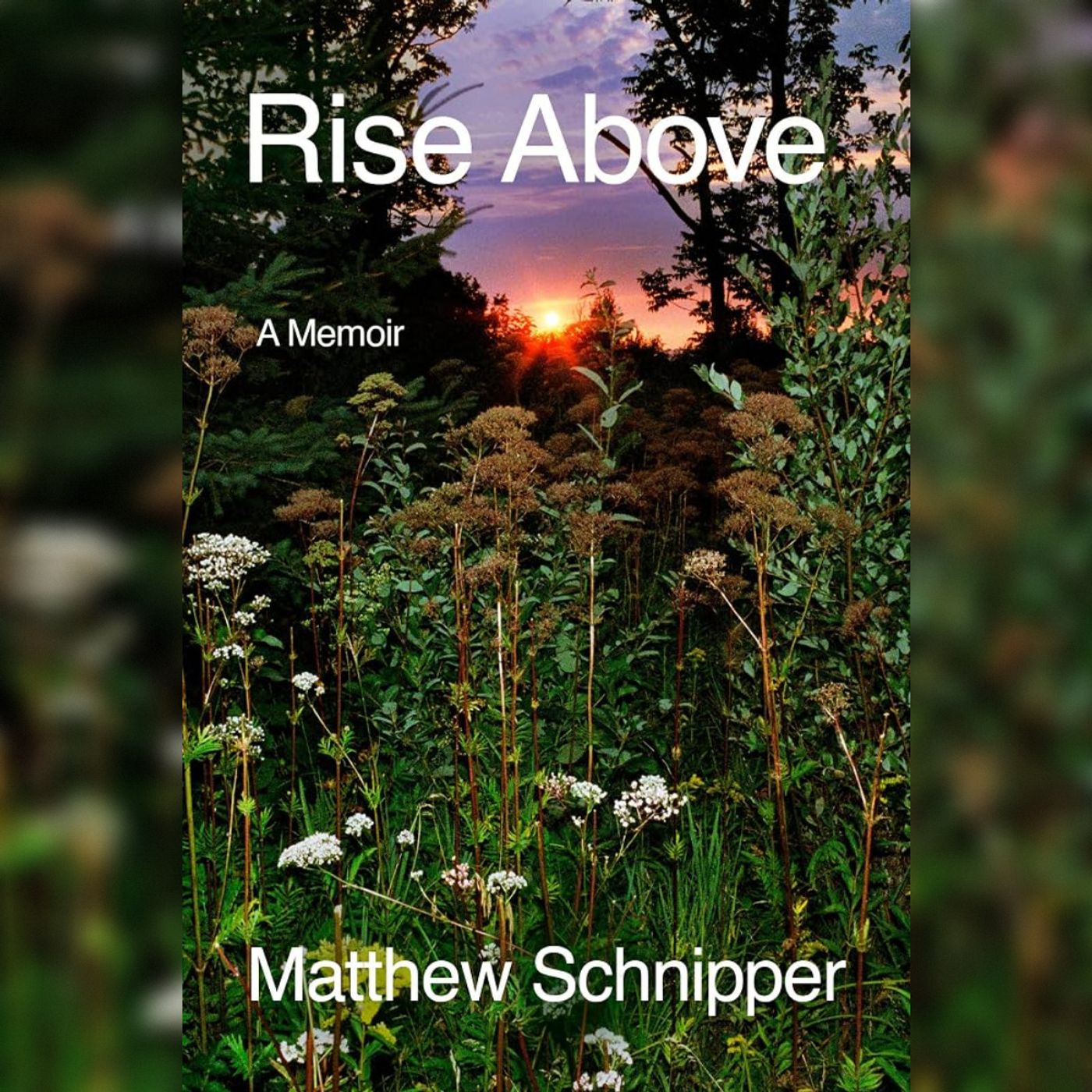
All Of It with Alison Stewart
Matthew Schnipper's New Memoir "Rise Above" About Profound Grief
00:19:50
Loading summary
Transcript50 lines
- [00:00]
Alison Stewart
You're listening to all of it on WNYC. I'm Alison Stewart. When WNYC and Gothma's culture editor Matthew Schnipper's son Renzo was only 22 months old. He suffered a brain aneurysm. It was caused by a malformation in his brain that was present at birth. Renzo died on Christmas Eve 2021. In the wake of his son's death, Matt tried to make sense of how to move forward. He joined grief groups. A longtime music journalist, Matt tried listening to music and collecting rare records. He started a depop reselling store. He ate cookies. Matt also began writing a book which is out today. The memoir is titled Rise Above. It's a story of grief and resilience, of the power of music and friendship, and of profound love. In it, Matt writes, there are a lot of things you can say to someone suffering. I'd recommend, though, not telling someone that you can't imagine what they're going through because the pain I felt is imaginable, as is yours. Imagine if you take the time to imagine it. Rise above is out today. WNYC and Gothmas cultural editor Matthew Schipper has taken a break from the newsroom to join us in studio today. You could catch him at McNally Jackson Seaport at 7pm in conversation with Hwasu. But it's sold out. But you never know because of the rain. So you never know.
- [01:16]
Matthew Schnipper
I will be there.
- [01:16]
Alison Stewart
Matt, tell us a little bit about Renzo. What was he like?
- [01:19]
Matthew Schnipper
Well, thanks for having me, Allison. I mean, Renzo, you know, one of the things that I think was interesting in writing this book to me to realize was that Renzo was a little boy. You know, he was a kid who liked doing kid things. And I think it was almost nice to catalog those things and find his sort of idiosyncrasies. But he's, you know, he was a, he was a very handsome, very sweet little boy, a little bit serious. Most of his life was during the pandemic. So I had actually gotten laid off a couple months after he, after he was born. And I spent a lot of time with him and he had a little bit of a wink of mischief, but not so much. And, you know, he was, he was a baby. I think that was sort of what was strange about this book and almost about remembering him is that, you know, I think I talked about in the book, maybe I can't remember if I did. You know, I wrote my grandfather's obituary when he died and I had all of These things to pull from. My grandfather bought a car every year. He was kind of cheap. He loved the jets, you know, whatever else. You know, my son, it was like. Well, he was a baby who, you know, didn't like getting his hair cut and was into balloons. You know, these things which are sort of child tropes, but that's who he was. But they were so personal and so real one when I was in them with him. And so I have all these kind of very specific memories where it's like, oh, he liked this orange balloon one day. And I think about that all the time, this balloon. And it's not a particularly unique thing, but it was him. So he was very specific. But he was also just a baby.
- [03:04]
Alison Stewart
When you have a kid, you want to be a certain kind of parent. I'm going to be the parent who reads to my kids. I'm going to be the parent that takes them to the park. What kind of parent did you want to be?
- [03:13]
Matthew Schnipper
I mean, I wanted to be all those things. I was also terrified of him getting Covid. You know, I read about in the book. I sort of almost jokingly was like, I'm gonna. I'm. I'm going to play him every kind of music that we could. So we would have little, you know, we would have little sessions where we'd hang out in the bedroom and I'd play him three six Mafia. Or I'd play him, you know, I play him disco or I'd play him. Early in the book, I write about a. Played a morbid Angels death metal band almost just sort of to troll him. I don't know. Can you troll a baby? You know, it's just like, what will happen if this happens? You know? But there was that idea. It's like, well, if you give your kid spicy food when they're a baby, maybe they'll just learn to like spicy food. You know, if you. If you take your kid out surfing, maybe they'll become a surfer. And I was like, well, maybe he'll just get really into, you know, death metal, whatever else. I really just wanted to be present. I think what I wanted to do. I always wanted to be a father. And I really just wanted to hang out with him. I wanted to make him laugh because that seemed very exciting. But really I wanted to put him, you know, kind of in fun outfits and just hang. And some of my favorite memories with him was just I would take him on a walk every day. My wife had gone back to work, and I would just stroll him for a Long time that, you know, in the first summer he was alive and then just taking a long walk with him, communing him. And I remember I would take him and I would turn the stroller around and be like, look. Look out at this. Look at this and this and this, you know, And I would have a mask on, and he wouldn't because he was so small, you know, And I just wanted him to see, you know, I was the kind of parent, I think, that just wanted him to participate.
- [04:48]
Alison Stewart
You write in the book about the fact that there are no word for
- [04:52]
Hwasu
parents who have lost a child. You write, there's no name for the parent of a child who has died. Why not?
- [04:59]
Alison Stewart
It is so rare an occurrence that
- [05:01]
Hwasu
language has had no need to label it. That seems unlikely. There are surely more parents of dead children than there are billionaires. And I know what to call them. I hear about them all the time. If we had a name, would people talk about us?
- [05:14]
Matthew Schnipper
Yeah.
- [05:16]
Alison Stewart
Why?
- [05:17]
Hwasu
What do you think about language? How did it affect your experience as a grieving parent?
- [05:24]
Matthew Schnipper
I think that's a great question. I mean, for me, I've always. To answer that specific question, there is always satisfaction with a diagnosis. You know, you're sick, and you say, I have this symptom and the symptom. And you, you know, you go see all these rare specialists or whatever else, and they say, oh, you have this. And then you go, okay, well, now I have a plan of attack. Because if you put it inside of a box, you know, it kind of. It's. It's a. It has a category, you know, you understand. And other people can also. Well, because they're familiar with that thing. I think without being a member of a group that was easy to identify, you felt. I felt very alone. It wasn't as though, oh, this is how we. You're a cancer. Cancer patient, or you're, you know, use the cough button.
- [06:16]
Alison Stewart
Go ahead.
- [06:18]
Matthew Schnipper
It's possible I have stressed myself out into a cold with this book coming out, but I don't know. Excuse me. Without having that, you know, I did realize, oh, it was harder to get in touch. And you have to kind of describe what you are, you know, well, I'm a parent, but my child, you know, I did have a child. Am I still a parent? You know, I don't know. And people would say, you are a parent. And I would say, but. But am I? And I started thinking, well, are people who are widowed still married? You know, all of these kind of specific things. It made it hard to identify who I was to other people. And sometimes people say, oh, you're still a parent. And I would start to get angry. You know, I'm not. My kid died. You know, that's not the. So I would kind of grasp for language to kind of identify who I was so that I could kind of, I don't want to say, sell it to other people so other people could understand where I was coming from. And that was difficult.
- [07:07]
Alison Stewart
My guest is WNYC and Gothis culture editor Matthew Schnipper. We're discussing his new memoir, Rise above, about the sudden death of his son Renzo at 22 months old. In writing this book, what did it teach you about your experience grieving?
- [07:23]
Matthew Schnipper
That's a good question. You know, I think when I started writing this book, I think I felt a little bit like, oh, I'm going to teach. Teach some people stuff. You know, I know everything now, and I. I've experienced this, and I'm going to put this down, which I think was nonsense. You know, I don't think I had any idea what I was experiencing, what writing this book allowed me to do. And I got a book deal. I wrote an essay in the New Yorker and was approached about writing a book. And I said, yeah, I want to do that. And then I signed a book deal, and I didn't write any of it for months. I was terrified. And eventually I quit my job and said I need to kind of focus on this. And the year and a half or so that I spent writing it gave me time and space to think about my son, to think about my daughter who was born about a year after he died, and to think about both what had happened to me and who I wanted to be in the future. So I was able to kind of catalog what had happened. You know, how did I spend these days? There are a lot of references in the book. You know, I talked about watching Emily in Paris after he died. I talked about all of the different music I listened to in the art that I saw. All of these things are interchangeable. That's just what I experienced. If you've experienced pain, you probably use something else as a salve. I wanted to kind of talk about the kind of texture of my life at that point. But really what was so beneficial was having that time. And, you know, for anybody who's listening, who's a writer, who, you know, either journals, writes, whatever, you know, to be able to get it out and to have that be the focus of my day was incredibly helpful because, you know, when you're angry, you're upset. It will come out in the side, you know, in the sideways ways when you don't necessarily want it to. And so what I was able to do was spend my day thinking, you know, spend my day processing. And at first, I was very angry. You know, I wrote this book and I was so mad. And I looked at those first drafts, and, you know, they seethe to me, you know, I'm sure. And I realized, oh, that's not who I want to be. But it was helpful to have a place where it could go. So what I think I learned was that if you have a lot of emotions, tend to them. I mean, no, duh, that's not a huge thing. It's not a giant revelation, but I learned that I absolutely needed to. And doing it in writing and trying to bring some life and fun and, you know, I think this book has jokes, is worth doing because that's the kind of person that I am, even in the context of such kind of, you know, such a terrible event.
- [09:55]
Hwasu
At the beginning of that answer, you said, I was terrified to write.
- [09:59]
Matthew Schnipper
Yeah.
- [09:59]
Hwasu
What were you terrified of?
- [10:02]
Matthew Schnipper
I think. I mean, that's a great question. I think I was terrified both of doing a bad job, to be honest. And I was terrified of spending all this time kind of facing it. You know, I knew I spent months and months writing a first. A chat, the first chapter, where I basically just talked about a kind of hero of mine, a musician named Henry Rollins, who's my son's middle name was Rollins. And I just worked that over and over and over until it was like, you need to actually start thinking about what was. I need to actually talk about Renzo and what had happened. I was kind of putting it off, sitting at this writing center, kind of noodling about Henry Rollins life forever making large metaphors. I was scared, I think, to just kind of say, okay, what. What happened? You know, as though if I didn't write it down, then maybe it wouldn't have happened.
- [10:51]
Hwasu
What did you do to take care of yourself as you're writing this book?
- [10:56]
Matthew Schnipper
I mean, you mentioned cookies. I think it's funny. You know, my wife read this book, and one thing she said was, like, you wrote about eating cookies too much. Because it was true. It was just like, I was just eating a lot. I ate a lot of weight because it was comfort. It was comforting. You know, I don't really drink. I don't do drugs. I don't like. You know, I'm not an exercise guy. I tried that for a Little while wasn't great. So I was like, yeah, I'm just gonna go back to eating a lot of cookies. I mean, I also went to different kinds of therapy. I talked to friends. I made a close. A few close friends who had lost people. A close friend of mine had lost a husband. Her husband, very suddenly. And we would text when we were angry, and the other person kind of understood, you know, I kind of just tried to survive. You know, I really just tried to get through the day, one day at a time. It sounds kind of basic, but, like, it's not so different than anybody else. It was just like, what is at hand right now. I'm gonna try to process it without losing my mind.
- [11:59]
Alison Stewart
Music is so connected to memory. It's connected to your story. It's connected to your life. When you think back to the weeks and months after Renzo's death, what it comes to mind?
- [12:10]
Matthew Schnipper
I think a lot first about listening to a musician named Robert Wyatt. And he's this. He's great. If you haven't, check his music out. And I remember there's an album called Old Rotten Hat that I loved. He's a British musician. He has this kind of squeaky Muppet voice. And I remember putting that record on one day and then immediately being like, turn this off. I was like, this was a horrible idea. With his. And being mad at Robert Wyatt, you know, being like, oh, he's got this funny little voice, and he's trying to have a good day. He's trying to be goofy and sing his little songs. I was like, your life is not fun. You know, whatever. Robert Wyatt had a very tough life. No shade to Robert Wyatt. I now enjoy listening to his music. But everything had turned sour, you know, and that sucked. So I had to search for what I could actually, what was palatable, you know, it was like my ears were grieving. So I started listening to a lot of piano, very light piano music. And then I started listening to a musician named Bill Callahan, used to go by the name Smog, who I listened to in my life, who has this very, very deep, very somber voice. And he was very wise. So I spent a lot of time listening to his music. And I was lucky enough that I reached out to him, and he actually read the audiobook for this book, which is really nice.
- [13:26]
Alison Stewart
Oh, that's amazing.
- [13:27]
Matthew Schnipper
Yeah, that's been a dream during this
- [13:30]
Alison Stewart
period, immediately after you start figuring out ways to occupy your time. And one of them was your own depop shop reselling clothes online. And you kept pretty busy. But you wrote, interesting. Filling your time with TAS is not the same as healing your pain. It's something you do to avoid it. When did you realize you were filling your time?
- [13:53]
Matthew Schnipper
I mean, when I really. So Depop is an eBay, like marketplace. Very popular with Gen Z, a demographic I am older than. And I got really interested in trying to sell them clothes after a while. You know, this is not a particularly good. The ROI on making money is low, but it filled up my time. I would take pictures, I would. I would steam the shirts, measure the clothing, write a description. And it was kind of fun because it, you know, it gave me something to do. But then I was like, I was spending time, you know, back and forth. I get an offer for a shirt I'd listed for $15 and someone want to buy it for nine, and I'd be like, okay, well, what about 12? And then maybe, you know, at one point, if I'm being completely honest with you, some guy was lowballing me on a pair of shoes, shorts that were like $11. And I finally just blocked him because, like, he kept sending me these low offers. And then he found me on Instagram and was like, why'd you block me on depop? Just trying to get a pair of shorts. And I was like, what am I doing? Like, this is not a good use of my time.
- [14:58]
Alison Stewart
You know, I thought you were controlling something.
- [15:00]
Matthew Schnipper
Yeah, I think, you know, I think it was something that I could do. You know, maybe I'm being hard on myself. And I'm sure there was some element of this which was soothing. I'm sure I was doing this in the same way people kind of watch, you know, unboxing videos or something. You turn your brain off. And that's what it did. But this was not a time when I needed to avoid what was happening. It was a time when I need to actually kind of confront it. So I'm still selling stuff online. I don't. Believe me. I still, you know, I haven't stopped doing it. I'm, you know, addicted to doing that. I went to the post office with a bunch of packages yesterday. But, yeah, when I was arguing with people about $2, that's when I thought, maybe this is not a good plan.
- [15:42]
Alison Stewart
You and your wife Allegra emerged from the other side still together. You have a daughter?
- [15:48]
Matthew Schnipper
We do, yeah.
- [15:49]
Alison Stewart
How do you think you managed to hold on to each other during this experience?
- [15:54]
Matthew Schnipper
You know, one of the things that you learn and I talk about, anyone who is grieving will maybe come across the name David Kessler, who is a grief therapist, and he's extraordinarily helpful. And he talked about. He had a series of videos about when you lose a child. And he said, you know, you and your spouse will be two. Two empty tanks. You know, you've lost. You've lost the. You're out of gas. And it's very hard to lean on the other person, which is difficult because that is the. That's kind of the whole construct of a marriage. You know, we very purposely had to say to each other, you know, we believe in this relationship and we want it to move forward, you know, and we're. We're all. We're each going to have individual struggles that the other one cannot heal. This book in and of itself is that, you know, but I think the knowledge, this kind of self awareness that we were going to have to look outside of each other to do that healing and then come back, you know, as a pair was hard. You know, it's not a thing that you want to admit, you know, that I want to say, okay, you can't give me what I want, or I can't look to you what I want. I need to go do that somewhere else. I think I was lucky enough that I had the opportunity to do that on the page.
- [17:13]
Hwasu
You're the parent of Coco now.
- [17:15]
Matthew Schnipper
Yes. Crazy child.
- [17:21]
Alison Stewart
How have your wife.
- [17:22]
Hwasu
How have you and your wife fought against the impulse to just be around her all the time?
- [17:28]
Alison Stewart
Not to be helicopter parents?
- [17:29]
Matthew Schnipper
No, I haven't fought against that at all. I want to hang out with her constantly, you know. You know, the first time I spent a night away from her, I was really, you know, I was pretty torn up. I mean, she's a. She has a lot of life, this child. I love her very, very much. She is not a kind of person that is. She's not. She's not a chill kid. She just like, is, you know, and so it's fun to hang out with her. You know, I like hanging out with her. She's like, she's my friend. I love being around her, and I feel lucky to have that be the case. I don't think that I'm gripped with the same fear anymore. You know, there are moments where I. I have experienced moments where I've gone, something's happening. And. And, you know, I've been kind of tunnel vision, which is hard. But no, I. I don't think. I don't think I've escaped that desire to kind of. I don't think I'm a normal parent. You know, a lot of ways I am. I think I'm a very loving parent. She's only three and a half, so.
- [18:33]
Hwasu
Do you know when you're gonna tell her about Renzo?
- [18:35]
Matthew Schnipper
When?
- [18:36]
Hwasu
Yeah,
- [18:38]
Matthew Schnipper
soon. Yes, in the next. We've been told that when people are about four years old, they have an understanding of death that kind of will make sense. And we know she has some inklings, but it's something that we're very aware of and think about quite a bit, talk about quite often, but she does not know yet.
- [18:54]
Hwasu
In our last moments, what would you say to someone who's listening right now, who's going through an unimaginable loss?
- [19:01]
Matthew Schnipper
Be nice to yourself. You know, I. I think it'd be very easy to be angry with people in your network, you know, with your family and friends. Do they not say the right thing? Do they not support you in the way? Figure out what you need and ask them for it. You know, it does put some of that work on you, but they're not going to understand. Be nice to them. Be nice to yourself. Be patient with yourself. If you need to check out, check out. If you want to go on a roller coaster, go on a roller coaster. You want to eat a bunch of cookies, do it, you know, but be kind to yourself. It's not a given. And you're not going to get the treatment that you want from anybody else but yourself.
- [19:41]
Hwasu
The name of the memoir is Rise Above. It was written by Matthew Schnipper. Thank you for taking the time today to be on the show.
- [19:49]
Matthew Schnipper
Allison, thank you so much for having me.