← All Of It with Alison Stewart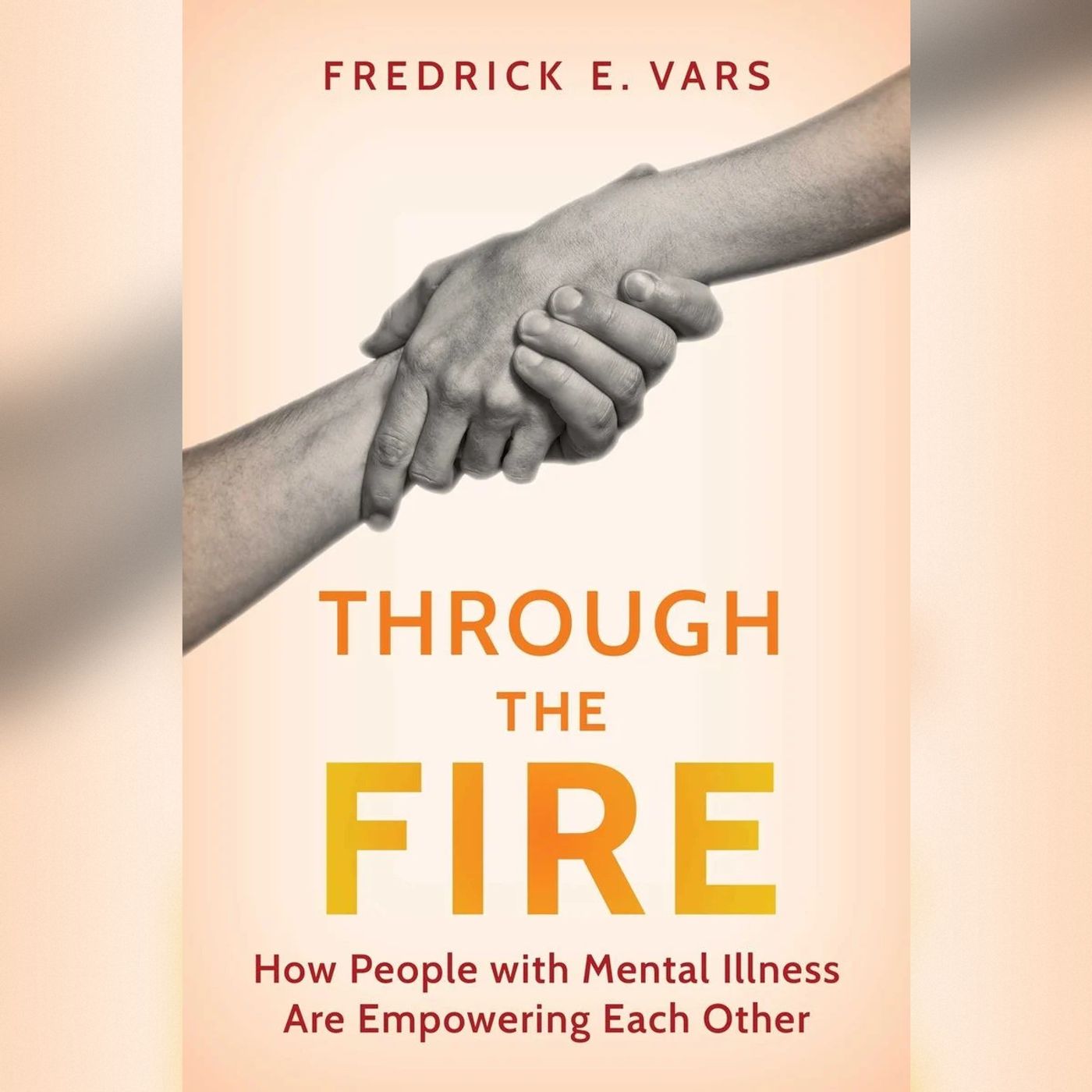
All Of It with Alison Stewart
Mental Heath Mondays: How People with Mental Illnesses Are Influencing Reforms
00:18:17
Loading summary
Transcript29 lines
- [00:00]
A
All of it is supported by Progressive Insurance. Do you ever think about switching insurance companies to see if you could save some cash? Progressive makes it easy to see if you could save when you bundle your home and auto policies. Try it@progressive.com Progressive Casualty Insurance Company and affiliates. Potential savings will vary. Not available in all states.
- [00:29]
B
This is all of it on wnyc. I'm Alison Stewart. May is Mental Health Awareness Month. Our series Mental Health Mondays takes a look at the different aspects surrounding mental health. It touches nearly every part of American life, from hospitals and housing to policing and prisons. Yet when policies around mental health care are created, the people most directly impacted are often left out of the conversation. A new book argues that some of the most promising solutions to the country's mental health crises are actually coming from people living with mental illness themselves. It spotlights advocates working to expand peer to peer support services, community based care and other models designed to help people. It also challenges the idea that mental illness is a character flaw rather than a disease deserving of care, dignity and understanding. The book is titled through the How People with Mental Illness Are Empowering each Other. Author Frederick Vars is a professor at the University of Alabama School of Law and writes from both professional and personal experience after surviving a psychotic break and navigating the mental health care system himself. Frederick, welcome to all of it.
- [01:40]
C
Thank you so much for having me.
- [01:42]
B
Why did you feel it was important to center the voices of people living with mental illness in this discussion?
- [01:49]
C
Well, I think they provide a really unique perspective and one that's overlooked. You know, when you talk about reforms to the mental health care system, you think of big government, you think of cuts to Medicaid, kind of back and forth in Washington. But what I quickly discovered in doing the research for this book, there are actually many, many more peer run organizations providing mental health services than there are traditional hospitals, clinics and so forth. Really the people at the front lines are actually those with mental illness who are turning around trying to help one another.
- [02:30]
B
You wrote this book from both a professional background in law and and your own personal experience with serious mental illness. How do those two perspectives help shape this book?
- [02:41]
C
Yeah, well I really started with my own story and as you mentioned, in my in my 30s I had actually two psychotic breaks leading to hospitalizations and a diagnosis of bipolar. And my experience with suicidality led me to advocacy and an idea called Donna's Law and allowing people to restrict their own ability to buy firearms. And so through that advocacy I started coming into contact with other people also engaged in advocacy who had had similar experiences, different experiences, different policies. And that really is what got me looking at it from that angle.
- [03:29]
B
In the book, you write about how you're going to refer to people and how you're going to refer to mental illness. And I thought it was sort of fascinating. How do you refer to people who have mental health issues?
- [03:39]
C
Yeah. So it's interesting in the book, I, I interviewed 50 people, all of whom had some sort of lived experience around mental illness. And I honestly couldn't tell you how many of them had diagnosis X or Y or Z. I didn't ask. And people would tell me mostly about trauma, childhood experiences, hearing voices, symptoms, because that's what people experience. That's what people live with. Some of them, most of them, I think, were taking medication. I didn't ask those questions either. I really let people define themselves and didn't put a label and some of them chose to have a label. I certainly identify with a bipolar diagnosis and take medication, and it's extremely helpful for me. But I always, you know, put the person first, you know, and so I never said obviously a schizophrenic. I would say a person with schizophrenia, for example. If someone said they had lived experience or identified as a peer, that's how I identify them in the book.
- [04:42]
B
Why was language important?
- [04:45]
C
Well, it's certainly important to me and I think it's incredibly stigmatizing, you know, and, and to be dismissed and sort of thought of as a mental patient is something that, you know, pretty much everyone, when they get a diagnosis, has to go through and it sort of strips away your other identities and you're kind of reduced to, oh, that's what I'm going to be for the rest of my life. And I think you really have to go through the process of rebuilding and sort of putting back together your identity and forming a positive identity. And that's really know an important part of what peers do. A lot of that work they're doing is, you know, helping themselves get through self stigma and being able to tell their own story and, and use it to help others can be extremely powerful. Kind of self therapy.
- [05:42]
B
A new book explores how people living with mental illness are leading efforts to reform mental health care in America. Frederick Vars, professor at the University of Alabama School of Law, joins us to discuss his book through the Fire, how people mental illness are empowering each other. Obviously, people living with mental illness, it's different every time. But let's take an example. If someone sees somebody they think's in crisis and they call 911 what can happen?
- [06:11]
C
Yeah, so this I also lived through myself. My first psychotic episode. My wife called 911 and this is before there was a 988 number. But the situation would have been the same. And in my she was ask transportation to the hospital, I refuse to go. And in that situation, in most places in the country, even today, the first responder will be a police officer with a gun and in a uniform. And that I think is a huge mistake. We're actually seeing reform take place in parts of the country where peer led crisis response teams are going to actually interact with patients. And a big difference. I'll tell one story about crisis response with a peer response team in, in San Francisco, a woman I spoke to was the leader of the team. They were in their van and just happened to be driving by where a man they recognized, a homeless individual was in the, you know, having clearly having an episode where he was seeing things other people were not seeing, reacting to stimuli. He was waving a knife around and it was in sort of, you know, an unexpected part of town in one of the nice neighborh neighborhoods, tourist on top of the hills, clearly in crisis. So they drove their van over. He immediately recognized them, trusted them, threw down the knife, came over and started venting about his various problems. And they asked him, well, what do you need? What can we do for you and can we give you a snack? And so yeah, and they gave him some food and he sat down and he started talking more rationally. And then just a few seconds later, police come blaring and you know, two cars, lights flashing, cops jump out. Where's the knife? Where's the knife? And at this point the guy is so calm and really relaxed. He wants to help the police officers. So he's like, oh, I'll go pick up the knife and hand it to them. And the woman on the response team was like, no, I don't think that's a good idea. She kind of kicks the knife under the car and says, you know, you just stay here, let the police officers take care of that. But basically it just indicates, you know what the kind of fundamental difference in mentality when peers interact with other peers. The question is always, what do you need? What can we do for you? What do you want? And it might just be a sandwich, right? Police show up, they want compliance, they want you to immediately follow orders. And those interactions can so often turn deadly. And it's the individual in crisis is the one who's going to get hur. It's not going to be the Police officers.
- [08:57]
B
In the third chapter of the book you write, many of the old state psychiatric hospitals have been replaced by jails and prisons and that the rate of mental illness in prison is roughly double 41% than the rate in the general population. How often are jails and prisons functioning as de facto mental health institutions?
- [09:18]
C
Yeah, yeah. I mean, basically, it's a lack of good community care options. We just don't have the kind of treatment, treatment in the community that people deserve. And, you know, the old model and the model that the current administration is actually trying to push us back to is kind of mass institutionalization. People were just sort of locked up, forgotten about, and put away. We have so many better options, so many better treatments. We have models, you know, for example, assertive community treatment. So even people who, you know, with treatment resistant schizophrenia, for example, like one of the most difficult diagnoses to handle, would not be able to live independently in the community, are still able to live in apartments because they have a team, an interdisciplinary team, come sometimes daily at first, hopefully weekly, maybe monthly at some point, administer medication, bring food, make sure their time, you know, they've got needs met. And, you know, that sort of intervention, that kind of intensive intervention can keep them in an apartment maybe across the hall from somebody else who's also going through a similar situation. And the team, I, the ACT team here in Birmingham that I talked to does have a peer on the team. And that individual has made really surprising and terrific connections with some of the clients in the team member. They're not just sitting around in their apartment, you know, hearing voices all day, Peer sits in the room and they watch TV together. And in one, in one situation, the, the, the client actually mentioned, oh, I'm a veteran and they've never taken care of me. And, and the, the peer said, well, you might be entitled to some benefits. And so they kind of looked into the process and they actually found that he was due almost a hundred thousand dollars in unpaid benefits from the va, which, you know, had the peer not been, you know, taking the time, sitting in the room, interacting with the individual, never would have happened. Another situation with the peer discovered one of the clients like to play a musical instrument. So they get together and the peer also plays a musical instrument, so they jam together. Something that just, you know, wouldn't happen, obviously, in an institution. But, you know, it's those kind of human connections that are possible when peers are part of the mix and people are not just locked up and thrown away. Again, you wouldn't see that in a jail or prison.
- [11:58]
B
Yeah. Frederick, hearing you talk, it sounds like peer led mental health reduces isolation.
- [12:06]
C
Absolutely, it does. I mean, and in some ways, you know, with that ACT program too, I mentioned, you know, you may be across the hall from somebody else who also has schizophrenia. You are intentionally across the hall from somebody with schizophrenia. They always try to put two or three people in a building. So there is a bit of a community. There was another housing situation in Massachusetts. I spoke to the peer who spends much of his time in there. It was supposed to be transitional housing, but the people didn't want to leave. They had found a community. They had meetings every week. They have a sort of Democratic, okay, we're going to have a picnic. Who's bringing, bringing this? What do we want for food? You know, and the budget. And so they had built this kind of little community and they never wanted to move out. So it just turned into a kind of permanent supportive housing. The peer came in, spent a lot of time talking to people, helping them, you know, if they were unable to pay rent and so forth.
- [13:14]
B
We're talking about the book called through the Fire, how People with Mental Illness Are Empowering each Other. It's by Frederick. You mentioned the gentleman who had VA benefits coming to him. Hundreds of therapists and social workers have left the VA after the Trump administration announced plans to overhaul the va. What policy changes has Trump made so far and how do they affect what you're talking about?
- [13:41]
C
Yeah, I would say back to the housing issue where I mentioned the current administration going to institutionalization. So it was an executive order he issued. I think it was over the summer, but pretty early on in the. Over last summer, basically saying for homelessness, we need to move back to institutions. So part of that would have to be expanding the criteria for civil commitment beyond, you know, the current standard and the one that's been approved as constitutional is that you are both mentally ill and a pretty imminent danger to self or others. So basically the idea would be to say people who really aren't able to take care of themselves so as to include a lot of homeless people would also qualify for institutionalization. So that is the kind of Trump approach to housing. In the same order, he said Housing first has been a failure. The Housing first program, and I don't know if listeners are how familiar they are with that, but it's actually been in places where it's been implemented well, it's been a resounding success. 80 to 90% of people who are housed through the Housing first program remain housed kind of long term. And Basically, the difference between housing first and other programs are usually called like treatment first. Treatment first means you got to get sober, you've got to agree to a particular regime of mental health treatment, if that's appropriate, and so forth. And then we'll give you housing as a condition of you meeting these prerequisites. Housing first says no. First get you a place to stay and then get you services, provide you with reasonable access to services, get you transportation to the clinic, get you, you know, people coming into your unit if you need that kind of level of services. But you don't make it conditional because the people who need the help most are the ones who are going to get it. We're going to be least likely to get it if, you know, the ones who are unable to get over that addiction. Right. Or to, you know, suddenly get on a stable course of antipsychotics or something before they actually get housing.
- [16:15]
B
As we wrap up, I did want to ask about family before peers comes family. How can families build trust with a loved one who may resist treatment?
- [16:25]
C
That's a really tough question. I was personally incredibly lucky to have been married for years before my first manic episode. So there's never a question of trust. I think it's really important for family to not to minimize the experience, not to argue with a person who may be, you know, experiencing the world in this way. You can't just tell them, oh, you're thinking irrationally, oh, you should do what the doctor says. You have to take their concerns as real concerns because they are and ultimately, you know, an individual, if they don't buy in, they're not going to succeed. And your role as a family member is not to be the treatment provider. It's to provide support to the individual.
- [17:16]
B
What's the most urgent change in policy that you would make right now if you could. You have one minute.
- [17:22]
C
Wow. I think the crisis response, getting more peer led teams out there is really important because it connects directly to the jail and prison statistic that you mentioned.
- [17:37]
B
Yes.
- [17:38]
C
Because think about what happens, you know, in an interaction with law enforcement. If law enforcement encounters resistance, sometimes it will lead to a tragedy on the scene, a shooting, but often it'll lead to jail. Right. That the, the, the individual resists arrest or, you know, and somehow, you know, the gets, situation gets out of control and that starts a person into the criminal process, which is the worst possible place for a person with mental illness. A peer led team is not only going to avoid the tragedies, but it's also going to direct an individual to what community resources are available.
- [18:17]
B
The book is called through the How People with Mental Illness Are Empowering each Other. It's by Frederick Vars. Thank you for taking the time to explain this to us.
- [18:27]
C
Thank you. My pleasure.
- [18:28]
B
And that's all of it for this hour. On the Way will discuss the 2026 Men's World Cup.
- [18:37]
A
WNYC Studios is supported by AT&T Summer. It's when we share more time, more memories and more photos and at, at and t. The iPhone 17 Pro is your summer essential. Its center stage front camera auto adjusts the frame to fit everyone into group selfies. Right now at, at and T, you can get iPhone 17 Pro for $0 with eligible iPhone. Trade in any condition required. Trade in of iPhone 15 including iPhone 16e and 17e required eligible plan terms and restrictions apply. Subject to change. Visit att.com iPhone or visit an AT&T store for details. What if you could replace your windows and doors today and not pay a dime for two years? This May renewal by Andersen makes it happen. For a limited time, get beautiful new windows and doors with no money down, no monthly payments and no interest until May of 2028 with a minimum purchase of 6. That's right, install now and pay later. Way later. But this offer won't last. It ends May 31. Visit renewalbyandersonhome.com today and take advantage of this limited time offer.