← All Of It with Alison Stewart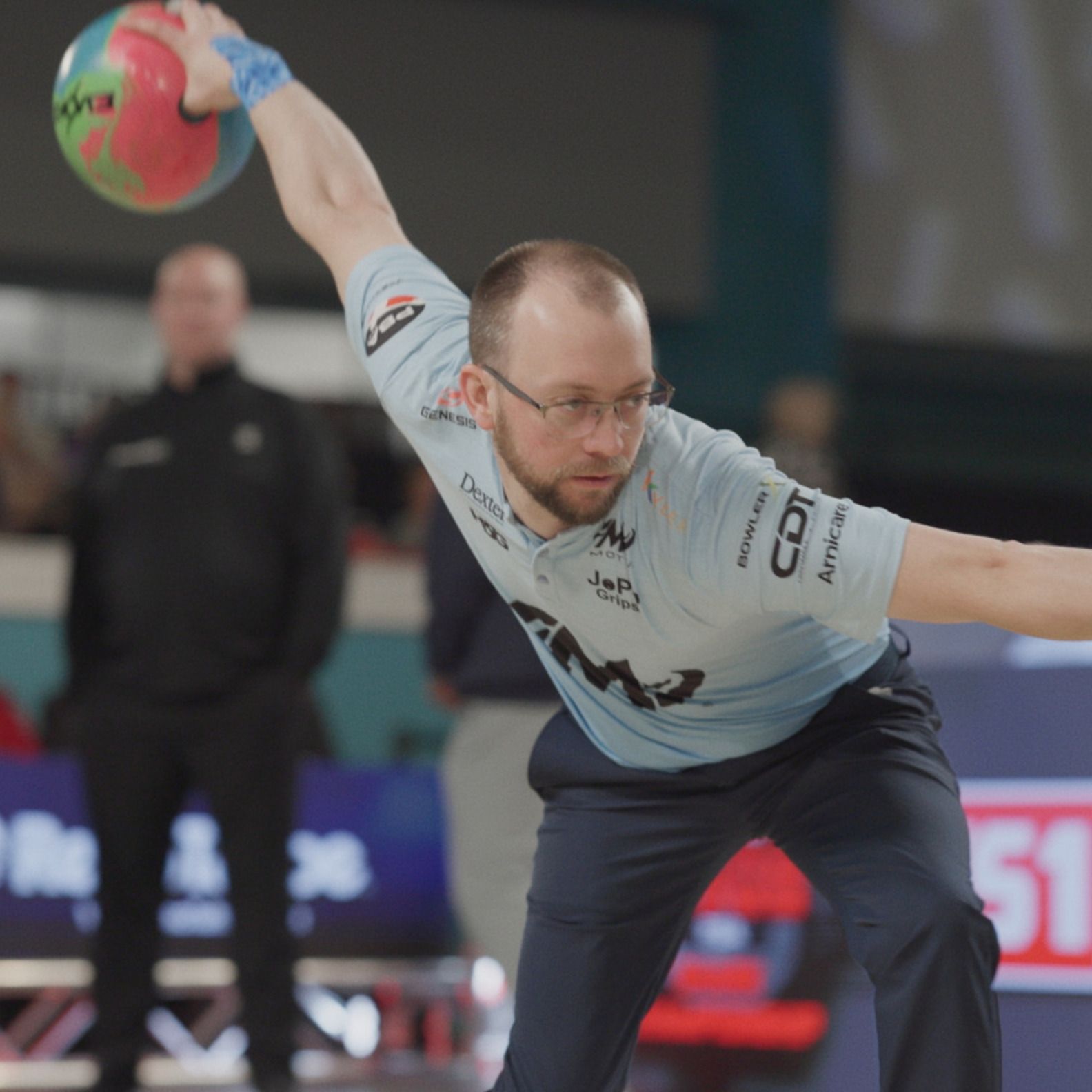
Loading summary
Transcript57 lines
- [00:00]
WNYC Announcer
All of it is supported by Progressive Insurance. Do you ever think about switching insurance companies to see if you could save some cash? Progressive makes it easy to see if you could save when you bundle your home and auto policies. Try it@progressive.com Progressive Casualty Insurance Company and affiliates. Potential savings will vary. Not available in all states. WNYC Studios is supported by Odoo. When you buy business software from lots of vendors, the the costs add up and it gets complicated and confusing. Odoo solves this. It's a single company that sells a suite of enterprise apps that handles everything from accounting to inventory to sales. Odoo is all connected on a single platform in a simple and affordable way. You can save money without missing out on the features you need. Check out Odoo at o d o o.com that's o d O O do.
- [00:59]
Alison Stewart
This is all of it on wnyc. I'm Alison Stewart. A new series from HBO documents the wild wonderful world of professional bowling. It's a world of grit, fierce competition, colorful personalities and memeable moments like this victory celebration.
- [01:22]
WNYC Producer/Host
That's right. Who do you think you are? I am
- [01:28]
Alison Stewart
Born to Bowl falls as a group of pro bowlers competing against each other on the Professional Bowling association tour, the major league for ten pin bowling. New episodes air on HBO on Mondays. The series directors James Lee Hernandez and Brian Lazarte join me now. Nice to meet you.
- [01:46]
James Lee Hernandez
Nice to meet you. Thanks for having us.
- [01:47]
Alison Stewart
Hey listeners, listeners, are you a bowling fan? What's your place to bowl? Have you ever bowled competitively or do you follow the sport? You can text us now or call us at 212-433-WNYC 21243 9692. James the last documentary the two of you made was McMillions about McDonald's monopoly promotion scam in the 1990s. And then you directed the Big Con for Apple TV. Plus, how did you find yourself going from scam artists to bowlers?
- [02:19]
James Lee Hernandez
The thing that we're always fascinated with are just these worlds that you think you know, but when you pull back the curtain it's something totally different. And we're always fascinated by just great characters. So you can kind of take the story concept of how we approach just looking at a specific world or instance and apply that to almost anything. It's not just true crime related. Like with this we did sports, you know, we produced the the Lala the the Story of Lalapalooza three part series and that was, you know the we worked with director Michael John Warren on exploring that. So really taking something that you think you know a specific way and then showing you the 360 view of what it's actually like is what we get excited for.
- [03:03]
Alison Stewart
Brian, you told Decider that this series is quote, the antithesis of Drive to survive. The F1 docu series. How did you want this documentary about sports to be different?
- [03:15]
Brian Lazarte
It's. Bowling is one of those really unique sports in which the professional athletes that are out there doing it, they don't make any money unless they win. Compared to drivers who even if they don't win, they have nice homes and they make a decent living. For bowlers, they're out there paying their own way. It's a four month season where they're on the road and they are putting money down for Airbnbs hotel rooms, their meals and if they don't win, they're coming home empty handed. Every week that hole gets deeper and deeper.
- [03:51]
WNYC Producer/Host
Brian, we're going to try to fix your audio. It's a little funky. So I'll talk to James for a little bit. James, you got, you got leave scriber to leave Schreiber. Excuse me. To narrate the series, he also narrates HBO's Hard Knocks. Why was his voice the right one?
- [04:09]
James Lee Hernandez
We had gone through a lot of different iterations of who could possibly do it. You know, everything from, you know, looking at actors that were in classic bowling movies like Bill Murray to, you know, in the idea of having Ben Stiller do it. But the problem was we need to take all of this seriously. We can let funny moments be funny and quirky things be quirky, but at no point do we want to feel like we're making fun of them. And so you sort of need like how Leslie Nielsen was basically the same serious actor that he was in movies, in Airplane. We needed that. We needed to be grounded in reality and, and Liev, just the weight of his voice and the history of what he's done really lended itself to us. When people watch this, immediately they're like, oh wow, this is like a real thing. This is serious. If we hear sort of the voice of God that we're used to in Hard Knocks explaining what's going on in bowling. But the thing about Liev is he's also a phenomenal actor. So he was able to lean into the fun and the funny without going too far.
- [05:11]
WNYC Producer/Host
Brian, let's see if we can hear us.
- [05:13]
Brian Lazarte
I. I can hear you. How about.
- [05:15]
WNYC Producer/Host
You sound great. You sound fantastic. I'm glad to hear it. I Want to point out that we're talking specifically about ten pin bowling here. How many different kinds of bowling are there and why did you specifically focus on ten pin bowling?
- [05:30]
Brian Lazarte
Well, I mean, the thing about ten pin bowling is we've all done it right. We've all gone bowling. We all have a story, whether as a kid going to a birthday party or weekend afternoon fun or evening fun. And the, the great mystery to us was the world of professional bowling. Because as much as, excuse me, as much as very similar to what you've done at birthday parties, the level of difficulty and seriousness goes to a whole other level, the amount of bowling these guys have to do. And one of the unique things that we present in our series is the fact that these bowlers are competing on oil patterns. It's one of the things that was a great discovery to us that there's an invisible layer that gets put on the lanes and professional bowling and there are multiple different patterns and they're essentially obstacles. So. And they change every time that ball rolls down the lane and it makes it harder and harder, which make adds the level of difficulty for all these bowlers.
- [06:35]
Alison Stewart
That blew my mind. I love this job because I learn something new every day. But the idea like that the wax and the oil on the floor is kind of what they're competing against it.
- [06:45]
Brian Lazarte
Yeah. And a lot of it's the greatest obstruction because they can't see it and it changes. And every time another. And they, and when they compete, they also go from lane to lane to lane, so they can't even see how what they call oil transitioning on the lanes. And, and once they find it though, that's when they can really dial it in and they can really get high scores. And. And you see it, you know, a lot of the Bullards talk about like I could see the transitions and they, you know, then their scores just skyrocket.
- [07:13]
Alison Stewart
I'm speaking to James Lee Hernandez and Brian Lazarte, co directors of the HBO docu series Born to Bowl. Hey listeners, if you want to call in and tell us you're a bowling fan and tell us why, Our number is 2124-3396-9221-2433. WNYC, we'd love to talk to you if you've ever bow. James, let's go play a clip from this series. It features pro bowlers E.J. tackett and Belmo. Can you tell us about these guys?
- [07:40]
James Lee Hernandez
I can. So EJ Tackett has been the hottest bowler over the last four years and he has Gone on a run that is almost unprecedented. He's won three Players of the Year in a row. And if he wins this year, it'd be the first time anybody has won four in a row. But he was preceded by Jason Belmonte, also known as Belmo. And Belmo is basically like the dominance of Tiger woods during his heyday. Belmo did that in bowling. He's won five more majors than any other bowler in history. He's won more than anybody in history. And he's so impactful that he actually changed how the game is played because he was really the first bowler to bowl two handed effectively. And before that, everybody bowled one handed. There might have been one or two randoms, but he was so dominant that now over 50% of new bowlers all bowl two handed. And he was so good to the point where people try to get him disqualified because he just was so dominant.
- [08:36]
Alison Stewart
Let's listen. This is Belmo speaks first and then we'll hear E.J. this is from Born to Bowl.
- [08:43]
Jason Belmonte
In the third frame, I left the 10 pin on a shot that I thought was pretty much perfect. So your mind is racing. Do you slow down? Do you speed up? Do you change ball? Do you change your target? This, so many different possibilities, but whatever you do, you get one crack at it. And in a 10 frame game, that's 10% of your game. You make two wrong decisions. That's a fifth of your title match. That is bad. Oh, Jason
- [09:14]
Alison Stewart
almost got away with it.
- [09:15]
E.J. Tackett
I started off with four consecutive strikes, and in the fifth, I threw one. Not so great. This basically ties our match back up.
- [09:26]
Brian Lazarte
Chance for Belmo to take the lead
- [09:28]
E.J. Tackett
and gives Jason the opportunity to throw some punches.
- [09:33]
Jason Belmonte
I looked at all my equipment, I looked at all my possible answers, and I was thinking, do you make that change and really, really risk it?
- [09:43]
Alison Stewart
Brian, what was the most exciting part about learning about bowling? Watching bowling? What's the most exciting thing about it to you?
- [09:52]
Brian Lazarte
Oh, boy. Well, I mean, along with the oil patterns and the, the unique, just the uniqueness of the sport, I mean, the fact that these guys are out there like, like we said earlier, just painting their own way, that that blew our mind because you realize the stakes that are involved. A lot of these guys who work, you know, side jobs or day jobs and really look at this time to like, you know, make that, cross that threshold. And one of our, one of the bowlers that we followed this year, this last year for our season was a rookie. And seeing that progression, just like, okay, you're finally making that leap into the ranks of the professionals. And you realize just like, oh, wait, this is, this is going to be really, really, really hard. But all of the, like, everyone who does this, and you know, we featured really in the season, the men, but even some of the women that we've had a chance to meet on the side have been incredible at illustrating just how important this is to them. And they, they live for it. They really do.
- [11:05]
Alison Stewart
We're talking about Born to Bull. We'll have more after a quick break.
- [11:09]
WNYC Producer/Host
This is all of It.
- [11:19]
Alison Stewart
You're listening to all of it on wnyc. I'm Alison Stewart. I'm speaking with co directors James Lee Hernandez and Brian Lazarte. Their new HBO sock docu series is called Born to Bowl. James the first bowler we meet is Kyle Troup, also known as the pro with the fro. His dad was a pro bowler who was also famous for wearing this bright, bright pants. How would you describe the fashion sense of these bowlers?
- [11:47]
James Lee Hernandez
The fashion sense definitely has evolved. You know, early on in the 50s and 60s, it was very serious, kind of almost like business casual for what the, you know, in the day collared shirts, all of that. And Guppy troupe really helped break that whole idea of wearing these crazy colored pants and, you know, really being out there and understanding that this is a sport for show people watch it on tv, there's fans there, and he played it up to the crowd. Rather than being the more like serious version of bowlers that we'd seen traditionally, another person then, then took the flamboyance to a new level was Pete Weber with both his antics and his clothing. But it's interesting because bowling shirts, especially, like now kind of have come back into fashion. You know, it was really big in the 90s when swingers, that movie came out, and now that is sort of repeated. So the idea of, like, fashion and bowling have kind of always merged together to be part of Americana.
- [12:46]
Alison Stewart
BRIAN Kyle Troop, the pro with the fro. Imagine, like Bob Ross bowling in bright pants. He started when he was just 15 years old. Have all of these guys been training since they were kids?
- [13:00]
Brian Lazarte
Well, not all of them, but those who have are, are the, the elite bowlers that you're seeing today. Most of them. I mean, what's unique about the bowlers we followed? E.J. tackett, Belmo. Both of his parents own their, their parents owned bowling alleys. So they started when they were barely able to even walk. You know, Kyle tripped pro with the pro just growing. He, he was born, I mean, his parents were married in A bowling alley, so. And his mom was pregnant with him, so he destined for the bowling alley beforehand. And it really just does highlight like they, they've made it their life, you know, ever since they were kids.
- [13:42]
WNYC Producer/Host
James we got a text that said my only sports injury was from bowling. I pulled my bicep right off the bone. Boy, do I miss bowling. It's hard to say that after you hear that, but do these, do they sustain injuries? How do they deal with injuries?
- [13:57]
James Lee Hernandez
They do sustain injuries. First of all, that sounds pretty brutal, but you know, with, with bowling you got to think that you are continually throwing a 15 pound ball down the lanes. And these guys will play all week. You'll see on TV the two hour live show, but they start bowling to qualify on Tuesday and Tuesday, Wednesday, Thursday, Friday, Saturday, they're bowling all day just to get to the point of making the show. So it's kind of like a picture of the repetitive motion thing of elbows and shoulders and you know, your core. Anthony Simonson, who's one of our, our five that we're following this season, you know, he tweaked his back because you're twisting so much. There is just a lot of things from the amount of times that they are throwing bowling balls that can happen.
- [14:44]
WNYC Producer/Host
Brian the docu series features a handful of professional bowlers all competing in the Professional Bowlers Association Tour. How big a deal is this tour in the bowling community?
- [14:56]
Brian Lazarte
Well, I mean it's, it is, it's like this, it's hard to say, it's like the super bowl because it's multiple, multiple events. There's 19 events, five majors. So they have five chances to win up to a hundred thousand dollars. But other than that, all the smaller tournaments that, that are spread throughout the country like, can be anywhere from 20 to $30,000. And, and when they pick, you know, if they win multiple, that's where it really makes something. But this is, I mean it's the upper echelon. This is, I mean there's a lot of other events, leagues and ways of making money, but the PBA Tour is the top brass.
- [15:33]
Alison Stewart
And I wanted to echo something that you said when your audio wasn't that great. This is not a. These folks are doing it to make money for their families.
- [15:44]
Brian Lazarte
That is correct. Yeah. Yeah. The only way they make money is if they win. And so they're putting money up for Airbnbs, for hotels every single week that they're out on the road. Gas money, because they can't, they have to drive from location, they can't fly with, with 24 bowling balls. The cost of that would be so expensive. So when they're on the road, they're, they're betting on themselves to win. And if they, and if they win, what comes with that are sponsors, which actually make it even better. But if they don't win, you know, then it just hurts. Then they're just in the hole and they got to financially recoup. So it's a, it's a tremendous respect for the gamble that they all bet on themselves to be in that upper echelon.
- [16:32]
Alison Stewart
We learned that bowling has a list, a list of insider language and a lot of jargon. We'll say, James, what's your favorite bowling term that you've heard?
- [16:44]
James Lee Hernandez
Oh, that. There's a tie for me. So I definitely, I mean, growing up, you know, when bowling with everybody, you wanted to get a turkey. So that was really. That's three strikes in a row. And that if you got that, I mean, at least when I was a kid, you basically, I thought I was going to be a pro bowler if that happened. What we learned is that there's four bagger, five bagger, six baggers. So that's more strikes in a row. If you get four or five or six in a row. And I always just think it sounds funny because it almost sounds like a, like an Italian, Italian mafia term. Like, I got a five bagger. Like, who knows what that means? Could mean five bodies in the trunk, but it just means five strikes in a row.
- [17:24]
Alison Stewart
What about for you, Brian? What's your favorite bowling term that you learned?
- [17:29]
Brian Lazarte
Oh, that. I. Well, I mean, other than the repeating what James just said, I mean, you know, hearing about a four bagger, five bagger, like, those were, those, those are fun terminologies. Honestly, they're still to this day, they, they, they tell us terminology and we're just like, what? Like, where did you come up with that? We kind of make, you know, we, we try to lean into some of the absurdity of, of the humor surrounding bowling in our, in our series. And, and this is definitely one of those highlight moments we kind of attributed to, like, watching a medical drama if you're on the lanes for the first time, because it doesn't. You don't have. The thing is, you can come into the series and not know anything about bowling and, and enjoy watching these guys compete. And that's what we wanted to do. We weren't making a show just for bowlers. We were making a show about these real people that just happen to be bowling and they're fun and they're funny and the sport itself just has, I mean the whole, you know, the whole spirit of the sport is about fun and, and it's also about normalizing failure.
- [18:43]
James Lee Hernandez
I do have to throw in because we're on WNYC is that there's a term called Brooklyn and if you Brooklyn, that means you aimed for the, the one side of the pins and you actually hit it on the other side of the pins and still got a strike.
- [18:58]
Alison Stewart
Makes sense to me.
- [18:59]
James Lee Hernandez
It's the other side of the tracks.
- [19:03]
Alison Stewart
I'm talking to co directors of Born to Bull. It's on HBO docu series James, James Lee Hernandez and Brian Lazarte. They are my guests. Our texts are blowing up. It says growing up I bowled weekly with my family, was in a family league and everything. This has great Saturday memories of watching bowling on ABC Wild World of Sports as a teen in the seventies. And this has asked a question. Does the series touch on the disappearance of independently owned lanes
- [19:32]
James Lee Hernandez
that we actually don't necessarily touch on. We do go over the, the in general, how bowling really started in general, like the history of it all the way back to Egypt and then how it came to America and how it became very popular. In our last episode we really talk about the relationship between bowling and the rise of television and how they helped each other out in so many different ways. And part of that is understanding how this is really woven into the fabric of Americana like I was talking about with the clothing, you know, pop culture and movies and TV shows. So we do talk about that overall, but we didn't get too much into that. I mean they're 30 minutes, 30 minute episodes and it's a lot to cram in.
- [20:14]
WNYC Producer/Host
Brian, there's a bowler who goes by Simo and he's, he's kind of a hothead the way he is introduced to the, to the audience. But then we see Cameron, who's the rookie, describes him as an older brother, which I thought was really interesting. What did you want to emphasize with those two sides?
- [20:31]
Brian Lazarte
Yeah, I mean so Anthony Simonson or, or Simo, he, when he's on the lane, he, he's a beast. He is one of the most impressive bowlers out there. And, and the fact that you know, he, he, he self proclaimed hothead at times, it is, it is internal. It's a mental sport and, and they really battle themselves on the lanes and, and it comes across. There's, there's no filter to hide behind and it was one of the great things that all of these bowlers gave us, which was an un, you know, unfiltered view of what it's like. And, and, and we wanted to highlight just how dramatic it can be sometimes on the lane. But the truth is, Simo off the lanes is one of the kindest, sweetest, nicest guys you could ever meet. And any fan that's ever come up to him and hopefully our episode two, which you see him, you know, getting a little heated, doesn't discourage any fan from coming up and getting his autograph because he will, he will give you so much extra time. He will make sure to let you know how much he cares about all the fans out there. And, and you know, we, I mean, all these guys were great. And so when Cam says he was like a big brother, it's because, you know, he's been out there and he was this prominent rookie. He was the first to ever win a major. So he was one of those guys that like every rookie looks up to, to say, like, okay, you did it. How can I have my rookie year look like yours?
- [22:07]
WNYC Producer/Host
In our last moments, James, what do you hope people will come away from this series thinking and feeling about bowling in general?
- [22:16]
James Lee Hernandez
That it is something that is fun to do, that it is kind of remembering all of the great highlights over the years of like, as Brian mentioned, like birthday parties, get togethers, things like that. It is a great sport that almost anybody can do and you can do for fun with friends and family and all of that. But then understanding, like in the professional ranks just how hard all of these guys are working and that it really is the blue collar sport of understanding that, you know, this isn't like F1 or Pro. Pro athletes that make millions of dollars no matter what. These guys are really like pulling their bootstraps up and making it happen every single week to try and provide for their families. And that just creates amazing drama that's, you know, intimate and really exciting to follow.
- [23:02]
WNYC Producer/Host
It's a really good series. It's on hbo. It's called Born to Bowl. I've been speaking with its co directors, James Lee Hernandez and Brian Lazarte. Thanks for being with us.
- [23:12]
Brian Lazarte
It's a real pleasure. Thank you so much.
- [23:14]
James Lee Hernandez
Thanks.
- [23:15]
WNYC Announcer
WNYC's journalism and storytelling is heard by millions of passionate listeners. Sponsors of our programming gain our listeners attention and their respect. Learn about how your organization can support WNYC and wnyc studios@sporship.wnyc.org.