← Always Be Testing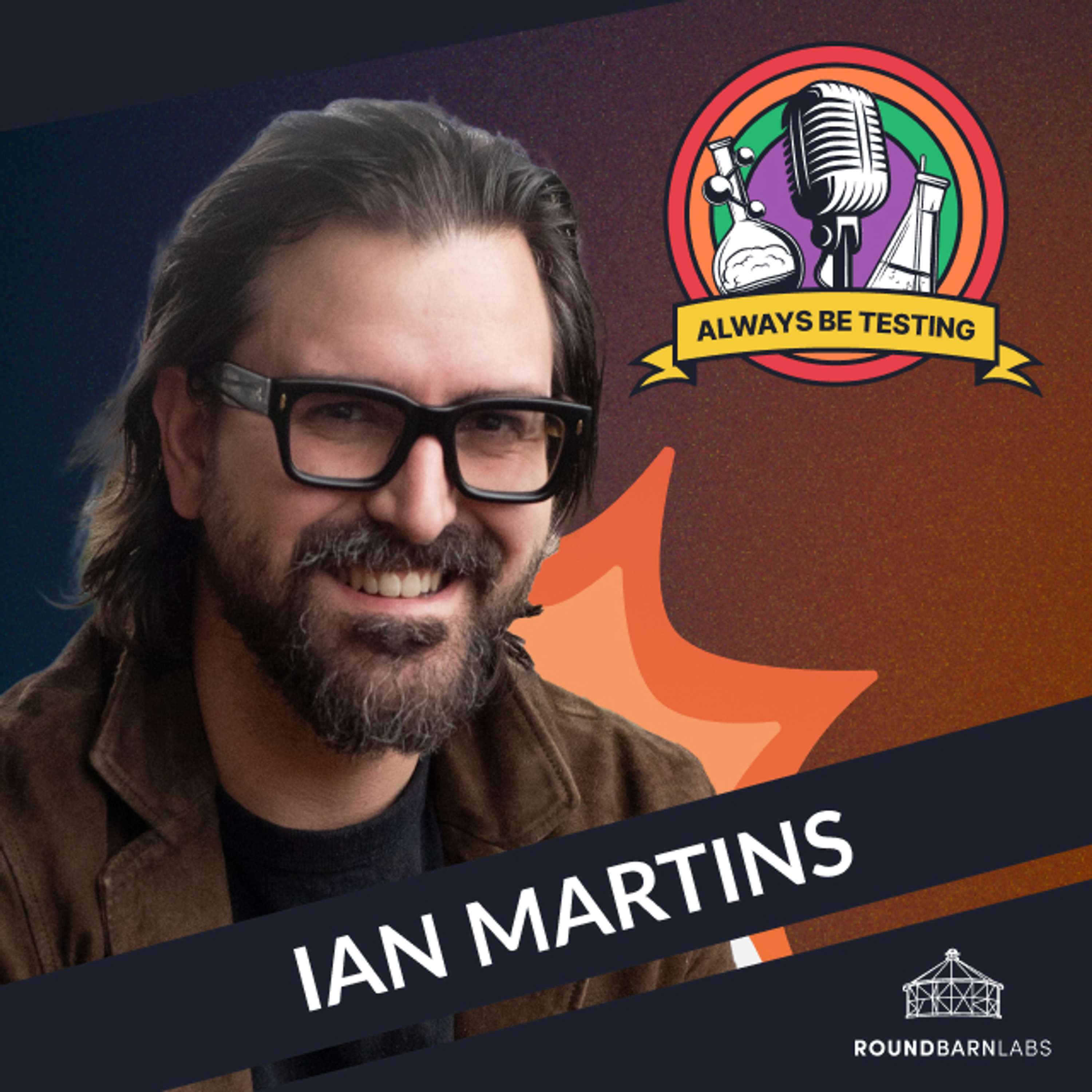
Always Be Testing
#71 Navigating the Complexities of Fragmented Marketing Strategies | Ian Martins
00:45:28
Loading summary
Transcript137 lines
- [00:00]
Ty
Foreign. Welcome to another episode of the Always Be Testing podcast. I'm really excited to have Ian Martins here today. Hi, Ian. How you doing?
- [00:16]
Ian Martins
Ty? How's it going?
- [00:18]
Ty
It's going good. It's Friday here in Austin or a little break in the rain. Ready for a weekend and all is well. How about things for you?
- [00:26]
Ian Martins
Oh, well, it's winter in Toronto and it's cold and there's snow, but it's to be expected, so I'll, I'll take it.
- [00:32]
Ty
Amazing. Amazing. Excited to talk to Ian today. He is the managing director of Zenith, a leading performance marketing agency under the publicist umbrella. He's been at agencies across the spectrum from Abacus to Bell Curve. He's got obviously, obviously a ton of insights on agency, life, agency, performance, brands. So it's going to be a good conversation.
- [00:57]
Ian Martins
That's right. And I will correct. Actually Zenith is a full stop media agency. So it's not just performance, it's brand, it's traditional, it's digital, it's online. We do, we do all the things. So we're one of the big kind of whole co media agencies that service big global clients.
- [01:13]
Ty
I love it. The big dogs that can do it all. I like that a lot. Awesome. Let's kick it off with what are brands getting wrong in marketing, in your opinion?
- [01:23]
Ian Martins
Yeah, I mean it depends on how you define wrong and like there's a million ways to attack this. I think what I think about a lot right now is the fragmentation between disciplines and how that's more often than not hurting brands than helping them.
- [01:39]
Unknown
Right.
- [01:40]
Ian Martins
So the fact that a brand has to deal with one agency for their creative and maybe a different company that's doing production and then maybe another company that's doing top of funnel awareness media and then they've got a, you know, social media agency and then a search agency and like all of this fragmentation in the work that they're doing. I understand how we got here.
- [02:00]
Unknown
Right.
- [02:00]
Ian Martins
As marketing has become more complex, there was a desire to bring on all of these specialty functions. But when those specialty functions have competing priorities, it can be difficult to get everybody to play nicely in the sandbox. And so I think by and large, if you look at maybe big global clients like the ones that I service, I think that I understand how we get there, I understand how we have the structure in place. But I think we're starting to see a bit of consolidation and bringing those offerings together and those capabilities together. And when I decided to take this role at Zenith just over a year ago now and Come work with, with publicists. One of the things that attracted me to it was they've got this philosophy of the power of one.
- [02:45]
Unknown
Right.
- [02:45]
Ian Martins
And they've got all of these different capabilities, from media to creative to digital transformation to data and more. But they believe in kind of offering their clients the best of all the capabilities that they have. They put the client at the center of those capabilities and regardless of what the growth challenges, they're able to offer a solution. And I think that that's the, the way we should be thinking about growth and these marketing capabilities is can we get everybody playing together? Sometimes it's right that we were collaborating with, with other companies outside of our network. But I think that that's where the strain is and I think that that's potentially where things are going wrong, let's say.
- [03:23]
Ty
Yeah, and I've seen this, you know, we've seen this in different situations, you know, whether it's in house or as an agency where the left hand might not know what the right hand is doing or the silos are kind of inhibiting, you know, things like that. Are there anything that comes to mind on that for you or examples that maybe are most prominent?
- [03:45]
Ian Martins
Yeah, well, so I think that there's always a bit of, of power politics at play in terms of who's leading strategy. Creative agency wants to bring their creative idea to life. You know, media agency has to hit certain, you know, sufficiency goals or different frameworks that are in place for how they play in the media. Those things don't always come together nicely. Like that's some tension there, even client side. Right. I think that there are, depending on the size of the organization, the complexity organization, there might be silos or competing incentives for doing marketing in different ways. Right. I think there is sometimes a situation where you have marketers that are optimizing for marketing metrics and marketing wins and that's how they get their bonuses and that's how they can say they did a good job at the end of the year. But that might not be the most effective thing for business growth. It might not actually move the business forward. It might not be the best way to invest their money. So you can be doing all the things right in the incentive structure that you have and also not be doing the most effective thing with the dollars you're investing into marketing. Like those things can both be true. And that's probably some of the more complicated situations that I've seen.
- [05:01]
Ty
It kind of reminds me of talked about this a little bit, but like that over optimization or that over programmatic approach. Just jumping to an example. I think it was Nike that, you know, kind of, it seems like they kind of got away a little bit from like the, the story and the, the grit and the heart and soul of what it was to become as big and popular and successful as they were. And like many, they kind of took that consultant view of we're going to optimize data. It seems like they've kind of come out of that and it's just one example that we've seen in the space. But maybe, are there maybe examples where you've seen it where you've kind of been able to get a do right by the brand as opposed to like checking the marketing boxes on performance and checking the marketing wins, if you will, like that you alluded to.
- [05:53]
Ian Martins
Yeah, I mean I think it's an and. And conversation. I think it's about finding ways to do both. You know that, that Nike example you give, there's a lot of reasons why they ended up where they ended up. Right. I think some of it is, is in relation to how they were doing marketing. Some of it was just like the business strategy of going D2C versus working with existing retailers. You know, pulling your products off those shelves leaves shelf space open for competitors to come in. So there is some like non marketing things that, that happened there with Nike. But you know, it's a frequent conversation that we have around how do we justify the long and the short.
- [06:29]
Unknown
Right.
- [06:29]
Ian Martins
Like that's a conversation I think most CMOs are feeling the pressure on is, you know, they know that they need to invest in brand and brand health over the long term. They know that investing in brand is good for performance. But sometimes you can be held to a level of accountability and the comfort of numbers in spreadsheets and dashboards is something that is easily understood and easily transacted on and it's hard sometimes to, to make those, those brand investments. Now I think it's good that there's that tension there, to be honest, because this push for accountability in marketing didn't come from nowhere. There probably was a lot of waste in brand investment for a long time. There probably still is a lot of waste and brand investment. Brand investment also doesn't mean big expensive TV commercial.
- [07:23]
Unknown
Right?
- [07:23]
Ian Martins
Like that doesn't, that doesn't necessarily have to be what it is. But I think that a lot of people hear brand and they, their brain automatically goes there, oh, that's a big production and a big TV budget. So that accountability came from somewhere. You know, I think it was really popularized in the run up of platforms like, you know, Facebook and Meta and being able to, to run these performance campaigns and the rise of the growth marketer and you know, all the tech companies and how they kind of structure their growth teams and you know, there was a minute, a hot minute where that playbook really works.
- [07:53]
Unknown
Right.
- [07:53]
Ian Martins
You could launch a D2C brand overnight, not spend too much on ads, grow, get the CAC into the right ratios. But I think we've seen where that led and where that capped off.
- [08:03]
Unknown
Right.
- [08:04]
Ty
100.
- [08:05]
Ian Martins
It's not that easy, you know, and that there often is a ceiling and it's gotten more noisy and more crowded and much harder to run that playbook now.
- [08:15]
Unknown
Right.
- [08:15]
Ian Martins
If you're a DC brand. And so I think we're in a post performance world where hopefully we're having a more mature conversation. You know, sometimes I joke and I think I stole this from this guy I know, Michael Taylor, but I like to call myself a recovering performance marketer. You know, where in a previous life if I, if it couldn't be measured, it didn't happen. You know, now I think I've got a little bit more appreciation for the nuance and a bit more understanding of marketing science and that, you know, we're not everything needs to be measured. And you know, especially when you start to think about performance and attribution, how much of the way that that works is us creating demand versus us just throwing our ad in front of someone who was going to buy something anyways. It becomes a game of trying to get, get the credit for, for a purchase as opposed to helping influence and create that, that purchase in the first place. And you know, it's, it's tough, it's not easy. So this is not easy work by any means. Right. Takes a lot to know the difference and to set campaigns up to avoid that.
- [09:24]
Ty
Yeah, that's one of the biggest things that we're talking about and seeing it's like the amount of wasted, you know, chasing that last click or that or that multi touch in a way that is the default setting. It's just in, it's quite a lot and I think pulling people out of that is really important. I'm, I'm curious to know, you know.
- [09:44]
Ian Martins
And I do want to say it has its place, you know, like it has its place then that's why I started off saying it's an and and conversation. You know, I think it's a false, like a false paradigm, this idea that there's some sort of brand versus Performance like it, it's all marketing, right. It's all about what's going to be the most effective use of my investment. Some of those things are going to get short term, measurable wins. Some of them are not necessarily. But they both need to exist.
- [10:13]
Ty
Exactly, exactly. When you're working on kind of improving, getting brands out of the siloed systems that we referenced earlier, when you're trying to get them to see beyond just the performance side or just the brand side and kind of find that strike that right balance. When you're working on those two things, how much is, is it getting the brand to kind of get that improvement going? And how much of is it like working with your team to unlock that challenge?
- [10:42]
Ian Martins
It's a good question. And, and I'd say it just comes out to the client.
- [10:45]
Unknown
Right.
- [10:46]
Ian Martins
Each client is, is different from the other. They all have unique situations. They're all trying to accomplish different things. They all have varying degrees of maturity in their own marketplaces. And, and so for every situation is different. So I will kind of start off by saying that, you know, if I'm looking at the kinds of conversations that we're having with clients, I think there's probably to oversimplify it, there's two categories of clients. There's some that look at us strictly as their media partner and, you know, they're only looking for us to have conversations in line with their media investment. And you know, how we're, we're spending their dollars and rightfully so, like, I kind of understand that that's what we are at the end of the day is we're a media agency. And so, you know, we have those more traditional conversations on how we're investing their dollars across channels and audiences, how we're using data in a smart way. And, you know, that conversation progresses to varying degrees of complexity. But then there's another bucket of clients that are aware that they have a lot of challenges beyond just their media investment, that maybe, you know, media is not the only solution to the problems that they are facing. And they're open to getting perspectives from the partners that they work with us as their media agency being one of those. And I think one thing I've been trying to do over the past year that I've been here is to bring on talent that has a little bit of a wider aperture in terms of how they look at marketing and how they look at growth. I spent the past few years working with Bell Curve, as you know, which is kind of a growth agency. So we were working on Everything from positioning to messaging, go to market. Like, some of what we did was media, but not all of it.
- [12:23]
Unknown
Right.
- [12:23]
Ian Martins
And so brought a bit of that lens over to what we're doing now at Zenith and saying, hey, we're working on all this media stuff, but you might have other challenges as well. And we've got the power of publicists and we've got all these brilliant centers of excellence across the group. And, you know, if you're having some problems with your, your products, you know, maybe you're an app and you know what, maybe your signup flow sucks for this product you're trying to bring to market. And I could spend all the money on media in the world. It's not going to fix that problem for you.
- [12:52]
Unknown
Right?
- [12:53]
Ian Martins
And so let's bring in some experts, let's bring in some talent to have a conversation around. How do we optimize the customer experience? Because, you know, media will get people to your front door, but if your house is a shit show once they get there, it's not going to necessarily have the outcomes that you want. Right. And just spending more people sending to them to your front door is not gonna, is not gonna fix it. And so I, you know, I haven't. I have an appreciation for the, the limits of what media can do, you know, and sometimes we got to bring other tools to the, to the table. And, you know, I think with that bucket of clients that are open to our perspective and are looking, you know, for ideas and solutions, we've got a whole bunch of really smart people in the group that we can introduce them to and, you know, potentially unlock growth opportunities with.
- [13:38]
Ty
That's awesome. In alluding to, obviously, the work that you're doing for the agency is there. There's kind of the spectrum of where I think we go into phases of, well, we want to in house as much as we possibly can as a brand to. We want to externally rely on experts outside the organization. Where do you think we are in that spectrum and kind of, where do you see that fitting in right now from your conversations?
- [14:04]
Ian Martins
I think there was a bigger push for that a few years ago. Like, I think the. In housing, like had had a lot of momentum. It worked in some cases, it didn't work in other cases. I think that the pendulum has swung back and I think there's a lot of reasons for that.
- [14:20]
Unknown
Right.
- [14:20]
Ian Martins
Capital's been tight lately, let's say. And so all of a sudden having all this headcount has more scrutiny.
- [14:28]
Unknown
Right.
- [14:28]
Ian Martins
It might be more beneficial to have that out of house than in house. So I think economics, macroeconomics play into that trend and why it might swing one way versus another way at any given point in time. I think another factor that's going to weigh on this is, you know, how quickly are we going to see really usable tools that are AI and automation based that will allow smaller, more nimble in house teams to get more marketing work done? I don't know. I don't think we're there yet. Like, there's some interesting tools out there. There's a lot of investment, there's a lot of experimentation and you can definitely accomplish a lot. But it takes a lot of really smart people behind the scenes to get the most out of the tools that are available today. So for all the hype and all the promise, there's a lot of cool stuff that can be done for sure, but it takes a lot of really smart people to, to really extract that value still. I think it'll continue to be that way, you know, for the foreseeable future. But there, there will be material impacts on, on my business, on my agency business, on the ability for, you know, clients to do more themselves there. There is definitely some shifts happening there, but I think, I think we're kind of in this place that like hybrid just kind of makes sense and I don't feel it such a trend as it was. I think there was more of a trend of that happening. I think now it's more case by case. I don't feel like a particular wave of that happening.
- [15:52]
Ty
Yeah, I would agree with you there for sure. One of the things you talk about a fair amount is kind of the effectiveness and the importance of that.
- [16:00]
Ian Martins
My word du jour.
- [16:02]
Ty
Yeah, that's your favorite. Tell us more about how you're thinking about that.
- [16:08]
Ian Martins
Credit where credit's due. There's, there's plenty of brilliant marketing minds out there that talk about effectiveness.
- [16:12]
Unknown
Right.
- [16:12]
Ian Martins
So I'm not going to add anything to that conversation, really. I just think that it's something we should be thinking about a lot as marketers. You know, I remember last year Mark Ritson put out some article that basically said that America was falling behind in terms of marketing. And a lot of that had to do with them not applying all the, the latest and greatest in terms of marketing science and, and where it's at and how they used to be a leader, but now not so much. I'm very curious about, you know, I'm in Canada, like, how is the Canadian market doing? And from that lens, you know, why aren't we being more effective with our investments if we're not, you know, same thing in the US We've got plenty of clients that we buy for in the US as well. And I think that there's. There's a lot to be said about the conversation of efficiency.
- [16:55]
Unknown
Right.
- [16:55]
Ian Martins
I think in media in particular, there's still a lot of focus paid to efficiency. You know, why is that CPM higher than that cpm, and why am I paying more for this and then for that? And while I think that that's a conversation to have, I don't believe that it's the only conversation to have. There might be a lot of reasons why I want to pay more for a better, more qualified audience. There's a lot of reasons why I might want to pay more for a premium piece of content to be associated with that and have my brand show up alongside that than, you know, the cheapest inventory I can buy for you. And I think we need a little bit more nuance in those conversations. And I appreciate that it's hard. It's very difficult. This is. It's not easy. And sometimes it gets back to what I talked about before, like incentive structures.
- [17:41]
Unknown
Right.
- [17:42]
Ian Martins
I might believe you, I might be a marketer and say, yeah, and you're right. You know, I get it. But at the end of the day, I need to hit this benchmark, and that's how I make my bonus, you know, and so there's just a lot of work that gets, you know, there's a lot of work required to move those incentive structures and the way these relationships are sometimes set up. You know, one thing you and I talk a lot about is this idea of trust. And so when I think about effectiveness, too, I think about, are we. Are we leveraging media in the right places that have trust with those audiences? And, you know, I know that that's the thing you like to talk about a lot is trust. I think it has its place in media, too. Right. How do we put our dollars into the places that are going to have the most impact on the audiences that are receiving them? And I think trust is a really interesting thing to think about in that conversation. Right. So it's like moving the conversation from strictly focusing on efficiency all the time to talking about effectiveness. And then in the realm of effectiveness, you know, I think trust is an interesting variable. I think attention and attention metrics, and, you know, that's really hot right now, and people are looking at that. That's another interesting variable to look at. How do we, you know, again, how do we have this more nuanced conversation? I think it's really important.
- [19:02]
Ty
I love that. And it's, it sounds maybe a bit obvious when it's said and we talk about it and look back on it. But like, it is very interesting, I think, to similar to how people are chasing incorrect or inefficient or not well set up attribution rules that can lead to downstream effects that don't work. Similarly, I think you can get a little too focused or myopic on one thing or the other around pricing. And to your point, a more expensive piece or a more expensive media could be 10x the effectiveness to your point, or the overall ROI or the overall long term value versus something that is less, less expensive. And so I think it's a really important reminder to call out. So I love that.
- [19:50]
Ian Martins
Yeah, well, I was driven on this idea the other day just after you and I were talking and spending some time thinking about trust and how does that play a role in the work that we do as a media agency. And I was saying it's really interesting that one particular publisher or media type might have high trust with one audience and very low trust with another audience.
- [20:12]
Unknown
Right.
- [20:12]
Ian Martins
So if you look at the, the election that just happened, you know, down in your, in your country, it seems to be appreciated that it was a pretty smart move for Trump to go on all of these podcasts and get access to those audiences. And I think with those audiences he was able to reach on those podcasts, they had high trust with those hosts and with that content. And it's those people with high trust in those areas that, that, you know, you're able to reach them and influence them and what have you. But a different audience is going to have very low trust with that. And so you can't say that podcasts are a high trust medium because they can both be high trust and low trust. It's dependent on the audience. And I think that applies to anything you look at, you know, traditional media. High trust with some audiences, low trust with some audiences. You look at influencers, high trust with some audiences, low trust with some audiences. So there's this interesting variable that like, you know, we, we, we kind of moved in media largely to this very audience focused way of targeting people. It's like, I'm going to follow these people around and, you know, they're going to be touching all these different bits of media, but I'm really trying to hit that individual regardless of, you know, what content they're looking at. Like, that's cool. But if you can add that extra layer of the trust that they have in a particular medium, that might be an interesting way to, to reevaluate your, your investment.
- [21:32]
Ty
I love that. Yeah, we're as you know, heavily invested in that concept of trust and rolling out a trust score. And I think the great call out I'm hearing from you is that, and this came up in our internal team conversations around how do we score that? Well, to your point, it's very dependent upon the inventory. The partner, the influencer, the affiliate matched up with the appropriate brand. One is going to score much lower when it's paired with the one, one brand, Brand A versus brand B. Because one, it's matchmaking exercise, it's a trust building exercise. It's authentic. It's about authenticity and performance and seeing that through. So you can't just judge the inventory source on its own. I think that's, that's the line. I love that from what I'm hearing you say.
- [22:19]
Ian Martins
Yeah, and it was, you know, I think this is, is something else, you know, that's a bit of, of a challenge with the media agency industry and it's not, it's not true of everyone. But I think we, we've largely moved away from thinking about creative and content in media agencies and it can be a lot of work of, you know, planning and buying empty boxes. You know, if I'm being like the most cynical version of myself.
- [22:46]
Ty
Yeah.
- [22:48]
Ian Martins
And I think that that's, that's to our disadvantage.
- [22:51]
Unknown
Right.
- [22:51]
Ian Martins
I think we do need to think about the creative that's going in there. I think that it's not like we're going to dictate what that is. That's what creative agencies are for. But I think we can help provide context and data and research and insights and strategy into what kinds of messages and what mediums and places might have the most impact on a particular audience, given all of the audience data that we have. And so, you know, I think, I think going back to the, you know, circle back with that idea of trust, it's very audience, it's very audience dependent. And so the more you know about your audience, the more you can be smart about how you get an outsized return relative to the dollars that you're spending. And that might be one of that, might, that trust variable might be a way to get a little extra juice out of your investment.
- [23:36]
Ty
Well said. Yeah, no, I think it's so philosophical, so, so philosophically aligned to how we think about it to, even, even if we're not doing anything Driving, you know, the predominant creative messaging or creative strategy, or maybe a small percentage of the ad creation, like being able to come back and say, hey, this is what's going to resonate well, these are the types of data and insights about this audience or about this targeting, about this platform. I think that is spot on. You talked about this a bit and you alluded to some of the agency pitfalls and some of the places where they get caught up with so many great agency experiences. What are some agency pitfalls or challenges that you, you've observed and things that you would, would, would recommend in terms of improving and making sure that's not the case?
- [24:26]
Ian Martins
Yeah, again, I think that it's, it's hard for me to give a blanket statement to like a question like that, because it really depends, right. I've worked in small independent shops, working with startups, you know, now I work at a big global behemoth network that works with, you know, big global brands. And, and so the challenges in both of those environments are wildly different. And so the advice I'm giving, like, am I giving it to some, you know, upstart agency founder or am I giving it to someone else who runs a big global agency? So I, you know, I think it's, it's hard to answer because you need to compartmentalize a little bit, but I would say having stepped back into this world at the whole CO level for the past year, I've been very quiet. I haven't been. This is the first podcast I've done in over a year. And part of the reason for that was I didn't want to come into a role that was new for me.
- [25:17]
Unknown
Right.
- [25:18]
Ian Martins
Because I had spent 10 years building a couple of independents and working outside of the whole cosystem. You know, I had a lot of assumptions coming into it, but I didn't want to just come in and start, you know, stirring the pot without having given enough time for me to really, truly observe and immerse myself back into this world and kind of formulate some actual opinions. You know, one thing I would say for after being a decade out of the, the system, let's say, is that they've made incredible progress. When I left, I left at a time where I felt like anybody who was in, you know, performance or social or search or something, like we were all kind of sitting at the kids table, you know, it was, it was all about the big TV buys. Like that's where a lot of the prestige was and the attention and, you know, us performance people were like, at the kids table. Right. I think we've, the industry is way matured past that. Right. More than 50% of investment is in digital. You know, more than 50% of that is in social channels. And so like, we've evolved past that. So that's, that's nice to see. You know, there's been a ton of investment and smart acquisitions from all of the groups, you know, all kind of give publicists the credit where credit's due. I think they've made some of the smartest acquisitions, you know, from acquiring Sapient, which is a digital transformation company. Right. If you are in the, the realm of helping clients grow, like, how could you not have a digital transformation capability? Like, it just, it makes so much sense, right? They acquired Epsilon to be the, the data, you know, that, that, that data that fuels all of the various things that we're doing. Epsilon is, you know, an incredible, incredible technology and all the different capabilities that they have are just so, so varied and so useful. And in particular, what they can do in the US is, is incredible. So smart acquisitions, you know, smart growth. I think the stock price speaks for itself. So, you know, Publicist has done a good job. You know, half of your career is just picking a rocket ship to attach yourself to. I think Publicist has definitely been heading in the right direction. So credit where credit's due, you know. But what are some areas that I think that we can continue to improve in? You know, I think one thing that I think a lot about as an agency leader is where what does our talent look, look like at the end of the day? We sell people. You know, we do sell technology and all that kind of stuff too, but people is a large part of what we're selling and, you know, are our people and the talents and skill sets that we have today. Is it what we need for the future? And so I'm always talking to my leadership team about what does the agency of 2030 look like and how do we take steps in towards that outcome. And I think that there is going to be a change in, in talent composition as we, as we move towards that future.
- [27:57]
Unknown
Right.
- [27:57]
Ian Martins
I think with automation and AI, whether we like to admit it or not, I think it's going to allow fewer people to do a lot more work. And so I could see, you know, overall headcount perhaps on, on, on accounts coming down as productivity goes up. But what hopefully that allows us to do is it allows us to invest in better talent, in training that talent. And so you'll have fewer but more qualified, more strategic Thinkers in the mix where most a lot of the labor gets taken care of with, with AI and tools and automation.
- [28:32]
Unknown
Right.
- [28:33]
Ian Martins
And that makes me really excited because I think about, you know, now it's not about me needing to staff up these big accounts and how all these people doing, like a lot of this, you know, labor work, because, you know, media work is still quite labor intensive. There's still a lot of work to be done. So as tools and automation and things can take some of that labor, it lets us spend more time being strategic. It lets us think about the big picture more. And I think that's going to result in better work. But we need to have a way to transition our teams that are doing this labor and doing this planning work and upskill them on how are you going to use the tools of tomorrow and how are you going to become more strategic thinkers and how are you going to evolve the way you do this job today for the realities of tomorrow? And I think that that's, I think that's one of the challenges that our industry faces and one of the ones that I'm thinking about and the easiest thing for me to do would be to say, well, if I can't, if I don't have the right people in house right now, I can always just go out into the marketplace and hire them. I just don't think that there's that many people in the marketplace with all of the skills and experience to hire. And so I think that largely, and the ones that are available, because there are people out there like, they might not want to work in advertising, like it's, it's not the sexy industry it was once before. Right. A lot more people are going into consulting or investment banking or working at a tech startup. So, you know, to attract them to our industry, those people with those right skills is, is, is difficult and they command large salaries. And so, you know, that's both a problem and an opportunity. Because I can say, well, that sucks and, you know, maybe I gotta pay more to hire, you know, that talent or what have you. But then there's an opportunity in the talent that we do have. We've got incredible people in these walls. And so how do we, how do we make them ready for that future and how do we train them and invest in them? You know, that's something I think about a lot is when someone stops working at like a Google or a McKinsey or something, you know, you'll, they'll put that X Google or X McKinsey or X Accenture in their LinkedIn title. Like, why are they doing that?
- [30:37]
Unknown
Right.
- [30:38]
Ian Martins
Well, it's, it's signaling to the marketplace that A, you made it through an incredibly challenging filtering process.
- [30:46]
Unknown
Right.
- [30:46]
Ian Martins
To even get to the job to begin with. And then I think those companies have very good onboarding and training programs. And so once you've A, made it through the recruitment process and B, been trained by them, it makes you a more effective employee. Let's say, you know, you have more hiring capital that you're like employee capital that you can use to get your next job. So I would love if people put X Zenith in their, in their titles or ex publicists. And we'll only get there if we can build the right training programs and the right review processes and really invest and grow our people. So that's something that I'm thinking about a lot.
- [31:24]
Ty
I love it. Yeah, I love where you're going with that. I was thinking, thinking you're headed there, which is fantastic. You know, turning the eye towards the media and the performance of media and where media is going with certain changes, obviously happening fast and furious every day. Is there a channel or medium or tactic that's, that's kind of caught your eye for 2025 that you are, you and your team are really thinking about?
- [31:50]
Ian Martins
Yeah, well, you know, I was asked this question recently and when I left Tolko a decade ago, it was because I was, I was seeing the writing was on the wall with social. I was like, this is going to be really important. I think that this is going to be something that, that we, you know, there's an opportunity here. And so I left and built a social agency with a couple of partners. And coming back when I did my first town hall with my team last December, I was of the opinion that we were, as a media agency, like as media agencies as an industry, we were kind of sleeping on Influencer a little bit. We were letting that be the realm of independence or the realm of PR companies that were playing an influencer like other people were getting those dollars. And it felt off to me because, you know, we're your media agency. I want to help you, the client, allocate your capital in the way that's going to get the best returns. And I think Influencer is a really smart place to deploy capital, but it was kind of out of our remit in, in a large way. And so I, I, I saw that as like a threat to a degree. And then a few months later, publicist went and acquired influential. So, you know, I'm like, well, clearly you Know, we're not asleep at the wheel and, and the group made a, a fantastic decision acquiring that capability. And you know, we're, we're on the process of onboarding them. I've already collaborated with them on some pitches and such and you know, they're a fantastic shop as well. So I still think, you know, that's not true of all media agencies. Like, not all of them are playing an influencer. So I think that, that that's probably a place to look at. It's hard, it's hard work to do. It's hard to do at scale, but there's some incredible companies out there that are doing it well. But I think there's a lot more value to extract. And that kind of comes back to your whole thesis on trust. You know, there's a lot of trust to unlock there. You know, I think there was a weird boom period where Influencer was really hot and then it kind of got not so cool and people were a little dubious because there's a lot of fraud and a lot of gaming of like their accounts, like, and so it became not such a good place to put your money. And you know, there's a lot of scrutiny applied to it and rightfully so, but I think, I think it's, I think it's maturing now. I think that the right deals, the right partnerships, the right opportunities with the right people and the right brands coming together can have a disproportionate amount of influence on, on people's buying behaviors versus just running an ad, you know, from the brand direct.
- [34:20]
Unknown
Right.
- [34:21]
Ian Martins
Especially if you were a newer, a newer brand, you're trying to fight to get noticed, you're, you're trying to, to like, you know, compete with, with some of the more established brands in any particular market. I think that there's a lot of value to extract there.
- [34:35]
Ty
Yeah, the movement's really taking shape and things that you alluded to it earlier with the US Election podcast power and there's some that authenticity and that match and that trust with different audiences and different, the right brands. Right. It's certainly taking shape and that's been.
- [34:52]
Ian Martins
Going on, that's been going on for a long time.
- [34:54]
Unknown
Right.
- [34:54]
Ian Martins
Like I think about, you know, I remember one of the first podcasts I started listening to on a semi regular basis was Tim Ferriss. Right. And I remember him describing some of the brand deals he would do and sometimes it was the kiss of death because if the brand wasn't big enough and ready to handle the volume that he could send to Them, they would actually start getting shit reviews because they couldn't fulfill it fast enough. And it might actually put the business out of like the company had a business because it got so much attention from him saying, hey, you should go check out this company. And that's mind boggling. You know, you look at, you know, there's influencers out there that, you know, based on how they review a car or how they review a tech product or tech gadget, like why can't remember what the guy's name is. Of course now it's like tip of my tongue.
- [35:38]
Ty
Marquis Brownlee.
- [35:39]
Ian Martins
That's it. You know, when like one person can have like an outsized impact on your go to market of a new product. Like, that's wild. That's incredibly wild. And so, you know. Yeah, and I was in a conversation the other day with somebody and we were talking about like, what's premium content? And I think for, for premium content for a long time was seen through this lens of high production value. And going back to what I said about trust, it depends on the audience. I think premium is also in the eye of the beholder of, of like a particular audience because, you know, maybe for me, a YouTube channel, reviewing tech is like the ultimate of premium content versus your slick million dollar shoot to promote your product. You know, so times are changing.
- [36:28]
Ty
They are, they are. We're trying to keep up. Speaking of time changing, what's the spicy or counterintuitive take? What do you think is something that maybe folks are not aware of? They should be.
- [36:39]
Ian Martins
I don't know if it's spicy or counterintuitive or anything, but I think media and creative just got to come back together. I think this, you know, I think we're better together than apart. And you know, this, this weird quasi hostility kind of us and them attitude that that's kind of been around for forever is just not good for any of us. So I just want us to play nice and come back together on the.
- [37:08]
Ty
Same team, you know, better together.
- [37:10]
Ian Martins
I just hired a new head of strategy and they're congratulations. Yeah, thank you. And there this guy, Michael Casper, and he's an OG creative director, so he comes from the creative world. And part of that was to again, help our people, you know, broaden their aperture on what is possible, bring different thinking to the table and also give us a little more credibility when we go in to talk to our clients or talk to our creative agency partners and friends and saying, you know, we got someone who knows your world and like, you know, let's have a conversation. We're not just the, the Wet Blanket media agency coming to poo poo on your creative ideas.
- [37:45]
Ty
I love it. Yeah. Empathize. Know what they're doing, have a, have a say. I love that. Amazing. Let's, let's switch it up. Going down the home stretch with some, some rapid fire personal get to know you questions. What's your, what's your pro dad tip?
- [38:01]
Ian Martins
Pro dad tip. Just get them tired. I got two boys and if you just, if you just tire them out, you know, they're so much easier to deal with. You know, it's those days where I'm feeling a little lazy and I want to like relax around the house that are the least relaxing. So I may as well go out and tire them out and like, you know, fill their bucket first because then the rest of my day is chill. But if I don't, then I'm in trouble.
- [38:29]
Ty
Non. You're in for a non chill day.
- [38:31]
Ian Martins
Yeah.
- [38:32]
Ty
Non chill home time.
- [38:33]
Ian Martins
Yeah.
- [38:34]
Ty
Love it. What recent TV show watch or any. Any you have. Perhaps you'd recommend.
- [38:41]
Ian Martins
Outer Range on Amazon was really fucking cool. It was like this mix of like cowboy kind of western culture and sci fi and like those two worlds colliding was super cool. Josh Broland is also fantastic actor. I just, I just really dig his vibe. He reminds me of a buddy of mine and yeah, I don't know, I think I thought it was a cool show. I was really disappointed to hear that they didn't renew for another season. I think there's only two seasons. Yeah. If you haven't seen that one, that's a worthy watch.
- [39:16]
Ty
I haven't seen that. You're the second person I respect that has thrown that out as a suggestion. So now I have to watch it.
- [39:22]
Ian Martins
There's a bit of a sleeper. It's kind of under the radar a little bit.
- [39:24]
Ty
What any concert faves to. To share recent or past concert faves.
- [39:31]
Ian Martins
I. I saw the Chili Peppers this summer. That was fun. You know, I actually didn't go. I, I like to go to concerts. I didn't go to that many last year. Just happenstance. But I did go to the Chili Pepper show and I don't know, it was cool. It's like the original lineup. John Franti's back. I don't know how long he's been back in the band, but he was there ripping his solos and you know, it was, it was fun.
- [39:51]
Ty
My fan. I've seen them twice in live and wouldn't mind seeing them again. Underrated. Musician.
- [39:59]
Ian Martins
I mean, one of my favorite musicians of all time is Jeff Buckley. And I don't know if the kids talk about Jeff Buckley anymore, but if they don't, they should and they should go listen to him. He's fantastic. Again, unfortunate, we only got like one good, you know, full album out of him, but I don't know if he's underrated. I think everybody who knows him thinks he's fantastic. So I don't know, maybe that was a answer.
- [40:19]
Ty
No, that's a good, good call out. What's a hobby or skill that you want to share with the audience maybe that folks don't know about you or just. Yeah, something about you.
- [40:29]
Ian Martins
Just before I got into advertising, I was trying to be a fashion photographer. I got to. To work with like Ford models and this, this other modeling agency up here called Platino. And there's this brand in Canada that I shop for for a while. And so if I wasn't doing this, I'd probably be, you know, maybe I'd be a fashion photographer.
- [40:48]
Ty
Amazing. It explains your fantastic background in lighting.
- [40:52]
Ian Martins
That's my hobbies and like, why I have a nice camera.
- [40:55]
Ty
Yeah, I love it. I love it. Speaking of nice cameras, is there anything you've bought recently that you can't live without or rave about that you want to share with the audience?
- [41:05]
Ian Martins
I've been trying really hard not to buy anything recently.
- [41:09]
Ty
Good, good point.
- [41:10]
Ian Martins
So, yes. So the not buying is probably the thing that I bought is. Is bought my peace of mind. But I recently bought a notebook, like a bullet notebook. And I don't know, I'm using that a lot. It's kind of a lame answer, but yeah, there you go.
- [41:27]
Ty
The power of just basic writing and pen and paper getting the brain working.
- [41:32]
Ian Martins
Yeah.
- [41:32]
Ty
Technology up here.
- [41:35]
Ian Martins
Yeah. No, but I actually, you know what? I won't be as, as cute with my answer. The $20 that I've spent on chat GPT for the past whatever years for that membership, it's probably gotten, I've gotten a lot of use out of that. A lot of value relative to the, you know, $20 that I paid for it.
- [41:53]
Ty
It's, it's. I was marveling it recently how much my usage. Like I went to Google on my mobile phone to look up something and I thought to myself, wow, I'm not using Perplexity. This is weird. What's this? Like Google is an actual search engine. My shift has been massive and I'm getting so much value out of it, so. Couldn't agree more.
- [42:16]
Ian Martins
Have you played With Deep Seek yet I have not.
- [42:19]
Ty
I will be.
- [42:20]
Ian Martins
I've only been playing with it for a little bit. You know, like with any tool you kind of find its limitations. You do this, you can't do that, you kind of learn how to massage it. You know, I'm a musician and it's like part of the fun of playing different instruments and using different, like you find like the edges, you know, like what you can do or can't do, whatever. So I, you know, I feel like I, you know, use chat GPT a lot. I've kind of found the edges there. I haven't found the edges yet on, on Deep Seek. But if the claims are true, which I'm not sure I believe, but if they truly made that, like built that with whatever $10 million and it uses, or $6 million and it uses like a tenth of the power, like, oh man, is that, is this a huge paradigm shift? I have don't believe it. I don't know if I believe it, but if it is true. Wow, that's going to. Yeah, that's going to be. This is going to be a big impact.
- [43:14]
Ty
Yeah. That heard some interesting things. Speculation on the spend levels being as low as they actually were, but some cool things to think about. They came up for me in the research around what happened was, you know, the ability for, you know, the Googles of the world and others to kind of adopt some of their almost like simple workaround methodologies potentially. So not to say that I have the conclusion, but I thought it was really cool the notion that by learning from what they did, they could make the entire industry better, more efficient, thinking outside the box. So that, that was really cool.
- [43:48]
Ian Martins
Well, yeah, and I think that's, you know, I like competition.
- [43:51]
Unknown
Right.
- [43:52]
Ian Martins
Yeah. So the idea that you don't need billions of dollars of capital to compete is a cool net positive proposition. You know, take all of the, the tensions between us and China relationship, like take that out of the picture.
- [44:09]
Ty
Yep.
- [44:10]
Ian Martins
Like, if it is even like half true, it's still a huge paradigm shift.
- [44:16]
Unknown
Right.
- [44:17]
Ian Martins
And I think it'll lead to, to more competition and you know, like, maybe it's just like, maybe it's just going to shift the focus factor faster to the apps that get built on top of this technology as opposed to the underlying technology itself. You know, it's like, do I really care who like laid the pipes for the Internet, you know, or is, you know, is that really what we're fighting over or is it about, you know, the things we can do with the Internet.
- [44:44]
Ty
I love that. No, I think that's spot on. Spot on. More, More to come. And super interesting stuff. Exciting times.
- [44:53]
Ian Martins
It is absolutely amazing.
- [44:55]
Ty
Ian, it's been a pleasure. So awesome to have you on the pod and drop some great knowledge and just shared some phenomenal insights and very appreciative of all of it. Thank you so much for coming on.
- [45:06]
Ian Martins
No problem. It's feeling a little rusty, but it's always fun talking to you, so it's an easy one to get started with.
- [45:11]
Ty
You're off to the races. Your press tour begins today.
- [45:14]
Ian Martins
That's it. Thank you.
- [45:16]
Ty
Awesome.
- [45:20]
Ian Martins
Day.