← Always Be Testing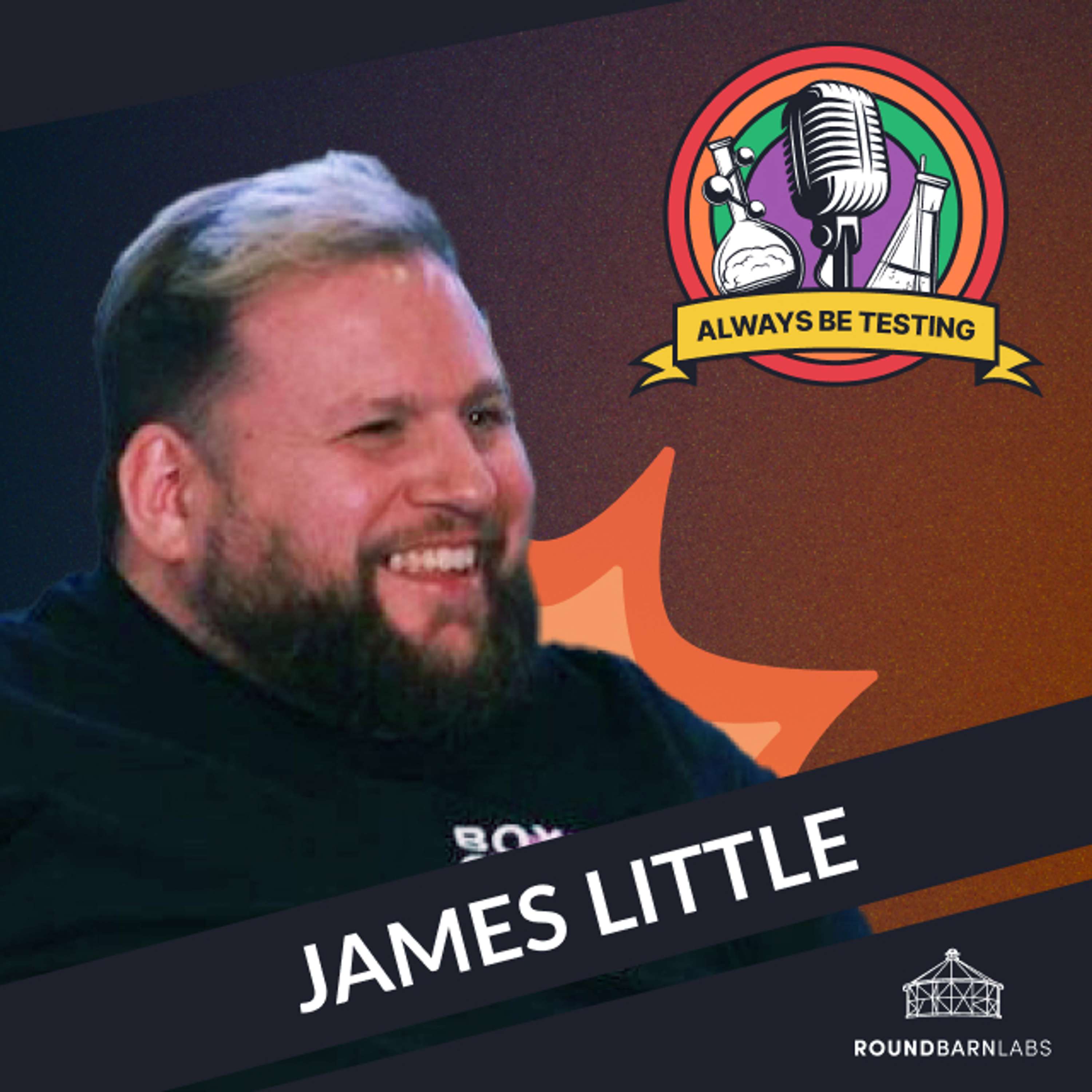
Always Be Testing
#91 From Startup Servers to Global Scale: The Top CashBack Story with James Little | Group Commercial Director
00:39:44
Loading summary
Transcript140 lines
- [00:07]
A
Hello, hello, hello. Welcome to another episode of the Always Be Testing podcast. Here, Ty De Grange, your host and today's guest is James Little. Hey James.
- [00:17]
B
Hey. Nice be involved. Thank you.
- [00:20]
A
So happy to have you on an affiliate legend and all the way from the uk.
- [00:24]
B
Yeah. Yeah. So the nine hour flight and a little bit of jetblacks, but I'm sure we'll go for it.
- [00:28]
A
I mean why not? It's not your first rodeo of this eight.
- [00:31]
B
Yeah.
- [00:32]
A
Amazing. We're back in Florida but we're in a different location.
- [00:35]
B
Absolutely.
- [00:36]
A
Are you liking it so far?
- [00:38]
B
I'm say too early to say. Like I loved coming to Miami last year. This is my first time going to Miami and like the city was really cool. Yeah. But it was also like really like bustling, etc. Right. So like it's a bit like, it's a different vibe. It's like more of a resort. It's very. So yeah, the conference obviously kicks off properly tomorrow so yeah, excited to see what that looks like and yeah, excited for a few days ahead.
- [00:57]
A
Absolutely. I miss being able to walk down to the the beach or go grab a Cuban sandwich in Miami, but here we have like this awesome compound where we have everything we need.
- [01:06]
B
So I've got a couple of dinners and breakfast off site so I'm going to the beach tonight so at least I get to see the sea while I'm here. So that was like that was my objective so I'm still going to do that. So.
- [01:14]
A
Hell yeah. So James has been around the affiliate.
- [01:17]
B
Industry for 20 years now.
- [01:18]
A
Yeah. Amazing. Definitely on his own, definitely seen a lot of things. Group commercial director at Top Cash Back, the head honcho in many ways I think the face of topcat Ashback in my opinion. Tell us about the founding story, how it all kind of came about and what's the deal?
- [01:35]
B
Yeah, so basically it was set up by our two founders, Mike and Ollie. So they'd actually worked together as developers. So they were travel company and they kind of had come across affiliate marketing and both done actually a couple of their own sites when they're doing like some good sites like your fridges and all that kind of stuff and like price comparison of flights and various other things and then like they had the idea of saying, well, wouldn't a cashback site work great and our model is 100% cashback side at the time so and still almost identical to that today where they'd say well rather than keep the commission because it was cashback existed at the time as did point sites And a few others. But they said, well, rather than keep after it, like, why don't we give it all back to the customer? And yeah, and they then built it and at one point I think the servers were hosted under like Mike's floorboards in his house like that in the early days, like that's where the servers were like. But you know, in the early days of high speed. Yeah. And, and yeah, it was all done off their own backs. I think like one of the best things about it is like it's obviously a really successful company, never has any funding, so it's all been done off just like word of mouth. Then it's kind of spread from there and Today we've got 25 million users worldwide, so. And yeah, well in the work I did, so. So yeah, really like a really good British success story, I guess.
- [02:49]
A
Yeah.
- [02:50]
B
That's expanded kind of worldwide into many different markets.
- [02:52]
A
A little success for you for folks that think you can't, you have to get venture capital funding and you have to get all this gobs of money. That's very impressive. It started when exactly? Late 90s.
- [03:02]
B
That was 20 years ago. Wow. Yeah, we're just about to celebrate our 20th birthdays.
- [03:06]
A
Wow.
- [03:07]
B
In the UK a couple of two years ago in the UK, it was. Their site was old enough to have a beer to drink, you know, cuz ain't seen in the uk. So I think we've got like the old top cashback logo, some of the original one like holding a beer that we did at the time. And yeah, so this year's 20th year. So big, big milestone for us.
- [03:22]
A
Congratulations and it's a huge testament to your effort. Of course the other thought I had was when you're Talking about the 100% cash back and how that kind of aligns with the customer sentiment in the UK perhaps versus the us Obviously we have listeners in various locations, but I'm just curious what's the UK shopper like when it comes to cash back? And I think it's interesting education for people that aren't as steeped in affiliate, aren't as steeped in cash back and loyalty to understand the psychology of the user and just like, how do you, how do you think about that?
- [03:54]
B
So I think, I think we find the model actually works in every market we launch it. Right. So we're in the. So obviously we've been going in the UK for 20 years, been in the US for a number of years now. We're also in France, Italy, Spain, Germany, China, Australia. I've probably Missed one, I will tell you. But yeah, so we've. And the model is the same across every market. So the model is that we effectively pass almost all, if not all of the commission that we earn back to the customer. I think what we found is that like in the early days in the uk, like I say, there were cashback sites that existed already and most of them like the 50% model and we were just able to come along and say, look, you can get double the amount of money effectively just by default. And we think that was like a Reiki, so a core part of our success and we'd think the same with the us I think I get frustrated when you see people, even some people I know, some of my friends would be like, oh, use this other cashback site, won't name them and pay half of it. And why, why are you not using top cashback, our default rates, you'll get double the amount on nearly every single time you purchase. That's right. But I think that stuff really resonated with users. We obviously we're not the biggest publisher in the US but like we're top five, top 10 on nearly every program we're on. So it certainly works. But I'd love for like, you know, the, the aim of the marketing team I guess is to say, well, let's keep getting that out there. And I. But it's difficult because I think customers don't necessarily understand what 100% means. So we call ourselves, we actually like rebrand it more to like the most generous cashback site, to be like, you'll get more cash back here than anywhere else, rather than cinematic. And don't you think? Yeah, I think so, yeah. I don't think customers like understood necessarily like the word 100%. So like I think when we change that to make it most generous, it makes it more obvious to customers, I guess. So that's like the, that's one of the learnings that we had from it.
- [05:35]
A
That's interesting. Well, it's cool to hear. It's like not massively different customer insights across those geographies. But I think there's also something to the fact that the people that are not as aware, like obviously there's a, there's an inherent benefit, obviously there's people savvy seeking out these benefits for people that are not as familiar. I think it's good for them to understand that customer insight that's driving a lot of this.
- [05:59]
B
We get like, we get. I think when you look at, you've obviously got sites like Cashback models that exist. Right. That will show, like, our rates versus all the other. Yeah, the cashback sites, there's been one cropping up every week now and often, yeah, ours are at the top rate. So I think, like, we get a lot of awareness through there, a lot of good reviews through there and stuff as well. So I think, like, that helps with, like, those more savvy customers. Yeah. I think the only thing I would say is, like, it sounds ridiculous in a way, but, like, I think sometimes switching from one cashback site to another, you can get more elsewhere. May sometimes feel like changing your bank, even though you don't have to go and set up all your standing orders or any like that. Like, at least, like, there is still a perception of, like, oh, but I've got cash back in there that I'm waiting to get paid out. Like, yeah, do I go to another one? So when I see that imbalance grow.
- [06:40]
A
You want to get that check bigger, you want.
- [06:41]
B
But that's on us to, like, give the motivation, the competitive reasons to do so. And that's what we continue to try and do. So.
- [06:47]
A
Very fast analogy.
- [06:49]
B
Yeah, it's. And it's. Yeah. And that's where I think when you enter a new market completely that already has, like, cashback sites, that's probably one of the biggest challenges is, like, maybe people haven't heard of you because you've not been in that market and, like, and then, like, it almost might come across as too good to be true as well. Like, yeah, I can get double the amount. Like, that can't be legit. Right. Even though, like, it's like, we're not making a profit, like, with the event.
- [07:09]
A
When I tell people about the concept of loyalty and cash back, because us being in the affiliate industry for 20 years, we just think it's like, secondhand to us. We understand it, obviously, and we, we obviously know millions and millions of people rely on it, but it's amazing how many people are like, wait, what? That exists?
- [07:26]
B
Yeah. I was getting to an advertiser yesterday who came over from the UK actually, and we shared a ride up because I drove up from Miami and she was saying, like, her mum, like, when she was first talking to her about, like, cash matches, like, does that really work? I really get that. And now she's. And she was saying, like, now she's using it for every single purchase she makes. Right. And I think that's the thing, like, I think, like, once you're signed up and once you're using it, like, often your Loyalty actually lies with the Cash app site rather than the brand you're buying it from. Yeah, I think that's really interesting. Especially, like, we do a lot of brand advertising and stuff in the UK and we've done a lot of TV and bits and pieces in the US as well. But I think like, once this, once a customer starts using it, they're like, well, I'm going to make my purchase decision based on what cashback's available and where is available and stuff like that. You see people doing that, but the first time it's almost like. It's almost like too good to be true. Especially sometimes the rates, like when we're doing 20% on Expedia, for argument's sake. And it's like, that's a lot. You can save on your travel and people see that and like, can that really be real? But, but yeah, once they get it and once they get their money and they're like, oh, wow, like I need to use this for everything.
- [08:25]
A
Exactly. And I think we're entering the climate now, unfortunately for some and just there's challenges. There's. There's people. Objectively, a lot of people's wallets are, are really just shrunk and budgets are tight. And so I think there's a lot of opportunity for the consumer to be like, how do I get the most out of everything? And so, like, I have to like, get on the soapbox. But I think it's. I went through the 08.
- [08:49]
B
Yeah.
- [08:49]
A
My recession affiliate did very well at that time. Loyalty did very well at that time. You lived through it too.
- [08:55]
B
Yeah.
- [08:56]
A
So that's exciting opportunity, perhaps for you guys.
- [08:58]
B
I think so. I think it's gonna. It's hard to beat someone from the UK commenting on like, what's happening in the US at the moment. Right. So I should be quite slightly cautious overseeing it. But I think, yeah, like we've seen, like, if you look at the US consumer index when we've been looking at. Even when I was looking at everyone today, like, and you see it dropping, not downsize.08 levels and nowhere near that, but maybe downs like Covid levels. It's almost at that point and you say like, you know, and that does. I think we do naturally see that people want to then save more money. Right?
- [09:25]
A
Yeah.
- [09:26]
B
The flip side of it though is like, what's the first budget to go and are we going to be able to get the same, like high cashback rates or the same promotions and that kind of stuff that we were able to in better times? Yeah, so I think, like, that that's the flip side over the difficult part of it. But for those brands that really embrace the channel and do give those discounts, I think they've got a really good opportunity to get in front of members and get them to convert. Right. And that's like more cashback sites there to help with.
- [09:50]
A
I love that. And with you guys giving 100% and just for, like, folks that are not as familiar with how you monetize and how you guys make money, can you share a little bit more about, like, how you guys build the business? How are you able to offer so much back?
- [10:04]
B
Yeah, so I think when I. So when I joined the company kind of from 14 years ago now, it was very much through like Google AdSense, which was like the way a lot of people made money in that day. And then we moved it to move it to kind of a flat fee or tenancy kind of placement basis. And that's effectively where we make near enough all our money today. So it's on having really great partnership teams across all the different markets that are kind of finding opportunities for advertisers and ones that are going to work for them and get them a positive roi. We're very cautious over, like, not having someone that does five sales, buying a package for $20,000. For argument's sake. Right? We're very cautious over that. But I think. Yeah, so those are not. Those kind of packages effectively are kind of how we, we make our money and how we're able to kind of grow the business to very cool 300 people or whatever it is, plus a day.
- [10:44]
A
So I love it. And obviously you have eyeballs. Obviously there's a ton of value for the user. Putting yourself in the brand's position similar to what you were just alluding to, like, how do you think about, like, kind of saying, like, why would a brand need to consider this in their playbook if they're maybe not investing in it or maybe not investing in enough?
- [11:03]
B
Yeah. So I think, for me, I think the. When you look at what people are buying, like, generally most brands aren't selling unique products. There'll be some that are, which I can get. But like most advertisers and most sectors, you can probably go and either buy that same product somewhere else or buy that same hotel, say somewhere else or wherever else it might be. So I think when you look at some of our biggest sectors, like, that's what you find. So, like, that means that customers and our customers are often coming onto our site first. They may know, like they want to buy something, they may not know the item, they may know they want to buy a certain item or they may want to buy their truck, their holiday or their vacation, whatever it might be, but they don't necessarily know where they're going to buy from yet. So cashback is a big part of that decision. So it could be an early click in terms of looking for our travel category, for argument's sake, and seeing what rates are available, or it could be a bit further down where they're looking at different kind of travel drivers where it's available and seeing what cash back is available there. But it can have a really important part and it helps, I said it definitely helps with that conversion and helps customers kind of choose you as an advertiser over someone else. And that's why we find offering higher cashback rates and that kind of stuff works really well. Going back to our model and explain our model a bit more as well. The other thing that's important to understand is that whilst we have paid placements, when someone runs that paid placement, they also have to give us an exclusive increase rate at the same time that goes back to the customer. So say you're a hotel company and you normally give 10% cash back, you might say, well, when I'm buying the homepage placement and newsletter, I'll give you 15%. So again, all the stuff we're promoting is where we have the best possible rates that no one else in the market has. So again, that really helps us in terms of getting that right offer. And that's why when we do see those offers, that's why we see such good increases from brands that are optimized and engaging with it, because they're getting in front of the users at the right time with the best possible race out there.
- [12:51]
A
Well, and I like how that's very user centric, right. You're not just taking 20 grand and a banner fee and flopping on a certain section of the website you're thinking about, okay, I'm dedicating more real estate to this section. My user is going through and seeing that take over more of their view of top cash back. And now that user is getting more value back, which is kind of cool.
- [13:14]
B
Yeah, I think like, I think our user comes inside almost every decision we make and we just want to give them the best possible experience. We actually kind of like we've been running like a lot of stuff internally over, like how do we, if a user comes onto our site and expecting cash back, how do we make sure they get the cash back. So is that improving tracking and all the work that we've done around that, Is that improving validation and speeds and payment speeds and making sure it gets them quickly as well, Is that being very cautious over exclusions and other things like that? And even if there are exclusions, making the customers aware of them. So I think again, like, we're just trying to make sure that if customer comes outside and they're expecting cash back, they'll get the cash back.
- [13:52]
A
Yeah.
- [13:52]
B
So there's a lot of work has been done around there to like, look at some of those brands who maybe aren't having the best policies or like we've seen high decline rates or whatever else it might be. And actually saying we need to approach these browsers and say, how do we give a better experience? Because these aren't just how customers, they're shared customers. I think that's a really important point to notice is to say if someone has a bad experience with top cash back. Yeah. They've also had bad experience with your brand as an advertiser. Yeah. So like, going back to my point over, like, not everyone sells unique product, like, will they buy you again or will they go and buy somewhere else? Yeah. So we may lose them as a customer, but so might the advertiser if they have a bad experience and aren't getting what they thought they were going to get. So it's really important to just make sure that like, that is always thought about and considers, as in. Yeah. And it's not. Again, we're not making money from the commission. Right. So that isn't. It's not us saying, oh, we're losing out here.
- [14:39]
A
Yeah.
- [14:39]
B
It's us saying, the customer's losing out here. And do you really want that to happen?
- [14:42]
A
Yeah, exactly.
- [14:42]
B
And it's really important.
- [14:43]
A
Yeah, no, it is. Well. And then people have so many choices. There's a lot of decisioning that goes into any buying decision, especially now. And so I think it's. It's good education for people that just are not as aware. And another thing, obviously near and dear to the POD is testing and learning and experimentation. And what are some learnings or experiments that kind of pop up for you or kind of draw some inspiration that people might find interesting?
- [15:07]
B
You've kind of run into, I think some of the things that we're doing the most of at the moment I find really interesting is where so you can, obviously as a client or an advertiser on site, you could just say, look, we're going to give 5% on everything, right?
- [15:20]
A
Yeah.
- [15:21]
B
But what we're also really okan is doing is saying, well, what is your, like, what are your objectives and advertiser? So it might well be that you say, well, actually we've got all this stock of this product over here that we need to get rid of, so why don't we give a higher cash back rate for those products or those items and stuff like that. Or it might be that, like there's a lot of advertisers who are getting like additional budgets from outside the affiliate channel. So let's say you're a electrical retailer and Samsung are giving you some money to spend on their latest kind of phone for argument's sake. Then again, like, why not run site with us and we have things like branded, kind of branded hubs and various other things around competitions and some videos and some content and all that kind of stuff that can go alongside it. And a higher cashback rate obviously for that particular item or that range or whatever it might be. And we're actually finding that's a really good way of bringing additional incremental money into the channel and pay placements into the channel. It doesn't have to come from affiliate team's budget, but can actually come from those buying teams, et cetera. So I think kind of those kind of things where we're actually able to say, look, it doesn't just have to be one flat rate for everything.
- [16:22]
A
Yep.
- [16:22]
B
Might be new existing customers. Maybe you want to pay higher for existing customers. Like we're not going to say no to, to not paying existing customers or newer customers, et cetera. So you have to pay for both. But you could offer different rates and test different costs.
- [16:34]
A
I like that. Have to pay for both model. We run into that where brands were like, we only want to pay for this. Like, do you do that to Google?
- [16:40]
B
What? Exactly.
- [16:42]
A
So we have to kind of think about those things kind of Similarly. A lot of brands obviously have, you know, we'll get into the drama of the industry but like a lot of brands have concerns like, oh, this isn't incremental or this isn't bringing me new or this isn't adding accretive value. How do you educate brands and teams that have concerns around loyalty and cash back?
- [17:05]
B
I think for us it's just about transparency more than anything else. Right. So I think like at the end of the day, like, I think what we often can sometimes find and what I really hate to see is where a brand just makes decisions because like, and they don't understand their customers and they're looking at one single set of data that they can't necessarily make the right decisions on without having those conversations. So I think for us it's all about saying like, look, we know that we're not always going to be the first click in a channel. Right. And I do get that.
- [17:32]
A
Yep.
- [17:33]
B
But it doesn't mean that we're always the last either.
- [17:35]
A
Yep.
- [17:35]
B
So like, why don't you work with us and understanding, like, what can we do to like help meet your objectives? Another example something we testing, but this could be a really good example here as well. So it might be that we say, well, okay, maybe one of your objectives is to have a higher aova. So why don't we say as a cashback rate, say, well, okay, say your current AOVA is $50. Why don't we have a higher cashback rate for you paying over a hundred dollars? Yeah, but maybe that's that kind of thing that can add that incremental value.
- [18:00]
A
Yes.
- [18:00]
B
So again, have those kind of conversations with us and find a solution for it and don't treat every cashback site the same as well. We're probably more open to doing things like that as a business and maybe some of our historic competitors who shy away from it because we want to be able to test and learn and we want to be able to find things that are going to work best and they don't always work. Right. It doesn't work. It doesn't work. Let's try it. Rather than just making decisions based on not even having that conversation.
- [18:24]
A
It's amazing how many cases where somebody comes in with one negative experience or a perception in a entire partner type to your point. Loyalty, cash it back. So a lot of flavors of that within that partner type. And I think that it sounds so obvious to say, well, work with the partner, understand the partner, look at the data, don't treat them all the same. Yet how many times do people make that illogical leap unfortunately and say, hey, this is. They just kind of throw it out altogether. And it's like that you may be doing a disservice to your business and your customers.
- [18:58]
B
I think so. I think even it's even more micro level than that. Right. So you've got like, not only is it saying it's not that every cashback site and logtech site is same, but even the customers within there are different. So we have like power users versus normal users, like someone that maybe buys one item a year versus someone that buys 5,000 items a year. Right. Like, there are very different types of customers that even sit within their training. So again, you can try and potentially even treat them different if we understand what you're trying to achieve. And what do you want and not want from us?
- [19:27]
A
Yeah, I would imagine this is. I don't want to assume anything, but maybe a question around the challenges and the sensitivities of incrementality for certain brands. I'm kind of echoing their concerns a little and just kind of playing devil's advocate. Do you. I'm assuming that as you kind of go up the volume chain as your integrated brand and you're willing to work with top cash back, like, I imagine there's more. It sounds like there's a lot of levers that you could pull to kind of work with a brand to say, like, well, let's run a test or let's run in a holdout or let's look at the data in a unique way that maybe you can't do for every brand. Is that accurate or am I miscategorizing it a little bit?
- [20:09]
B
Yeah, like, at the end of the day, it makes more sense to try something where you have enough data to try it. Right. And that's like with any test that you do anywhere. Yeah, I think that's the thing. Like, if you're. If it's a brand that only does 10 sales a month with us, as some of them might be, or 100 clicks, then testing something like, whilst we're open to it isn't necessarily going to give enough data to make a conclusion over if that worked or not. So I think we've always tried to be everyone's favorite publisher and the publisher that everyone wants to work with and try to have the right kind of staff and attitude that we aren't going to do in those. And we pride ourselves on that. We've won lots of awards for it across the world over. We've been some of the best teams and stuff like that. So think we're always open and willing to have those conversations. But yes, obviously it's easy to test stuff when you've got enough volume to be able to test it.
- [20:55]
A
Yeah, for sure, for sure. There's been, it's been fun, like collaborating with the PMA and all the stuff they're trying to do. You've got kind of a governing board in the UK kind of warming up here, getting my punchline, so bear with me. They talk about like the network policies and the network stance on certain things. And AWIN recently made a big announcement around that so thinking about what are networks part in the software and the downloadable browser situation, but also just stances in general from the network. With Awin's announcement on cpi, I would love to just maybe get your perspective on that. Obviously more of a tracking question than it is extension question. But what's your thought on them doing that and making that announcement and curious to hear your thoughts.
- [21:45]
B
Yeah. So I think, I think it's a really positive thing for the industry. I think AUIN have been very brave, if I'm honest in saying, like they might lose clients over this, but at the end of the day, like it's important that every client has the best tracking technology in place.
- [21:59]
A
Yeah.
- [21:59]
B
And we know how hard it is if you don't set a deadline on things. If you don't make a big announcement, then you're always just going to be saying to clients, well, you need to update your tracking. But they're like, oh yeah, we haven't even got devices. Okay, well we'll ask you in three months. Like, do you know what I mean? Like you just never, like if there's not something brave that's been done about it, then I think you really struggle to get the tech resource. Often that's required to do something.
- [22:20]
A
Yeah.
- [22:20]
B
So I think AAN took a very bold step. But like, I think like when I saw Adam announce this in October last year on the stage, he said there was a big slide that just said no more free sales. I think that's just so important. Like, if you follow me on LinkedIn, you probably see like I talk about tracking a lot, right?
- [22:35]
A
Yeah.
- [22:35]
B
So I think we came to the conclusion a couple of years ago at Top Cashback that like we probably were just saying, well, tracking, this is all what the networks do. We don't do that. We concentrate on getting members and driving cash back, et cetera. I think we realized that actually it was important for us and we were probably one of the first publishers that recruited a tracking manager internally that can actually learn about like the different types of tracking and actually start to like look for kind of trends and say, well, okay, like looking at every day. So a tracking manager will look at conversion rates every single day from every advertiser.
- [23:04]
A
Love it.
- [23:05]
B
And look for drops.
- [23:06]
A
Yes.
- [23:06]
B
And then try to understand what could cause that drop. It could be as simple as they had a sale and they don't have a sale anymore.
- [23:11]
A
Yeah.
- [23:12]
B
It's not always there's a tracking issue.
- [23:13]
A
Weather.
- [23:14]
B
But yeah, exactly. But other times you can say, well, actually like we can see this drop, I need to see the tracking drop. We, we have TQs or IMs, et cetera. So that's where effectively someone has said to us, hey, I tried to get cash back but I didn't get it. Like why? Right. So we can actually see like a correlation between the TQS going down on this side, the conversion rate going down and the TQ is going up.
- [23:36]
A
Yeah.
- [23:36]
B
And that indicates that there might be a tracking related issue. Right. Yeah. So I think these are the kind of things that we look at every day and often like we're spotting things before the network is. I don't think that's. The network's at fault for that necessarily. But like we've just invested into that because we think it's really important.
- [23:51]
A
Yeah.
- [23:51]
B
So I think what a would have done of saying like, everyone needs to have the best in class tracking is really good. What I would say is I think I'm a bit disappointed that other networks haven't followed suit. Now that might be because some of them have all of their clients on the best possible tracking already. Like, who knows? I don't know the answer. I think they gave an opportunity to say, like, we're taking a step up. Why doesn't everyone else do the same? And it's probably a shame that we haven't seen that. But mainly, and if they are doing that, communicate back then tell us why you got the best tracking for all of your clients rather than wait for them to move somewhere else.
- [24:28]
A
I guess I think you're onto something here. I think it's a really great topic. I'm glad we get to talk about it because it is sticking our neck out. I think it is. It's something that's important and near and dear to us. I made a meme about it on LinkedIn and I think that was well received. And I think similar to you, we talk about and share a challenge with tracking a lot. Oftentimes an advertiser will make a change. No, no ill will might be just making a change on their site or product page. It's far too often that that change goes unnoticed, that we lose fidelity, we lose tracking. The all the players in the ecosystem are negatively hit by it. And to Adam's point, free sales is really real and valid. It's a different ecosystem than others. Just as Google, Meta and TikTok want to get paid, I think that people don't realize that the affiliates, the publishers, the influencers, creators, they're the, they're kind of the lifeblood of this ecosystem. Yes, the brands are seeing the bill and they're running it through the network. But I think it's a big move and, and I think I'm, I'm glad you're feeling that way too.
- [25:32]
B
I think it's more than just the affiliates getting paid the right amount as well. Like that's obviously super important. I think it's also like the channel, right is to say, well actually if we're tracking more sales and if we're tracking more sales, if you're tracking the right amount of sales, then surely that means more budget for the affiliate channel because like overall we see some brands and it's better if you're being ingenious and saying well we're going to pay 20% less now because they're tracking 20% more sales and it's just like don't do that like now maybe there's budgetary reasons and maybe some of them don't have a choice. But I would like to say that's very short termism and that actually the long term figures, if more sales are tracking then that hopefully means that the affiliate channel can be seen as a bigger proportion of sales, get bigger percentages of budget to be spent alongside.
- [26:13]
A
I love it. And they, and they should want to know where that's coming from. And we want to, and as an agency we want to help them understand that full picture so that hey, we'll find a way to save you that 20% elsewhere. That's my position. I want to go in and help them understand my attribution, stop duplicate payments. Like that's stuff that we can do. But you definitely want to know, you should want to know like where that sale's coming from as a brand because then you can, you have better control, better transparency into it.
- [26:42]
B
And maybe it's unfair but I think sometimes as a publisher you might well think, well does the brand want to pattern everything? Like when we know that the app opens automatically and then all of a sudden none of those sales track and that happens on a lot right? Then is there part of the brain that's. And maybe then maybe this is not true for the majority of them it's fair because well they're like, well actually and this is a reason to not upgrade their tracking sometimes. Like if they don't want to put a track tracking, like, well we're getting all these sales for free at the moment. We're going to start paying them like what impacts they're going to have to our business. Like I take for that to be the reason why it doesn't happen. But I think that's why sometimes you do need a bold move. Yeah, I think that's what I want to try to do. I think the app tracking stuff is really important. We've not really looked at it as much in our business yet, but we did some analysis recently and we looked like the top 250 brands on our site and we actually got someone to go ahead and install every single one of those apps on their phone on both Android and Apple and say when I click through from our site what and when I click through his links, does the app open automatically or not? I think the number was around just over 40 of the brands of the 250 we looked at. And these are faults. And remember, not all of those 250even have an app had an app that opened automatically and they didn't have app tracking live. Like how much leakage there must be there is just crazy. Yeah. And that's just one element of where leakage happens. So again, like even though some of the networks might say, well we've already got the best service, all of our clients are on server to server. I'm like, I'm sure they're not all on app tracking.
- [28:13]
A
Yeah.
- [28:13]
B
So I think there is like, I think hopefully we'll start to as it is now, it's only been live two weeks or something since or maybe it's even a week. But yeah, so it's very early days in CPI and they're still obviously pushing a lot more brands to go live from it. So as we see more than that and hopefully we start to see some success stories from it, maybe I'll encourage other brands and other networks to start saying actually see up and take no vest, do the same.
- [28:35]
A
Yeah. Just to clarify, for folks that aren't aware, basically they're saying if you don't upgrade to server to server tracking, the most accurate form of tracking, to make sure no tracking is lost, we're going to implement a pricing adjustment. Basically probabilistic is their name for it. So coming up with a way to determine if you're not on server to server how to get paid more accurately so that the partner is getting paid accurately. The advertiser can see what's being paid.
- [29:04]
B
Yeah. And the same thing on app tracking as well. So I've got two different models, they have served server and app tracking. So if you have an app that does have transactions in it, then you have to make sure that. So all in all, if you don't have both of those things, then you can end up paying probably 40% more on top of what you're currently paying, which again, going back to the big risk and we obviously some networks who have tried to win sales on that basis, which, yeah, I firmly disagree with. But yeah, hopefully that's. Yeah. Not many cases.
- [29:31]
A
Yeah. There needs to be a fair balance and I think, I think we can improve it. I think it's commendable and excited to see how it progresses. I think that, yeah, it's going to.
- [29:41]
B
Be, it's going to be interesting. I think one of the things, I think one of the things I would say is, I would say when I started, like looking into this tracking a couple of years ago, it was almost like no one was really talking about that much. Like I was seeing across our business, our conversion rates were going down and our claims are going up. And I'm like, there's a direct correlation here. So something needs to be done. We need to understand it more. We need to go to speak to some experts. You had some people doing stuff. You had like Steve at Moonpool who wants to get technology there and we use that technology. But realistically, like there wasn't a massive amount talking industry. Yeah. Now when like I go and talk about tracking conferences or whatever else, I forget, fairly big attendance. Right. Like I run a conference in the UK called Affiliate Fest that like the panel that has the most people interested at the moment.
- [30:23]
A
Yeah.
- [30:23]
B
Is around tracking. Right. So like, I think that shows that like this is actually a topic now that's become the top of the agenda and you know, a certainly helped with that. But I think it's been top of the agenda for a while.
- [30:32]
A
Yeah.
- [30:33]
B
And certainly from a publisher perspective, like more and more publishers are realizing, like we have to really take it seriously because otherwise like I've known businesses who have had to make half their staff redundant that are affiliate businesses because, like they're losing sales. So many are d. And like, you know, and like they didn't. They shouldn't have had to have done.
- [30:49]
A
No, we're, we're invested heavily. We, we've teamed up with Moonpool. We're basically, you know, utilizing that as well and passing the benefit off to our clients and to partners we work with. And we're all in. And it's, it's working. It's helped, you know, identify issues and it's, it's important. So I love to hear that what, what other, what other things are coming down the pipeline in terms of trends in our industry that you, you're seeing in the space or hearing people Talk about that you think are, are worth sharing.
- [31:16]
B
Yeah, I mean I guess, I guess like everyone's talking about AI now, right?
- [31:19]
A
Yeah.
- [31:20]
B
And what impact that's going to have on the, the affiliate channel. And I think it's in a way it's too early to know but I think the risks are like what happens to Google. Right. And what happens to the Google results and always kind of SEO based affiliates and it feels like I think when you've not been a content site, right. And when you're like a loyalty site you often feel like. Well actually what it feels like advertisers are always just after like golden nugget of a content site. Really good volume And I'm not sure how many of those exist. Right. But that feels like a key objective. Yeah but a lot of that is search driven. Right. We obviously already had like Google cut out all the search for all the coupon stuff that was going on recently. So as they start to cut more via AI and those results appearing automatically or people stopping using Google and using OpenAI or whatever other technology it might be like what impact that have especially when you got agents now that can go and go and you say well go and book me this flight and they can go and book the flight for you. Like yeah, hopefully going viral top cashback link. But yeah. So I think like, I think like that's is. It is a challenge, it's an opportunity. I actually think the opportunity part of that like I'm massively into vibe coding. Like I love it. Like I was a developer many years ago before I got into affiliates. I was developer for 5 years. Amazing. A very bad developer. Right. And that's why I got into affiliates. But no I think like I, I understand the right prompts to ask and I'm like now I'm building stuff like for my team internally maybe on some of my own projects. Love that that like I can use, I use like Windsurf and stuff like that and it's stuff that like maybe ideas I've had that I've always never been able to like do anything with.
- [32:47]
A
Yeah.
- [32:48]
B
Because like I didn't have the ability to just go and code it. Right.
- [32:51]
A
Yeah.
- [32:51]
B
Whereas like but I knew how it could work. Yeah it could be coded just not had the time and the and the ethics do it so now like I spend often my weekend and evenings much to my wife's just mailing and just kind of sitting there I laptop and be like let me try and see all this works like and like just, just like really sometimes that really like funk worky things and sometimes actually things for my team that can help them the baby with some elements of reporting or other areas that we wouldn't have been able to otherwise. So yeah, I mean it's been. That's opened so many opportunities and it just means that if you've got an idea now that might. It might well be that affiliate marketing could kind of be the way of monetizing that you can actually build it and get it up and running and do the hard part and get the traffic or whatever else. It might.
- [33:32]
A
Yeah, I like that you said do the hard part. Not to take anything away from the builders but I think it's just an exciting moment for people that have the idea obviously have some engineering training, some code understanding of code and web development and it's an exciting time. Yeah, you might be.
- [33:48]
B
That'll be taken away soon though. Like I did a Microsoft course on so Microsoft, Microsoft do a course called Power Up I think it's called which is. Allows you to learn about like their technology and their like low code and no code. Yeah, I think as a survey it said that something like I make up the number but I know it's similar to this number. So yeah I have to. Excuse me. Something like 80% of apps in the future like from 2025, 2026 onwards are going to be even no code or no code and actually putting the opportunity into mark tiers hands of saying yeah or whoever's hands with business is saying like here's the ability to go and do that. Going back to your point of saying well you might need some web development. I think longer term you won't even need that. You look at some of the apps now that integrated the windowsurf stuff is integrated for Netlify I think it's called. So it can deploy the app itself. So I've got it to build it and deploy it. I didn't have to go and set up hosting and Zillow kind of. Yeah. So it's. And this is such an early phase still as well. So yeah, I'm optimistic for the industry on that point of view but obviously there's also some concerns at the same time.
- [34:52]
A
Absolutely.
- [34:53]
B
Who knows how to turn out.
- [34:54]
A
But I like the optimism. I like the optimism and I think it's like a lot of other technologies where you know, when these things came along people always had fear, people always had concern. Yes, this is very different but I believe it can be. We can show up to work and have more impact. We can be creative. Maybe have some more agency to kind of do more things as a single.
- [35:15]
B
Operator and it can make everyone's life easier, right?
- [35:18]
A
Yeah.
- [35:18]
B
Like the amount of time it saves me now when I ask it every day, I'm just like getting it to write emails for me and like. Yeah. But yeah, as you can see the.
- [35:30]
A
True humans talking, there's no robot here, no strings attached.
- [35:35]
B
But yes, I think. I think like there. I think there'll be a lot of talk around that. So, yeah, excited to see how it goes.
- [35:40]
A
I love it. What else do people not know about you that you want to share with the audience?
- [35:45]
B
I guess my favorite most recent things. So I didn't conceive the video. I've got a bunch of tattoos. Like, I turned 14, got like my entire arm done. Like, I think it was a midlife crisis when I turned 40. But now I've got a bunch of them. But I actually got one on my leg recently. So I. I have a singer that I kind of follow and like the Brazil Bag or Frank Carson or Rattlesnakes is a couple before that as well. So it's a. A British kind of punk rock band. But like, yeah, kind of web have been quite heavy. It's a bit more mellow, but. But the lead singer, guy called Frank Carter is actually. Their band's disbanded for a while and he's actually touring with the Sex Pistols and he's a new lead singer of the Sex Pistols because Johnny Rossom never wants to do his Sex Pistols again, but the rest of them do. Right. And he brings a lot of energy to it. So he's just about to go and tour the world and the US and various other places. But he also has a tattoo shop in London and he was shutting his tattoo shop down because he didn't have the time to commit to it and it was. I think it was losing money, et cetera. And he didn't often, rarely work in there, despite being a trained tattooist because he was obviously already touring with. But he said trout and Death down and. And I'm going to be there tattooing on the last kind of two days of its existence. So I got down there at 10am in the morning, opened at 11, gone. A queue ended up waiting till 7pm, which was eventually when he got through enough of them to get to me and he gave me a tattoo on the leg and it was. And like, for me, like, that was such an amazing experience to say, like, you're kind of hero or something. Like, he was like a band that I've Gone to my oldest son like the most times and I see live and, you know, Piri Harbour. But like, so we have to kind of have that experience and then like memories of becoming my son and then have the guy who's given us those memories, like tattooing my leg. So I can always remember that as well. It was really cool. So, yeah, like that. That's an unknown fact maybe, but that's amazing.
- [37:29]
A
I love that story. What's your favorite song of his?
- [37:32]
B
Oh, good question. There's actually a song. I don't know if I could say it's a favorite or not, but there's a song called Anxiety and I actually kind of suffered especially kind of through Covid and stuff like that. Like, despite being quite an outgoing character, I do suffer with a lot of anxiety and I think it's a really important topic that I'd be talking about on line and then. And yeah, so he's got a song called Anxiety and kind of. That for me has been a song that's like, helped me through some really difficult times where maybe I've been feeling low or having panic attacks or whatever else. It's the kind of song that I put on the time and listen to just to kind of try and get me over it. So I love that. So, yeah, so for me, like, yeah, maybe slightly morbid, but yeah, it's just a really important topic and it is.
- [38:10]
A
Man, people go through and stuff, whether it's through covet or through life or anything, ups and downs and people struggle with highs and lows and all that stuff.
- [38:20]
B
I think like shame and I think like, I think in the US it's probably like everyone seems to have the ferrous now. Like, I think the US is already open to it, whereas the uk, we don't see that as much. Yeah, there's actually a. There's a brand in the UK called Men Get Sad too.
- [38:34]
A
Yeah.
- [38:34]
B
And it's really cool brand. You'll probably see me wear the T shirt later on this week. But it's just a really nice brand and a really important time because, like, especially in uk, it's just not talked about as much. Like, oh, yes, therapy isn't as as and people don't talk about that as much as maybe they do out here. So, yeah, so any little piece I can do is kind of, you know, open this conversation and stuff. Had people come up to me and like, say that post zero or whatever else. Like any like help me, like be more open about it. Actually if I can help with one person, then happy days, Right?
- [39:00]
A
That's so.
- [39:00]
B
Yeah. But. Yes, that's yeah. Long story over why anxiety, but it's my favorite one of his songs anyway.
- [39:05]
A
That's happening. I love that. What's an amazing story. And. Yeah, good, good. That each of the tattoos have a story to tell for. For you and your adventure and your journey, and it's awesome to, like, raise awareness to it to help people that are struggling out there, and you've got some amazing knowledge to share. So it was fun, man. So thanks for coming on.
- [39:22]
B
Thanks very much. I really enjoyed it.
- [39:24]
A
Loved it. You got some awesome learnings, and hopefully we're gonna have another great evening and day here in Florida.
- [39:29]
B
So I say go. Thanks very much.
- [39:31]
A
Thanks, everybody.
- [39:32]
B
Kiss that. Sam.