← American History Hotline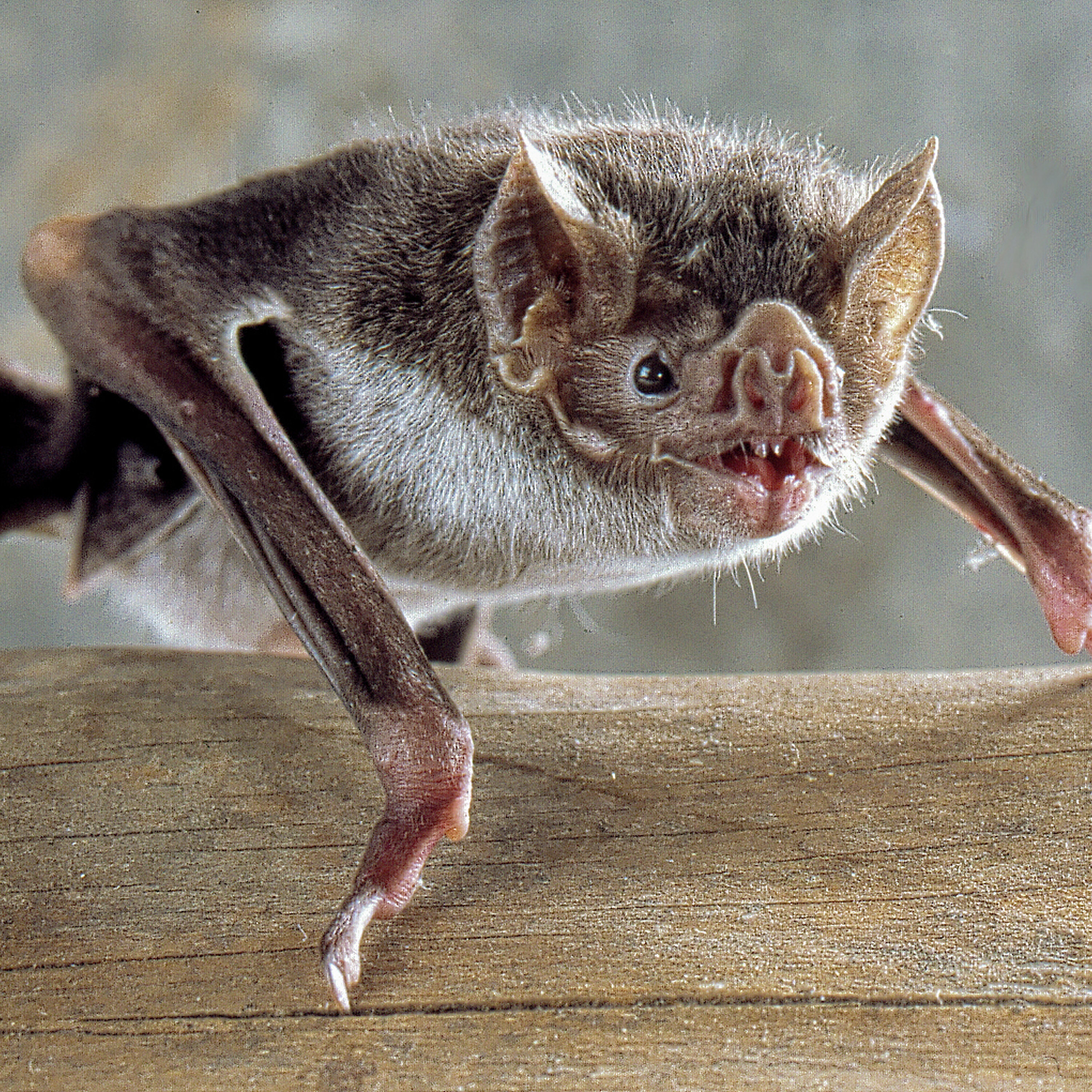
American History Hotline
Why Watergate Didn't Bother Lynyrd Skynyrd / Ozzy vs. Winged Creatures
00:39:59
Loading summary
Transcript136 lines
- [00:01]
Announcer
Life's messy. We're talking spills, stains, pets and kids. But with Anabe, you never have to stress about Messes again. @washablesofas.com Discover Anibe Sofas, the only fully machine washable sofas inside and out, starting at just $699. Made with liquid and stain resistant fabrics, that means fewer stains and more peace of mind. Designed for real life, our sofas feature changeable fabric covers allowing you to refresh your style anytime. Need flexibility? Our modular design lets you rearrange your sofa effortlessly. Perfect for cozy apartments or spacious homes. Plus, they're earth friendly and built to last. That's why over 200,000 happy customers have made the switch. Upgrade your space today. Visit washablesofas.com now and bring home a sofa made for life. That's washablesofas.com offers are subject to change and certain restrictions may apply. You can make a difference in someone's life, including your own, with a job in home care. These jobs offer flexible schedules, healthcare, retirement options and free training. They also provide paid time off and opportunities for overtime. Visit oregonhomecarejobs.com to learn more and apply. That's oregonhomecarejobs.com.
- [01:31]
Variety Podcast Host
There's a lot going on in Hollywood. How are you supposed to stay on top of it all? Variety has the solution. Take 20 minutes out of your day and listen to the new daily Variety podcast for breaking entertainment news and expert perspectives.
- [01:45]
Mark Kemp
Where do you see the business actually heading?
- [01:47]
Variety Podcast Host
Featuring the iconic journalists of Variety and hosted by co editor in chief Cynthia Littleton.
- [01:53]
Mark Kemp
The only constant in Hollywood is change.
- [01:56]
Variety Podcast Host
Open your free iHeartRadio app, search Daily Variety and listen now.
- [02:00]
Ryan Seacrest
Hey, it's Ryan Seacrest for Albertsons and Safeway Cough. And cold season is coming, so make sure you're prepared and stock up on your family's favorite personal wellness products now through October 7th. Shop in store and online for savings on products like Mucinex Kickstart Combo, Zyrtec Allergy Relief Tablets or Liquid Gels, Halls, Cough Drops and Mucinex Fast day and night so you and your family are armed and ready for the season ahead. Offer ends October 7th. Restrictions apply. Offers may vary. Visit albertsons or safeway.com for more details.
- [02:31]
Mark Kemp
I'm Scott Hanson, host of NFL Red Zone. Lowe's knows Sundays hit different when you earn them. We've got you covered with outdoor power equipment from Cobalt and everything you need to weatherproof your deck with Trex Decking, plus with lawn care from Scotts and of course, Pit Boss Grills and accessories, you can get a home field advantage all season long. So get to Lowe's, get it done, and earn your Sunday Lowe's official partner of the NFL. The dove and the bat incident aren't even the only winged creature stories.
- [03:06]
Bob Crawford
My God. Okay, Mark, what else you got? You've reached American History Hotline. You ask the questions, we get the answers. Leave a message. Hey there, American History Hotliners. Bob Crawford here. Thrilled to be joining you again for another episode of of American History Hotline, the show where you ask the questions. And the best way to get us a question is to record a video or a voice memo on your phone and email it to AmericanHistoryHotlinEmail.com that's AmericanHistoryHotlinEmail.com and remember, we are American History Hotline. If you want to talk about the Beatles, Liverpool days, we may not want to do that. But if you want to talk about their 1964 tour of the United States, we can definitely do that. And with that, our show today is about rock legends and myths. Here to help me answer this question is a bit of a legend himself. It's Mark Kemp, an award winning journalist who served as music editor at Rolling Stone, vice president of music editorial at MTV, and author of the book Dixie A Story of Music Race and New Beginnings in a New South. Mark, how's it going this morning?
- [04:31]
Mark Kemp
It's going well, Bob. It's good to hear you. How are you?
- [04:35]
Bob Crawford
I'm doing very well, thank you for asking. It's great, always great to speak with you and it's great, too. Our audience can't, but it's nice for me. I can see you. So very, very nice. Well, Mark, when I heard this question, I immediately thought of you. It comes from Trevor in Kansas City. He says, I've heard so many different stories about Ozzy Osbourne biting the head off a live bat while on stage. What the heck actually happened? Trevor, I'm with you. I can't tell you how many times I heard this story, especially growing up in the 1980s, like, this was a high school life legend. You know, like, did this really happen? We believed it at the time. And if you look at the COVID of Bark at the Moon, you know, you think that's the guy. It's the kind of guy who might bite the head off of a live bat. So really excited to get to the bottom of this rock and roll legend. And by the way, we have another legend slash myth to debunk or confirm. I want our listeners to know that later on in the show we're going to talk about the feud for. Between Lynyrd Skynyrd and Neil Young. So stick around for that. But first, let's jump into the Ozzy story. Mark, can you set the scene when and where is this all said to have happened?
- [05:57]
Mark Kemp
Well, and he is the kind of guy who would off of a bat. He's the kind of guy who did a whole lot of things on stage and off. And that story is true. During a concert in Des Moines, Iowa, in January of, I think, 19, he infamously bit the head off of what he thought was a rubber bat thrown on stage. It turned out to be a real one. And he was rushed to the hospital for rabies shots. But the moment became immortalized, as you say, in rock folklore. But that's not the first time he bit the head off a winged creature.
- [06:40]
Bob Crawford
Yeah. So this isn't the first time something like this happened.
- [06:43]
Mark Kemp
I think it was 1981. The bad infinite was 1982. But in 1981, he bit the head off of a live dove during a meeting with CBS Records about the album Blizzard of Oz. Sharon, his wife, had suggested releasing the dubs as a publicity stunt, But Ozzy decided he wanted to go a step further. And he bit the head off of one during the meeting. It was meant to get attention, and it did, pretty much along with immediate ejection from the building.
- [07:20]
Bob Crawford
So was this like a press conference or a boardroom? I mean, I've been in some of those music record label boardroom meetings. And I gotta tell you, sometimes, you know, you do feel like biting the head off of a live animal while you're in those meetings. But was this a meeting or a press conference? Were they working towards a deal?
- [07:41]
Mark Kemp
It was a meeting, and I'm not sure what they were working on in the. I think they were. They were working on publicity for the album and. Or they were discussing the publicity of the album because Sharon had. Was. Had, you know, brought the doves in to possibly use releasing them for the, you know, as a publicity stunt.
- [07:59]
Bob Crawford
Was it Diary of Madman? No, it was Blizzard Vase, Blizzard Vaz. Okay.
- [08:05]
Mark Kemp
Yes. So, yeah. And he just on the spur of the moment, decided he would bite the head off of the dove. So that's, I think, probably why the next year, somebody brought a bat and threw it on stage, and Ozzy thought it was a rubber one, and he. He bit that head off. So. Yep. Not the first time.
- [08:26]
Bob Crawford
So. So many questions. So getting back first to the dove incident, I mean, had he. Had he done this before? Like, do we know. Do we know, like, what. What was it in his. In his makeup, in his personality that. I mean, because he. He could argue like the. The bat in Des Moines, he thought it was a rubber bat. That makes perfect sense. It's a. It's part of the shtick. But this was a live dove that he actually bit off. And he didn't even do it to get mass attention. He did it like in a. In a meeting. So what is it about Ozzie? Do we know anything about his youth and his upbringing that would. Would kind of preclude this?
- [09:12]
Mark Kemp
Well, you know, Ozzie started out, you know, as something of a juvenile delinquent. And way back in 1965, I guess about three years before Black Sabbath started, he stole a television and attempted to climb over a wall with it and was arrested and wound up in a British prison for, I think, six weeks. So, I mean, we. We know Ozzie was a Troublemaker from day one. And then, you know, in. In 73, almost a decade later, he had such a bad drug and alcohol problem that he was fired from Black Sabbath. I mean, you. You have to have a pretty bad alcohol problem to be fired from black, you know, band like Black Sabbath.
- [10:00]
Bob Crawford
But.
- [10:00]
Mark Kemp
But then that. That's not even. The dove and the bat incident aren't even the only winged preacher stories.
- [10:09]
Bob Crawford
Okay, Mark, what else you got?
- [10:13]
Mark Kemp
The first winged creature story was in 1976, about three years after he was fired from Black Sabbath. He was living in the country countryside. I think it was Staffordshire, England. And he was drunk and became angry and shot a bunch of ch. Chickens in his backyard coop, then burned the coop while. While throwing live ammo into the flames. So there are no shortage of Ozzy Crazy Ozzy stories.
- [10:52]
Bob Crawford
And so if you. If we fast forward back to the. To Des Moines, Iowa. This concert was. And he thought. He. He. He claims that he thought it was a rubber bat, but what's the difference for Ozzy, right? Like, so had he.
- [11:09]
Mark Kemp
Yeah.
- [11:09]
Bob Crawford
Had he kind of reformed himself by this point?
- [11:13]
Mark Kemp
I don't think so. He claimed he thought it was a rubber bat. But I mean, based on the other two winged creature stories, one would think that he would probably have bit. Bitten the head off of it, except that it was a bat. And bats are a little more dangerous than doves or chickens.
- [11:34]
Bob Crawford
Oh, man. Bird flu, you know, that's all I can think about. And so, you know, let's talk about this time period, right? The early 80s heavy metal, when I was reflecting on when Ozzie passed there, the end of July or early August, I went back and listened to Black Sabbath for a week and I listened to their first album. And War Pigs is the first song on the first album. And I'm thinking to myself, wow, Vietnam War, this is the time of the hippies, you know, and here, here you have an anti war anthem, right? But it is, this is not flowers. And see you down in San Francisco with a flower in your hair and, and free love and all that kind of stuff. This is, this is something completely different.
- [12:29]
Mark Kemp
Yet not at, not at all. It's more like goth. I mean, it's pre Goth. Goth, yeah. He was not a hippie. He looked like a hippie, but he was definitely not a hippie.
- [12:43]
Bob Crawford
Mark, I'm just thinking about the culture of this moment that Ozzy kind of grew out of and that kind of. I want to put this in historic perspective. Okay, so Black sabbath starts in 1970. I think their first album, Correct Me if I'm Wrong, comes out in 1970. Yes, because that first song, first album is War Pigs. And if our listeners haven't heard it, maybe I heart will pay for us to play a clip of it. In the fields of bodies burning.
- [13:18]
Mark Kemp
As the.
- [13:19]
Bob Crawford
The war machine keeps turning death and hatred to mankind, poisoning their brainwash minds. Elijah, when you think about the late 60s, early 70s, you think about the doors, you think about LSD, you know, Jefferson Airplane. It's psychedelia, it's anti war, and this is anti war. But it is completely like something that no one has ever heard before. A sound no one had ever heard really before. The only other antecedents cousins to the sound of Black Sabbath, I think of like Led Zeppelin. And that's like 1968, right?
- [14:14]
Mark Kemp
Yeah, or Blue Cheer maybe. I mean, they were kind of like hard rocking at a time when nobody was hard rocking. But not, not like Black Sabbath or Lead Zabba or Deep Purple or any of those really, you know, proto metal bands basically, and proto metal bands.
- [14:31]
Bob Crawford
So in a lot of ways, Black Sabbath is the beginning of metal.
- [14:35]
Mark Kemp
Yeah, yeah. I think you can safely say metal proper started with Black Sabbath. It had everything. It had the, the really, the minor chord thing sound. It had the, the lurching, sort of slow, sludgy, you know, and, and free grind. Yeah, right.
- [14:52]
Bob Crawford
We think like the chunk.
- [14:54]
Mark Kemp
Yeah, the chunkiness. And then it also had those, those dark lyrics that, you know, you're just talking about. And War Pigs, I, I think the only other band that you could say would be that, that would have been that gothy at the time would be The Doors, but even they weren't. They didn't have that slow, lurchy, crunchy, you know, black.
- [15:16]
Bob Crawford
They were more romantic. The Doors were more romantic. Jim Morrison was a poet.
- [15:20]
Mark Kemp
Right, right. They were a little more intellectual. And Sabbath was not. They were just, you know, in your face, dark.
- [15:31]
Bob Crawford
So biting the head off of a live. And a bat or dove that comes out of a darkness.
- [15:39]
Mark Kemp
Yeah, it made sense. I mean, you know, in as much as it could make sense. But yeah, I Whole thing, you know, from, you know, from shooting chickens to biting doves, heads off to the bat. The ultimate bat incident. Makes sense in the chronology.
- [15:58]
Bob Crawford
So now we're like early 80s. Like 80. You said it was 80 or 81.
- [16:03]
Mark Kemp
81 was the dove incident and 82 was the bat incident. Yes.
- [16:09]
Bob Crawford
And a young man brought a bat.
- [16:12]
Mark Kemp
Yeah.
- [16:12]
Bob Crawford
To Aussie concert.
- [16:14]
Mark Kemp
Which. That. How did he get. How did it. Yeah, you would never get a bat into a concert in 2025. But I don't know how he got it in. I mean, who knows? I mean, he was a metal fan. He figured it out.
- [16:29]
Bob Crawford
And so Alice Cooper. I remember a similar story about Alice Cooper. Do you know that?
- [16:35]
Mark Kemp
Well, the cutting baby dolls during Dead Babies.
- [16:39]
Bob Crawford
Oh, no, no, no, that. Not that one. The chicken.
- [16:42]
Mark Kemp
Oh, right, the chicken. I'm not as familiar with that as I am the bat incident.
- [16:47]
Bob Crawford
Or someone brings a live chicken to the Alice Cooper concert.
- [16:50]
Mark Kemp
Right. Oh, yes, I've seen.
- [16:53]
Bob Crawford
He throws it back into the crowd. Who ripped Mutilates.
- [16:58]
Mark Kemp
Yeah, I. I rip it apart. I think there may even be video of that. Isn't there on YouTube? I'm not sure, but yeah, that's right. I remember that now. And there are other Alice. I mean, there were a lot of antics back then, like really dark antics, like, you know, him getting hung and his head chopped off and all that stuff. So all of this makes sense, you know, in the. Given the times.
- [17:24]
Bob Crawford
To put a nice. Button this up with Ozzy. You know, he passed away, you know, a few weeks before we recorded this. How do you rank him? You know, with your vast knowledge of rock music, late 20th century, early 21st century rock music. Where do you rank him in the. In the annals of rock history? Is he. Is he top 20? If we can even play that game. You know, what is his lasting contribution?
- [17:55]
Mark Kemp
I mean, he's important. He's hugely important. I mean, particularly since he went on to become this, you know, almost lovable uncle on the show. You know, who knew that that was going to happen? It's kind of like Alice Cooper playing Golf with Bing Crosby or something. It just, you didn't know that.
- [18:13]
Bob Crawford
Yeah, or, or Donald Trump becoming president.
- [18:15]
Mark Kemp
Or, you know, who saw that coming. Exactly. So, you know, given that and given these and given the fact that he was in the preeminent proto metal band and, and continued through the 80s, being a super important frontman and, and always in the news for more than just these things. I mean, he got arrested for pissing on the Alamo. You know, in Texas, there's so many stories, and that's just stories in terms of his, you know, and his voice is. You, you, you know, Ozzy. When you hear him, nobody sounds like Ozzy. None of those hair metal bands that followed sounded like Ozzy. He has this voice that's just unmistakable. All these things make him super important. Top 20. I. I don't know, you got a lot of people like Chuck, Chuck Berry and Bo Diddley and the Stones and the Allman Brothers and, you know, there's so many, you know, great rock and roll bands. But he certainly is way up there and certainly culturally he made a massive impact. Because when I was in school, when I was junior high in the early 70s, Black Sabbath was the band. You know, I loved Black. That first three albums were my, you know, I loved them, as did most of my misfit, you know, 12, 13 year old friends. So culturally he made a massive impact. He's important. He's much more important than rock critics of the period gave him. They were kind of, you know, so used to analyzing Dylan lyrics and, and looking for cultural significance in more. A more heady way that when Black Sabbath came out, these rock critics of the day were like, what the hell is this? It's just a bunch of noise and an idiot frontman. But it turns out he made much more of an impact. It was much more than that. You know, Nirvana called, you know, Kurt Cobain said, you know, his two biggest influences were the Beatles and Black Sabbath, you know, in those days. So in retrospect, a massively important figure in rock.
- [20:31]
Bob Crawford
I would say that Black Sabbath is hugely influential in the Seattle scene of the early late 80s. Oh yeah, no doubt about it.
- [20:42]
Mark Kemp
Alice in Chains, Soundgarden, Mud Honey, nirvana, I mean, L7, all these bands. Yeah.
- [20:51]
Announcer
Time for a sofa upgrade. Visit washablesofas.com and discover Annabe. Where designer style meets budget friendly prices. With sofas starting at $699, Annabe brings you the ultimate in furniture innovation with a module design that allows you to rearrange your space effortlessly. Perfect for both small and large spaces. Anove is the only machine washable sofa inside and out. Say goodbye to stains and messes with liquid and stain resistant fabrics that make cleaning easy. Liquid simply slides right off. Designed for custom comfort, our high resilience foam lets you choose between a sink in feel or a supportive memory foam blend plus our pet friendly stain resistant fabric ensure your sofa stays beautiful for years. Don't compromise quality for price. Visit washablesofas.com to upgrade your living space today with no risk returns and a 30 day money back guarantee. Get up to 60% off plus free shipping and free returns. Shop now at washablesofas.com Offers are subject to change and certain restrictions may apply. You can make a difference in someone's life, including your own with a job in home care. These jobs offer flexible schedules, health care, retirement options and free training. They also provide paid time off and opportunities for overtime. Visit oregonhomecarejobs.com to learn more and apply. That's oregonhomecarejobs.com.
- [22:22]
Variety Podcast Host
There's a lot going on in Hollywood. How are you supposed to stay on top of it all? Variety has the solution. Take 20 minutes out of your day and listen to the new daily Variety podcast for breaking entertainment news and expert perspectives.
- [22:36]
Mark Kemp
Where do you see the business actually heading?
- [22:38]
Variety Podcast Host
Featuring the iconic journalists of Variety and hosted by co editor in Chief Cynthia Littleton.
- [22:44]
Mark Kemp
The only constant in Hollywood is change.
- [22:47]
Variety Podcast Host
Open your free iHeartradio app, search daily Variety and listen now.
- [22:51]
Ryan Seacrest
Hey, it's Ryan Seacrest for Albertsons and Safeway. Spooky season is quickly approaching, so time to stock up on all your favorite treats. Now through October 7th. You can get early savings on your Halloween candy favorites when you shop in store and online. Save on items like Hershey's, Reese's Pumpkins, Snickers Miniatures, Tootsie Rolls, Raw sugar, Milk Chocolate, Caramel, Jack O Lanterns, Brock's Candy, Corn Charms, Mini Pops and more. Offer ends October 7th. Restrictions apply. Offers may vary. Visit albertsons or safeway.com for more details.
- [23:21]
Mark Kemp
I'm Jorge Ramos.
- [23:23]
Variety Podcast Host
And I'm Paula Ramos.
- [23:24]
Mark Kemp
Together we're launching the Moment, a new podcast about what it means to live through a time as uncertain as this one.
- [23:31]
Variety Podcast Host
We sit down with politicians.
- [23:33]
Mark Kemp
I would be the first immigrant mayor.
- [23:35]
Bob Crawford
In generations, but 40% of New Yorkers.
- [23:38]
Variety Podcast Host
Were born outside of this country, artists and activists. I mean, do you ever feel demoralized?
- [23:44]
Announcer
I might personally lose hope.
- [23:45]
Mark Kemp
This individual might lose the faith. But there's an institution that doesn't lose faith. And that's what I believed in to.
- [23:53]
Variety Podcast Host
Bring you depth and analysis from a unique Latino perspective.
- [23:57]
Mark Kemp
There's not a single day that Paola and I don't call or text each other sharing news and thoughts about what's happening in the country. This new podcast will be a way to make that ongoing intergenerational conversation public.
- [24:10]
Variety Podcast Host
Listen to the moment with Jorge.
- [24:14]
Bob Crawford
As.
- [24:14]
Variety Podcast Host
Part of the My Cultura Podcast Network on the iHeartRadio app, Apple Podcasts, or wherever you get your podcasts.
- [24:22]
Bob Crawford
Quick side note, my new book, America's Founding Son, John Quincy Adams From President to Political Maverick is coming out soon. Now if you are as excited as I am, please show some love and pre order your copy today. Available wherever fine books are sold. This is American History Hotline. I'm your host, Bob Crawford. Today my guest is Mark Kemp, an award winning journalist who served as music editor at Rolling Stone. He's also the author of a book, Dixie A Story of Music, Race and New Beginnings in a New South. We're myth busting some rock and roll legends today. And hey, do you have a question about American history? It can be about American music. We love it. If so, record yourself using the voice memo app on your phone and email it to AmericanHistoryHotlinemail.com that's AmericanHistoryHotlinemail.com now back to the show. Mark. There's a myth that Ronnie Van Zant, the lead singer of Lynyrd Skynyrd, was buried in a Neil Young T shirt. Now, there's a lot to this story. Can we go back to the beginning of the relationship of these two artists? What was going on between Neil Young and Lynyrd Skynyrd?
- [25:47]
Mark Kemp
Okay, well, first, Ronnie Van Zandt was not buried in a Neil Young T.
- [25:52]
Bob Crawford
Shirt, although that is myth busting.
- [25:55]
Mark Kemp
That is a myth. But there's a lot, there's a lot to say about the relationship between Ronnie Van Sant and Neil Young. Leonard Skinner's biggest song, well, arguably their biggest song, there's Freebird, but Sweet Home Alabama, Ronnie Van Zant name checks.
- [26:14]
Bob Crawford
Neil Young will remember.
- [26:24]
Mark Kemp
And that came out of a couple of songs that Neil Young had recorded just a few years earlier that criticized heavily the south for its segregation and racism and all that stuff. Southern man was the first one. And then there's Alabama. Alabama, you got to wait the weight of something. I forget the lyrics. But it both of them severely criticized the whole south for, you know, what was going on in terms of, of race relations at the time. And Neil Young was rightly criticizing the south for that. Ronnie Van Zandt basically came along and said, wait a minute, you are criticizing the whole south for something part only some Southerners are guilty of. Also, you know, there's a lot of guilt to be shared by both the north and the South. There's a line in the song that goes, watergate does not bother me. Does your conscience bother you? And I think he was kind of saying, you know, everybody's criticizing the south for a lot of stuff that's going on politically in our country, but there's a lot going on in our country that doesn't have anything to do with the South. Everybody's guilty. So there's a whole lot of subtext to Sweet Home Alabama that I, I don't even know that Ronnie Van Zant was completely, you know, cognizant of. He was just writing a song. And, and really, to a great extent, the song was kind of a joke, but it wasn't a joke. It was a joke, but not a joke. He was kind of trying to put Neil Young in his place for writing these songs with, you know, wholesale criticizing the South. At the same time, he loved Neil Young. He would wear Neil Young T shirts in concert and, and Neil Young loved them. I mean, he liked that song. He played that song in concert.
- [28:29]
Bob Crawford
You know, Neil Young played Sweet Home Alabama.
- [28:32]
Mark Kemp
He's played Sweet Home Alabama in concert. So they had a. It's just like any kind of light hearted feud that sometimes rockers have with each other and there are response songs. The response songs go all the way back to it wasn't God who made Honky Ton. It wasn't God who made Honky Tonk Angels. The, the, the song that was an answer to Honky Tonk Angels, an earlier song that criticized women who went out to honky tonks and, and hooked up with men. You know, so there's a long history of these answer songs or these response songs. And Sweet Home Alabama was one of those songs in, in the years since, it's, you know, it's become fighting words. I mean, Lynyrd Skynyrd, I mean, not Lynyrd Skinner, but Neil Young. I think once when he tried to play somewhere down south, he got death threats because people took it so seriously that they were angry at Neil Young. But Ronnie Van Zanten and Leonard Skynyrd were never angry with Neil Young.
- [29:43]
Bob Crawford
Did they, did they take up for each other? Like, I mean, you talk about them admiring each other and Neil Young doing Sweet Home Alabama, which as soon as we're done recording, I'm going to be search on YouTube. But did, did Ronnie Van Zant ever kind of like come out, like in magazines or newspapers or in the media and take up for Neil Young?
- [30:06]
Mark Kemp
Yes, he did. Very, very clearly. He said, we love Neil Young. There's one line I think he said in a radio interview, you know, we love Neil Young. He, we just felt like he was shooting all the ducks to kill just one or some, some Southernism and Neil Young likewise. I said, I, you know, I'm a big fan of Leonard Skynyrd. He said that he had performed Sweet Home Alabama before and he also wrote a couple of songs, one of which was Powder Finger, specifically for Leonard Skinner to record. But sadly the. They never got around to it before their. The tragic plane crash that killed Van Zandt. But yeah, I mean, yeah, so let's let you.
- [30:56]
Bob Crawford
You mentioned the plane crash, which is, which is as. As much a part of the myth and the legend as this competition between Neil Young and, And Leonard Skynyrd. Talk about that plane crash.
- [31:10]
Mark Kemp
Well, I mean, it came, for one thing, it came, it came right during the period when Leonard Skynyrd was going from band that had hit with Sweet Home Alabama to band that had concert anthem with Freebird, to band that was about to make a mainstream and make it into the mainstream with their Street Survivors album. They were on tour for Street Survivors and were about to really, really blast off.
- [31:43]
Bob Crawford
What year is this?
- [31:44]
Mark Kemp
That was 1977. Yeah. So they were about to blast off and really become, you know, a very well known. I mean, they are now, but more well known back then. Mainstream rock band. What's that Smell? Was big. I mean, there were, there were a few songs on that album that were huge and some of them became huge after the plane crash, which often happens, you know, when people die. But yeah, I mean, they were, they were really, that they were really taking off at that time. I, I remember thinking that that was, you know, at the time that this is their best album, really tight. They sounded great, all the songs were good. So it was, it was horrible. It was really tragic. It. It was like, you know, I, I suspect young people felt, you know, when they heard that Kurt Cobain had killed himself. You know, it was, it was like, oh, we're just getting started and, and this band is now gone.
- [32:41]
Bob Crawford
And so this was one of these situations where the plane encountered. It was a small plane and it encountered like bad weather.
- [32:50]
Mark Kemp
Yeah. And I think it was Mississippi. And they were coming, I believe, either from South Carolina or to South Carolina. I have all this stuff, but I don't have it in My head right now, but it was down there in that area.
- [33:04]
Bob Crawford
When I think about Southern rock and then trying to give us a historic cultural background, I see in my head Allman Brothers with the Confederate flag behind them. I remember interviewing someone about the Allman Brothers a few years ago, and the writer said, you know, you had a black man in the Allman Brothers. That was not the Confederate flag in the. In the Southern rock culture was not a race, a racial icon. Right?
- [33:36]
Mark Kemp
Yeah. And. And I think that's true to a great extent. I mean, you. There's even a photograph of the Velvet Underground with a Confederate flag behind them. And, you know, they have nothing to do with. They had nothing to do with the South. And I mean, it's really kind of weird to see a Confederate flag behind Lou Reed because, you know, has nothing to do with South. I think the Confederate flag at that time pretty much for white people signified, you know, rebelliousness. But it still, even back then, was not very cool, you know, for black people. I mean, it still was a slap in the face for black people. And it only. And I think it only became after, like the 70s, the dialogue started and black people were going, no, this is so not cool. You know. And some artists, I think, remained rebellious and said, well, we're going to use it anyway. It represents our heritage, blah, blah, blah. And then most said, oh, okay, and stopped using it. And even, you know, as far as Lynyrd Skynyrd went, Ronnie Van Zant said before he died that one. It was MCA's idea to put the rebel flag behind them because they were a Southern band. They were marketing the band that rowdy Southerners. But Ronnie Van Zand didn't like it, and they stopped using it because he thought it was stupid, he said. But then they started back when fans wanted it back. I think after the next phase of Lynyrd Skynyrd, after the plane crash, they started using it again and it became an issue. And then at some point, the newer Leonard Skynyrd stopped using it, and then their fans balked and they brought it back again. So it's. It's gone back and forth. It's pretty offensive to. To use a competitive flag. And I think we all kind of can say that now, but at the time, I absolutely. It didn't have the meaning for white people that it does now. White people just weren't aware of the pain that it caused, I don't think.
- [35:48]
Bob Crawford
So we started out today talking about metal Ozzy and that culture. And from the 19 from 1970 to the early 80s. And here we have Lynyrd Skynyrd, you know, and Neil Young. Different sides of the musical spectrum, same historical moment. So on the one hand we have this cultural debate, literal cultural debate in song, between, you know, about criticism of Southern historical culture, Southern history, criticism about slavery really, and then a defense of Southern culture on Lynyrd Skynyrd's side. And then the other end, the rebelliousness of what Southern rock was just a rebellious. It was a rebellion, right?
- [36:41]
Mark Kemp
Yes.
- [36:42]
Bob Crawford
And so was metal.
- [36:43]
Mark Kemp
Right. Metal was rebellion as well, you know, and when you. You just said we've. We've gone from this to this. And you know, the common denominator there is Lynyrd Skynyrd. So you have proto metal on one side, you have kind of folky Americana, what we call Americana now, on the other side with Neil Young. And then the. If you have a Venn diagram, Leonard Skinner's somewhere in the middle there. They were kind of metal. They had metal aspects to them, but they weren't metal like Sabbath and they had Americana aspects to them. So we've kind of come full circle with a nice little Venn diagram.
- [37:22]
Bob Crawford
Freebird is. Has a lot of attributes of metal in it.
- [37:26]
Mark Kemp
Yeah, for sure, for sure. That last part of it just screams. And yeah, there are some other songs that do too.
- [37:33]
Bob Crawford
Saturday Night Special, Sweet Home Alabama does name check. One of the state's most controversial leaders, George Wallace, who was the governor when the song was released. He also went on to be a really legitimate, almost third party candidate. Really tore apart the Democratic Party in the late 1960s and early 70s. He made a few runs for the. For the presidency, was ultimately shot by a would be assassin and left to serve out his days in a wheelchair. But the lyrics in Sweet Home Alabama is in Birmingham, they love to go now. We all did what we could do. George Wallace is famous for saying, I say segregation now, segregation tomorrow, segregation forever. Can you kind of put that into context, those two.
- [38:26]
Mark Kemp
That's such an important thing for us to talk about because that is the spot in that song, if there's any, and there's several, where people go, whoa, this is. This is messed up. Are they racist? What's going on? Why are they defending George Wallace? Are they defending George Wallace? It's really kind of un. Is kind of vague in a way, and I'll talk about why in a second. And sadly, Ronnie Van Zant isn't here to say what he actually meant. So everybody and their brother has analyzed that song and a lot of People come up with analysis that just fits the narrative that they want to tell. And I dealt with this extensively in my book. Some people will say that. They say in Birmingham, they love the governor. Boo, boo, boo. And that's the defense of. Oh, no, they're not. They're. They're criticizing Governor Wallace in that one. So those are the ones who. Who. Their agenda is to make Leonard Skinner out to be a little more progressive. And then now there are others who say, no. I mean, they're. They're defending the government, including Ed King, the guitarist, the first guitar, one of the first guitarists of Leonard Skynyrd. I had a long conversation with him in Nashville, and he said, no, no, those guys really respected George Wallace. In fact, Wallace made the band honorary lieutenant colonels in the state militia. And according to King, they were thrilled with that honor. They liked it. They liked the fact that he did it. King also said that, you know, so George. There's George Wallace in the early 60s. Segregation now, segregation forever. And then there's George Wallace of the early 70s, in which he had a good percentage of the black vote because George Wallace became less of a racist firebrand. I mean, he was an opportunist, whatever, but he became less of a racist firebrand and more of a working class, you know, for the working class. So a lot of blacks voted for George Wallace later on, you know, in the. In the later 60s and early 70s. So King said that. Was this the. The Wallace that Skynyrd, that the members of Skynyrd respected. So there are those, including Ronnie Van Zandt's wife, who go with the boo, boo boo argument. And there are those, including Ed King, the original guitarist, who go, no, no, those weren't boo, boo boos.
- [41:15]
Bob Crawford
We need to. When we. Thinking about. When we're thinking about Neil Young on Progressive. Very California. Well, Canadian, but probably associated with California at this point in his life. Right. Progressive.
- [41:28]
Mark Kemp
Well, kind of. There was that time in the 80s that he all of a sudden became a Reagan guy, but then he went back to progressive, so there's even ambiguity there.
- [41:41]
Bob Crawford
Well, yeah, so. But what I'm thinking about here. Here. Well, these guys are all rebels, right?
- [41:47]
Mark Kemp
But.
- [41:47]
Bob Crawford
But what I'm thinking about here is 1968 and the fight for the Democratic presidential nominees. And Bobby Kennedy Sr. Is assassinated right after winning the Democratic primary.
- [42:05]
Mark Kemp
Right.
- [42:06]
Bob Crawford
And his voters, many of his voters go to George Wallace.
- [42:12]
Mark Kemp
Right, exactly.
- [42:13]
Bob Crawford
And that's the working class.
- [42:14]
Mark Kemp
That's the working class.
- [42:15]
Bob Crawford
Yeah, that's the working.
- [42:16]
Mark Kemp
It wasn't really about race at that Time it was about working class issues. And that's what, that's kind of where we are today. We're just. Well, I also argue in the book that, that, you know, the, the, and I'm not the only one, obviously, the divide and conquer thing that, you know, the, the powers that be, you know, from the time of slavery in this country, you know, to now, have sought to divide poor blacks and poor whites so that, you know, the elite, the, the power that be can prevail with whatever agenda is going on. So that, that's how. That's where we were at that time too. I think poor people have a hell of a lot more in common with each other than they do any, you know, political party or leader who's in office.
- [43:08]
Bob Crawford
Right. There have been a few times in our nation's history where we've had the fusion, right? They call that the fusion between the blacks and the poor whites. And here in North Carolina, at one point we had that, and it ended in a massacre and a coup in Wilmington, North Carolina. But that's a whole, that's a whole other topic.
- [43:28]
Mark Kemp
But, boy, is that a good one to have. Yeah, it really is.
- [43:33]
Bob Crawford
So just to kind of give the context, there's the Birmingham lyric, right? In Birmingham, they love the governor. Boo, boo, boo. I looked it up online. I have it written out. They wrote out boo, boo, boo. Now we all did what we could do. Now water gate does not bother me. Does your conscience bother you? Tell the truth. Now Watergate does not bother me. Uh huh. Does your conscience bother you? Tell the truth. So they do those two kind of political. Yeah, on this side, we, we love our governor. And then on the other side it's like. But he's saying Watergate doesn't bother him.
- [44:20]
Mark Kemp
See, I think he, I think he was being sarcastic when he said, now Watergate does not bother me. Isn't that the lyric? Now? Watergate does not bother me.
- [44:30]
Bob Crawford
Does not bother me.
- [44:30]
Mark Kemp
I think he's being kind of sarcastic there. And does your conscience bother you? In other words, are you projecting your, your guilty feeling? You being people who aren't Southern, are you projecting your feelings of guilt onto us because your conscience is bothering you? I mean, you're every. You are the people who voted for, you know, Mr. Nixon, and he's a, he's a crook. You know, that's how I read it. But again, Ronnie Van Zandt's dead. He can't answer these questions.
- [45:02]
Bob Crawford
Mark, this has been wonderful. Thank you so much for your time today. I've been talking with Mark Kemp, an award winning journalist who served as music Editor at Rolling Stone, Vice President of Music Editorial at MTV, and the author of the book Dixie A Story of Music Race and New Beginnings in a New South. Mark, we'll have to do this again sometime.
- [45:26]
Mark Kemp
Oh, I'd love to, Bob. Thank you.
- [45:32]
Bob Crawford
You've been listening to American History Hotline, a production of iHeart podcasts and Scratch Track Productions. The show's executive producer is James Morrison. Our executive producers from iHeart are Jordan Runtal and Jason English. Original music composed by me, Bob Crawford. Please keep in touch. Our email is American History Hotline. If you like the show, please tell your friends and leave us a review in Apple Podcasts. I'm your host Bob Crawford. Feel free to hit me up on social media to ask a history question or to let me know what you think of the show. You can find me at bobcrawford Bass. Thanks so much for listening. See you next week.
- [46:30]
Announcer
Tired of spills and stains on your sofa? WashablesOfAs.com has your back featuring the Annabe Collection, the only designer sofa that's machine washable inside and out where designer quality meets budget friendly prices. That's right, sofas started just six Enjoy a no risk experience with pet friendly stain resistant and changeable slipcovers made with performance fabrics. Experience cloud like comfort with high resilience foam that's hypoallergenic and never needs fluffing. The sturdy steel frame ensures longevity and the modular pieces can be rearranged anytime. Check out washablesofas.com and get up to 60% off your Anna Bay sofa that by a 30 day satisfaction guarantee. If you're not absolutely in love, send it back for a full refund. No return shipping or restocking fees. Every penny back. Upgrade now@washablesofas.com Offers are subject to change and certain restrictions may apply.
- [47:30]
Mark Kemp
Check out the new season of Reasonable Doubt, now streaming on Hulu. L A s most successful attorney Jack.
- [47:36]
Announcer
Stewart, defends a young actor accused of murder.
- [47:39]
Mark Kemp
Follow Emma Yahtzee, Coronaldi, Morris Chestnut, Joseph Sakura and guest stars Kash Doll and.
- [47:44]
Announcer
Lori Harvey as they fight their personal.
- [47:46]
Mark Kemp
Battles in the spotlight of the year's most sensational trial. In the pursuit of justice, every move counts. Reasonable Doubt, Season 3, now streaming on Hulu and Hulu on Disney for bundle subscribers. Terms apply at Hill's Pet Nutrition we know that pet parent guilt is real. Leaving too long, playing too little. New homes, new babies, Waking them up when they look so comfy. Running out of patience, Running out of treats running the vacuum. You can only do so much. That's why there's hills. Science led nutrition to help you give more love than humanly possible because you're only human. There's hills. Find the right food@hillspet.com ScienceDoesMore have you ever heard a story so unbelievable it just had to be true? Roofman is the jaw dropping new film about Geoffrey Manchester, played by Channing Tatum, a man who becomes infamous for breaking in over 40 McDonald's through the roof, then secretly living inside of Toys R Us for six months. With humor, suspense and heart, Roofman is a cat and mouse story that will keep you hooked until the very end. Don't miss Roofman. Only in theaters October 10th, this episode is supported by FX's the Lowdown, starring Ethan Hawke. Allow us to introduce you to Lee Raybon, a quirky journalist, rare bookstore owner slash unofficial truth seeker who is always on the tail of his latest conspiracy. This time, his most recent expose puts him head to head with a powerful family that rules Tulsa. Meaning only one thing. He must be onto something big. FX is the Lowdown. All new Tuesdays on FX stream on Hulu.