Podcast
American History Hotline
Hosted by iHeartPodcasts · EN
Bob Crawford searches for the best historians and experts to answer listener questions about American history — from the Revolutionary War to rock & roll feuds. Got a question? Send it to AmericanHistoryHotline@gmail.com.
63episodes
Episodes
Newest firstAll episodes

Why Did Disease Devastate Native Americans—but Not European Colonists? | Charles C. Mann
5d ago00:32:49Summary readyGuns, germs and steel. Emphasis on GERMS. When Europeans arrived in the Americas, they brought all sorts of diseases! A listener asks: Why did diseases like smallpox devastate Native American populations but not European colonists? Was it simply a lack of immunity, or is the story more complicated? To get answers, Bob calls up bestselling author and journalist Charles C. Mann, author of 1491 and 1493, to explore one of the most consequential—and misunderstood—chapters in American history. Together they discuss: • What North America looked like before Columbus • Why Native societies were far larger and more sophisticated than many people realize • How diseases such as smallpox, malaria, and yellow fever spread across the Americas • The role of immunity, genetics, and prior exposure • The Great Dying in New England before the Pilgrims arrived • How epidemics shaped the fall of the Aztec and Inca empires • The connection between disease and the transatlantic slave trade • Why historians estimate that Indigenous populations declined dramatically after European contact This fascinating conversation reveals how microbes became one of the most powerful forces in American history—and why understanding disease helps us better understand colonization, survival, and the world we live in today. Guest: Charles C. Mann, author of 1491: New Revelations of the Americas Before Columbus and 1493: Uncovering the New World Columbus Created
Summary
The Man Who Saved Kyoto?
2w ago00:40:19Summary readyWho knows? Not me. Why wasn't Kyoto destroyed by an atomic bomb during World War II? Rumor has it, the Secretary of War at the time, Henry Stimson, had fallen in love with the city during his honeymoon years earlier. But is this a STORY or REALITY? To get some answers, Bob calls up historian Alex Wellerstein. Was Kyoto spared because of military strategy? Political calculations? Or the personal intervention of Stimson? And if Kyoto was spared, which city took its place? It's a fascinating story about war, power, culture, and one of the most consequential decisions in American history. Guest: Alex Wellerstein, historian of science at Stevens Institute of Technology and author of The Most Awful Responsibility: Truman and the Secret Struggle for the Atomic Age.
Summary
Did Amelia Earhart survive her disappearance? (Part 2)
3w ago00:17:59Summary readyIn Part 2 of our Amelia Earhart series, Bob examines one of the most controversial and fascinating theories surrounding aviation's greatest mystery. Last week, former Smithsonian curator Dorothy Cochrane argued that Amelia Earhart likely crashed into the Pacific Ocean after failing to locate tiny Howland Island. This week, Earhart expert Ric Gillespie, shares his theory. Drawing on decades of research, radio logs, navigation records, and expeditions to the remote Pacific island of Nikumaroro, he argues that Earhart and navigator Fred Noonan may have successfully landed after becoming lost—and that Earhart may have survived for weeks as a castaway. In this episode: • The communication failures that doomed the flight • Why Earhart may never have found Howland Island • The mysterious radio signals reported after her disappearance • Evidence linking Earhart to Nikumaroro Island • Why researchers still debate what happened in July 1937 Nearly ninety years later, the disappearance of Amelia Earhart remains one of history's most enduring mysteries. Could the answer have been hiding in plain sight all along? Listen now and decide for yourself.
Summary
What Happened to Amelia Earhart? Inside the World's Greatest Aviation Mystery (Part 1)
4w ago00:33:25Summary readyAre we close to finding out what happened to Amelia Earhart? Some experts say "yes!" Nearly 90 years after her disappearance, researchers believe they are are getting closer to solving one of the world's greatest mysteries. But, what do they think happened? In Part 1 of this special two-part episode, Bob calls up aviation historian Dorothy Cochrane to explore the remarkable life and career of Amelia Earhart before her disappearance in 1937. How did Earhart become the most famous female aviator in the world? What made her transatlantic flights so groundbreaking? And how did her ambitious attempt to become the first woman to fly around the world set the stage for one of history's biggest mysteries? Dorothy takes us through Earhart's rise to fame, her record-breaking flights, her partnership with navigator Fred Noonan, and the challenges of planning a round-the-world journey in the early days of aviation. We'll also hear what Dorothy thinks happened to Earhart ... and why we haven't found the truth yet. In this episode: • How Amelia Earhart first fell in love with flying • The flight that made her an international celebrity • Why she insisted on proving herself as a pilot • The ambitious around-the-world flight of 1937 • The communication problems that may have sealed her fate Next week in Part 2, Ric Gillespie of TIGHAR explains his theory surrounding Earhart's disappearance and explains why he thinks she was marooned on a deserted island. If you've ever wondered what really happened to Amelia Earhart, this is where the story begins!
Summary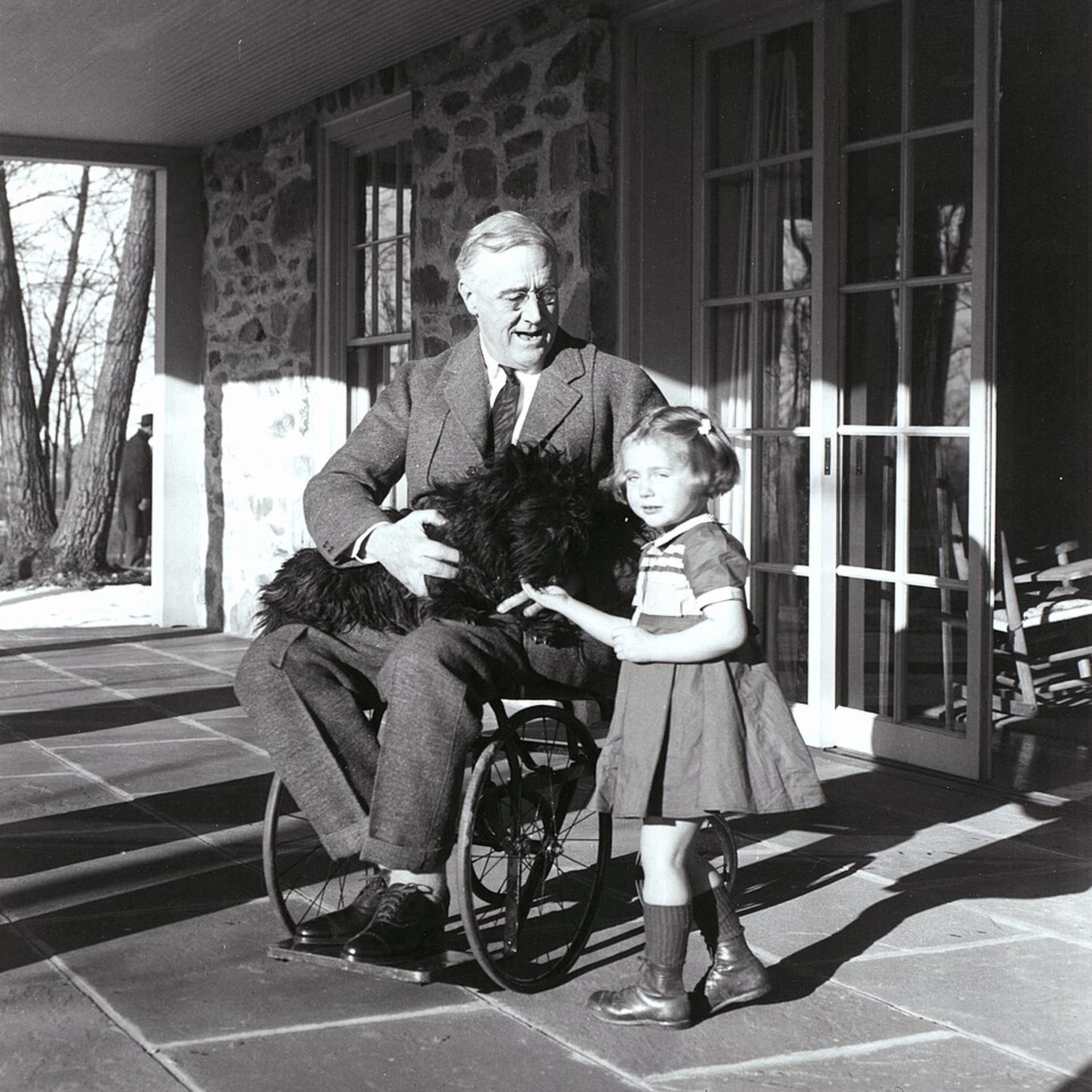
Do Americans Have a Right to Know the President's Health?
Jul 800:41:29Summary readyHow much should Americans know about the health of their president? From secret illnesses and hidden disabilities to modern debates over transparency, the health of the commander in chief has long been a subject of controversy. But where should we draw the line between medical privacy and the public's right to know? In this episode, Bob calls up presidential historian Barbara A. Perry to explore how presidents and their administrations have handled serious health issues throughout American history. You'll hear the remarkable story of Woodrow Wilson's debilitating stroke. The hidden realities of Franklin D. Roosevelt's declining health during World War II. John F. Kennedy's secret medical conditions. Questions surrounding Ronald Reagan's later years. And the ongoing public debates about the health of Joe Biden and Donald Trump. When a president's health affects the nation, how much information should be public? And what can history teach us about the consequences of secrecy? Guest: Barbara A. Perry, author of the book Reconcilable Differences: The Unlikely Political Alliance of John F. Kennedy and Eleanor RooseveltSee omnystudio.com/listener for privacy information.
Summary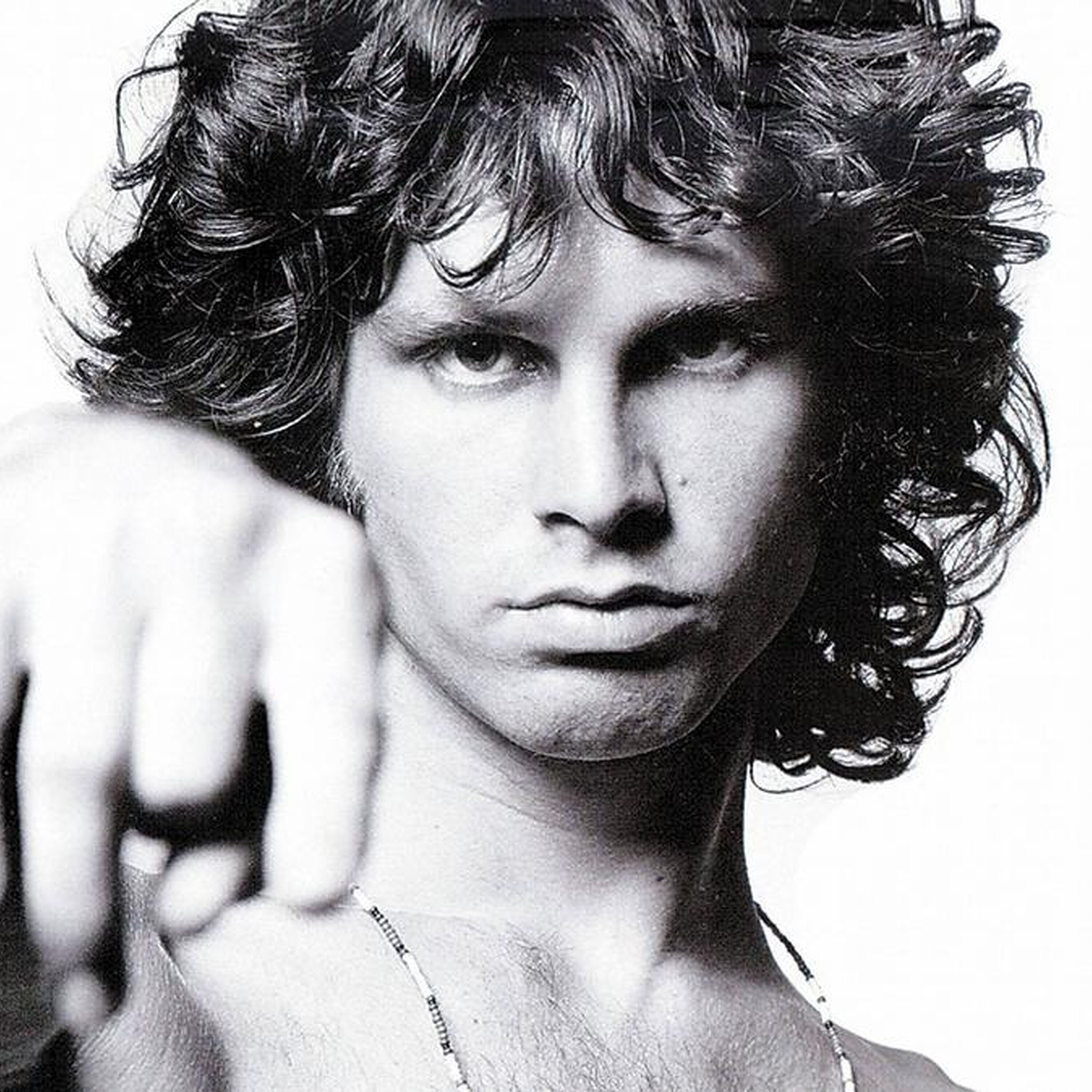
Did Jim Morrison's Dad Start the Vietnam War?
Jul 100:41:24Summary readyPeople are strange. But Jim Morrison is no stranger to conspiracy theories. And we've got a juicy one! Well, we're in the history business (not the conspiracy business). So, this episode is all about the TRUTH behind The Doors. And, yes, you CAN handle the truth! In this episode, Disgraceland host Jake Brennan (enter shameless plug HERE) tells Bob how the father of Jim Morrison was a U.S. Navy admiral linked to one of the most controversial events in American history: the Gulf of Tonkin incident. But did he really help start the Vietnam War? Well, this is the end ... of this conspiracy. We'll also dive into the mystery surrounding the death of Jim Morrison. Did he fake his own death? Was he connected to government secrets? And was he the Zodiac Killer? Wait, what?! See omnystudio.com/listener for privacy information.
Summary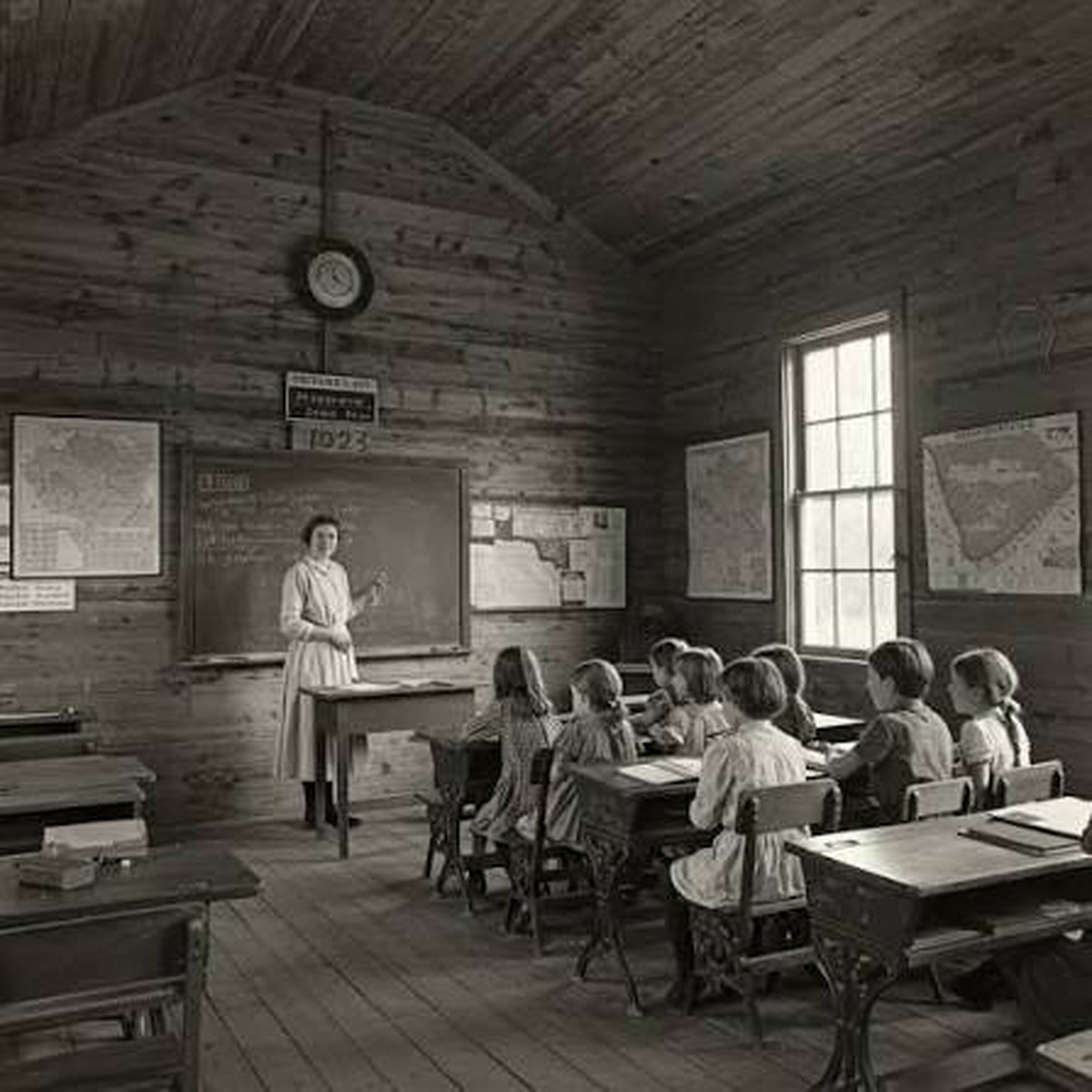
Who Invented School? The Surprising History of Education in America
Jun 2400:42:27Summary readyDid Americans always send their children to public school? Not even close. In this episode of American History Hotline, Bob calls up historian and author Dixie Dillon Lane to explore the surprising history of education in America. From colonial classrooms and the self-taught education of Abigail Adams to the rise of public schools, compulsory education laws, and the modern homeschooling movement, this conversation reveals how Americans have thought about learning for more than 250 years. Why did reformers like Horace Mann champion public schools? How did immigration, industrialization, the Great Depression, and the Cold War transform education? And why are more families today choosing alternatives to traditional public schools? Dixie's book is Skipping School: A History of American Homeschooling and How It Went MainstreamSee omnystudio.com/listener for privacy information.
Summary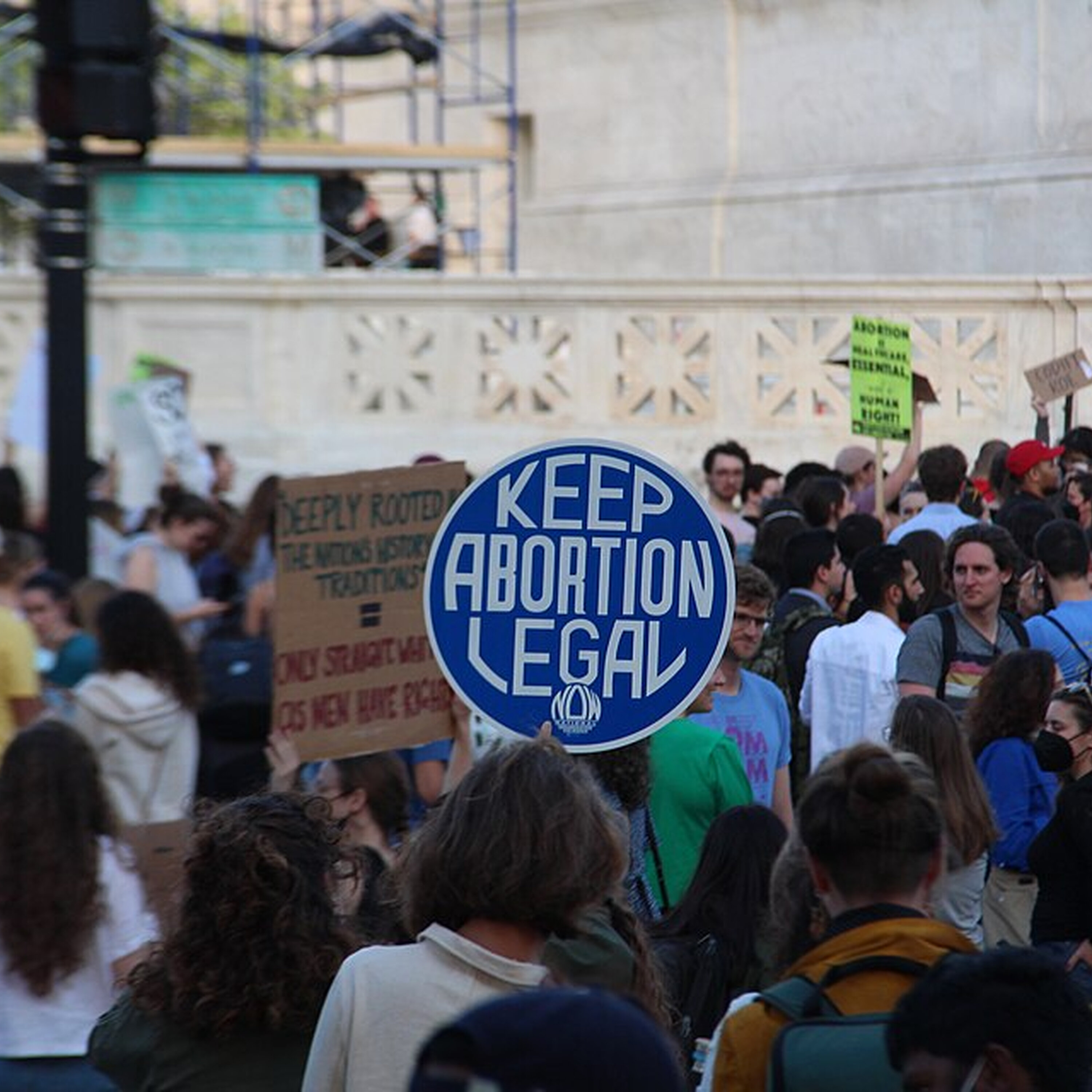
Was Abortion Always Controversial? From the Pilgrims to Dobbs v. Jackson
Jun 1700:36:42Summary readyFor decades, abortion has been one of the most divisive issues in American politics. But was it always that way? Bob calls up Georgetown Law Professor Dr. Michele Goodwin to learn about the surprising history of abortion in America. From colonial midwives and herbal remedies to the rise of the Christian Right, Roe v. Wade, and the modern political battle over reproductive rights, this episode explores how abortion went from widely accepted to hugely controversial. See omnystudio.com/listener for privacy information.
Summary
Why Is Congress So Old? And How Can We Change This?
Jun 1000:34:48Summary readyThe average age of a U.S. Representative is in the 50s. In the Senate, it's in the 60s. Many Congressional members are also white and wealthy. And this is not representative of the country as a whole. So, what's keeping Congress from being more reflective of nation's population, and therefore, actually getting things done? So. Many. Things. Bob calls up political scientist Maya Kornberg, author of Stuck: How Money, Media, and Violence Prevent Change in Congress, to unpack why Congress feels frozen in place ... and how we can fix it. From campaign money and social media to political violence and the rise of “performative politics,” Maya explains why younger leaders struggle to break through. See omnystudio.com/listener for privacy information.
Summary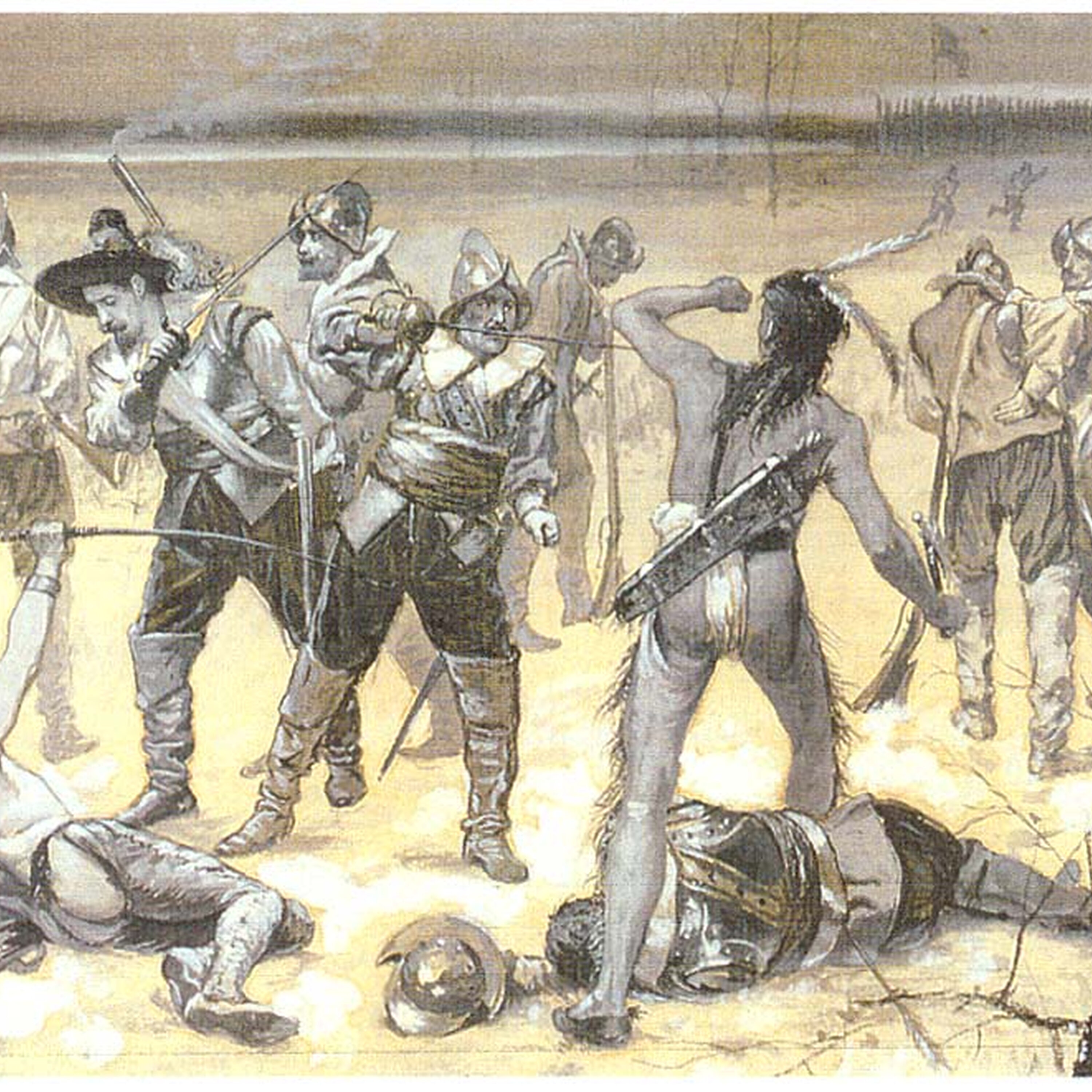
The Pequot War: Native American Diplomacy and Warfare
Jun 300:23:53Summary readyMaybe we can add another guarantee, besides "death" and "taxes" ... "trade wars." In the early days of America, Native Nations were fighting over trade and power. And they saw the arrival of the Europeans as a tool to defeat their rivals. It's a period that led to shifting allegiances in a fight for dominance. And the clearest example of this early diplomacy is The Pequot War of the 1630s. To learn how this war depicts Native American alliances and shifting allegiances, Bob calls up Kathleen DuVal, author of Native Nations: A Millennium in North America. See omnystudio.com/listener for privacy information.
Summary