Podcast
America's Cup
Hosted by Talib Visram · EN
How the world's favorite sporting event will meet America's own vision for it. Original reporting and analysis on the lead-up to the 2026 World Cup in this political, social, and cultural moment.
talibvisram.substack.com
talibvisram.substack.com
11episodes
Episodes
Newest firstAll episodes
Why the World Cup Matters
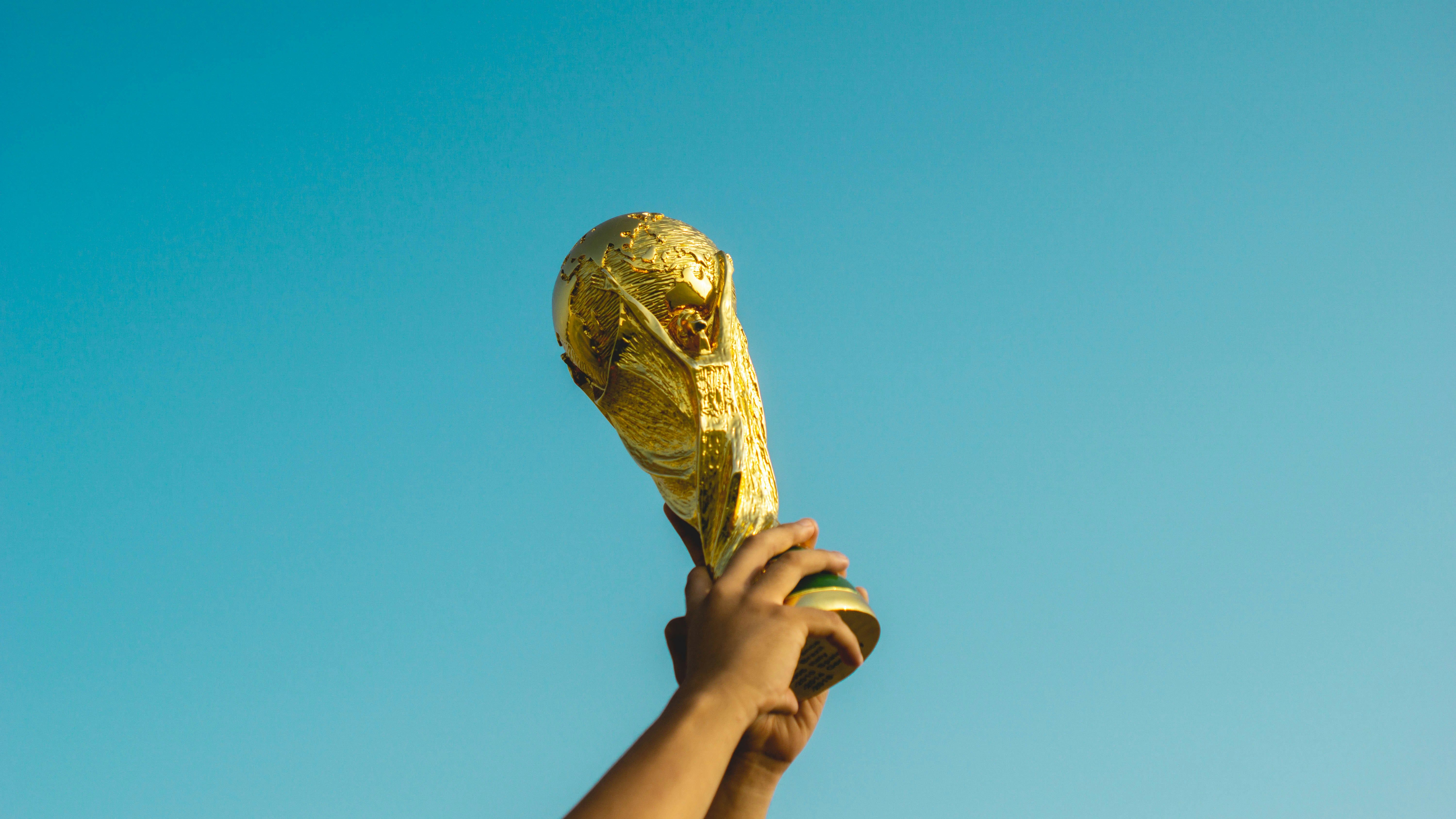
Jun 900:56:57Tap to summarizeIt’s finally here. On Thursday afternoon, Mexico and South Africa will kick off in the opening match of the 2026 World Cup.There are now signs of life: teams and fans are arriving, settling into their base camps, dealing with the heat, touring new environments… even baptizing planes. There is World Cup buzz in America.But fans are still locked out of matches due to unaffordable prices, and out of the country due to travel bans. There have already been detainments and denials at the border. There has already been a shooting near a team base camp.There will be football, and there will be problems. There always are, but the football usually seems to drowns out the noise. This year, it all depends how loud that noise continues to be.This has been a year-long project, and this is my final episode. (More on that to come.) I wanted to go out on a positive note by asking, amid all the darkness: Why does the World Cup matter? Why do we still celebrate it despite all the baggage? Why is it still worth having around?To summarize some of the themes of this project that’s now coming to a close, and to offer some hope, I invited a panel of guests to play us out: Sean Jacobs, professor of international affairs at The New School; Brenda Elsey, a historian of Latin America, soccer and gender at Hofstra University; and Simon Chadwick, professor of Afro-Eurasian sport, and sports business, based in the U.K.00:00 Intro06:30 Meet The Panelists07:45 Lightning Round10:56 Europe’s Fears12:08 Is This A Missed Chance?16:18 Global South Upset Potential20:00 Media Scrutiny of U.S. Vs Qatar24:54 U.S. Football Culture29:18 FIFA Meets Trump29:52 World Cup as Soft Power33:10 Authoritarian Comparisons35:30 Sportwashing36:31 What FIFA Really Is39:02 Hosting for Profit40:11 Diaspora World Cup Stories44:34 Identity and Fan Resistance48:25 Why the World Cup Matters Get full access to America's Cup at talibvisram.substack.com/subscribe
Transcribe →
Scoring when it's scorching
May 2800:36:53Tap to summarizeThe American College of Sports Medicine recommends athletic activity should cease at 82 degrees Fahrenheit (28 degrees Celsius). But this weekend, temperatures will surge past 90°F (32°C) in Dallas and Houston. And we’re only in May. It’s fair to say many—if not most—matches this summer will be played in extreme heat.It’s just one of the climate concerns at this year’s World Cup. Some teams got relatively lucky and will play in air-conditioned stadiums; others will face sweltering urban heat, tropical humidity, and heat-exposed stadiums built with no concerns for shade.It’s no longer a question of whether players will play in blistering heat—but how. They will have to adapt to stay resilient and perform to the highest level in furnace-like conditions. Talib speaks to Douglas Casa, CEO of the Korey Stringer Institute at the University of Connecticut, who has consulted with teams on precisely how to do that. Get full access to America's Cup at talibvisram.substack.com/subscribe
Transcribe →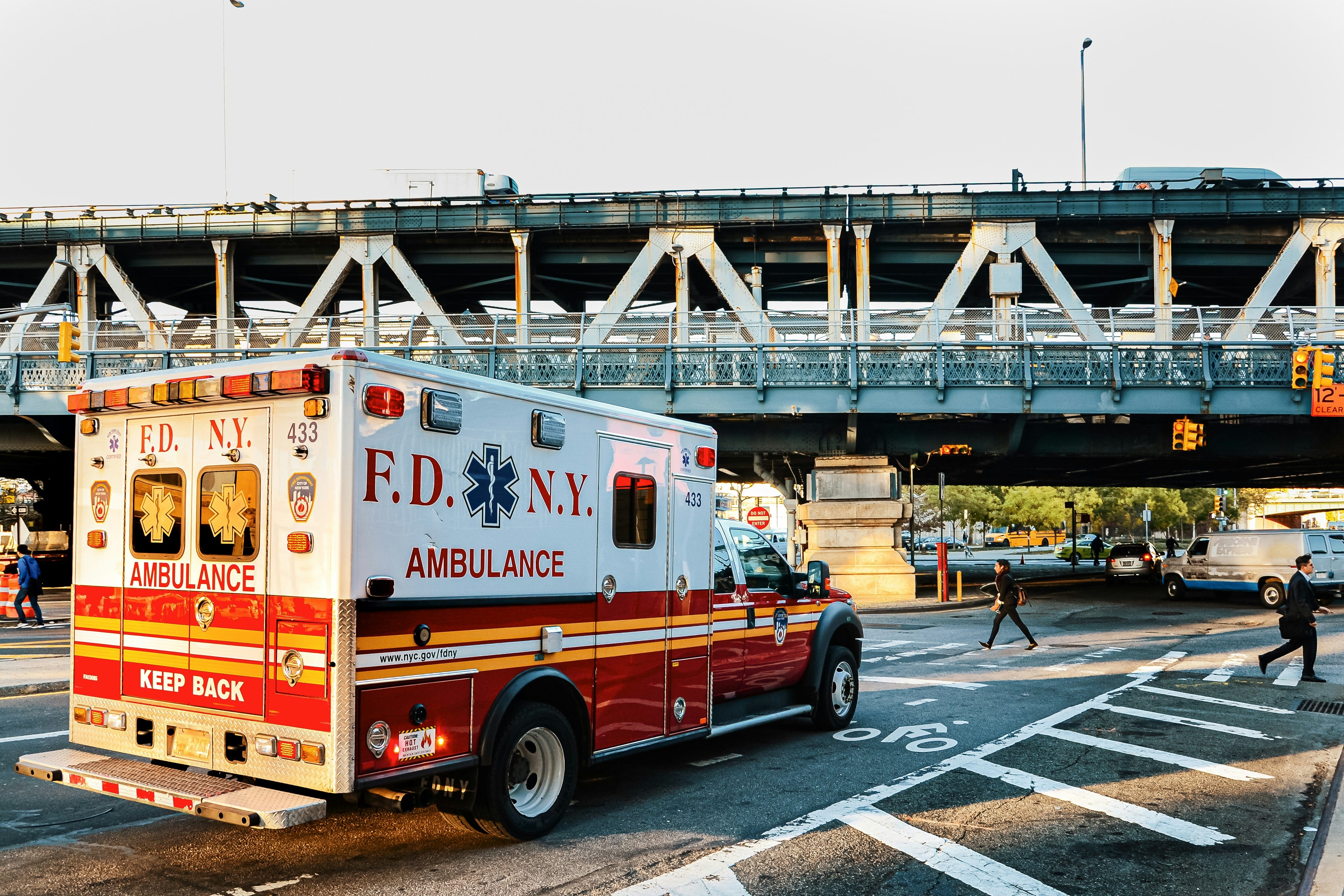
How AI plays into World Cup security
May 2000:41:34Tap to summarizeEven at the best of times, highly populated mega-events are a public safety concern. Much more so at a paranoid moment when the host nation is at war, has a fair share of geopolitical enemies and a history of gun violence, plus an abundance of natural disaster hotspots.Way back in episode 1 of this podcast series—way back in September!—Talib welcomed former DHS staffer Juliette Kayyem to talk about the broad security challenges at the World Cup. In this episode, he delves deeper into some security logistics by speaking to Michael Martin, founder and CEO of RapidSOS, a company that works to enhance emergency dispatch efforts by connecting users’ smartphone data to these public and private security services—with the help of AI.They get into how that all works, especially on the large scale of the World Cup, how host city infrastructures play into the system, and what data privacy concerns we should have.00:00 Intro03:36 RapidSOS Explained04:41 Real Time Response Example06:26 Fixing Legacy 911 Data08:35 Where Data Comes From12:12 World Cup Host City Support12:48 Threats At Mega Events15:05 Medical Emergency Walkthrough17:44 Active Shooters19:30 Geopolitical Risk21:30 City Infrastructure And Crowd Modeling22:34 Evacuation Decision Flow26:21 Security Ecosystem Roles28:08 Drones for Rapid Response30:05 Privacy and Civil Liberties33:30 Natural Disaster Readiness36:28 Protests and Public Safety38:13 Visitor Safety Checklist Get full access to America's Cup at talibvisram.substack.com/subscribe
Transcribe →
Sweden, meet Texas: How teams choose their base camps
May 1400:41:09Tap to summarizeLast week, when the tiny island nation of Cape Verde chose Tampa, Florida as their team base camp, 48 of 48 of those camps were finalized. These FIFA-approved camps—training facilities and accommodations—are now set all over the country, from Boston (France), to Nashville (Japan), to Mesa, Arizona (Turkey), to San Diego (Switzerland and New Zealand).Securing camps was a months-long process, with both teams and facilities setting preferences, and factoring in aspects like travel and heat. Sweden got paired up with Frisco, Texas, a city north of Dallas that is one of the fastest-growing hubs in America.Talib speaks to Gloria Salinas and Josh Dill, economic development and tourism representatives, to discuss the city’s growth, its positioning as “Sports City USA,” how the unlikely Sweden-Frisco alliance came together—and what travelers from abroad might expect if they, like Sweden, choose Frisco.00:00 Intro01:36 Where Teams Set Up Shop02:20 Surprising Camp Locations04:26 Meet Frisco Leaders05:39 Frisco Growth and Industry09:14 Sports City USA Explained11:36 Cowboys Club14:46 Sports Tourism Strategy16:03 How Base Camp Bidding Works18:13 Travel Logistics and Budgets19:31 FIFA Rules and Community Events20:50 Heat Culture and Hotels24:32 Residents and Local Business Plans29:00 Hotel Demand and Visitor Mix33:31 Getting Around DFW34:21 Long Term Economic Legacy36:58 Where to Eat in Frisco Get full access to America's Cup at talibvisram.substack.com/subscribe
Transcribe →
Underdog Story, Part 2: Haiti's defiant return
May 700:47:46Tap to summarizeThere may be no nation facing the brute force of a combination of America’s harshest policies in 2026, from visa bans to ICE raids, quite as much as Haiti. Pair that with being the recipient of Donald Trump’s most unfounded rhetoric, including that Haitians in Ohio were eating cats and dogs.Yet, Haiti has qualified for the second World Cup ever, and the first in 52 years. Lots of Haitian supporters won’t be able to come to support due to travel bans. And the coach, Sébastien Migné, reportedly has never step foot in Haiti due to safety issues.Haiti is the true definition of an underdog, both politically and athletically: The Athletic recently ranked the nation 48 of the 48 countries at the World Cup.Talib speaks to Sam Pierre, the executive director of the Haitian-American Caucus, to set the record straight. In a mire of mistruths, they discuss the realities in Haiti, the Haitian-American diaspora, what the World Cup means to the community, and working with the White House—and some of his answers may surprise you.00:00 Haiti Underdog Spirit00:35 Intro04:02 Meet Sam Pierre05:21 Haitian Diaspora06:49 Work And Success08:20 Haiti Reality Check12:45 History And Inequality16:39 World Cup Pride20:46 Travel Ban Fallout24:13 Who Can Attend Games25:10 TPS Explained Simply28:24 Trump Rhetoric33:06 Working With Government37:31 ICE Risks At World Cup41:49 World Cup Pride Moment44:57 Underdog Predictions46:44 Join Haitian Caucus Get full access to America's Cup at talibvisram.substack.com/subscribe
Transcribe →
Underdog Story, Part 1: Is it hard to root for the USA in 2026?
Apr 2900:37:25Tap to summarizeAlmost exactly a year ago, journalist Beau Duré wrote an article for The Guardian titled “The US men’s national team aren’t just underachievers; they’re unlikeable.” A year on, he hasn’t budged from that stance.It’s something Talib has been thinking about as the U.S. has increasingly antagonized the rest of the world in the past year. But it’s a strange contrast to be the bully off the soccer field, and the underdog on the field. The USMNT has always been a plucky outsider to root for in the World Cup, a scrappy dark horse against the football powerhouses and sometimes winning against all odds.So in 2026, it begs some philosophical questions. Is it hard to root for Team USA in 2026? Are they still underdogs? Are they likable enough, and does that even matter? Is it unfair to put this on players who have nothing to do with policies—or do they have a responsibility to speak up?Talib speaks to Duré to unpack these questions—and also about his 2019 book, Why the U.S. Mean Will Never Win the World Cup.00:00 Intro04:44 Meet Bo Duré05:57 Why USMNT Feels Unlikable07:21 Scrappy Era Memories10:33 American Cultural Backlash13:53 Media Personalities Debate18:05 Anthems and Fighter Jets21:20 Should Players Speak Out?23:01 Athletes And Education23:50 Immigration25:33 Team Form And Mentality28:51 World Cup Expectations32:15 Youth Soccer Structure33:29 Travel And Tournament Chaos34:39 Pay Disputes And Backlash36:21 Hope For Future Fans Get full access to America's Cup at talibvisram.substack.com/subscribe
Transcribe →
Prediction markets and World Cup wagers
Apr 1600:32:18Tap to summarizeThe World Cup hasn’t traditionally been a favorite event for U.S. sports bettors. But as North America prepares to host, the gambling landscape is a lot different. Since 2018, sports betting has been legal, and 10% of Americans partake. Punters may wage $1.5 billion on the tournament this summer.Then there’s been the inescapable emergence of prediction markets: on the face of it, simply another form of gambling, but treated by the federal government as futures trading with little regulation. It’s a ripe moment for both controversial industries to try and drive more soccer fans to their phones.Of course, FIFA has gotten in on the act, with its own very strange and politically entangled prediction market model, reported here by Front Office Sports.Talib speaks with Dustin Gouker, betting consultant and author of the Substack newsletters Event Horizon and The Closing Line, to unpack the laissez-faire state of gambling in 2026, and how it might meet the beautiful game.00:00 Intro00:40 US Gambling Explosion Since 201804:20 How Sports Betting Got Legal07:54 The Rise of Prediction Markets10:04 How Big Are They Now12:21 Risks Addiction And Manipulation15:01 Betting On War And Death16:20 Political Ties17:29 Why World Cup Betting Could Surge20:21 FIFA Prediction Platform Mystery24:51 Legal Fights and Political Winds29:19 Prediction Markets vs Polls Get full access to America's Cup at talibvisram.substack.com/subscribe
Transcribe →
Your home could be a gold mine during the World Cup
Apr 700:32:44Tap to summarizeNothing quite beats a good hotel, but I’m also a huge fan of short-term rentals—basically, Airbnbs. They can be quirky, unique, and off the beaten path, often with kind and hospitable hosts. It’s a way to truly immerse in a locality.It seems like many World Cup travelers are thinking about Airbnb-ing it. While some hotels are panicking around lower-than-expected occupancy, Airbnb is optimistic about its short-term rentals this summer. It’s even offering new hosts $750 rewards to help deal with the surge in demand.So not only is it an option for fans in search of accommodation, but it could also earn locals a decent buck if they want to get out of town during the World Cup. They could fund their own vacation with someone else’s.AirDNA is a platform offering all sorts of data analytics around short-term rentals—and has a new World Cup dashboard where people can view demand around every single match, and calculate how much they might earn if they escaped for the summer.Talib speaks to Bram Gallagher, an economist at AirDNA, about some of the company’s findings. And how hosting could change travelers’ perceptions about Americans during a time when the country feels particularly unwelcoming.00:00 Intro00:38 Hotels Not Seeing Windfall01:33 Why Travelers Choose Rentals02:27 AirDNA Data And Dashboard05:49 Meet Economist Bram Gallagher06:49 How AirDNA Collects Listings08:40 Biggest Rental Event Forecast10:33 Demand Spikes By City And Match12:21 Regulations Shape Market Winners15:23 Suburbs And Longer Stays Trend17:42 Brooklyn Earnings Example19:30 Hosts Cash In And Try Renting20:09 Host Premiums Surge20:54 Fans vs Hotels Value22:15 Where Travelers Come From23:11 International Trends by Market26:14 Geopolitics and Demand Risks28:20 Booking Timing Patterns29:50 Travel Tips and Getting Around31:07 Hospitality as a Bridge Get full access to America's Cup at talibvisram.substack.com/subscribe
Transcribe →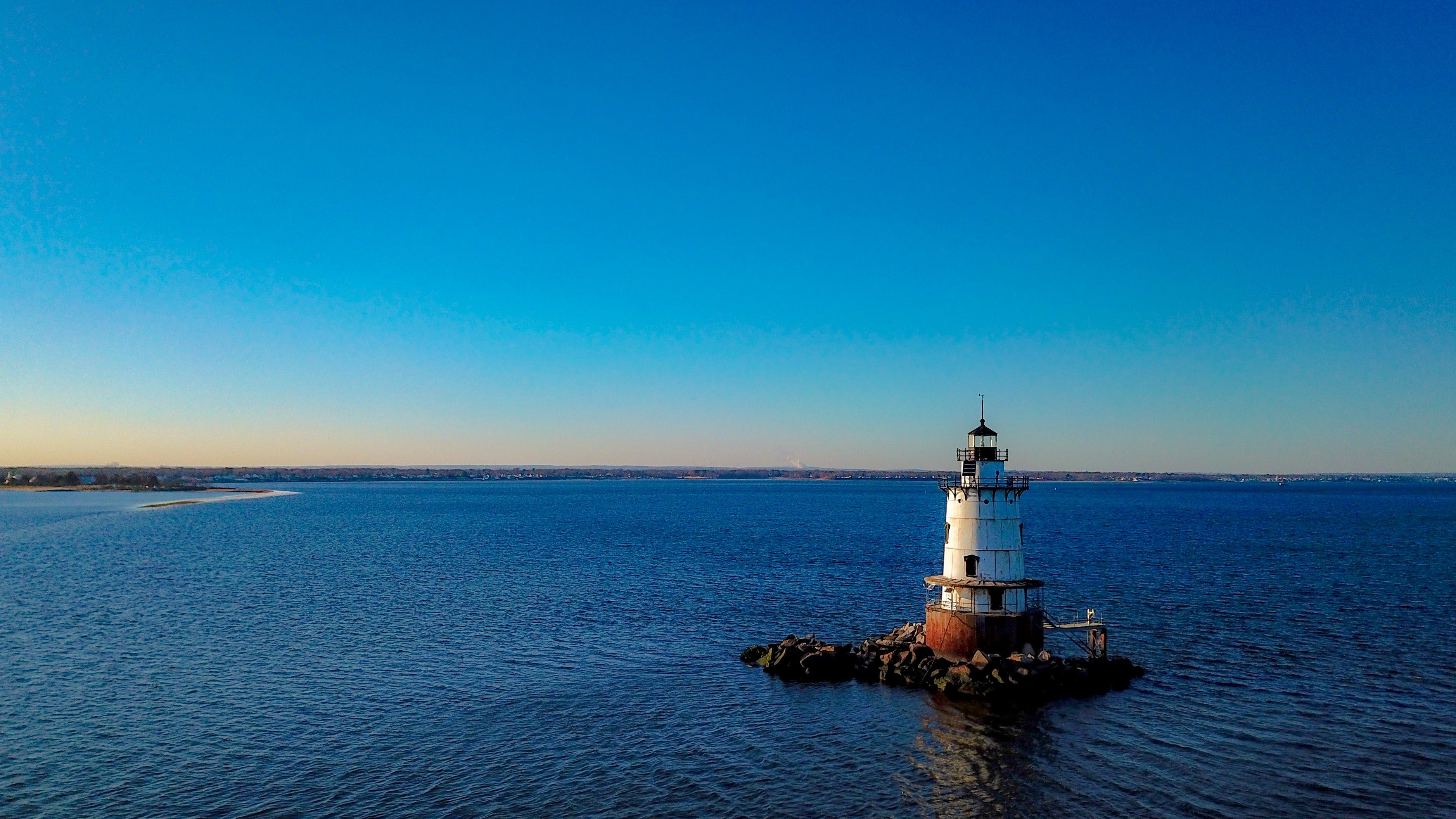
How America's smallest state aims to punch above its weight
Mar 2400:20:43Tap to summarizeAfter a drawn-out debacle caused by funding disagreements, Boston—or more accurately, Foxborough, Massachusetts—finally agreed to authorize a license to host seven matches. And they are some big ones: England v. Ghana and Norway v. France, to name a couple.That’s good news for neighboring Rhode Island. America’s smallest state contains multitudes in its 1,033 square miles, not to mention its proximity to Boston. When the Patriots play, it accommodates 40% of traveling fans. For this World Cup, Providence is a pretty convenient stop along the Amtrak corridor.So Ocean State 2026 was formed to host “39 days of soccer summer” comprising regional fan zones, cultural events, and business sponsorships. They’ve already pulled through with an Airbnb partnership with a $250,000 investment. And Providence will host Ghana at its training facilities at Bryant University, the only FIFA-approved base camp in all of New England.Talib spoke with Liz Tanner, Rhode Island’s former Secretary of Commerce, who is heading up the initiative.00:00 Intro04:17 Meet Liz Tanner05:13 What Is Ocean State 202607:33 Beaches, Food, And Culture09:06 Sponsorship Model Explained11:06 Diasporas And Soccer Roots12:05 Airbnb Partnership13:23 Using Rhode Island As Base15:16 Culture Tours And Festivals16:27 Ghana Base Camp Spotlight18:54 Ghana Trip And Team Logistics20:00 Welcoming The World Get full access to America's Cup at talibvisram.substack.com/subscribe
Transcribe →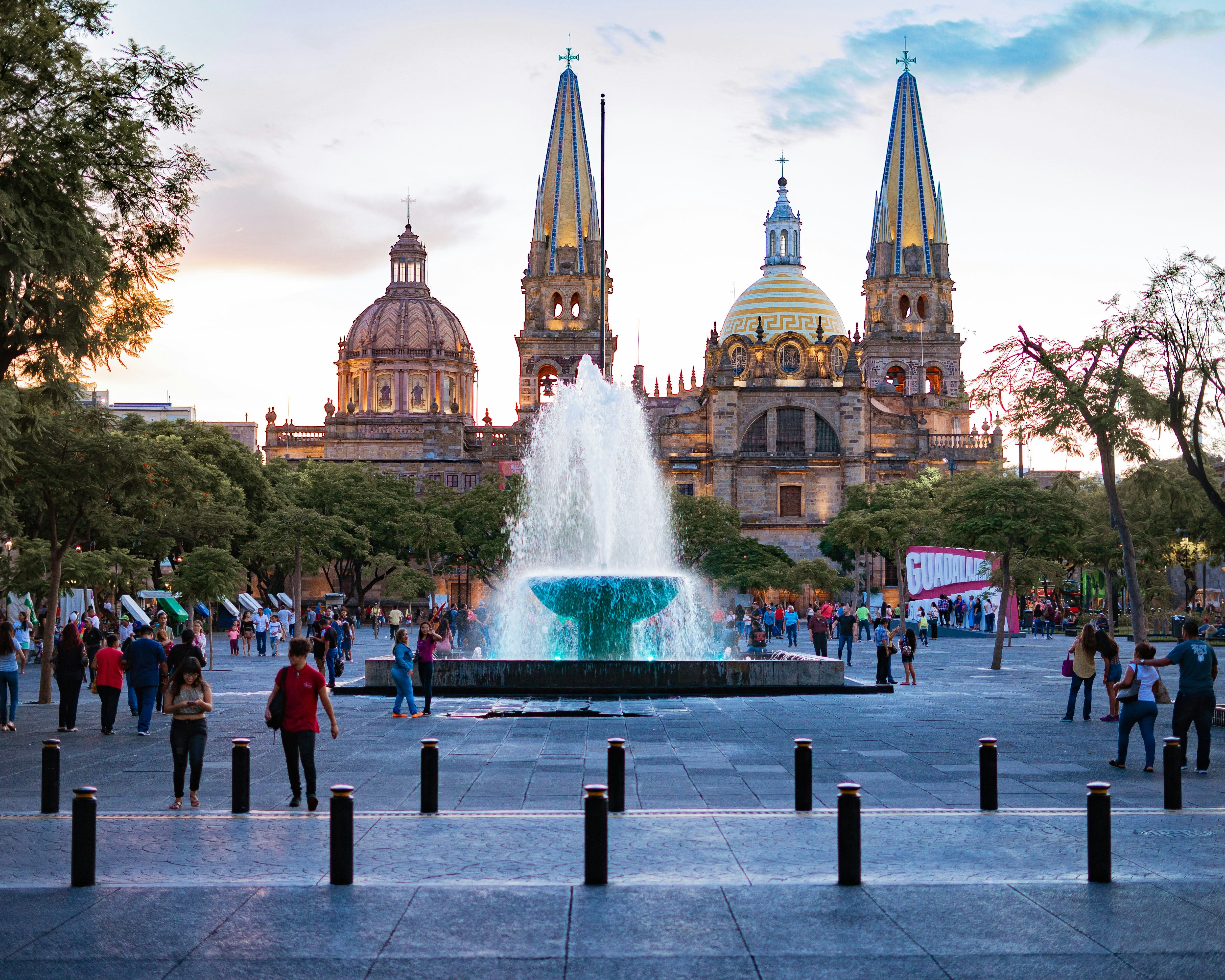
Cartels and the Cup
Mar 1500:24:01Tap to summarizeOn day one of the World Cup on June 11, all eyes are on Mexico. Mexico City will host the opening match of the tournament, Mexico vs. South Africa, followed by a night game in Guadalajara.But Guadalajara is at a precarious moment. In February, the Mexican government took down El Mencho, its number-one most-wanted drug lord, head of the powerful Jalisco New Generation Cartel (CJNG).Almost immediately, violence erupted across several states, including gunfire at Guadalajara airport, hijackings, and arson. It was short-lived, but the near future remains uncertain.Yet Guadalajara is set to host some top-tier matches, including Uruguay vs. Spain, and to be the base camp for teams including Colombia and South Korea. What’s the plan to keep the bustling city safe?Nathan Jones, Department Chair of Security Studies at Sam Houston State University, and a Nonresident Scholar at Rice University’s Baker Institute, helped explain the context and the road ahead.00:00 Intro04:31 Who was El Mencho07:35 Cartels spark chaos11:41 Mexico’s World Cup security plan17:31 Trump pressure and optics19:22 What fans should expect20:14 Travel safety tips21:33 Mexican soccer culture23:23 Final banter Get full access to America's Cup at talibvisram.substack.com/subscribe
Transcribe →