← Ancestral Findings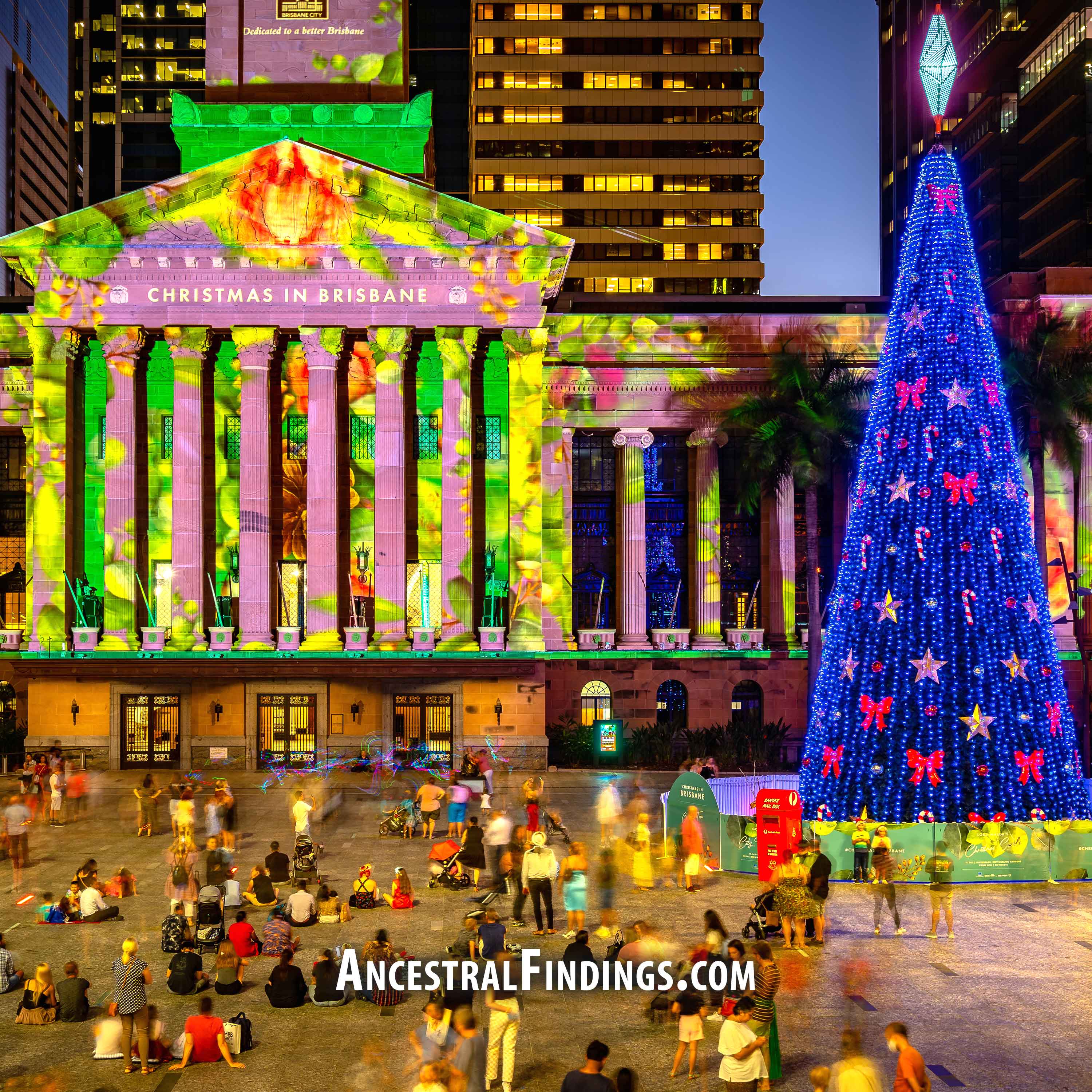
Loading summary
Transcript4 lines
- [00:01]
A
Welcome back to the Ancestral Findings podcast. Christmas in Australia arrives in summer. The days are long, the evenings stay warm, and the sun is strong. That changes the season right away. There is no snow and no winter coats. Instead, you see beaches, backyard shade, cold drinks, and families planning how to gather without overheating in the heat. Even in summer, Christmas in Australia has deep Christian roots. Churches, carols, and the Nativity story have been part of Australian life since European settlement. Over time, the country built its own Christmas customs around those roots. Shaped by the climate, the calendar, and a growing mix of cultures, Christmas traditions in Australia are tied closely to the early colonial period. British British settlement began in 1788, and settlers brought their church life and holiday calendar with them. In the earliest years, Australia was still a harsh place to live. Many people were convicts, soldiers, or workers under strict control, and supplies were limited. Even so, Christmas was still marked, especially through church services and whatever simple meals could be managed. For many early settlers, Christmas worship was the anchor. Anglican chaplains were part of the colony, and Christian services were held as the colony grew. In the earliest decades, these services often took place in basic spaces, sometimes outdoors, sometimes in temporary buildings, and later in churches. As towns developed, the birth of Christ was preached, scripture was read, and hymns and carols were sung. Even when daily life was hard, the Christian foundation of Christmas mattered, and it remained visible through public worship. At the same time, early Christmas celebrations faced a practical problem. British Christmas traditions were built around winter. Heavy roasts, steaming puddings, hot drinks, and a long meal beside a fire made sense in England. In Australia, the heat made that style of Christmas uncomfortable and sometimes nearly impossible. Early settlers still tried to keep the same foods and habits partly out of memory and partly because it was what they knew. But as local farming grew and fresh food became more available, Christmas meals began to change. During the 1800s, as Australia expanded beyond the first settlements, Christmas began to look more like a community event. Towns developed their own patterns. Churches held Christmas Day services, and families gathered afterward. Where people had the means, special meals became part of the day. Where people had little, Christmas still mattered, but it was simpler even then. The day was often treated as different from ordinary days, with time set aside for worship, rest, and family. By the late 1800s and into the early 1900s, Christmas in Australia was clearly shaped by outdoor life. Families gathered on verandas, under trees, or in yards. Picnics became common, especially in places with parks and open space. If a family lived near water, a trip to the beach could become part of Christmas Day. This was not about copying another country. It was about how people live when December is hot this outdoor setting shaped the food in a big way. Some families kept the traditional roast, and many still do, but many households began serving foods that fit the heat. Cold meats, salads, and fruit became common. Seafood also became a strong part of Christmas in many homes, especially prawns, fish, and other items that could be served cold or cooked quickly. These foods worked well in summer, and they fit Australia's coastal life. Desserts changed, too. People still made rich cakes and puddings, but lighter desserts grew in popularity. Pavlova became a Christmas favorite in many households. Topped with cream and fruit, it made sense for summer, and it fit the season's focus on fresh food. Trifles, fruit salads and chilled desserts also became common in many homes. Because Christmas falls near the end of the school year in Australia, the season also connects closely with school life. Schools often finish for summer break in December, and Christmas activities take place before the break begins. School concerts, end of year events, and nativity plays have been part of many communities for a long time. Children learn carols in school, and some schools put on plays about the birth of Christ. These events often become lasting memories and help shape how families experience the season. Church life remains central for many Australians. Christmas Eve services are common, including candlelight services and midnight services. In some traditions, Christmas morning services are also widely held. Churches read from the gospel accounts of Christ's birthday, sing carols, and preach on the meaning of the Incarnation. Many churches also hold community meals or gatherings during the season, and some provide practical help for those in need. Carols are one of the strongest public traditions in Australia. Carols have always been sung in churches and homes, but Australia became known for outdoor carol gatherings. People bring blankets, candles, and picnic food, then sit together in open spaces while choirs and musicians lead singing. These events are often called carols by candlelight, and they became part of Australian Christmas culture in a big way. They combine community life with songs that often speak clearly about the birth of Christ, even in very large public settings. Alongside these gatherings, Australians have also created their own Christmas songs and stories that fit the local setting. Some carols mention summer scenes, gum trees, and local wildlife. Some are playful and light, while others keep the traditional message of the Nativity. This mix is part of what makes Christmas in Australia distinct. The setting is local, but many of the songs still point to Bethlehem and the birth of Christ. Christmas Day itself is a public holiday, and that shapes the pace of the day. Many families open gifts in the morning some go to church. Meals are often shared at midday or later, depending on the heat, family visits are common, and travel is often part of the season. Because Australia is large and families may live far apart, planning matters, especially for those traveling long distances or hosting large gatherings. Boxing day on 1226 is also a public holiday, and it extends the season. Boxing Day has historical roots in British tradition and became part of Australian public life as well. As in modern Australia, 1226 is often used for rest, visiting, friends, shopping, and major sporting events. For many families, it is a second day of gathering or a day to recover after the main Christmas meal. Christmas in Australia also carries a strong thread of charity and public service. Churches, community groups, and charities often hold food drives, Christmas meals, and gift programs during the season. The Salvation army has a visible presence in many cities during December, and many local churches organize practical support for people who are lonely, struggling financially, or without stable housing. For Christians, this is often connected to the message of Christ's coming and the call to care for others. Over time, Australia became more multicultural and Christmas traditions grew more varied. Families from many backgrounds brought their own holiday foods, music, and family habits. Some families keep Christmas as a strongly religious celebration centered on church worship and the Nativity story. Others treat it more as a cultural holiday. Many do both, attending a Christmas service while also enjoying the broader seasonal customs. In homes with mixed backgrounds, Christmas meals may combine older British traditions with foods from Italy, Greece, Lebanon, Vietnam, China, India, and many other places. The table can look very different from one household to the next. Even so, the shared rhythm of the season remains. Time is set aside, families gather, gifts are given, meals are shared, carols are heard, churches tell the story of Christ's birth. Regional life matters, too. In rural areas, Christmas may be shaped by farmwork and distance, with people traveling across large spaces to gather. In coastal areas, the beach may be part of the day. In major cities, Christmas includes public events, light displays, carol gatherings, and large church services. The setting changes, but the season remains recognizable across the country. The summer weather also brings its own challenges. Heat waves, storms, and bushfire conditions can affect travel and gatherings. Families often plan around the weather, choosing earlier meal times, finding shade, and adjusting outdoor plans as needed. This is part of the practical side of an Australian Christmas. It is a celebration that must work with summer realities. Still, the Christian heart of the holiday remains present wherever churches and families keep it central. In churches across Australia, the Christmas message is Christ was born. The Nativity is carols declare the birth of the Savior. For many households, that worship shapes the season. Even when the meal is cold seafood and the day includes a swim instead of a fire Christmas in Australia shows how a celebration can keep its Christian foundation while taking on the shape of its place. The heat changes the food. The long daylight changes the pace. Outdoor life changes how people gather. But churches still tell the story of Christ's birth, and many families still connect the season to worship prayer and the message of God coming into the world. Families come together under summer skies. Carols are sung in parks and churches. The Nativity story is read to children in schools and homes. Christmas is marked with meals, gift giving and time set aside, carried forward year after year in a setting that could not look more different from winter, yet still holds the same central event at its core. If you've got a hard to find ancestor you're stuck on, I'd love to hear about it. Just head over to ancestralfindings.com and click on Contact to send me a message. While you're there, take advantage of our free weekly genealogy lookups, explore thousands of articles and enjoy hundreds of podcast episodes. We've been helping family history researchers since 1994, and if you're looking for even more, check out our Genealogy Gold Q and A series over on Patreon. Thanks for listening and as always, happy searching.
- [11:13]
B
This episode is brought to you by Progressive Insurance. Do you ever think about switching insurance companies to see if you could save some cash? Progressive makes it easy to see if you could save when you bundle your home and auto policies. Try it@progressive.com aggressive casualty insurance company and affiliates. Potential savings will vary. Not available in all states.
- [11:33]
C
Everyone deserves to be connected. That's why T Mobile and US Cellular are joining forces. Switch to T Mobile and save up to 20% versus Verizon by getting built in benefits they leave out. Check the math@t mobile.com switch and now T Mobile is in US cellular stores. Savings versus Comparable Verizon plans plus the cost of optional benefits plus plan features and taxes and fees vary. Savings with three plus lines include third line free via monthly bill credits Credit stop if you cancel any lines. Qualifying credit required.
- [12:03]
D
When you've got too many ideas and too little time. That's when you need Wix for your website. Wix helps business owners like you and me get more done without burning out. It's packed with AI tools that actually make running your business online easier. Build a full site just by talking with AI, get an AI agent to manage your sales and marketing, or work like a 10 person team even if it's just you. Try it for yourself@wix.com.