← Ancestral Findings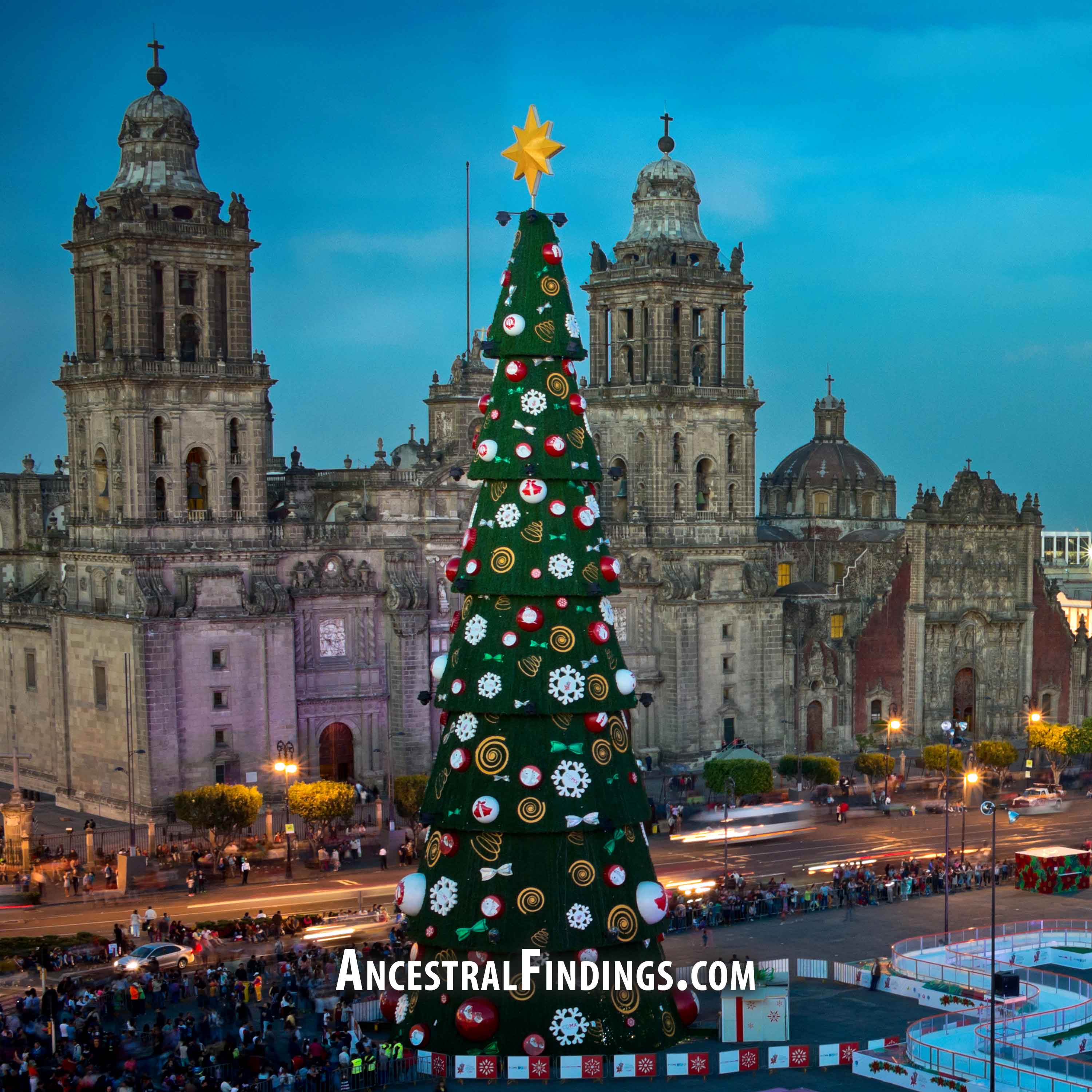
Loading summary
Transcript4 lines
- [00:01]
A
Welcome back to the Ancestral Findings podcast. Christmas in Mexico is not usually treated like one neat day on a calendar. It feels more like a long build that gets louder, brighter and more crowded as it moves toward Christmas Eve. In many places, the season spills into the street. Neighbors join in, kids play a role. Food shows up in big batches. Music follows you around like it owns the place. A lot of Mexican Christmas customs come from Christian tradition, especially Catholic life. At the same time, many parts of the season are also community habits, local folk practices and playful traditions that people keep because they're fun, because they're tied to home, or because they make December feel like December. If you like quirky holiday traditions, Mexico has plenty. One of the best known traditions is Las Posadas, which is a series of neighborhood gatherings that usually runs from December 16 through December 24. In many towns and neighborhoods, people walk together in a small procession and stop at a home. A group outside asks for shelter through a call and response song. The people inside answer back, often refusing at first. Then the door opens and everyone is welcomed in. After that, it turns into a party. There may be snacks, hot drinks, prayers in some homes and a lot of kids running around. In some areas, different homes host on different nights. It becomes a rotating neighborhood calendar where everyone knows what is happening and who is hosting next. The fun part is that it is half story, half social life. Even when people do not treat it as a religious practice, the structure still works and you walk together, you sing, you end up inside with food, and you leave with the feeling that the neighborhood is a little more connected than it was yesterday. Here is one that many people outside Mexico have never heard of. In Veracruz, there is a tradition called larama. Kids and teens carry a decorated tree branch through the streets and sing at people's doors. It is described as happening for eight nights, often from Dec. 16 through Dec. 24. The branch is the star. It's dressed up with ribbons, paper decorations, lights and anything that looks festive. The group sings, the household responds, and then the family at the door often give something small in return, such as coins, candy or snacks. It is like caroling, but with a prop, a local song tradition and a very specific vibe. It feels homemade in the best way. A branch, a few decorations, some voices, and suddenly the street has a moving Christmas scene. If you like odd little regional customs that feel real and lived in, La Rama is a great one. Oaxaca takes quirky holiday tradition and turns it into an art show. On December 23, Oaxaca City hosts Noche de Rabanos, which is The Night of the Radishes People carve oversized radishes into detailed scenes and display them for judging and viewing. Yes, radishes. The carvings can be surprisingly complex with faces, clothing, animals, buildings and full story scenes. The strange part is that radishes wilt quickly, so this is a very temporary kind of art. It is made to be seen right now, not saved forever. The event has deep roots. The competition format is commonly traced to the late 19th century, and the story is tied to Christmas market life in Oaxaca. If your idea of Christmas tradition includes vegetables being turned into sculpture, Mexico has you covered. Pinatas show up during the season in many places, often during posadas. The classic Christmas style is a star pinata with pointed cones. It is bright, spiky and usually stuffed with candy and fruit. There's symbolic meaning that some people talk about and many people do not. What nearly everyone agrees on is the experience. A kids line up. Someone spins the pinata or pulls a rope to make it move. Kids swing wildly and miss. Adults pretend they are helping and sometimes make it harder. Finally, it breaks and the floor becomes a tiny candy apocalypse. If you have never seen a room full of kids turn into a competitive candy collecting machine in under one second, this is the tradition for you. Mexican Christmas food changes by region, but the season has some repeat favorites that show up all over. Tamales are one of the big ones. Many families make them together because it is easier with a group. The process becomes part of the season, not only the meal. Warm drinks are also a big part of December nights, especially when people are outside for posadas and neighborhood gatherings. Fruit punch called pence and thick warm drinks like atoll or champorado are common seasonal comfort choices. Then there are bunuelos, which are crisp fried pastries often dusted with sugar and cinnamon. In some traditions, people eat bunuelos on a clay plate and then break the plate afterward as a playful gesture tied to the season. Not every family does the plate breaking. It is more regional and more some families than everywhere. Still, it is one of those traditions that makes people stop and say, wait. You do what after dessert? If you are collecting unusual holiday customs, put that one on the list. In Mexico, the Christmas season often stretches beyond Christmas Day. A major date is January 6th, which is Three Kings Day, also called diaderaes. One classic tradition is eating a ring shaped sweet bread called rosca de reyes, which hides a small baby Jesus figure inside. In many families, whoever finds the figure becomes responsible for hosting tamales on February 2, which is DIA de la Candelaria that alone is a fun chain of events. It turns one bread into a future party assignment. Then it gets even more unique. On February 2nd, many families dress up a baby Jesus doll, often called Nino Dios, and bring it to church to be blessed. The outfits can be simple or very elaborate. In some places, there are markets dedicated to selling the clothing and accessories for these figures. So the season can run like this December Gatherings Christmas Eve meal January 6th bread with a hidden figure and then February 2nd tamales plus addressed Nino Dios. That is a long holiday Runway, and it keeps family gatherings going well past December. Another tradition that can surprise outsiders is the Pastorella. It is a Christmas play about shepherds traveling to see the baby Jesus, but many versions include comedy, local jokes and over the top villains. In lots of pastorelas, devils show up as loud characters who try to distract the shepherds. The devil characters can be funny, annoying, clever and sometimes a little too real. The whole thing can feel like a mix of church story and community theater night, with room for humor and local flavor. For people who like weird Christmas, Pastorellas are a great example of how the season can be serious and funny in the same breath without anyone feeling like it has to be one or the other. Mexico's Christmas season is full of traditions that move People walk the streets during posadas, kids show up at doors with la rama and a decorated branch. Oaxaca turns radishes into holiday sculpture. On December 23, pinatas explode into candy chaos, Bunuelos show up with crispy sugar crunch and sometimes a plate gets smashed just because that is what the season does in some homes. Then January 6th and February 2nd keep the holiday chain going with bread, tamales and addressed Nino Dios. That mix of community food, street energy and regional oddities is what makes Christmas in Mexico feel so big, even when a family keeps it simple at home. If you've got a hard to find ancestor you're stuck on, I'd love to hear about it. Just head over to ancestralfindings.com and click on Contact to send me a message. While you're there, take advantage of our free weekly genealogy lookups, explore thousands of articles and enjoy hundreds of podcast episodes. We've been helping family history researchers since 1995, and if you're looking for even more, check out our Genealogy Gold Q and A series over on Patreon. Thanks for listening and as always, happy searching.
- [08:46]
B
This episode is brought to you by Progressive Insurance. Do you ever think about switching insurance companies to see if you could save some cash? Progressive makes it easy to See if you could save when you bundle your home and auto policies. Try it@progressive.com Progressive Casualty Insurance Company and affiliates. Potential savings will vary. Not available in all states.
- [09:06]
C
Everyone deserves to be connected. That's why T Mobile and US Cellular are joining forces. Switch to T Mobile and save up to 20% versus Verizon by getting built in benefits they leave out. Check the math@t mobile.com switch and now T mobile is in US cellular stores. Savings versus Comparable Verizon plans plus the cost of optional benefits, plan features and taxes and fees vary. Savings with three plus lines include third line free via monthly bill credits. Credit stop if you cancel any lines. Qualifying credit required.
- [09:36]
D
Say what you want about AI, but it's here and it's helping businesses get more done in a day. Wix's website builder is infused with AI so you can stay ahead. Create a beautiful, functional website just by describing your idea. Track how your site appears in AI search results, create custom images on demand, or launch an entire campaign in a matter of minutes. WIX gives you AI wherever you need it. Try it now for free@wix.com.