Podcast
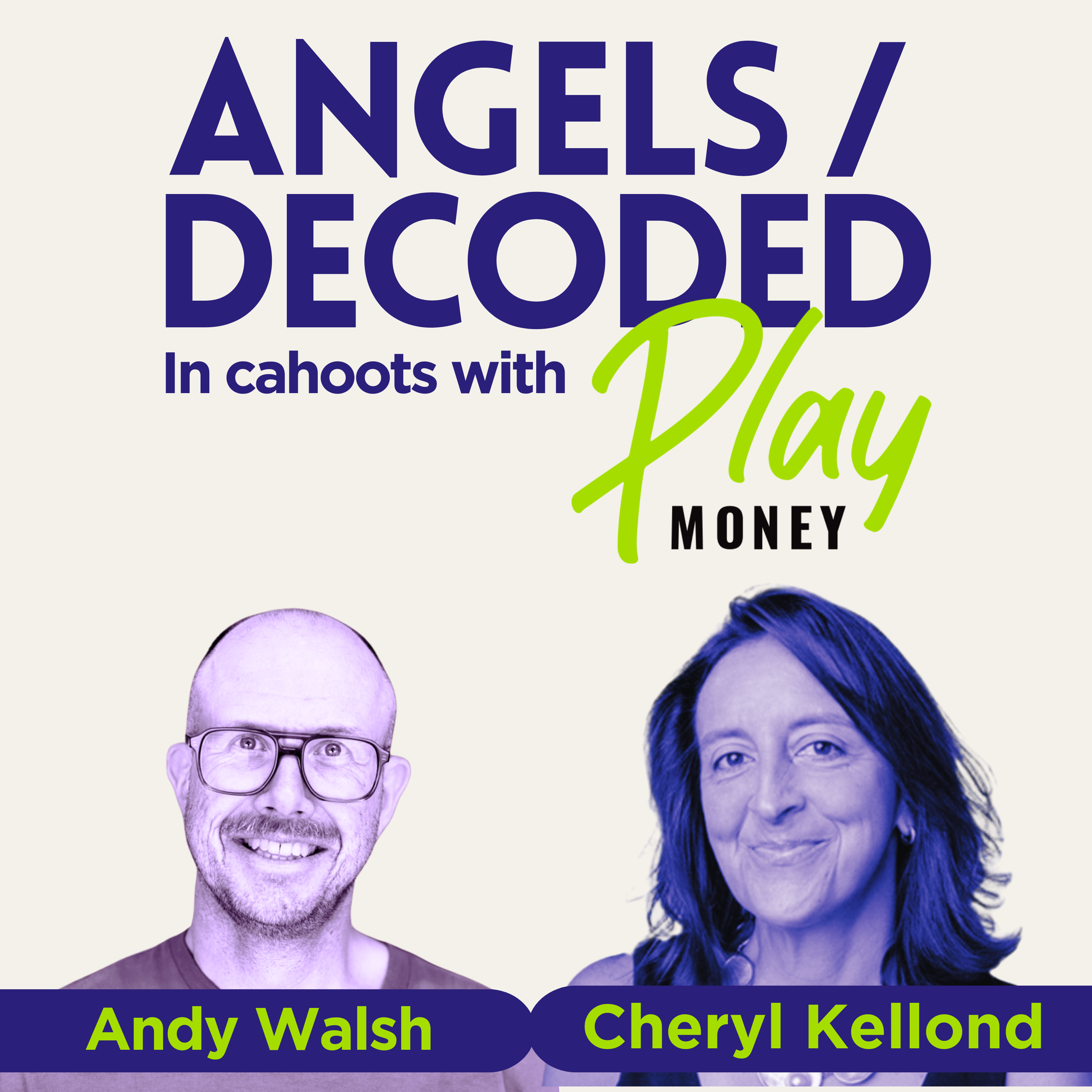
Angels Decoded
Hosted by Andy Walsh · EN
Writing a check is easy. Knowing why is the flex. Angel investing is underused, misunderstood, and explained badly. We are in cahoots with Play Money to deliver a raw take on the craft. Subscribe. Then decide.
21episodes
Episodes
Newest firstAll episodes
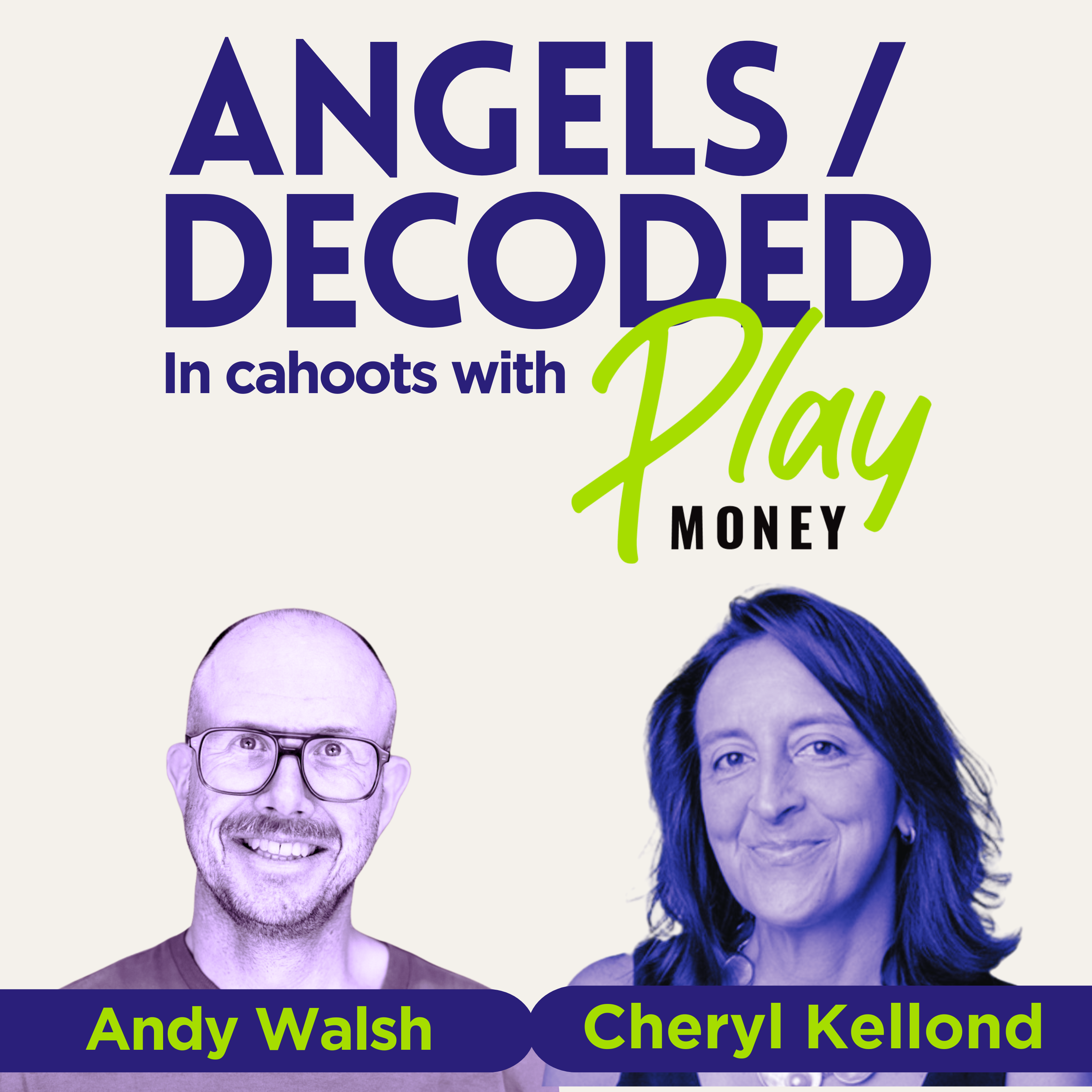
Ep#21: Angels, The Power Law Is Lying to You
4w ago00:16:09Tap to summarizeThe power law is the most quoted idea in angel investing, and it’s also the most misunderstood.Cheryl Kellond is back to dismantle it. VCs took a principle from nature, one big winner can dwarf everything else, and twisted it into a rule that only ten billion dollar outcomes count. The result is angels sitting on the sidelines, convinced they need to find the next Uber before writing a single check.The math tells a different story. Around ninety percent of startup exits happen under $100 million, with the median sitting near $44 million. Get in early at a $5 million post-money valuation and a $50 million exit is a monster multiple. Thirty bets turns angel investing into a predictable, high-performing asset class that beats public markets without ever touching a unicorn.The sharpest turn comes late, when Cheryl defends the VCs Andy just put on trial. VCs aren’t villains, they’re doing the job their LPs pay them to do. The mistake is angels thinking that job is theirs too. It isn’t. Angels have different math, different incentives, and a very different definition of winning.Episode outline.Where the power law actually comes from: nature, not venture capital, and how VC twisted a proportionality principle into an absolute dollar figureThe fund size trap: why VCs pass on companies that could return a huge multiple, purely because the exit won’t repay the whole fundThe magic number thirty: Abe Othman’s AngelList data on when a portfolio starts behaving like an asset class instead of lottery ticketsThe exit math nobody shares: ninety percent of exits land under $100 million, and they happen faster and at lower riskThe power shift problem: how each VC round hands exit decisions to stakeholders optimizing for their own multiplier, not the founder’sRole reversal: Cheryl defends VCs as professionals doing their job, and lands the real lesson, angels are not small VCsListen: Apple | Spotify | YouTubeSubscribe nowAndy Walsh - https://www.linkedin.com/in/anwalsh/2x exited founder and host of Startups Decoded (Top 2% globally). Andy helps founders sharpen judgment and build companies through earned experience and operator insight.Cheryl Kellond - https://www.linkedin.com/in/c2kprofile/Founder of Play Money and active angel investor. Cheryl focuses on democratizing angel investing and helping new investors build diversified portfolios while supporting founders with practical guidance and community.Access All Areas.Subscribe: angelsdecoded.substack.comWeb: angelsdecoded.comStartups Decoded Podcast startupsdecoded.comDisclaimer.The views and opinions shared on Angels Decoded are for informational purposes only and do not constitute investment or legal advice. Always consult a qualified professional before making any financial or legal decisions.
Transcribe →
Ep#20: The Three Deadly Sins of Angel Investing
Jul 1000:17:01Tap to summarizeCheryl Kellond is back, and this time she’s calling out angel group sins.Three of them. Hoarding diligence, forcing minimum check sizes, and treating a cap table seat like a status symbol. If you’ve spent more than five minutes around an angel group, you’ve watched at least one of these play out.The pattern underneath all three is the same, scarcity thinking dressed up as process. Groups that sit on diligence instead of sharing it, groups that force $10K minimums on people who’d rather write ten $1K checks, groups that need a direct cap table seat to feel like they matter. Cheryl’s watched the same founder gain or lose a million dollars in funding, purely based on whether the group backing them chose to open up or lock down.The fix isn’t complicated. Share your diligence, drop the arbitrary minimums, use an SPV instead of clogging the cap table. Do that, and you’re not just getting a founder funded faster, you’re setting up a better return for yourself too.Episode outlineThe three deadly sins: hoarding diligence, forcing big minimum checks, and cap table ego, named and unpacked one by oneSin #1, hoarding diligence: why sharing your diligence can be the difference between a founder raising $200K or pulling in a $1M follow-on checkSin #2, minimum check sizes: the old $10K rule pushing out a newer, busier, more distributed generation of angelsSin #3, cap table obsession: why insisting on a direct seat can actually cost the founder money and momentumThe SPV fix: how automated tools make the old excuses about cost and admin obsoleteThe abundance mindset: what changes for a local ecosystem when the anchor angel group chooses to amplify instead of gatekeepListen: Apple | Spotify | YouTubeSubscribe nowAndy Walsh - https://www.linkedin.com/in/anwalsh/2x exited founder and host of Startups Decoded (Top 2% globally). Andy helps founders sharpen judgment and build companies through practical experience and operator insight.Cheryl Kellond - https://www.linkedin.com/in/c2kprofile/Founder of Play Money and active angel investor. Cheryl focuses on democratizing angel investing and helping new investors build diversified portfolios while supporting founders with practical guidance and community.Access All Areas.Subscribe: angelsdecoded.substack.comWeb: angelsdecoded.comStartups Decoded Podcast: startupsdecoded.comDisclaimerThe views and opinions shared on Angels Decoded are for informational purposes only and do not constitute investment or legal advice. Always consult a qualified professional before making any financial or legal decisions.
Transcribe →
Ep#19: The Best Deals Are Already in Your Backyard.
Jun 2600:18:44Tap to summarizeThe startup map is being redrawn. Not by VCs flying in to write checks, but by founders who never left home. Cheryl Kellond has watched it happen from the inside, and this conversation is a real-time dispatch from the ground.The big insight here is simple: regional founders aren't disadvantaged anymore. AI has erased the knowledge gap. What they have instead is something money can't replicate: deep domain expertise, local networks, and proximity to the actual problem. That's a competitive moat, not a consolation prize.We also got into why most VCs are just lazy. Not malicious, not strategic, lazy. The best arbitrage in early-stage investing right now is sitting outside San Francisco and New York, and most institutional capital is too comfortable to go look for it.Episode outlineThe new startup map: How AI leveled the playing field for founders building outside major tech hubsWhat regional actually means: Louisiana, Birmingham, Tulsa: different models, same underlying logicThe VC blind spot: Why most institutional capital ignores regional deals, and why that's the arbitrageThe Portland problem: What happens when exits don't recycle capital locallyThe angel opportunity: Why angels, not VCs, are best positioned to capture regional upsidePlay Money's angle: 60% of investors on the platform aren't from California or New YorkListen: Apple | Spotify | YouTubeAndy Walsh - https://www.linkedin.com/in/anwalsh/2x exited founder and host of Startups Decoded (Top 2% globally). Andy helps founders sharpen judgment and build companies through practical experience and operator insight.Cheryl Kellond - https://www.linkedin.com/in/c2kprofile/Founder of Play Money and active angel investor. Cheryl focuses on democratizing angel investing and helping new investors build diversified portfolios while supporting founders with practical guidance and community.Access All Areas.Subscribe: angelsdecoded.substack.comWeb: angelsdecoded.com Startups Decoded Podcast startupsdecoded.comDisclaimerThe views and opinions shared on Startups Decoded are for informational purposes only and do not constitute investment or legal advice. Always consult a qualified professional before making any financial or legal decisions.
Transcribe →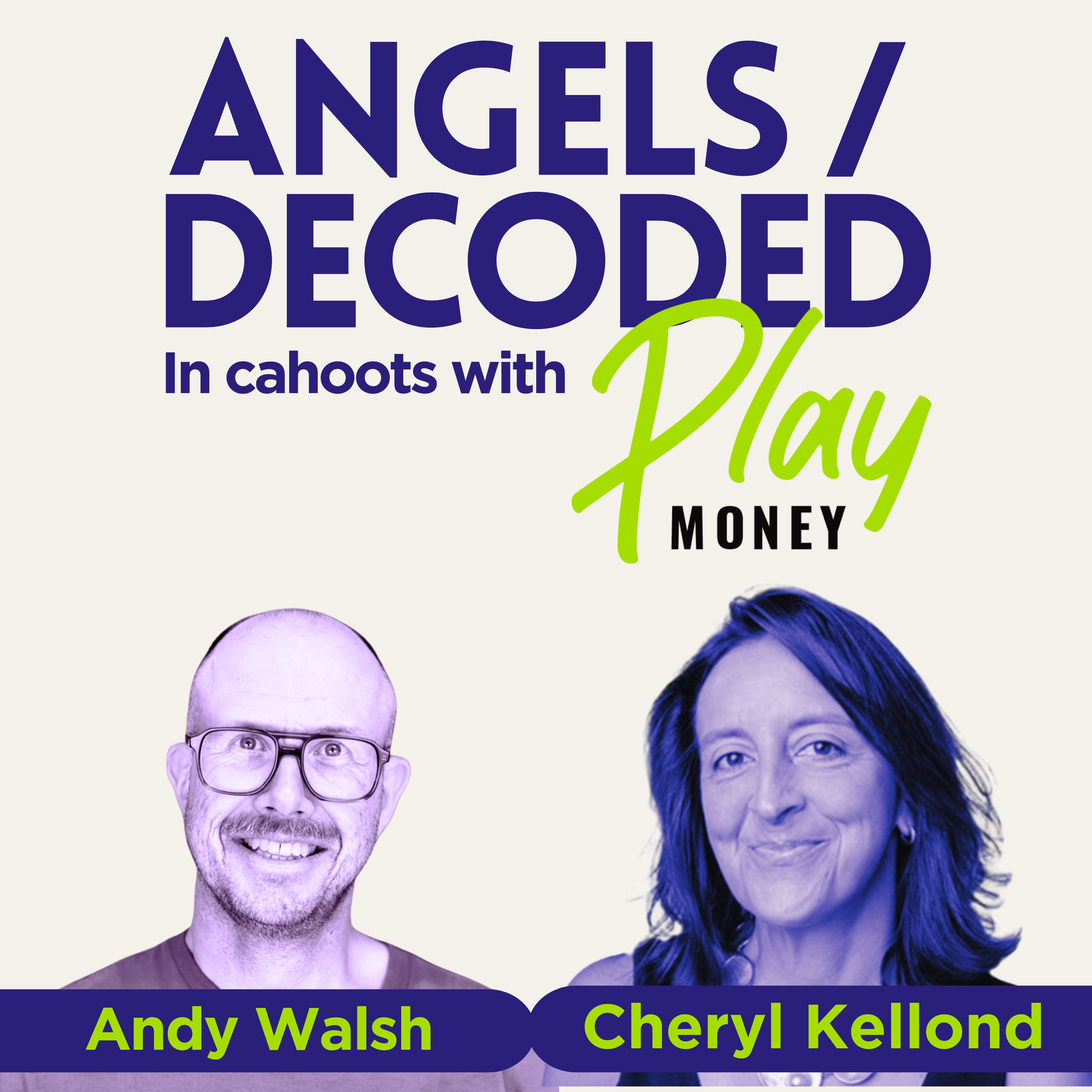
Ep#18: Dilution Isn't the Problem. Not Understanding It Is.
Jun 1900:17:09Tap to summarizeMost angels hear the word dilution and flinch. Cheryl Kellond hears it and gets excited. By the end of this episode, you will too.Cheryl and Andy break down why dilution is almost always a signal that something good is happening, the pie got bigger, and why the angels who panic about ownership percentages are missing the point entirely. The math is simple once you stop letting the word scare you.The episode opens with a Portuguese tart and an Australian meat pie, because apparently that’s how you explain equity to people. But the analogy lands: a smaller slice of a much bigger pie is almost always the better outcome. What matters isn’t your percentage, it’s what that percentage is worth when the company exits.Cheryl walks through what actually happens at each funding round, why angels shouldn’t follow VCs into follow-on bets, and the AngelList data on why doubling down is usually a mistake. The better move is more shots on goal, not more money into the same bet.Cheryl unpacks cram down rounds, what they are, why founders use them, and why angels almost always misread them as opportunity when they’re actually a distress signal. If a company is trying to get you to reinvest by threatening to convert your preferred shares to common, that’s not an attractive deal. That’s a company in trouble using your fear against you.She also shares the story that led her to build Play Money the way she did, a cram-down dressed up as a late-stage opportunity, a room full of angels leaning in, and deal terms nobody volunteered to show anyone.Topics covered:Why dilution is a reason to celebrate, not panicHow the pie analogy actually works across funding roundsThe angel math: why more bets beats doubling down every timeCost basis and why your entry point determines your multipleWhat a cram-down round is and how to spot oneThe sunk cost trap angels fall into when companies strugglePlay Money’s dilution calculator and how to use itWhy transparency on deal terms changes everythingDilution Calculator letsplaymoney.com/decodedYou don’t need to be a VC to understand dilution. You just need to stop treating it like a dirty word.Listen: Apple | Spotify | YouTubeSubscribe nowAndy Walsh2x exited founder and host of Startups Decoded (Top 2% globally). Andy helps founders sharpen judgment and build companies through practical experience and operator insight.Cheryl KellondFounder of Play Money and active angel investor. Cheryl focuses on democratizing angel investing and helping new investors build diversified portfolios while supporting founders with practical guidance and community.Access All Areas.Subscribe: angelsdecoded.substack.comWeb: angelsdecoded.comStartups Decoded Podcast startupsdecoded.comDisclaimer: The views and opinions shared on Startups Decoded are for informational purposes only and do not constitute investment or legal advice. Always consult a qualified professional before making any financial or legal decisions.
Transcribe →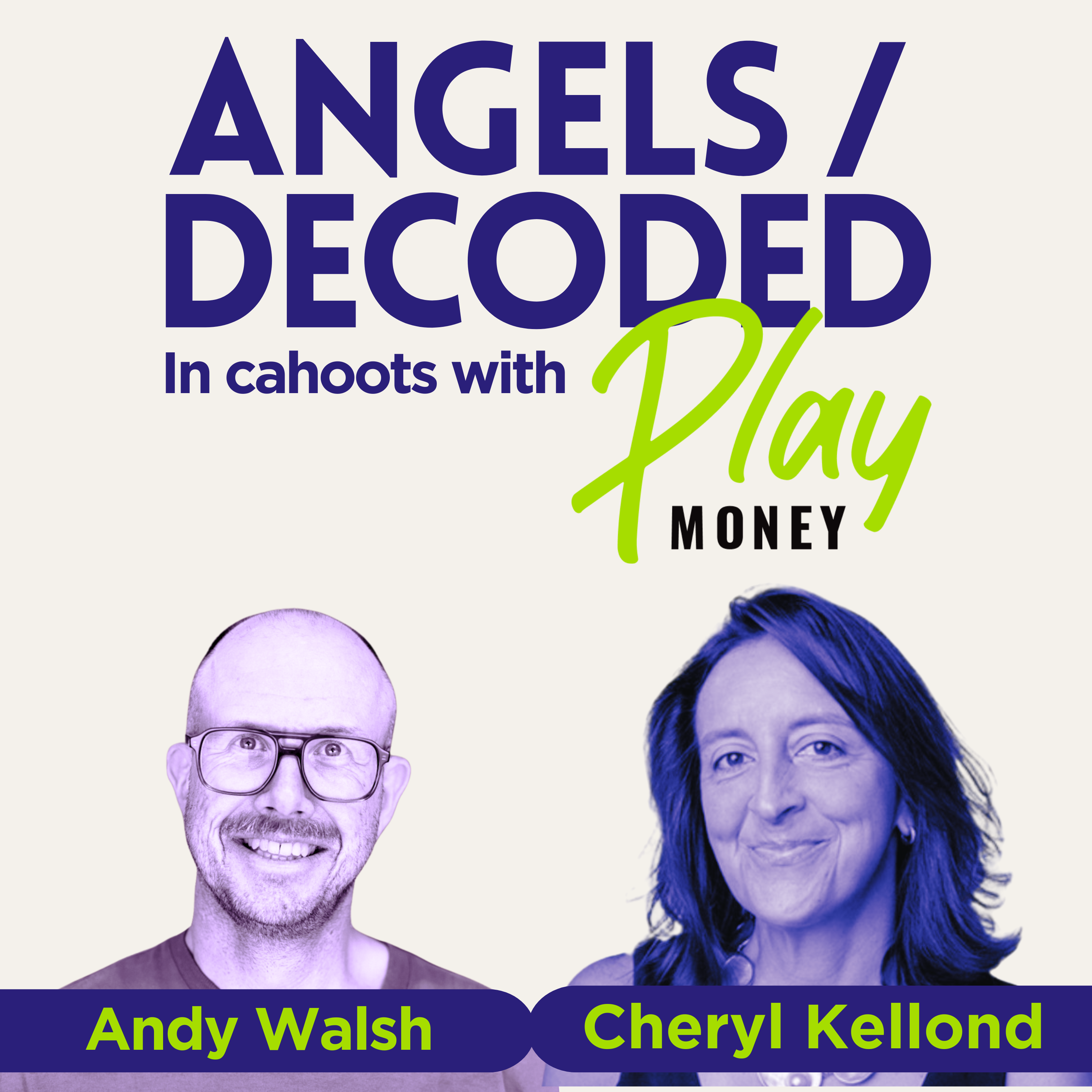
Ep#17: Revenue Lies, AI Tricks, and What Angels Should Actually Ask
Jun 500:18:18Tap to summarizeFounders aren’t always lying. But they’re not always telling the full story either.Cheryl Kellond and Andy Walsh unpack the revenue terms that trip up new angel investors, and the specific ways AI companies are stretching numbers in ways that would make an accountant sweat.The episode starts with a real example: a company doing $40M in gross marketplace value that was actually generating $10M in revenue. Both numbers were true. Neither was wrong. But only one of them tells you what the business is actually worth.From there, Cheryl breaks down the three revenue patterns that catch angels off guard, marketplace GMV vs. take rate, the two completely different things that “ARR” can mean, and whether a company’s unit economics get better as they grow or just get worse faster.Then it gets interesting. AI companies are playing a different game entirely. Multi-year contracts where year one is free. Run rates built on a single good day. Revenue that looks like $10M but cost $20M to generate. These aren’t always bad-faith moves, but they are traps for investors who don’t know what to ask.The bigger point: great founders building real businesses are getting overshadowed by AI headline numbers that don’t hold up to a single follow-up question. Knowing what to ask levels the playing field.Topics covered:GMV vs. take rate in marketplace businessesThe two ARRs — and why confusing them costs youUnit economics: when costs scale with revenue vs. when they don’tAWS credits are not investment (say it louder)Multi-year contracts dressed up as ARRWhy honest founders are getting hurt by AI revenue theatricsThree questions that cover 90% of what angels need to knowCash vs. accruals and what contracted revenue actually meansWhy peer learning makes you a better investor fasterYou don’t need to be a CFO to invest well. You just need to know what questions to ask first.Listen: Apple | Spotify | YouTubeSubscribe nowAndy Walsh - https://www.linkedin.com/in/anwalsh/2x exited founder and host of Startups Decoded (Top 2% globally). Andy helps founders sharpen judgment and build companies through practical experience and operator insight.Cheryl Kellond - https://www.linkedin.com/in/c2kprofile/Founder of Play Money and active angel investor. Cheryl focuses on democratizing angel investing and helping new investors build diversified portfolios while supporting founders with practical guidance and community.Access All Areas.Subscribe: angelsdecoded.substack.comWeb: angelsdecoded.comStartups Decoded Podcast startupsdecoded.com
Transcribe →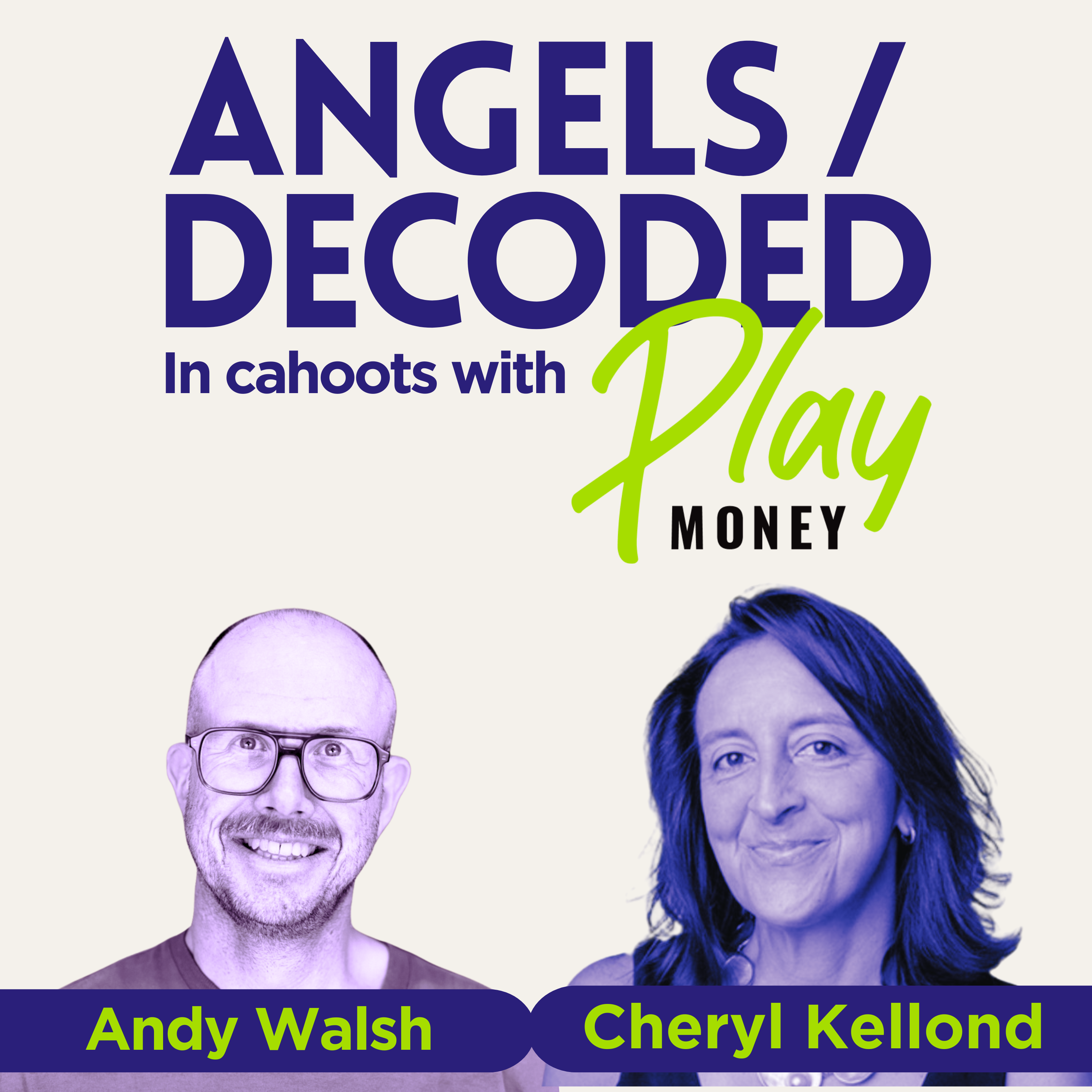
Ep#16: Why Angel Money is the Best Capital a Founder Ever Takes
May 2900:14:36Tap to summarizeMost founders are taught to believe angel funding is just a stepping stone to venture capital.In Ep#16 of Angels Decoded, Cheryl Kellond and Andy Walsh challenge that idea completely, arguing that angel capital may actually be the most important money a company ever raises.The conversation explores the growing divide between mission-aligned businesses and venture-backed growth at all costs. Cheryl explains why more founders are realizing that traditional VC funding can sometimes pull companies away from the very reason they were started in the first place.Using examples like Patagonia, Costco, Whole Foods, and Anthropic, the episode unpacks how ownership structures, investor expectations, and company charters can shape the long-term ethics, culture, and direction of a business.The discussion also reframes the role of angel investors entirely. Instead of being “minor league” capital, angels may be the investors best positioned to help founders stay aligned to mission while still building highly profitable companies.The bigger takeaway: the earliest capital a founder takes often determines the future of the company itself. Inspired by Eric Ries’s (The Lean Startup), brand new book Incorruptible.Topics covered:Why angel capital may be more valuable than VC fundingThe hidden tradeoffs founders make when raising venture capitalHow investor pressure can reshape company missionsWhy mission-driven companies often outperform financiallyPublic benefit corporations and founder protectionsThe rise of mission-aligned startup investingHow SPVs allow angels to support founders collectivelyWhy angels are entering a new “golden age”The relationship between ethics, ownership, and profitabilityWhy founders should think carefully about who gets control earlySometimes the smartest investment isn’t just backing a company.It’s protecting the reason the company exists in the first place.Listen: Apple | Spotify | YouTubeSubscribe nowAndy Walsh2x exited founder and host of Startups Decoded (Top 2% globally). Andy helps founders sharpen judgment and build companies through practical experience and operator insight.Cheryl KellondFounder of Play Money and active angel investor. Cheryl focuses on democratizing angel investing and helping new investors build diversified portfolios while supporting founders with practical guidance and community.Access All Areas.Subscribe: angelsdecoded.substack.comWeb: angelsdecoded.comStartups Decoded Podcast startupsdecoded.com
Transcribe →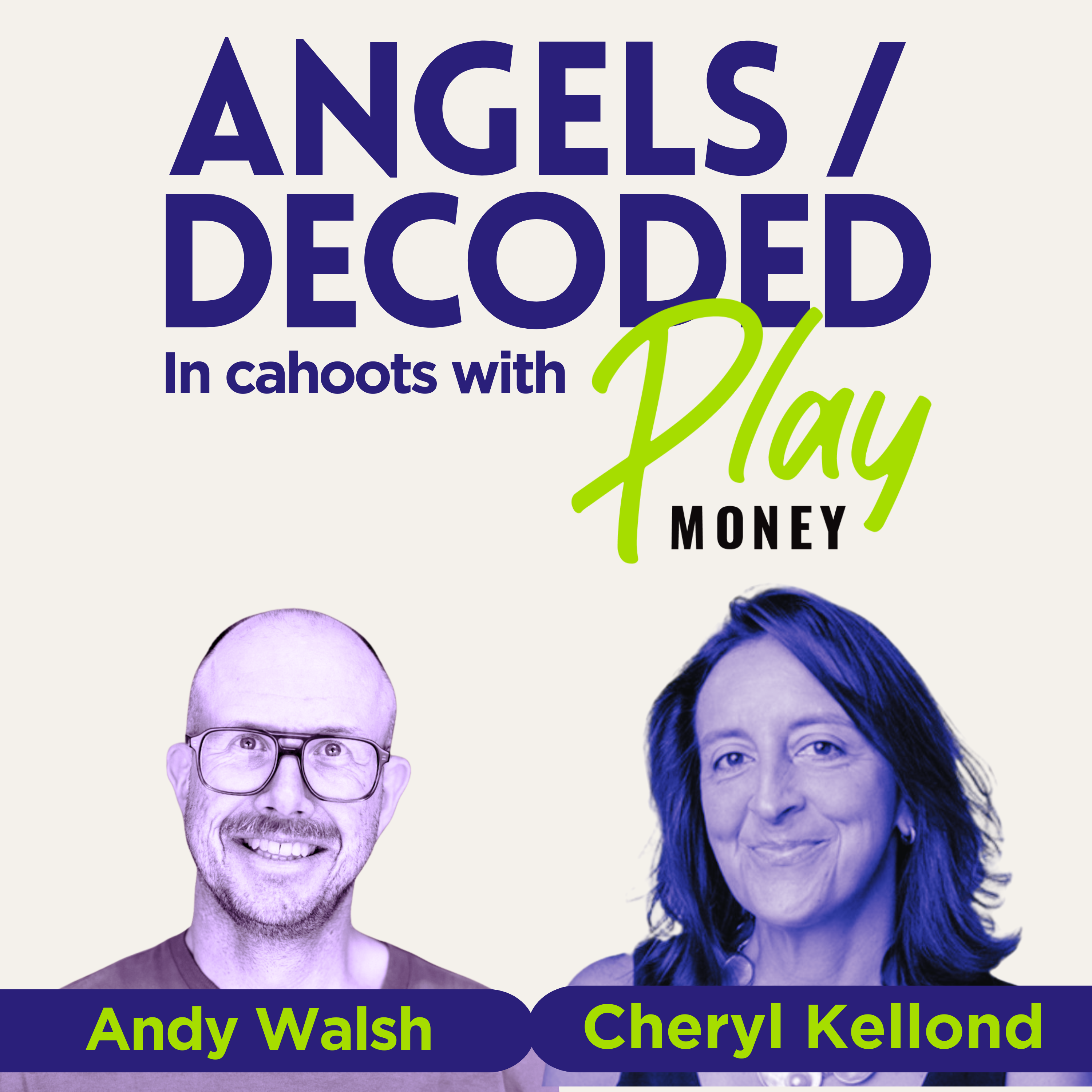
Ep#15: Why Your Angel Thesis Shouldn’t Exist Yet
May 2200:15:52Tap to summarizeMost new angel investors think they need a polished investment thesis before writing their first check.In Ep#15 of Angels Decoded, Cheryl Kellond and Andy Walsh unpack why that thinking often keeps people stuck on the sidelines.The conversation explores one of the biggest misconceptions in angel investing: the idea that you need to think like a venture capitalist before you start. Cheryl explains that most experienced angels didn’t begin with a thesis. Their thesis evolved through the process of investing itself.From small early bets to discovering what genuinely resonates, the episode dives into how angel investing becomes as much about self-discovery as financial return.Cheryl shares stories of investments that looked smart on paper but left her emotionally disconnected, alongside others driven by lived experience, personal values, and genuine conviction. The result is a broader conversation about purpose, identity, and the role money plays in shaping the kind of world investors want to help build.The bigger takeaway: Your angel thesis isn’t something you invent upfront. It’s something you earn through experience.Listen: Apple | Spotify | YouTubeSubscribe nowTopics covered:Why new angels get stuck overthinking investment thesesThe difference between VC investing and angel investingHow small bets help investors discover convictionWhy lived experience can become a powerful investment lensThe emotional side of startup investingBuilding “emotional armor” around investment decisionsHow values and identity shape investment choicesWhy money should create more than just financial returnSometimes the smartest way to start investing is simply to start.Andy Walsh2x exited founder and host of Startups Decoded (Top 2% globally). Andy helps founders sharpen judgment and build companies through practical experience and operator insight.Cheryl KellondFounder of Play Money and active angel investor. Cheryl focuses on democratizing angel investing and helping new investors build diversified portfolios while supporting founders with practical guidance and community.Access All Areas.Subscribe: angelsdecoded.substack.comWeb: angelsdecoded.comStartups Decoded Podcast startupsdecoded.com
Transcribe →
Ep#14: How Hidden Capital Unlocks Angel Investing
May 1500:20:50Tap to summarizeMost people think angel investing is locked behind wealth, complexity, or Wall Street-level expertise.In Ep#14 of Angels Decoded, Cheryl Kellond and Andy Walsh unpack a very different reality: many accredited investors already have capital sitting in plain sight. They just don’t realize they can use it.The episode starts with a simple but powerful point. If your retirement accounts are quietly sitting in ETFs or public markets for the next 10 to 15 years, that timeline already mirrors startup investing. The issue isn’t access. It’s awareness.Cheryl shares how discovering she could invest through an old IRA completely changed her relationship with angel investing. Instead of needing new disposable income, she realized she could redeploy existing retirement capital into startups she believed in.From there, the conversation expands into one of the most overlooked areas in startup investing today: donor-advised funds (DAFs).Most DAF capital sits passively in public markets, despite being designed to create impact. Cheryl explains how new platforms and charitable intermediaries are making it easier for people to deploy those funds into mission-aligned startups while still preserving the charitable structure and tax advantages.The bigger takeaway: you may not need more money to start angel investing. You may simply need to understand where your existing capital can go.Topics covered:• Why most people misunderstand access to angel investing• How IRAs and old 401(k)s can be used for startup investing• Why traditional custodians rarely explain these options• The rise of alternative investment custodians• What donor-advised funds (DAFs) actually are• How DAF capital can support startups and impact investing• Why “money hiding in plain sight” is the real unlock• The psychological barriers stopping new angels from startingThe barrier often isn’t capital.It’s knowing the rules of the game have already changed.Listen: Apple | Spotify | YouTubeSubscribe nowAndy Walsh2x exited founder and host of Startups Decoded (Top 2% globally). Andy helps founders sharpen judgment and build companies through practical experience and operator insight.Cheryl KellondFounder of Play Money and active angel investor. Cheryl focuses on democratizing angel investing and helping new investors build diversified portfolios while supporting founders with practical guidance and community.Access All Areas.Subscribe: SubstackWeb: angelsdecoded.comStartups Decoded Podcast: startupsdecoded.com
Transcribe →
Ep#13: Why Angels Aren’t Small VCs (And Why That Matters)
May 800:15:14Tap to summarizeAngel investing isn’t complicated. We’ve just made it feel that way.In Ep#13 of Angels Decoded, Cheryl Kellond and Andy Walsh unpack one of the biggest misconceptions in early-stage investing: the belief that you need to operate like a venture capitalist to get started.The episode opens with a simple story — a senior operator who avoided angel investing for years because she thought she wasn’t an accredited investor. When she finally looked it up, she realized she had qualified all along. The barrier wasn’t financial. It was psychological.From there, Cheryl makes the core point: angels are not small VCs.VCs invest full-time using other people’s money. Angels invest their own, bringing judgment and experience — not institutional process.The issue is how angel investing is taught. Much of the advice focuses on sourcing deals and running diligence, which adds complexity and keeps people on the sidelines.This episode reframes that approach.Instead of acting like VCs, angels can: plug into pre-vetted deal flow, trust their instincts, and start small, learning by doing.The opportunity isn’t becoming a VC. It’s participating — without overcomplicating it.Subscribe nowTopics covered: • Why “accredited investor” is misunderstood • The real barrier to getting started • How angels differ from VCs • Why education often overcomplicates things • How to start without full diligence • The role of intuition in investingMost people aren’t locked out. They’ve just been taught the wrong way in.Listen: Apple | Spotify | YouTubeAndy Walsh2x exited founder and host of Startups Decoded (Top 2% globally). Andy helps founders sharpen judgment and build companies through practical experience and operator insight.Cheryl KellondFounder of Play Money and active angel investor. Cheryl focuses on democratizing angel investing and helping new investors build diversified portfolios while supporting founders with practical guidance and community.Access All Areas.Subscribe: SubstackWeb: angelsdecoded.comStartups Decoded Podcast startupsdecoded.com
Transcribe →
Ep#12: The Angel Advantage in Venture Capital’s “Black Hole"
May 100:20:28Tap to summarizeWhen venture capital chases the same handful of companies, opportunity doesn’t disappear. It moves.In Ep#12 of Angels Decoded, Cheryl Kellond and Andy Walsh unpack the recent claim circulating on VC Twitter that every startup sector outside AI is a “black hole” for capital. Rather than seeing that as a warning, Cheryl argues it may be one of the most exciting moments for angel investors.As capital concentrates into a small number of mega deals, entire sectors are being overlooked. That creates what investors call arbitrage: the chance to invest in strong companies at lower valuations while clear exit paths still exist.This episode explores why angels operate under different incentives than venture capital funds, how capital concentration creates mispricing in the market, and why sectors like climate tech, consumer products, and women’s health may offer compelling opportunities right now.Topics covered: • Why venture capital is concentrating on a handful of AI deals • The structural difference between angels and VC funds • How market concentration creates arbitrage opportunities • Why entry valuation matters for investor returns • Sectors being overlooked despite strong exit potentialWhen capital crowds into the same deals, the smartest investors often look somewhere else.Sometimes the real opportunity is inside the so-called “black hole.”Listen: Apple | Spotify | YouTubeSubscribe nowAndy Walsh2x exited founder and host of Startups Decoded (Top 2% globally). Andy helps founders sharpen judgment and build companies through practical experience and operator insight.Cheryl KellondFounder of Play Money and active angel investor. Cheryl focuses on democratizing angel investing and helping new investors build diversified portfolios while supporting founders with practical guidance and community.Access All Areas.Subscribe: SubstackWeb: angelsdecoded.comStartups Decoded Podcast: startupsdecoded.com
Transcribe →