Podcast
Anglo Saxon England Podcast
Hosted by David Crowther · EN
Series 1 is a concise social and political history of England from the 5th to 11th centuries.
Series 2 is a social history how society and lordship worked during and directly after the migration period. It then looks at how that culture evolved, as the impact of economic development and the Viking invasions wrought changes in lordship and political structures. It looks also at the landscape - how it affected peoples' lives, how the Anglo Saxons shaped it in turn - and some of the marks ordinary people left for us to see today. And lastly, it considers whether the Norman conquest effected deep change or merely accelerated processes already underway.
Sister series of The History of England podcast, with which is shares the contents of Series 1.
Hosted on Acast. See acast.com/privacy for more information.
10episodes
Episodes
Newest firstAll episodes
3.4 Cerdic the Founder of England by Paul Harper
Sep 25, 202400:27:35Tap to summarizeAlfred the Great believed that the House of Wessex stretched back to the earliest days of Anglo Saxon England, to the early 6th century, and that the founder was a warrior - Cerdic. But Alfred was a master of propaganda, and was concerned to position Wessex as the most prestigous of all the kingdoms. So did Cerdic actually exist, or just another foundation story? Paul Harper set out to discover the truth.Find out more from Paul's book "Cerdic Mysterious Dark Age King Who Founded England" Hosted on Acast. See acast.com/privacy for more information.
Transcribe →
3.3 Seasons
Aug 14, 202400:43:34Tap to summarizeHow people in Anglo Saxon England viewed the seasons that meant so much to their health, happiness and survival. From the iron-bound Winter, to the freedom and bounty of summer Hosted on Acast. See acast.com/privacy for more information.
Transcribe →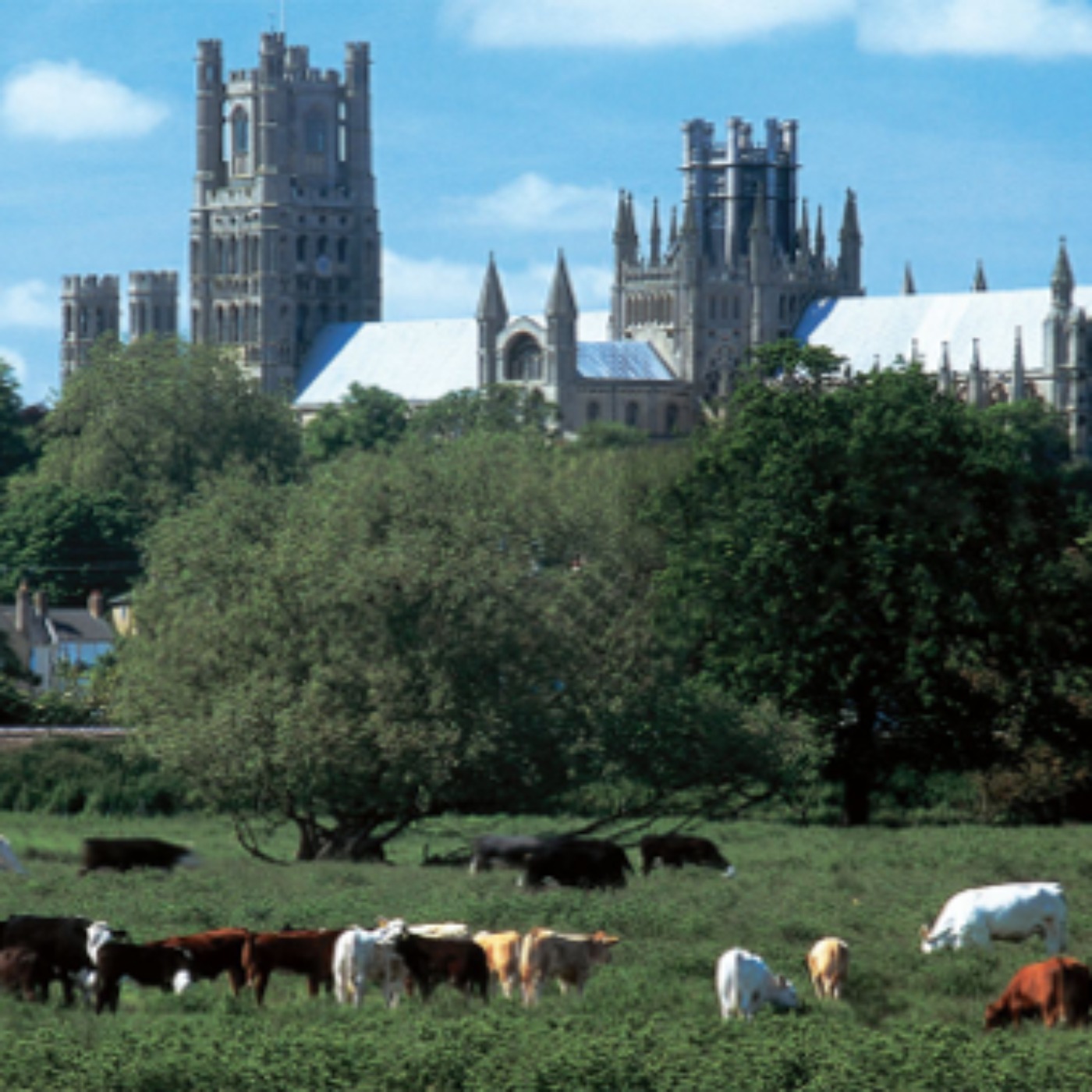
3.2 The Fens - Home to Monsters and Hermits
Jul 3, 202400:27:03Tap to summarizeMarie Hilder talks about the 'English Holy Land' during the time of the Anglo Saxons - the landscape, monasteries and hermits -and the tale of Hereward the Wake. Hosted on Acast. See acast.com/privacy for more information.
Transcribe →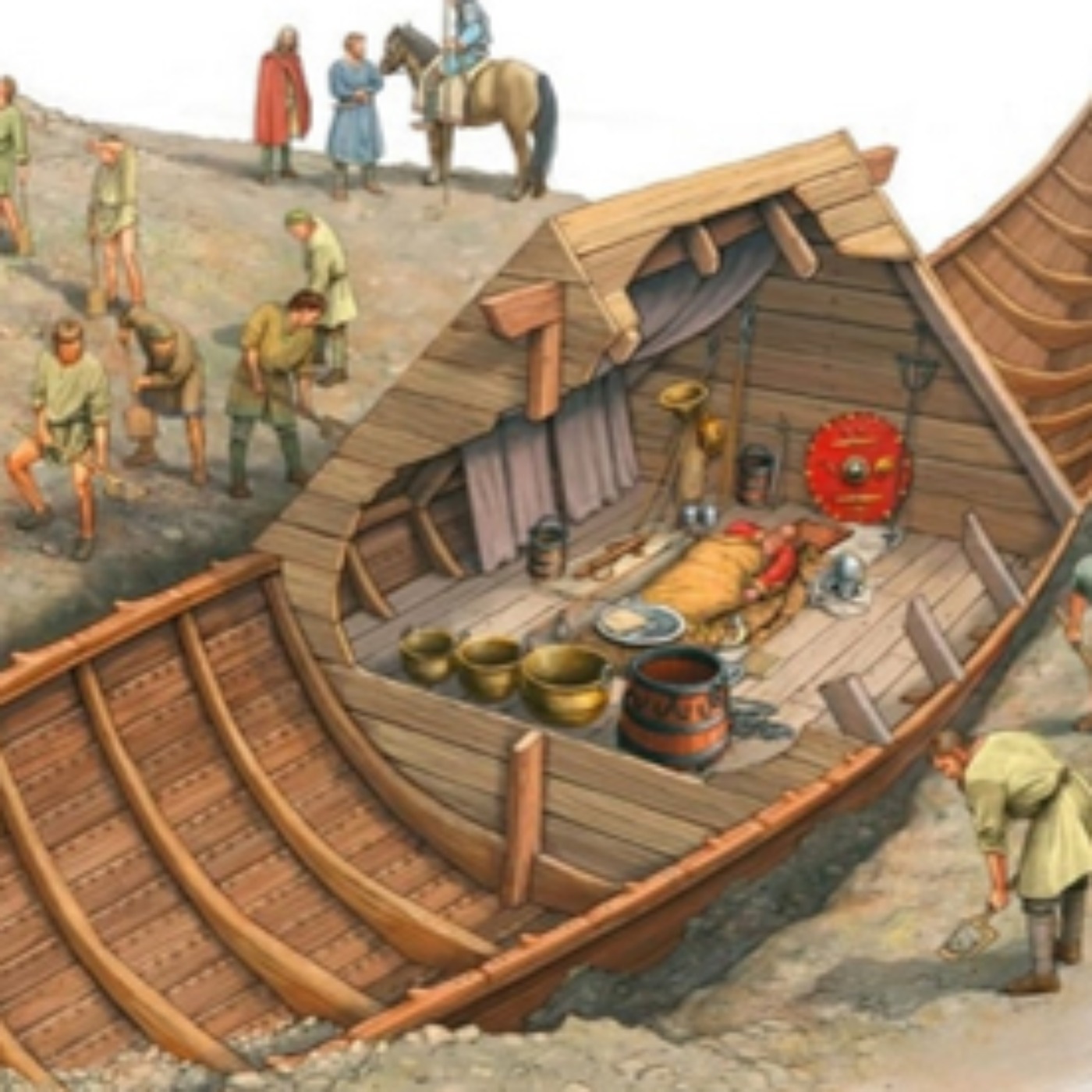
3.1 The Sutton Hoo King
Jun 12, 202400:23:51Tap to summarizeIn May 1939, in the shadow of impeding war, Edith Pretty comissioned local archaeologist basil Brown to investigate the largest of a series of mounds on her land - at Sutton Hoo. What they found has become part of England's foundation story. Marie Hilder talks about the 7th century King they found buried there. Hosted on Acast. See acast.com/privacy for more information.
Transcribe →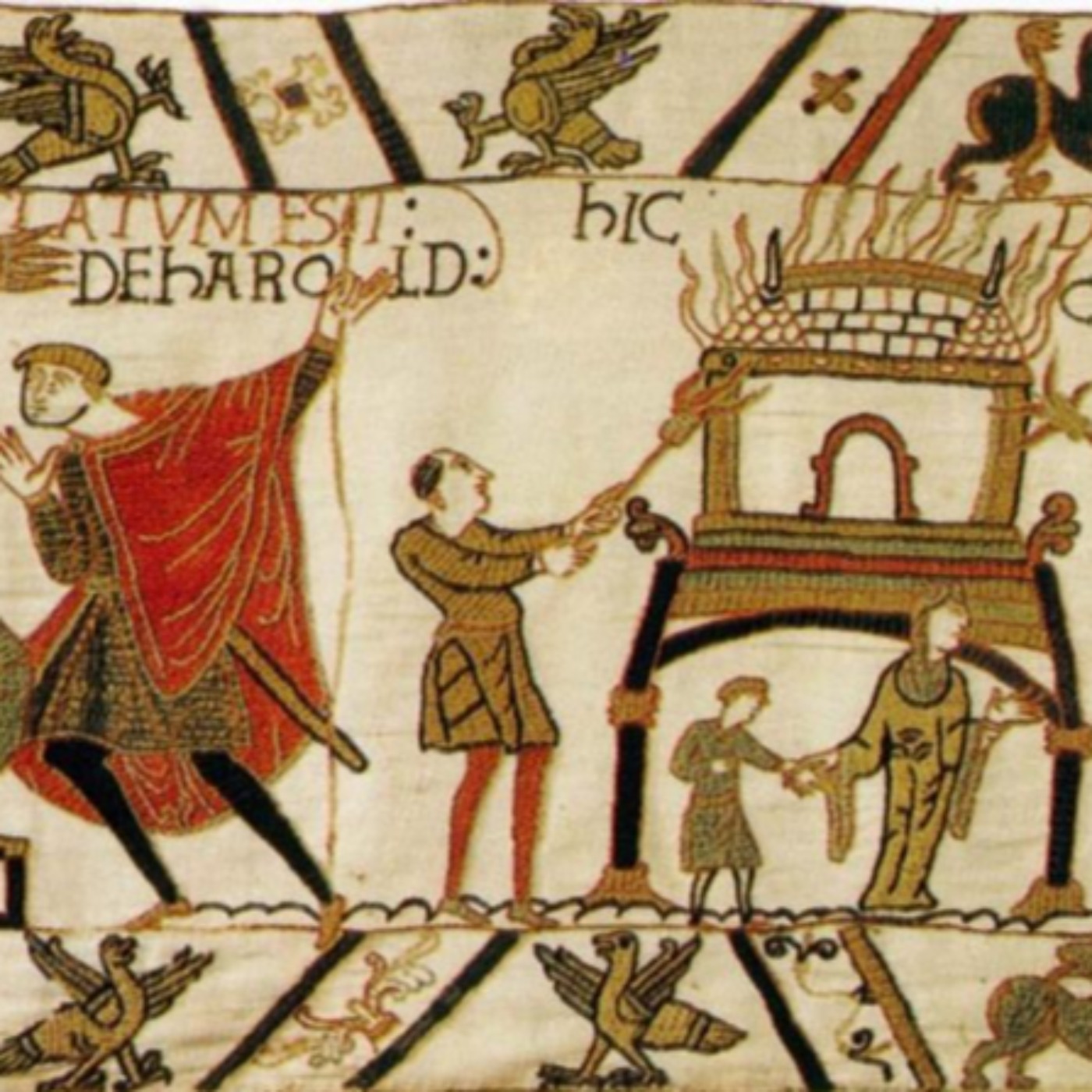
2.9 Norman Transformation?
May 15, 202400:47:24Tap to summarize1066 and the Norman conquest undoubtedly came with dramatic change in personel and architecture. But did it extend much below the elites, did it change the depths and fundamentals of English society - or just ripple the surface? After all many have argued that feudalism by another name was already well advanmced by 1066. Hosted on Acast. See acast.com/privacy for more information.
Transcribe →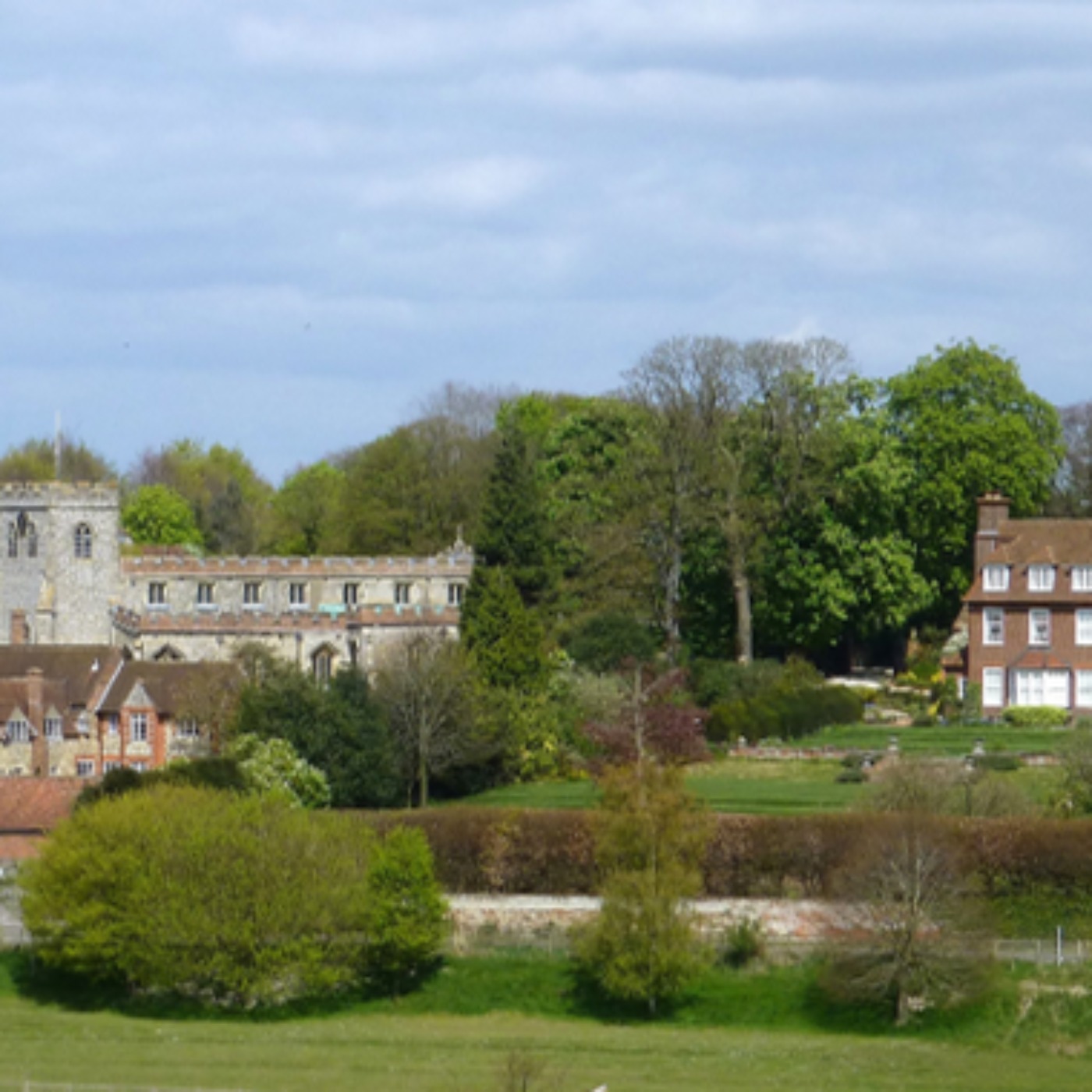
2.8 A New Landscape
May 1, 202400:43:33Tap to summarizeFrom 9th century, the increasing intensfication of agriculture and population growth led to a transformation of agriculture and settlement in the 'champion' lands of lowland England changes which still define the basic stucture of the rural landscape around us today - and the classic English village. Hosted on Acast. See acast.com/privacy for more information.
Transcribe →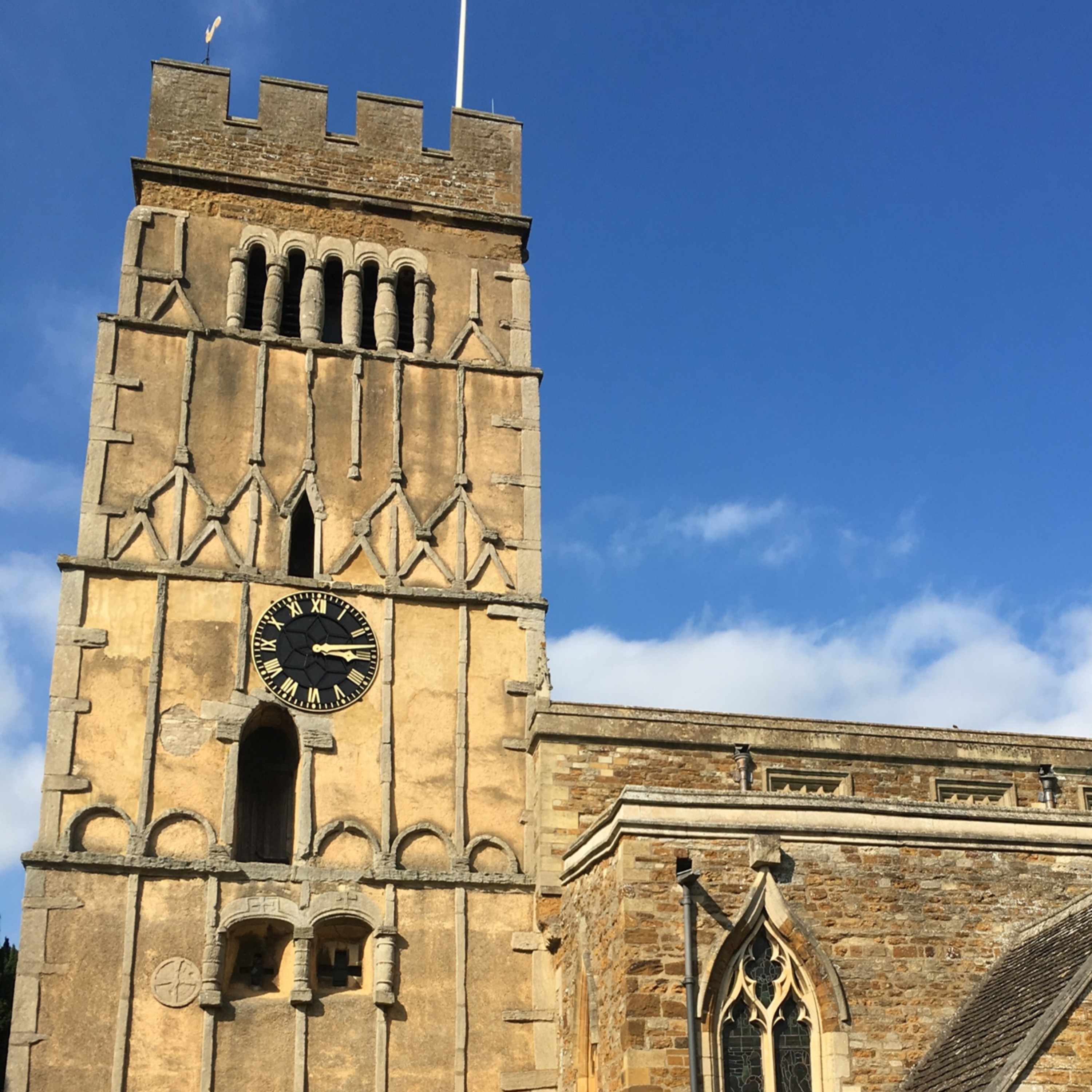
2.7 Rise of the Thegns
Apr 17, 202400:50:51Tap to summarizeThe Danish wars from the 9th century had a enormous impact on the Anglo Saxon state. The national struggle to repel and survive meant the creation of a centralised bureaucratic state - to raise geld, armies, build burghs. The economy was stimulated, towns and markets grew, and a new class of Thegns was endowed to administer this new bureaucracy. These Thegns created and invested in their 'manors' and villages. They intensified the exploitation of their estates, built churches and endowed priests. Thus the lives of English people became inceasingly focussed on their local village Hosted on Acast. See acast.com/privacy for more information.
Transcribe →
2.6 Life in Warland
Apr 3, 202400:49:23Tap to summarizeWarland was held by all free Anglo Saxon families, and so called because the resources of the land were to be used for the waru, defence of the land. That might mean military defence - but it was a much more general concept that tha - it was to be used in defence of the health and well being of the community. The responsibilities of the holder of warland were extensive, public, participatory and based on the cconcept of custom and reciprocity Hosted on Acast. See acast.com/privacy for more information.
Transcribe →
2.5 Life on the Inland
Mar 20, 202400:52:22Tap to summarizeAs 7th century turns into 8th, society becomes a little more hierarchical; tribute centres like Rendlesham begin to disappear for more permanent royal sites. But more significant for the life of many Ceorlisc families, was the arrival of Christianity. Because the new religion brought with it new institutions - priests, minsters, monasteries. These institutions required permanent establishments and households. And to support them, more is required from the land. Technology will help, and new, more intensively farmed Inland estates. But to work them, and new breed of peasant farmer will be needed. Hosted on Acast. See acast.com/privacy for more information.
Transcribe →
2.4 Extensive Lordship and the Scir
Mar 6, 202400:47:33Tap to summarizeThe 7th and 8th centuries saw the gradual development of territorial grouping, with tribal and political identities, focussed on the lord or king. Despite more well defined hierarchies, lordship remained relatively light, based on lords who travelled from place to place. At tribute centres, they would to meet with their people and receive their tribute, and in return offer their largesse, counsel and listen to local concerns. Relationships remained customary and personal, not formal based on tenancy, legal or contractual ties. Hosted on Acast. See acast.com/privacy for more information.
Transcribe →