
Podcast
ANI Podcast with Smita Prakash
Hosted by Asian News International (ANI) · EN
ANI Podcast with Smita Prakash gets eminent people from different walks of life to talk about issues that impact you and society at large. Join Smita Prakash as she brings important voices from the field of politics, sports, entertainment, and lifestyle. Dive in for a great listening experience brought to you by India’s largest news agency.
75episodes
Episodes
Newest firstAll episodes
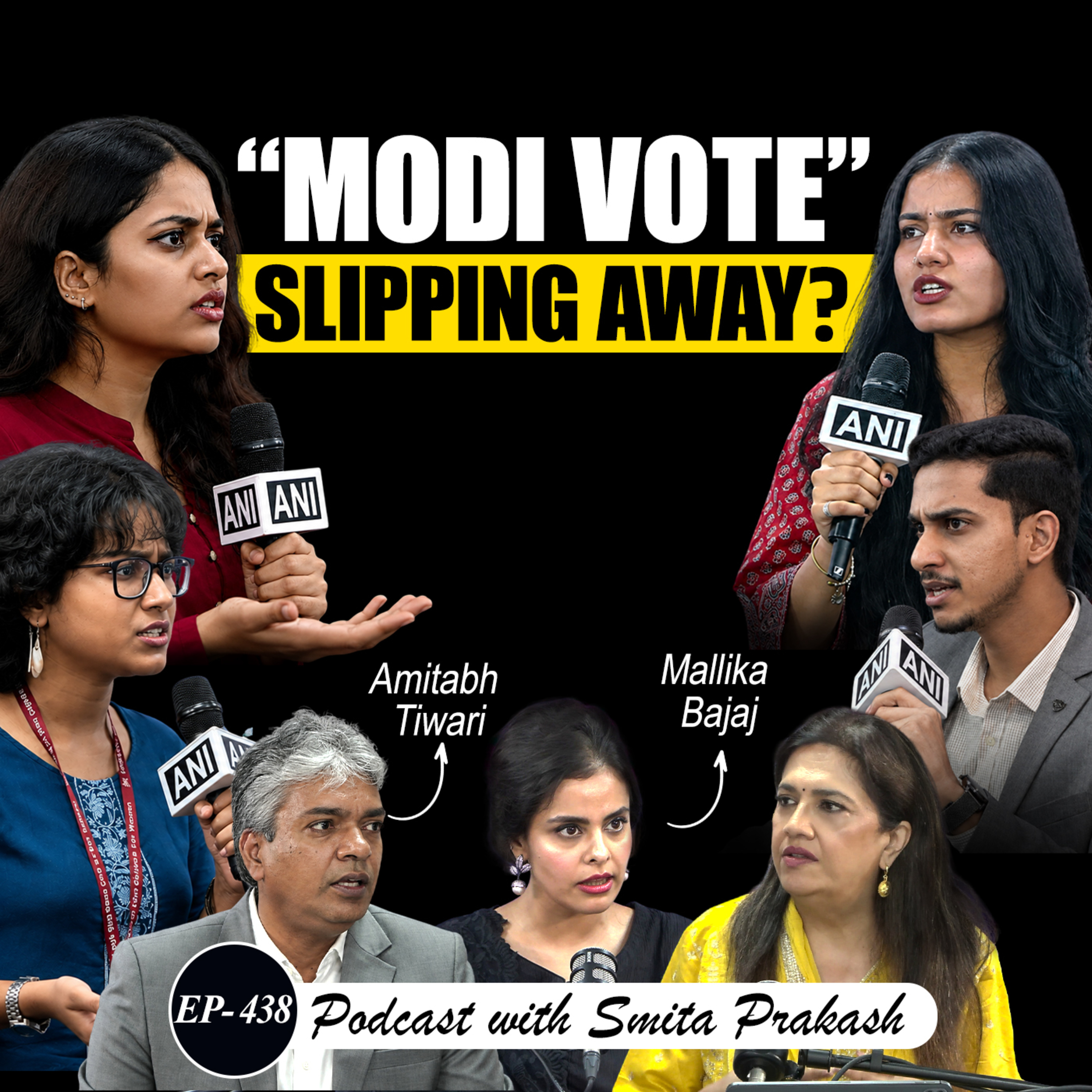
EP-438 | BJP’s Gen Z Disconnect, Youth Protests, Jobs & Social Media Elections | Amitabh, Mallika
2d ago01:23:01Tap to summarizeAmitabh Tiwari is a political strategist, election analyst, author and commentator. He is the founder of Vote Vibe and a regular columnist and television panellist. Mallika Bajaj is a digital transformation expert who studies how technology affects the way people learn, behave and think.In this live edition of the ANI Podcast with Smita Prakash, they discuss what Gen Z wants and why there is a disconnect between the government and young people. They also explain how algorithms work and why Instagram is becoming the next major platform for election campaigns.00:00 – Introduction00:58 – BJP Lost Gen Z Support?06:22 – Algorithms & the Digital Divide14:04 – BJP's Social Media Edge19:58 – Q&A with Gen Z20:51 – Foreign Apps & Data Leaks26:39 – Need for Younger Politicians34:08 – Fake Information in AI Age42:10 – Gen Z's Political Grammar45:35 – Job Creation49:28 – CJP's Future Role51:21 – Youth Representation in Parliament56:41 – Legacy vs Independent Media1:01:08 – Gen Z's Electoral Influence1:06:02 – Political Labels1:07:58 – Traditional Media1:11:46 – The Right Way to Protest1:17:26 – Political Influencers1:21:19 – CJP's Political Ambitions
Transcribe →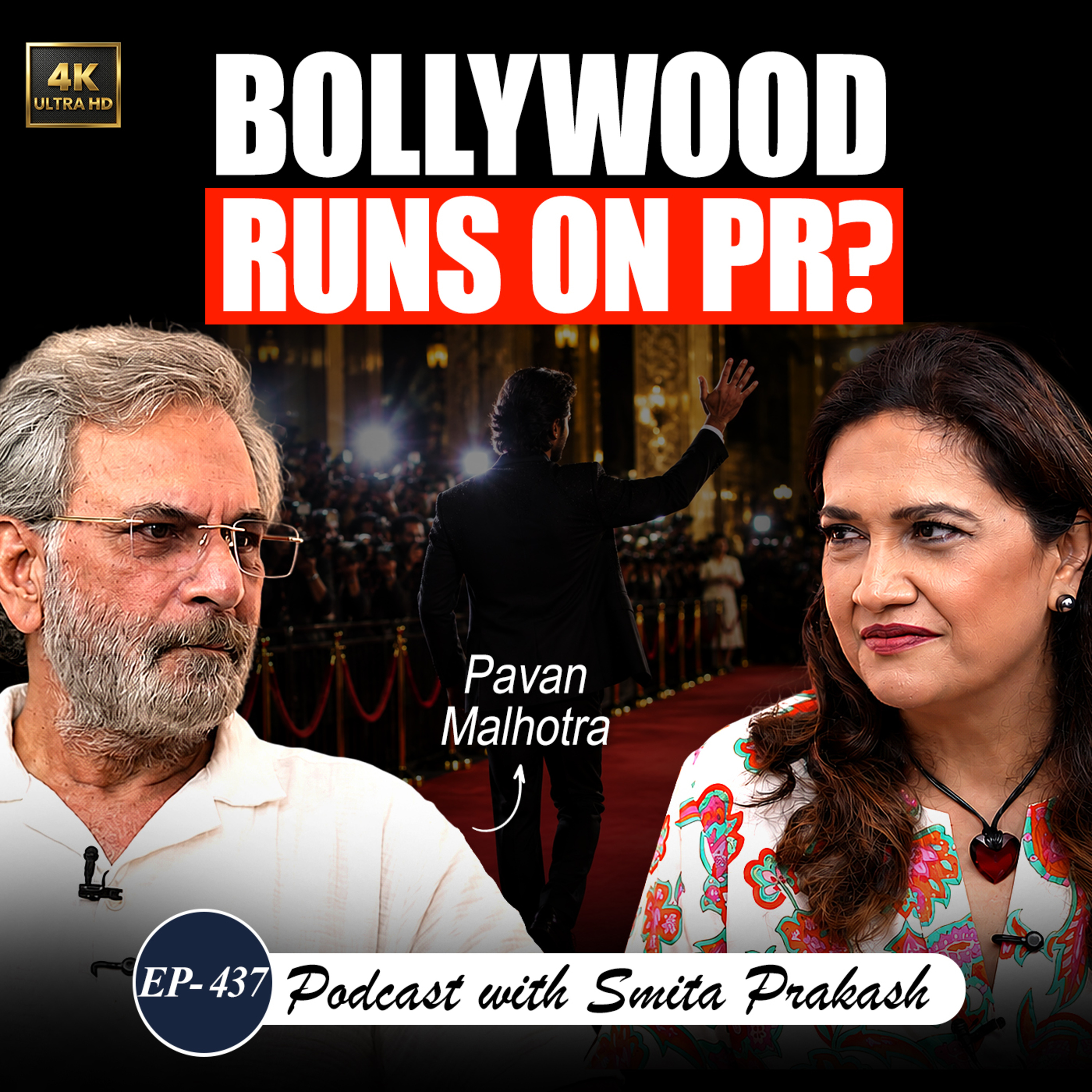
EP-437 I Bollywood PR Culture, Typecasting, Political Films, Theatre & More | Pavan Malhotra
5d ago01:32:07Tap to summarizePavan Malhotra is one of Hindi cinema’s finest actors, known for his powerful performances across films, television, theatre and OTT. In a career spanning over 45 years, he has delivered memorable roles in films like ‘Salim Langde Pe Mat Ro’, ‘Black Friday’, ‘Bhaag Milkha Bhaag’ and ‘Jab We Met’.In this episode of the ANI Podcast with Smita Prakash, Pavan Malhotra talks about his journey in cinema, working with legendary actors and directors, Bollywood’s PR culture, typecasting, political films and changing approach of new actors.00:00 – Introduction 00:54 – Working On ‘Gandhi’ Film 05:32 – Theatre’s Marxist Influence 11:40 – Political Films & Selective Outrage 15:34 – ‘Salim Langde Pe Mat Ro’ Story 22:06 – Indian Parallel Cinema 27:04 – Amrish Puri’s Advice 31:36 – ‘Black Friday’ & Anurag Kashyap 38:52 – BTS of ‘Bhaag Milkha Bhaag’ 46:10 – Bollywood’s New-Gen Actors 49:46 – Legacy Of Om Puri 54:20 – Bollywood PR Culture 57:42 – OTT vs Theatre 1:02:23 – Rakesh Bedi’s Bollywood Journey 1:07:33 – Making Of ‘Punjab 1984’ 1:12:05 – Art Of Storytelling 1:19:48 – Indian Culture & Traditions
Transcribe →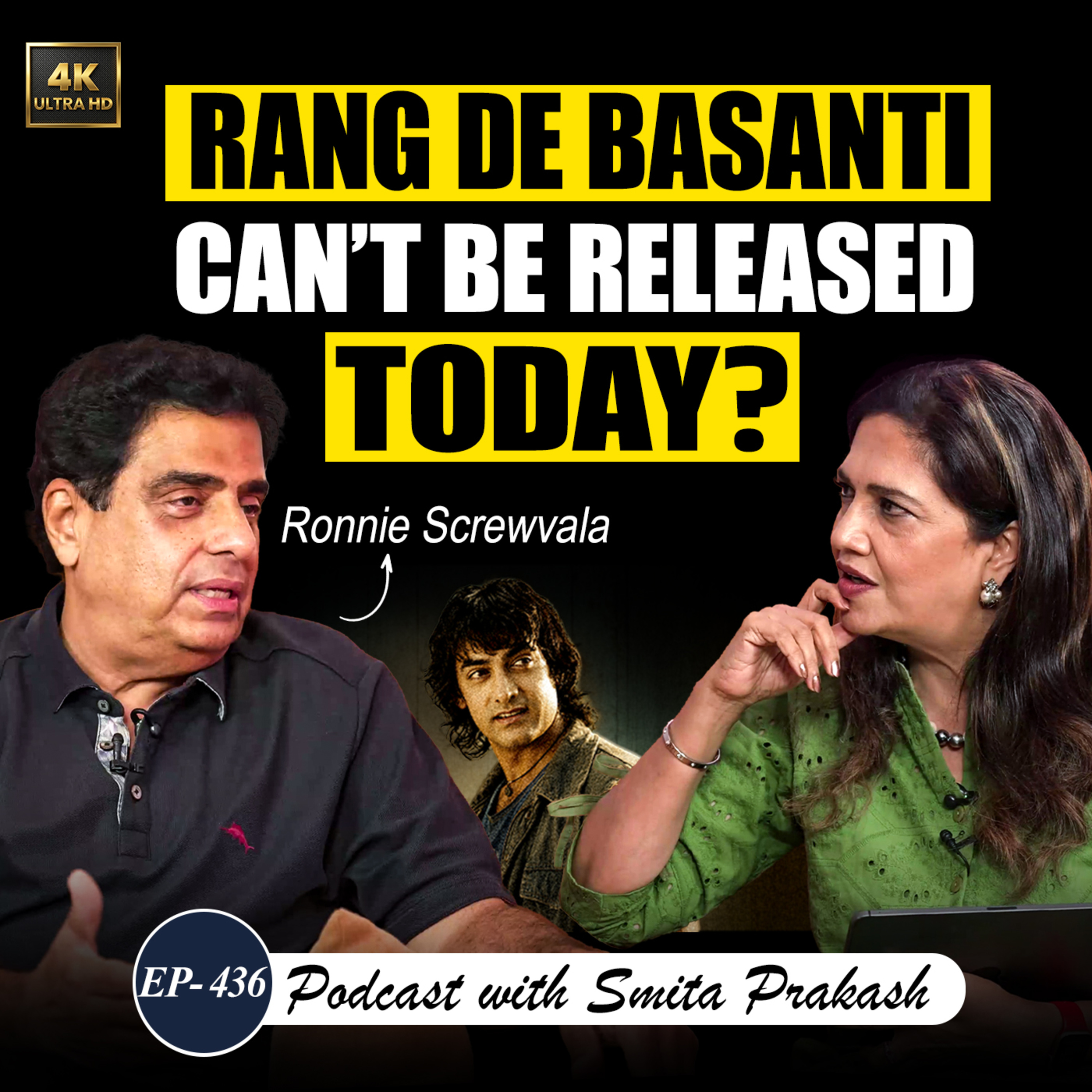
EP-436 | Education System, CJP, Degree vs Skills, AI, Movies, China & Startups | Ronnie Screwvala
1w ago01:17:17Tap to summarizeRonnie Screwvala wears many hats: entrepreneur, investor, film producer and philanthropist. He built UTV into one of India’s biggest media companies, co-founded upGrad and established the Swades Foundation.In this episode of the ANI Podcast with Smita Prakash, Ronnie Screwvala speaks about the student anger, paper leaks and what is wrong with India’s education system.He also discusses degrees versus skills, unemployment, AI, India’s competition with China, entrepreneurship, start-ups and why India must become a “no-collar nation”.Timestamps00:00 – Introduction00:45 – AI Bubble02:54 – China in AI Race06:54 – India’s Service Economy09:48 – Entrepreneurial Journey14:41 – Rang De Basanti16:46 – Licence Raj & Liberalisation22:30 – Education and upGrad26:39 – Quick Commerce30:02 – Advertising Agencies32:30 – India’s Television Revolution38:47 – Did OTT Save Indian Cinema?44:34 – Will AI Make Our Minds Dull?47:38 – Education & Rural Digital Divide52:56 – India’s Untapped Tourism55:52 – Student Protests & Education Reform1:03:15 – AI & Entry-Level Jobs1:07:31 – Blue-Collar Work1:13:11 – AI, Agriculture & Farming
Transcribe →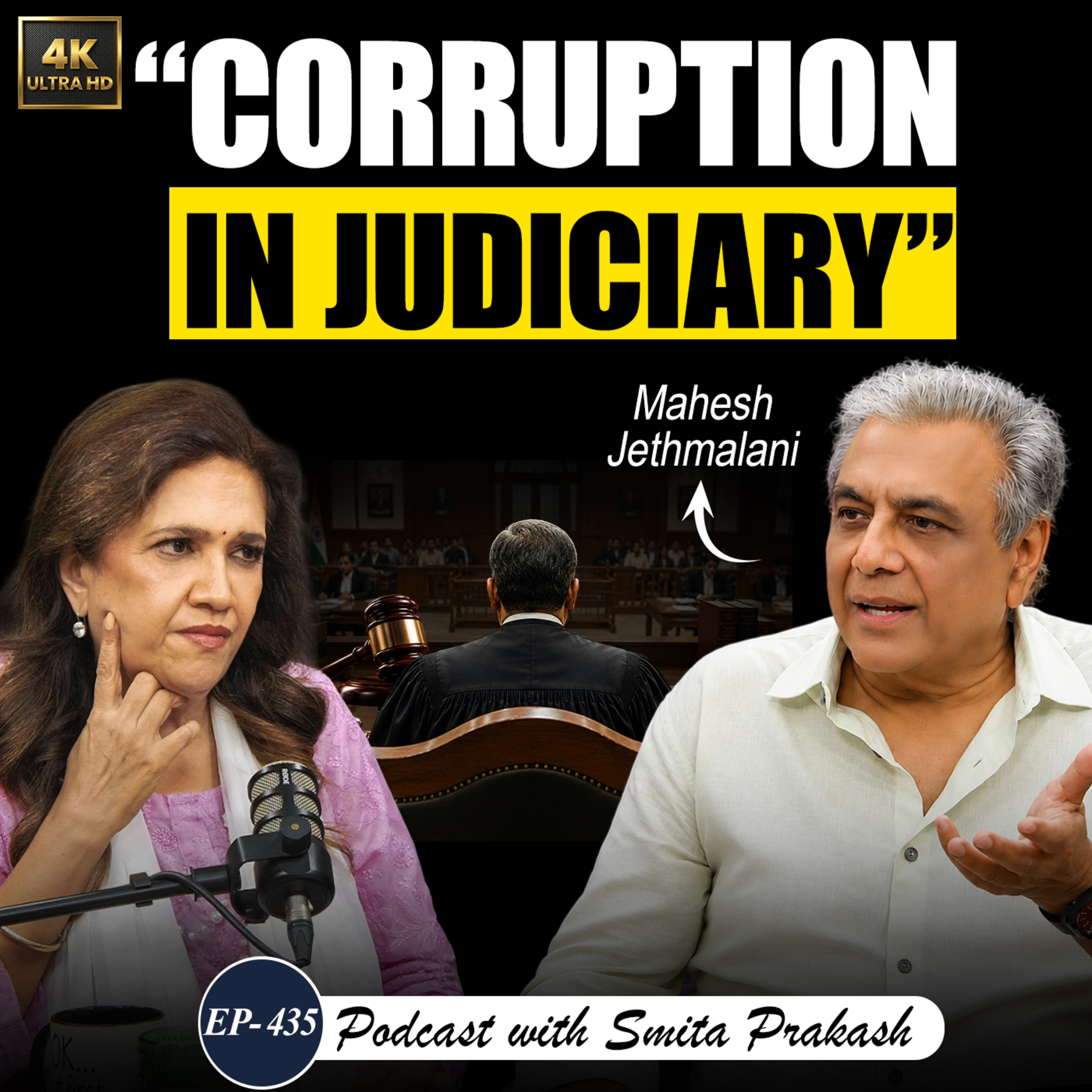
EP-435 | 26/11 Attacks, Modi, LK Advani, Gujarat Riots & Judicial Reforms | Mahesh Jethmalani
2w ago01:53:45Tap to summarizeMahesh Jethmalani is a Senior Advocate of the Supreme Court of India and a former Rajya Sabha MP. He has represented the BJP in several high-profile legal battles over the past four decades.In this episode of the ANI Podcast with Smita Prakash, Mahesh Jethmalani speaks about his father Ram Jethmalani's legacy.The conversation also covers 2002 Gujarat riots, 26/11 Mumbai attacks, judicial reforms, anti-defection law, Vande Mataram debate and NEET student protests.Timestamps00:00 – Introduction 00:54 – NEET protests 10:51 – Anti-defection law 22:35 – Article 370 & Ram temple 29:20 – Ram Jethmalani's legacy 39:20 – High-profile cases 43:45 – LK Advani's leadership 48:13 – 2002 Gujarat riots 1:00:20 – 26/11 terror attacks trial 1:05:16 – 'Cockroach' remark by CJI 1:11:17 – Ram Jethmalani's courtroom drama 1:15:19 – Handling BJP cases 1:18:11 – Modi-Trump relationship 1:27:30 – Indus Waters Treaty 1:31:28 – Judicial reforms 1:43:19 – Vande Mataram debate 1:49:06 – Harshad Mehta case
Transcribe →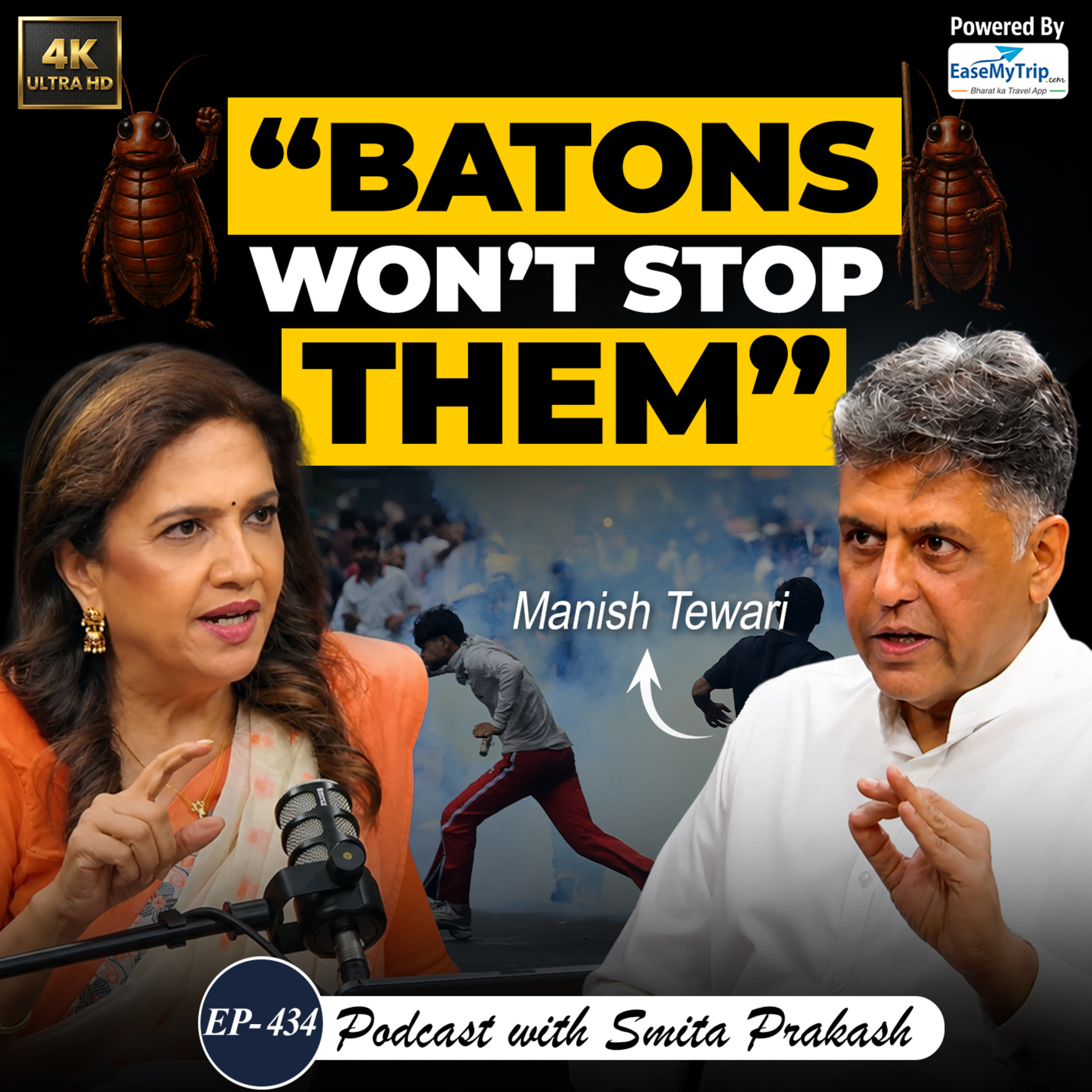
EP-434 | Manish Tewari on Cockroach Janta Party, NEET Protests, Police Action & Rahul Gandhi
2w ago01:35:31Tap to summarizeManish Tewari is a senior Congress leader, lawyer and Member of Parliament from Chandigarh. He previously represented Ludhiana and Anandpur Sahib in the Lok Sabha and served as Union Minister for Information and Broadcasting. He is also an author and has been active in Indian politics for over four decades.In this episode of the ANI Podcast with Smita Prakash, he discusses the Cockroach Janta Party protest, the NEET controversy, police action against students, Rahul Gandhi’s protest and the Parliament deadlock. He also speaks about the Punjab Congress, the 2027 Assembly elections, Operation Sindoor, his viral interaction with PM Modi.00:00 – Introduction01:16 – Cockroach Janta Party06:01 – Political Involvement07:36 – INDIA Alliance14:36 – PM Residence Protest15:54 – Pradhan’s Resignation17:43 – Parliament Washout20:05 – Anti-Defection Law36:18 – Interaction with PM Modi40:28 – Journey Through Congress43:45 – Punjab Elections 202745:46 – Operation Sindoor51:32 – Father’s Assassination56:15 – Political Entry57:52 – Rajiv Gandhi01:01:53 – Punjabiyat01:05:32 – Punjab Partition01:10:43 – Satluj Movie01:12:26 – Accidental Prime Minister01:14:29 – Chandigarh Connection01:16:50 – Partition Trauma01:20:20 – Bittu Traitor Remark01:26:19 – Bhagwant Mann01:31:57 – US Trade Deal01:35:02 – Conclusion
Transcribe →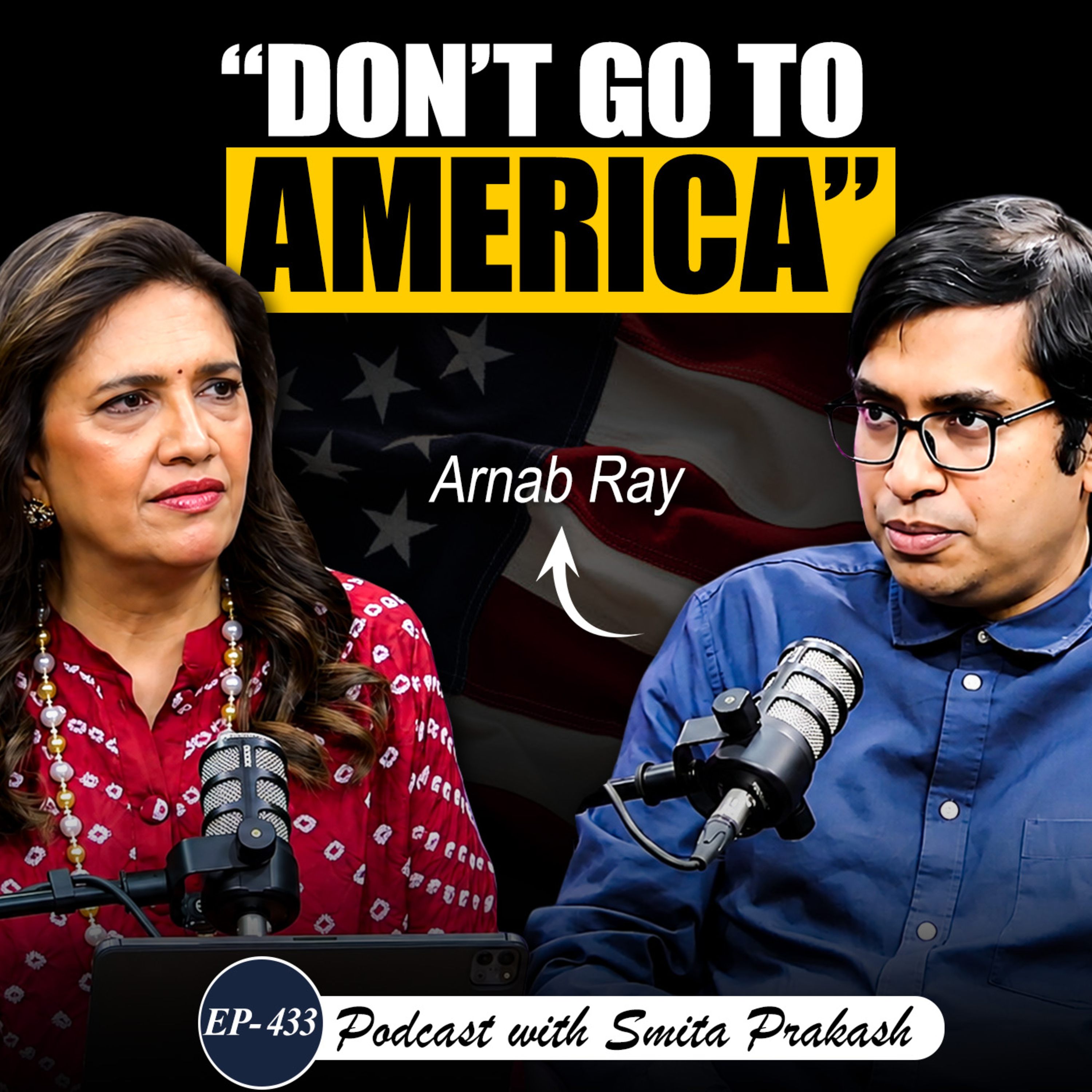
EP-433 | Is the American Dream Dead? | Arnab Ray on Racism, H-1B & AI Layoffs
3w ago01:12:47Tap to summarizeArnab Ray, also known as Greatbong, is known for his satirical commentary on Indian politics, society, and popular culture. He is an author and holds a PhD in Computer Science.In this episode of the ANI Podcast with Smita Prakash, Arnab Ray discusses racism against Indians, the H-1B visa crackdown, AI-driven job cuts, and the changing American Dream.00:00 – Introduction01:33 – Image of Indian Immigrants05:55 – Challenges for Indian Immigrants10:23 – Indian American Cultural Identity17:10 – Political Influence of Immigrants27:20 – H-1B Crackdown32:41 – Indian Students in U.S.40:01 – NRI Stereotype46:01 – Indian Politics and NRI Connection53:53 – Indian Diaspora and Political Polarisation59:09 – Jimmy Kimmel Controversy1:07:18 – Rise of BJP in Bengal
Transcribe →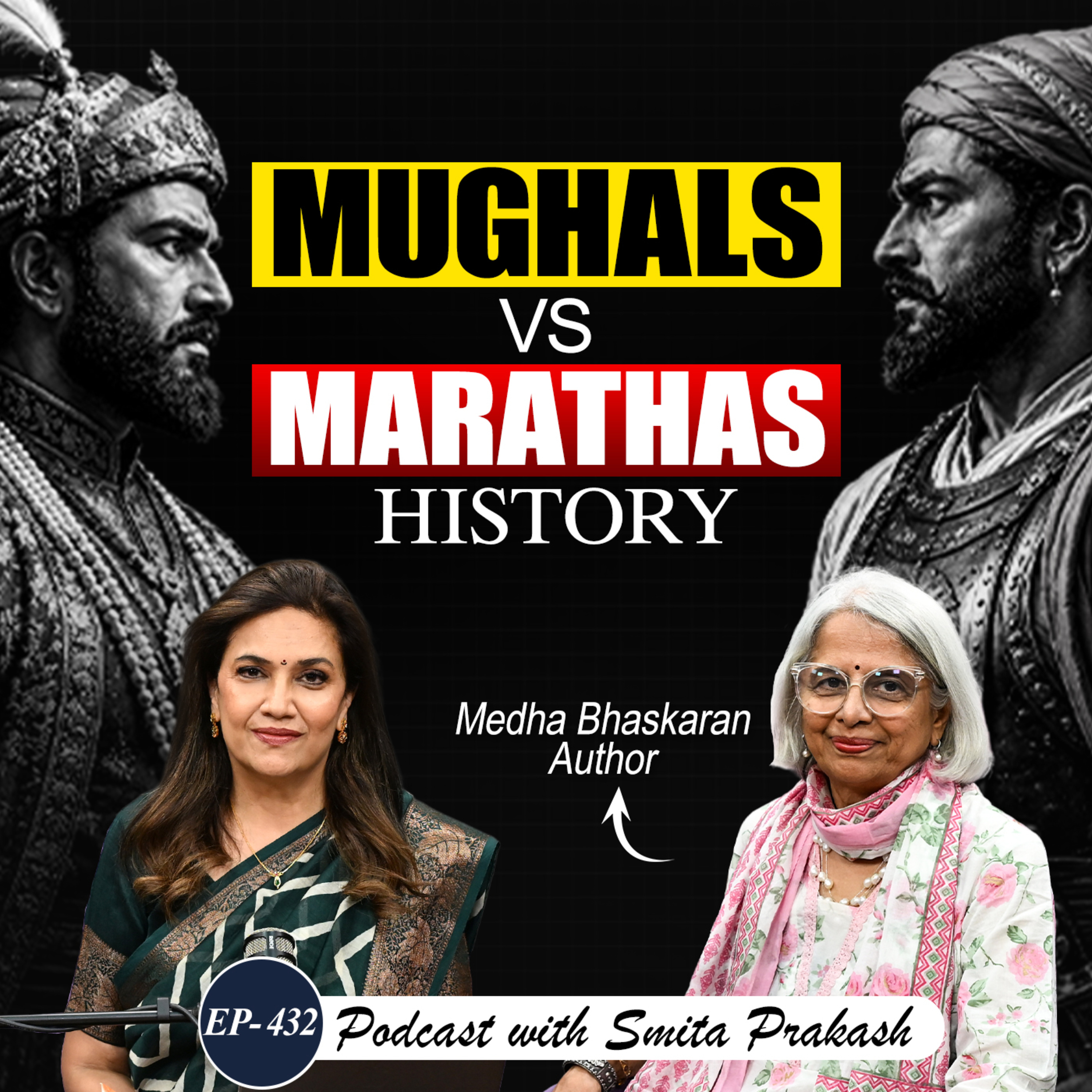
EP-432 | Chhatrapati Shivaji Maharaj vs Aurangzeb, Mughal History & Maharani Tarabai | Medha Bhaskaran
3w ago01:34:46Tap to summarizeMedha Bhaskaran is an author and researcher known for her work on Maratha history. She has written extensively about Chhatrapati Shivaji Maharaj, Chhatrapati Sambhaji Maharaj and Maharani Tarabai.In this episode of the ANI Podcast with Smita Prakash, Medha Bhaskaran explores the long conflict between the Marathas and the Mughal Empire.She also discusses Aurangzeb’s Deccan campaign, the destruction of temples, Shivaji Maharaj’s military leadership, Maharani Tarabai’s resistance, Tipu Sultan and the continuing debate over how Indian history has been written.Timestamps 00:00 – Introduction00:56 – Life in Dubai05:31 – Chhatrapati Shivaji Maharaj10:16 – Mughal-era Violence15:36 – Aurangzeb's Deccan Wars22:27 – Aurangzeb's Family Conflicts31:25 – Idea of Hindavi Swarajya45:29 – Chhatrapati Sambhaji Maharaj’s Legacy52:40 – Untold Story of Maharani Tarabai58:54 – Maratha Weapons1:02:43 – Chhatrapati Shivaji Maharaj's Final Days1:07:34 – How Shivaji Maharaj Became Chhatrapati1:22:25 – Rewriting Indian History1:28:57 – Story of Tarabai’s Courage
Transcribe →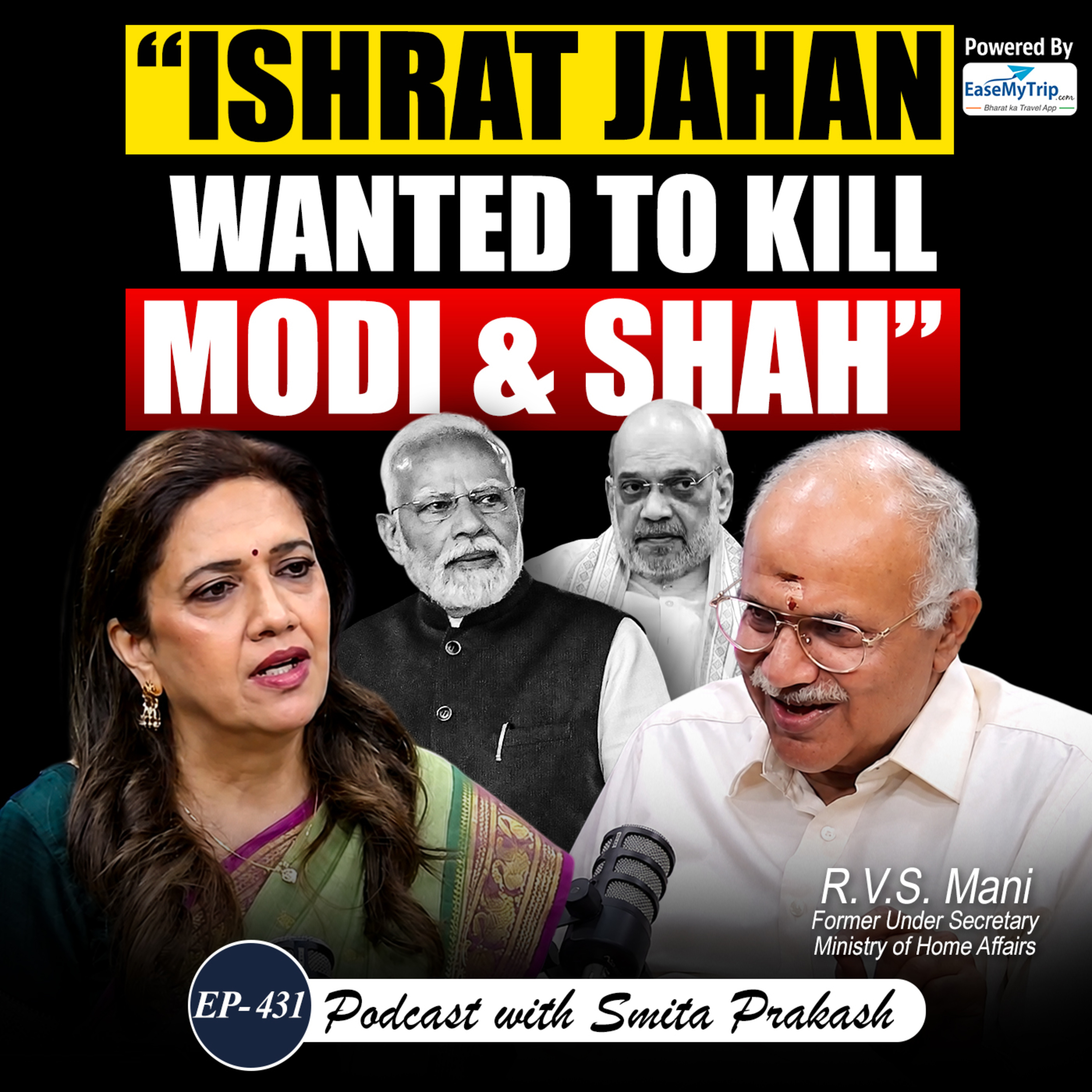
EP-431 | Hindu Terror Origin, 26/11 Attacks, Ishrat Jahan Case, Malegaon Blast, Beant Singh| RVS Mani
3w ago01:42:17Tap to summarizeR.V.S. Mani is a former Under Secretary in the Internal Security Division of Ministry of Home Affairs and a public commentator on national security. He was conferred the Padma Shri in 2026 and is the author of The Myth of Hindu Terror: An Insider's Account of the Ministry of Home Affairs (2006–2010).In this episode of the ANI Podcast with Smita Prakash, R.V.S. Mani speaks about the origins of the "Hindu Terror" narrative. He also discusses the truth behind the 26/11 Mumbai terror attacks, Ishrat Jahan case, Beant Singh assassination, Pakistan-backed terror funding through fake currency and India's evolving internal security strategy.00:00 – Introduction00:54 – On Receiving Padma Shri Award 202602:34 – "Hindu Terror" Narrative12:22 – 2006 Malegaon Blast Case21:10 – 2007 Samjhauta Express Bombings32:56 – 26/11 Mumbai Terror Attacks51:32 – Pakistan's Fake Currency & Terror Network54:18 – Ishrat Jahan Encounter Case1:05:46 – CBI Questioning of R.V.S. Mani1:14:21 – Fake Currency Empire of Khanani Brothers1:33:53 – Cross-Border Drug Trafficking1:37:10 – Beant Singh Assassination Case1:39:34 – Lessons on National Security
Transcribe →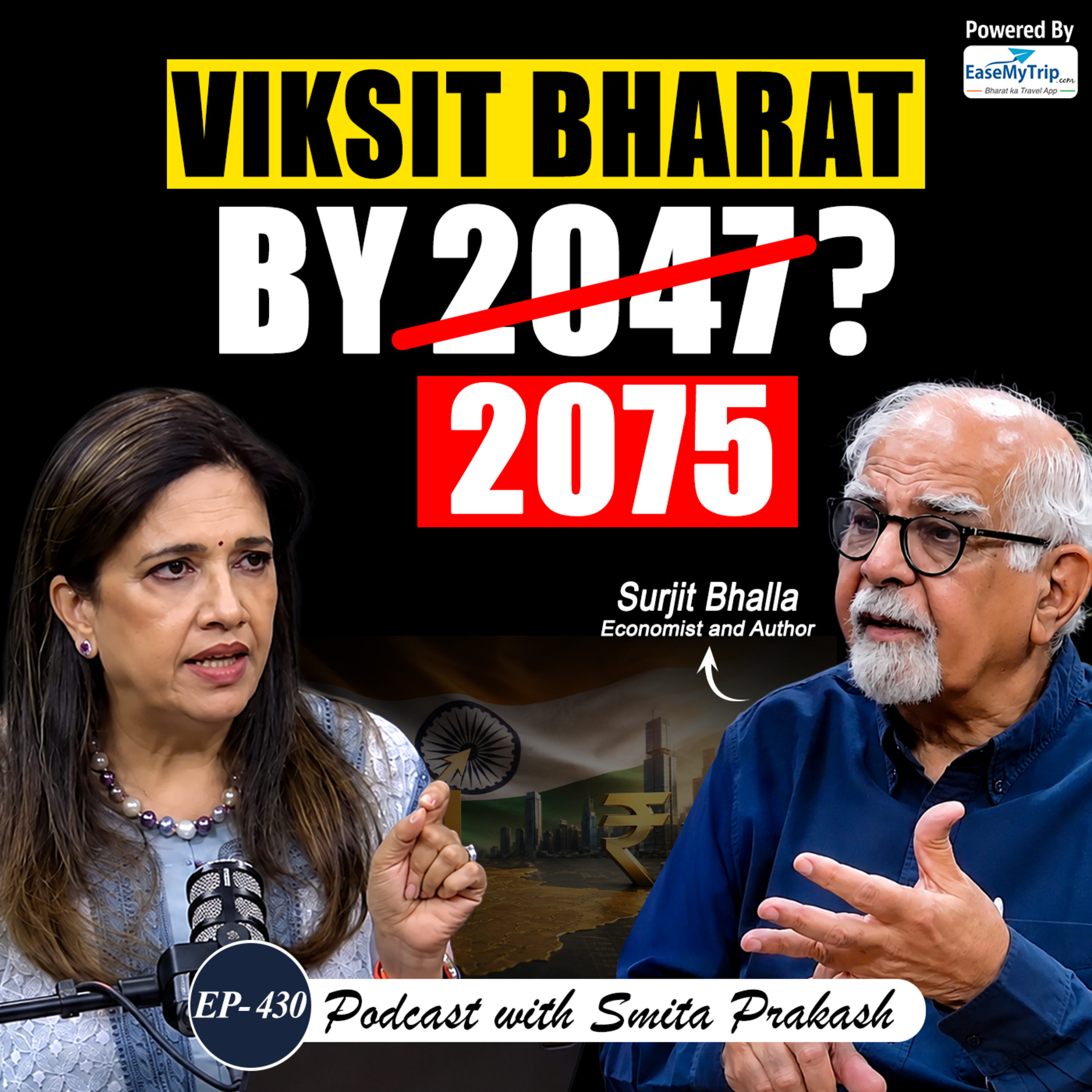
EP-430 | Economist Surjit Bhalla's Shocking Take on Indian Economy | ANI Podcast with Smita Prakash
4w ago01:43:40Tap to summarizeSurjit Bhalla is an economist, author, and columnist. He was a part-time member of Prime Minister Narendra Modi's Economic Advisory Council. He also served as Executive Director at the IMF for India, Bangladesh, Bhutan, and Sri Lanka.In this episode of the ANI Podcast with Smita Prakash, Surjit Bhalla shares his views on why India may not achieve its Viksit Bharat goal by 2047 if it continues with business as usual. He also says, "Senior babus who make decisions but are never held accountable are India's real deep state."The conversation covers Prime Minister Narendra Modi, India's economy, the rupee, China, foreign direct investment, demonetisation, GDP, and the reforms India needs to accelerate economic growth.00:00 – Introduction 03:03 – India's Economic Future 12:51 – Why India Overprotects Its Industries 16:42 – Lessons From Vietnam 21:07 – Viksit Bharat 2047 Target Realistic? 24:25 – India's Growth Story 36:43 – Why India Hesitates to Reform 42:24 – Agriculture and Dairy Sector 50:14 – China's Agriculture Model 56:39 – Manufacturing in West Bengal 1:01:15 – India's Next Window for Reforms 1:09:46 – Why Isn't FDI Coming to India? 1:13:51 – India's Job Challenge 1:21:13 – The Freebies Debate 1:30:06 – Demonetisation 1:34:27 – India's Middle Class Really Growing? 1:38:11 – Advice for Prime Minister Modi
Transcribe →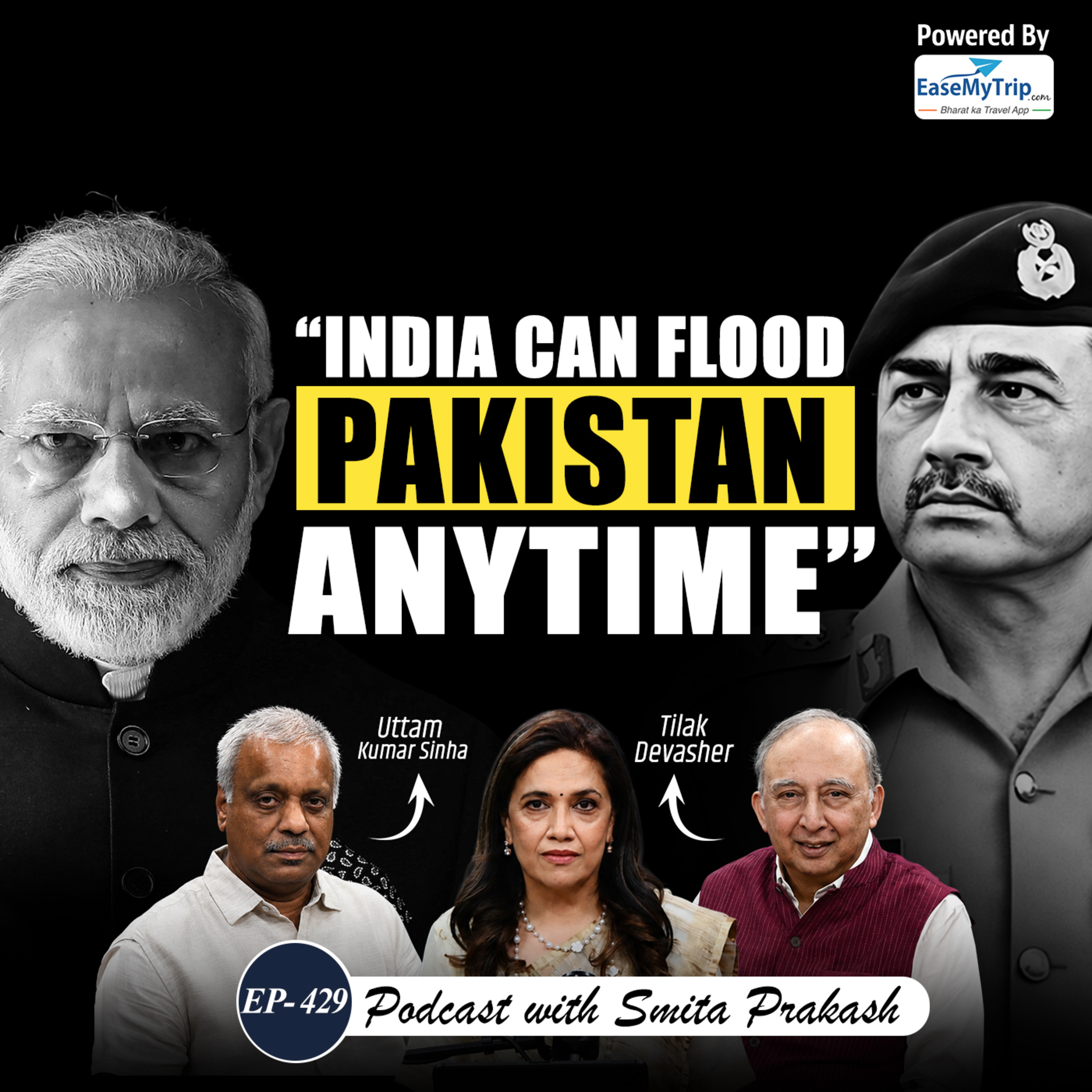
EP-429 | India vs Pakistan Over Indus Waters Treaty: 'Water War' Coming Soon? | Tilak & Uttam
Jul 201:26:16Tap to summarizeTilak Devasher is the author of four widely acclaimed books on Pakistan and a former member of the National Security Advisory Board. He lives and breathes Pakistan, closely tracking its politics, military, and society.Uttam Kumar Sinha is a scholar and commentator on transboundary rivers, climate change, and the Arctic. He is a Senior Fellow at the Manohar Parrikar Institute of Defence Studies and Analyses and the author of 'Trial by Water: Indus Basin and India-Pakistan Relations' (2025) and 'Indus Basin Uninterrupted' (2021).In this edition of the ANI Podcast with Smita Prakash, the guests discuss the Indus Waters Treaty, signed between India and Pakistan in 1960, and how it has become the latest flashpoint between the two countries. Will Pakistan face a water crisis due to the suspension of the treaty? More on Ayub Khan, Nehru, Modi and Asim Munir.Timestamps00:00 – Introduction02:00 – Indus Waters Treaty Geography07:54 – Nehru's Vision14:39 – Importance of Chenab22:12 – Pakistan's Water Crisis27:50 – India's Dam Projects35:40 – Abeyance of Water Treaty40:07 – India's Water Storage Capacity46:20 – Chenab-Beas Link Project54:49 – Pak's Diplomatic Strategy1:03:20 – How Indus Waters Treaty Was Signed1:11:23 – Pakistan's Internal Water Conflict1:18:10 – India's Narrative
Transcribe →