
Podcast
ANI Podcast with Smita Prakash
Hosted by Asian News International (ANI) · EN
ANI Podcast with Smita Prakash gets eminent people from different walks of life to talk about issues that impact you and society at large. Join Smita Prakash as she brings important voices from the field of politics, sports, entertainment, and lifestyle. Dive in for a great listening experience brought to you by India’s largest news agency.
75episodes
Episodes
Newest firstAll episodes
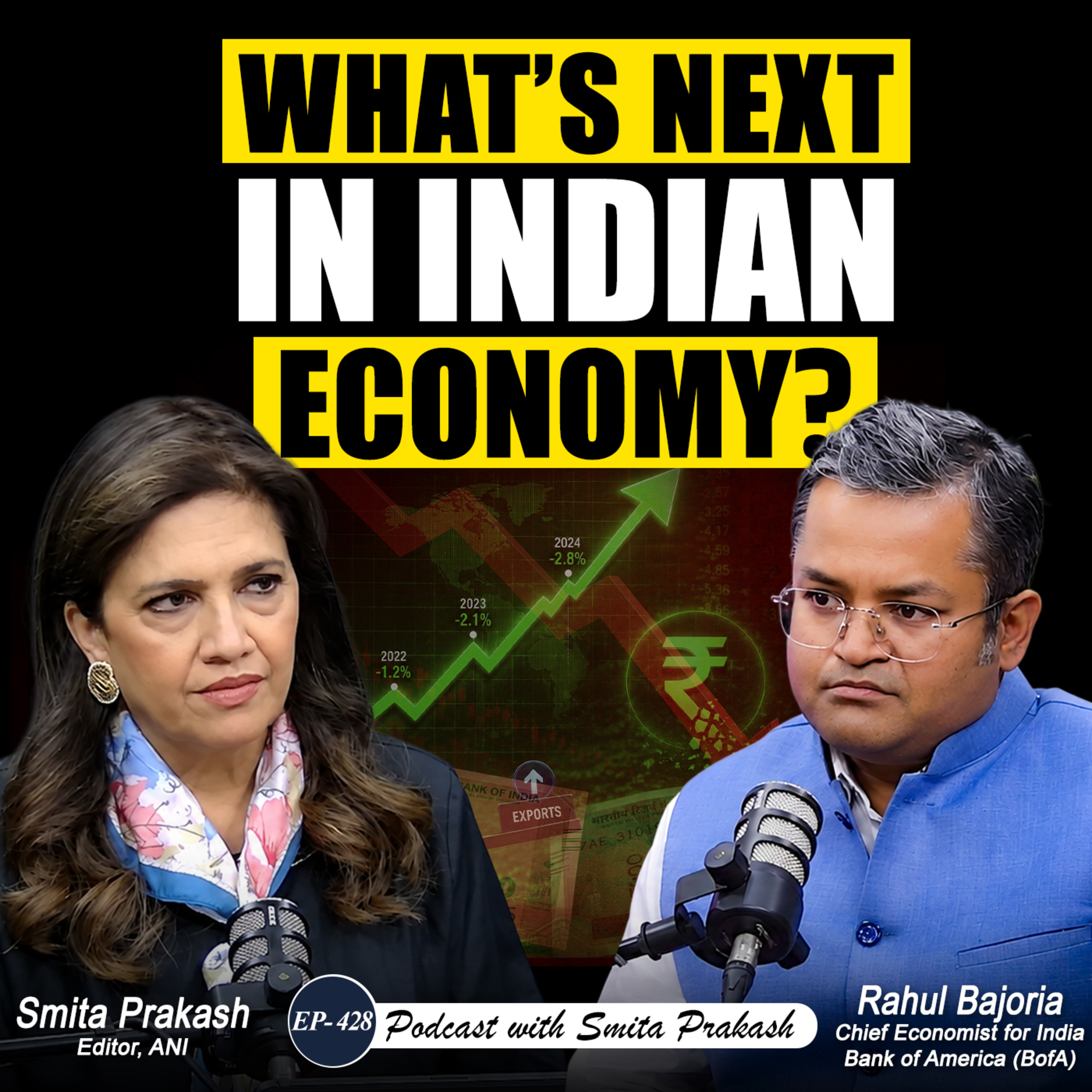
EP-428 | "Energy Security Decides India's Future" Bank of America Chief India Economist Rahul Bajoria
Jun 3001:05:47Tap to summarizeRahul Bajoria is the Head of India and ASEAN Economic Research at Bank of America (BofA).In this episode of the ANI Podcast with Smita Prakash, Rahul Bajoria discusses the impact of falling rupee, inflation, foreign investment, AI's impact on jobs, and what lies ahead for the Indian economy.He also explains why strengthening India's energy security is essential to protecting the economy from future global shocks.00:00 - Introduction 00:33 - India's Growth Story 03:18 - Manufacturing in India 07:21 - Foreign Investment 09:29 - Investment Boost 13:16 - Inflation vs. Growth 14:56 - Oil Prices & the RBI's Next Move 16:35 - Indian Stock Market 18:46 - Investment Strategy 25:09 - India's Consumption Story 30:15 - Make in India & Exports 34:37 - AI, Jobs & Unemployment 44:12 - Bank Lending vs. Deposit Growth 52:20 - Falling Rupee 55:28 - Lessons from ASEAN Economies 1:00:18 - Risks to India's Economy 1:03:21 - Top 3 Economic Reforms for India
Transcribe →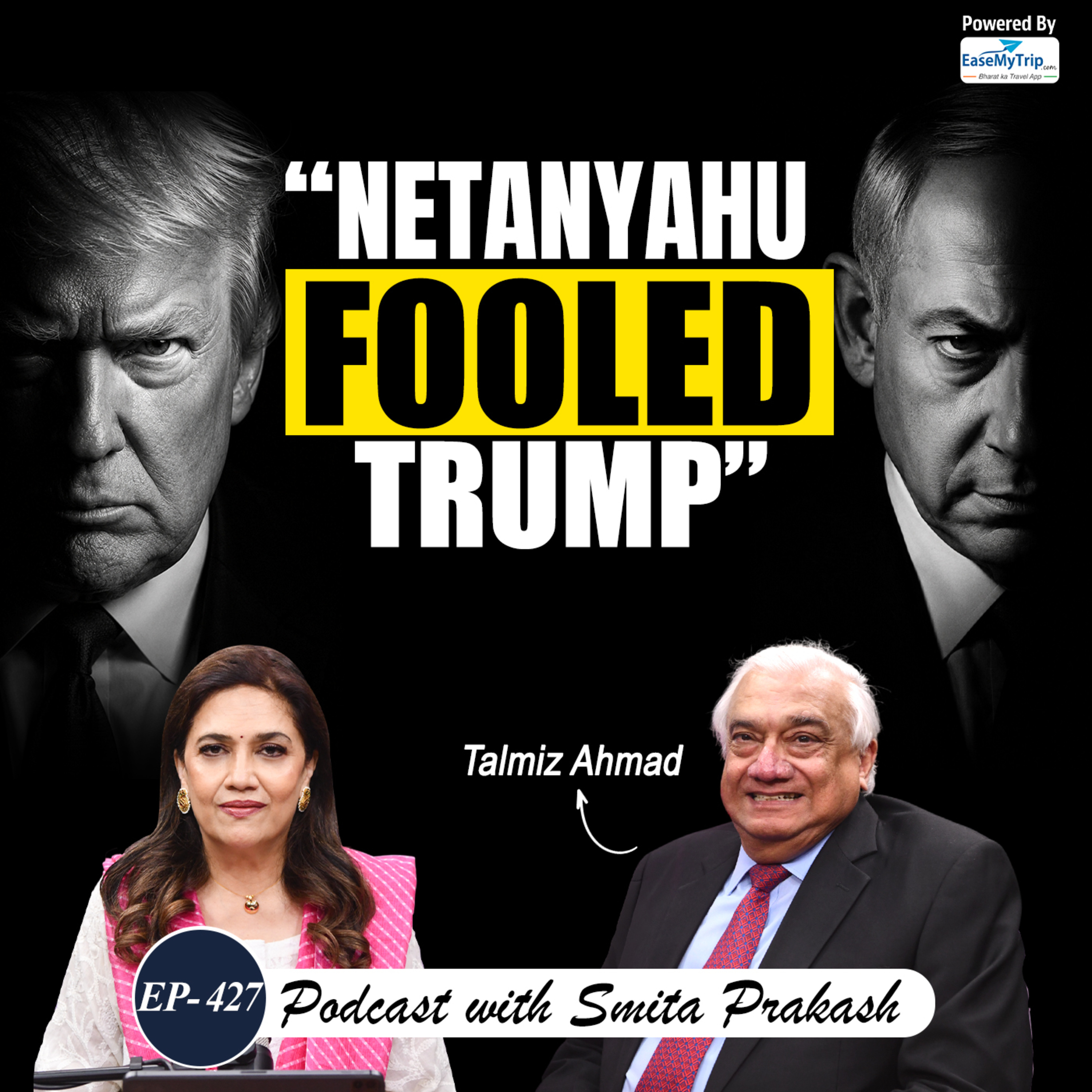
EP-427 | US-Iran Deal, Pakistan's Role, Trump's Retreat & India's Stakes | Former Envoy Talmiz Ahmad
Jun 2701:05:04Tap to summarizeTalmiz Ahmad is one of India’s most experienced diplomats, with decades of work across West Asia, the Gulf, and global strategic affairs. A former Ambassador to Saudi Arabia, Oman, and the UAE, he has watched world politics change from the front row.In this edition of the ANI Podcast with Smita Prakash, he says Benjamin Netanyahu misled Donald Trump by promising a quick victory in Iran, only for the war to drag on. He calls Trump an unpredictable leader, argues that U.S.-Israel ties have suffered, discusses Pakistan's role in the peace talks, and explains why the Iran war is India's war because New Delhi's strategic interests lie in the Gulf.00:00 – Introduction 01:35 – US-Iran Talks 03:51 – Netanyahu's Influence 06:33 – Trump's Shift on Israel 10:26 – Israeli-Palestinian Conflict 14:18 – Hegemon in West Asia 21:25 – Trump Vs Netanyahu 26:59 – Pakistan's Role 33:49 – Netanyahu's War Strategy 37:27 – Gulf's Response to Israel 43:29 – Pakistan's Influence 52:36 – Why West Asia Matters to India 57:27 – New Multipolar World Order
Transcribe →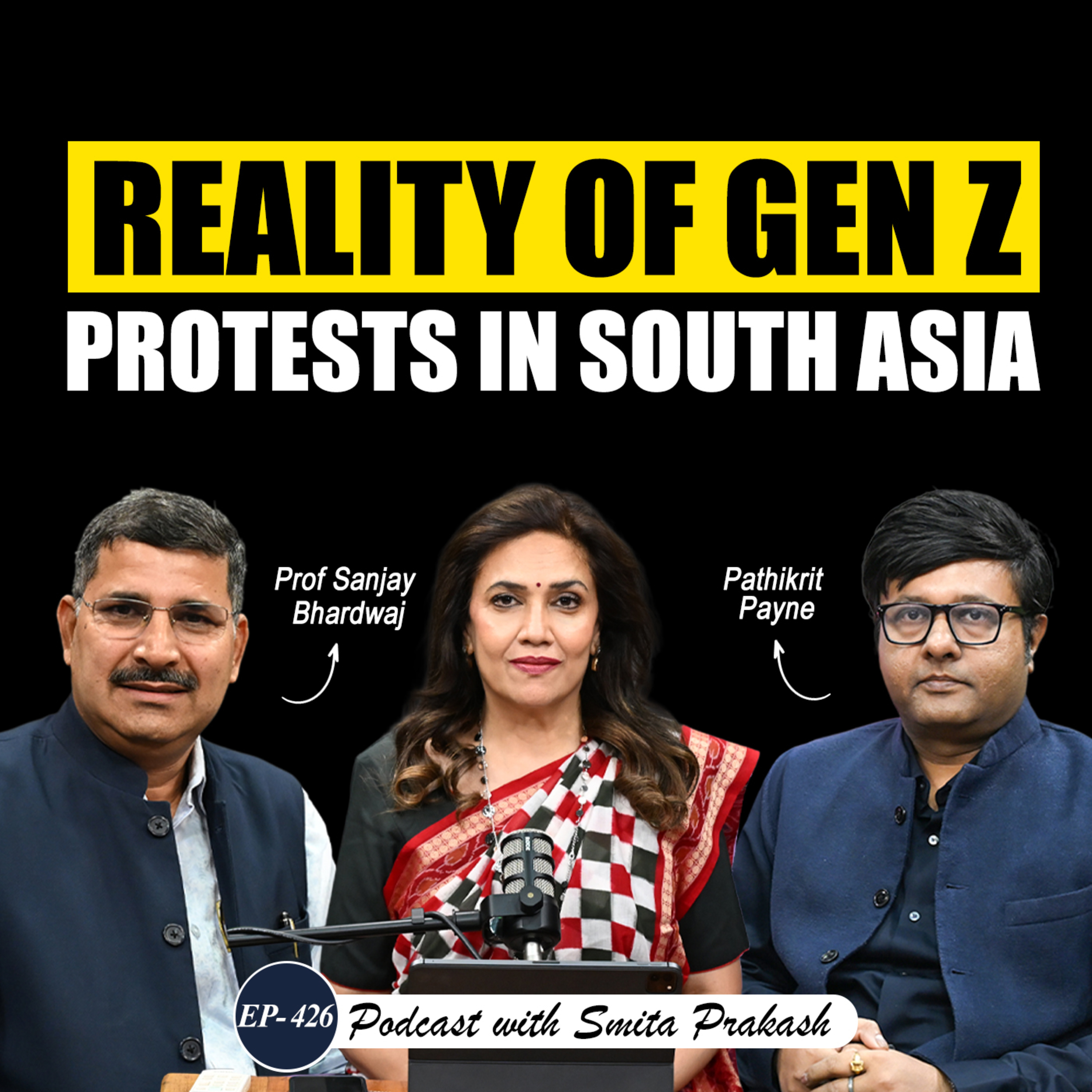
EP 426 | Dhaka to Kathmandu to New Delhi: Truth About Gen Z Protests | Sanjay Bhardwaj & Pathikrit Payne
Jun 2401:53:14Tap to summarizePathikrit Payne has over 20 years of experience in journalism and policy analysis. He is currently a Senior Fellow at the Syama Prasad Mookerjee Research Foundation.Sanjay Bhardwaj is the former Chairperson of the Centre for South Asian Studies at Jawaharlal Nehru University's School of International Studies. He specialises in India's foreign policy towards its neighbours, including Bangladesh, Pakistan, Nepal, Sri Lanka, Afghanistan, and China.In this episode of ANI Podcast with Smita Prakash, the guests discuss the Gen Z-led protests in India's neighbouring countries, the rise of the Cockroach Janata Party, and whether Gen Z has the power to influence or even topple a government in India.00:00 - Introduction01:40 - Youth in West Bengal & Tamil Nadu13:55 - Youth Protests Around the World21:44 - Challenges to Democracy33:53 - Are India's Youth Angry?46:04 - Gen Z Protests1:02:10 - The Sanatan Debate1:12:40 - Do Neighbours Distrust India?1:24:33 - India-Bangladesh Relations1:37:57 - The Aspirations of Today's Youth
Transcribe →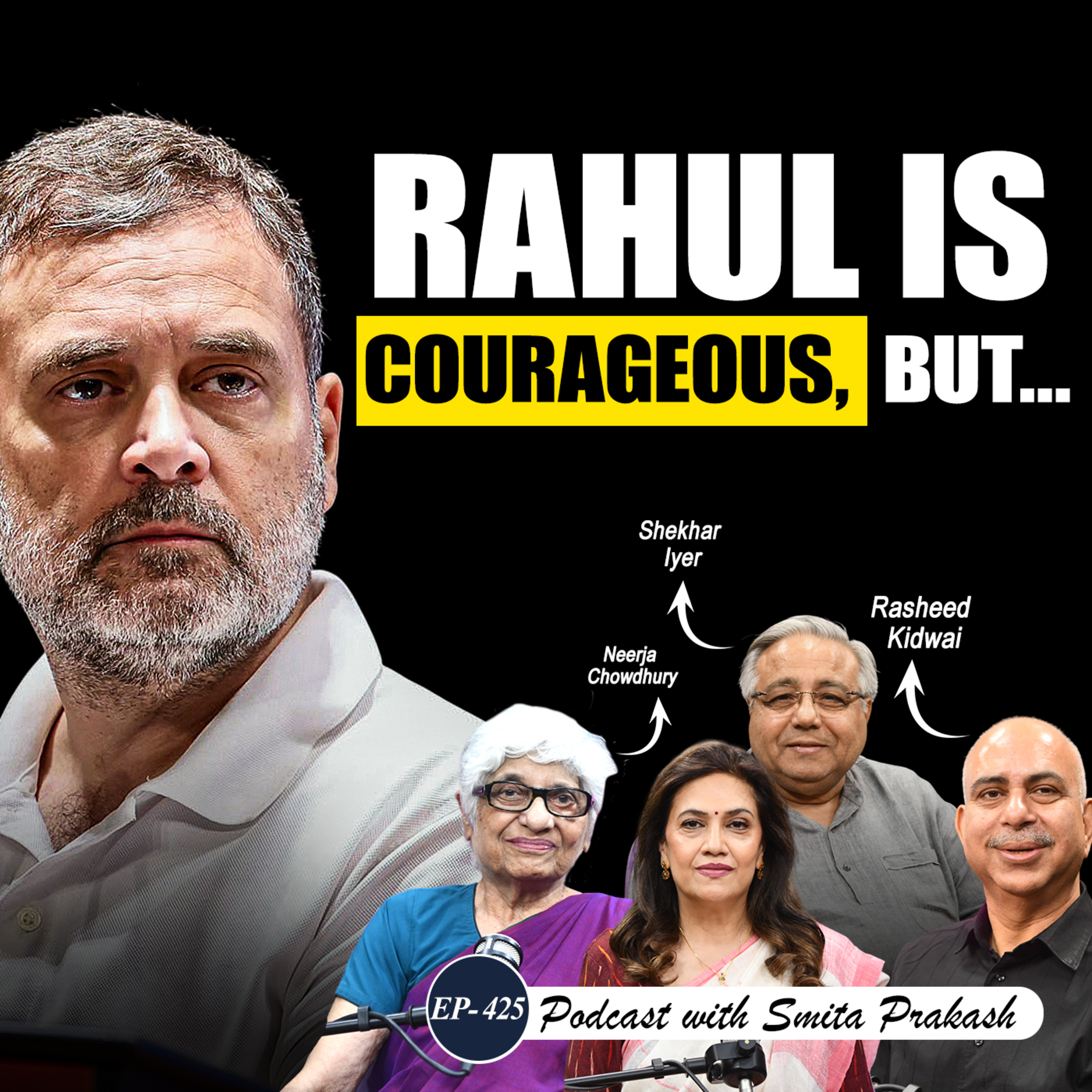
EP 425 | Narendra Modi 4.0 or Rahul Gandhi in 2029? | Neerja, Rasheed & Shekhar | ANI Podcast
Jun 2201:48:44Tap to summarizeFrom Uttar Pradesh and West Bengal to Punjab, political equations are shifting across India. Is Prime Minister Narendra Modi still the defining force in Indian politics? Can Rahul Gandhi transform the Congress into a credible alternative? What role will regional parties play in shaping the next phase of Indian democracy? And is India moving towards a two-coalition political system? In this episode of the ANI Podcast with Smita Prakash, senior journalists Neerja Chowdhury, Rasheed Kidwai and Shekhar Iyer join the discussion to analyse the changing political landscape.Timestamps00:00 – Introduction01:20 – TMC's Collapse08:05 – Defections in TMC15:10 – The Fall of Abhishek Banerjee23:31 – Congress & Regional Parties31:53 – Congress–TMC Merger?37:57 – TVK-Congress Alliance47:33 – Rahul Gandhi vs Modi in 2029?54:27 – BJP's Core Voters1:00:23 – Why Voters Relate to Modi1:08:19 – Modi's Feedback Mechanism1:14:44 – Rajasthan Congress & Sachin Pilot1:24:46 – Punjab Assembly Polls 20271:31:58 – UP Polls 20271:38:48 – Journalists and Politicians
Transcribe →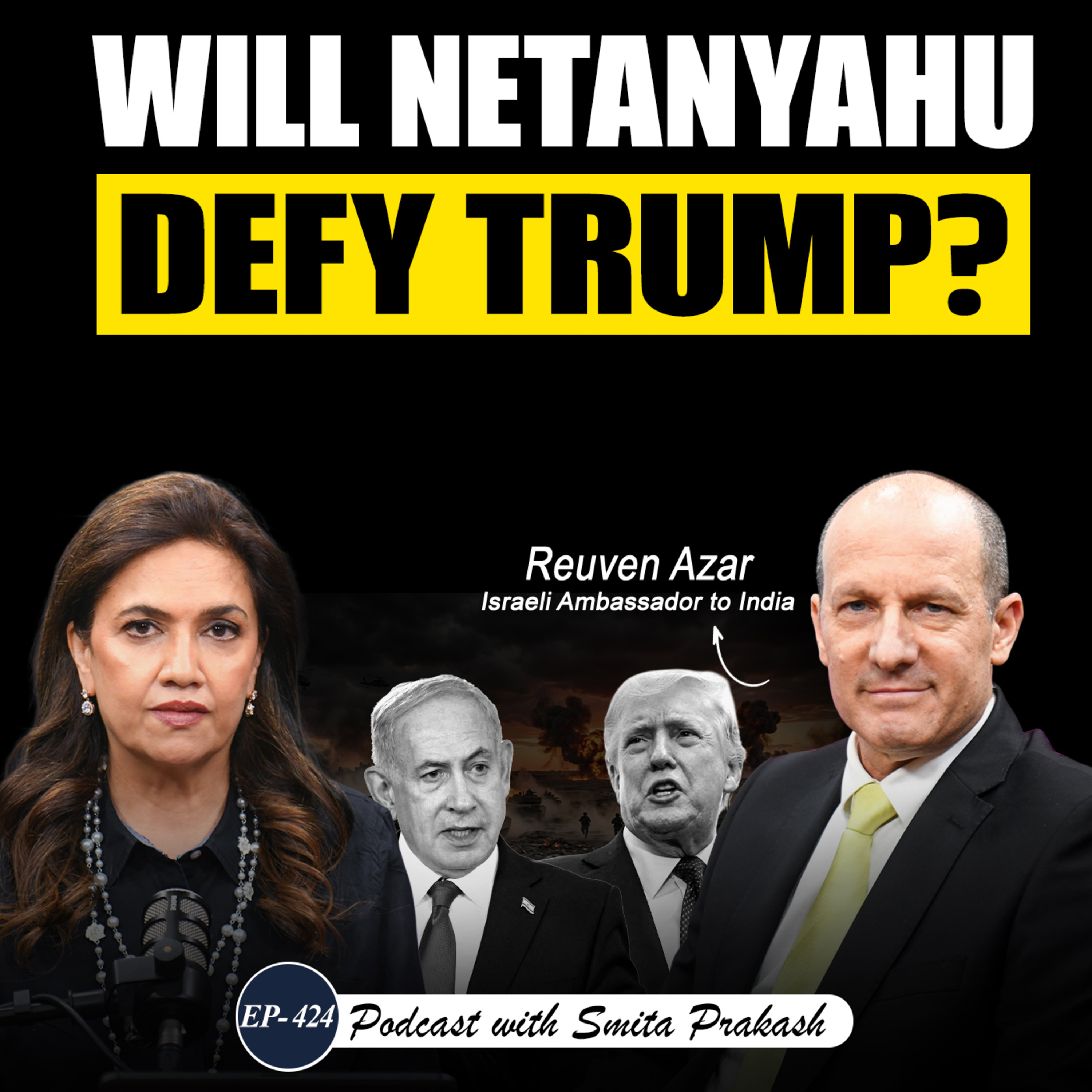
EP-424 | U.S.-Iran Deal, Hezbollah, Trump, Pakistan & India-Israel Ties | Israeli Envoy Reuven Azar
Jun 1701:09:46Tap to summarizeReuven Azar is Israel's Ambassador to India. A career diplomat, he has held several key positions in Israel's foreign service and has been closely involved in shaping his country's foreign policy and international relations.In this edition of the ANI Podcast, Reuven Azar speaks to Smita Prakash about the Iran–U.S. peace deal, Israel's position on Lebanon, the future of the Middle East, and whether the region is moving towards peace or another phase of conflict. He also discusses India-Israel ties and what has changed under the leadership of PM Modi.00:00 – Introduction00:55 – U.S.–Iran Peace Deal07:45 – What Israel Wants Next09:22 – Defence vs Aggression18:00 – Trump & Netanyahu Relationship19:47 – Iran’s Nuclear Program24:32 – Strait of Hormuz Crisis29:05 – Buffer Zones in Gaza, Lebanon & Syria35:02 – Netanyahu Under Pressure?43:04 – Humanitarian Cost of War46:35 – Two-State Solution51:50 – India–Israel Relations53:10 – Israel’s Wartime Economy55:24 – Modi’s Visit & Iran Strikes59:18 – Six Shared India–Israel Values1:03:21 – Trade & Investment Future1:08:23 – Pakistan as a Mediator
Transcribe →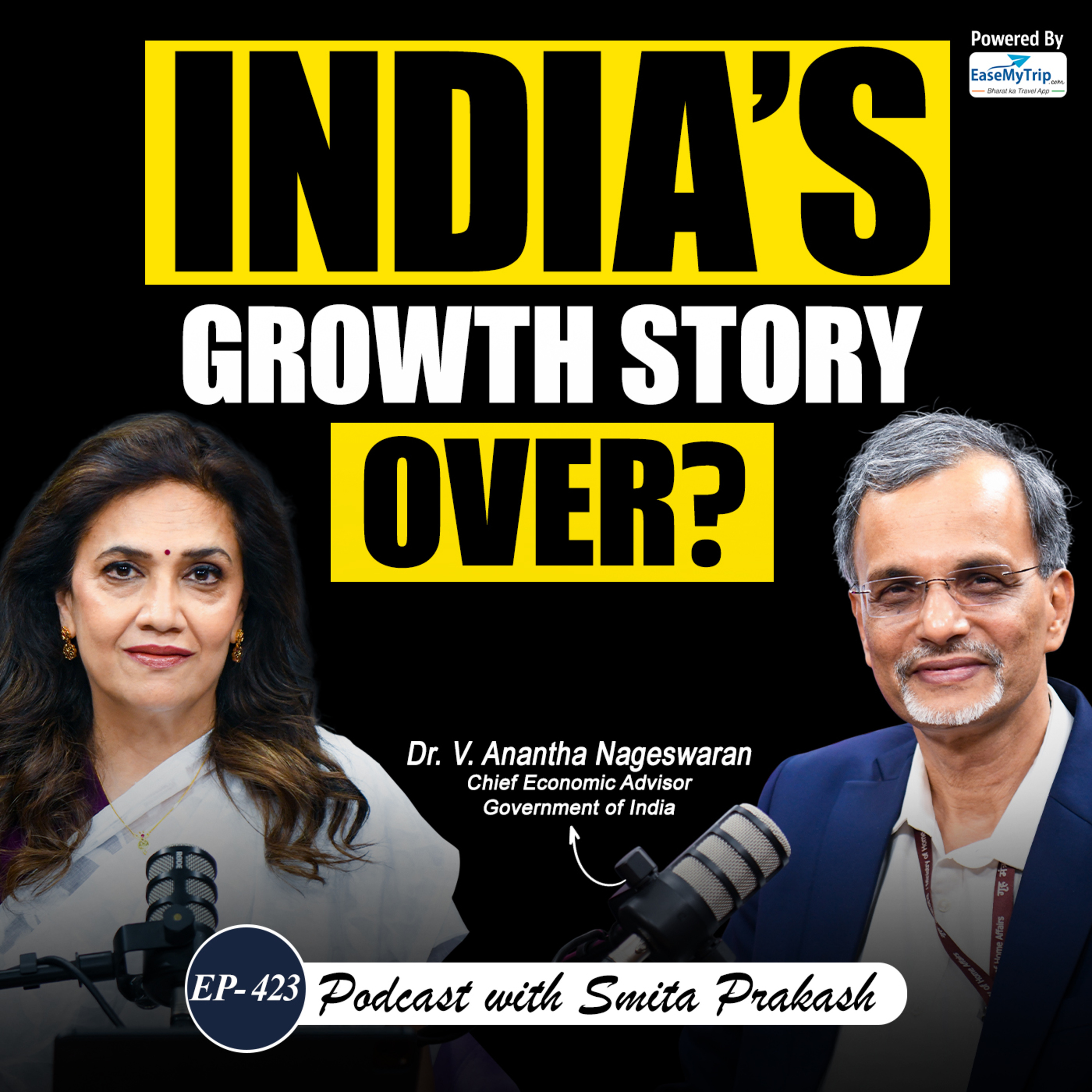
EP-423 | CEA V. Anantha Nageswaran on India's Economy, AI, Rupee, Freebies & China | ANI Podcast
Jun 1501:50:43Tap to summarizeDr. V. Anantha Nageswaran is the Chief Economic Advisor to the Government of India. He is also a writer, author, and teacher. He has taught at several business schools and management institutes in India and Singapore. He was a part-time member of the Economic Advisory Council to the Prime Minister of India from 2019 to 2021.In this edition of the ANI Podcast, Dr. Nageswaran speaks to Smita Prakash about the future of the Indian economy, the impact of the West Asia crisis, the outlook for the rupee, and whether AI is a bubble. He also explains why he believes the era of the MBA is over.00:00 - Introduction00:56 - Foreign Investors04:14 - Rupee-Dollar Debate08:24 - Rupee Stability14:20 - Foreign Banks20:07 - Critics of India's Economy28:20 - China's Manufacturing33:09 - Unemployment in India35:09 - Freebies Debate44:24 - India's Aging Population50:41 - Demographic Dividend58:36 - The Skill Gap1:00:21 - Artificial Intelligence1:05:55 - India's Economic Strength1:09:52 - Myths About Indian Economy1:12:00 - India in 20471:18:22 - Per Capita Income1:22:56 - Viksit Bharat Target1:27:59 - Vision for India1:36:42 - Old Economic Beliefs1:38:07 - India's Economic Mindset1:44:52 - Advice vs. Execution in Govt1:48:40 - Fake News
Transcribe →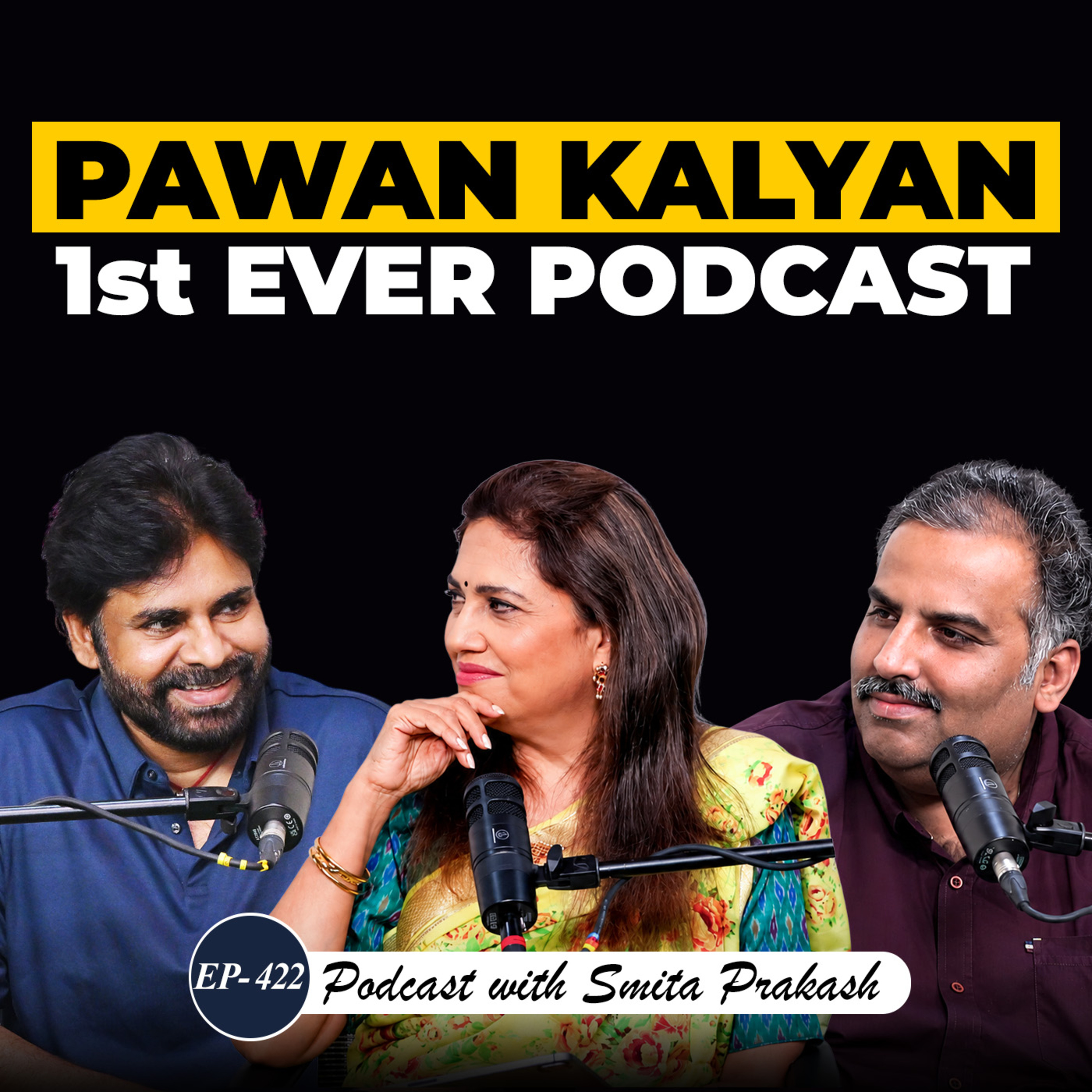
EP-422 | Pawan Kalyan Unfiltered: Politics, Spirituality, Gen Z, Movies, Modi & More | ANI Podcast
Jun 1001:25:53Tap to summarizePawan Kalyan is the Deputy Chief Minister of Andhra Pradesh, the founder and chief of the Jana Sena Party, an actor, and a philanthropist. He is the younger brother of Telugu cinema megastar Chiranjeevi. Over the years, he has carved a unique place for himself in Andhra Pradesh politics and has become one of the biggest stars in Telugu cinema, with a devoted fan following that extends far beyond the silver screen. In his first-ever podcast appearance, Pawan Kalyan opens up about his journey from movies to politics, his plans for Telangana, his days in Srinagar, his spiritual beliefs, and several untold stories from his life. He also shares his views on Gen Z, nationalism, language politics, governance, and the future of India.Timestamps00:00 - Introduction00:48: - Story Behind His Name02:37 - Re-Entering Telangana Politics07:03 - Telangana Expansion Plan09:17 - "Outsider" Tag in Telangana12:36 - North-South Debate17:25 - Tax Allocation Debate20:17 - Cockroach Janta Party27:53 - Spiritual Journey45:19 - Freebies Debate48:54 - Hindi Imposition57:54 - Plans for IT Jobs1:00:15 - Brain Drain1:08:47 - Special Status for Andhra1:10:07 - Telangana Roadmap1:14:27 - What's Next in Life?1:16:59 - South vs North Films1:21:54 - Fitness Routine
Transcribe →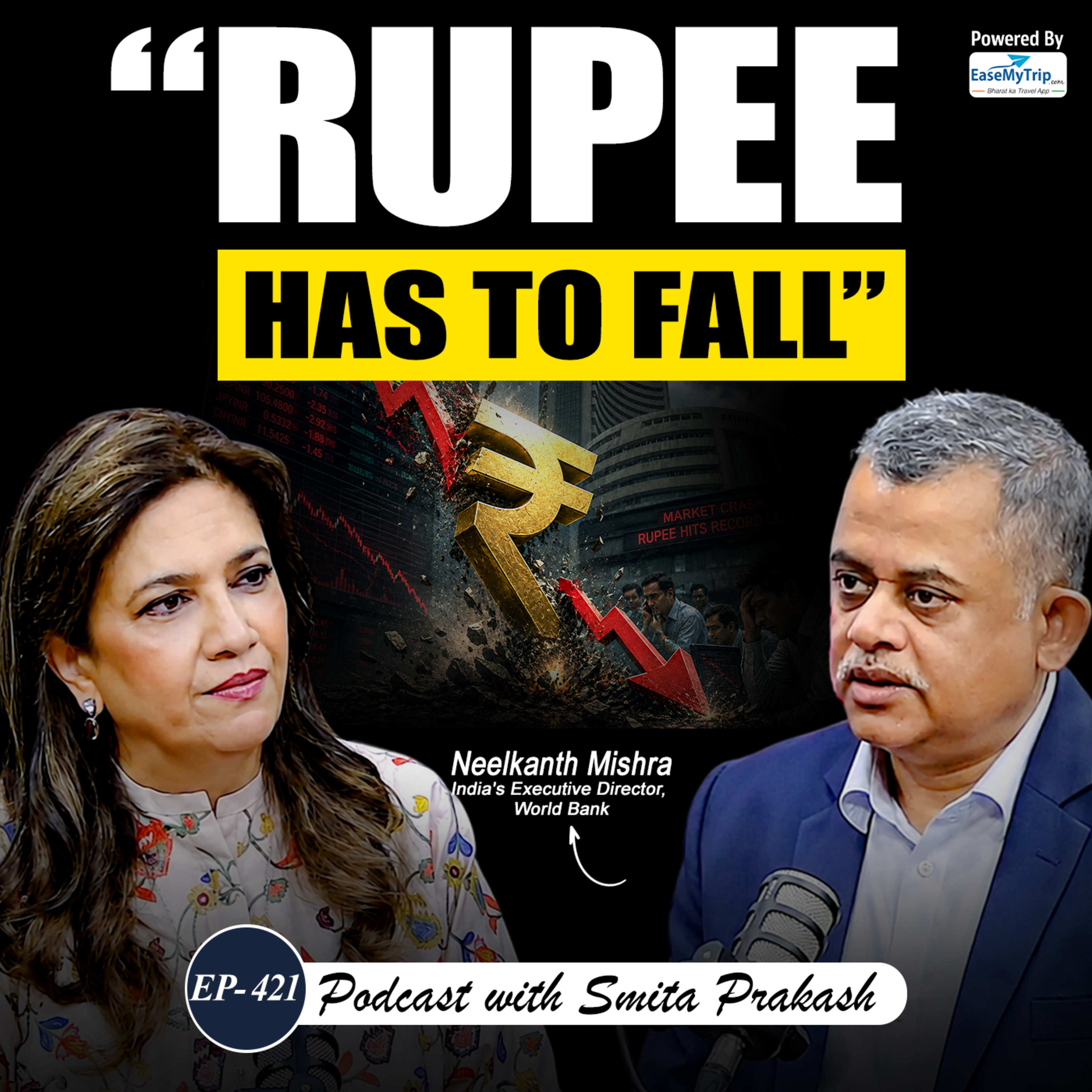
EP-421 | Where is India's Economy Heading Amid West Asia Crisis? | Economist Neelkanth Mishra
Jun 801:39:01Tap to summarizeNeelkanth Mishra is an Economist and a part-time member of the Economic Advisory Council to the Prime Minister. He has recently been appointed India’s Executive Director at the World Bank.In this episode of the ANI Podcast with Smita Prakash, Mishra breaks down India’s current economic position amid the West Asia crisis. He discusses the impact of the falling rupee, energy problem, capital flows, and concerns around foreign investors leaving India.00:00 – Introduction1:09 – India's Economic Growth Outlook7:37 – Are Foreign Investors Leaving India?12:27 – Innovation Challenge in India22:29 – India's Energy Vulnerability25:41 – Economic Impact of West Asia Crisis32:47 – US Tariffs on India36:32 – Rupee’s Fall48:31 – RBI’s Gold Reserves Position53:02 – Why Gold Overtook US Bonds57:29 – Domestic Demand vs Export-Led Growth1:05:38 – 3 Key Policy Advice for India’s Growth1:19:14 – Lessons from Global Capital Giants1:25:23 – RBI’s Hold on Repo Rate1:28:26 – Tax Exemption on Government Securities1:32:38 – India’s Next Phase of Economic Expansion
Transcribe →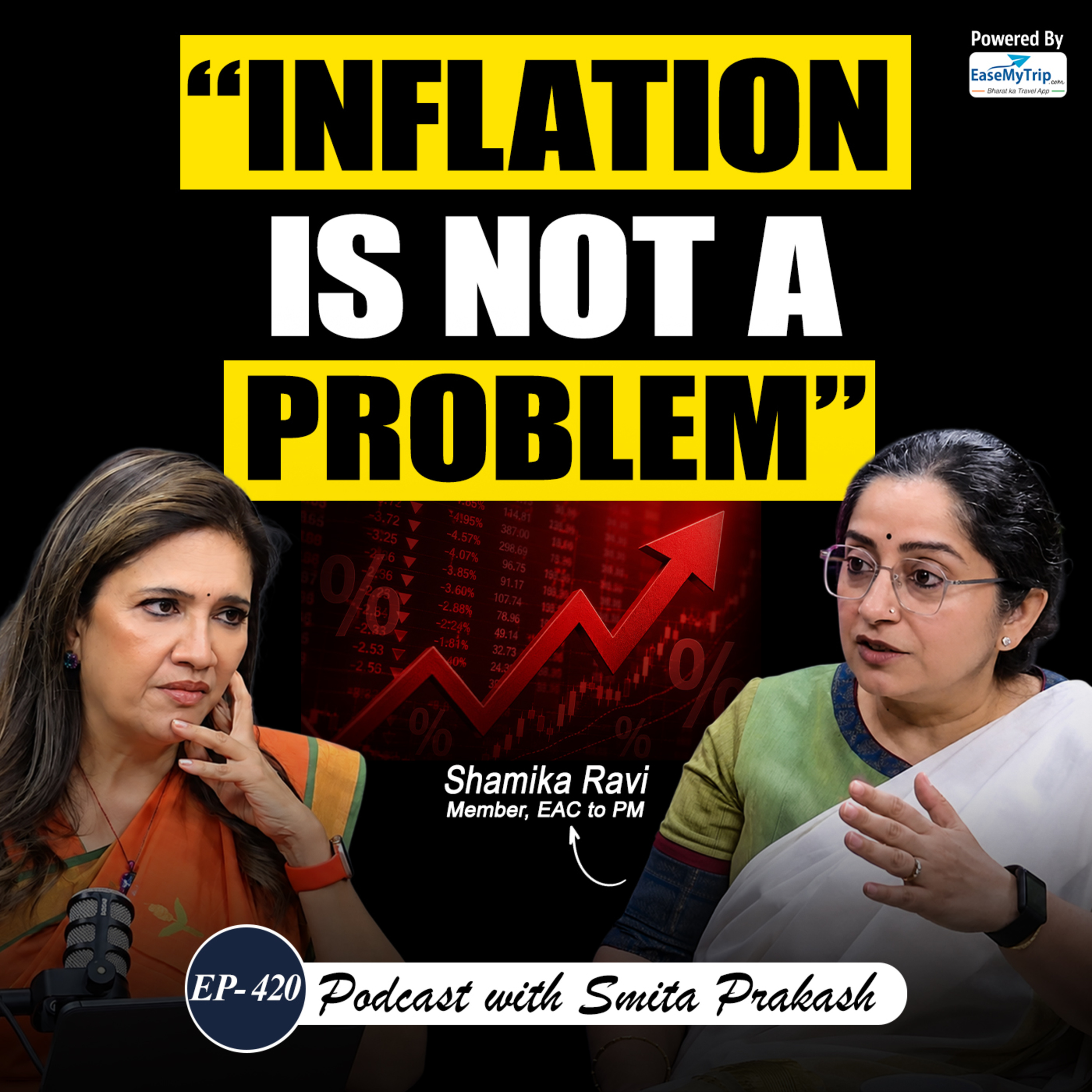
EP-420 | Falling Rupee, Inflation, AI, Foreign Investment & India's Growth Story | Dr Shamika Ravi
Jun 401:21:54Tap to summarizeDr Shamika Ravi is a Member of the Economic Advisory Council to the Prime Minister and a Secretary to the Government of India. Her research focuses on development economics, with a special emphasis on finance, healthcare, urbanisation, gender equality, welfare, and poverty.In this episode of the ANI Podcast with Smita Prakash, Dr Shamika Ravi discusses how the West Asia crisis impacts India's economy. She responds to critics who argue that India's growth story is over and shares her views on foreign direct investment, India's position in the artificial intelligence race, the falling rupee, rising inflation, and the country's economic outlook in 2026.Timestamps00:00 – Introduction00:48 – India's Economic Future04:29 – Foreign Direct Investment07:11 – India's Approach to AI11:09 – Indians' Purchasing Power15:13 – Nuclear Reactors17:28 – COVID-Like Crisis Coming?19:56 – Advice for Investors22:09 – India's Economic Growth25:16 – Freebies and Welfare Politics29:24 – Rural vs. Urban Consumption30:52 – Economic Reforms40:43 – PM's Advice Against Buying Gold44:43 – World Abandoning Free Market?48:43 – Market Privatisation in India50:26 – Market Solutions for New-Age Problems56:20 – India's Demographic Dividend1:06:03 – Demographic Change in India1:10:06 – Women's Reservation1:18:24 – PM Modi's Economic Vision for 2047
Transcribe →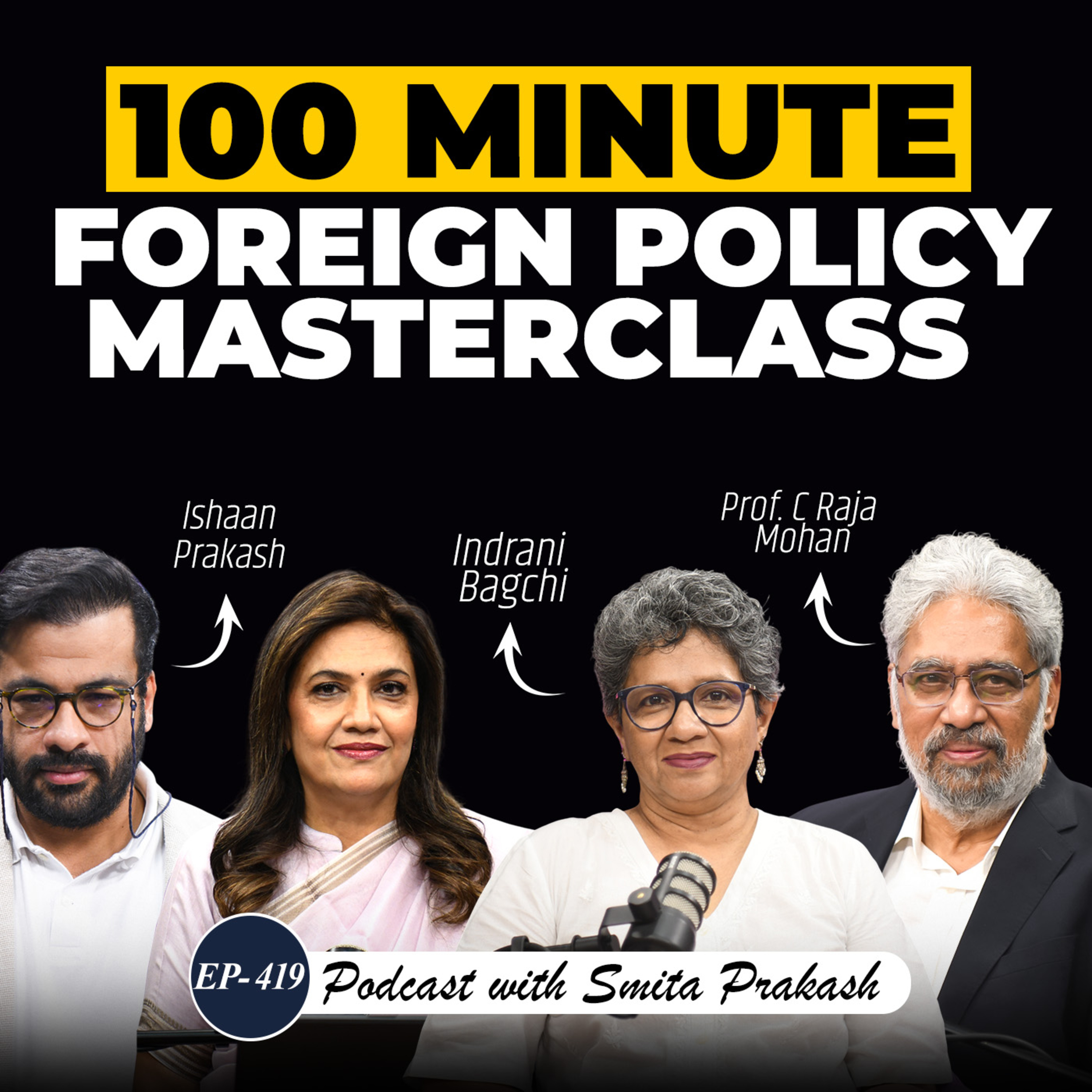
EP-419 | Trump, China & Pakistan: India's Foreign Policy Reality Check | Indrani Bagchi & C Raja Mohan
May 2901:38:16Tap to summarizeIndrani Bagchi is the CEO of Ananta Centre, a platform for dialogue, leadership and public policy. She has spent many years covering India's Ministry of External Affairs and is known for explaining global events from an Indian perspective.Prof. C. Raja Mohan is one of India's leading experts on foreign policy, national security and international relations. He has taught at major universities and has advised the Indian government on strategic and security issues.In this episode of the ANI Podcast with Smita Prakash and Ishaan Prakash, the guests discuss where India's foreign policy is headed. They talk about the West Asia crisis, the Trump–Munir relationship, and how India should respond to China's growing presence in the Indian Ocean. They also discuss India's ties with the United States and China, as well as the Great Nicobar Project and India's long-term strategic challenges.Timestamps00:00 – Introduction 01:23 – Marco Rubio’s India Visit 07:02 – India–US Trade Deal 10:41 – Trump–Xi Summit 15:15 – Trump’s Second-Term Doctrine 18:31 – India–US Relations 29:08 – Trump–Munir Lunch 33:33 – India’s Geopolitical Challenge 37:45 – How Energy, Tech & Trade Shape Geopolitics 45:38 – India’s Supply Chain Crisis 55:22 – India’s Economic Challenge 1:00:31 – Why India Needs Private Players in Defence 1:07:58 – West Asia’s New Alliances 1:18:23 – The Great Nicobar Project 1:28:20 – Tata–ASML Deal
Transcribe →