Podcast
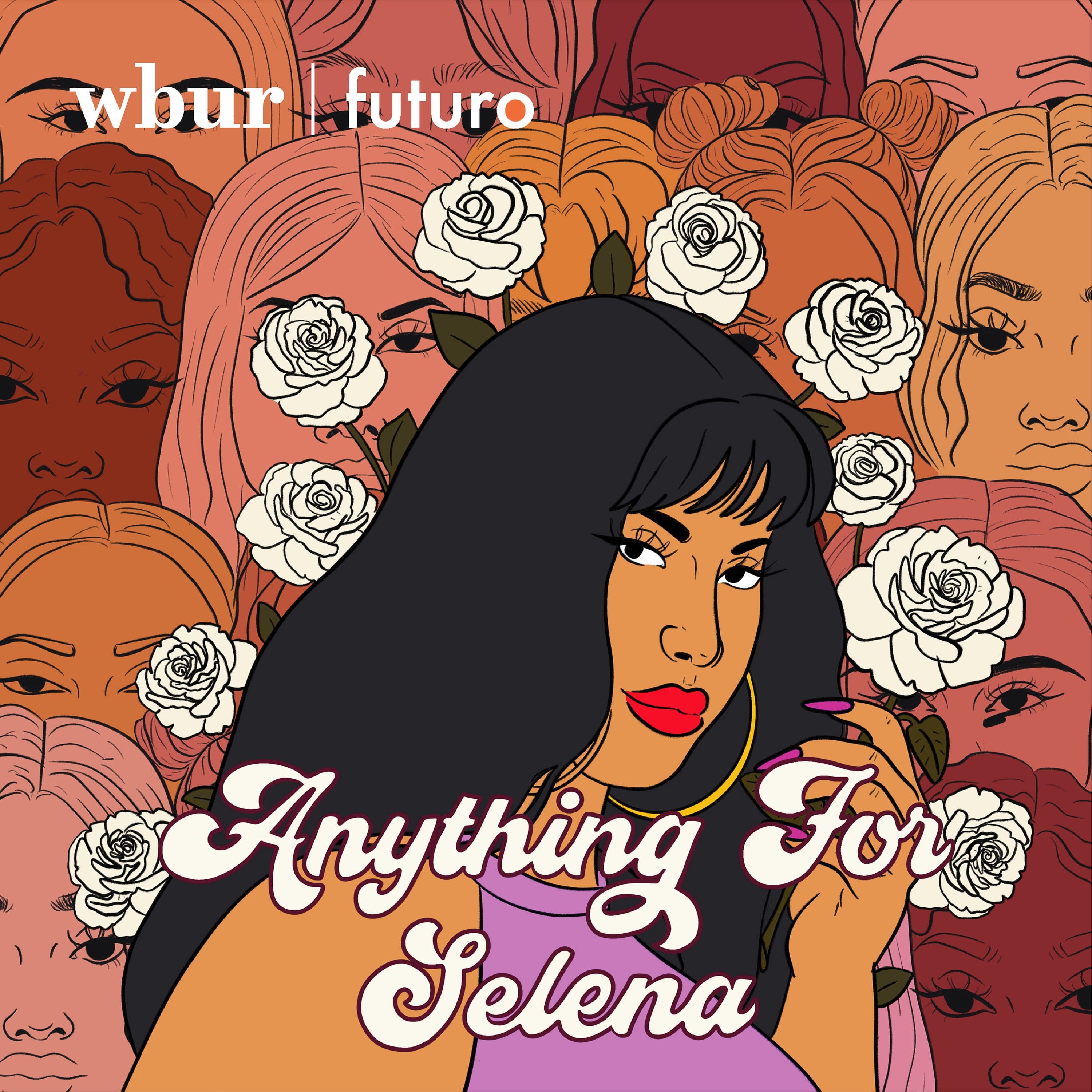
Anything For Selena
Hosted by WBUR & Futuro Studios · EN
Maria García combines rigorous reporting with impassioned storytelling to honor Selena Quintanilla's life and legacy. She also explores the indelible mark she left on Latino identity and belonging, whether it’s fatherhood, big-butt politics, and the fraught relationship with whiteness and language. Anything for Selena has been named an Apple Podcasts Series Essential.
12episodes
Episodes
Newest firstAll episodes
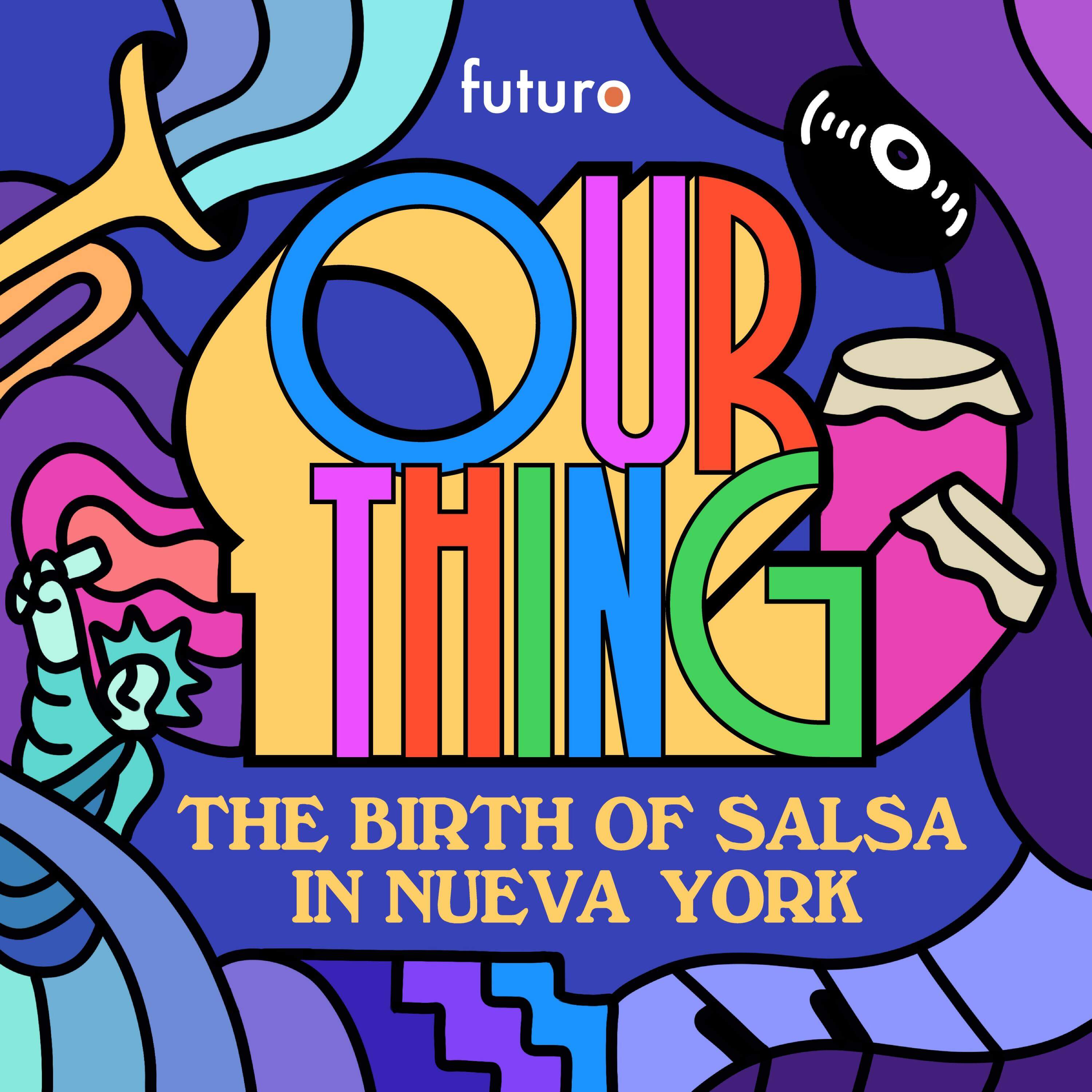
Introducing Our Thing: The Birth of Salsa in Nueva York (hosted by Rosie Perez)
Jun 300:39:26Tap to summarizeThe 1960s brings social and political change to the world and to New York City, where a young Johnny Pacheco keeps people dancing with his orchestra and charanga music. The Dominican musician is also going through a divorce and his lawyer, Jerry Masucci, happens to be a fan of Johnny’s music. The two form a music partnership that will forever change music. They call their music label Fania Records. Listen to Our Thing: The Birth of Salsa in Nueva York out now wherever you listen to podcasts.
Transcribe →
Introducing – La Brega: Season Three
Feb 1100:35:59Tap to summarizeThe Futuro Studios podcast, La Brega, returns for its third season. In Season 3, La Brega shares stories of Puerto Rico’s champions. They take us to the ballfields and cultural battlegrounds where carrying the flag takes on even more meaning. You’ll meet fighters who have represented Puerto Rico in courtrooms and in boxing rings, and icons who have worn Puerto Rico on their sashes and their jerseys. La Brega asks: what do we learn about Puerto Ricanness by spending time with our champions? La Brega: Season 3 is out everywhere on 2/3. New episodes every Tuesday on the La Brega: Campeones feed.
Transcribe →Bonus: Host Maria Garcia and artist Maya Murillio celebrate Selena [LIVE in LA]
May 9, 202500:40:23Tap to summarizeIn this special bonus episode of Anything for Selena, host Maria Garcia and artist Maya Murillo come together in front of a live audience at the Apple Store at The Grove in Los Angeles to celebrate Selena's legacy and the induction of Anything for Selena into Apple Podcasts Series Essentials.
Transcribe →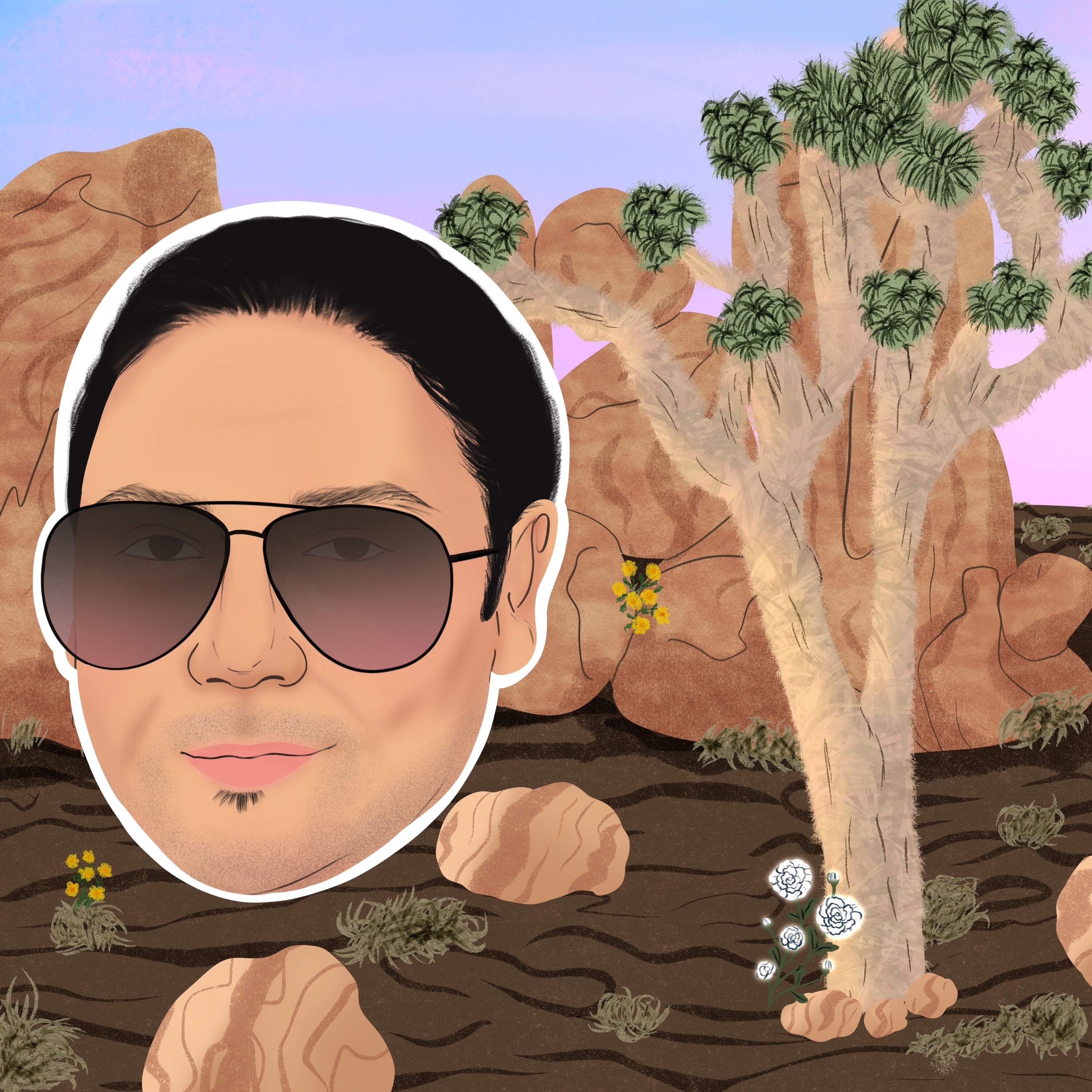
BONUS: Selena and Chris
Mar 5, 202100:44:49Tap to summarizeMaria heads to Joshua Tree, California for an intimate interview with Selena's widower, Chris Perez. Chris shares a side of Selena we rarely get to see, and Maria learns about how romantic love was one of the ways Selena charted her own path.
Transcribe →
BONUS: Anything for Selena Live!
Mar 4, 202100:45:00Tap to summarizeIn this intimate Q&A, host Maria Garcia and producers Antonia Cereijido and Kristin Torres take listeners behind the scenes for a look at the making of Anything for Selena. This episode was recorded live during a virtual event with WBUR Cityspace.
Transcribe →
Selena and Us
Mar 2, 202100:35:18Tap to summarizeIn the series finale of Anything for Selena, Maria reflects on what her year-long examination into Selena’s legacy reveals about La Reina’s humanity.
Transcribe →
Selena and Race
Feb 23, 202100:45:09Tap to summarizeAfter the premiere of Selena: The Series on Netflix, some fans claimed Selena had been "whitewashed" in the show. In this episode, Maria analyzes why Selena's brownness is an essential part of her legacy and reflects on how the exploration of Selena's race led Maria to revelations about her own identity.
Transcribe →
Selena and the Internet
Feb 16, 202100:42:18Tap to summarizeA quarter century after her death, Selena is breaking the internet. Online, Selena’s image and music have taken on new life on social media and platforms that weren’t even imaginable when she was still alive. Selena devotees of all ages have turned to Instagram, TikTok and Youtube to restore and remix Selena’s memory. In this episode, Maria explores how the internet has become a place where fans celebrate and remember Selena, as well as grapple with the void she left behind.
Transcribe →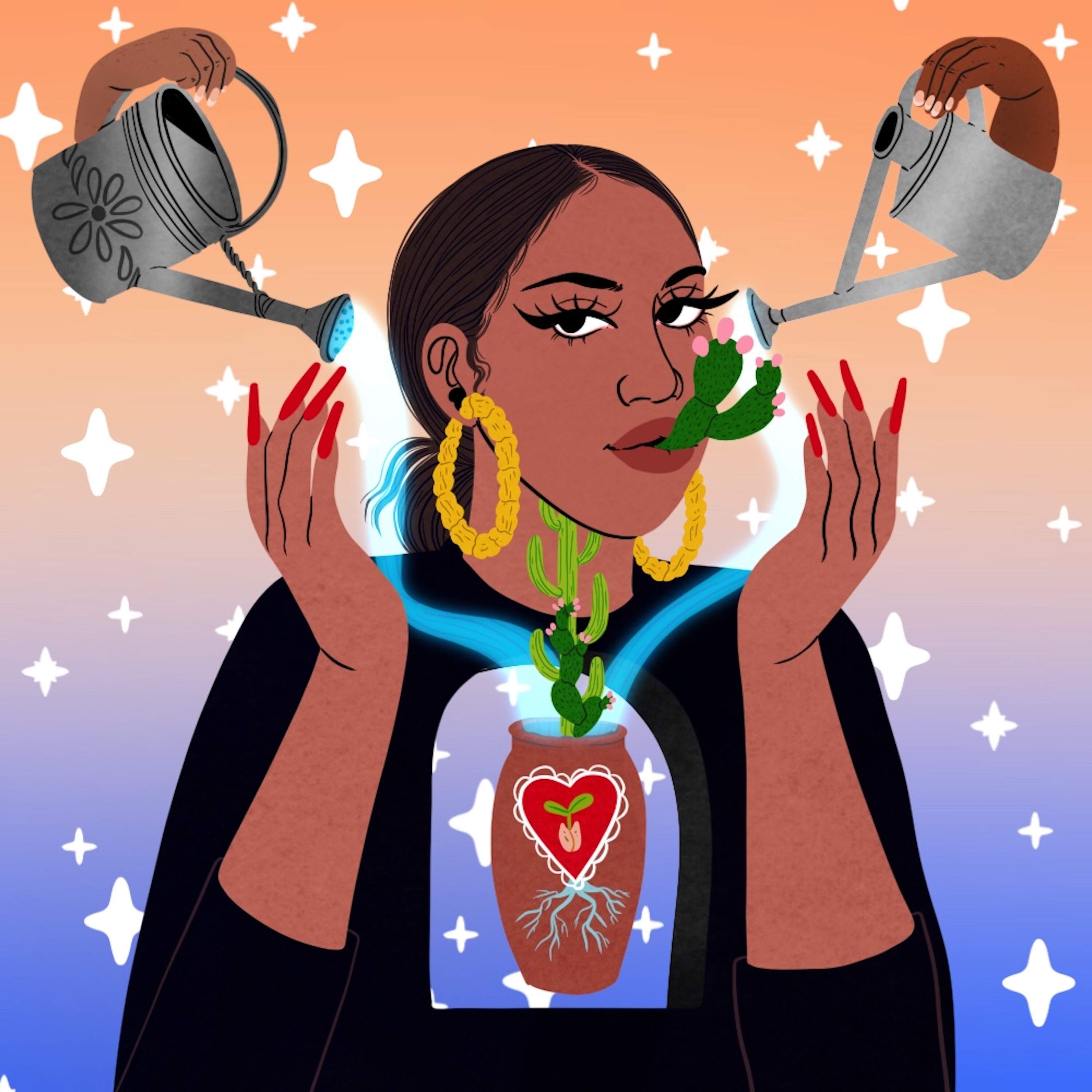
Spanglish
Feb 9, 202100:43:04Tap to summarizeSelena Quintanilla may have built her career singing Spanish songs, but she didn’t grow up speaking Spanish at home. She learned Spanish in the public eye, and her mistakes became some of her most famous and endearing moments. In this episode, Maria explores why Selena’s Spanglish seemed so revolutionary for its time, and yet so familiar to many fans who also struggled with the language of their heritage. The exploration takes us to an unexpected place.
Transcribe →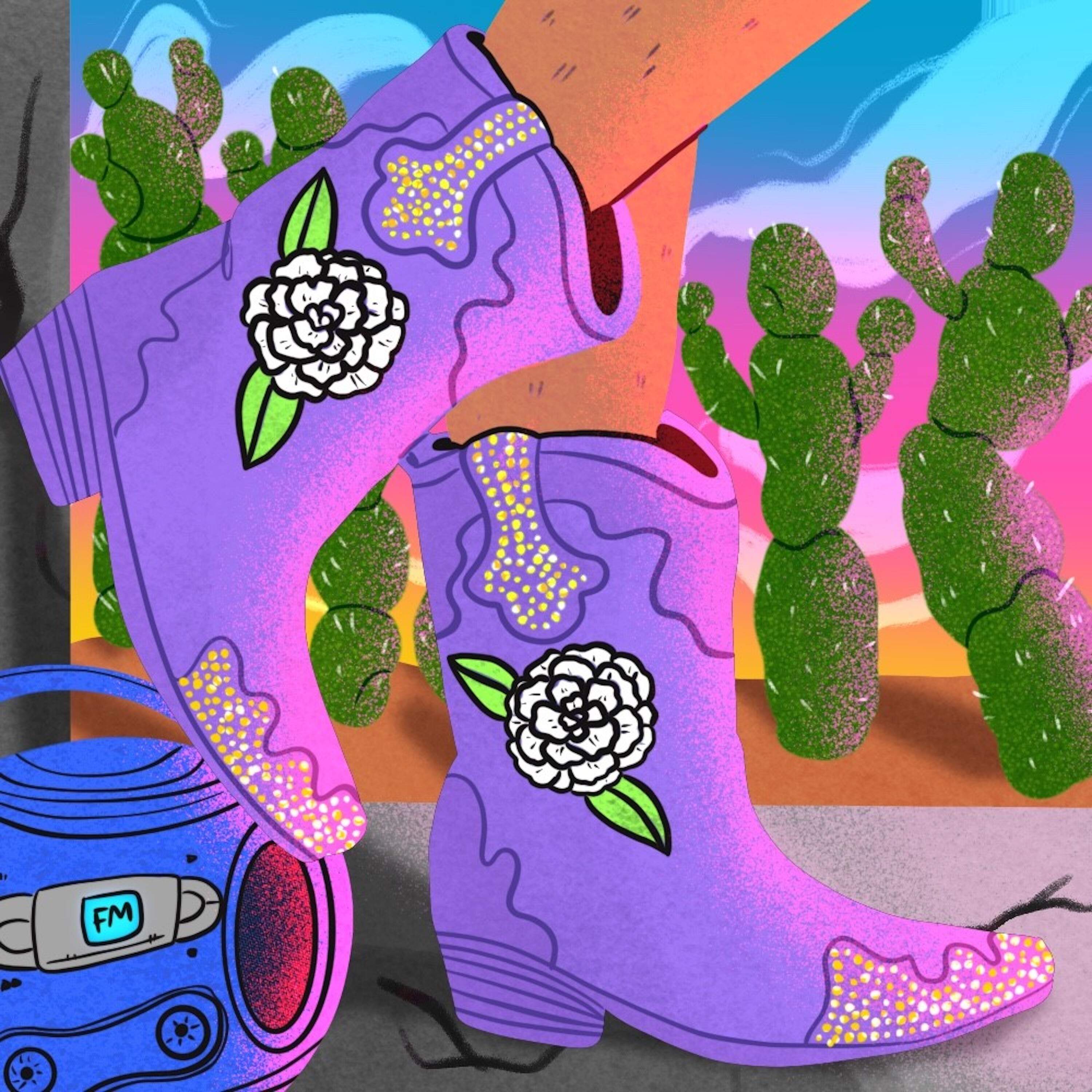
Tejano Tension
Feb 2, 202100:38:34Tap to summarizeSelena is often called the "Queen of Tejano music." In the 1990s, she brought this underdog genre to international heights. Tejano award shows were glitzy affairs and Tejano radio DJs were like rock stars in Texas and the Southwest. Even the New York Times called it the fastest-growing Latino genre in the country. But when Selena died, Tejano went from boom to bust. The story of Tejano's decline isn't so simple, though. Maria discovers that it's a story of immigration, money and how two often-ignored groups were pitted against each other.
Transcribe →