Podcast
Anything For Selena
Hosted by WBUR & Futuro Studios · EN
Maria García combines rigorous reporting with impassioned storytelling to honor Selena Quintanilla's life and legacy. She also explores the indelible mark she left on Latino identity and belonging, whether it’s fatherhood, big-butt politics, and the fraught relationship with whiteness and language. Anything for Selena has been named an Apple Podcasts Series Essential.
13episodes
Episodes
Newest firstAll episodes
Tejano Tension
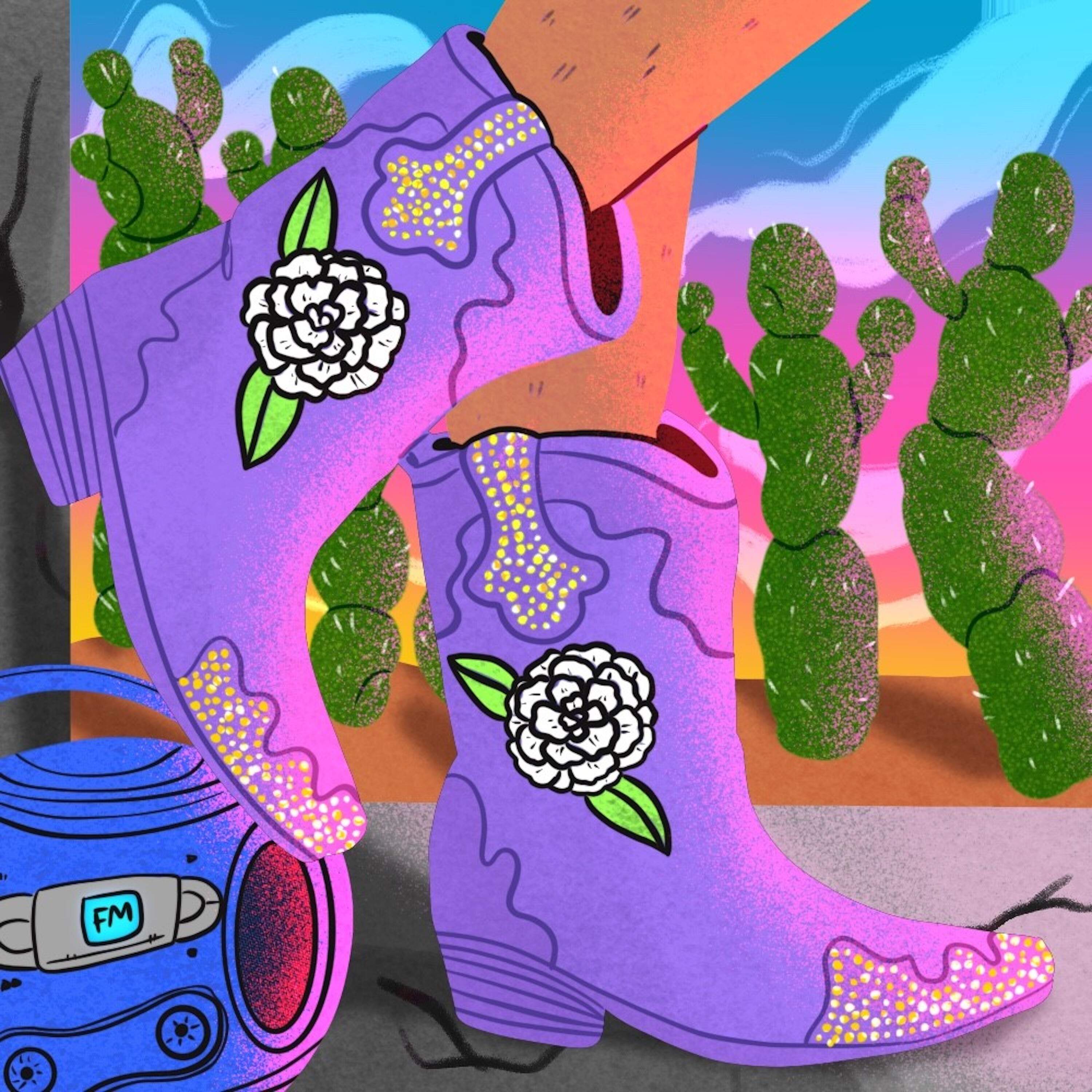
Feb 2, 202100:38:34Tap to summarizeSelena is often called the "Queen of Tejano music." In the 1990s, she brought this underdog genre to international heights. Tejano award shows were glitzy affairs and Tejano radio DJs were like rock stars in Texas and the Southwest. Even the New York Times called it the fastest-growing Latino genre in the country. But when Selena died, Tejano went from boom to bust. The story of Tejano's decline isn't so simple, though. Maria discovers that it's a story of immigration, money and how two often-ignored groups were pitted against each other.
Transcribe →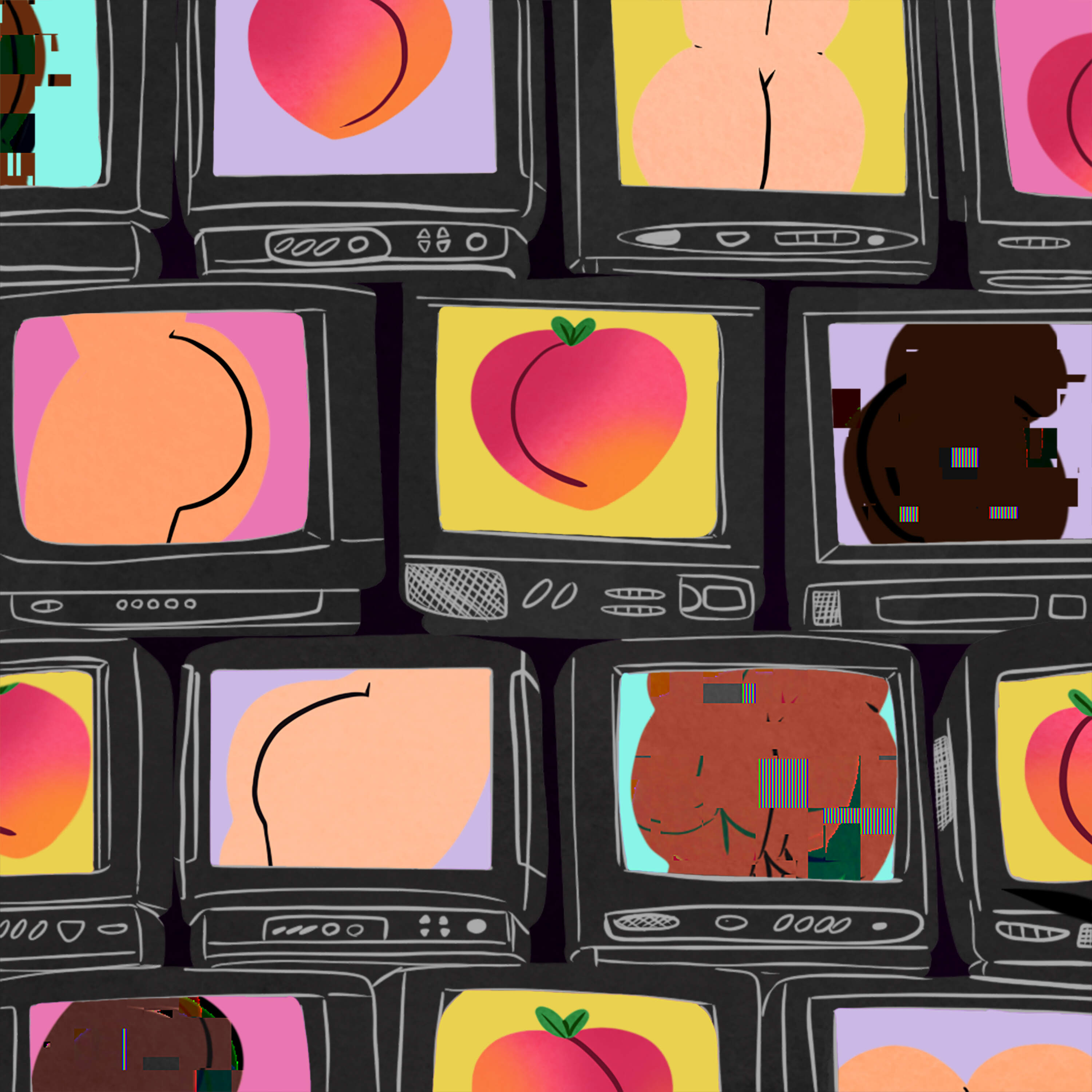
Big Butt Politics
Jan 26, 202100:44:35Tap to summarizeNearly 30 years ago, Sir-Mix-A-Lot’s “Baby Got Back (I Like Big Butts)” hit the airwaves to the delight and shock of listeners. Today, the obsession with big butts is still strong with idols like Cardi B and Beyonce. It has also permeated white culture, with Kim Kardashian “breaking the internet” and butt selfie queen Jen Selter. Maria has a theory about how big butts went from taboo to obsession--and it involves Selena and Jennifer Lopez. She uncovers that booty politics is ultimately about race and brings us to a long overdue conversation about anti-blackness within the Latinx community.
Transcribe →
Birth of a Symbol
Jan 19, 202100:41:54Tap to summarizeIn her life, Selena was a symbol of hope. She became a role model for how Latinos could achieve the American dream and find acceptance. But a forgotten culture war following her death painted a different picture. In the 25 years since her murder, Selena’s image has taken on new meaning. In this episode, Maria traces how Selena became a symbol of solidarity and resistance.
Transcribe →