Loading summary
Transcript14 lines
- [00:05]
Elizabeth Findell
Good morning.
- [00:06]
Sumita Basu
It's Wednesday, December 4th. I'm Sumita Basu. This is Apple News today. On today's show, why home builders are worried about Trump's next term. Gaza prepares for a brutal winter and how to keep your packages safe from porch pirates. But first, when Tennessee banned gender affirming care for transgender kids last year, Sarah took time off from work to drive her son hundreds of miles from Nashville to a clinic in North Carolina that would treat him. A month later, North Carolina enacted a similar ban. Sarah, who's using a pseudonym out of concern for her family's safety, told CNN she did the math and she panicked. The closest state without a ban was now Ohio, more than 400 miles away. This is a scenario more and more parents of transgender kids are facing as states ban the type of care that they say they need. And today, the Supreme Court will weigh in on the issue of healthcare for trans minors. For the first time, the court will decide whether Tennessee can keep a ban in place on things like puberty blockers, hormone therapy, and surgery for transgender minors. But as reporter Orion rumler with the 19th tells us, this goes beyond tennis.
- [01:24]
Orion Rumler
26 states ban this care very similarly to how Tennessee does. So whatever the court says here in this case will set precedent in these other states.
- [01:37]
Sumita Basu
Last year, the ACLU filed a lawsuit against Tennessee, arguing that banning this type of healthcare for trans kids violates the 14th amendment that is discrimination based on sex. Tennessee's attorney general has said the law is not discriminatory because it applies to all genders and that it sets age and use based law limits on these treatments, Rumler said. This idea that healthcare procedures can be banned for certain purposes or certain groups has some experts concerned about what this case could mean for all people if.
- [02:09]
Orion Rumler
A state can do this. If a state can step in and say we want to ban or restrict this form of medical care for a specific demographic group of people, they see that as dangerous and that it could potentially enable the government to control people's health decisions or enact what many legal experts would consider other blatantly discriminatory policies.
- [02:34]
Sumita Basu
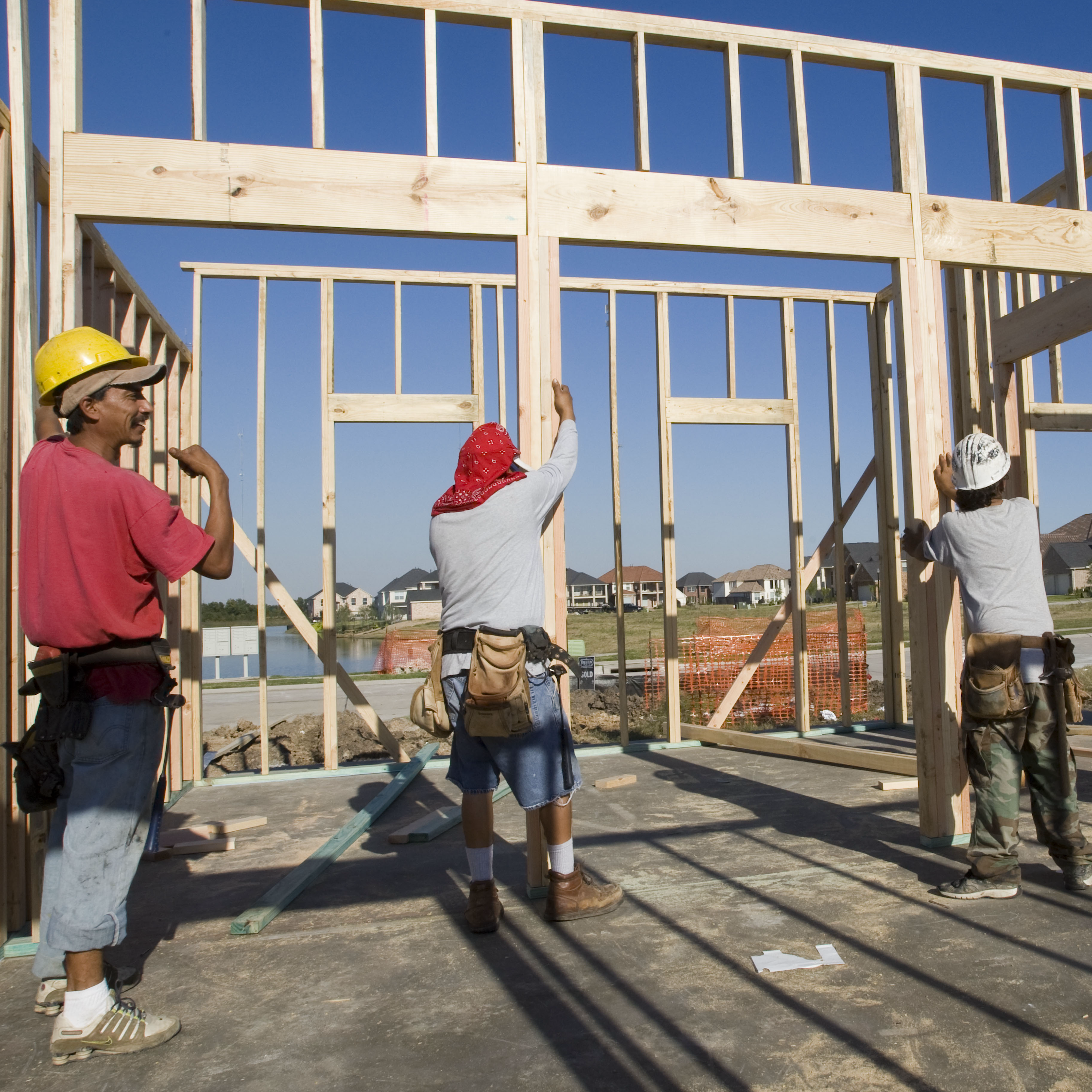
Similar bans have ended up in court before, though with mixed results. A judge in Arkansas temporarily blocked that state's ban from going into effect, though state lawmakers ended up passing a law that makes it difficult for physicians to get malpractice insurance coverage for gender affirming care, effectively what some call a backdoor ban. Sarah, the mother in Tennessee, told CNN she sees her son's treatment as absolutely vital. Before receiving hormone therapy, she says her son was Withdrawn, frustrated with puberty and had attempted suicide. But since getting treated, she sees him feeling more confident and more at peace. She says she'll do whatever it takes to, quote, keep us safe and him happy, even if that means moving to another state. Although oral arguments begin today, the Supreme Court's decision won't be known until sometime next year. There are two policies President Elect Trump has repeatedly promised to enact when he takes office in a few weeks. One, deporting massive numbers of migrants who are in this country illegally, and two, imposing tariffs on non American goods. Those two policies together could have major impact on one industry in particular, construction. Elizabeth Findell, a national reporter for the Wall Street Journal in Texas, has been speaking with people who work in construction.
- [04:02]
Elizabeth Findell
Most people said they don't really know that they can prepare. One home building company, its president, said that they had started an internal assessment of how much the tariffs could increase their home price. Another head of a large home building company, when I asked him what he was thinking of doing, he said retire.
- [04:24]
Sumita Basu
Undocumented workers make up an estimated 13% of the construction industry. That's more than twice the number for the entire American workforce. And in places like Texas, California and New Jersey, that number is even higher. Trump's promise of mass deportations could make hiring for these jobs much more difficult.
- [04:43]
Elizabeth Findell
Builders really told me that even when unemployment is really high, they still don't find many native born Americans who are willing to take their most physically difficult jobs, especially in hot areas where you can be out in temperatures of 110, 120 degrees, trying to frame a house or lay pipe or something like that. And it tends to be immigrants who want to take those jobs.
- [05:14]
Sumita Basu
Trump has also proposed tariffs of up to 25% on goods coming in from Canada and Mexico. That could hit some of the essentials for home building, like imported lumber, steel and cement. And the effects won't be limited to just construction. It'll impact the whole housing market.
- [05:30]
Elizabeth Findell
Builders are telling me that these policies are going to increase home prices and potentially slow down building, which is significant because we're seeing all over the country now increased home prices and shortages of housing in a lot of places. And the availability of affordable housing was a significant issue in the campaign. Both candidates talked about it. So to have policies that could have the opposite impact would be significant.
- [06:01]
Sumita Basu
At the same time, the construction industry largely supports Trump, in part because Trump has said he would ease regulations to allow for more building to take place, even on federal land. Industry leaders told Findel that although there's a lot of anxious energy right now. A lot of them are hopeful they'll have Trump's ear. Let's turn now to the war in Gaza. On Monday, President elect Donald Trump said there would be, quote, hell to pay if hostages being held by Hamas aren't released before he takes office in January. Israel estimates there are at least 60 hostages presumed to still be alive and held in Gaza, including three Americans. Israel's Prime Minister Benjamin Netanyahu thanked Trump for his strong statement. Hamas has said the war needs to end and Israel needs to withdraw from Gaza as part of any deal to release the remaining hostages. Netanyahu won't agree to those terms and says the war will continue until Hamas is eradicated. In the 14 months since the war began, 44,000 Palestinians have been killed by Israel's military offensive. The UN says that almost all of Gaza's population of 2.3 million people has been displaced. Earlier this week, Israel's former defense minister called Israel's operation in Gaza an ethnic cleansing. Meanwhile, Palestinians in Gaza are bracing for a long and cold winter. Aid groups say that malnutrition, hypothermia and the flu will become some of the less visible consequences of war. CNN spoke to displaced families living on the shore of the Mediterranean Sea who were hit by the first really heavy rainstorm of the season. Earlier this week, CNN captured video of children walking around barefoot as their parents shoveled sand in an attempt to protect their nylon and plastic tents from the tides. Strong winds and dropping temperatures added to the damage, with nighttime temperatures dipping into the 40s. Umm Fadi told CNN that they are trapped from all directions by the sea, by Israel, displacement and hunger. And here's another displaced Palestinian, Mohammad Yunus. He says the sea engulfed us. Where do we go? We can't live. We can't eat. And he asks how he'll keep his kids warm tonight and through the winter. Aid workers told NPR that it's been hard to prepare for winter because not enough aid is getting into the country. Last week, the UN Agency for Palestinian refugees said it was pausing aid deliveries along a key route because armed gangs have been threatening aid workers and looting convoys. The UN Blames Israel for restricting the flow of aid. Israel blames Hamas and says it is allowing aid in. But the head of a humanitarian group on the ground says at the rate aid is moving in, it would take at least two years to get the supplies needed to cover people in Gaza. Just for this winter. Before we let you go, a few other stories being featured in the Apple News app. President Biden is in Angola this week. Week on what is possibly his final overseas trip before he leaves office. He's the first sitting president to visit the country. He's there to promote American investment in Sub Saharan Africa at a time when the US And China are vying for influence over the region. He also visited a slavery museum yesterday, where he called slavery America's quote, original sin.
- [09:49]
Joe Biden
While history can be hidden, it cannot and should not be erased. It should be faced. It's our duty to face our history, the good, the bad and the ugly, the whole truth. That's what great nations do.
- [10:04]
Sumita Basu
Reporters traveling with the president also asked about his decision to pardon his son, Hunter Biden. The White House press secretary told reporters that Biden wrestled with the decision but stands by it. In other news yesterday the Department of Labor announced a new rule that could impact the wages of roughly 40,000Americans with disabilities. Bloomberg News explains that since since the FDR era reforms in the New Deal, there had been a law on the books that allows employers to pay some workers with disabilities less than the federal minimum wage, which is currently $7.25. The justification for the law at the time was that disabilities hinder productivity, but we have, of course, come a long way since then. The new rule announced yesterday would phase out this practice. And finally, as all your Black Friday and Cyber Monday online shopping is starting to make its way to your doorstep. Beware of porch pirates. Tis the season for grinchy behavior. According to one safety and security group that tracks package Theft, more than 120 million packages were stolen across the U.S. in 2023. NPR says there are a lot of new services out there that can help to keep your packages safe, including porch pirate bags, which lock to your front door. Amazon can also deliver directly into your garage in certain locations if you're a prime subscriber. Experts say smart doorbells are good deterrents too, and can help police CA thieves. And the Wall Street Journal has an article about a new insurance service called Porch Pals to cover the cost of stolen packages. But as the article points out, no option is really foolproof. You can find all these stories and more in the Apple News app. And if you're already listening in the news app right now, we've got a narrated article coming up next. Rolling Stone has the story of a body found in a New York nightclub and why it took more than 20 years to figure out the victim's identity and what happened. If you're listening in the podcast app, follow Apple News Narrated to find that story. And we'll be back with the news tomorrow.