
Podcast
Apple News Today
Hosted by Apple News · EN
Join Shumita Basu every weekday morning as she guides you through some of the most fascinating stories in the news — and how the world’s best journalists are covering them.
486episodes
Episodes
Newest firstAll episodes

Trump wanted a quick Reflecting Pool fix. Here’s how it’s fallen apart.
5d ago00:13:28Summary readyPresident Trump publicly criticized U.S. Attorney Jeanine Pirro for dropping vandalism charges tied to the Lincoln Memorial Reflecting Pool renovation. The Washington Post’s Dan Diamond explains what went wrong. Authorities in Spokane, Washington, charged a suspect with arson in one of three wildfires that have forced more than 60,000 evacuations and destroyed hundreds of homes. MyNorthwest reports federal help is on the way to aid fire victims. Millions of Americans have lost SNAP benefits since new eligibility rules took effect last year. NPR reports bigger cuts to the food-assistance program are coming this fall. Plus, a man was arrested with ammunition at President Trump’s L.A. golf course, embattled GOP Rep. Max Miller requested a House investigation into himself, and a discarded piece of a SpaceX rocket crashes into the moon. Today’s episode was hosted by Gideon Resnick.
Summary
Why the fight for Senate control might run through Michigan
6d ago00:14:24Summary readyVoters head to the polls in Michigan’s Democratic Senate primary, a race that could shape control of the chamber. The Atlantic’s Russell Berman explains how a progressive candidate and an establishment favorite are battling over Israel policy and electability in a key battleground. RFK Jr. is defending the administration’s measles response and says families should vaccinate their kids. The Wall Street Journal’s Liz Essley Whyte breaks down the pressures he’s facing behind the scenes. Baltimore is overhauling 911 to send social workers, not police, to certain crisis calls. WYPR’s Scott Maucione explains what’s driving that effort. Plus, Michigan health officials reported the first deaths in the cyclosporiasis outbreak, two key Senate Republicans cleared the way for Todd Blanche’s confirmation as attorney general, and a tiny Pacific nation changed its name. Today’s episode was hosted by Gideon Resnick.
Summary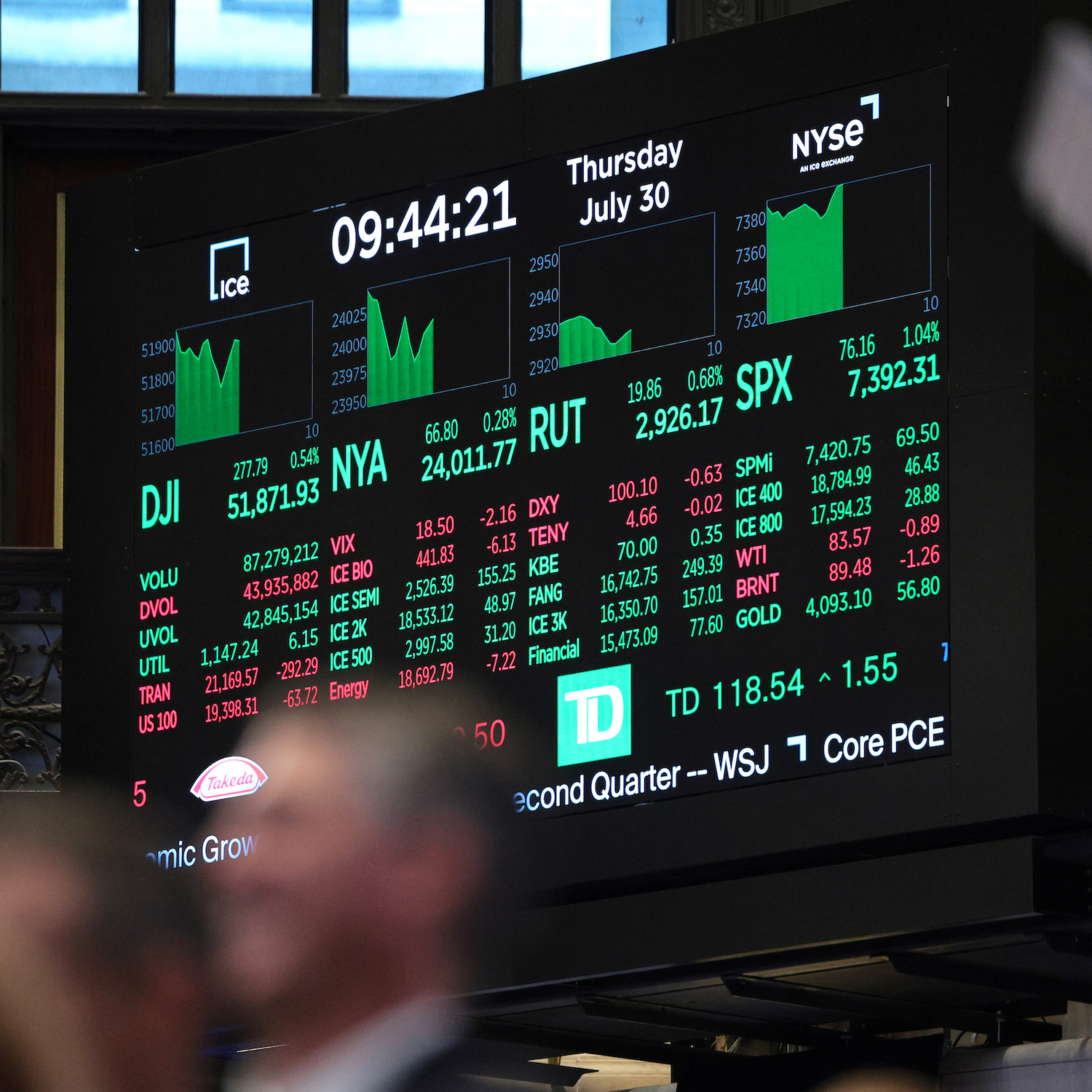
Why Wall Street is paying big for early access to Trump’s posts
1w ago00:15:17Summary readyPresident Trump said the U.S. brokered a deal for Hamas to disarm and for Israel to leave Gaza, but neither side has moved on it yet. The Washington Post’s Michael Birnbaum explains why. Wall Street firms can now pay up to $100,000 a month for early access to Trump’s Truth Social posts. The Wall Street Journal’s Caitlin Ostroff breaks down the edge this new service gives investors — and the insider-trading concerns it’s raising. Tens of thousands of migrants rushed into the Spanish territory of Ceuta in North Africa last week, only to be turned away almost immediately. Reuters’s Victoria Waldersee unpacks the factors that contributed to the surge. Plus, how a bitter family feud between two Ohio lawmakers over abuse allegations is threatening an otherwise likely safe GOP seat, why FIFA's president is facing a mutiny, and women’s professional baseball players have a new league of their own.
Summary
How America’s gun obsession really started
1w ago00:29:35Summary readyFrom Apple News In Conversation: This year, the U.S. has seen more than 270 mass shootings — and firearms remain the leading cause of death for American children and teens. But solutions appear largely out of reach. New York Times reporter Mike McIntire, a gun owner himself, traces how we got here in his new book, Ricochet: Guns, Greed, and the American Way of Violence. McIntire talks to Apple News In Conversation guest host David Greene about the surprising origins of the Second Amendment, how an obscure Democrat helped turn the National Rifle Association into a powerful lobby, and paths to reducing violence.
Summary
A surprising slowdown in the U.S. economy. Here’s what’s going on.
1w ago00:14:39Summary readyThe U.S. economy saw a surprising slowdown, but the picture is more complicated. Courtenay Brown from Axios explains. White House priorities are hitting a wall in the Senate, deepening a rift between President Trump and Majority Leader John Thune. Semafor’s Burgess Everett tells us why the math doesn’t add up for Trump’s agenda. A court-ordered review found serious failures in medical care at California’s largest ICE detention center. The San Francisco Chronicle’s Ko Lyn Cheang breaks down the findings and what detainees say they’re enduring inside. Plus, the father of a high-school shooter was sentenced to 15 years for buying him the gun and failing to intervene, European countries agreed to boycott the World Cup, and Ben Affleck’s quiz-show success. Today’s episode was hosted by Gideon Resnick.
Summary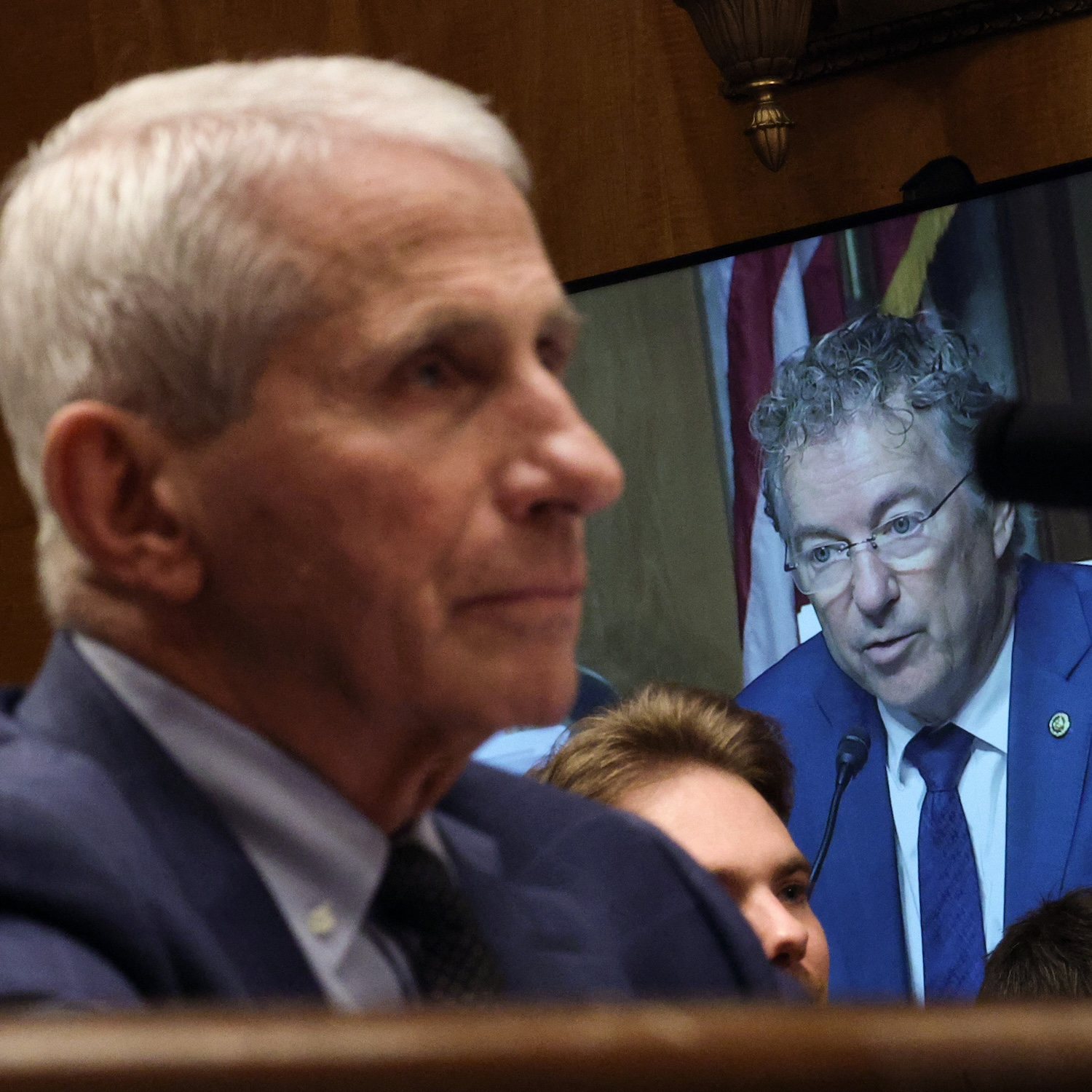
“Unhinged obsession”: inside Fauci’s tense hearing on Capitol Hill
2w ago00:16:28Summary readyDr. Anthony Fauci refused to answer questions at a combative Senate hearing about the COVID-19 pandemic. The Wall Street Journal’s Liz Essley Whyte explains the tension behind the clash. The Democratic National Committee faces a cash shortage less than 100 days before the midterms. NOTUS’s Elena Schneider breaks down how Chair Ken Martin’s rocky tenure could complicate the party’s plans to flip Congress. FIFA President Gianni Infantino wants to sell shares in the World Cup to private investors, angering soccer’s biggest institutions. The Times of London’s Martyn Ziegler explains the plan and its ties to Trump’s circle. Plus, the Fed held rates steady in a divided vote, wildfires continue to burn across southern Europe, and why BTS won’t submit music for the 2027 Grammys. Today’s episode was hosted by Gideon Resnick.
Summary
Why some Republicans are worried about their core voters
2w ago00:13:29Summary readyLindsey Graham’s funeral brought together President Trump, Israeli Prime Minister Netanyahu, and Ukrainian President Zelenskyy. Reuters’s Gram Slattery breaks down what came of it. Republican pollsters are worried that economic frustration is sapping midterm enthusiasm from the GOP base. The Washington Post’s Liz Goodwin explains why party stalwarts are souring on its handling of the economy. New data shows that the number of kids living in big U.S. cities has fallen sharply over the past decade. The Wall Street Journal’s Rachel Ensign joins to discuss why. Plus, a deadly 7.1-magnitude earthquake hit Japan, Johnson & Johnson offered to pay billions to settle lawsuits over its talc products, and a Minnesota law is bringing happy hour to retirement homes. Today’s episode was hosted by Gideon Resnick.
Summary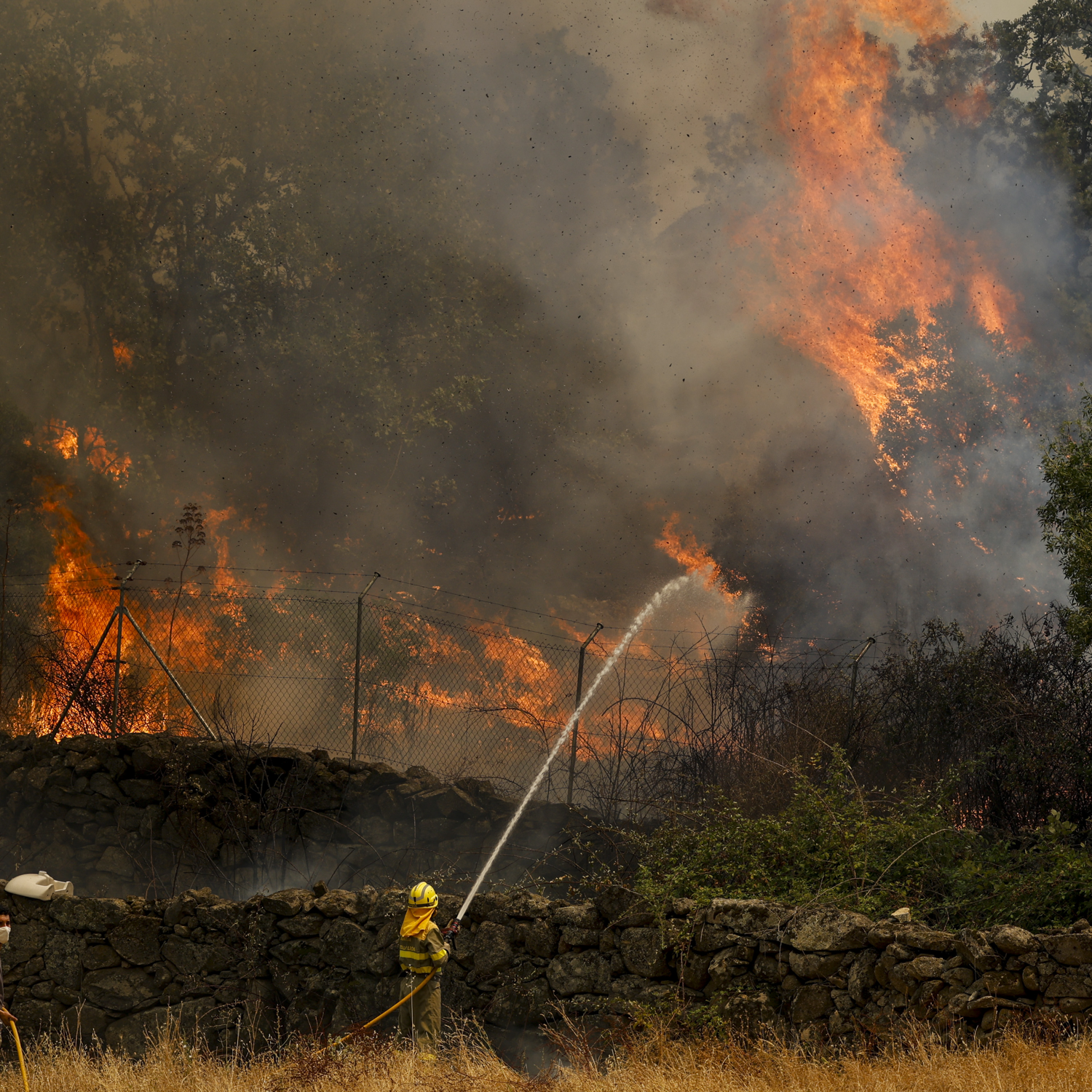
France and Spain race against the clock to contain extreme wildfires
2w ago00:13:38Summary readyWildfires continue to burn in France and Spain, and an incoming heat wave is threatening to make things worse. Reuters’s Manuel Ausloos describes the devastation. The Federal Reserve kicks off a two-day meeting with unusual uncertainty, because new Chair Kevin Warsh has offered no forward guidance on rates. USA Today’s Rachel Barber breaks down the difficult situation the central bank is in. A new GAO report shows a sharp rise in Amazon and gig-economy workers relying on food stamps and Medicaid. The Washington Post’s Lauren Kaori Gurley explains why. Plus, police in Seattle are searching for a third suspect connected to the shooting at a food festival, Sen. Mitch McConnell gave an update on his health, and how signing LeBron James was a bargain for the Philadelphia 76ers. Today’s episode was hosted by Gideon Resnick.
Summary
The U.S. and Iran abruptly paused their attacks. Is this why?
2w ago00:14:13Summary readyThe U.S. paused its bombing campaign against Iran after 13 nights of strikes, as talks proceed behind the scenes. Reuters’s Phil Stewart explains what could come next. India’s education minister resigned after protests over the botched handling of a national medical exam. NPR looks at how Prime Minister Narendra Modi was forced into a rare retreat. Darline Graham, sister of the late Sen. Lindsey Graham, is running for a full Senate term at President Trump’s urging. The Associated Press’s Meg Kinnard breaks down why some South Carolina Republicans are uneasy. Plus, police in Berlin killed the suspect in a deadly attack on the city’s Pride festival, the Trump administration is reviewing how it vets immigration officers after a shooting in Maine, and Tadej Pogačar won his fifth Tour de France. Today’s episode was hosted by Gideon Resnick.
Summary
Inside the revelations from Trump’s $2 billion financial disclosure
2w ago00:27:21Summary readyFrom Apple News In Conversation: President Trump earned more than $2 billion in his first year back in office. According to a mandatory financial disclosure released in June, most of that fortune came from cryptocurrency ventures. David Kirkpatrick, a staff writer at the New Yorker who has tracked Trump’s earnings for years, sat down with Apple News In Conversation guest host David Greene to unpack what the disclosure reveals about the president and his businesses — and the potential implications for everyday Americans.
Summary