Loading summary
Transcript146 lines
- [00:05]
Host 1
Good morning.
- [00:06]
Shemitah Basu
It's Thursday, July 31st. I'm Shemitah Basu. This is Apple News Today.
- [00:12]
Host 1
On today's show, what to know as.
- [00:14]
Shemitah Basu
We hit Trump's tariff deadline, how mass starvation in Gaza could impact Palestinians for generations and why that huge earthquake off Russia's coast wasn't as bad as so many feared.
- [00:34]
Host 1
But first, to an issue almost all.
- [00:36]
Shemitah Basu
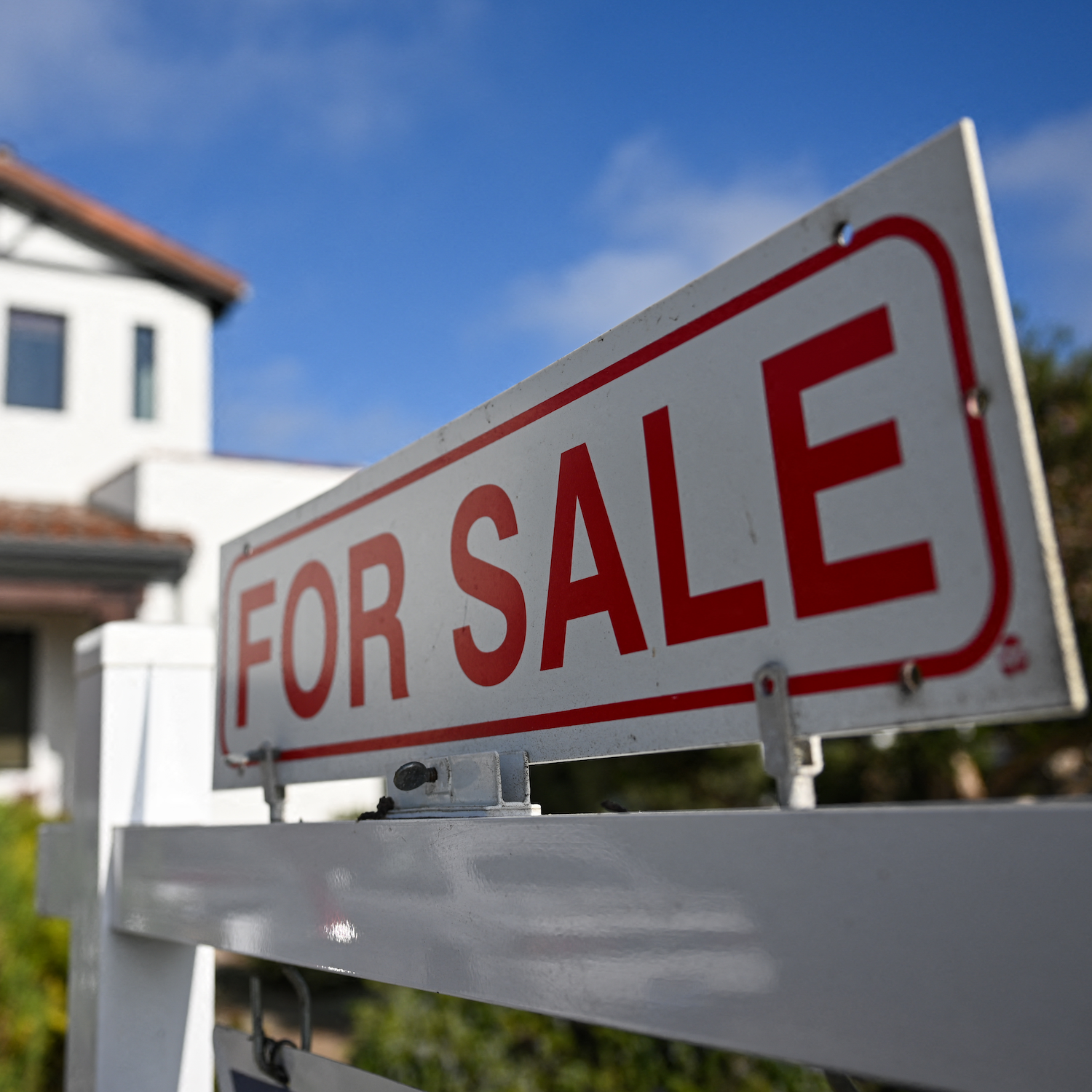
Americans agree is a problem even in these divided affordable housing.
- [00:42]
Host 1
There are four and a half million.
- [00:44]
Shemitah Basu
Too few homes right now, according to the Chamber of Congress. The median age for a first time home purchase is nearly 40 by some estimates.
- [00:52]
Host 1
And about half of people renting are.
- [00:54]
Shemitah Basu
Cost burdened, meaning more than 30% of their income is spent on rent.
- [00:59]
Host 1
Lawmakers in Congress agree something needs to change. And now there's an unlikely bipartisan alliance.
- [01:06]
Shemitah Basu
Forming around a bill to address the shortage that's gaining momentum.
- [01:10]
Liz Goodwin
A sort of unusual thing happened in the Senate, which is that a major piece of legislation passed a committee unanimously.
- [01:18]
Host 1
That's Liz Goodwin, who covers Congress for the Washington Post. She told us about how two senators.
- [01:23]
Shemitah Basu
On the Banking Committee, Republican Tim Scott and Democrat Elizabeth Warren, came together to write this measure.
- [01:30]
Liz Goodwin
She's the highest ranking Democrat on the committee and he runs the committee and kind of said, you know, can we agree on anything? And they basically found that they both agreed that the housing crisis is really bad and that the solution to it is just to build more houses.
- [01:45]
Host 1
And this bill tries to do that.
- [01:46]
Shemitah Basu
Primarily through deregulation, which appeals to both Republicans who are eager to cut red.
- [01:51]
Host 1
Tape and Democrats who also think regulations.
- [01:54]
Shemitah Basu
Have gone too far and are holding back the housing market.
- [01:58]
Host 1
It proposes things like loosening the rules.
- [02:00]
Shemitah Basu
To build prefab or factory made homes, tax incentives for development in poorer areas, and a $1 billion innovation fund.
- [02:09]
Liz Goodwin
If a local government does a good job building housing, they get more money. So there's sort of a carrot and stick situation here where they're trying to incentivize places to build more affordable housing.
- [02:21]
Host 1
And while the national conversation about housing.
- [02:24]
Shemitah Basu
Affordability often centers around urban areas where rents are so high, this bill is pret broad.
- [02:31]
Liz Goodwin
There's a lot in this bill that deals with rural housing because a lot of the members of this committee are from rural states. A lot of times these housing bills are more geared towards like urban issues. And this is not one of them. It's people really stacked it with all of their different priorities.
- [02:46]
Host 1
Goodwin says the bill wouldn't make dramatic.
- [02:48]
Shemitah Basu
Changes to anyone's neighborhood anytime soon or create new zones for housing.
- [02:53]
Host 1
Housing advocates say the legislation won't fully.
- [02:56]
Shemitah Basu
Make up for recent moves to cut housing programs for lower income Americans or.
- [03:01]
Host 1
Make up for the recent substantial cuts.
- [03:03]
Shemitah Basu
To the Department of Housing and Urban Development.
- [03:05]
Host 1
And many of the barriers to housing.
- [03:08]
Shemitah Basu
Are state led initiatives not easily changed by Congress.
- [03:12]
Host 1
Still, the bill itself has a good.
- [03:14]
Shemitah Basu
Chance of making it to the floor.
- [03:16]
Host 1
With Senate Majority Leader John Thune acknowledging.
- [03:18]
Shemitah Basu
Its unusually strong support.
- [03:20]
Host 1
But now that the Senate is about.
- [03:22]
Shemitah Basu
To take a break, the earliest it could reach a vote would be in September.
- [03:34]
Host 1
Now to President Trump's tariff deadline. He's given nearly 180 countries until tomorrow.
- [03:40]
Shemitah Basu
To reach trade agreements with the United States or else face steep tariff hikes.
- [03:45]
Host 1
Remember, he announced these tariffs back in April, but paused most of them after.
- [03:49]
Shemitah Basu
They triggered a massive sell off in global markets, wiping out trillions of dollars in value from the US Stock market alone.
- [03:55]
Host 1
Wall street has since recovered and hit record highs. And Trump's administration has spent the last.
- [04:01]
Shemitah Basu
Few months trying to negotiate deals.
- [04:04]
Host 1
He's announced seven so far with leading trade partners.
- [04:07]
Shemitah Basu
The eu, Japan, the Philippines, Indonesia, Vietnam, the UK and just yesterday, South Korea.
- [04:14]
Host 1
He has touted them as major victories.
- [04:16]
Shemitah Basu
But Politico points out only one of these agreements has been signed, which means.
- [04:21]
Host 1
Most are not really official yet. It's not clear how much they might.
- [04:25]
Shemitah Basu
Benefit the US and the terms could still change.
- [04:29]
Daniel Durocher
The devil is in the details. And these details can really affect how impactful some of these wins that President Trump has claimed in these deals are.
- [04:39]
Host 1
That's Daniel Durocher, international trade reporter with Politico.
- [04:44]
Daniel Durocher
It's very much like the president says, I made this great deal. Here's what they're gonna do. And then the other countries will say, well, you know, yes, kind of take.
- [04:53]
Host 1
The framework agreement with the EU Trump announced last weekend, for example, which would put a 15% tariff on almost all.
- [05:00]
Shemitah Basu
Imports, the 27 member nations.
- [05:03]
Daniel Durocher
He said that the EU is going to eliminate all tariffs on US goods that are sent over there. And the president of the European Commission then later clarified, well, no, it's not all goods. You know, it's some things and some of those things still need to be ironed out. You know, specifically agricultural product. That means that we don't really know where the tariffs are going to be on, say wine from Italy or France or whether or not bourbon will be tariffed when it goes over there.
- [05:26]
Host 1
The White House has released very few.
- [05:28]
Shemitah Basu
Details on its recent agreement with the Philippines. Indonesia is disputing some of the details, details released on theirs.
- [05:34]
Host 1
Darocha reports that it's not clear if.
- [05:36]
Shemitah Basu
Japan can guarantee the private sector investments in the US that they've promised.
- [05:41]
Host 1
They too seem to have different interpretations.
- [05:43]
Shemitah Basu
Of the deal that Trump announced.
- [05:45]
Host 1
And Vietnam has not confirmed the US.
- [05:48]
Shemitah Basu
Tariff rate that Trump says it agreed to.
- [05:51]
Host 1
As for the deal just made with.
- [05:52]
Shemitah Basu
South Korea, the US will charge a 15% tariff on imports and Trump has said they had agreed to invest in U.S. projects.
- [05:59]
Host 1
They, as with many of the others.
- [06:01]
Shemitah Basu
Journalists have not been able to analyze any detailed text.
- [06:05]
Host 1
Durocher tells us even the UK's deal.
- [06:07]
Shemitah Basu
That'S the one that's been formally signed.
- [06:10]
Host 1
Is murky on the details. The UK is still pressing for the.
- [06:13]
Shemitah Basu
US to make good on its commitment to eliminate tariffs on steel and aluminum.
- [06:17]
Host 1
And the two countries are still haggling.
- [06:19]
Shemitah Basu
Over restrictions on agricultural goods and other key sectors.
- [06:24]
Host 1
With so little information on what's happening.
- [06:27]
Shemitah Basu
With these tariffs, Durocher says businesses are.
- [06:30]
Daniel Durocher
Suffering because even if you have a handshake agreement, say that even gets put down on paper, but the US is still maintaining that they have the right to raise tariffs whenever they want. And that just creates this environment of uncertainty. Businesses don't really know how high the tariffs are, how high they're going to end up. They're trying to make these bets and hedge of like, okay, is this the lowest rate that we're going to have? And so it's making the business scene really, really complicated. It's making the investment scene really, really complicated.
- [06:59]
Host 1
The White House has said it stands.
- [07:01]
Shemitah Basu
By their descriptions of the deals announced and it's threatened to raise tariffs on countries that don't follow those terms. Let's turn now to Gaza and before.
- [07:18]
Host 1
We go further, a warning that this.
- [07:20]
Shemitah Basu
Story contains graphic descriptions of people suffering from hunger. Local health officials say the Palestinian death toll from Israel's military offensive has surpassed.
- [07:31]
Host 1
60,000 people, although experts widely agree that.
- [07:34]
Shemitah Basu
The true total is higher. Authorities say thousands of bodies are still buried under rubble.
- [07:40]
Host 1
And the world's leading monitor of hunger called on Israel and other governments this.
- [07:45]
Shemitah Basu
Week to take immediate action to secure a sustained unconditional ceasefire and facilitate a large scale humanitarian response for starving Palestinians.
- [07:55]
Host 1
This latest report from the UN affiliated.
- [07:57]
Shemitah Basu
Ipc, which is short for the Integrated Food Security Phase classification, concluded that Israel's blockade on aid has created famine conditions across most of the enclave and caused catastrophic human suffering. The report confirms what people inside Gaza and worldwide have been seeing with their own eyes in recent months, largely thanks to local journalists and aid workers who who are working to document the crisis despite starving themselves. Here's how Salma Al Tawil, who works in Gaza for the Norwegian Refugee Council, described conditions for the BBC I'm not.
- [08:34]
Salma Al Tawil
Able to help myself or feed my children. I'm talking about starvation that is not a specific area or for a group of people. It covers all everything in Gaza, humans, animals.
- [08:48]
Shemitah Basu
We've seen images of mothers holding emaciated children, babies in pediatric wards that appear skeletal and barely have the energy to cry.
- [08:57]
Host 1
The AP recently told the story of.
- [08:59]
Shemitah Basu
A five month old girl who died weighing roughly 1/3 less than her birth weight.
- [09:05]
Host 1
The IPC report says hospitals have seen.
- [09:08]
Shemitah Basu
A rapid increase in hunger related deaths of children under five in the last three months. Over 20,000 children have been admitted for acute malnutrition in that time. NPR spoke with Dr. Ahmed Al Farah who leads the pediatric ward at Nasser Hospital in southern Gaza. He says because Gaza's youngest have been.
- [09:27]
Host 1
So nutritionally deprived during a critical phase.
- [09:30]
Shemitah Basu
Of development for their nervous systems, many could grow up with neurological impairments like.
- [09:36]
Salma Al Tawil
Attention deficit hyperactivity disorder, difficulty in school performance, incomprehension Speaking When a child is.
- [09:46]
Shemitah Basu
Malnourished, the damage can quite literally change how their genes function, impacting families for generations to come.
- [09:54]
Host 1
Earlier this week, Israel said that it.
- [09:56]
Shemitah Basu
Would open up some aid corridors and begin airdropping limited amounts of food. But Hani Al Madhoun from the UN's Palestinian Humanitarian Group told CBS News Israel still is not letting enough aid in.
- [10:10]
Hani Al Madhoun
We are excited to hear about the news about aid being allowed into Gaza, but remember, the Palestinians cannot eat announcements. We need to go back to 500 to 600 trucks of aid. So far this has not happened.
- [10:24]
Host 1
Some countries are starting to put more pressure on Israel. UK Prime Minister Keir Starmer announced the.
- [10:29]
Shemitah Basu
Country will recognize Palestine as a state by September if Israel refuses to announce a ceasefire, among other terms. Canada says it will do the same, and France made a similar announcement last week.
- [10:51]
Host 1
Before we let you go, a few other stories were following. The Federal Reserve voted to hold interest.
- [10:57]
Shemitah Basu
Rates steady between 4.25 and 4.5% for the fifth consecutive time.
- [11:02]
Host 1
But for the first time in more than 30 years, the the vote saw.
- [11:05]
Shemitah Basu
Dissent from two officials on the board. Trump appointees Michelle Bowman and Christopher Waller.
- [11:11]
Host 1
Both voted to lower rates in line with the wishes of President Trump, who's.
- [11:15]
Shemitah Basu
Put intense pressure on the committee.
- [11:17]
Host 1
The Hill reports both are in the.
- [11:19]
Shemitah Basu
Running for Trump's pick for the next Fed chair.
- [11:22]
Host 1
But the current chair, Jerome Powell, played.
- [11:24]
Shemitah Basu
Down the significance of their dissent and said they laid out a clear case for their decisions.
- [11:31]
Host 1
After one of the strongest earthquakes in modern history hit Russia yesterday.
- [11:36]
Shemitah Basu
The massive tsunami that many feared would.
- [11:38]
Host 1
Materialize ultimately didn't come scientific Americans spoke.
- [11:42]
Shemitah Basu
With experts about the geological reasons for.
- [11:45]
Host 1
That, and they say the magnitude of an earthquake alone cannot necessarily tell you.
- [11:50]
Shemitah Basu
How much water will be displaced or where waves will concentrate.
- [11:54]
Host 1
Tsunamis can be affected by the shape.
- [11:56]
Shemitah Basu
And nature of the coastline and seafloor they pass over. And more generally, the way we measure earthquakes is not linear.
- [12:04]
Host 1
A small increase in magnitude causes a.
- [12:07]
Shemitah Basu
Huge jump in energy unleashed, which could.
- [12:10]
Host 1
Explain why Tuesday's 8.8 magnitude quake was.
- [12:13]
Shemitah Basu
Far less catastrophic than the 9.1 magnitude earthquake that struck Japan in 2011, killing over 15,000 people.
- [12:23]
Host 1
And finally, Beyonce made history as the.
- [12:26]
Shemitah Basu
First Black woman to top the Billboard country charts.
- [12:29]
Host 1
Now her Cowboy Carter Tour is officially.
- [12:32]
Shemitah Basu
The highest grossing country tour of the whole time.
- [12:49]
Host 1
The tour earned just over $400 million.
- [12:52]
Shemitah Basu
After 32 stops, 1.6 million tickets sold, and one pretty memorable flying car mishap.
- [12:59]
Host 1
She created this record after getting snubbed.
- [13:01]
Shemitah Basu
By the country music industry almost a.
- [13:03]
Host 1
Decade ago with the goal of highlighting.
- [13:05]
Shemitah Basu
The long ignored contributions Black Americans have made to the genre.
- [13:10]
Host 1
And this latest accolade joins a long list of records. Beyonce was the first Black artist to.
- [13:15]
Shemitah Basu
Win Country Album of the Year at the Grammys for Cowboy Carter, and Live Nation says she is now the highest grossing Black artist of all time.
- [13:25]
Host 1
You can find all these stories and.
- [13:27]
Shemitah Basu
More in the Apple News app.
- [13:28]
Host 1
And if you're already listening in the.
- [13:30]
Shemitah Basu
News app right now, we've got a narrated article coming up next.
- [13:34]
Host 1
For years, thousands of North Koreans secretly.
- [13:37]
Shemitah Basu
Worked remote jobs for hundreds of US Companies under false identities, and they funneled millions of dollars back to North Korea, which is under heavy US Sanctions.
- [13:47]
Host 1
An Arizona woman who helped them was.
- [13:49]
Shemitah Basu
Recently sentenced to more than eight years in prison for her role in the scheme, and she shared her story with Bloomberg businessweek. If you're listening in the podcast app, follow Apple News plus Narrated to find that story and I'll be back with the news tomorrow.