Loading summary
Transcript27 lines
- [00:00]
A
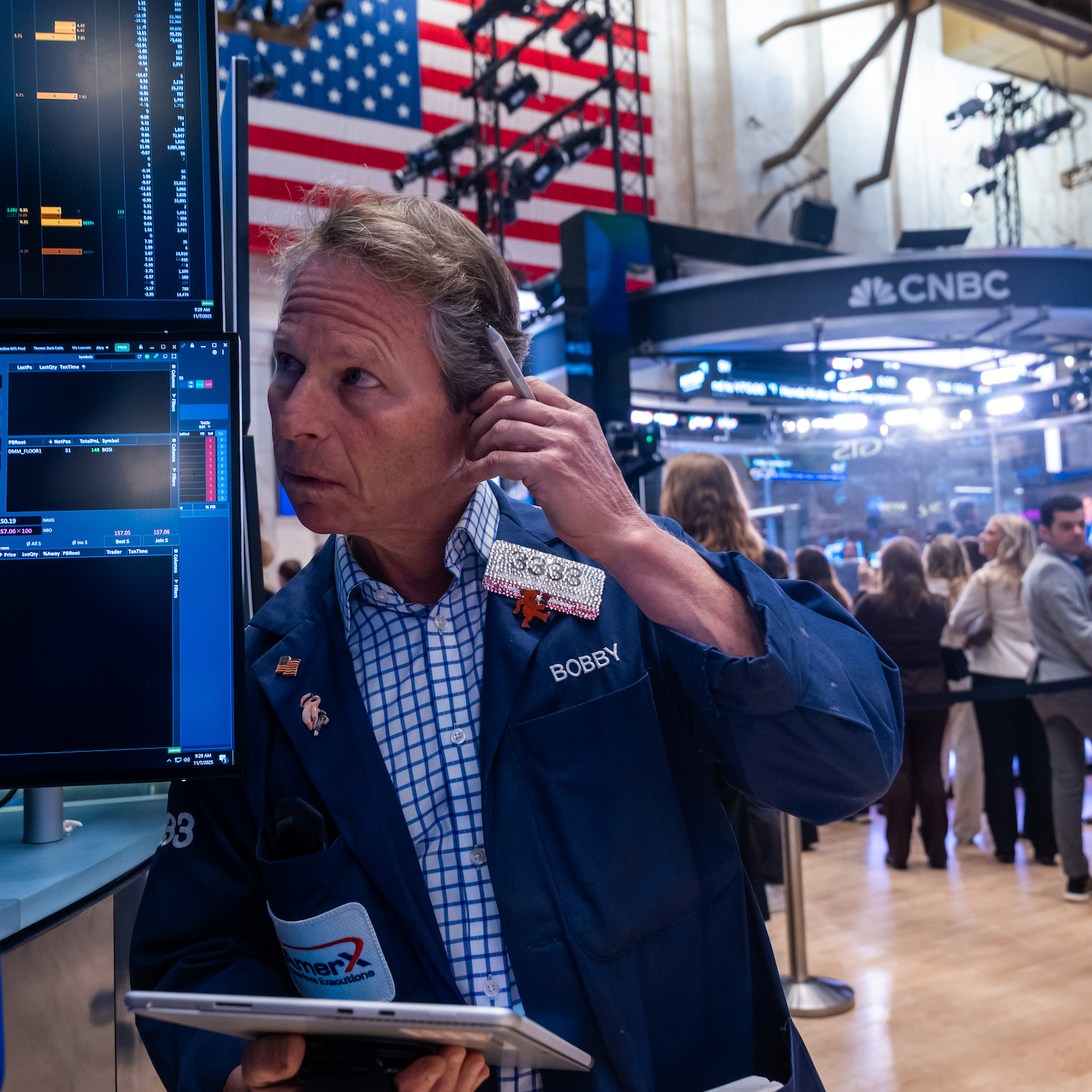
Hi there, it's Chamita here. Before we get into today's episode, we have a question for you. What was your favorite piece of art or culture from this year on our interview show Apple News In Conversation. We're working on an episode about 2025's best TV, films, music, books and more. And we want to know the one thing that you would recommend to your fellow listeners as a must read, watch or listen. Use your iPhone's Voice Memos app to record yourself. Tell us your name, where you're from and your recommendation and please try to keep it to about a minute. Or you can send it to us@inconversationapple.com again that's inconversationpple.com and we might include your voice on the show. Thanks. Good morning, it's Thursday, November 20th. I'm Shemitah Basu. This is Apple News Today. On today's show, people with a direct line to the White House appear to be getting fast tracked presidential pardons, a surprising side story in last year's Baltimore bridge collapse apps, and the cattle farmers who want you to cuddle their cows. But first, there was a sigh of relief across the stock market yesterday as the chip maker Nvidia posted strong sales and profits, beating expectations on their earnings call. CEO Jensen Huang said demand for their powerful AI chips was off the charts and pointed to the ubiquity of their technology.
- [01:34]
B
The reason why developers love us is because we're literally everywhere.
- [01:36]
A
We're in every cloud, we're in every computer. We're everywhere from cloud to robotic systems, edge devices, PCs, you name it. One architecture. Things just work. It's incredible. Even if you have zero interest or personal stake in AI, many would argue that everyone's finances are now kind of tied up in the technology one way or another because of its outsized role in driving American growth. Pensions, house prices and the job market are now indirectly connected to whether AI can beat the hype. That's what makes yesterday's results so potentially significant. The continued success of Nvidia, the world's most valuable company, is seen by many as a key test of Wall Street's bet on AI.
- [02:17]
B
The old saying about gold rushes is that if you really want to get rich, don't look for gold. You know, be the one who supplies the picks and shovels.
- [02:25]
A
That's Greg ip, the Wall Street Journal's chief economics commentator.
- [02:28]
B
And Nvidia is the top supplier of pick shovels to the AI gold rush. And so when you see Nvidia report such strong sales as they did this week, then that tells you, yeah, you know, the excitement is real.
- [02:43]
A
He told us that even with yesterday's results, the bigger questions about Wall Street's longer term fate haven't completely gone away.
- [02:50]
B
Things are a little disproportionate. You know, these companies are trading at multiples of hundreds of times of earnings, many times sales. The market as a whole is its most richly valued since the peak of the.com bul roughly 25 years ago. And when you hear companies like OpenAI and they're ilk talking about literally trillions of dollars of capital spending on data centers and so on, and then you hear that their total revenue is a very, very small fraction of that investment spending. Yeah, I think people can legitimately wonder, is this a bubble?
- [03:27]
A
Memories of the dot com bubble still weigh heavy over the current market. As Bloomberg put it yesterday, Nvidia needs its investors like it's not 1999. But the bumper results come after days of sliding tech stocks more generally. While a growing number of fund managers are raising fears over rapid over investment in data center infrastructures. Others meanwhile, say that these companies biggest customers are simply each other with money circulating back and forth between them. Bullish investors will feel vindicated by Nvidia's results. Many say that strong earnings and growth prove this is nothing like the dot com bubble and that AI's massive potential will ultimately pay off. But Ip notes there is another reason it might feel different, at least for ordinary people.
- [04:13]
B
Back in the 90s, when people were asked are you comfortable or uncomfortable with the Internet? They said by a 2 to 1 margin they were comfortable. Well, surveys this year show just the opposite with AI, by a 2 to 1 margin they're uncomfortable with AI. And you ask why is that? Well, I think there's a couple reasons. I think first of all, the technology is a little bit mysterious. People worry about things like deep fakes or about bad actors getting control of these models and teaching them to give the answers that they want. But I think the really big difference is the very real fear people have is that this technology is going to take all their jobs away. And we have not had that with prior rounds of technology excitement.
- [05:03]
A
There has been another slew of presidential pardons in recent weeks. Among them, two people authorities allege had connections to the January 6th riots at the Capitol, including one who had been convicted of threatening to shoot FBI agents who were investigating her. It comes as President Trump ramps up the number of people receiving this clemency. In his first term, he granted 238 pardons and commutations. Less than a year into his second, he's issued nearly 2,000. Earlier this year, the administration fired pardons attorney Liz Oyer. This week, Oyer told CBS's 60 Minutes that a big determining factor in whether someone might get pardoned by Trump is whether they have a direct line to the White House. All of the traditional rules and procedures pertaining to pardons have been thrown out the window. This administration appears to be working around the Justice Department rather than with the Justice Department to vet and review applications for pardons. The White House denied Oyer's claims that anything about the procedure had changed. In her place, they have appointed Trump supporter Ed Martin. He pledged to scrutinize Biden era pardons. And when Trump pardoned Scott Jenkins earlier this year, a sheriff in Virginia and longtime supporter convicted of taking bribes for political favors, Martin posted on social media, quote, no MAGA left behind. We talked about the implications of all of this with Jeremy Kohler, a reporter at ProPublica.
- [06:34]
C
The folks who are receiving clemency from the president in his second term are people who have direct connections to him, celebrities, and people who have the wherewithal to just contact people that have access to the president.
- [06:47]
A
That includes people like Rudy Giuliani, a crypto billionaire with ties to Trump's family and campaign donors. Typically speaking, a person seeking a pardon has to wait for five years after their release from incarceration, demonstrate good conduct, and formally file petitions to the Office of the Pardon Attorney attorney.
- [07:06]
C
But under Donald Trump in his second term, virtually none of the people that he's pardoned have even asked for them, have even applied for them. They're almost all people who he has just unilaterally pardoned without requiring them to have completed their sentence or anything like that. A lot of them have just walked out of prison saying, I didn't do it.
- [07:27]
A
Kohler notes that only 10 of the roughly 1,600 people that have been granted pardons in this term have gone through the Office of the Pardon Attorney. According to lawyers who represent people in clemency cases, if they had all gone through the proper channels, they would have sat in a long, backlogged queue.
- [07:43]
C
I talked to one attorney in Missouri who represents a client who was convicted of tax crimes 20 years ago, and this guy just wants to go hunting with his grandson. He's years past his conviction and he's just one of the people who are waiting in line for clemency. And his attorney said, I told my guy he'd probably be better off if he had broken into the Capitol or me, a major donation to the Trump campaign.
- [08:09]
A
The Justice Department responded by telling ProPublica that the Office of the Pardon Attorney makes recommendations to the president that are, quote, consistent, unbiased, and uphold the rule of law. And we should say that many of these pardons actually relate to people facing state charges, not federal ones. So they have little practical effect. There have been bipartisan attempts to reform the pardon system, but for the most part, they haven't gone anywhere. In March of 2024, a cargo ship slammed into the Francis Scott Key Bridge in Baltimore, causing the bridge to collapse. Six construction workers who were on the bridge died, and the images were plastered across front pages across the country. This week, the National Transportation Safety Board announced some of its findings in its investigation. Chairwoman Jennifer Homendy said that the crash that led to the bridge collapse was entirely preventable.
- [09:11]
C
The fact is, none of us should be here today. This tragedy should have never occurred.
- [09:20]
A
Lives should have never been lost. They found that a loose wire and problems with a fuel pump contributed to blackouts on the ship called the Dali, which led to a loss of steering capability. While authorities turned their attention to the causes of the crash and the high cost of rebuilding the bridge, another part of the story is getting less attention.
- [09:41]
D
What people probably don't realize is that nine of those crew members who were aboard that vessel at the time of the collapse have never left Baltimore.
- [09:49]
A
Hayes Gardner is a reporter with the Baltimore Banner. He explained to us these crew members, including the captain and chief engineer, are not under arrest, but they haven't exactly been free to leave Baltimore for more than 19 months. Since the crash, under an agreement struck between the federal government and the companies that own and operate the ship, the crew members have had to sit around and wait for word of when their situation might change.
- [10:14]
D
Mostly they're just hanging out in these extended stay rooms, waiting to go back to India and Sri Lanka, which is where they're from. Some of them are even keeping nocturnal hours to be in closer contact with family back home because outside of streaming cricket on their phone, there isn't a lot for them to do in this kind of foreign land and, and in a pretty challenging situation. So for them, they're just counting the days until they can go home and they have no idea when that might be.
- [10:43]
A
Gardner told us they are getting paid during this time and have already participated in depositions for a number of investigations. It's possible they may have to serve as witnesses in a potential criminal trial as well. Some were on the Dolly for months prior to the crash, meaning that they've been away from their families for over two years. Meanwhile, the ship itself is back to work.
- [11:05]
D
It's now sailing around the world delivering goods. It was rehabbed quickly. It'll actually be in Shanghai this week to deliver goods and pick up goods. And it's earning millions of dollars for the company. So while the crew members are still here awaiting a chance to go home, that ship has been on the seas since January, earning revenue for the companies.
- [11:27]
A
A spokesman for the ship's owner and operator did not respond to the Banner's request for comment. Gardner reports that there are no limits to how long seafarers can be compelled to stay, which some attorneys have lobbied against. Others have said that any measures should be considered to ensure justice for people who died during the crash.
- [11:46]
D
People point to that as why it's important to do whatever it takes to make sure the right criminal action is taken. If that means keeping them here as witnesses, so be it.
- [11:55]
A
One crew member apparently asked for permission to return home briefly for his own wedding. He was able to leave for it, but returned to Baltimore to join the rest of the crew indefinitely. Before we let you go, a few other stories we're following. President Trump signed the bill that sailed through Congress this week, ordering the DOJ to release Epstein case files. After months of resistance, Trump eventually gave his blessing to the measure as momentum appeared to be building in the House. The DOJ now has 30 days to release everything from correspondence to legal documents to travel diaries. There are some restrictions in place to protect victims and anything that could jeopardize ongoing investigations. That has some campaigners worried. Attorney General Pambandi agreed to Trump's demands last week to open an investigation into Democrats mentioned in some of the emails, and it's unclear if that could be used as one reason to withhold documents. Looking abroad, Axios reports the Trump administration is proposing a new peace deal between Russia and Ukraine that would require Kyiv to give up weapons, significantly reduce the size of its military, and cede vast swathes of territory to Russia. Ukraine in return would get security guarantees, but it wasn't clear what that would involve. Ukrainian officials have already said they object to many of the points. An American delegation arrived in Ukraine on Wednesday to try to jumpstart the peace talks again. And finally, farmers have had a rough time lately between tariffs and reduced consumer spending. Some are looking for new sources of revenue. Enter cow cuddling. Yes, there are people who are willing to pay good money for some quality time with cows. The Washington Post reports on this and talks to cuddlers and farmers. Some cows will curl right up and have a nap on you. A farmer in England who offers the service says it's like having a big dog in your lap. Another in New York said her cuddlers range in age from children to near centenarians. No cows commented to the post, but a farmer speaking on her bovine's behalf said, it's basically like a spa day for them. You can find all these stories and more in the Apple News app. And if you're already listening in the news app right now, we've got a narrated article coming up next. Vaccinations for cancers could be on the horizon, but Scientific American reports threats to funding could upend progress on potentially game changing treatment. If you're listening in the podcast app, follow Apple News plus Narrated to find that story. And I'll be back with the news tomorrow.