
Podcast
Apple News Today
Hosted by Apple News · EN
Join Shumita Basu every weekday morning as she guides you through some of the most fascinating stories in the news — and how the world’s best journalists are covering them.
494episodes
Episodes
Newest firstAll episodes

The surprising ways the Supreme Court curbed Trump’s power
Jul 1100:24:24Summary readyFrom Apple News In Conversation: The Supreme Court just wrapped one of its most consequential terms in recent memory — issuing major rulings on presidential power, birthright citizenship, and the rights of transgender athletes. But the story playing out in most headlines, legal analyst Sarah Isgur argues, is missing the bigger picture. Isgur is the editor of SCOTUSblog and the author of Last Branch Standing: A Potentially Surprising, Occasionally Witty Journey Inside Today’s Supreme Court. She joined Apple News In Conversation guest host David Greene to explain why she considers this the hardest term in the Roberts Court’s history, why Trump has lost far more cases than he’s won, and why the political framework most people use to understand the court tells only a fraction of the story.
Summary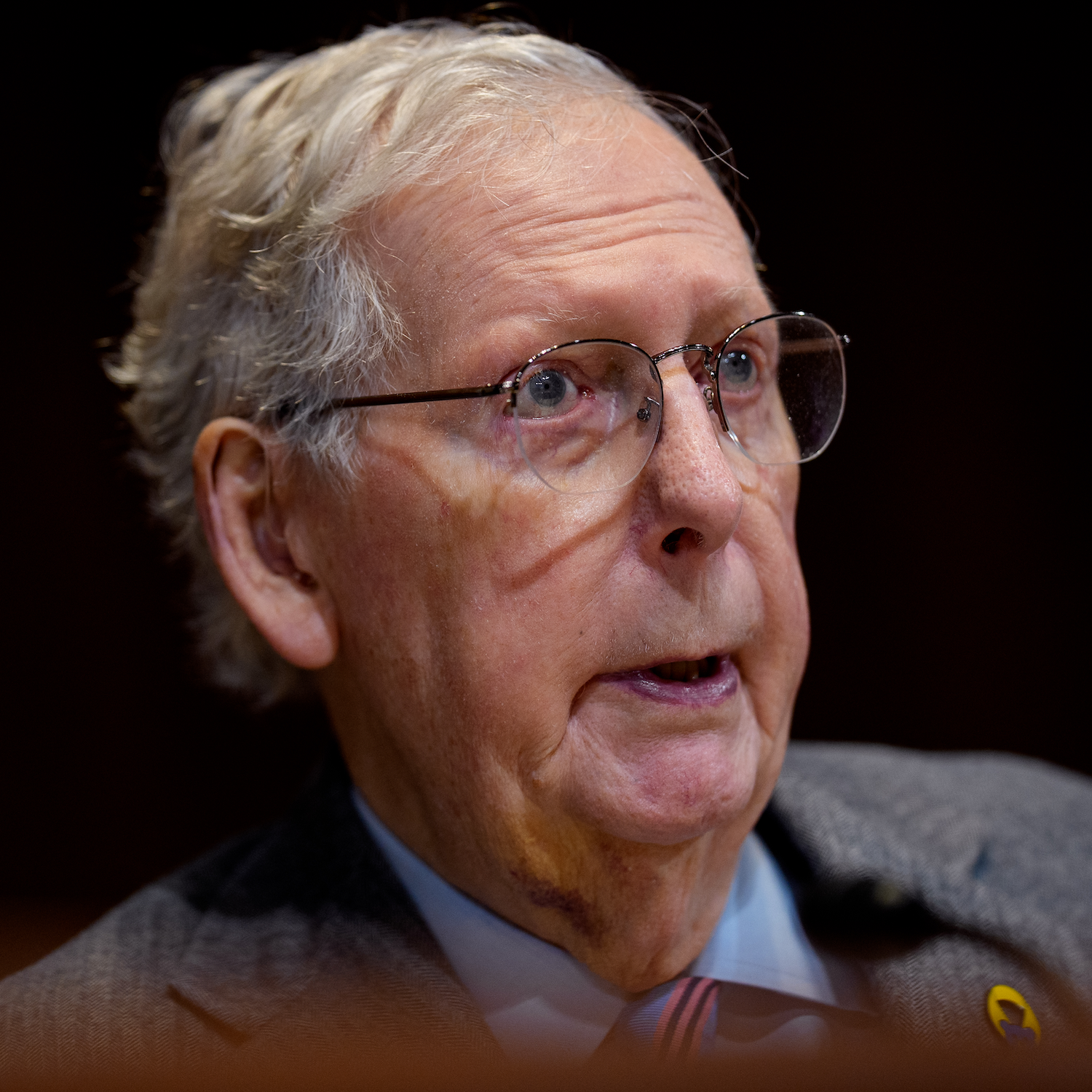
The mystery surrounding Mitch McConnell’s absence
Jul 1000:13:34Summary readySen. Mitch McConnell’s monthslong absence is complicating GOP efforts to pass a spending bill. The Washington Post’s Jarrell Dillard explains how the missing vote has stalled a key committee. Maine Democrats are racing to replace Graham Platner in the Senate race ahead of a convention deadline, after his campaign collapsed amid sexual-assault allegations. The Maine Morning Star’s Eesha Pendharkar breaks down who’s vying to replace him. Millions of Americans dropped their Affordable Care Act coverage after pandemic-era subsidies expired. The Associated Press’s Ali Swenson details how the trend varied among states. Plus, the roommate of Charlie Kirk’s alleged killer says the suspect regretted his actions, the Lincoln Memorial Reflecting Pool is being drained again, and the women’s Wimbledon final is set. Today’s episode was hosted by Gideon Resnick.
Summary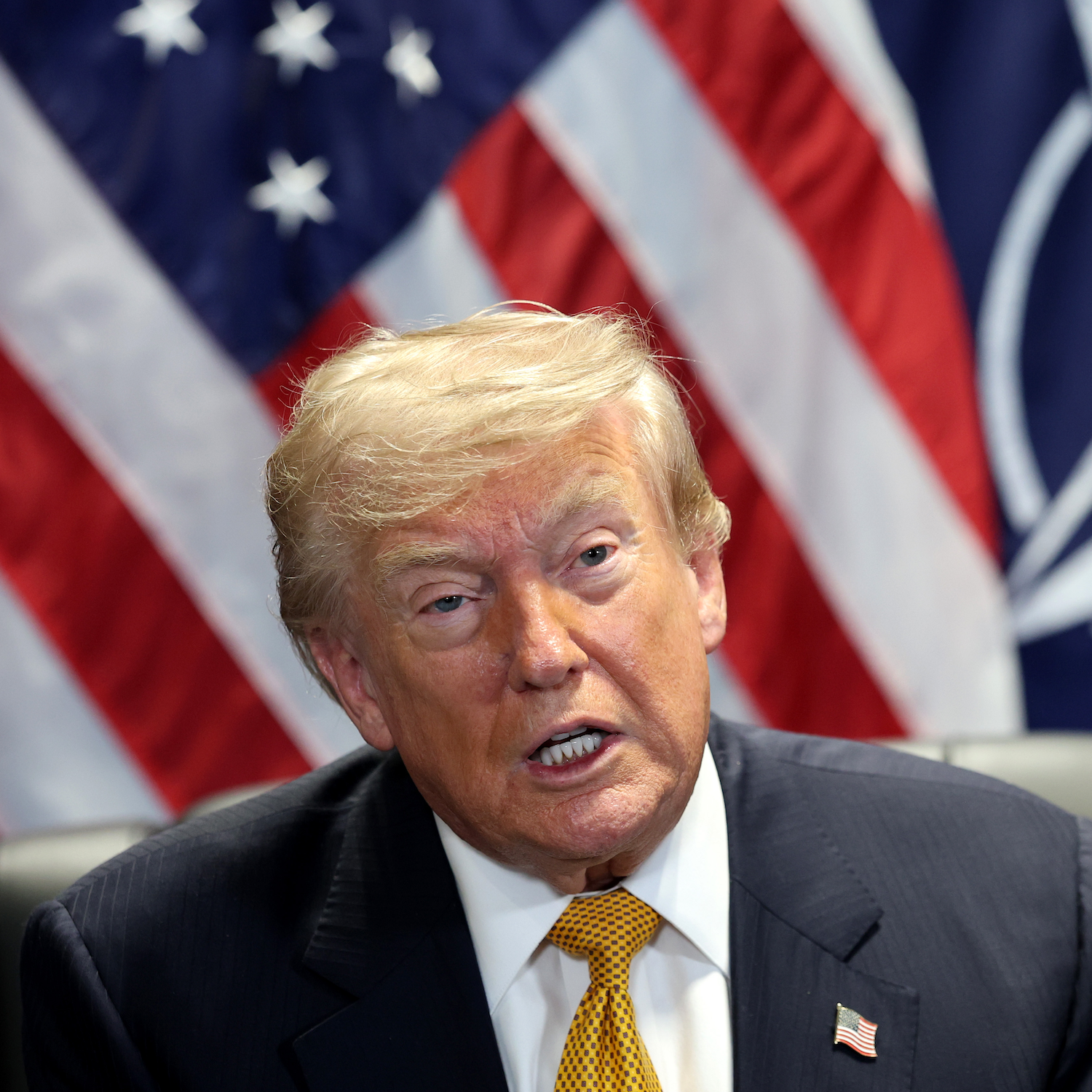
Trump and Iran trade strikes — and throw the peace deal into doubt
Jul 900:12:14Summary readyGraham Platner stepped down as the Democratic candidate for Maine’s crucial Senate race. Kimberlee Kruesi from the Associated Press tells us what could happen next. The U.S. carried out a second day of strikes against Iran as Trump wrapped his time at the NATO summit in Turkey. The Wall Street Journal’s Robbie Gramer joins to discuss Trump’s hot-and-cold dynamic with NATO countries. The Trump administration says it want to do more to crack down on “birth tourism.” The 19th’s Amanda Becker explains why officials aren’t sure how common the practice actually is. Plus, a federal judge ordered Trump to pay the $5 million he owes writer E. Jean Carroll from a sexual-abuse case, the family of a man killed by ICE is demanding an independent investigation, and the Emmy nominations are out. Today’s episode was hosted by Gideon Resnick.
Summary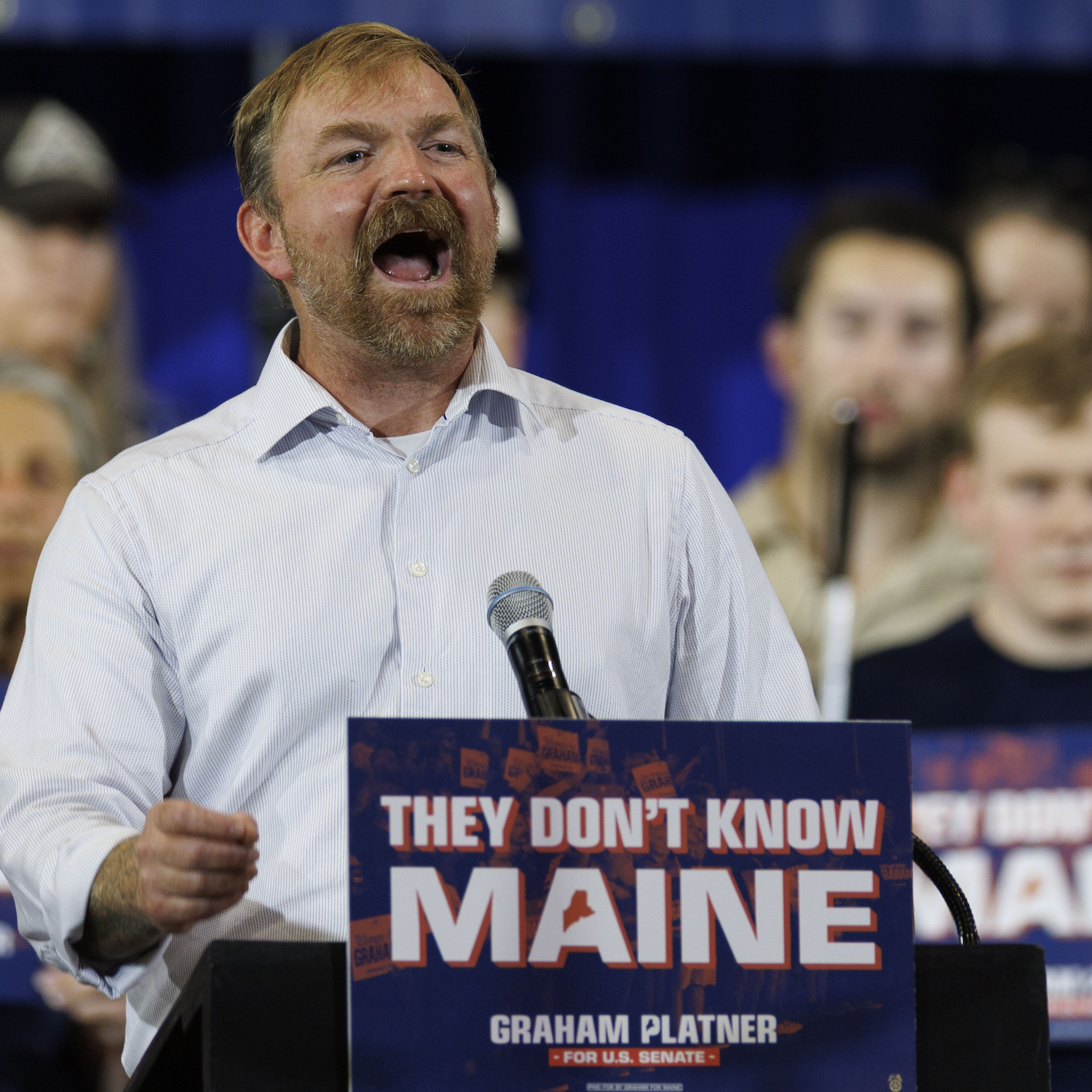
How a must-win race for Democrats imploded
Jul 800:14:15Summary readyA sexual-assault allegation against Maine’s Graham Platner has thrown his Senate campaign into chaos, with top Democrats calling for him to step aside. NBC News’s Sahil Kapur explains what a replacement search could look like. A weeklong preliminary hearing is underway in Utah for the man accused of killing conservative activist Charlie Kirk. The Salt Lake Tribune’s Jessica Schreifels breaks down the hearing so far. The Wall Street Journal’s Patrick Thomas goes inside the price-fixing scandal facing the eggs trade. Plus, the U.S. carried out strikes against Iran, structural problems in a high-rise Manhattan building prompted evacuations, and Argentina pulled off a stunning World Cup comeback. Today’s episode was hosted by Gideon Resnick.
Summary
The Trump phone call that preceded the U.S. World Cup loss
Jul 700:15:54Summary readyThe U.S. crashed out of the World Cup with a 4-1 defeat against Belgium. Paul Tenorio of The Athletic tells us how the match was overshadowed by a FIFA decision and a phone call from the White House. Trump arrives today at a NATO summit in Ankara, Turkey. Seung Min Kim of the Associated Press joins to discuss how the president plans to enforce spending promises from other nations. The Supreme Court recently cleared the way for Trump to strip Haitians and Syrians of humanitarian protections. The Washington Post’s Maria Sacchetti explains what the ruling means for them. Plus, new allegations surfaced against Maine Senate candidate Graham Platner, Iran held a funeral for Ayatollah Ali Khamenei, and how this year’s Pamplona running of the bulls marks 100 years since Ernest Hemingway’s The Sun Also Rises. Today’s episode was hosted by Gideon Resnick.
Summary
America could be headed for a future of ghost towns
Jul 600:19:15Summary readyThe Apple News Today team is off for the holiday weekend. But we are bringing you something special in place of our usual daily show: a narrated News+ article from Popular Mechanics that we’re making free for everyone. It examines why thousands of cities across the country are shrinking — and what ghost towns of the past can teach us about what happens when thriving places start to fall silent. Subscribers to Apple News+ can get narrated articles like this one every day. Your News+ subscription includes access to more than 500 publications, 100,000 recipes, premium local news, exclusive daily puzzles, and much more. Click here to start your free trial today.
Summary
Why the Constitution is making our politics worse (From the archives)
Jul 300:30:26Summary readyThis episode originally aired on Sept 18, 2025. From Apple News In Conversation: The Constitution has been amended 27 times, but the last meaningful change was over half a century ago. In historian Jill Lepore’s book We the People: A History of the U.S. Constitution, she argues that the near impossibility of amendment in recent decades underlies many of today’s political crises, from polarization to battles over the courts. Lepore spoke with Apple News In Conversation host Shumita Basu about the history of constitutional revision and why the amendment process matters for the future of American democracy.
Summary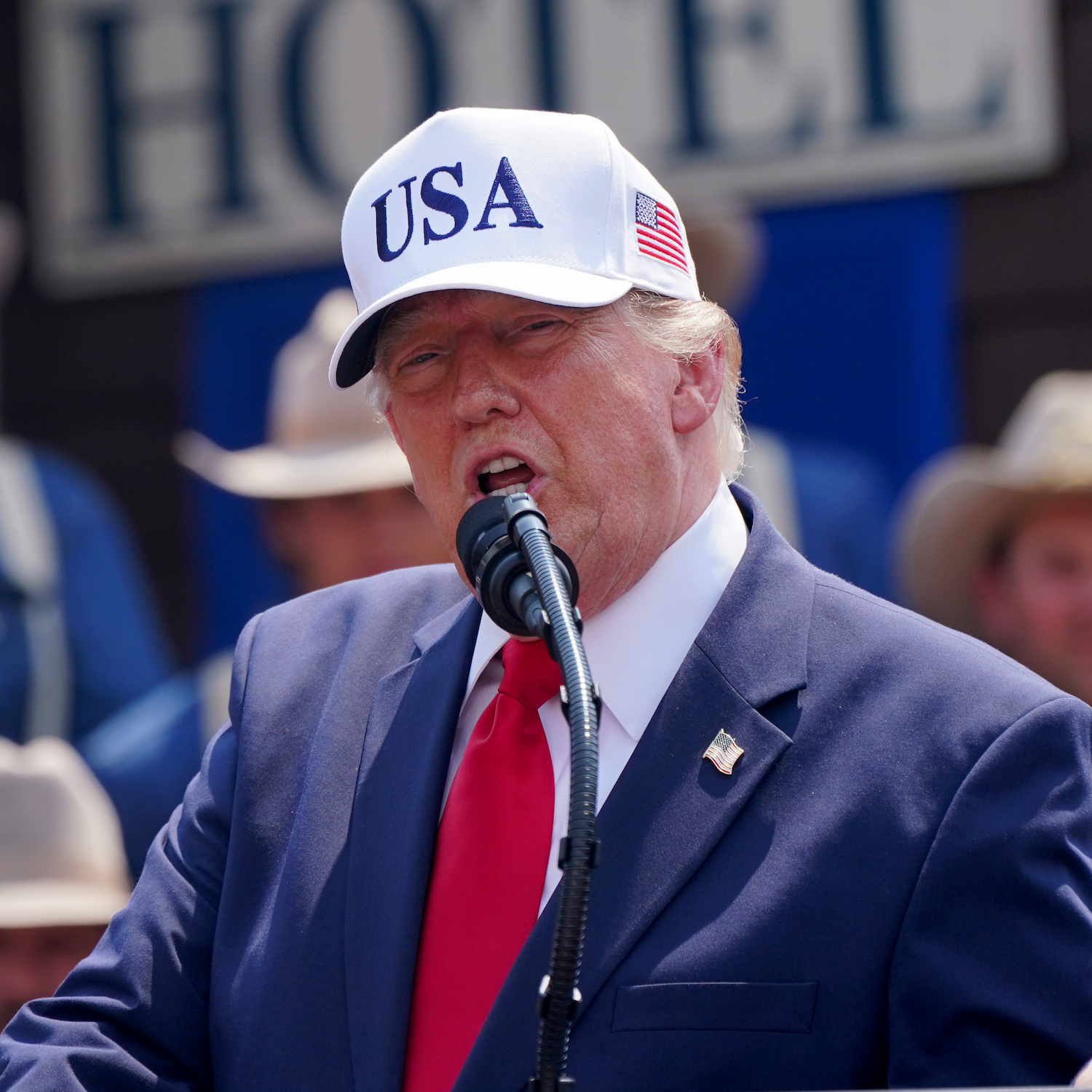
How Trump quietly got $2 billion richer in his second term
Jul 200:15:58Summary readyPresident Trump has made an estimated $2 billion since taking office. Reuters details how the deals came together.Gas prices this summer are lower than experts predicted. Politico explains why the forecasts missed the mark. Is midtown Manhattan about to host Taylor Swift and Travis Kelce’s wedding? The Atlantic discusses how speculation is in overdrive — by Swift’s own design.Plus, a heat wave is bearing down on the eastern U.S., how Americans are feeling about the nation’s legacy, and you can now book a place to watch the U.S. men’s soccer team in the next round.Today’s episode was hosted by Cecilia Lei.
Summary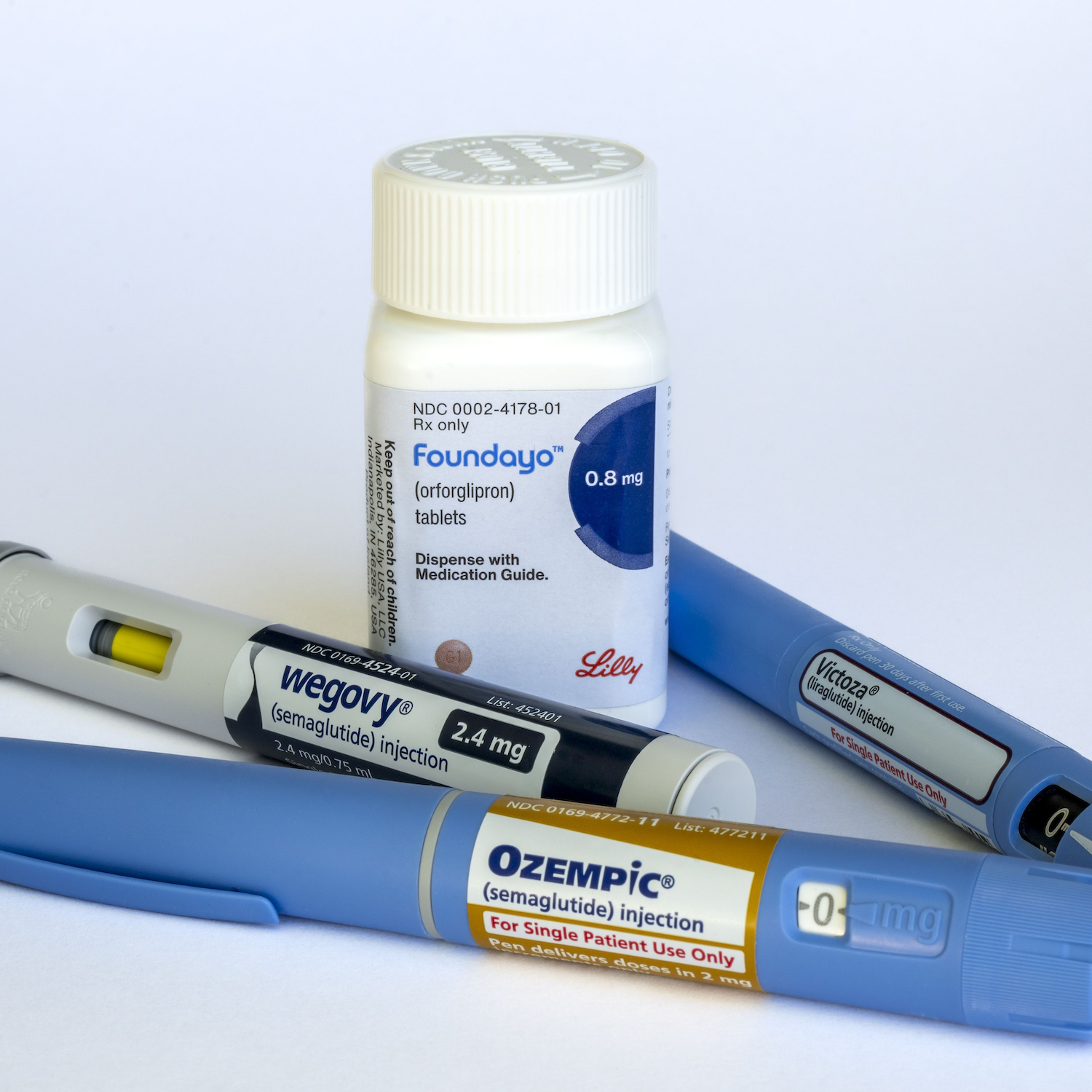
Medicare will cover weight-loss drugs — but there’s a catch
Jul 100:16:30Summary readyThe Supreme Court wrapped its 2025–2026 term. Justin Jouvenal of the Washington Post breaks down the key moments in a consequential set of decisions.The justices upheld two state laws that bar transgender athletes from competing in women’s sports. Brooke Migdon from The 19th explains what the ruling means for trans athletes across the country.The federal government will cover GLP-1 weight-loss drugs under Medicare for an 18-month period. The Washington Post’s Christopher Rowland joins to discuss how the program works.Plus, Trump earned more than a billion dollars from crypto last year, New Jersey Rep. Tom Kean returned to Congress after a four-month absence due to depression, and LeBron James is leaving the Lakers.Today’s episode was hosted by Cecilia Lei.
Summary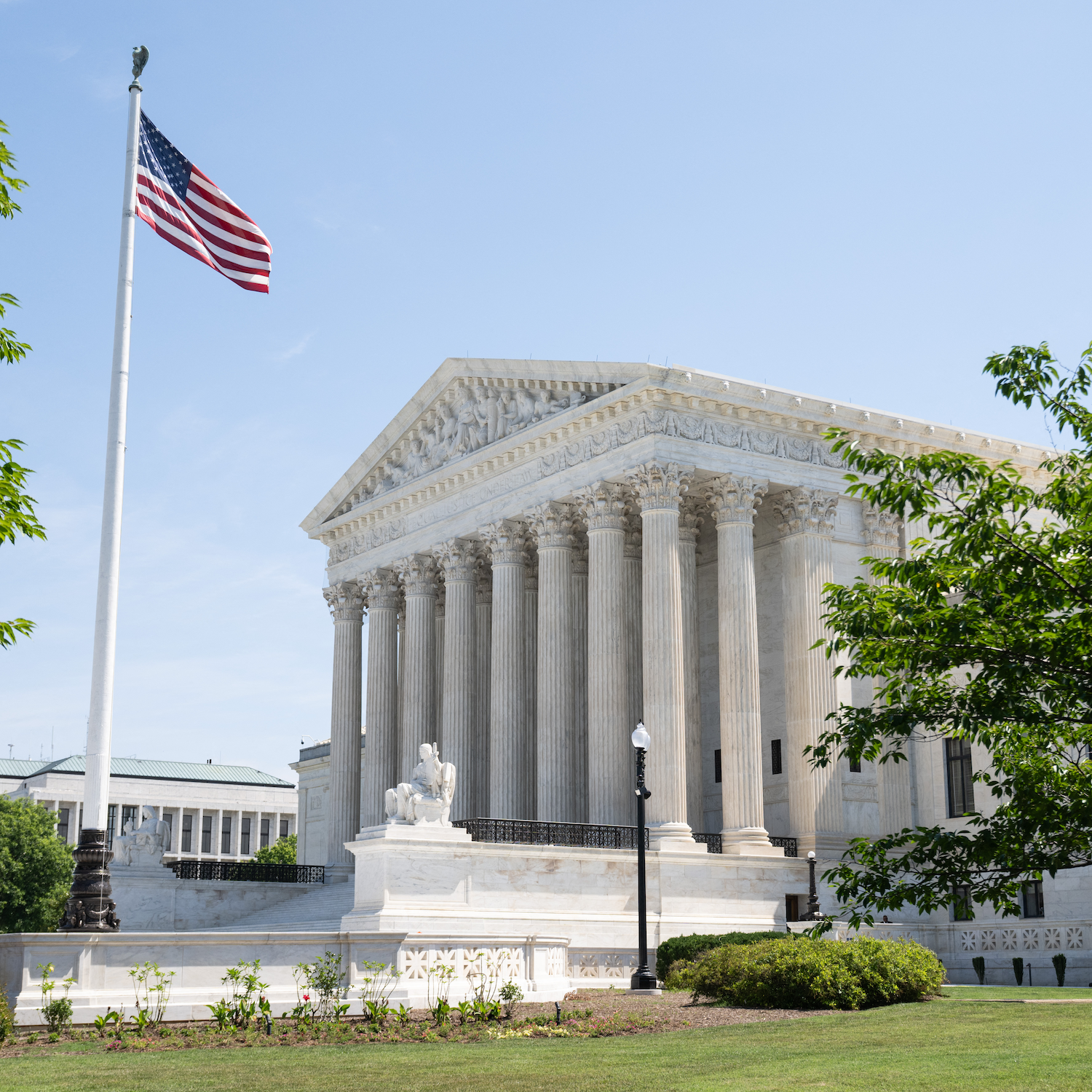
The Supreme Court blocks Trump’s effort to end birthright citizenship
Jun 3000:16:53Summary readyOn the final day of its term, the Supreme Court rejected President Trump’s proposed limits to birthright citizenship. It allowed states to ban transgender women and girls from participating in women's and girl’s sports. And the Supreme Court struck down long-standing campaign finance restrictions. The Washington Post’s Julian Mark examines one of the Supreme Court’s other big rulings this week, which significantly expands presidential power. Europe is sweltering through a record-breaking heat wave. Bloomberg’s Joe Wertz breaks down how it’s shifting the way Europeans think about climate change and summer. The Ebola outbreak in Congo has surpassed 1,000 infections and could rival the largest outbreak ever recorded. Wired’s Isabella Ward explains why a promising vaccine to fight the current strain had previously been shelved. Plus, another notable NBA player was implicated in a gambling scheme, a dramatic day of World Cup knockout games, and Philadelphia’s historical reenactors are gearing up for the biggest summer of their careers.Today’s episode was hosted by Gideon Resnick and Cecilia Lei.
Summary