
Podcast
Atlas of Chiropractic
Hosted by Dr. John Stenberg & Dr. Cameron Bearder · EN
The Atlas of Chiropractic is YOUR guide to upper cervical chiropractic. Hosts Dr. John Stenberg and Dr. Cameron Bearder give you the inside look into the science and practice of upper cervical care. Formerly known as the Blair Technique Podcast, you can expect a wider range of content spanning all aspects of upper cervical chiropractic.
Each episode will bring you the perspective of an expert in the field, the latest research and scientific findings, and a behind-the-scenes view of the upper cervical chiropractic profession.
24episodes
Episodes
Newest firstAll episodes
"Should I require imaging for every new patient?" Listener questions answered
May 1900:28:11Tap to summarizeDr. John Stenberg discusses the nuances of imaging in upper cervical chiropractic care, addressing common questions about when and why to use imaging, and how clinical decision-making varies based on experience, patient population, and personal philosophy.Chapters00:00 Navigating Imaging in Chiropractic Care09:31 Understanding Clinical Guidelines vs. Technique Standards18:49 Evaluating Patient Needs and Imaging Decisions25:26 Balancing Upper Cervical Techniques with Broader Chiropractic PracticesResources:@zenith_chiro on IGZenith Upper Cervical Chiropractic in Colorado Springs, CO
Transcribe →LIVE From Centeno-Schultz Clinic with Dr. Pitts and Dr. Markle
May 500:30:02Tap to summarizeUnlock a revolutionary approach to cervical spine treatment that challenges decades-old paradigms. Join Dr. John Stenberg and Dr. Cameron Bearder in a candid conversation with experts from a cutting-edge interventional spine practice, where they delve into the limitations of traditional pain management. Discover how reliance on imaging, quick consultations, and surgical overuse often miss the root causes of neck and back pain—sometimes even accelerating degeneration. You'll learn why a comprehensive, biomechanical, and functional view of the spine offers not just symptom relief but real healing potential. This episode is packed with practical wisdom, strategic insights, and a patient-first philosophy that could redefine your practice. Whether you're familiar with orthobiologics or just curious about what's next in spine care, you'll finish inspired to elevate your toolbox and elevate patient outcomes.Resources:Centeno-Schultz clinicCCI Ebook@zenith_chiro on IG@drbearder on IG@centenoschultz on IG@johnpittsmd on IG@dr.markle on IG
Transcribe →SPECIAL ALERT: Craniocervical prosection with Dr. Scali
Apr 2900:31:22Tap to summarizeRegister HERE: Sign Up
Transcribe →"Complex patients wear me out, how do you handle them without burning out?" Listener questions answered
Apr 2400:30:33Tap to summarizeResources:CCJ Prosection with Dr. Frank Scali RegistrationLearn IN LAB with the foremost researcher on the myodural bridgeManagement of Neck Pain Disorders: A research-informed approachGet your copy of the text ahead of our "book club" series reviewing the application for upper cervical chiropractic
Transcribe →Somatosensory Tinnitus - Upper Cervical Chiropractors Clinical Guide
Feb 1000:36:35Tap to summarizeIn this episode of the Atlas of Chiropractic podcast, Dr. John Stenberg delves into the complexities of somatosensory tinnitus, particularly its connection to cervical chiropractic care. He discusses the various types of tinnitus, the importance of identifying cervicogenic somatosensory tinnitus, and the role of central sensitization. The conversation emphasizes the need for thorough assessment, patient education, and collaborative care strategies, including referrals to other specialists when necessary. Dr. Stenberg provides actionable insights for upper cervical chiropractors to effectively manage tinnitus symptoms and improve patient outcomes.To received the PDF Clinical Companion:Share this episode on IGTag @zenith_chiro and @drbearderThat's it!
Transcribe →Competing Philosophies within Chiropractic ... and Life!
Feb 400:13:24Tap to summarizeIn this episode of Atlas of Chiropractic, Dr. Cameron Bearder discusses the complexities of chiropractic philosophies, emphasizing the importance of understanding and merging different approaches rather than adhering strictly to one. He reflects on the historical context of chiropractic education and the pressures students face in choosing a technique. The conversation highlights the need for a patient-centric approach and the potential for blending philosophies to enhance patient care.Contact Dr. Bearder:Clinical Practice - Keystone Upper Cervical Spine ClinicInstagram - @drbearderLinkedIn - Dr. Cameron Bearder
Transcribe →4 takeaways from a year of clinical perspective with Dr. Cameron Bearder
Jan 2800:54:15Tap to summarizeIn this episode, Dr. Cameron Bearder shares four of his biggest clinical takeaways from 2025. Each one is rooted in different areas of the clinical practice and aspects of day-to-day insights from the entire year.Contact Dr. Bearder:Clinical Practice - Keystone Upper Cervical Spine ClinicInstagram - @DrBearderLinkedIn - Dr. Cameron Bearder
Transcribe →Recapping 2025 Lessons and What Lies Ahead for the Podcast
Jan 1301:07:38Tap to summarizeThanks for listening despite the delay! We appreciate your support.
Transcribe →Clinical Insights from Airway and Orofacial Pain Conferences with Dr. Cameron Bearder
Dec 200:37:39Tap to summarizeIn this conversation, Dr. John Stenberg and Dr. Cameron Bearder sit down to recap Dr. Bearder's recent experiences at orofacial pain and TMJ related conferences. He shares key takeaways and clinical insights, reflections on the upper cervical chiropractic connection, and concepts related to managing these cases.
Transcribe →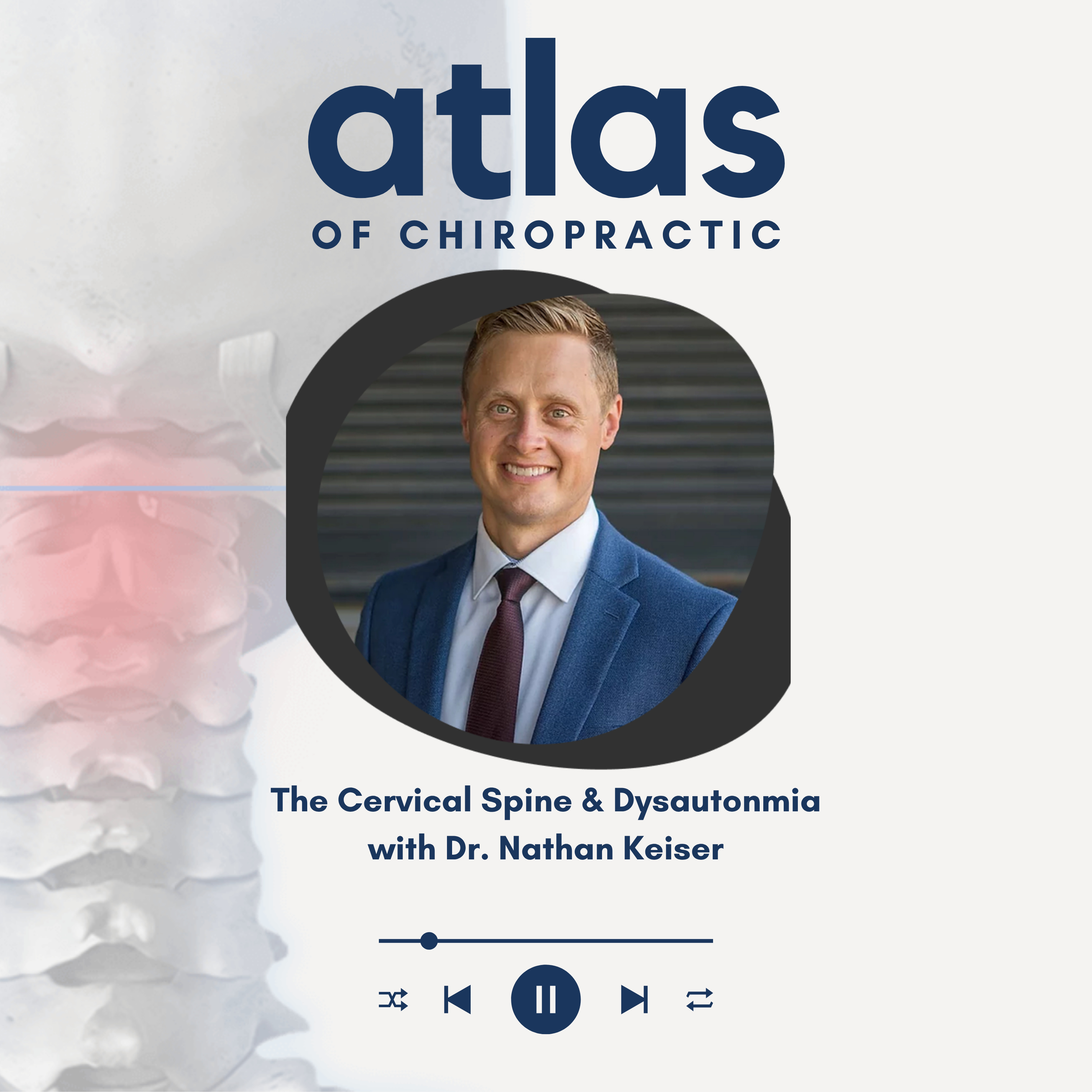
The Cervical Spine & Dysautonomia with Dr. Nathan Keiser
Nov 401:04:03Tap to summarizeIn this conversation, Dr. Nathan Keiser and Dr. Jonathan Chung discuss the intricate relationship between the autonomic nervous system and the cervical spine, particularly in the context of dysautonomia and conditions like POTS. They explore the importance of multi-sensory processing, the role of blood flow, and the implications of vagus nerve stimulation. The discussion emphasizes the need for a comprehensive understanding of motor outputs and sensory inputs, advocating for collaboration among healthcare providers to enhance patient outcomes.Resources:keiserclinic.comDr. Keiser's Carrick Courses@dockeiser@drjonathanchungTakeawaysThe autonomic nervous system plays a crucial role in various disorders.Cervical spine alignment can significantly influence autonomic function.Dysautonomia can be treated through various modalities, including chiropractic care.Understanding multi-sensory processing is essential for effective treatment.Motor outputs are closely linked to sensory inputs in the autonomic system.Evaluating motor outputs can help identify underlying issues in patients.Blood flow to the brain is critical for proper autonomic function.Vagus nerve stimulation may not always address the root cause of symptoms.Collaboration among healthcare providers enhances patient outcomes.Continuous learning and adaptation are vital in chiropractic practice.
Transcribe →