Podcast
The AWS Developers Podcast
Hosted by Amazon Web Services · EN
Stay updated on the latest AWS news and insights for developers, wherever you are, whenever you want.
41episodes
Episodes
Newest firstAll episodes
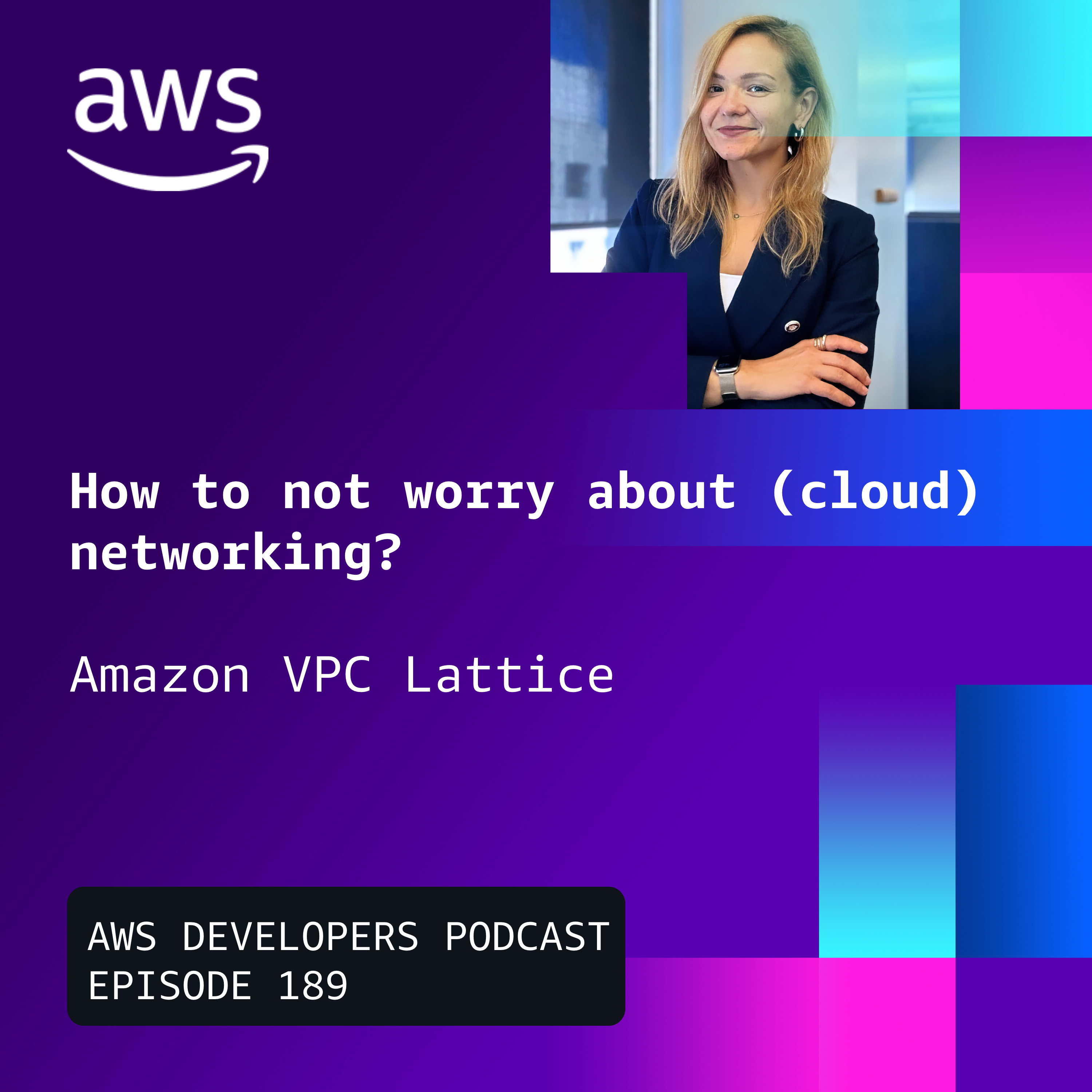
How to not worry about networking on AWS?
Nov 700:48:37Tap to summarizeIn this follow-up episode of the AWS Developers Podcast, we continue the conversation with Alex Huides, Principal Network Specialist Solutions Architect at AWS, focusing on Amazon VPC Lattice. We explore how developers can simplify networking concerns while maintaining robust connectivity between applications. Alex explains how VPC Lattice introduces a new boundary concept called service networks, which allows applications to communicate across accounts and VPCs regardless of IP overlap issues. The discussion covers how VPC Lattice abstracts away complex networking details, replacing traditional load balancers while providing secure, private connectivity between services. This episode demonstrates how AWS is removing undifferentiated heavy lifting in networking, making it easier for developers to focus on building applications.With Alexandra Huides, Principal Network Specialist Solutions Architect, AWSPart 1 of this two-parts series. Should developer care about networking?What is Amazon VPC Lattice?Podcast episode with Moonpig.comGetting started with VPC LatticeVPC Lattice launch blog postAWS Networking Essentials
Transcribe →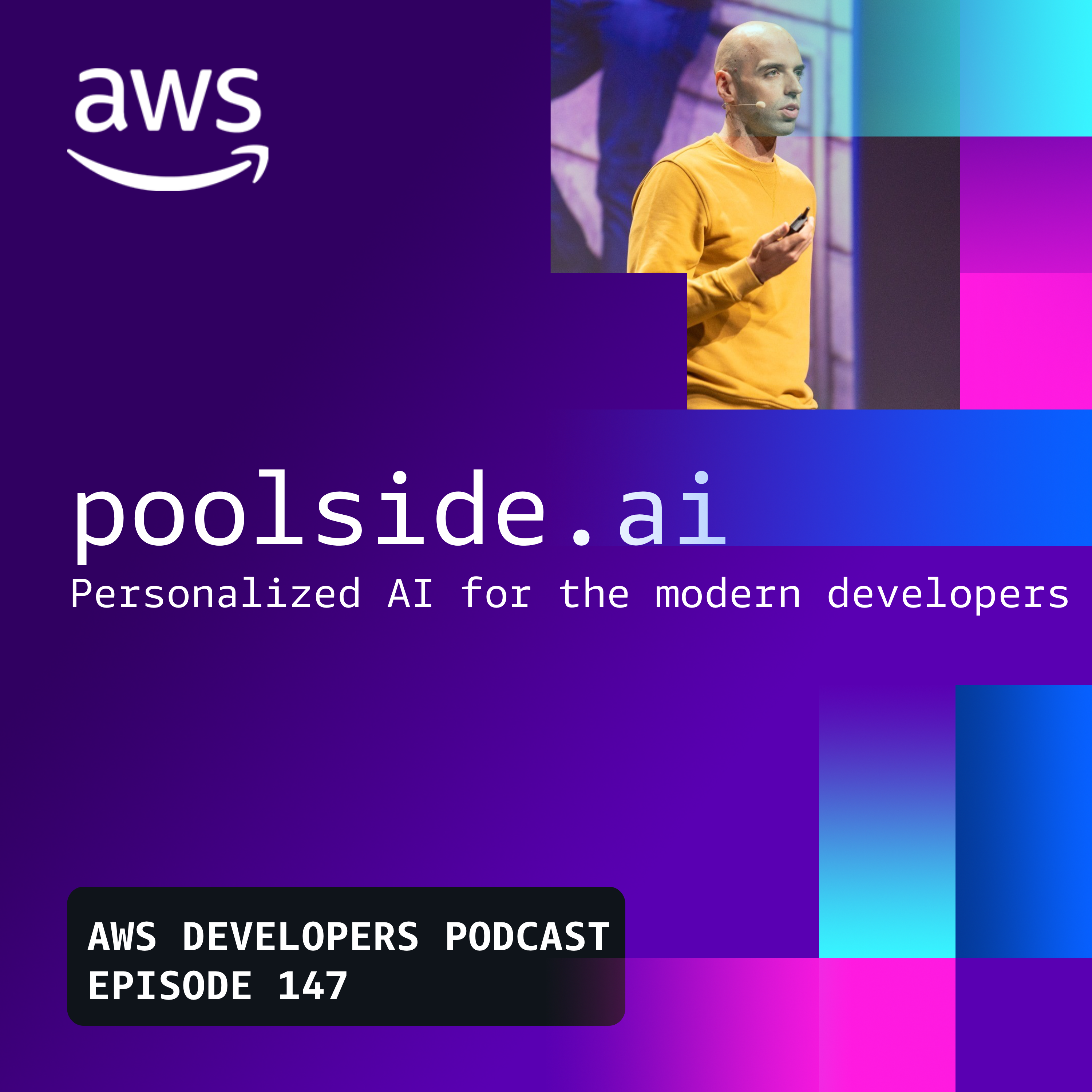
Poolside.ai: personalized AI for the modern developer
Jan 10, 202500:41:02Tap to summarizeIn this episode, Seb talks with Vitor Monteiro to explore how AI is transforming developer tools, focusing on Poolside, a company building custom AI models for software development. They discuss data quality, reinforcement learning, user experience, and the importance of personalization in AI tools. The conversation also touches on infrastructure, productivity, and the challenges of adopting AI in businesses, offering insights into the future of developer assistance. With Vitor Monteiro, Head of Solutions Engineering EMEA Links Here are the links to the tools, technologies, or articles we mentioned in this episode. poolside.ai Poolside AI is now available from Amazon Bedrock and Amazon EC2 AWS re:Invent: Dive into poolside: AI models just for software engineering (AIM133)
Transcribe →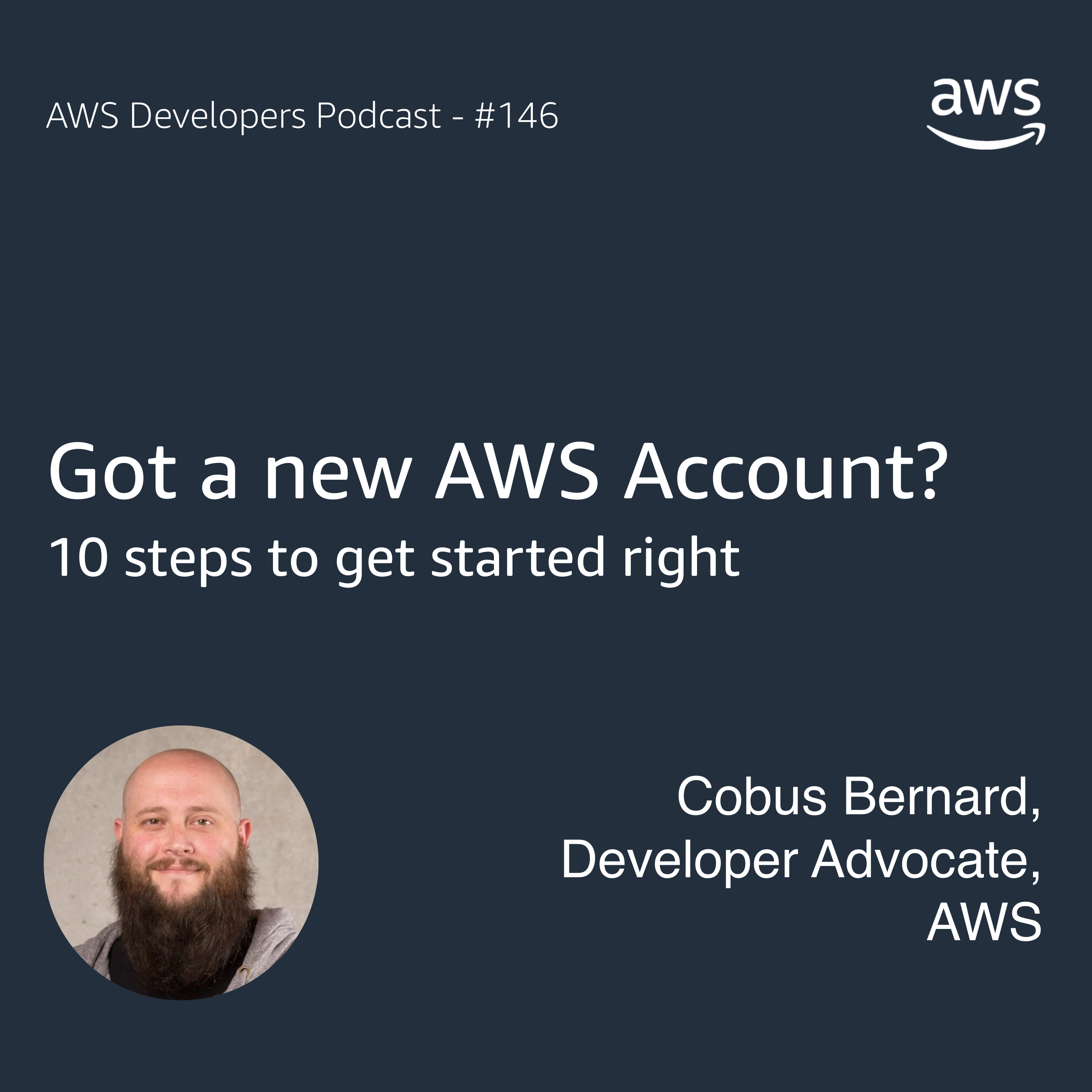
New AWS Account? 10 steps to get started right
Jan 3, 202500:37:22Tap to summarizeManaging AWS accounts effectively is essential for ensuring security, cost efficiency, and streamlined operations. In this episode, Cobus Bernard delves into the critical steps and best practices every developer and team should adopt. From the initial setup of a new AWS account to advanced automation techniques with Terraform, the conversation covers everything you need to build a robust cloud management strategy. Cobus emphasizes the importance of a multi-account approach and highlights the role of Identity Center in securing access. The episode explores the significance of CI/CD pipelines, the monitoring power of AWS CloudTrail, and practical advice for setting up budget alerts to avoid unexpected costs. Whether you’re new to AWS or a seasoned professional, this episode offers actionable insights to elevate your account management practices. With Cobus Bernard, Developer Advocate, AWS Links Here are the links to the tools, technologies, or articles we mentioned in this episode. AWS Account Setup: My 10-Step Checklist After 14 Years
Transcribe →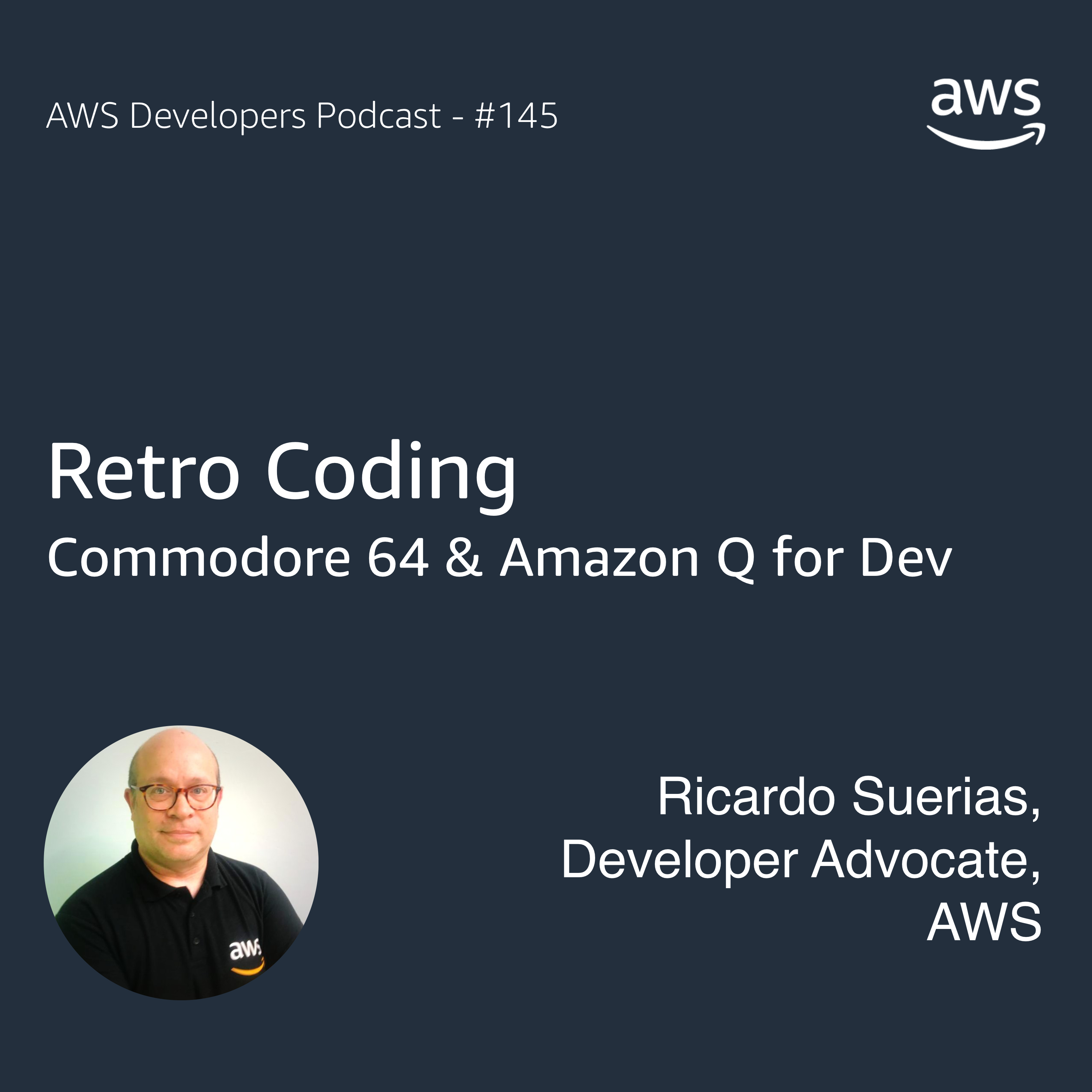
Retro coding - Commodore 64 and Amazon Q for developers
Dec 27, 202400:45:30Tap to summarizeEver dreamed of stepping back in time to the golden age of personal computing? In this episode of the AWS Developers Podcast, we journey back to the 1980s with Ricardo Sueiras, where we explore the iconic Commodore 64. Discover the challenges and triumphs of programming on this legendary machine, from the limitations of hardware to the vibrant community that formed around it. We'll delve into the unique sound capabilities of the C64, explore how modern tools like Amazon Q Developer can assist with retro programming, and learn how to tackle the challenges of converting basic programs to assembly language. This isn't just a nostalgic trip down memory lane. Join us as we discuss how the experiences of early programmers, with their deep understanding of hardware and reliance on community support, continue to shape modern software development. Learn how generative AI tools like Amazon Q can enhance your coding experience, whether you're working on a retro project or building the next big thing. Prepare to be inspired by the ingenuity of early programmers and discover how the past can inform the future of software development. With Ricardo Sueiras, Developer Advocate, AWS Links Here are the links to the tools, technologies, or articles we mentioned in this episode. Commodore 64 The Commodore 64 programming reference guide (Consider making a donation) Amazon Q for Developers Ric’s blog post: Back to the future: Writing 6502 assembler with Amazon Q Developer A framework to adopt generative AI assistants for builders Create your free AWS Builder ID account.
Transcribe →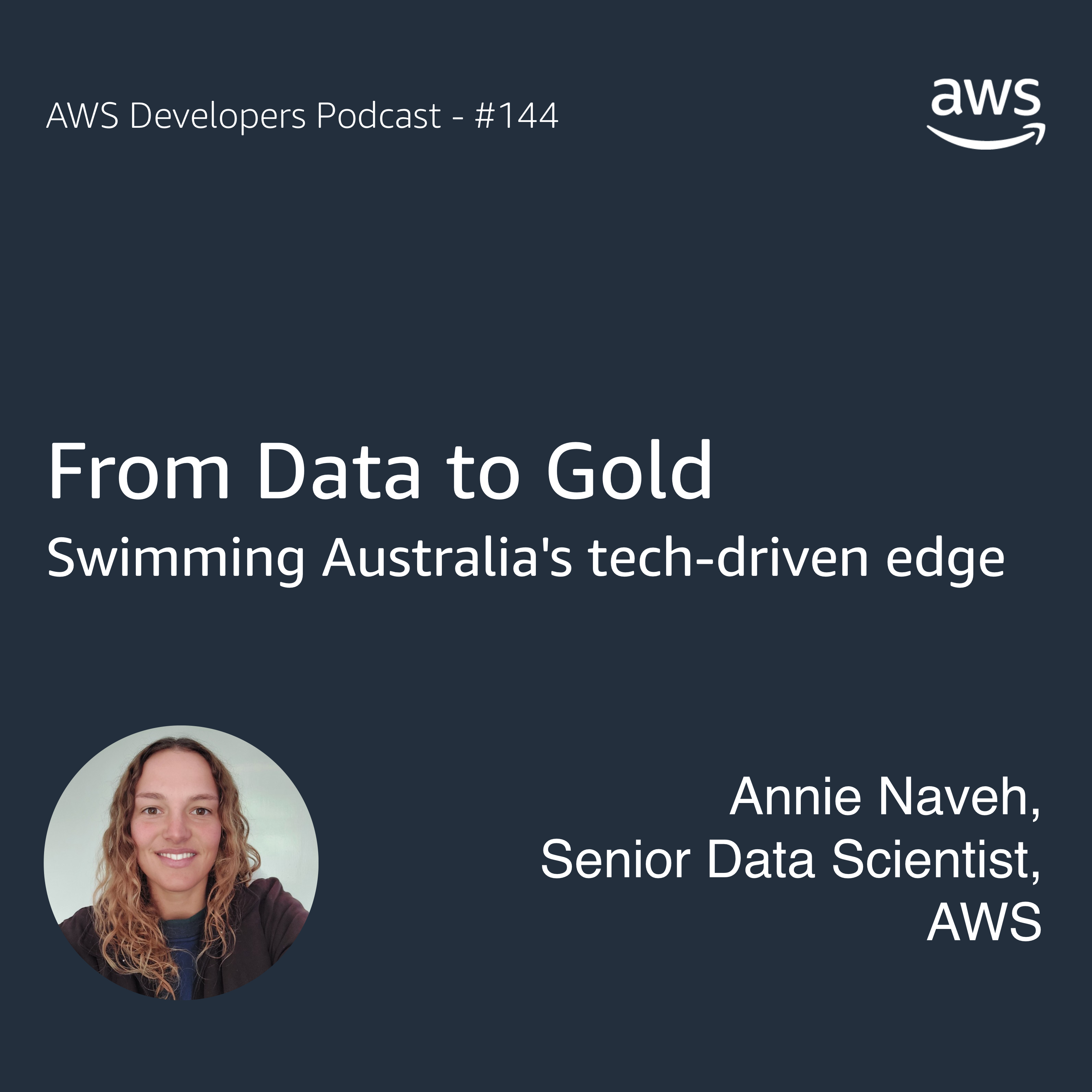
From Data to Gold: Swimming Australia’s Tech-Driven Edge
Dec 20, 202400:37:39Tap to summarizeIn this episode of the AWS Developers Podcast, we dive into the world of aquatic analytics! We explore how Swimming Australia leverages the power of data, analytics, and computer vision with AWS Panorama to deliver real-time training pool insights. Join us as we uncover how machine learning helps coaches optimize swimmer performance and streamline pool operations, all powered by the cloud. With Annie Naveh, Senior Data Scientist, AWS Links Here are the links to the tools, technologies, or articles we mentioned in this episode. Swimming AU Team Blog : How Swimming Australia uses machine learning for real-time training pool analytics with AWS Panorama Sparta 2 and swimming AWS Panorama Kinesis Video Stream
Transcribe →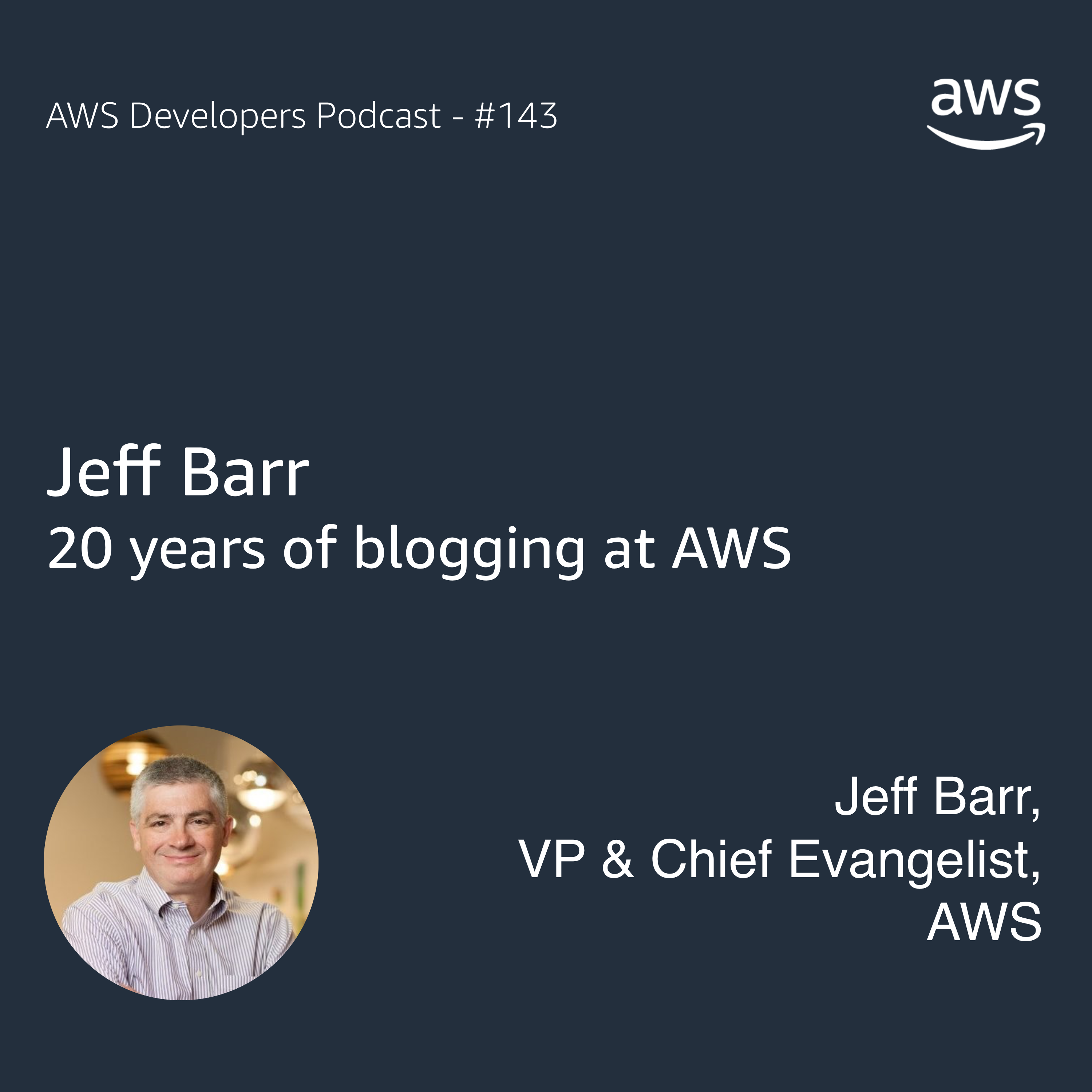
Jeff Barr: 20 years of blogging
Dec 13, 202400:34:47Tap to summarizeIn this special episode of the AWS Developers Podcast, Tiffany and Seb sit down with Jeff Barr, VP and Chief Evangelist at AWS, to celebrate 20 incredible years of the AWS News blog. Jeff shares the origin story of the blog, the values that shaped its growth, and his unique approach to making technical concepts accessible to developers worldwide. Jeff also reflects on some of the blog’s milestone moments, from covering the beta release of Amazon SQS in 2004 to the launches of Amazon S3 and EC2 in 2006. With the announcement of his decision to step away from the AWS News blog to focus on deep-dive development activities, Jeff opens up about what’s next for him and his passion for technology. Join us as we celebrate two decades of impactful blogging and gain insights into Jeff’s remarkable journey at AWS. With Jeff Barr, VP, Chief Evangelist, AWS Links Here are the links to the tools, technologies, or articles we mentioned in this episode. Jeff’s post to announce the 20th anniversary of the AWS News blog channel The very first post on the AWS News blog channel Amazon SQS beta (21 Apr 2005) Amazon S3 launch (14 Mar 2006) Amazon SQS launch (13 Jul 2006) Amazon EC2 beta (25 Aug 2006)
Transcribe →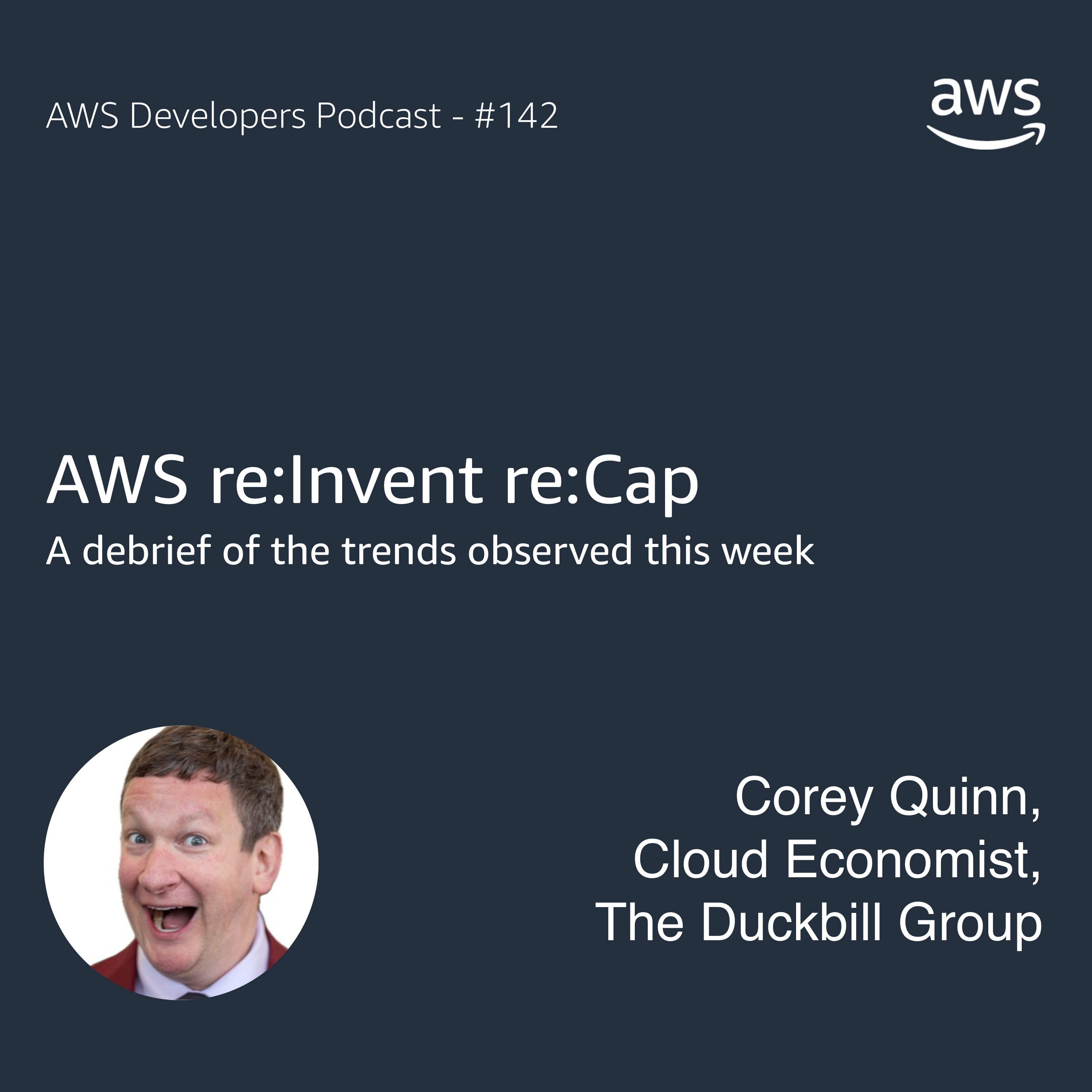
AWS re:Invent re:Cap with Corey Quinn
Dec 6, 202400:29:16Tap to summarizeIn this episode, cloud analyst and observer Corey Quinn shares his observation about trends and news from this week's AWS re:Invent conference, With Corey Quinn, Cloud Economist, The Duckbill Group. Links Here are the links to the tools, technologies, or articles we mentioned in this episode. Last week in AWS podcasts and newsletter. Get the details of the main launches at re:Invent, read the AWS News blog
Transcribe →
AWS Amplify AI Kit
Nov 29, 202400:30:26Tap to summarizeIn this episode of the AWS Developers Podcast, Tiffany and Seb discuss with Salih aboutthe new capabilities of AWS Amplify AI Kit, focusing on how it simplifies the process of building cloud-powered applications with generative AI. They explore the features of Amplify, including its ease of use for front-end developers and the integration of AI capabilities. The conversation also touches on cost considerations, future developments for the Amplify AI Kit, and practical examples of applications that can be built using this technology. With Muhammed Salih Güler, Developer Advocate, AWS Links Here are the links to the tools, technologies, or articles we mentioned in this episode. AWS Amplify AWS Amplify GitHub AWS Amplify Discord AWS Amplify UI Library AWS Amplify sample code AWS Amplify gen 2 in the AWS Developers Podcast AWS Amplify AI Kit AWS Amplify AI Kit Getting Started AWS Amplify AI Kit tutorial AWS Amplify AI Kit a 8 minutes video to show you how to build a chat app Blog : Create a Customized AI-Based Chat Interface With Your Application Data Blog : Build a Travel Planner with React Native, AWS Amplify, and Amazon Bedrock Knowledge Base Blog : Building RAG-based applications with AWS Amplify AI Kit and Neon Postgres
Transcribe →
Automate IAM policies creation across multiple accounts
Nov 22, 202400:34:20Tap to summarizeIn this episode of the AWS Developers Podcast, Seb and Ran Isenberg discuss the automation of IAM policies across multiple AWS accounts. They explore the challenges faced in managing security and access in a multi-account environment, the design and implementation of an automation architecture that simplifies these processes, and the significant improvements in developer experience and operational efficiency achieved through this automation. Ran shares insights into the open-source project that supports this automation and discusses future enhancements and community engagement. With Ran Isenberg, Software Architect, CyberArk Links Here are the links to the tools, technologies, or articles we mentioned in this episode. Ran the builder web site The GitHub repo we talked about: Auto Cross Account Access Service [Blog] : Serverless Governance of Software Deployed with AWS Service Catalog [Blog] : Amazon CloudFormation Custom Resources Best Practices with CDK and Python Examples [Blog] : AWS Security Best Practices: Leveraging IAM for Service-to-Service Authentication and Authorization [Blog] : Export CloudWatch Logs to Third-party Observability Tools with Serverless
Transcribe →
An orchestrator for your AI agents
Nov 15, 202400:34:45Tap to summarizeIn this episode of the AWS Developers Podcast, we discuss the Multi-Agent Orchestrator, an open-source framework designed to facilitate the orchestration of multiple AI agents. The conversation covers the challenges of building generative AI solutions, the need for specialized agents, and how the orchestrator functions as a smart router for directing user queries to the appropriate agents. They explore real-world use cases, including an e-commerce support system, and discuss the integration of new agents into the framework. The episode also compares the orchestrator with Amazon Bedrock's Converse API, highlighting the unique capabilities of the orchestrator in managing multiple agents. With Corneliu Croitoru and Anthony Bernabeu, Prototyping Architects, AWS. Links Here are the links to the tools, technologies, or articles we mentioned in this episode. The multi agent orchestrator Use case 1: From ‘Bonjour’ to ‘Boarding Pass’: Multilingual AI Chatbot for Flight Reservations Use case 2: Beyond Auto-Replies: Building an AI-Powered E-commerce Support system Use case 3: Speak Up, AI: Voicing Your Agents with Amazon Connect, Lex, and Bedrock
Transcribe →