Podcast
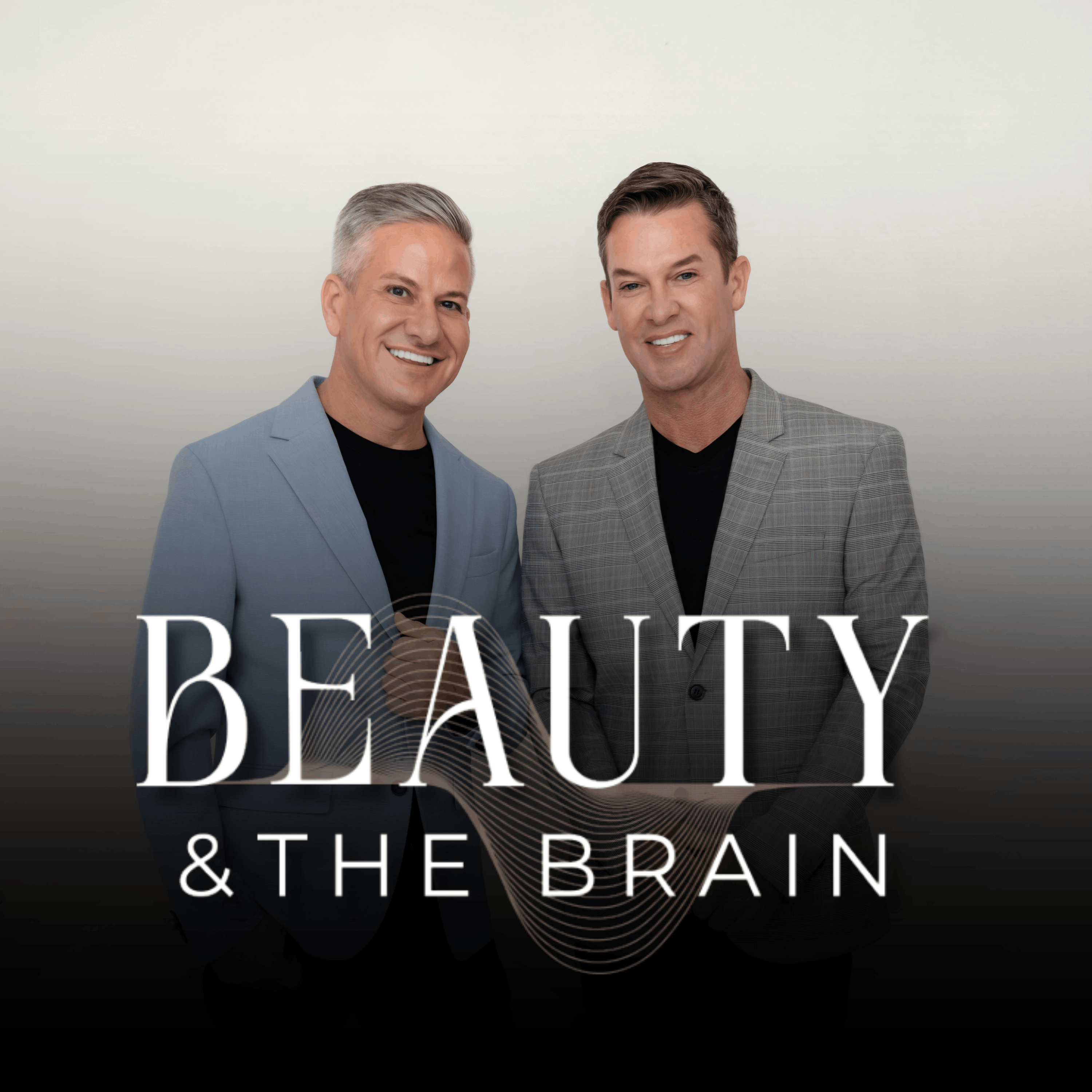
Beauty & The Brain®
Hosted by William C. Croley , Jerry Drinkard · EN
Welcome to Beauty & The Brain, the podcast where we take a deep dive into the fascinating world of medical aesthetics! I'm Dr. Chris Croley, and I'm joined by my co-host Jerry Drinkard, a board-certified Family Nurse Practitioner. Together, we co-own Skin & Tonic, a medical spa that's passionate about providing the latest and greatest treatments to help our clients look and feel their best.
We started this podcast out of our love for medical aesthetics and our desire to share our knowledge and insights with others. Every week, we'll be discussing new trends, sharing our thoughts on controversial topics, and keeping you up to date on the latest technology in the industry. But we won't just be talking to ourselves! We're excited to bring in experts and industry leaders to share their perspectives and insights with our listeners.
Our goal is to provide a podcast that's authentic, informative, and genuinely helpful for anyone who's interested in beauty and wellness. Whether you're a beauty enthusiast or a medical professional, we hope you'll tune in every week to learn something new and join us on this journey of discovery.
So, if you're ready to dive into the world of medical aesthetics, join us on Beauty & The Brain, and let's explore this fascinating industry together!
41episodes
Episodes
Newest firstAll episodes
The Orgasm Gap: What Most Couples Aren’t Talking About
3w ago00:17:12Tap to summarizeIt’s National Orgasm Day, and Jerry Drinkard, NP, and Allie Ballew, NP are marking the occasion with a candid, funny, and refreshingly open conversation about the orgasm gap.With Dr. Chris Croley away this week, Jerry and Allie unpack why men and women often report very different experiences with orgasm—and why it can still feel so difficult to talk about.They explore the many factors that can shape sexual pleasure, including anatomy education, communication, emotional safety, performance anxiety, hormonal changes, medications, vaginal dryness, painful sex, and the pressure to treat orgasm as the only goal of intimacy.They also discuss sexual-wellness options available at Skin and Tonic, including the O-Shot, Scream Cream, P-Wave treatments, and vaginal CO₂ laser procedures, while emphasizing that the right solution depends on the underlying cause.The biggest takeaway is simple: sexual health becomes much less intimidating when we are willing to talk about it—with our partners and with providers we trust.Follow Beauty & The Brain so you never miss Jerry and Dr. Chris as they continue exploring the connection between beauty, health, confidence, and feeling your best.
Transcribe →Smarter Consultations: How AI Is Improving Aesthetic Care
4w ago00:17:43Tap to summarizeAI can give you bigger lips, sharper features, smoother skin, and even a completely different body in seconds—but that does not mean those results are realistic.This week on Beauty & The Brain, Dr. Chris Croley and Jerry Drinkard, NP, unpack the rapidly growing role of artificial intelligence in aesthetic medicine. They explain why generic AI images can create misleading expectations and how more specialized tools are helping patients explore treatments without losing sight of what is safe, natural, and achievable.You’ll hear how Skin and Tonic Med Spa uses Ageless AI through RepeatMD to help patients visualize potential treatment outcomes, understand facial balancing, and review possible treatment costs before a consultation. Chris and Jerry also discuss ClearView’s predictive-aging technology, which evaluates current skin damage and illustrates how the skin may change over the next several years.The conversation goes beyond before-and-after simulations. They also share how AI supports patient education, appointment communication, pre- and post-care questions, marketing, and everyday practice operations—and why many patients actually enjoy the convenience and clarity of speaking with a well-trained AI assistant.Whether you are curious about cosmetic treatments, work in aesthetics, or simply want to understand how AI is influencing beauty and healthcare, this episode offers a practical look at the technology’s possibilities and limitations.For more information on Ageless, send Dr. Croley a dm @drcroley or an email at info@drcroley.comLocal to Pensacola, Milton, or Pace? Contact Skin and Tonic Med Spa to learn about a complimentary AI-supported skin analysis.Follow Beauty & The Brain so you never miss a candid conversation about beauty, health, aesthetics, and confidence.
Transcribe →Is Your Botox Fake? The Red Flags to Know
Jul 1600:21:07Tap to summarizeWhen does a great Botox deal become too good to be true?Dr. Chris Croley and Jerry Drinkard, NP, are breaking down the real story behind cheap neurotoxin treatments in this episode of Beauty & The Brain. They explain why pricing can vary between practices, when a promotion may be completely legitimate, and which red flags could point to counterfeit products, unauthorized sourcing, improper storage, or an underqualified injector.They also clear up common confusion around Botox and Dysport units, discuss why a lower dose may not last as long, and explain why patients should always know exactly what product is being injected. Plus, Chris and Jerry explore new neurotoxins that could offer results within hours, last only a few weeks, or potentially remain effective for five to six months.This episode will help you become a more informed aesthetics patient by showing you what to ask during a consultation, how to verify your provider’s credentials, and why choosing an injector based only on price can carry serious risks.Follow Beauty & The Brain for more smart, approachable conversations about aesthetics, health, beauty, and feeling confident in your own skin.
Transcribe →PRP, PRF, and Exosomes: Choosing the Right Treatment for Your Goals
Jul 900:19:03Tap to summarizeThis week on Beauty & The Brain, Dr. Chris Croley and Jerry Drinkard, NP are joined by Allie Ballew at Skin and Tonic in Pace, Florida to unpack the world of regenerative aesthetics.If you’ve heard terms like PRP, PRF, exosomes, PDRN, PDGF, or stem cells and wondered what they actually mean, this episode breaks it down in a way that makes sense. The team talks through the difference between platelet-rich plasma and platelet-rich fibrin, when PRF gel may be helpful, why PRP is often used for hair and sexual health, and how exosomes fit into the bigger conversation around skin rejuvenation.They also dig into what patients need to know before jumping on the latest aesthetic trend—especially when it comes to injectable vs. topical use, compliance, provider education, and realistic expectations.This conversation is perfect for anyone curious about more natural-looking aesthetic treatments, collagen and elastin support, under-eye rejuvenation, hair restoration, or the science behind using your body’s own healing factors to support healthier-looking skin.Follow Beauty & The Brain for more smart, approachable conversations about beauty, health, aesthetics, and confidence.
Transcribe →Why Does Your Botox Wear Off So Fast?
Jul 200:17:50Tap to summarizeThis week, Dr. Chris Croley and Jerry Drinkard, NP, are joined by Skin & Tonic nurse practitioner Allie Ballew, NP, to tackle one of the questions they hear most often in clinic:"Why doesn't my Botox last as long as everyone else's?"The answer is more complicated than you might think.From dosing and muscle strength to aging, treatment goals, and patient expectations, the team explains what really determines how long neurotoxins last—and why comparing your results to someone else's rarely tells the whole story.They also discuss the differences between today's available neurotoxins, whether longer-lasting products are worth the trade-offs, and the truth behind popular myths like taking zinc supplements to extend your results.Whether you're considering your first treatment or you've been receiving neurotoxins for years, this episode offers practical insight that will help you better understand your treatment plan and set realistic expectations.If you enjoy conversations that combine science, aesthetics, and honest patient education, be sure to follow Beauty & The Brain and leave a review so you never miss a new episode.
Transcribe →How Weight Loss and Menopause Affect the Labia
Jun 2500:16:33Tap to summarizeThis week on Beauty & The Brain, Dr. Chris Croley and Jerry Drinkard, NP are back together for a conversation that may feel taboo at first—but is incredibly real for many women.They’re talking about the external changes that can happen to the labia after weight loss, GLP-1 medications, childbirth, hormonal shifts, perimenopause, and aging. From volume loss and laxity to discoloration, discomfort, chafing, and changes in confidence, Chris and Jerry explain why intimate-area concerns are not just cosmetic—they can affect how people feel in their bodies.In this episode, they cover the difference between the labia majora and labia minora, why “deflation” can change the overall appearance of the area, and what treatment options may help. They discuss filler, PRP/PRF, regenerative treatments, Plexr, Neogen, topical pigment support, and internal treatments like the O-Shot for function-related concerns.They also talk through safety, who may need to avoid or delay treatment, and why having a trusted provider makes these conversations easier.Because confidence does not stop at the face.Listen in, follow the show, and share this episode with someone who might appreciate a real, judgment-free conversation about aesthetics, aging, and intimate wellness.
Transcribe →Best Skin Treatments to Do During Summer
Jun 1800:19:35Tap to summarizeDr. Chris Croley and Jerry Drinkard, NP are joined by Skin and Tonic’s Allie Ballew, NP for a summer-focused conversation about what esthetic treatments you can safely do when the sun is out and the beach is calling.The biggest takeaway? It is not always about the season. It is about your lifestyle, your sun exposure, your downtime, and whether you are willing to follow the right pre- and post-treatment care.In this episode, the team talks through summer-friendly options like injectables, facials, microneedling, Ultherapy, red light therapy, Sculptra, and lower-downtime laser treatments. They also explain why some people may want to wait on more aggressive treatments like CO2 lasers, chemical peels, or certain pigment-focused products if they know they will be spending a lot of time in the sun.You’ll also hear a very real conversation about melasma, sunscreen habits, tinted SPF, powder sunscreen, Plated, Alastin, ZO products, hydroquinone alternatives, and why prevention is so much easier than correction.Whether you love the beach, avoid the heat, or just want to keep your skin healthy all year long, this episode will help you think through what belongs in your summer treatment plan.Follow Beauty & The Brain for more smart, honest, and approachable conversations about beauty, skin health, confidence, and the treatments people are actually asking about.
Transcribe →Can Your Vagina Actually Sweat? What’s Normal and What Can Help
Jun 1100:16:33Tap to summarizeDr. Chris Croley and Jerry Drinkard, NP are joined by Allie, NP, for an honest and hilarious conversation about a topic a lot of people wonder about but rarely say out loud: can your vagina sweat?The answer is yes—but as the team explains, it is really sweat in the vulva and groin area, not inside the vagina itself. They talk through how to tell the difference between sweat, discharge, and urinary leakage, why odor and friction can happen, and what simple changes may help at home.You’ll also hear how treatments like neurotoxin/Botox can be used for excessive sweating, why laser hair removal may help reduce irritation and ingrown hairs, and why intimate wellness concerns are more common than most people think.Follow Beauty & The Brain for more real conversations about beauty, wellness, confidence, and the questions you may be too embarrassed to ask—but definitely want answered.
Transcribe →What We Wish Everyone Knew Before Beach Season
Jun 400:22:21Tap to summarizeDr. Chris Croley and Jerry Drinkard, NP are joined by Allie Ballew for a very honest conversation about something almost everyone loves but our skin does not always love back: the sun.In this episode of Beauty & The Brain, the team talks through tanning culture, tanning beds, spray tans, sunscreen habits, and the common belief that a little sun damage can always be “lasered off later.” They share what they see every day in esthetics—from pigmentation and crepey skin to leathery texture and long-term UV damage—and why the best skin results usually come from people who are serious about sun protection.You’ll hear their take on base tans, sunscreen reapplication, cloudy beach days, mineral vs. chemical sunscreen, powder SPF, SPF in makeup, sunscreen expiration, and why hats and umbrellas still do not replace actual sunscreen.They also touch on the bigger picture: skin cancer awareness, annual skin checks, and why catching suspicious spots early can make such a difference.This is the episode to listen to before your next beach day, cruise, outdoor event, or summer vacation—especially if you want to enjoy the sunshine without undoing all the work you have put into your skin.Follow Beauty & The Brain for more real conversations about beauty, skin health, confidence, and the treatments, habits, and decisions that make the biggest difference over time.
Transcribe →The Truth About Cortisol, Stress, and Feeling “Off”
May 2800:24:47Tap to summarizeThis week on Beauty & The Brain, Dr. Chris Croley is joined by Allie Ballew, NP, filling in for Jerry Drinkard, NP, for a smart, approachable conversation with endocrinologist and geneticist Dr. Fady Hannah-Shmouni.Together, they explore why hormone health has become such a major topic in aesthetics, functional medicine, wellness, and longevity—and why it can still feel confusing for both patients and providers. Dr. Hannah-Shmouni explains how hormones shift throughout the day, why timing matters when testing cortisol or testosterone, and how serial tracking may give a clearer picture than a single lab result.The episode also dives into the controversial term “adrenal fatigue,” the rise of biohacking, AI-powered hormone tools, and how patients can use better data to understand stress, sleep, menstrual health, performance, and overall wellness.One of the biggest takeaways? Before jumping into advanced optimization, start with the foundation: better sleep.Guest: Dr. Fady Hannah-ShmouniShop Eli Health's real-time cortisol test: https://eli.health/products/cortisolJoin our community on IG: https://www.instagram.com/myelihealthAnd on LinkedIn: linkedin.com/company/elihealth?originalSubdomain=caFollow Fady on IG: https://www.instagram.com/drshmouni/Join presale for testosterone/progesterone:https://eli.health/products/progesteronehttps://eli.health/products/testosteroneFollow Beauty & The Brain for more conversations on aesthetics, health, confidence, and the science behind looking and feeling your best.
Transcribe →