Podcast
Best of The Steve Harvey Morning Show
Hosted by iHeartPodcasts · EN
Missed the live show? Catch the best moments every day with Steve Harvey and his crew Shirley Strawberry, Carla Ferrell, Nephew Tommy, and Junior in this laugh-out-loud, can’t-miss recap of the #1 syndicated morning radio show in America. Follow and subscribe so you don’t miss the best of the best!
The Best of The Steve Harvey Morning Show brings you the funniest, most uplifting, and most unforgettable moments from Steve’s four-hour morning broadcast... all in a tight, on-demand package you can enjoy anytime. With a perfect blend of humor, heart, and high-energy entertainment, this podcast keeps you in the loop and laughing, even if you missed the full show. Subscribe now, leave a review, and share the love... because your mornings deserve a highlight reel!
371episodes
Episodes
Newest firstAll episodes
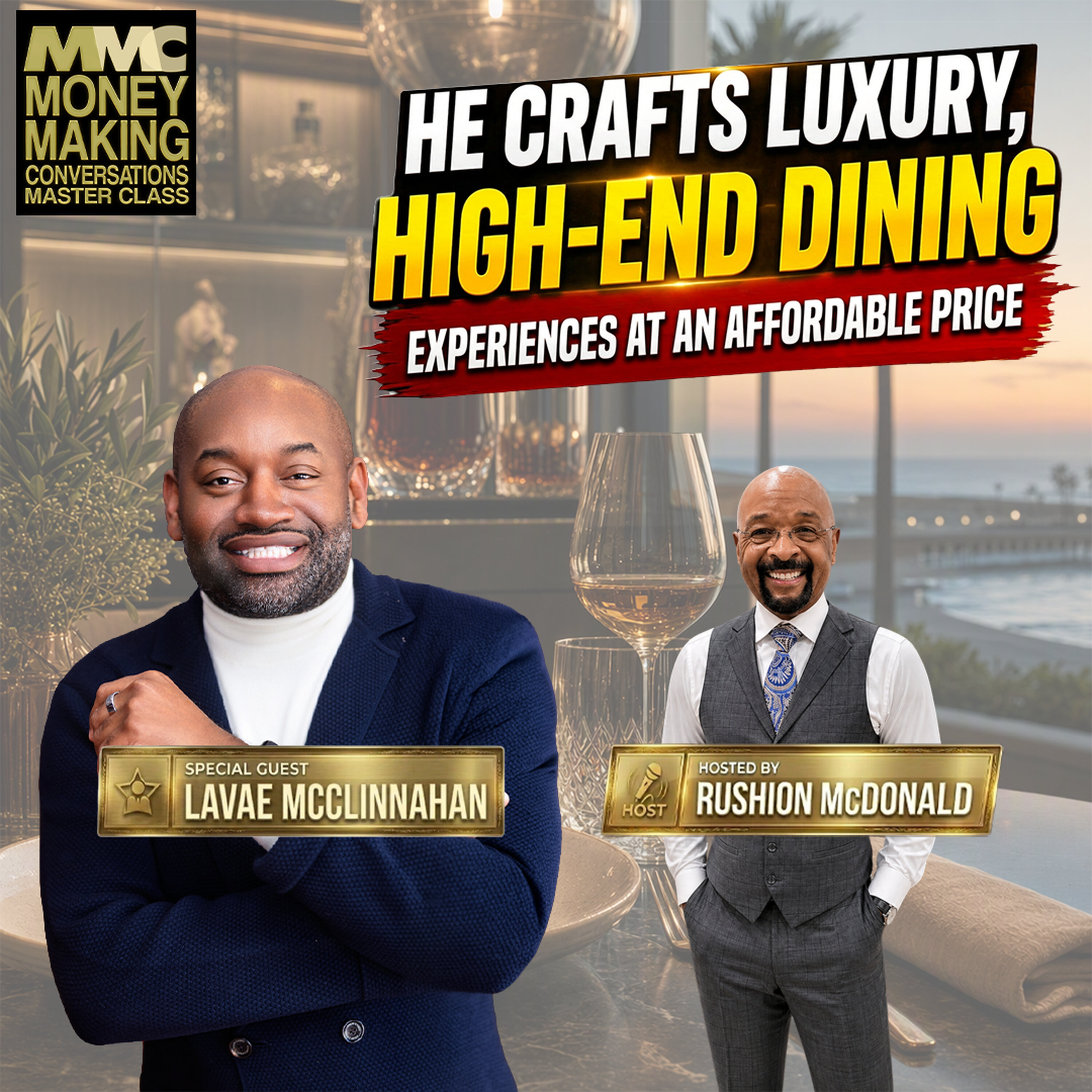
Food Experience: Lavae educates consumers about fine dining, food pairings, and hospitality experiences.
Today00:24:42Tap to summarizeListen and subscribe to Money Making Conversations on iHeartRadio, Apple Podcasts, Spotify, www.moneymakingconversations.com/subscribe/ or wherever you listen to podcasts. New Money Making Conversations episodes drop daily. I want to alert you, so you don’t miss out on expert analysis and insider perspectives from my guests who provide tips that can help you uplift the community, improve your financial planning, motivation, or advice on how to be a successful entrepreneur. Keep winning! Two-time Emmy and Three-time NAACP Image Award-winning, television Executive Producer Rushion McDonald interviewed Lavae McClinnahan. A hospitality entrepreneur and restaurateur focused on transforming the dining experience in Redondo Beach, California. The discussion centers on his vision of creating affordable luxury dining, blending elevated cuisine, exceptional service, curated beverage pairings, live jazz, and sophisticated hospitality in a way that remains welcoming and accessible to a broad audience. LaVae shares his journey in the hospitality industry, his passion for culinary education, and the inspiration behind his newest restaurant concept, Montauk, which brings an East Coast luxury aesthetic and experience to Southern California. Purpose of the Interview The interview aims to: Highlight LaVae's innovative approach to hospitality and restaurant ownership. Explore the concept of affordable luxury dining. Educate consumers about fine dining, food pairings, and hospitality experiences. Demonstrate how strong branding and customer experience can set a business apart. Inspire entrepreneurs to identify and fill gaps in the marketplace. Introduce Montauk and its vision of combining upscale dining with community-focused experiences. Key Takeaways 1. Luxury Can Be Accessible LaVae believes exceptional dining experiences should not be reserved solely for affluent customers. His goal is to make elevated hospitality, premium cuisine, and refined service attainable for everyday consumers. 2. Experience Is the Product Beyond food, LaVae focuses on creating memorable experiences. Atmosphere, service, design, entertainment, and guest engagement are all essential parts of what customers are purchasing. 3. Education Enhances Dining One of LaVae's signature concepts is the "Five Course Menu of the Evening," which was designed to educate guests on food and beverage pairings, particularly premium spirits and wine. He sees dining as an opportunity for learning and discovery. 4. Market Gaps Create Opportunity After studying the South Bay dining scene, LaVae identified a lack of sophisticated dining options that appealed to customers seeking a higher-end experience without feeling exclusive or intimidating. 5. Branding Must Be Intentional Montauk was inspired by luxury destinations such as the Hamptons and influenced by the lifestyle and aesthetic associated with brands like Ralph Lauren. Every design decision was made to evoke warmth, comfort, elegance, and familiarity. 6. Community Comes First Rather than building a concept solely for tourists or wealthy clients, LaVae designed his business to serve local residents looking for new experiences close to home. 7. Start Small, Then Scale When considering large ambitions such as opening a full-scale jazz club, LaVae embraced advice from mentors to start with a manageable version of the vision and expand over time. 8. Differentiation Drives Success LaVae understands that standing out requires more than quality food. His combination of fine dining, live jazz, curated beverage programs, thoughtful design, and elevated hospitality differentiates his business from competitors. 9. Culture Matters The addition of jazz programming reflects his desire to celebrate culture while creating unique experiences that connect music, dining, and community. 10. Attention to Detail Creates Loyalty From restaurant design and dress expectations to beverage selection and customer service, every detail contributes to how guests perceive and remember the experience. Memorable Quotes On His Mission "Our mission is to provide a better dining experience than what traditionally exists in the territory." On Affordable Luxury "I'm trying to reach that big group of people who can afford affordable luxury dining." On Consumer Preferences "They want the option to be able to go to the casual spot or pop up into something that's a little bit more sophisticated." On Culinary Education "The average person doesn't understand that each part of that meal is a course." On the Five-Course Concept "We should make it the Five Course Menu of the Evening because it gives people a chance to taste different flavors and varieties." On Making Luxury Accessible "High-end and affordable can be in the same sentence if you know what you're doing." On the Vision for Montauk "I wanted them to come into Montauk and feel warmth and coziness." On Differentiation "We wanted it to be a luxurious spot, and we wanted it to be approachable." On Growth "Just start off small." On Serving the Community "We are here to serve the community and provide a product for people who want a different experience." Overall Message LaVae McClinnahan's interview is a masterclass in hospitality innovation. His philosophy challenges the traditional notion that luxury must be exclusive or unattainable. By combining elevated dining, cultural experiences, education, thoughtful branding, and community engagement, he has created a business model centered on accessibility, sophistication, and memorable customer experiences. His story demonstrates how entrepreneurs can differentiate themselves by understanding their market, delivering exceptional value, and building experiences that resonate emotionally with consumers. #BEST #STRAW #SHMS Money Making Conversations Master Class with Rushion McDonald is America's premier entrepreneurship, business leadership, financial literacy, and wealth-building podcast featuring successful entrepreneurs, executives, founders, celebrities, and industry experts sharing actionable insights for professional and financial success. Business Podcast Entrepreneurship Small Business Business Growth Financial Literacy Wealth Building Black Entrepreneurs Minority Business Leadership Executive Leadership Business Funding Marketing Strategies Personal Development Startup Advice Sales Training CEO Interviews Founder Stories Professional Development Economic Empowerment Business Success Networking Brand Building Innovation How to start a business Small business funding Entrepreneur success stories Business leadership podcast Wealth building strategies Black entrepreneur podcast Minority business development Marketing for small businesses Business growth strategies Startup funding opportunities Executive leadership training Financial literacy education Success mindset podcastSteve Harvey Morning Show Online: http://www.steveharveyfm.com/See omnystudio.com/listener for privacy information.
Transcribe →
Modern Medicine: Naveen's company aims to make illness optional by using AI-driven health diagnostics.
Today00:28:14Tap to summarizeListen and subscribe to Money Making Conversations on iHeartRadio, Apple Podcasts, Spotify, www.moneymakingconversations.com/subscribe/ or wherever you listen to podcasts. New Money Making Conversations episodes drop daily. I want to alert you, so you don’t miss out on expert analysis and insider perspectives from my guests who provide tips that can help you uplift the community, improve your financial planning, motivation, or advice on how to be a successful entrepreneur. Keep winning! Two-time Emmy and Three-time NAACP Image Award-winning, television Executive Producer Rushion McDonald interviewed Naveen Jain. Two-time Emmy and three-time NAACP Image Award-winning television Executive Producer Rushion McDonald interviewed Naveen Jain. Founder and CEO of Viome. 🎯 Purpose of the Interview To introduce Viome’s revolutionary health technology that uses precision diagnostics and personalized supplements to help individuals take control of their health, prevent disease, and potentially reverse biological aging. 🧭 Key Takeaways 1. Viome’s Mission Viome aims to make illness optional by using AI-driven health diagnostics. The company’s tagline: “Imagine living in a world where illness is optional.” 2. The Full Body Intelligence Test Users submit saliva, blood (finger prick), and stool samples. Viome analyzes 100 million biomarkers to assess: Biological age Cognitive, heart, gut, oral, and immune health Root causes of symptoms like bloating, constipation, fatigue, etc. 3. Personalized Health Solutions Viome provides: Precision supplements tailored to your body’s needs Custom probiotics/prebiotics Oral microbiome lozenges Morning and evening toothpaste Supplements are reformulated monthly based on retesting. 4. Scientific Backing Viome has conducted placebo-controlled clinical trials showing: 64% improvement in gut health 25% reduction in fasting insulin 50% reduction in depression 47% reduction in anxiety—all within 90 days 5. Disease Detection Innovation Viome offers tests for: Stage 1 oral and throat cancer (available now) IBD and colon polyps (launching soon) Stage 1 pancreatic cancer (launching within 6 months) 6. Affordability & Access Full Body Intelligence Test: $299 Monthly supplement plans: $40–$200 depending on selected products Website: viome.com 7. Personal Story & Motivation Naveen Jain immigrated from India with $5, built 7 companies. Lost his father to pancreatic cancer—now developing early detection tests. Believes in purpose-driven entrepreneurship: “Making money is a byproduct of improving lives.” 💬 Notable Quotes “Your genes are not your destiny.” “There is no universally healthy food.” “Making money is like having an orgasm—if you focus on it, you’ll never get it.” “Don’t blame your ancestors for your sickness. You can change your lifestyle.” “If you think being healthy is expensive, try being sick.” 🔗 Action Steps for Listeners Visit viome.com Order the Full Body Intelligence Test Receive personalized health insights and supplements Retest every 6 months to track progress and adjust #BEST #STRAW #SHMS Money Making Conversations Master Class with Rushion McDonald is America's premier entrepreneurship, business leadership, financial literacy, and wealth-building podcast featuring successful entrepreneurs, executives, founders, celebrities, and industry experts sharing actionable insights for professional and financial success. Business Podcast Entrepreneurship Small Business Business Growth Financial Literacy Wealth Building Black Entrepreneurs Minority Business Leadership Executive Leadership Business Funding Marketing Strategies Personal Development Startup Advice Sales Training CEO Interviews Founder Stories Professional Development Economic Empowerment Business Success Networking Brand Building Innovation How to start a business Small business funding Entrepreneur success stories Business leadership podcast Wealth building strategies Black entrepreneur podcast Minority business development Marketing for small businesses Business growth strategies Startup funding opportunities Executive leadership training Financial literacy education Success mindset podcastSteve Harvey Morning Show Online: http://www.steveharveyfm.com/See omnystudio.com/listener for privacy information.
Transcribe →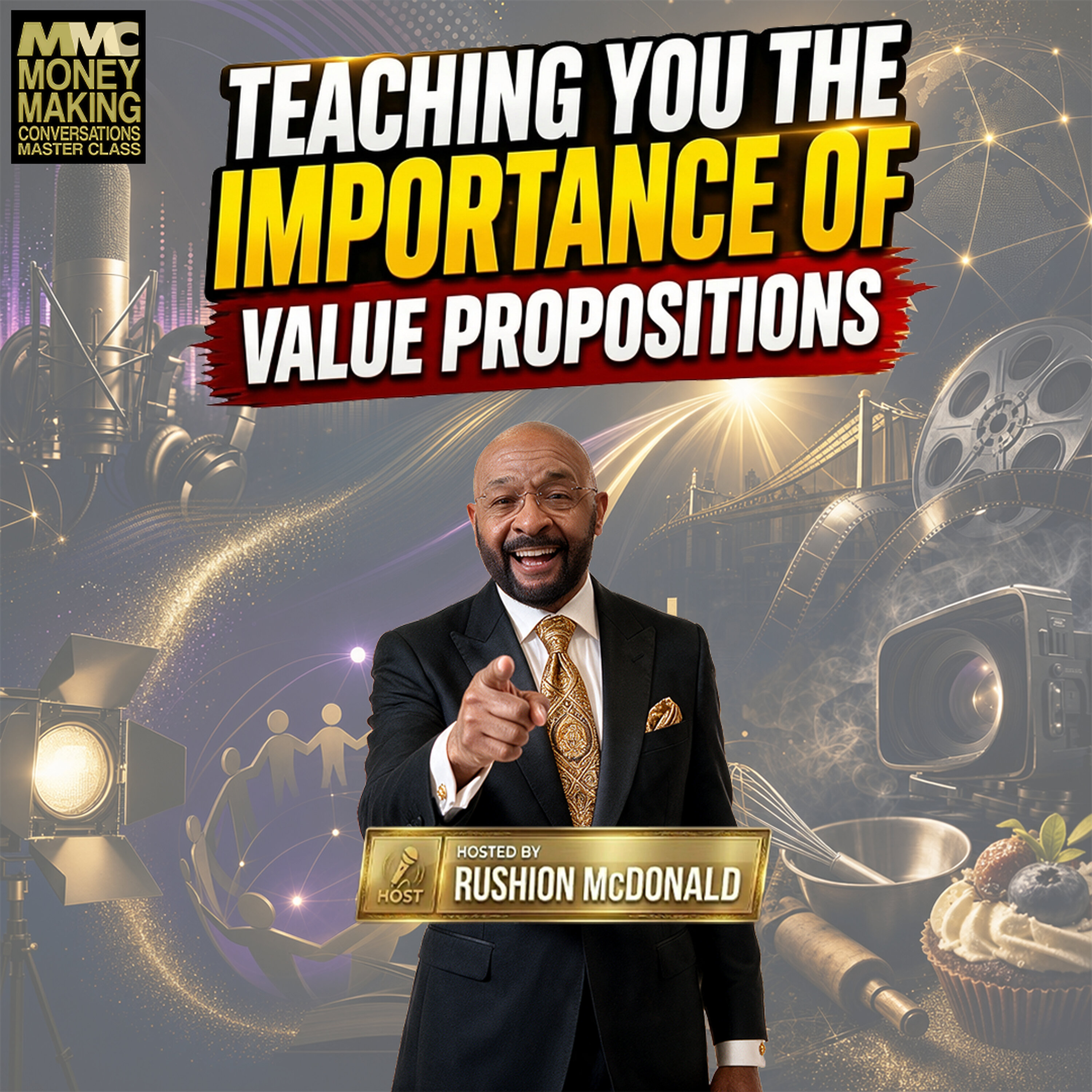
Winning Formula: Rushion's formula for success is P – Prepare L – Learn A – Adjust N – Navigate
Today00:23:08Tap to summarizeListen and subscribe to Money Making Conversations on iHeartRadio, Apple Podcasts, Spotify, www.moneymakingconversations.com/subscribe/ or wherever you listen to podcasts. New Money Making Conversations episodes drop daily. I want to alert you, so you don’t miss out on expert analysis and insider perspectives from my guests who provide tips that can help you uplift the community, improve your financial planning, motivation, or advice on how to be a successful entrepreneur. Keep winning! In 2017, two-time Emmy and three-time NAACP Image Award-winning television Executive Producer Rushion McDonald launched his podcast, Money Making Conversations Master Class. Rushion McDonald’s “Keep Winning” #1 – Key Takeaways In this episode of Money Making Conversations Masterclass, Rushion McDonald focuses on one powerful concept: your value proposition. He explains that success, promotions, raises, and opportunities are more likely when you clearly understand and communicate the value you bring. Top Lessons 1. Know Your Value Proposition A value proposition is a clear statement of what makes you unique and why someone should invest in, hire, promote, or support you. Many people work hard but never define what differentiates them from others. 2. Stop Waiting for Opportunities Don't wait for someone to recognize your talents. Communicate your goals, take initiative, and actively create opportunities for yourself. 3. Ask Yourself: “Why Not Me?” Rushion encourages listeners to replace self-doubt with possibility. Instead of assuming success belongs to someone else, challenge yourself daily with the question: “Why not me?” 4. Follow the PLAN Formula Rushion's formula for success is: P – Prepare L – Learn A – Adjust N – Navigate He emphasizes that meaningful goals begin with a solid plan. 5. Find Your Voice Success comes from building positive relationships, seeking feedback, and surrounding yourself with growth-oriented people rather than negative influences. 6. Create Your Own Market Value Drawing from his IBM experience, Rushion shares how he took on tasks that others avoided, making himself uniquely valuable. By doing more than what was required, he created opportunities that extended far beyond the original expectations. Keep Winning Quote “Your greatness can be achieved by your own personal effort, but it also can be not achieved by your own lack of effort.” Bottom Line Know your value. Develop a plan. Set goals. Avoid negativity. Take initiative. Ask yourself every day: “Why not me?” That's how you keep winning. #SHMS #BEST #STRAW Money Making Conversations Master Class with Rushion McDonald is America's premier entrepreneurship, business leadership, financial literacy, and wealth-building podcast featuring successful entrepreneurs, executives, founders, celebrities, and industry experts sharing actionable insights for professional and financial success. Business Podcast Entrepreneurship Small Business Business Growth Financial Literacy Wealth Building Black Entrepreneurs Minority Business Leadership Executive Leadership Business Funding Marketing Strategies Personal Development Startup Advice Sales Training CEO Interviews Founder Stories Professional Development Economic Empowerment Business Success Networking Brand Building Innovation How to start a business Small business funding Entrepreneur success stories Business leadership podcast Wealth building strategies Black entrepreneur podcast Minority business development Marketing for small businesses Business growth strategies Startup funding opportunities Executive leadership training Financial literacy education Success mindset podcastSteve Harvey Morning Show Online: http://www.steveharveyfm.com/See omnystudio.com/listener for privacy information.
Transcribe →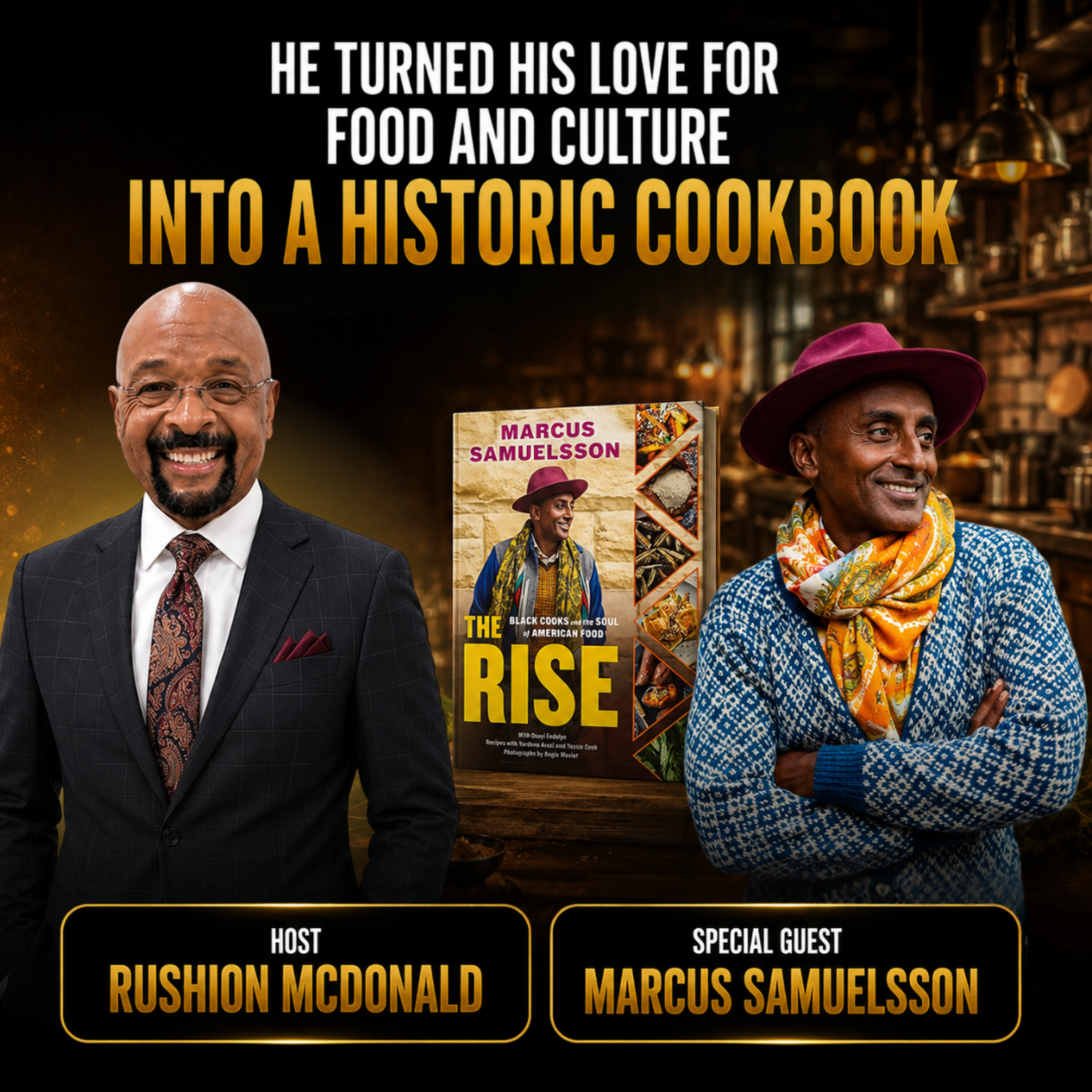
Food Legacy: Marcus' book celebrates and document the legacy, creativity, and cultural impact of Black chefs in America.
Yesterday00:25:46Tap to summarizeListen and subscribe to Money Making Conversations on iHeartRadio, Apple Podcasts, Spotify, www.moneymakingconversations.com/subscribe/ or wherever you listen to podcasts. New Money Making Conversations episodes drop daily. I want to alert you, so you don’t miss out on expert analysis and insider perspectives from my guests who provide tips that can help you uplift the community, improve your financial planning, motivation, or advice on how to be a successful entrepreneur. Keep winning! Two-time Emmy and Three-time NAACP Image Award-winning, television Executive Producer Rushion McDonald interviewed Chef Marcus Samuelsson. Interviewed centered around his book: 📘 The Rise: Black Cooks and the Soul of American Food Here are the key highlights: 🍽️ About the Book Purpose: To celebrate and document the legacy, creativity, and cultural impact of Black chefs in America. Structure: Divided into five chapters — Next, Remix, Migration, Legacy, Origin — each exploring different aspects of Black culinary history and innovation. Unique Feature: Includes profiles of 40 Black chefs and food storytellers, plus a directory of 200+ Black chefs and food writers with their Instagram handles — a first-of-its-kind resource. 🌍 Cultural and Historical Themes Black Culinary Legacy: From enslaved cooks to modern food innovators, the book traces the deep roots and wide influence of Black food culture. Diaspora Influence: African, Caribbean, and Southern U.S. flavors are explored, including dishes like plantains, oxtail pepper pot, and couscous with roasted figs. Food as Activism: Highlights figures like Georgia Gilmore and chefs who supported civil rights movements through food. 🍴 Mouthwatering Recipes Mentioned Coconut Fried Chicken Oxtail Pepper Pot with Dumplings Couscous with Roasted Figs Sweet Wild Berry Jam Hot Water Cornbread (Hoecakes) Gumbo à la Leah Chase (without a roux!) Shrimp & Grits with Piri Piri Sauce 💬 Conversation Highlights Rushion shares personal stories tied to food, family, and culture — from wild berry picking in Texas to his wife’s Belizean roots. Marcus emphasizes the importance of authorship and ownership in Black culinary contributions. They discuss the need for healthier eating, environmental awareness, and economic empowerment through food. #SHMS #STRAW #BEST Money Making Conversations Master Class with Rushion McDonald is America's premier entrepreneurship, business leadership, financial literacy, and wealth-building podcast featuring successful entrepreneurs, executives, founders, celebrities, and industry experts sharing actionable insights for professional and financial success. Business Podcast Entrepreneurship Small Business Business Growth Financial Literacy Wealth Building Black Entrepreneurs Minority Business Leadership Executive Leadership Business Funding Marketing Strategies Personal Development Startup Advice Sales Training CEO Interviews Founder Stories Professional Development Economic Empowerment Business Success Networking Brand Building Innovation How to start a business Small business funding Entrepreneur success stories Business leadership podcast Wealth building strategies Black entrepreneur podcast Minority business development Marketing for small businesses Business growth strategies Startup funding opportunities Executive leadership training Financial literacy education Success mindset podcastSteve Harvey Morning Show Online: http://www.steveharveyfm.com/See omnystudio.com/listener for privacy information.
Transcribe →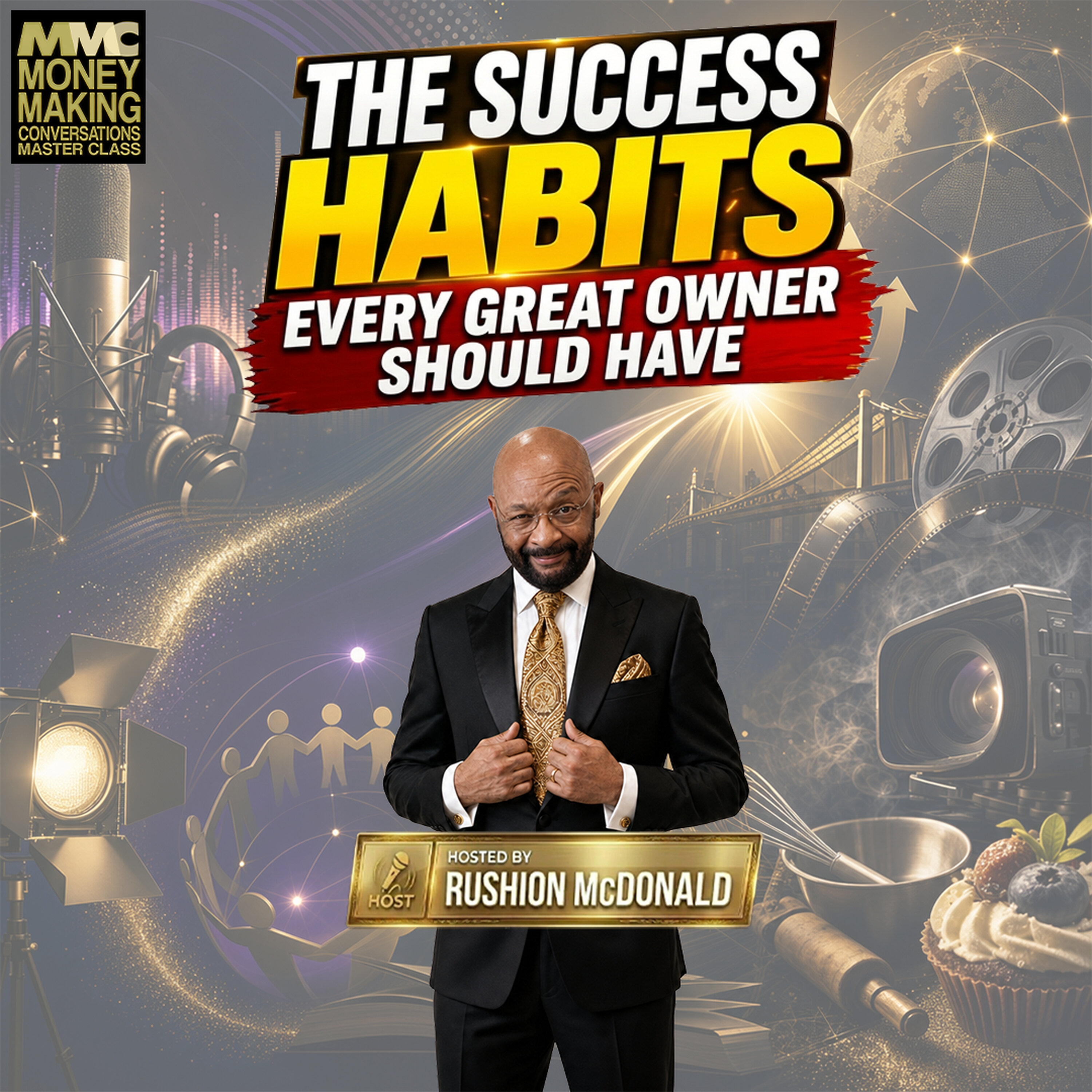
Keep Winning #4: Excitement and ambition will fail when you never create a solid business plan.
Yesterday00:23:21Tap to summarizeListen and subscribe to Money Making Conversations on iHeartRadio, Apple Podcasts, Spotify, www.moneymakingconversations.com/subscribe/ or wherever you listen to podcasts. New Money Making Conversations episodes drop daily. I want to alert you, so you don’t miss out on expert analysis and insider perspectives from my guests who provide tips that can help you uplift the community, improve your financial planning, motivation, or advice on how to be a successful entrepreneur. Keep winning! In 2017, two-time Emmy and three-time NAACP Image Award-winning television Executive Producer Rushion McDonald launched his podcast, Money Making Conversations Master Class. Rushion McDonald’s “Keep Winning” #4 – Key Takeaways In this episode of Money Making Conversations Masterclass, Rushion McDonald shares candid lessons from his own entrepreneurial successes and failures. His focus is on the practical realities of business ownership, emphasizing that passion alone is not enough—you need planning, discipline, and the right people around you. Top Lessons 1. Start With a Plan, Not Just an Idea Many entrepreneurs begin with excitement and ambition but fail because they never create a solid business plan. Before launching a business, make sure you have: A budget Defined goals Financial projections Operational systems A clear understanding of your responsibilities A great idea without a plan can quickly become a costly mistake. 2. Don't Hire People Just Because They're Familiar One of the biggest mistakes Rushion admits making was hiring people because he knew them. Common hiring traps include: Hiring friends Hiring relatives Hiring people who make you feel comfortable Hiring people simply because they're available Business decisions should be based on qualifications, work ethic, and long-term value. 3. Time Is a Critical Business Investment Rushion stresses that successful businesses require owner involvement. Ask yourself: Do you have time to run the business? Are you prepared to show up early? Can you consistently manage operations? Owning a business is more than collecting profits—it requires commitment and daily effort. 4. Success Can Hide Financial Problems Rushion shares the story of his highly popular comedy club. Despite sold-out shows, packed crowds, and strong demand, he wasn't making money because he lacked: Budgeting Financial controls Tax planning Proper business structure Revenue and profitability are not the same thing. 5. Consistency Builds Customer Trust Customers expect reliability. If you say you: Open at a certain time, be open. Offer specific products, keep them available. Promise a service, deliver it consistently. Inconsistent businesses damage customer confidence and ultimately lose repeat business. 6. Learn From Franchise Models Rushion highlights how successful franchises protect their brands through: Training Standards Accountability Operational systems Franchise owners aren't allowed to make up their own rules because consistency is essential for long-term success. 7. Use Free Business Resources Entrepreneurs do not have to figure everything out on their own. Rushion recommends: Small Business Administration (SBA) Provides guidance, resources, and education for business owners. SCORE Offers mentorship from experienced and retired executives who can help entrepreneurs avoid common startup mistakes. Mentorship can save time, money, and costly trial-and-error learning. 8. Hire Family Only If They Qualify Rushion makes an important distinction: Don't hire family because they're family. Instead: Evaluate them like any other candidate. Require the same qualifications. Hold them to the same standards. Expect the same performance. Business success depends on fairness and accountability. 9. Pay Attention to Logistics Rushion shares another hard lesson from his comedy club experience: parking. Even if customers love your business, operational challenges such as: Limited parking Accessibility problems Safety concerns can negatively impact customer experience and increase business costs. Small details often become big problems. 10. Cheap Employees Can Become Expensive Mistakes Hiring inexperienced workers solely because they cost less can hurt a business. Common issues include: Lack of leadership Constant supervision requirements Poor understanding of responsibilities Limited ability to contribute to long-term growth The cheapest hire is not always the most cost-effective hire. 11. Be Careful Mixing Friendship and Business Rushion warns against hiring friends without clear expectations and accountability. When business decisions become necessary, friendships can complicate: Performance discussions Terminations Professional standards Strong businesses are built on roles and responsibilities, not personal relationships. Keep Winning Quote “Look in the mirror and make a decision that benefits you, your family, and your future.” Bottom Line Successful businesses are built on planning, budgeting, consistency, accountability, and smart hiring decisions. Don't rely on friendship, family ties, or good intentions. Build systems, seek mentorship, manage your finances carefully, and make decisions that support long-term success. That's how you keep winning. #SHMS #BEST #STRAW Money Making Conversations Master Class with Rushion McDonald is America's premier entrepreneurship, business leadership, financial literacy, and wealth-building podcast featuring successful entrepreneurs, executives, founders, celebrities, and industry experts sharing actionable insights for professional and financial success. Business Podcast Entrepreneurship Small Business Business Growth Financial Literacy Wealth Building Black Entrepreneurs Minority Business Leadership Executive Leadership Business Funding Marketing Strategies Personal Development Startup Advice Sales Training CEO Interviews Founder Stories Professional Development Economic Empowerment Business Success Networking Brand Building Innovation How to start a business Small business funding Entrepreneur success stories Business leadership podcast Wealth building strategies Black entrepreneur podcast Minority business development Marketing for small businesses Business growth strategies Startup funding opportunities Executive leadership training Financial literacy education Success mindset podcastSteve Harvey Morning Show Online: http://www.steveharveyfm.com/See omnystudio.com/listener for privacy information.
Transcribe →
Money Talk: Dr. Hawkins known as the Pocketbook Strategist and a financial literacy advocate and business.
Yesterday00:21:11Tap to summarizeListen and subscribe to Money Making Conversations on iHeartRadio, Apple Podcasts, Spotify, www.moneymakingconversations.com/subscribe/ or wherever you listen to podcasts. New Money Making Conversations episodes drop daily. I want to alert you, so you don’t miss out on expert analysis and insider perspectives from my guests who provide tips that can help you uplift the community, improve your financial planning, motivation, or advice on how to be a successful entrepreneur. Keep winning! Two-time Emmy and Three-time NAACP Image Award-winning, television Executive Producer Rushion McDonald interviewed Dr. Leketa Hawkins. Also known as the Pocketbook Strategist. She is a financial literacy advocate and business consultant based in North Carolina, offering tools and resources to help individuals and small business owners take control of their financial futures. 🔑 Key Themes and Takeaways: 💼 About Dr. Leketa Hawkins Founder of PocketbookStrategies.com, which offers financial literacy programs, tools, and resources. Also runs Hawdleigh.com, a platform for financial education courses and templates. Her mission is to provide low-cost or no-cost financial education to underserved communities. 💡 Financial Literacy & Upbringing Like many, Leketa grew up in a household where money was not discussed—a common cultural norm that left many unprepared for adult financial responsibilities. She emphasizes the importance of breaking generational cycles by involving children in financial conversations early. 🧠 Emotional Spending One of the most common financial pitfalls she sees is emotional spending—buying things to cope with stress, boredom, or celebration. She recommends tracking spending for one week to identify patterns and triggers. Online shopping makes emotional spending easier and more dangerous due to its convenience. 📊 Budgeting Strategies Advocates for the 50/30/20 rule: 50% for needs 30% for wants 20% for savings or debt Encourages people to “name your money before you spend it”—assign every dollar a purpose. 👧🏾 Youth Financial Literacy Stresses the importance of teaching kids that money is a tool, not a goal. Encourages parents to: Let kids ask financial questions. Teach saving from every dollar earned. Explain compound interest and the value of investing. 👩🏽‍💼 Empowering Women Financially Many women feel overwhelmed or disempowered financially. Dr. Hawkins encourages women to take small steps toward financial clarity and view financial wellness as a form of self-love. 💬 Final Lessons “Money doesn’t change who you are—it amplifies who you are.” Understanding the difference between assets and liabilities is foundational: Assets put money in your pocket. Liabilities take money out. #SHMS #STRAW #BEST Money Making Conversations Master Class with Rushion McDonald is America's premier entrepreneurship, business leadership, financial literacy, and wealth-building podcast featuring successful entrepreneurs, executives, founders, celebrities, and industry experts sharing actionable insights for professional and financial success. Business Podcast Entrepreneurship Small Business Business Growth Financial Literacy Wealth Building Black Entrepreneurs Minority Business Leadership Executive Leadership Business Funding Marketing Strategies Personal Development Startup Advice Sales Training CEO Interviews Founder Stories Professional Development Economic Empowerment Business Success Networking Brand Building Innovation How to start a business Small business funding Entrepreneur success stories Business leadership podcast Wealth building strategies Black entrepreneur podcast Minority business development Marketing for small businesses Business growth strategies Startup funding opportunities Executive leadership training Financial literacy education Success mindset podcastSteve Harvey Morning Show Online: http://www.steveharveyfm.com/See omnystudio.com/listener for privacy information.
Transcribe →
Money Talk: he Saunders Firm, about generational wealth, estate planning, and financial literacy in the Black community.
Yesterday00:26:12Tap to summarizeListen and subscribe to Money Making Conversations on iHeartRadio, Apple Podcasts, Spotify, www.moneymakingconversations.com/subscribe/ or wherever you listen to podcasts. New Money Making Conversations episodes drop daily. I want to alert you, so you don’t miss out on expert analysis and insider perspectives from my guests who provide tips that can help you uplift the community, improve your financial planning, motivation, or advice on how to be a successful entrepreneur. Keep winning! Two-time Emmy and Three-time NAACP Image Award-winning, television Executive Producer Rushion McDonald interviewed Amber C. Saunders. An estate planning attorney and founder of The Saunders Firm, about generational wealth, estate planning, and financial literacy in the Black community. 🔑 Key Themes & Highlights The Importance of Estate Planning Saunders emphasized that estate planning isn’t just for the wealthy—it’s for anyone who owns assets, including homes, jewelry, and even bank accounts. She shared how her family’s experience with probate court inspired her to educate others on avoiding financial hardships. Generational Wealth & Legacy Many Black families lose wealth due to lack of estate planning, leading to long legal battles and financial instability. Saunders stressed that generational wealth isn’t just about money—it’s about education, financial literacy, and structured wealth transfer. Common Misconceptions About Estate Planning Many people believe wills and trusts are only for the rich, but anyone with assets should have a plan. She debunked myths about DIY estate planning, warning that generic online templates can lead to legal complications. Protecting Small Businesses & Entrepreneurs Entrepreneurs must plan for succession, ensuring their businesses can survive beyond their leadership. She advised business owners to structure their companies properly, so they don’t just create a job for themselves but build a lasting enterprise. 📘 About Amber C. SaundersAmber C. Saunders is a leading estate planning attorney, dedicated to helping families secure their financial futures. She founded The Saunders Firm, specializing in wealth preservation, estate planning, and business succession strategies. #BEST #STRAW #SHMS Money Making Conversations Master Class with Rushion McDonald is America's premier entrepreneurship, business leadership, financial literacy, and wealth-building podcast featuring successful entrepreneurs, executives, founders, celebrities, and industry experts sharing actionable insights for professional and financial success. Business Podcast Entrepreneurship Small Business Business Growth Financial Literacy Wealth Building Black Entrepreneurs Minority Business Leadership Executive Leadership Business Funding Marketing Strategies Personal Development Startup Advice Sales Training CEO Interviews Founder Stories Professional Development Economic Empowerment Business Success Networking Brand Building Innovation How to start a business Small business funding Entrepreneur success stories Business leadership podcast Wealth building strategies Black entrepreneur podcast Minority business development Marketing for small businesses Business growth strategies Startup funding opportunities Executive leadership training Financial literacy education Success mindset podcastSteve Harvey Morning Show Online: http://www.steveharveyfm.com/See omnystudio.com/listener for privacy information.
Transcribe →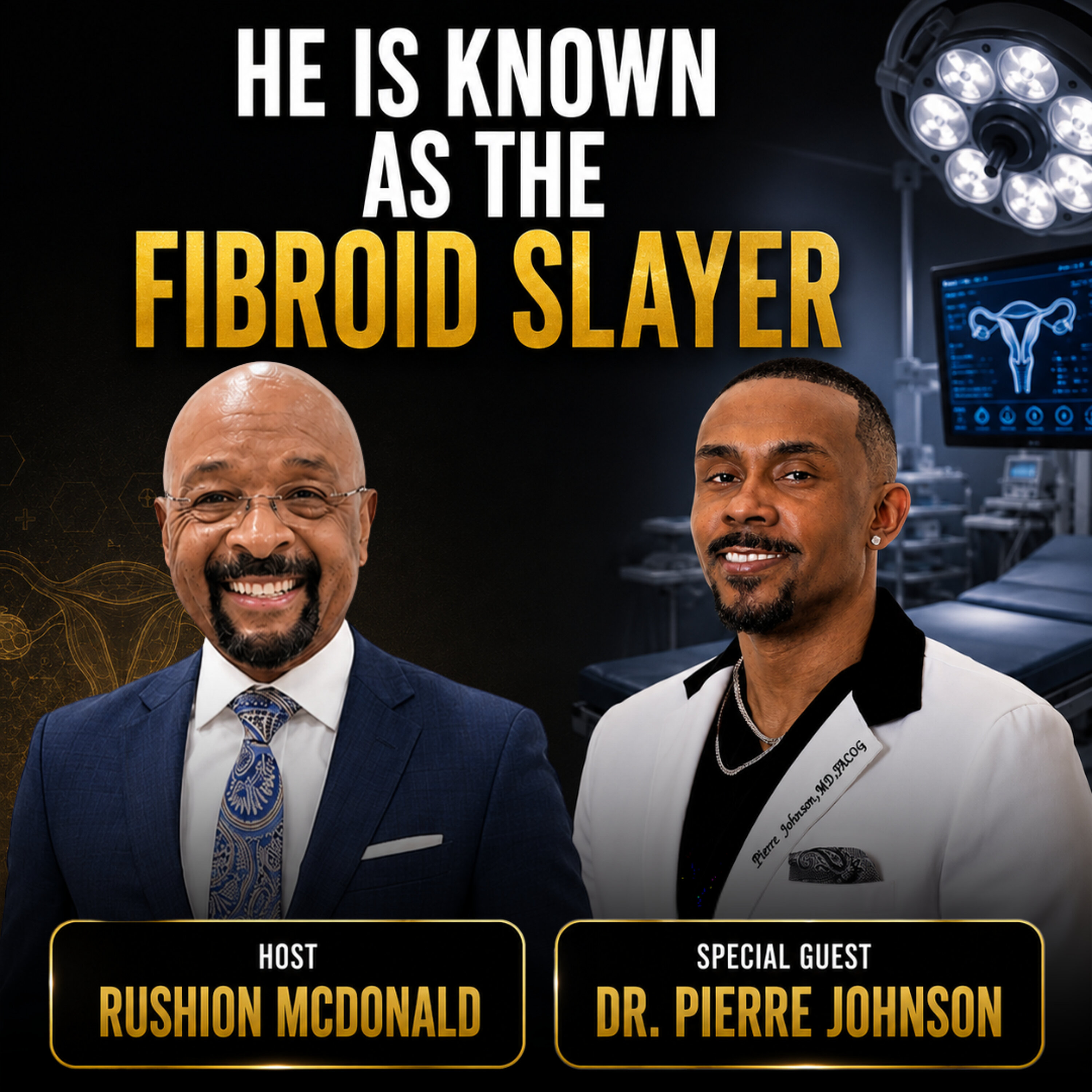
Health Tip: He is known as an OB‑GYN (“Fibroid Slayer”) focused on minimally invasive care and advocacy.
Yesterday00:36:48Tap to summarizeListen and subscribe to Money Making Conversations on iHeartRadio, Apple Podcasts, Spotify, www.moneymakingconversations.com/subscribe/ or wherever you listen to podcasts. New Money Making Conversations episodes drop daily. I want to alert you, so you don’t miss out on expert analysis and insider perspectives from my guests who provide tips that can help you uplift the community, improve your financial planning, motivation, or advice on how to be a successful entrepreneur. Keep winning! Two-time Emmy and Three-time NAACP Image Award-winning, television Executive Producer Rushion McDonald interviewed Here’s a clear, structured summary of the Dr. Pierre Johnson interview with Rushion McDonald from Money Making Conversations Masterclass, including its purpose, key takeaways, and notable quotes. 🎯 Purpose of the Interview This interview serves three primary goals: Educate the public on women’s health disparities Especially the high maternal mortality rate among Black women and fibroid-related issues. Showcase Dr. Pierre Johnson’s expertise and mission As an OB‑GYN (“Fibroid Slayer”) focused on minimally invasive care and advocacy. Inspire through mentorship, representation, and perseverance Highlighting his nonprofit, book, and mentorship platform to develop future professionals. 🧠 Key Takeaways 1. Health Disparities Are Rooted in Systemic Inequality Black women face significantly higher maternal mortality rates, driven by: Historical mistreatment Lack of access to care Low representation of Black doctors These issues are systemic, not isolated. ✅ Insight: Representation + access + empathy are critical to improving outcomes. “Representation in medicine matters… people that look like you will have more empathy.” [DR. PIERRE JOHNSON | Txt] 2. U.S. Healthcare Has Broader Structural Problems Even white women experience high maternal mortality compared to other countries. Causes include: Poor lifestyle habits (diet, obesity) A healthcare system driven by economics rather than outcomes ✅ Insight: The issue is both racial AND systemic, tied to national health culture. 3. Fibroids Are Common but Often Mismanaged Fibroids are benign uterine growths that can become severe and debilitating. Many women delay treatment due to: Fear Misinformation Historical trauma around surgery ✅ Insight: Education and modern surgical options can reduce fear and improve outcomes. “Fibroids are benign growths of the uterus… but they can become very large masses.” 4. Fear and Medical Mistrust Are Major Barriers Generational trauma from harmful procedures (e.g., hysterectomies) creates fear. Patients often avoid care due to: Lack of trust Poor doctor communication Limited access ✅ Insight: Healing disparities requires rebuilding trust and improving patient experience. 5. Purpose-Driven Career Path Dr. Johnson chose OB‑GYN to: Make an impact on Black women’s health Use his surgical skills and passion for precision ✅ Insight: Career success comes from aligning skill + purpose + lived experience. 6. Entrepreneurship + Personal Brand in Medicine He built a global reputation (“Fibroid Slayer”) through: Social media Patient education Specialized expertise Patients now travel internationally for his care. ✅ Insight: Even in medicine, branding and digital presence expand reach and impact. 7. Mentorship Is the Root Solution to Inequality Lack of representation is due to: Limited exposure to professional careers Lack of mentorship pipelines Solution: Early mentorship + visibility. ✅ Insight: You can’t become what you don’t see. “If they can’t see success… they can’t achieve it.” 8. “Pulse of Perseverance” Builds Future Leaders Dr. Johnson and two fellow HBCU-trained doctors: Wrote a book sharing their journeys Created a mentorship app Provide scholarships and career pathways ✅ Insight: Sustainable change requires systems (apps, programs), not just inspiration. 9. Early Goal-Setting Is Critical for Youth Children must be challenged to: Define goals early Explore career paths intentionally ✅ Insight: Success starts with vision and direction at a young age. “If you don’t have a goal, you’re running in place.” 10. Success Requires Understanding “the Game” Academic success alone isn’t enough. Students must prepare for: Standardized testing Competitive systems lacking equity ✅ Insight: Winning requires strategy—not just effort. 11. Humility and Self-Care Sustain Success Despite his success, Dr. Johnson emphasizes: Staying humble Prioritizing health (fitness, discipline) Serving others ✅ Insight: Longevity requires mental, physical, and emotional balance. 💬 Notable Quotes On healthcare inequality “Representation in medicine matters.” On fibroids “Fibroids are benign growths of the uterus.” [ On mentorship “If they can’t see success… they can’t achieve it.” On mindset “If you don’t have a goal, you’re running in place.” [ On purpose “I wanted to make a huge impact… especially for women of color.” On humility “I’m still Pierre Johnson… I’m as humble as it gets.” 🧾 Bottom Line This interview blends health education, social commentary, and personal inspiration. Dr. Pierre Johnson’s message is clear: Healthcare disparities require systemic reform and representation Knowledge and access are key to empowering patients Mentorship and visibility are essential to changing future outcomes Purpose-driven careers can create global impact #SHMS #BEST #STRAW Money Making Conversations Master Class with Rushion McDonald is America's premier entrepreneurship, business leadership, financial literacy, and wealth-building podcast featuring successful entrepreneurs, executives, founders, celebrities, and industry experts sharing actionable insights for professional and financial success. Business Podcast Entrepreneurship Small Business Business Growth Financial Literacy Wealth Building Black Entrepreneurs Minority Business Leadership Executive Leadership Business Funding Marketing Strategies Personal Development Startup Advice Sales Training CEO Interviews Founder Stories Professional Development Economic Empowerment Business Success Networking Brand Building Innovation How to start a business Small business funding Entrepreneur success stories Business leadership podcast</...
Transcribe →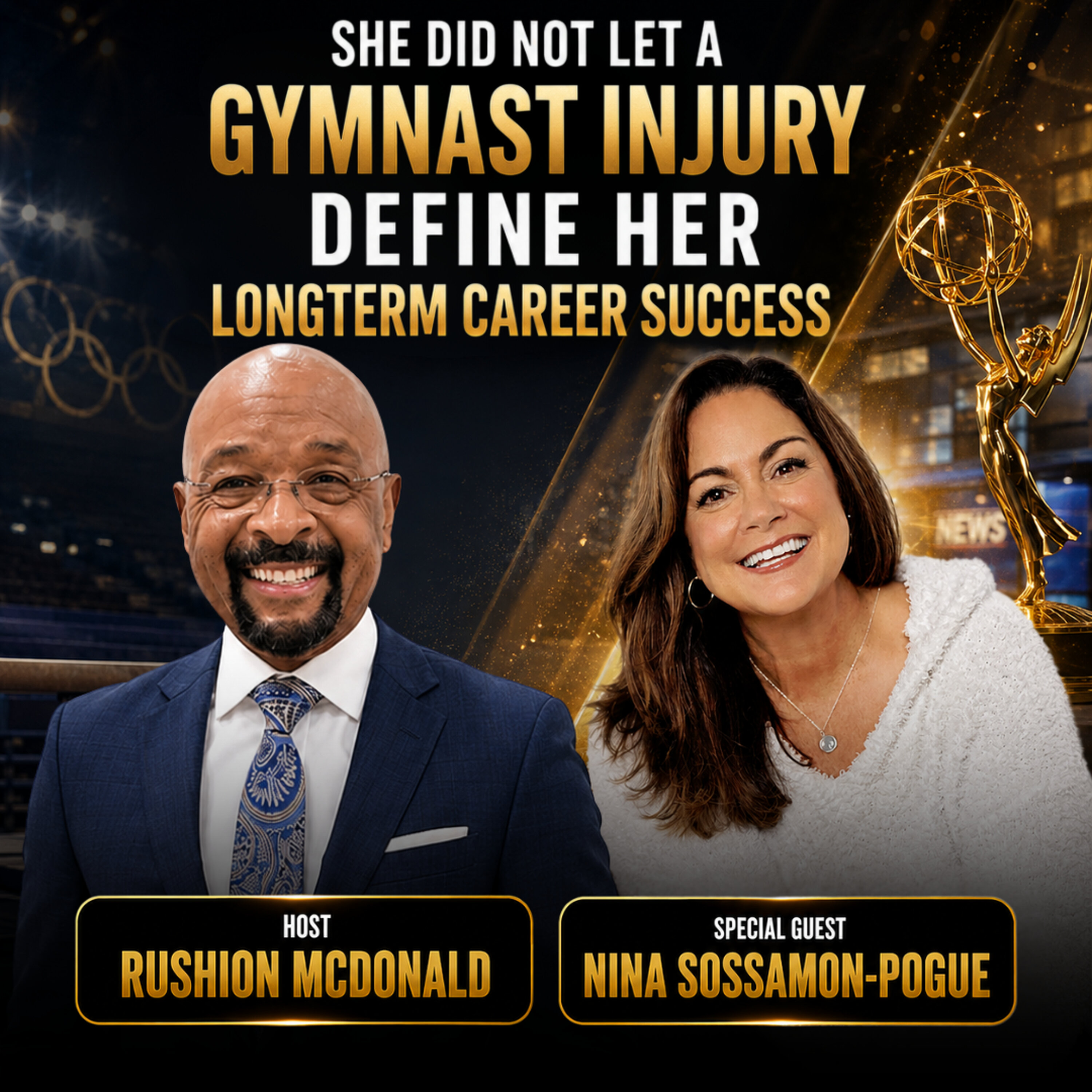
Motivation: Nina focuses on helping people navigate life’s toughest transitions with resilience.
Yesterday00:31:13Tap to summarizeListen and subscribe to Money Making Conversations on iHeartRadio, Apple Podcasts, Spotify, www.moneymakingconversations.com/subscribe/ or wherever you listen to podcasts. New Money Making Conversations episodes drop daily. I want to alert you, so you don’t miss out on expert analysis and insider perspectives from my guests who provide tips that can help you uplift the community, improve your financial planning, motivation, or advice on how to be a successful entrepreneur. Keep winning! Two-time Emmy and Three-time NAACP Image Award-winning, television Executive Producer Rushion McDonald interviewed Nina Sossamon-Pogue. A former elite gymnast, Emmy-winning news anchor, bestselling author, and resilience expert. Here’s a summary of the key themes and insights from the episode: 🎙️ Guest Introduction: Nina Sossamon-Pogue Former USA Gymnastics team member and Emmy-winning news anchor. Author of This Is Not the End and host of the podcast This Seriously Sucks. Focuses on helping people navigate life’s toughest transitions with resilience. 🧠 Mental Health & Daily Routines Nina emphasizes the importance of gratitude, mindfulness, and limiting early phone use to start the day with clarity. Rushion shares his own structured morning routine and how it helps him manage stress and stay productive. 💪 Resilience and Personal Growth Nina defines resilience as the ability to adapt positively and grow stronger from adversity. She encourages people to reflect on what’s going right, what needs attention, and how to move forward with purpose. 🧍‍♀️ Body Image, Athletics & Social Media Nina shares her experience with body dysmorphia and bulimia during her gymnastics career in the 1980s. She discusses the long-term impact of being judged by appearance in both sports and television. Offers advice to parents and young athletes on navigating body image in the age of social media. 📘 Her Book: This Is Not the End Written for people facing major life setbacks—job loss, injury, grief, or personal failure. Nina shares five personal “this is the end” moments, including: Not making the Olympic team. Career-ending knee injury. Losing her job as a news anchor. A traumatic accident at age 37. The book provides seven strategies and a four-step framework (T.H.I.S.) to help readers move forward: Timeline: Gain perspective on your life journey. Humans: Lean on others—don’t go it alone. Isolate: Focus on the present moment. Story: Reframe your internal narrative to stay empowered and hirable. 🎧 Podcast Highlight Nina’s podcast This Seriously Sucks features guests who’ve overcome major life challenges. She highlights Joe Delagrave, a Paralympian and coach, whose story of resilience and transformation deeply inspired her. 💬 Closing Thoughts Rushion praises Nina’s authenticity, voice, and ability to connect. Nina encourages listeners to embrace their “this” moment and remember: “This is not the end.” #BEST #STRAW #SHMS Money Making Conversations Master Class with Rushion McDonald is America's premier entrepreneurship, business leadership, financial literacy, and wealth-building podcast featuring successful entrepreneurs, executives, founders, celebrities, and industry experts sharing actionable insights for professional and financial success. Business Podcast Entrepreneurship Small Business Business Growth Financial Literacy Wealth Building Black Entrepreneurs Minority Business Leadership Executive Leadership Business Funding Marketing Strategies Personal Development Startup Advice Sales Training CEO Interviews Founder Stories Professional Development Economic Empowerment Business Success Networking Brand Building Innovation How to start a business Small business funding Entrepreneur success stories Business leadership podcast Wealth building strategies Black entrepreneur podcast Minority business development Marketing for small businesses Business growth strategies Startup funding opportunities Executive leadership training Financial literacy education Success mindset podcastSteve Harvey Morning Show Online: http://www.steveharveyfm.com/See omnystudio.com/listener for privacy information.
Transcribe →
Mental Health: Jackson rebuilt his life after a serious car accident, and finding purpose through mental health treatment.
Yesterday00:25:22Tap to summarizeListen and subscribe to Money Making Conversations on iHeartRadio, Apple Podcasts, Spotify, www.moneymakingconversations.com/subscribe/ or wherever you listen to podcasts. New Money Making Conversations episodes drop daily. I want to alert you, so you don’t miss out on expert analysis and insider perspectives from my guests who provide tips that can help you uplift the community, improve your financial planning, motivation, or advice on how to be a successful entrepreneur. Keep winning! Two-time Emmy and Three-time NAACP Image Award-winning, television Executive Producer Rushion McDonald interviewed Jackson Dunbar. He discusses overcoming chronic pain, rebuilding his life after a serious car accident, and finding purpose through mental health treatment, investing, and personal growth. Dunbar shares how a 2015 accident left him in constant pain, forcing him to redefine success and discover new ways to support his family and regain financial independence. The conversation centers on resilience, mental health awareness, healthcare inequities, financial empowerment, and the importance of focusing on opportunities rather than limitations. Purpose of the Interview The interview was designed to: Share Jackson Dunbar's journey of resilience and recovery. Raise awareness about the realities of living with chronic pain. Encourage conversations about mental health, especially among Black men. Highlight disparities in pain treatment and healthcare. Demonstrate how investing and strategic thinking can create financial opportunities during adversity. Inspire listeners to overcome setbacks and build a meaningful life despite challenges. Key Takeaways 1. Chronic Pain Requires Both Physical and Mental Management Dunbar explains that living with chronic pain affects every aspect of life. While medical treatment is important, therapy and mental health support were essential to helping him cope and move forward. 2. Focus on What You Can Control A major turning point came when he stopped focusing on activities he had lost and began concentrating on what he could still accomplish. This shift in mindset helped him regain purpose. 3. Therapy Is a Strength, Not a Weakness Dunbar candidly discusses his resistance to therapy and how eventually seeking professional help transformed his life. Proper psychiatric care helped him manage medications and improve his emotional well-being. 4. Mental Health Conversations Matter The interview addresses the stigma surrounding therapy in the Black community, particularly among men. Both Dunbar and McDonald stress the importance of seeking help rather than suffering in silence. 5. Healthcare Bias Is Real Dunbar discusses the challenges many Black patients face when seeking pain treatment, including stereotypes surrounding prescription medications and pain management. 6. Investing Became a Path to Financial Recovery Unable to work in traditional ways, Dunbar leveraged his analytical skills and began investing. This allowed him to generate income despite significant physical limitations. 7. Community Creates Opportunity He emphasizes the importance of connecting with people who possess different skills and investment expertise. Shared knowledge can lead to better decisions and greater success. 8. Time Is Your Most Valuable Asset Because chronic pain limits his productive hours each day, Dunbar has learned to maximize every period of mental clarity and focus on activities that generate the highest value. 9. Adversity Can Reveal Hidden Strengths Rather than allowing his injury to define him, Dunbar discovered talents and opportunities he may never have pursued otherwise. Notable Quotes On Mental Health "If you're a chronic pain patient and you don't have a good mental health team, you're missing a great piece of something that's going to make you healthy long term." On Mindset "Why don't you start in on the things you can do?" On Recovery "After I got the tools in order to figure out how to focus on what I could do, then it became like any other problem I was solving in business." On Thriving Despite Limitations "How do I make money even though I can't leave my house? How do I lose weight even though I'm on pain meds that make me gain weight? How do I thrive in chronic pain?" On Seeking Help "I put a lot of work into my diet, dropping weight in order to manage the pain and put any work into my mind." On Investing "What's the best way to make money? The biggest bang for the buck in that short amount of time?" On Productivity "When you make your life 100% about what can I do to maximize my life in the 3 or 4 hours I have a day, you'll be shocked at just what your mind comes up with." On Negativity "Staying on that dark side only focuses on the things you can't do. Nothing but misery over there." Rushion McDonald on Dunbar's Journey "You did not let a negative win in your life." Overall Message Jackson Dunbar's story demonstrates that life's most difficult setbacks do not have to determine its outcome. Through therapy, family support, disciplined thinking, financial education, and a commitment to focusing on possibilities rather than limitations, he transformed a devastating accident into a story of growth, resilience, and purpose. #SHMS #STRAW #BEST Money Making Conversations Master Class with Rushion McDonald is America's premier entrepreneurship, business leadership, financial literacy, and wealth-building podcast featuring successful entrepreneurs, executives, founders, celebrities, and industry experts sharing actionable insights for professional and financial success. Business Podcast Entrepreneurship Small Business Business Growth Financial Literacy Wealth Building Black Entrepreneurs Minority Business Leadership Executive Leadership Business Funding Marketing Strategies Personal Development Startup Advice Sales Training CEO Interviews Founder Stories Professional Development Economic Empowerment Business Success Networking Brand Building Innovation How to start a business Small business funding Entrepreneur success stories Business leadership podcast Wealth building strategies Black entrepreneur podcast Minority business development Marketing for small businesses Business growth strategies Startup funding opportunities Executive leadership training Financial literacy education Success mindset podcastSteve Harvey Morning Show Online: http://www.steveharveyfm.com/See omnystudio.com/listener for privacy information.
Transcribe →