
Podcast
Better Today Than Yesterday
Hosted by by Kelly Vohs · EN
Hey! Join me as I share my lessons about life, leadership, and the peaceful pursuit of Better Today Than Yesterday.
kellyvohs.substack.com
kellyvohs.substack.com
33episodes
Episodes
Newest firstAll episodes

A Test I Failed That Opened My Eyes
Dec 22, 202400:03:42Tap to summarize//TRANSCRIPT//I want to let you in on a little secret about me. Now everybody knows this. I'll tell you in a minute, but first, a story.I signed up to go in the army to become a Green Beret. That in itself was, as you can imagine, a bit of an anxious time, difficult time, right? You have this dream, you want to do this thing. And this is a giant bureaucracy. Just because you want it doesn't mean you can have it.Part of the process is checking if the job is available and if you're smart enough. You take an aptitude test, and then you sign a contract and go in. Part of that process is getting a physical, though. You have to be physically fit. They obviously want to make sure that anybody who the government's going to spend a ton of money on to go into the military can do it.What I Didn’t KnowI took a physical, and I failed that physical to become an SF guy to go into this program. They said no. Why'd they say no? Well, turns out there is a vision test that you take. You've probably taken this. It was created by Dr. Ishihara, a Japanese guy back in the early 1900s. It's that color test, the one with the circle where you look at it and they tell you to tell you what number it is. There's a bunch of dots inside of it.I can't do that one. Just can't do it. Period. Full stop. And I failed it. They said, "Sorry, can't do it. Colorblind. Can't be an SF guy."Where There Is A Will, There Is A WaiverThe good news is there's another motto in the military, which is "where there's a will, there's a waiver." And there is another option here. They really only care about colors that matter in combat, and those are red and green. So another guy, an American guy this time, Dr. Farnsworth, created a separate test. This test tests your ability to see red and green. Red and green is what matters in combat - I think it's because of looking at stuff under red lens and maps and stuff like that. But anyways, I passed that and the rest is history, I'm in.Up until that moment, I didn't know that I was colorblind. Well, slight color deficiency. I have a difficult time telling blue from black, dark purple from blue, those kind of things. I have to ask friends to tell me, "Is this black? Is this blue? Do these pants match?" I've even worn the wrong pair of shoes to a medium before - one black, one brown. Kind of embarrassing, but I'm too old to be embarrassed at this point.My BlindspotsI tell you this story because up until that moment, I had a pretty big blind spot as it relates to color. And it often takes some kind of outside intervention to help you see where you don't see correctly. The older I get, the more I like these. They're absolutely painful when you find them.But the reason we want to find our blind spots is because our blind spots keep us from seeing reality, from seeing the truth, from operating in what is the real world, not our version of it. And those blind spots come in many forms. In my case, in this situation, slight color deficiency, but they come in the form of biases, stories, stereotypes, pick a thing.We should be looking for our blind spots. And when friends try to bring them to us and tell us about it, we should be thankful, we should be grateful. Not all feedback is true or helpful, but sometimes it is. You should be on a quest to find your blind spots because as we remove them, it enables us to operate in reality.Anyways, that's my story. Slight color deficiency. Thank you, Dr. Farnsworth. We appreciate that test. And that's it. Have a good day. Be good.Kelly This is a public episode. If you would like to discuss this with other subscribers or get access to bonus episodes, visit kellyvohs.substack.com
Transcribe →
Taking Responsibility, Creating Value - Your Mindset Matters
Dec 15, 202400:06:28Tap to summarizeWhen I was nine, I was sure I’d be homeless.There were reasons for this fear, some real and some imagined. As you can imagine, this colored my thoughts about money, work, and many other priorities. Eventually, it became a mindset for me. Your mindset significantly influences how you view your abilities, make decisions, set priorities, and handle challenges. These deeply held beliefs are difficult to change. It’s important to be aware of our mindsets and, when necessary, take action to change them. I want to talk about one mindset that I’ve adopted that has been helpful - The Ownership Mindset. Ownership MindsetThe ownership mindset means taking full responsibility for outcomes and actively driving value creation and growth, regardless of formal role or title. It begins with conviction - a deep-seated belief in something and the courage to risk status and resources in pursuing that belief. This transcends traditional employment relationships - it's the difference between having a job and taking ownership of the enterprise's success. Owners know that not everything wrong is their fault, but everything is their responsibility.Critically, owners are rewarded for creating value, not for simply being present. Traditional job descriptions or role boundaries don't confine owners. Their single focus is the organization's success. Owners invest tremendous amounts of discretionary effort, make decisions based on organizational needs rather than personal preferences, and carefully allocate resources. Owners are perpetual advocates for evolution and growth. They know that if an organization doesn’t evolve, they risk irrelevance and even death. Their commitment to driving change leaves no time for complaints about change - they're too busy making it happen.If you work inside an organization, you don’t have to wait for someone to make you an owner. If you want owner-level rewards, you must act like an owner. The ownership mindset also applies to how we approach our lives. Ownership Mindset in LifeInvest in Yourself Deliberately. Just like businesses need capital, you must put your time, energy, and focus into the business of you. That means proactively developing new skills, building relationships, and caring for your health. You must evolve.Face Uncertainty. When you're uncomfortable, that's where growth happens. Failure will happen in pursuit of growth, but consider that tuition paid for valuable lessons, not something to avoid.Be a Creator, Not Just a Consumer. Most of the world consumes what others build. Your lasting impact comes from creating value for others. That value can come from your relationships, your work, or what you give to your community. Rewards follow value creation.Choose People Carefully. The people you spend time with shape you. Just like you wouldn't keep someone on your team who threatens performance, don't keep people around you who threaten your performance. Build your inner circle carefully.Guard Your Resources. You aren't careless about your cash - don't be careless about your time or energy. Be intentional about where you spend both—remember: Poor resource allocation leads to poor outcomes. Our choices - good and bad - compound over our lives.I still have remnants of that nine-year-old mindset around money and resources. Over the last four decades, it’s taken a lot of work to put those fears to rest and not let them drive my decisions but rather inspire my priorities. Like everyone, I’m a work in progress, and I hope you found this helpful. I hope you’re good. Be good.KellyWhat to keep going? This is relevant to mindset shifts. This is a public episode. If you would like to discuss this with other subscribers or get access to bonus episodes, visit kellyvohs.substack.com
Transcribe →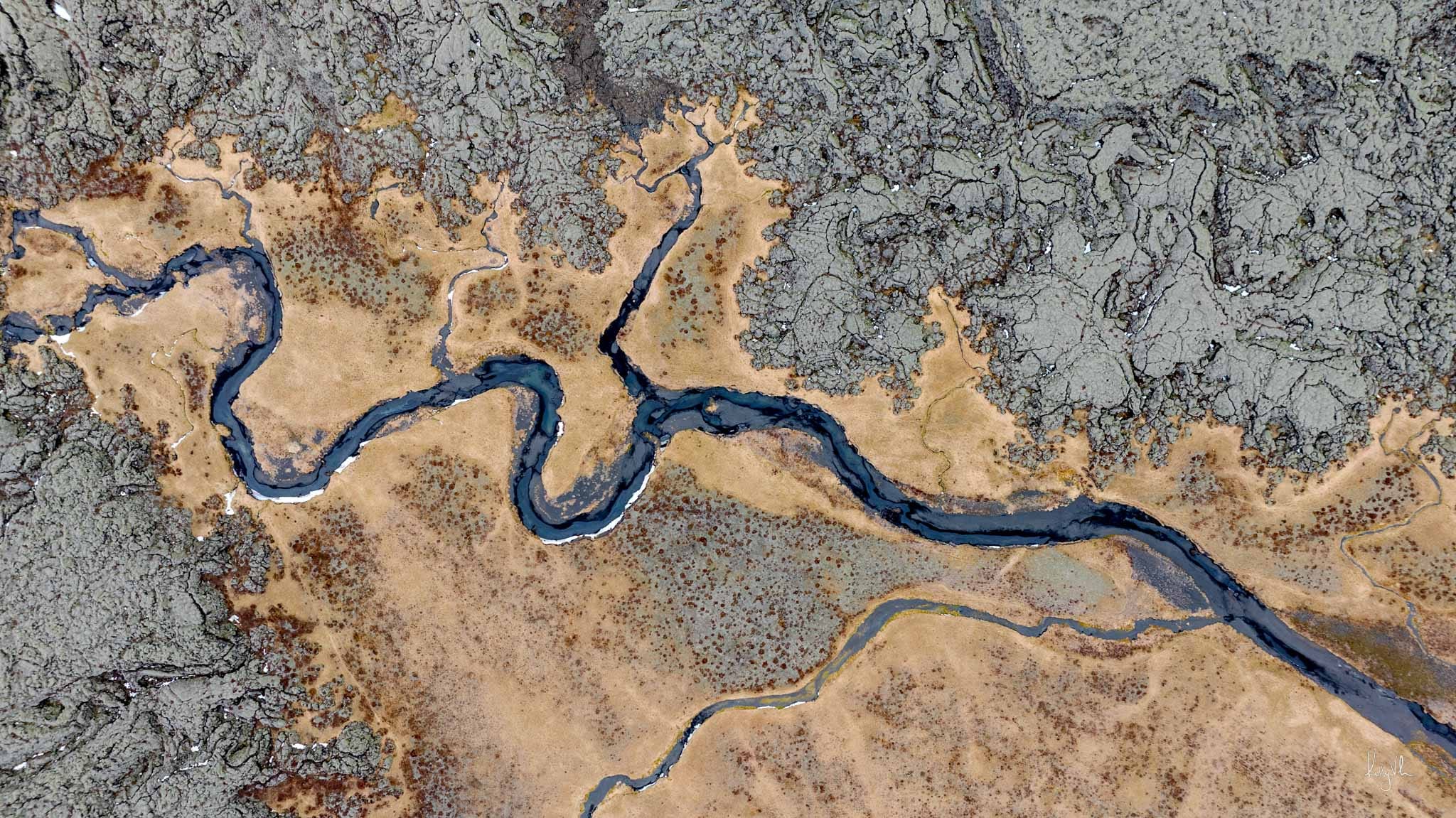
Flow and Friction: How Organizations Lose Focus and How to Find It Again
Dec 8, 202400:09:17Tap to summarizeWork that helps you follow through on promises to customers creates value — everything else wastes resources. As organizations become bigger, their gravity gets stronger. Their size, bureaucracy, and politics distract you from the work that matters. Spend too much time in this gravity vortex, and one day, you'll find yourself irrelevant. Ben Horowitz said, "Somewhere there is a guy in a garage who is gunning for your business. He knows your weak spots and he is making plans for your destruction."Let's think about your team or organization as a river. It's a big, wonderful river with clear, cool water. The water flows steadily, not out of control, but with strong inertia in the right direction. Then things get added to the river. At first, a few pebbles don't seem like a big deal, but these minor annoyances require that the water move around them. The inertia slows but keeps going, so you don't pay attention. Then, a handful of sticks meet up at a bend, creating a significant obstacle for the river. Eventually, banks of sediment build up, requiring us to spend energy and resources navigating the river. What was once clear water is now muddy. We can't see the obstacles in the muddy water, and the river starts to fracture. The big clear river running smoothly in the direction of our vision is now going in different, smaller directions. Some of those directions might be good, and some end in a stagnant pool of wasted resources.The pebbles are small annoyances, the sticks are process hurdles or egos, the mud is unclear communication, and the rocks are policy barriers enacted to compensate for a lack of judgment (and often, talent). Now your mission is fractured into a tangled mess of creeks and swamps meandering through the reeds. We don't have flow; instead, we have friction. Here are a few ways to think about your flow.Questions for Organizational Flow:* Direction: Are you flowing toward your true north, or has gravity pulled you off course? Like a river gradually meandering away from its intended path, teams can drift from their mission through small, seemingly reasonable decisions.* Clarity: Is your water clear enough to see the bottom? Murky communication, a lack of truth, and confused beliefs don't just slow progress — they make it impossible to spot and navigate the obstacles ahead. You might be headed for rapids no one will survive.* Friction: What debris has accumulated? Every organization builds up resistance over time. Some obstacles are obvious — rigid policies to prevent past mistakes or approval steps that grew like barnacles. Others lurk beneath the surface — pet projects no one questions, processes justified by tradition rather than value, and unspoken rules that no one understands or dares to change.* Quicksand Banks: Where are your resources being silently swallowed? These are the most dangerous zones — branches of your organization or initiatives that seem valid on the surface but actually consume endless resources with no real return. Like quicksand, they can appear solid until you're already stuck, constantly pulling in more resources in failed attempts to make them viable.Nature has ways of clearing obstacles. Whether through storms or floods, catalysts come along to restore flow. Here are some ways you can restore your own flow.Internal Flow Restorers — Things You Can ControlClarityClarity of vision provides a lens to make decisions. With this clarity, the team can remove obstacles, close off unproductive branches, or avoid quicksand banks. Without clarity, everyone wanders off trying to find the way.CultureCulture creates a "riverbed" that guides movement. Culture is the sum of our individual actions each day. Each time you add or remove someone from the team, you change the culture. What behaviors are acceptable and unacceptable? Like vision, you must be clear on your riverbed.TruthTruth acts like clear water, revealing both opportunities and dangers beneath the surface. When truth flows freely, everyone can see where they're going and what stands in their way. But the water turns muddy when a culture discourages truth-telling — whether through fear, politics, or simple neglect. In murky waters, teams stumble over hidden obstacles and miss valuable opportunities. And often, it's what you can't see that ultimately sinks you.External Flow Restorers — Things That Force ChangeCrisis & Competitive ThreatsThese act like flash floods. They can clear debris but can be destructive. What makes them so valuable is they force rapid reassessment of what's truly important. They also break the internal echo chamber by showing the real-world consequences of your situation.Catalyst HiresThese new team members join with fresh eyes and can see the accumulated debris that the internal team has learned to navigate. They bring experience from other "rivers" and know what "good flow" looks like. When they combine the best of their old rivers with your river, together you can create something special. They also bring no emotional attachment to current obstacles and old decisions.Environmental ChangesRivers must adapt to the landscape just as you must adjust to the changing environment. Markets evolve, customers' needs change, and new paths emerge. If you’re too focused on navigating your internal obstacles, you might miss these changes and find yourself in a dry riverbed. Your Role in the FlowWe each have a responsibility to ensure the river is flowing in the right direction, the water is clear, and we remove obstacles. Just like each pebble changes the course of the river, each person does too. You are either impeding or enhancing flow.Think about your behavior, the emails you send, the work you ask for, and the things you say. All of these end up in the river. You must fight for a river that is clear and headed in the right direction. It will go off course; do your part to get it back on track. But if you find yourself constantly fighting everyone else, maybe you are in the wrong river.It's easy to say that it's "above my pay grade" or "it's hopeless." When you start saying that, you should leave. If you stay, focus on what you can control. Consider your impact:* Are you a rock that others must navigate around?* Is your way of behaving stopping the truth from flowing? * Are you adding sediment that muddies the water?* Are you doing work that really matters or are you pulled by gravity?* Are you creating obstacles, clearing them, or just complaining?* Are you so focused on your small stream that you forgot the river is the main thing?* Are you so caught up in gravity and echo chambers that you don't see the threats drying up your riverbed?Flow is a leadership responsibility — and we are all leaders. Whether you are leading a team of 1,000 or just yourself, you have a responsibility to lead and fight for flow. Leadership isn't about position or title — it's about contribution to flow. You are either helping flow or you are debris that is getting in the way of the mission.Your RiverThis doesn't just apply to organizations — it applies to life too. How's your river? Has gravity pulled you away from what really matters? What obstacles are in your way? Are they real? What is the truth? Our thoughts can create obstacles—mental dams that stop our flow. The pebbles we drop in our river don't just affect us. They impact our friends, families, colleagues, and communities. Like water, we naturally follow the path of least resistance unless we consciously choose otherwise. Every choice, every action, and every word we put into our "river" has consequences.If you are like me, your river needs attention. Don't be overwhelmed. Just work to make it better each day than the last.Be good and take care, Kelly This is a public episode. If you would like to discuss this with other subscribers or get access to bonus episodes, visit kellyvohs.substack.com
Transcribe →