
Podcast
Better Today Than Yesterday
Hosted by by Kelly Vohs · EN
Hey! Join me as I share my lessons about life, leadership, and the peaceful pursuit of Better Today Than Yesterday.
kellyvohs.substack.com
kellyvohs.substack.com
33episodes
Episodes
Newest firstAll episodes
Facing
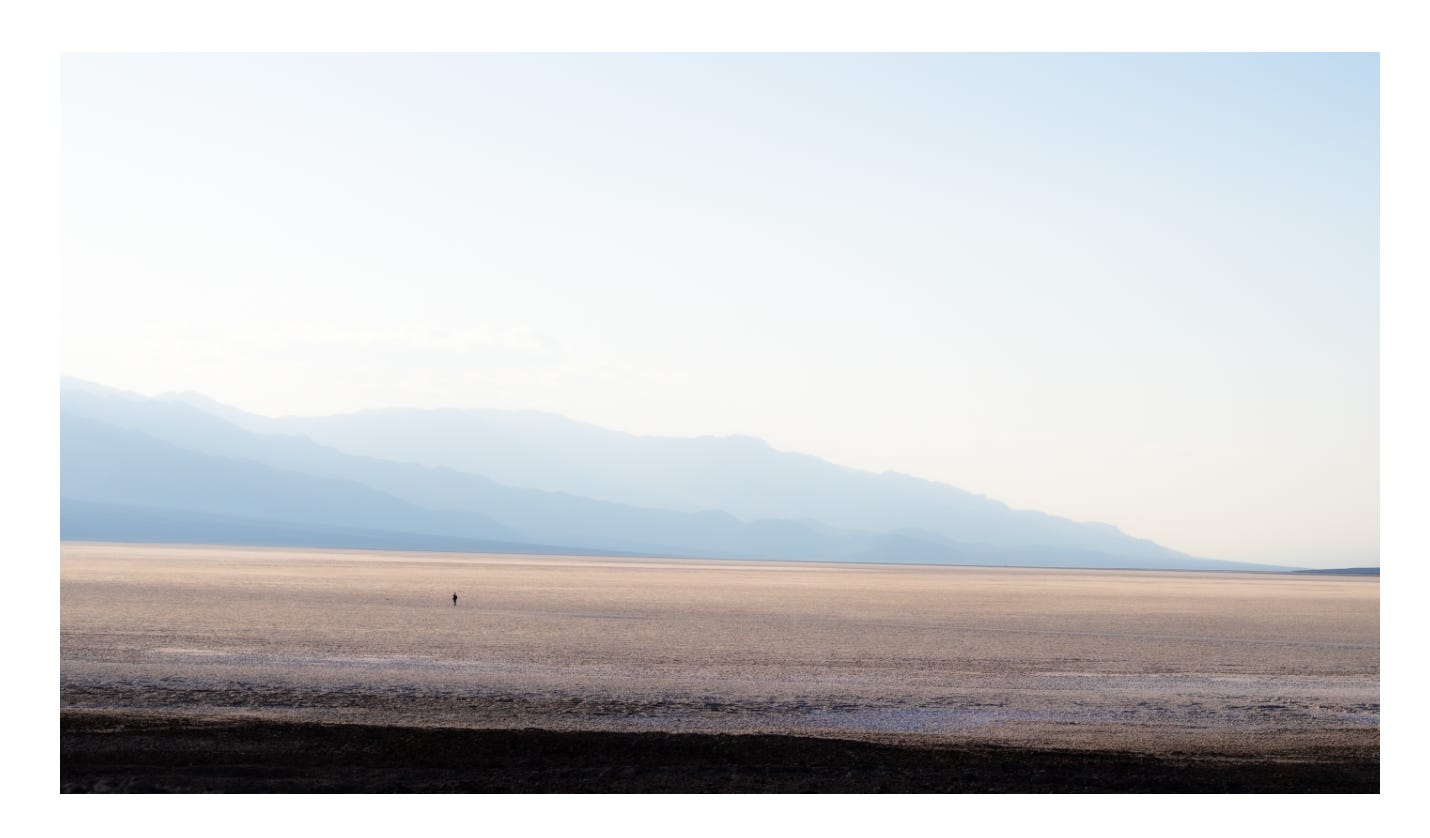
May 25, 202500:01:21Tap to summarizeTo bear trials with a calm mind robs misfortune of its strength. -SenecaYesterday I met someone who runs fifty 1:1s a week.I also know someone who does zero.Both are sure their way works.Both are probably right.I used to say leading and managing is complex. Because people are complex.Today, I’m not sure that’s right.I think it’s simple. Just sometimes hard.There is no right answer. There is just right now.With the information you have. And what your team needs. Usually, the regret isn’t saying it or doing it.It’s wishing you had.Hard decisions.Hard conversations.Don’t worry about applause. Worry about what’s right.Sometimes you’ll question yourself. That’s normal.Just don’t time travel.Worry and regret are just misuses of your imagination.What matters is staying in it.Go.Exploring. Asking. Trying. Learning. Questioning. Improving. Facing. Acting.That’s the job.Not knowing everything. Not having the perfect answer.But doing the hard things.Because once you stop doing that, it’s over.Take care, friend.Be good.—Kelly This is a public episode. If you would like to discuss this with other subscribers or get access to bonus episodes, visit kellyvohs.substack.com
Transcribe →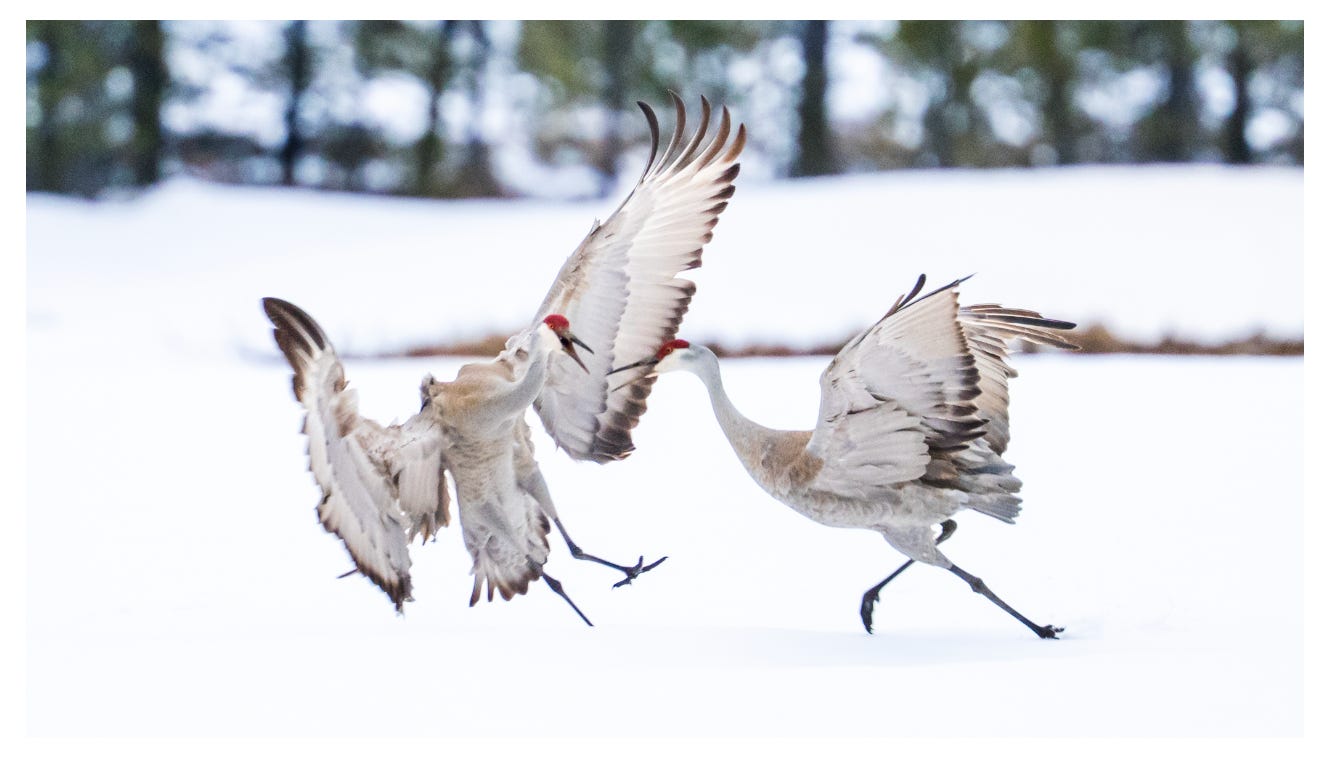
I Have An Idea
May 18, 202500:00:50Tap to summarize“The problem is that obviously good ideas are not truly innovative, and truly innovative ideas often look like very bad ideas when they’re introduced.” —Ben HorowitzWhen someone brings you an idea, what’s your first instinct?I’m trying to start with:“What I love about that is…”And when I have a hard negative reaction, I try to pause and ask:“Can you walk me through how you’re thinking about it?”The best ideas rarely show up fully formed.It might not come out polished,but that doesn’t mean it’s wrong.There’s always room to push, to question, to improve. It’s just hard when someone feels like they are alone or not understood. For me, it comes down to this:How do I want someone to treat my ideas?As a critic or an accomplice?Take care, friend.Be good.—Kelly This is a public episode. If you would like to discuss this with other subscribers or get access to bonus episodes, visit kellyvohs.substack.com
Transcribe →
How To Get What You Want
Feb 23, 2025Tap to summarizeWe are anxious to improve our circumstances but are unwilling to improve ourselves.—James AllenEverything worthwhile takes time, discipline, and a willingness to face hard truths. And those truths can be uncomfortable. Here are a few you might find helpful. I’ve run into them and tried to act appropriately. Sometimes I do, and sometimes I get them wrong. Uncomfortable Truths and Actions1. No one owes you anything. → Take responsibility. Do the work.2. Some people are victims. Most people just act like they are. → Stop waiting for life to be fair. You’ll be waiting a long time. Do what you can, today.3. No one cares about your excuses. → Figure it out.4. Your feelings aren’t facts. → Pause. Question them. Find your blind spots.5. Most people want to be right more than they want to get it right. → Stop proving yourself. Look for where you’re wrong.6. Most people optimize to avoid failure or looking foolish. → Optimize to avoid regret.7. Motivation is a trap. → Discipline wins. Show up consistently.8. Doing the work isn’t enough. → The right work, at the right time, in the right way—that’s what wins.9. Knowing when to push through and when to pivot is hard. → Be honest about what’s working—and what’s not. Admit when you’re wrong.10. Comfort is addictive. → Seek discomfort. Strength comes from struggle.11. If you don’t adapt, you get left behind. → Evolve or become irrelevant.12. Sometimes you’re the problem. → If the same issues keep showing up, look in the mirror.13. Not everyone will like you. → If you chase approval, you’ll stay average. Be bold and have the courage to be disliked.14. People who matter don’t care about what you own. → Focus on who you are, not what you have.15. Most people follow the crowd because it’s easier and safer. → An extraordinary life requires risk and extraordinary choices.16. No one makes you feel a certain way. → Your emotions and your mind are the only things that are truly yours. Control them, or they will control you.17. No one is coming to save you. → You either figure it out, or you don’t.18. We all struggle. → Asking for help isn’t weakness—it’s wisdom. Most things are better together.19. Most people are self-focused. → Be different.20. Tolerance is acceptance. → What you allow—people, behaviors, standards—becomes your reality. Choose wisely.21. Everyone dies. → Stop wasting time on worry and regret. Use every second to create, connect, find joy, or do what actually matters.Be good. Take care, Kelly This is a public episode. If you would like to discuss this with other subscribers or get access to bonus episodes, visit kellyvohs.substack.com
Transcribe →
What precedes competence?
Feb 9, 202500:04:17Tap to summarizeInsightsNo. 1"Expertise coupled with strength of will is going to prevail." -Bill WalshIt doesn't matter how good you are if you can't endure the pain.No. 2"If you are doing something primarily for money and without real emotional commitment, it will translate into something that lacks soul and has no connection to you. You may not see this, but you can be sure that the public will feel it and they will receive your work in the same lackluster spirit it was created in. If you are obsessive and excited in the hunt, it will show in the details. If our work comes from deep within, its authenticity will be communicated." - Robert GreeneThere is a different feeling when you are around an emotionally committed person. This is true in relationships and business, and the opposite is also true.No. 3"Signs of a deep friend connection: Laughter is abundant. Honesty is encouraged. Support is real and active. Vulnerability is welcomed. You can put your guard down. You inspire each other to grow. You give each other good advice. Both of you feel stronger together. You help each other weather storms." -Yung PuebloHow many of these friends do you have? Are you this kind of friend?A ThoughtFor most of my career, I thought being good at something was enough.A few weeks ago, I had dinner with a friend. He's been part of my professional life for more than a decade. He runs a very big business. While he sat in a position of authority 'over me' and is considered very tough, he has always made the space for me to be transparent and real. As I was on the eve of making a professional change, I asked him for his advice for my new role.I've asked him questions like this before. The last one was, "What do you look for when hiring?" His answer was simple: "Care." He said, "If someone cares, we can figure almost anything out. Some roles need technical competence, but if they don't care about the work, the technical competence won't matter." I agree with that. Tonight, his advice held similar elegance."You have to commit, fully commit. Not partially, but fully. Do that, and you will be successful."As I think back to my failures, they were failures of commitment. I went in partially, not fully. I was there for the wrong reasons. Maybe it was money, admiration, or something else.The things that have worked in my life started with caring enough to commit. When you care and are committed, you work it and work it until you bring those together and gain competence. If you don't care (emotion) and aren't committed (mission), you won't stick at it long enough to make mistakes and endure the failures that precede competence (craft). Success comes when you have all three.This is true whether you're building a business or a career. It’s particularly in relationships. The formula doesn't change: Care deeply enough to commit fully, then work to become competent. Skip any of these, and you'll always wonder what could have been.Be good.Kelly This is a public episode. If you would like to discuss this with other subscribers or get access to bonus episodes, visit kellyvohs.substack.com
Transcribe →
The Talent / Agency Matrix
Feb 2, 202500:06:05Tap to summarizeInsightsNo. 1"A strong leader accepts blame and gives the credit. A weak leader gives blame and accepts the credit." -John WoodenIf you’re leading, everything is your fault - but it is your responsibility. Accept that and get back to work fixing it.No. 2“If you lose your voracious curiosity about tactical details, if you lose passionate interest in people and how they are feeling, if you insulate yourself in the protective cocoon of executive comforts, you may well wake up one day to discover your company has already entered a doom loop of decline and self-destruction.” - Jim CollinsThe bigger the organization and your title, the more time you must spend hunting for the truth. You have to spend time in the weeds rooting out opportunities and the real causes of the problem or success. No. 3“When someone speaks well of you, do not get puffed up. Simply say to yourself: 'If they knew all my faults, they would not speak so well of me.” - Epictetus A ThoughtThese insights highlight essential traits of leadership - responsibility, curiosity, and humility. It’s easy to nod in agreement but how do we develop these and help others do the same? Recently, I came across this interview with Shreyas Doshi, in which he explains the relationship to agency and talent - he calls it the Agency / Talent Matrix. What is Talent?While often viewed as innate ability, talent in this context means demonstrated capability or competence. It's important to note that talent isn't fixed – what you are born with is not your destiny. Someone doing the work will eventually beat someone sitting on the sidelines. What is agency? This is the ability to make decisions about your work, take initiative, and influence outcomes. Someone with high agency can self manage and collaborate to get things done. While talent gets attention, it doesn't matter without agency. People with high agency are:* Self-confident and resilient* Take ownership* Excel at creative execution* Communicate effectively and influentially* Bring others along to achieve the right results2x2 MatrixTo illustrate this, he created a 2x2 matrix. On the horizontal axis is agency, and on the vertical axis is talent.Cogs In The Wheel - (Low Agency / Low Talent)* They do undifferentiated but often necessary work.* Won’t improve outcomesFrustrated Geniuses - (Low Agency / High Talent)* Highly competent with tremendous potential* Lack of creative execution to get it done* Strong ability to point to what is wrong but wait for things to be perfect.Game Changers - (High Agency / High Talent)* Rare - change the game for the company* If you find them, do whatever you can to hire and retainGo Getters - (High Agency / Low Talent)* Usually early in their career* Ambitious and optimistic - they roll with ambiguity* Can move to Game Changer with enough time and experienceThis is an interesting framework to use for hiring, promoting, and retention. Where does someone fall on this matrix? Where do you fall? The Go-Getter is the one that stands out for me. The Go Getter can decide to be optimistic, roll with ambiguity, and be ambitious enough to work their craft until they have skills and agency to be a game changer. With enough time and practice they can become Game Changers. Key Takeaways:* Agency as a skill is underrated and can be improved. * Conditions are rarely perfect, and waiting for them will mean nothing gets done* Excuses are easier than execution* Cultivate your comfort with looking foolish (experiment, ask questions)- that’s how you learn and improve your craft.* The characteristics of a game changer (ownership, curiosity, and comfort with imperfection) are also essential to leadership.There are lots of reasons why things don’t get done. Make sure you’re not one of them. Be good. Kelly This is a public episode. If you would like to discuss this with other subscribers or get access to bonus episodes, visit kellyvohs.substack.com
Transcribe →
Drip by Drip
Jan 26, 202500:03:51Tap to summarizeInsightsNo. 1“There’s a lot of alpha in being willing to do “menial” work (take notes, send out agendas, order pizza, manually inspect raw data, whatever). Beware of over-delegation and being too far from the details." - Nabeel S. QureshiMost people want big things but aren’t willing to do the small things, and “menial” work adds up.No. 2“The weakest living creature, by concentrating his powers on a single object, can accomplish something. The strongest, by dispensing his (powers) over many, may fail to accomplish anything. The drop, by continually falling, bores its passage through the hardest rock. The hasty torrent rushes over it with hideous uproar, and leaves no trace behind.”— Thomas CarlyleThis idea of the slow drip is vivid for me—drip, drip, drip. The stone wears away. Do something long enough and with enough consistency, and you’ll beat the flash flood - every time.No. 3“We are trying to prove ourselves wrong as quickly as possible, because only in that way we can find progress." -Richard FeynmanIt’s hard to prove yourself wrong when you’re focused on proving yourself. Stay focused on finding the correct answer, not your answer. A Thoughtor three, actually.Wisdom is worth revisiting.We often look for new things, but revisiting something is often more valuable. Here are two ideas from Jeff Bezos that I'm revisiting.High-performing organizations (and people) need mechanisms to support truth-telling.At our core, we're wired for survival, not truth-telling. This becomes especially apparent when speaking truth might mean challenging those with power over us. Bezos says, "10,000 years ago, you were in a small village. If you go along to get along, you can survive. If you're the village truth-teller, you might get clubbed to death at midnight. Any high-performing organization needs a culture and mechanisms to support truth-telling."Our evolutionary programming hasn't caught up with what is required for excellence in organizations and ourselves. The smaller the ego, the more truth. The more truth, the better the performance.Invention requires wandering and comfort with uncertainty.Innovation rarely follows a straight path. It demands wandering, exploration, and comfort with the unknown. This hits incredibly close to home when I think about young people today. Too often, they find themselves on rigid career or life paths, believing there's no room to meander, no space to tinker, no permission to fail, no freedom to invent themselves. This rigid thinking is dangerous, leading us down paths of unoriginality, missed opportunities, and, ultimately, mediocrity.Takeaways:* We must build better mechanisms for truth-telling, both with ourselves and others.* Tinker. We need to make room for tinkering.Progress demands both—the courage to speak the truth and wander.Be good.Kelly This is a public episode. If you would like to discuss this with other subscribers or get access to bonus episodes, visit kellyvohs.substack.com
Transcribe →
The Inside-Out Rule
Jan 19, 202500:10:19Tap to summarizeBTTY BitesNo. 1—“Perhaps it’s impossible to wear an identity without becoming what you pretend to be.” - Enders GameNo. 2—“If we look outside of ourselves for relief from our own predicament, we are sure to come up short." - Mark EpsteinNo. 3—Don’t ask for feedback. That gets you a critic. Ask for advice. That will get you an accomplice.A ThoughtWhen I was in college, I bought my first computer. It was a Gateway and came in that iconic dairy cow-colored box. Back then, and this was 25 years ago, you went to the store, and they helped you configure your computer. You picked the hard drive size, memory, and graphics card. They always asked you, “What will you be using this for?”They ask this question because they want to help you make sure the inside of the computer, the stuff most of the world never sees, has the right components to run programs to produce the work the world does see. You select things like memory (RAM), CPU, hard drive capacity, and graphics card. All of these work together with programs and the computer’s operating system (OS) to create outputs.The OS manages how the computer’s hardware and software work together, coordinating resources like memory, processing power, and storage. It handles everything from basic tasks like showing things on your screen to making sure different programs can run without interfering with each other. These capabilities determine the computer’s capacity - what it can do, how fast it can do it, and how much it can handle at once. Sometimes, it reaches its operating capacity.You’ve experienced a computer at its capacity. The most memorable occasions are when an icon starts spinning, and you suddenly realize you haven’t hit save in a couple of hours - then the program suddenly closes. System crash. So sorry.Just like a computer’s physical and psychological capabilities constrain our capacity, if we don’t pay attention, we will start spinning and ultimately crash.System CrashFive years ago, my system crashed. Like a computer running too many programs with insufficient RAM, I was struggling with work, mood, and relationships. That’s when I started thinking about my operating system and how it either improved or degraded my capacity to perform. Something had to change.Personal Operating SystemOur personal OS should help us manage energy, prioritize tasks, manage resources and resource drains, force quit stuck programs (internal narratives), and prevent overload. Importantly, a good OS working with the right internal components can help you operate at your innate peak capacity - or, said differently - your potential.It’s likely your personal OS runs in the background with little attention. Over years or decades, you have established routines—the sum of your habits. Roll over in the morning and check your phone—habit. Kiss your partner good night every night—habit. Everything you do is either improving or degrading your capacity. When the demands exceed capacity, the system crashes. This ranges from simple burnout to more serious consequences.The Inside-Out RuleThe inside-out rule states that external impact cannot sustainably exceed internal capacity. If your internal capacity is 7, your external impact cannot sustainably exceed 7. We can have sprints of 8 or 9, but we can’t stay there. The system will crash. If you want your external impact to be a 9 over a long period, you must improve your internal capacity to a 9. One way to do this is by improving your personal operating system.Ultimately, this comes down to inside work vs outside work. It’s easy to focus on the outside work because that is what the rest of the world sees, what’s easy to measure, and where we get external validation. It comes with the temptation to push our outside work harder for more results. The secret is that the inside work often needs attention to unlock what you can do on the outside. The challenge is it’s a solo journey that happens over decades.My Personal Operating SystemHere’s my operating system—I’m not trying to prescribe anything here; I’m just sharing what I’ve learned works for me. I’m doing this primarily because I’ve been giving it lots of thought lately. It feels like it needs some changes, but here it is anyway.System Foundation* Sleep—I need 7-8 hours, or I’m toast. I can 4-6 hours, but not for long stretches. When I start getting impatient and reactionary, and stress becomes less manageable, I need more sleep. * Relationships—It took me way too many years to really understand how important this is. When I’m connected with my people, it helps me work through anything that comes our way. This applies at work, too. Having teammates at work who I genuinely enjoy being around and connected to improves everything.System Stability* Morning Routine (The Boot-Up)—I need quiet time in the morning. I try not to jump into problems for the first few hours. This routine is everything to me, so I head to bed early, even if I miss out on some night plans. If you want the best of me during the day, I need this time to boot up right.* Solitude—I’m an introvert, and once 6:30-7 AM hits, it’s people time all day. I try to find little pockets of quiet time throughout the day, week, and year to renew. Unlike what popular books say, you’ll catch me eating alone.Energy* Sweat - Long runs outside do it for me. No matter what else happened that day, at least I did that. I love the sore feeling from weights, too. Recently, I worked out with a good buddy, and that’s a great hack.* Consuming Well - I love french fries, but my mitochondria get sad when I eat poorly. A good workout lets me enjoy the occasional cheat day guilt-free. Also, hydration and what I eat matter for my focus. Alcohol kills my sleep, so I save wine for special nights with Princess Buttercup (almost exclusively). Plus, I killed most social media - no social apps on my phone is a game-changer. People can text me links if they want to share stuff.* Making Things—Creating something new makes me feel like I’ve done something. It’s hard to explain, but it gives me energy.* Nature - Getting outside matters to me. Winter was tough until I decided to embrace it - now I’ll bundle up and sit out there even when it’s 12 degrees. Please give me a patch of grass to lie on during a spring day with some sunshine. Perfect.System Enhancements* Collecting Aha’s—Whether reading or hearing someone’s story, learning helps me get better - ideally, find more truth.* Reflection—I try to “defrag my hard drive” by thinking about what’s happened, what’s happening, and what should happen next. Journaling almost daily helps, as does therapy. It’s all about finding truth, but reflection without action is just wasted wisdom.Again, I’m not being prescriptive or trying to show you what I do (and sometimes don’t do). I don’t have any answers for you, but I have years of thinking about this proactively and refining mine. We are all different, and our OSs should reflect that. Sometimes, my OS runs smoothly, and sometimes, it crashes. But at least now I know where to look when things start spinning. I’ve been doing some system monitoring to determine what parts of my OS need upgrading. What’s your OS doing for you?If you want to explore this, take an hour away from the inputs—just you and your thoughts and maybe some scratch paper. Not to journal, meditate, or any other prescribed solution, but to honestly examine which parts of your personal OS are due for an upgrade or some new code.Be good.Kelly This is a public episode. If you would like to discuss this with other subscribers or get access to bonus episodes, visit kellyvohs.substack.com
Transcribe →
One Thing I Can Promise
Jan 12, 202500:03:24Tap to summarizeBTTY BitesNo. 1—“In a fear-based, failure-averse culture, people will consciously or unconsciously avoid risk. They will seek to repeat something safe that has been good enough in the past. Their work will be derivative, not innovative. But if you can force a positive understanding of failure, the opposite will happen.” -Ed CatmullThis is the best description of why fear as a tactic is unsustainable. It might work, but not forever.No. 2—“If you wish to make progress, you must be content in external matters to seem a fool and a simpleton.” -EpictetusYou have over almost everyone if you are willing to look foolish.No. 3—Mastery requires the patience and humility to practice and learn, along with the discipline to do that for a very long time, regardless of what the world thinks. Life is really one long apprenticeship.A Thought This is a public episode. If you would like to discuss this with other subscribers or get access to bonus episodes, visit kellyvohs.substack.com
Transcribe →
Rhinos, Raindrops & Tutus
Jan 5, 202500:07:57Tap to summarizeBTTY BitesNo.1 - “It’s the commotion the mind makes about life that really causes problems.” - Michael SingerNo. 2 - “If you can’t decide, the answer is no.” - Naval RavikantNo. 3 - “Process saves us from the poverty of our intentions.” - Elizabeth KingMaybe process saves us from the poverty of our actions? A ThoughtWhat Do You Call the Space Between Raindrops? A book I was reading the other day asked that question. Let's come back to that.I love rain. Well, that's not the truth. Sometimes I don’t love it. But I do love it under a covered porch with a cup of coffee and a good friend as we sit quietly and enjoy. Or during an afternoon nap or when it falls on old brown, crunchy leaves. I love it in the distance - a squall heading our way or some other way. I love it because it turns things green, gives the city a bath, and makes those mud puddles I used to play in as a kid. I even loved warm rain on patrol when everything gets quiet. And that post-rain smell. That's special. It turns out we have a name for that.Petrichor (PE-tri-kor) is that distinctive earthy smell. It's a relatively new term coined by two Australian researchers. It combines the words "petra" (stone) and "ichor" (the fluid that was supposed to flow in the veins of the Greek gods).Rhinos and Other Rh WordsAnother word I like is rhinoceros. I like the animal more than the word but mostly because I struggle to spell it. Rhinos are big, tough, and nimble (they can run up to 35 MPH). Southern white rhinos are social and form "crashes." How perfect is that? It's a group of 4-5 females and their calves. The calves play and "crash," which helps develop social skills and strength. The females back each other up against aggressive males. They will show genuine distress when a crash member is injured or ill and stand guard until they recover. It's thought that the crash is one of the reasons that the southern white rhino has been able to make a comeback. It's basically like having a handful of tank-sized bodyguard friends.Rhyme is another word I struggle to spell. Rhythm, no vowel. Wild. I guess the Y counts—Rhubarb, oh rhubarb. Gramma used to have a rhubarb bush. We'd break off a piece and take it inside, and she would slide a small dish with white sugar across her plastic tablecloth. I'd spend the next 15 minutes crunching and puckering away. My mouth waters just thinking about that.Rhetoric has a negative connotation in modern language. Maybe it shouldn't. It's a solid word. Rhombus - You probably remember what this is. I didn't. It's a special shape where all four sides are equal in length, opposite angles are equal, opposite sides are parallel, and diagonals bisect each other at right angles. Think playing card diamond. A square is a special rhombus.Why all the Rh words?No reason. I like Rhinos and realized there might not be many other Rh words. So I wrote this for myself. Because usually, when I write here, I hedge. I think about who will read it, what they might think, and what that will all mean. A part of that is my ego. How will this impact what they think of me?I like collecting ahas. They give me energy. Those lessons, I think, give me a better view of the world—maybe a little more truth or reality. I believe that if we learn something, we should share it. I try translating an 'aha' I've had into something you find helpful. Teaching it also helps us understand it more deeply.Also, the process is energizing. There is something finished at the end—I did something. It's like going for a run. It doesn't matter what happens that day—you did that run. The energy also comes from knowing that while most people don't say anything, I know something resonates occasionally. I'll get a message or a text from someone I didn't know was here, and they ask a question, say thank you, or sometimes say something much deeper. Something I said mattered to them at the right time. Those keep me writing publicly.Finally, and this is a new understanding thanks to Princess Buttercup, maybe my kids will read some of this one day and find it helpful.Dancing Between RaindropsFor a long time, Princess Buttercup and I have urged the kids to be rhinos—dancing rhinos. A big, nimble dinosaur-looking “joy mud” splattered thing standing on tip-toes in a pink tutu dancing between raindrops. When things get hard, sometimes you have to dance between the raindrops. Find your crash and dance. We always feel better after dancing (another PB lesson).I'm going to work to write more authentically in the future. I know I won’t always, but I’ll try. It might mean that some of you don't stay, think less of me, or some other BS story I'm telling myself. That's okay. I'll be over here in my pink tutu and, with my crash, working on what we work on.Be good.KellyPS - did you know rhinos have three toes on each foot? Fascinating. This is a public episode. If you would like to discuss this with other subscribers or get access to bonus episodes, visit kellyvohs.substack.com
Transcribe →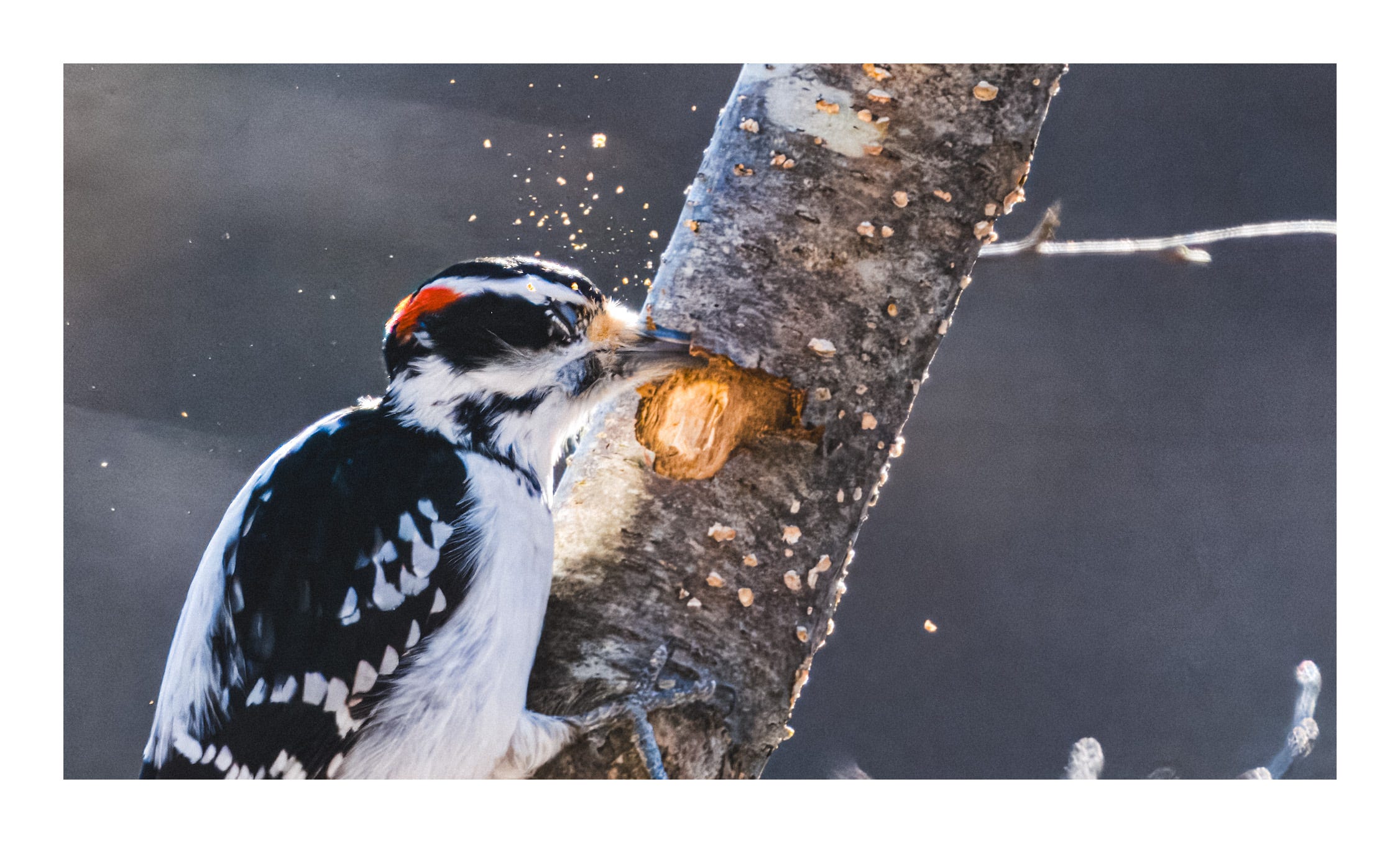
The Long Harvest: On Discipline, Tomatoes, and Delayed Desires
Dec 29, 202400:07:38Tap to summarizeBTTY BitesNo.1 - “A common cause of time wasters is largely under the executive's control and can be eliminated by him. That is the time of others he himself wastes.” - Peter DruckerNo. 2 - “People are motivated by one of two things: Either avoiding loss or acquiring potential gain.” - Phil JonesNo. 3 - Did you know that woodpeckers have tongues? I mean really long tonguges. I took about 1,600 photos of this woodpecker the other day and this shot of his tongue (it is male) made me do some research. It’s so long it wraps around the back of his head. He kept at this tree until he broke it in half. Just wild. A ThoughtTomatoes.I think about tomatoes. A lot.Yes, they are technically fruits, but did you know that an 1893 Supreme Court case ruled that tomatoes should be taxed as vegetables? Also, tomatoes were first domesticated by the Aztecs, who called them by a name that meant “plump thing with a navel.” I love that. I also love eating tomatoes, growing tomatoes, and sharing tomatoes. I have Grandad to thank for that.He had a bit of a garden patch - probably a couple of acres of garden, actually. Well plowed and lined with all the vegetables. It was the tomatoes I liked best. We would pick a handful, put them in his old beat-up thick plastic bucket with a rope handle, and drive back to his garage on his small tractor-mower. Sometimes, you’d find me on his lap, trying to drive. Other times, I’d be tucked into the corner of the plywood trailer he towed.Up over a hill, along the fence line, and then down to the garage. He built that garage himself. There was a penny he tucked behind a translucent rock that glimmered when the sun was just right. We’d park next to his big tractor and take in the combined smell of gasoline and cut crass. He’d get me over to his workbench and lift me up. It was always a bit of a mess, strewn with the detritus of actual work. He’d reach for the salt, slice into the unwashed tomato, sprinkle a little salt, and pop it in his mouth - I can still see the edge of his mouth as he grinned. I now imagine he was smiling at something more than the tomato. Then a slice for me. We’d both start nodding. Behind us, through the unfinished 2x4 window frame, his two steers wandered in the ‘north forty.’Success?My grandfather was, at least from what I saw, a great man. He retired as a Colonel from the US Army, was married for 65 years, went to war three times, and retired to a small community in the mountains, where he spent 30 years donating his time to improving that community. That’s not what made him great to me. It added to the mystique, but not what I think about today. He makes me think about success.I’m not quite sure what success is, but when people ask me what it means to me, I talk about a little green hill with little people running around. My fondest memories were on that hill we drove over in his little blue tractor. Up until December of 2007, there were two doting grandparents. The kind that eat unwashed tomatoes, play frisbee, and teach you how to make jello. Or the ones that take you to pick fresh blackberries on the fence line and make blackberry jam together - all while she implored me not to get blackberry on my new shirt. One year, Gramma sat me next to the window overlooking the garage to tell me a \ story. It was close to Halloween, and it was a ghost story. Then, in the distance, a ghost darted over the crest of that little hill. That was Grandad with a sheet over his head. Amazing. At least it was amazing to that six-year-old.Discipline?So success to me is being that for someone. Maybe it’s grandkids if we are lucky, maybe not. A little green hill with Princess Buttercup, a community, a small patch to tend, and humans to love. There is a path that I need to take to get there and it has me thinking about discipline. A lot. So, I asked myself: What does discipline really mean? Here’s what I came up with.Controlling your desire for something now for something you desire more, later.Whether your success is a green hill, another zero in your bank account, or something else, it will take discipline. If I want to run with that sheet over my head down our hill one day, I have to be here still and be able to move as nimbly as the Colonel could at 70. When my alarm goes off, I want to stay in bed, but I go for a run. That’s discipline. Or willpower. Or whatever. I don’t always win that battle, but I try to remember what’s important. It’s a green hill. It’s tomatoes. It’s raising baby chicks. It’s being there for their wedding, being there for their losses, and trading something I desire now for something I want more later.Desire is a strong word, and I’m using it intentionally. Some desires are clear, like fresh tomatoes in summer. Others grow quietly and hidden, like weeds. Discipline is not just about control—it’s about paying attention to what is pulling you. If we don’t watch what’s growing in our garden, we won’t know what to weed and what to water.That’s what I’m thinking about this week. I hope you’re good. Be good. And let’s find that hill.Kelly This is a public episode. If you would like to discuss this with other subscribers or get access to bonus episodes, visit kellyvohs.substack.com
Transcribe →