Podcast
Big Biology
Hosted by Cameron Ghalambor and Marty Martin · EN
The biggest biology podcast for the biggest science and biology fans. Featuring in-depth discussions with scientists tackling the biggest questions in evolution, genetics, ecology, climate, neuroscience, diseases, the origins of life, psychology and more. If it's biological, groundbreaking, philosophical or mysterious you'll find it
bigbiology.substack.com
bigbiology.substack.com
18episodes
Episodes
Newest firstAll episodes
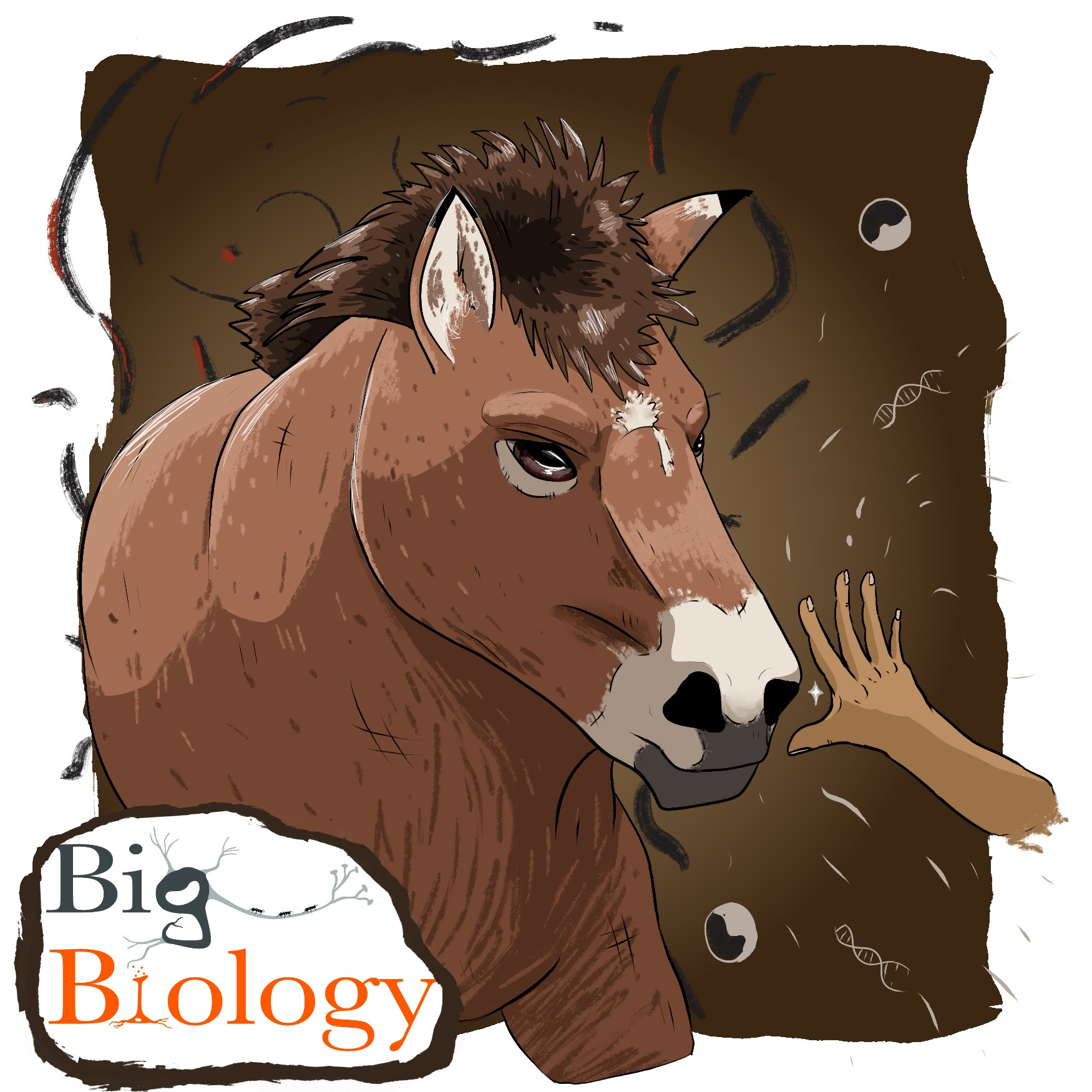
From Steppe to Stable (Ep 143)
Dec 1100:38:10Tap to summarizeThis is a free preview of a paid episode. To hear more, visit bigbiology.substack.comHow and when did humans domesticate the horse? How did horses shape our language, culture, and history?On this episode, we talk with Dr. Ludovic Orlando, a research director for the French National Center for Scientific Research and founding director of the Centre for Anthropobiology & Genomics of Toulouse. Ludovic is also the author of the new book Hor…
Transcribe →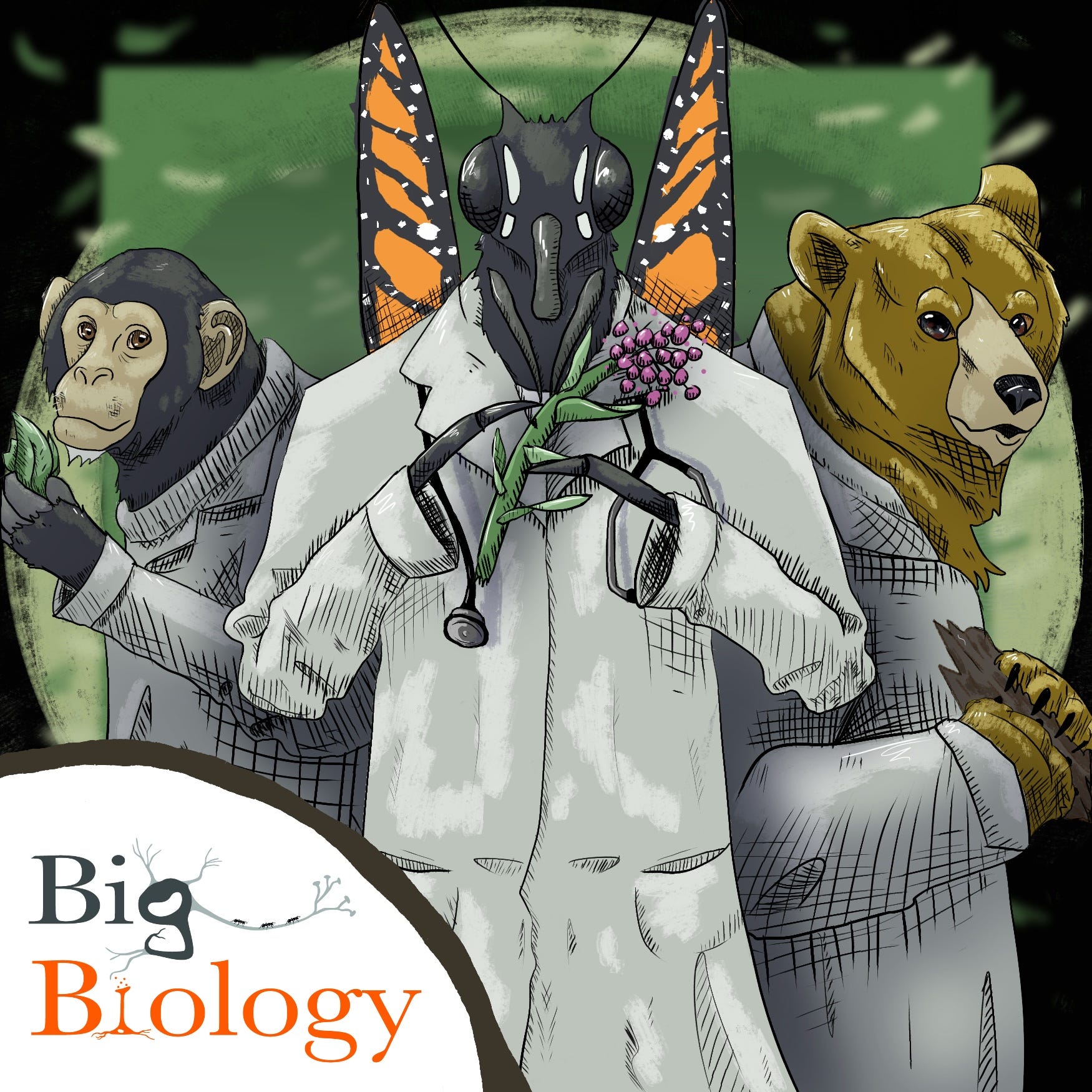
Doctors by Nature (Ep 142)
Nov 2000:30:37Tap to summarizeThis is a free preview of a paid episode. To hear more, visit bigbiology.substack.comHow do animals use medication and can humans learn from them? What are the evolutionary consequences of animal self-medication?In this episode, we talk with Jaap de Roode, the Samuel Candler Dobbs Professor of Biology at Emory University and author of the book Doctors by Nature: How Ants, Apes, and Other Animals Heal Themselves. Jaap’s research on monar…
Transcribe →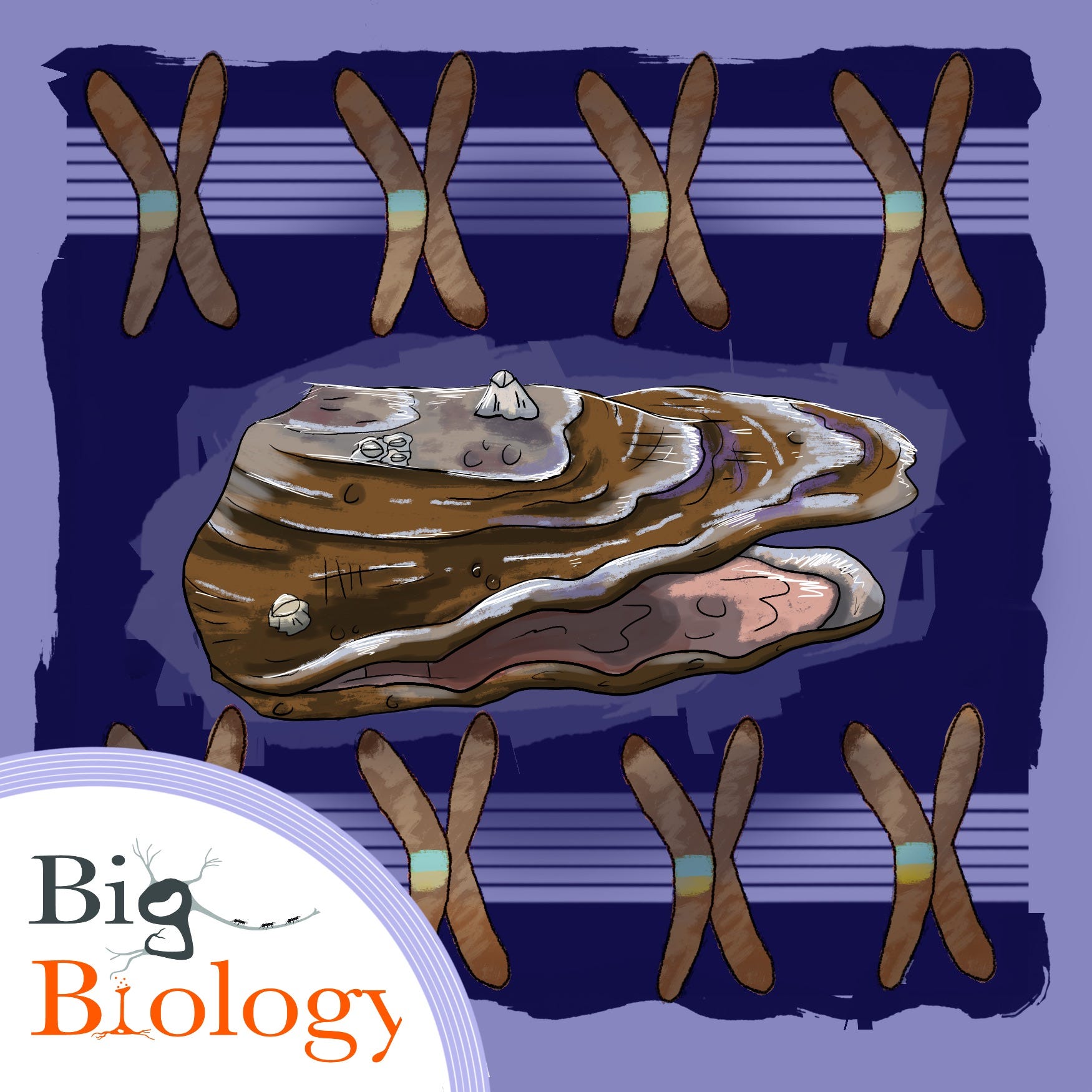
Vulnerability in science and in genomes (Ep 141)
Oct 3001:24:34Tap to summarizeWhat impact has the Trump administration had on biology and the scientific community? How do scientists study genomic adaptation and vulnerability?On this episode we talk with Dr. Katie Lotterhos, Associate Professor in the Department of Marine and Environmental Sciences at Northeastern University. Katie is also the Secretary for the American Society of Naturalists, and she helped to coordinate and implement a survey of scientists to understand the impacts of the Trump administration’s policies on ecology, evolution, marine science and environmental science. In the first half of the episode, we talk with Katie about carrying out this survey, discuss some of the main themes of the results, and how the results can be used in the future. Then, we talk about Katie’s research where she uses oysters as a study system to understand the genomic basis of local adaptation and genomic vulnerability of populations to environmental change.Cover art by Brianna Longo. This is a public episode. If you'd like to discuss this with other subscribers or get access to bonus episodes, visit bigbiology.substack.com/subscribe
Transcribe →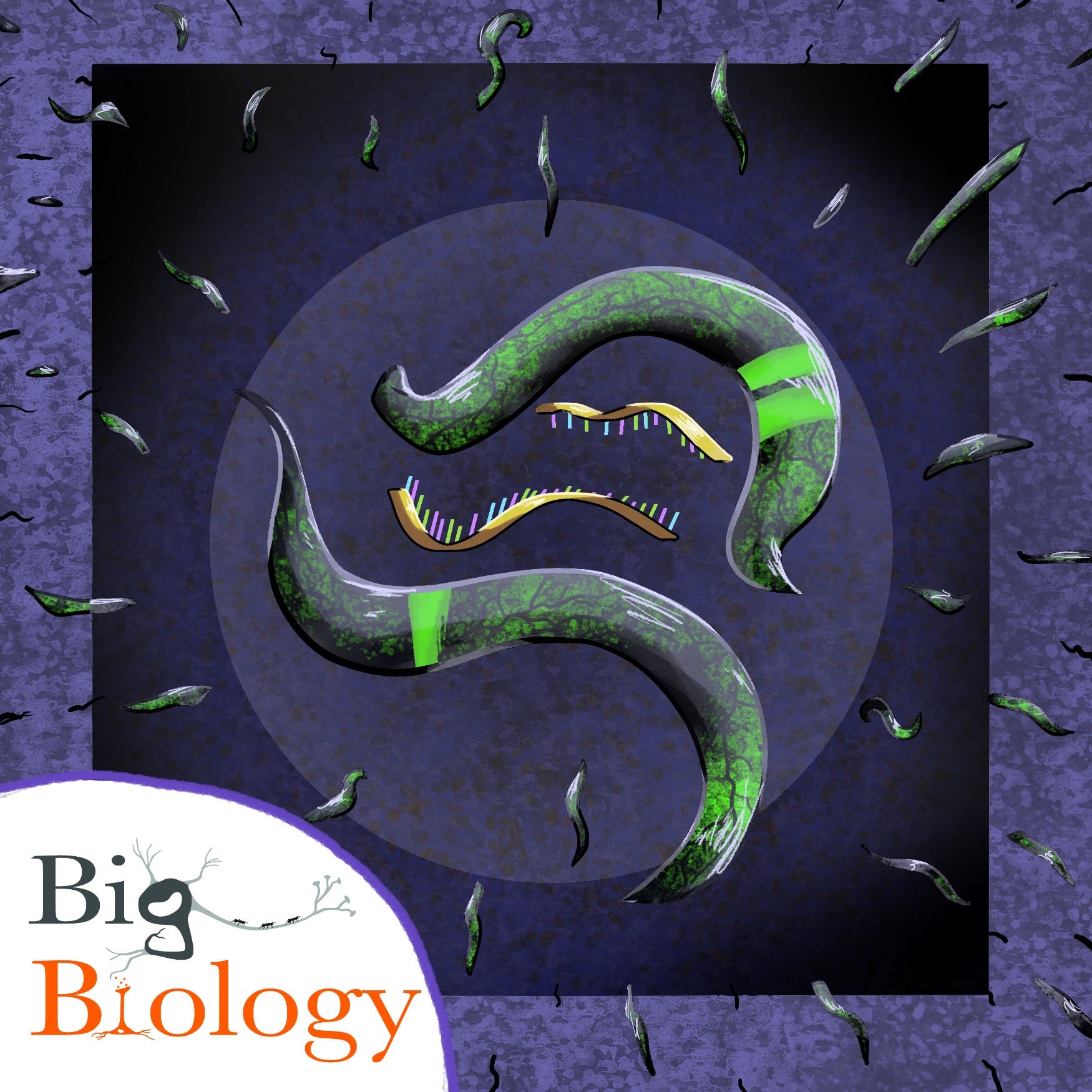
Biology outside the box (Ep 140)
Oct 900:30:52Tap to summarizeThis is a free preview of a paid episode. To hear more, visit bigbiology.substack.comWhat’s the value of risk-taking in research? How is studying the mechanisms of transgenerational inheritance in C. elegans unorthodox and insightful? How can AI help improve aspects of biology, namely the peer review process?In this episode, we talk with Oded Rechavi, professor in the Faculty of Life Sciences and the Sagol School of Neuroscience at Tel …
Transcribe →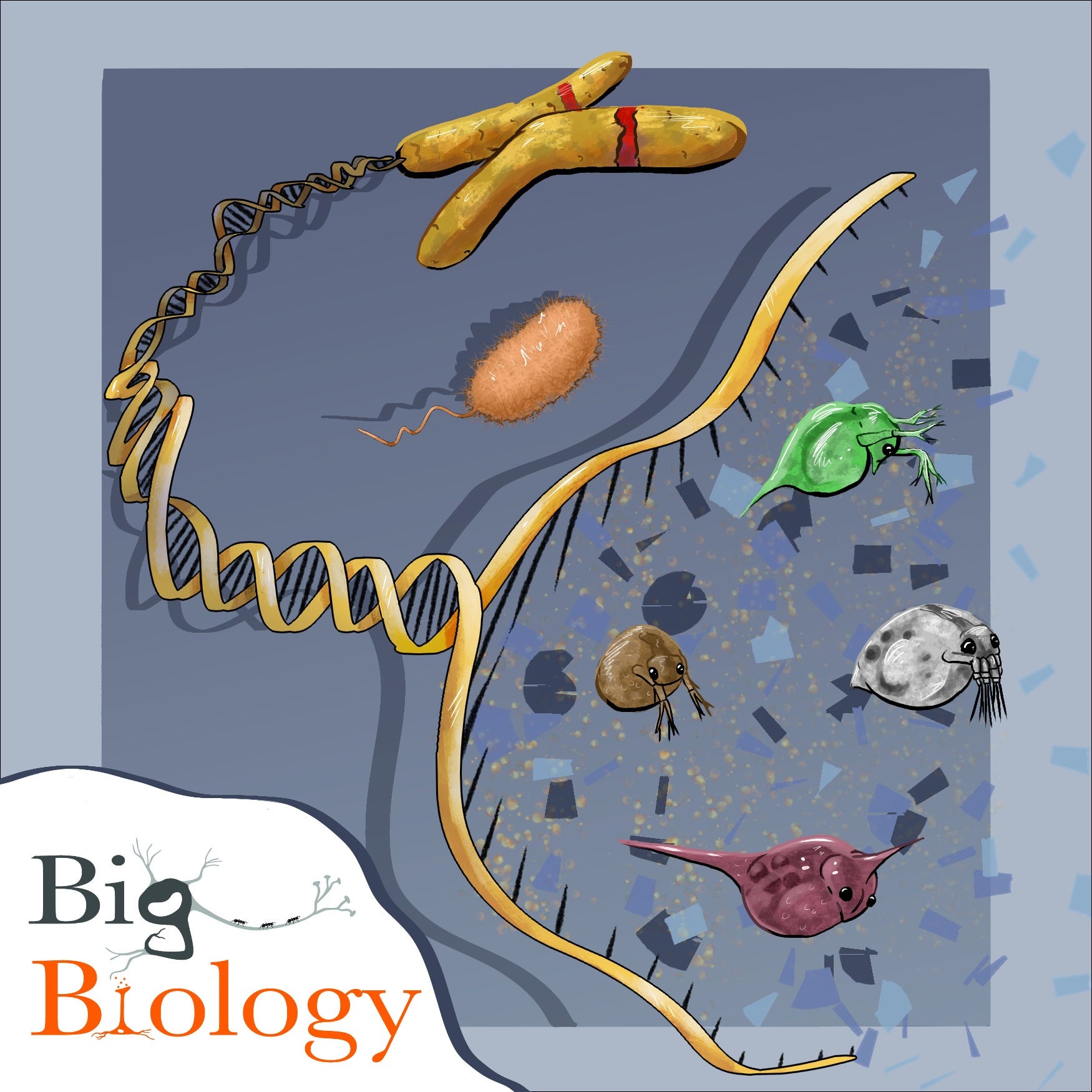
Evolution across scales (Ep 139)
Sep 1700:35:09Tap to summarizeThis is a free preview of a paid episode. To hear more, visit bigbiology.substack.comHow do non-adaptive processes shape biological diversity and complexity? What is effective population size and what important role does it play in evolution?On this episode of Big Biology, we talk with Dr Mike Lynch, Regents Professor and the Director of the Biodesign Center for Mechanisms of Evolution at Arizona State University. We talk with Mike abou…
Transcribe →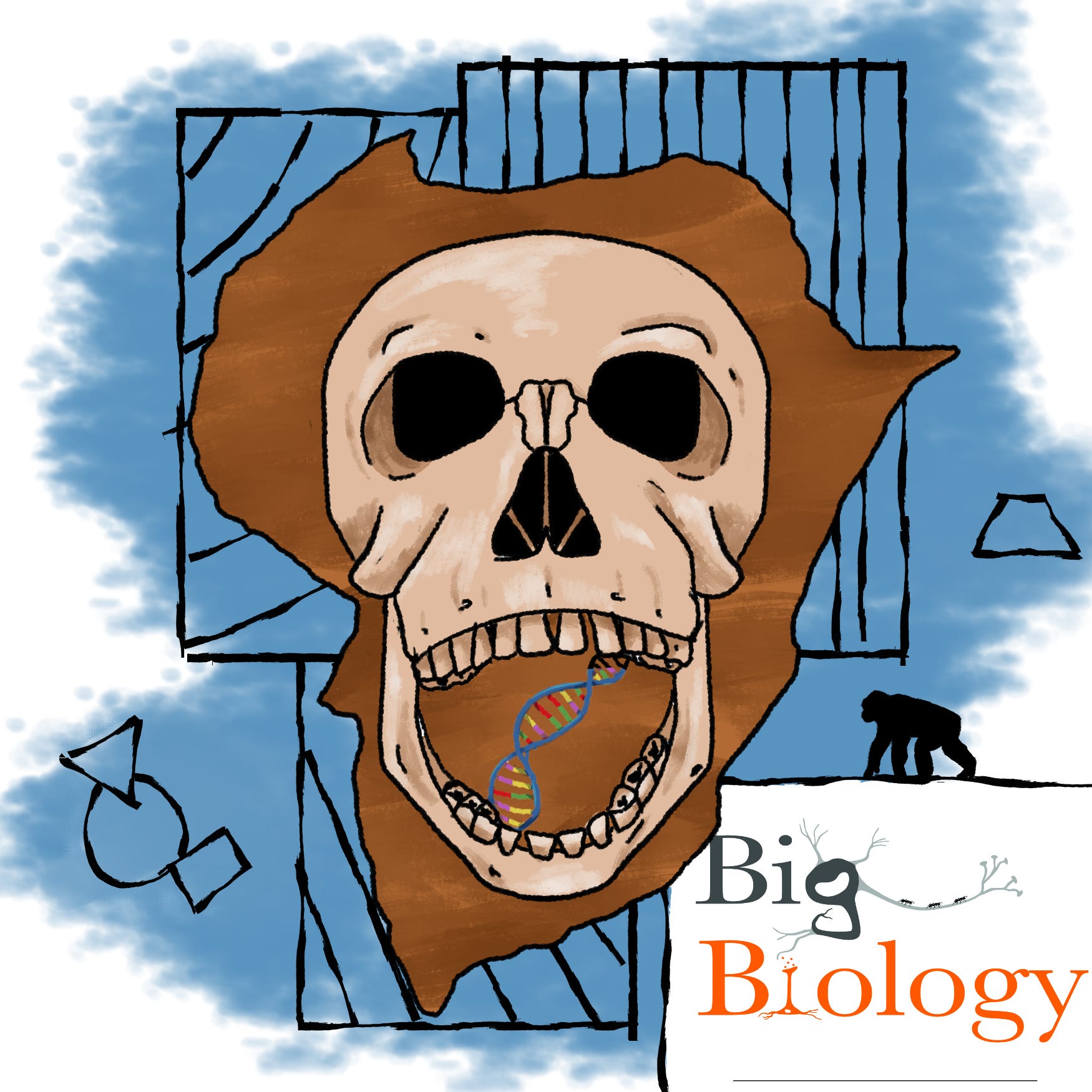
The Origin of Us: Human Evolution
Sep 401:00:38Tap to summarizeWhere, when, and how did Homo sapiens appear? What do we know about the complex set of ancestral hominins that preceded us? How recently did other hominin lineages live and what happened to them?On this episode, we talk with Kate Wong, a senior editor at Scientific American, about her article, The Origin of Us. Our understanding of hominin evolution over the past several million years has been transformed by exciting new fossil finds and new DNA sequence data. We talk with Kate about the biggest news, the luxuriant evolutionary bush from which our ancestors emerged in Africa, and her favorite fossil species.Find more articles from Kate here: Stories by Kate WongCover Art by Brianna Longo This is a public episode. If you'd like to discuss this with other subscribers or get access to bonus episodes, visit bigbiology.substack.com/subscribe
Transcribe →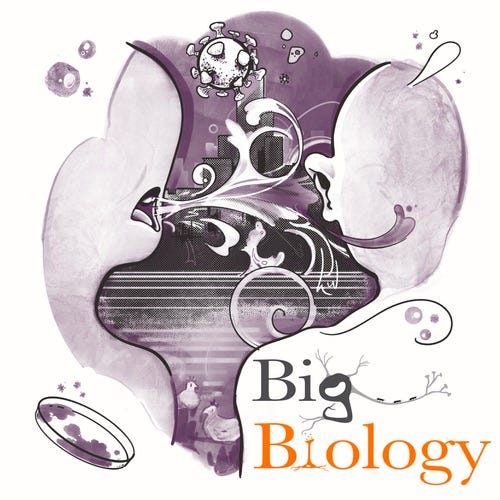
Covid Conversations (Ep 138)
Aug 14, 202500:46:26Tap to summarizeWhat can we learn from the COVID-19 pandemic, and how do we apply that knowledge moving forward?On this special episode of Big Biology, we’re bringing you the highlights from a conference called “Covid Conversations,” which was hosted at the University of South Florida last December. The event brought together scientists, public health experts, medical doctors, historians, students, philosophers, and community leaders—for one big, open conversation about COVID-19. The episode shares the different perspectives these speakers had on the virus, the pandemic response, and our future preparedness to disease.This episode is hosted by Caroline Merriman, a Big Biology intern and a research fellow with the Association of Public Health Laboratories program, and Kailey McCain, a PhD student in Marty’s lab at USF and a former Big Biology intern.Cover art by Keating Shahmehri This is a public episode. If you'd like to discuss this with other subscribers or get access to bonus episodes, visit bigbiology.substack.com/subscribe
Transcribe →
Follow the data: the search for COVID’s origin (Ep 105)
Sep 8, 2023Tap to summarizeOn this episode, we talk with Alina Chan, postdoc at the Broad Institute of MIT and Harvard and co-author with Matt Ridley of Viral: The Search for the Origin of COVID-19. SARS-CoV-2 could have plausibly jumped into humans in Wuhan via one of two paths. The first is zoonotic transfer from wild bats to humans, possibly via an intermediate animal host. The second is some kind of lab accident: researchers working on a SARS-CoV-2-like virus accidentally became infected with it and then transmitted it to others in Wuhan. Although early discussions among virologists reached the consensus that the origin was almost surely zoonotic, more recent discussions have started to take the lab-leak theory seriously. Unfortunately, we still lack conclusive evidence in support of either hypothesis. And, as public leaders have co-opted the investigation for nonscientific reasons, the subject of COVID’s origin has become practically taboo.Alina’s approach is to “follow the data,” leaving no stone unturned, and we believe that it is our responsibility as scientists to do the same. We talk to Alina about her book, as well as the many new things that have been revealed about COVID’s origins since its 2021 publication. Towards the end of the chat, we discuss the implications of what we’ve learned about SARS-CoV-2 for how we should prepare for and deal with future pandemics.We hope that this episode inspires you to seek the best possible explanation of COVID origins. Please write to info@bigbiology.org and tell us what you think, and share with friends and family. Cover art: Keating Shahmehri This is a public episode. If you'd like to discuss this with other subscribers or get access to bonus episodes, visit bigbiology.substack.com/subscribe
Transcribe →