
Podcast
Busy Mom Talk, The Podcast
Hosted by Kia Veinneau · EN
Welcome to Busy Mom Talk, the podcast that brings real, raw, and relatable conversations to the heart of motherhood. Hosted by Kia, this space is a hub for parents seeking trusted advice, unbiased information, and stories that reflect the everyday realities of raising kids.
From birth and postpartum support to parenting wins and the mess in between, each episode is grounded in community, connection, and care. Tune in to hear from professionals, parents, and voices that matter — all while staying in the loop with local family-friendly events and resources that help you thrive, not just survive.
This is where busy moms come to feel seen, supported, and inspired.
Don't forget to follow us on IG: @BusyMomTalk & Subscribe to us on Youtube BusyMomTalkThePodcast
28episodes
Episodes
Newest firstAll episodes
Mom Burnout, Career Pivoting
Jan 2600:58:08Tap to summarizeEpisode Overview In this episode of Busy Mom Talk, I sit down with Melyse for an honest conversation about burnout, what it really looks like, and how it can quietly build up until you feel like you are running on empty. Melyse shares the signs she experienced firsthand, including emotional exhaustion, feeling disconnected from her work, and losing that sense of accomplishment that once motivated her.We talk about the reality of leaving a stable corporate job when you are already overwhelmed, and how scary that transition can feel, especially when finances and responsibility are weighing on you. Melyse opens up about how she shifted into a more fulfilling, multi layered career path and why building a portfolio career can create flexibility, freedom, and multiple income streams.This episode is a reminder that healing does not always start with big changes. Sometimes it starts with acknowledging that you are struggling, giving yourself permission to rest, and finding community support that actually understands what caregivers carry every day. If you have been feeling burnt out, stuck, or like you have lost yourself in survival mode, this conversation will help you feel seen and give you practical mindset shifts to start moving forward again.Key Takeaways from This Episode Burnout can show up as emotional exhaustion, cynicism, and feeling like nothing you do is enough Recognizing the signs early is a major step toward recovery Leaving stability for something new can be scary, but it can also be life changing A portfolio career can create flexibility and more financial security over time Community support matters more than most people realize Small lifestyle adjustments can ease financial stress during transition seasons Rest is not laziness, it is part of healing Reframing your relationship with work can help you feel fulfilled again Coaching can help you navigate burnout and rebuild confidence Naming what you are carrying is often the first step to getting betterIf you have been running on empty, I hope this episode reminds you that you are allowed to pause, reset, and choose yourself again. Thank you for being here, and for trusting this space.Follow me on Instagram and Facebook: @busymomtalk And follow Melyse for more on healing, growth, and finding your way forward: @vibewithmelyse
Transcribe →Nervous System Support, Mom Burnout, And Healing Trauma
Jan 1900:42:44Tap to summarizeEpisode SummaryIn this episode, Kianna sits down with mom therapist and coach Kristin Cogan to talk about the real mental load of motherhood, why so many moms wait to ask for help, and how trauma can show up in parenting triggers. Kristin shares practical, realistic tools for “emotional hygiene,” nervous system regulation, and repair after conflict with your kids, plus a powerful framework she calls the Ripple Effect Method (physical, social, emotional, spiritual). They also explore inner child work, birth trauma triggers, and therapy modalities like EMDR and brainspotting.Key Topics CoveredWhy motherhood feels so judged (and why community changes everything)When moms tend to seek help: “drowning” vs “preventative” supportRepairing after yelling: what to say to toddlers/preschoolersEmotional hygiene: caring for your mental health like you care for your bodyKristin’s “Ripple Effect Method”: physical, social, emotional, spiritual pillarsIntrovert vs extrovert needs and “people in doses”Glimmers, window of tolerance, and regulating your nervous systemInner child work and re-parenting yourself while parenting your childBirth trauma and why kids’ crying can feel like your body is on fireEMDR vs brainspotting (what they are + how they help)“Date your therapist” and why fit mattersWhy therapy can be lifelong support, not a one-time fixGuest InfoKristin Cogan Therapist & Coach for Moms (specializing in trauma and nervous system regulation) Book in with Kirstin Here: https://calendly.com/imperfectlywonderful/15-minute-phone-consultation?utm_source=ig&utm_medium=social&utm_content=link_in_bio&fbclid=PAZXh0bgNhZW0CMTEAc3J0YwZhcHBfaWQMMjU2MjgxMDQwNTU4AAGnG0oF_p2HY_pzGKweKd8I4WFjpHgTzElfNq7beZvizGP3aaCkY9C4ij_VOn8_aem_Sdva_swtwbZ6cvssIp978Q Instagram: @ImperfectlyWonderfulMotherhood
Transcribe →Redefining Yourself In Motherhood
Jan 1200:51:09Tap to summarizeEpisode Overview In this episode of Busy Mom Talk, host discusses the complexities of motherhood with guest Krissy Bold, a podcast host and mom advocate. They explore the challenges of maintaining identity as a mother, the realities of parenting, and the importance of community and friendships among moms. Krissy shares her journey of starting a podcast, the struggles of monetizing content, and the significance of setting achievable goals through 10-day challenges. The conversation emphasizes the need for self-care, personal growth, and the freedom to pivot in life.Key Take Aways Motherhood can lead to a loss of personal identity.It's important to express the challenges of being a mom.Friendships can change significantly after becoming a parent.Playdates often don't provide the connection we expect.Starting a podcast can be a fulfilling but challenging journey.Monetizing a podcast is often more difficult than anticipated.Setting small, achievable goals can lead to personal growth.The 10-day challenge is a practical way to explore new habits.Self-care is essential for maintaining happiness as a mom.It's okay to pivot and change your path in life.
Transcribe →Am I The Drama? Motherhood Edition
Dec 2200:24:27Tap to summarizeEpisode OverviewAm I the Drama… or Is This Actually Wild?This week on Busy Mom Talk, Kianna goes solo for a much-requested episode of “Am I the Drama?” — diving into real stories submitted by listeners who are deep in the messiness of motherhood, family dynamics, and public judgment. From overstepping mothers-in-law to partners who won’t set boundaries, this episode pulls back the curtain on situations so many parents quietly deal with.When Mothers-in-Law OverstepKianna reads listener stories about mothers-in-law who push limits, ignore parenting choices, and insert themselves where they’re not invited. She shares her honest take on why these dynamics are so triggering, how generational expectations play a role, and why protecting your role as a parent doesn’t make you disrespectful — it makes you intentional.When Your Partner Doesn’t Hold the LineOne of the biggest themes in this episode is what happens when a husband or partner doesn’t stand their ground. Kianna unpacks the emotional toll of feeling unsupported, why this issue is about more than just in-laws, and how partnership, communication, and shared boundaries are essential for a healthy family unit.Public Parenting Shaming & Why It Hits So HardFrom unsolicited comments in grocery stores to judgmental looks at the park, Kianna reacts to stories of parents being shamed in public. She shares why these moments stick with us, how they can shake confidence, and why parenting already feels vulnerable enough without strangers weighing in.Real Opinions, No SugarcoatingThis solo episode blends humor, honesty, and straight-up truth. Kianna shares her personal opinions on each scenario — when to speak up, when to let it go, and when it’s okay to say “no more.” It’s validating, relatable, and meant to remind parents that they’re not alone in navigating these uncomfortable situations.Want Your Story Read on the Podcast?Kianna closes the episode by inviting listeners to submit their own “Am I the Drama?” stories. If you’re dealing with family drama, partner tension, or parenting judgment and want a space to be heard, you can send your story to kianna@busymomtalk.ca to be featured in a future episode.
Transcribe →Supporting The Neurodivergent Child (And Any Child)
Dec 1500:56:45Tap to summarizeBuilding What Didn’t Exist: A Mother’s VisionThis week on Busy Mom Talk, Kianna sits down with Julia Reid, co-owner of Play On Paediatrics Therapy in Ottawa. Julia shares how her background as an athletic therapist and her lived experience as a mom to a neurodivergent childled her to build something that didn’t exist when she needed it most. What began as a personal gap in care became a clinic rooted in empathy, access, and true family-centred support.Motherhood in Real Time: Lived Experience MattersAs a mom of four, Julia brings a deeply human perspective to parenting. She speaks openly about always putting her children first, navigating different needs, personalities, and challenges, and how becoming a parent reshaped both her career and her purpose. This conversation highlights the power of lived experience — how parenting through real moments, not textbooks, informs how we show up for our kids and for other families.A One-Stop Space for Every ChildPlay On Paediatrics Therapy was built to be the place every parent wishes existed: a one-stop shop where children and families can access physiotherapy, psychology, speech therapy, and a wide range of supports under one roof. Julia explains why integrated care matters, how it reduces stress for families, and why children thrive when services communicate and collaborate instead of operating in silos.Connection Over PerfectionOne of the most powerful themes in this episode is connection. Julia shares how maintaining strong relationships with her kids has always been her anchor — especially through chaos, exhaustion, and uncertainty. She and Kianna talk about how children are all different, how there is no single “right” way to parent, and why tuning into who your child is matters more than any strategy or trend.Building Through COVID and Choosing CourageJulia reflects on starting her clinic 3.5 years ago, during the uncertainty of COVID, while parenting young children and navigating neurodivergence at home. She talks about fear, resilience, and choosing to move forward even when the future felt unclear. Today, Play On remains a place her own children still attend — a full-circle moment that reinforces the intention behind everything she built.For Parents in the Thick of It — and Those Finding Their RhythmThis episode is for parents who are overwhelmed, exhausted, learning, adapting, or finally finding their footing. Julia’s honesty, warmth, and wisdom remind listeners that support looks different for every family — and that parenting isn’t about doing it perfectly, but about doing it together.Follow Busy Mom Talk on Instagram for more conversations rooted in honesty, healing, and real-life parenting. Share this episode with a parent who needs reassurance that they’re not alone — whether they’re in survival mode or steadily cruising.
Transcribe →Osteopathy For Postpartum And Newborn Babies With Megan Palmer
Dec 800:42:11Tap to summarizeEpisode OverviewThe Uncommon Path: Specializing in Pediatric OsteopathyThis week, Kianna sits down with Megan Palmer, a highly trained osteopath from Mulberry Wellness and Mulberry Minis, whose extensive focus in pediatrics sets her apart in a field where infant-specific training is still uncommon. Megan shares what led her to pursue this path, the depth of education required, and why she is so passionate about supporting babies and families through gentle, evidence-informed manual therapy.Understanding Fascia and Infant MovementKianna and Megan dive into one of the most misunderstood aspects of infant well-being: fascia. Megan explains how tightness, tension, and restrictions in the fascial system can influence a baby’s feeding, digestion, sleep, comfort, and overall movement. She breaks down what parents often notice at home—arching, stiffness, difficulty settling, feeding challenges—and how osteopathic care assesses the whole body to understand why those patterns are happening.Tongue & Lip Ties: Before and After CareOne of the most requested topics for new parents is the impact of tongue and lip ties. Megan discusses how fascial tension influences breastfeeding, bottle feeding, latch issues, and oral function. She explains what osteopathic treatment can do before a release to prepare the tissues, and how aftercare supports healing, mobility, and successful feeding outcomes. This segment is full of practical guidance for parents feeling overwhelmed by tie-related challenges.Torticollis, Head Shape & Newborn TightnessThe conversation moves into common concerns Megan sees in babies: • Torticollis • Flat head shape / plagiocephaly • Preference to look one direction • Body tightness from birth or pregnancy positioning • Discomfort when lying on their backMegan explains how these patterns develop, what parents can look for, and how osteopathic techniques work to gently release restrictions and restore balanced movement. Her explanations help parents understand that babies’ bodies tell a story — and with the right approach, those stories can be supported with comfort and ease.Individualized Care Through Gentle Manual TreatmentThroughout the episode, Megan emphasizes that osteopathic care is never one-size-fits-all. Each baby receives a full assessment that guides a tailored plan based on their unique needs, birth history, feeding experience, and body tension patterns. Using a variety of gentle manual therapies, osteopaths aim to support the body’s natural ability to heal and function optimally.Megan’s perspective is empowering for any parent navigating feeding concerns, tension, digestive issues, or simply wanting to understand their baby’s body better.Follow Busy Mom Talk on Instagram for more episodes and expert conversations. Share this episode with a parent who’s navigating feeding challenges, newborn tightness, or is curious about osteopathic care.
Transcribe →How To Become Successful In Content Creation With Leanne Lee
Dec 100:41:33Tap to summarizeFrom Corporate Life to Full-Time CreatorThis week on Busy Mom Talk, Kianna sits down with Leanne Lee, the creator behind Life With Leanne Lee - a highly influential digital storyteller across YouTube, Facebook, TikTok, and Instagram. Leanne opens up about the moment she realized her corporate job was no longer aligned with her values or mental health, and how she made the bold jump into full-time content creation. She shares what it really looked like behind the scenes to walk away from stability and choose a path that felt more honest, creative, and deeply fulfilling.When Friends Don’t Get ItLeanne and Kianna dive into one of the most unspoken parts of being an online creator: how people in your “real life” respond. Leanne talks about the sting of friends not supporting her the way they might celebrate a more “traditional” career path, and how becoming visible online can make people see you differently. This conversation explores identity, judgment, and what it means when your life becomes content in the eyes of others — even when you’re still the same person at your core.Going Viral in the COVID EraLeanne reflects on how the early COVID era and shifting algorithms helped skyrocket her visibility. She explains what it was like creating wholesome, relatable content at a time when people craved connection more than ever — and how that season changed everything for her platforms. From short-form video booms to algorithm experiments, she shares what worked, what didn’t, and how she learned to lean into authenticity over trends.Wholesome Content, Real ImpactAt the heart of Leanne’s brand is content that feels like a warm hug: cozy routines, family moments, real-life struggles, and slices of everyday joy. She and Kianna discuss why wholesome content resonates so deeply right now, especially for moms and women who feel tired of comparison and perfection. Leanne explains how she stays grounded while being highly visible, and how she chooses what to share versus what stays private.Kids, Boundaries, and Online SafetyAs a mom and creator, Leanne is intentional about child safety and digital boundaries. She shares why she uses different names for her kids online, how she protects their identities, and how she balances storytelling with safety. This segment is especially powerful for parents who want to share their lives online but feel uneasy about how much is “too much.”Tips, Tricks, and The Unknown FutureThe episode wraps with Leanne offering insider tips and practical advice for anyone wanting to start (or grow) as a content creator — from mindset shifts and consistency to understanding platforms and staying true to yourself. She also talks honestly about the uncertainty of this career path, how she makes peace with the unknown, and why trusting herself has been the best decision she’s ever made.Connect with Leanne Lee – Life With Leanne LeeInstagram: https://www.instagram.com/lifewithleanneleeTikTok: https://www.tiktok.com/@lifewithleanneleeYouTube: https://www.youtube.com/@lifewithleanneleeDon’t forget to follow Busy Mom Talk on Instagram and let us know your favorite takeaway from this episode.
Transcribe →Child Development With Paediatrician Dr. Mona Amin From Peds Doc Talk
Nov 2400:54:49Tap to summarizeA Pediatrician Who Became a Guide for ParentsIn this episode, Kianna sits down with Dr. Mona Amin, board-certified pediatrician and founder of PedsDocTalk, to talk about what happens when medicine, motherhood, and the online world collide. Dr. Mona shares how burnout in traditional pediatrics and a desire to give parents more time, context, and compassion pushed her to start creating content online—long before Reels and TikTok. What began as answering questions in her car on lunch breaks has become a global platform giving millions of parents more confidence, clarity, and calm.Humanizing Doctors and Letting Go of PerfectionKianna and Dr. Mona dive into the pressure we put on doctors to be “all-knowing” and available 24/7—and how that mindset hurts both families and physicians. Dr. Mona talks openly about sharing her own birth trauma, her child’s illnesses, and her personal struggles, not for drama, but so parents remember that doctors are human too. She reminds listeners that no parent is meant to know everything from day one, and that “imperfect parenting” with reflection and repair is not only normal—it’s healthy.Sleep Training, Attachment, and Why Tears ≠ TraumaThe conversation gets real when Kianna brings up the comment that parents who sleep train are “horrible.” Dr. Mona breaks down the science and developmental reality behind sleep training, explaining why it does not destroy attachment. She uses practical examples and her own experience using “cry” methods with her children, emphasizing structure, check-ins, and responsiveness. She explains how setting boundaries around sleep can coexist with secure attachment, and why tears during learning are not the same as trauma.Neurodiversity, Labels, and Getting Kids Help Without ShameFrom ADHD to autism and speech delays, Dr. Mona walks through what happens when a teacher flags a concern and how she approaches those conversations in clinic. She talks about the fear and stigma parents feel around labels, and reframes diagnosis as a tool for getting support—not a life sentence or a reflection of “bad parenting.” She shares her belief that far more of the world is neurodivergent than we realize, and encourages parents to be curious about how their child’s brain works instead of trying to force them into a narrow mold.Sick Season, Immunity, and What Actually HelpsIn the thick of endless daycare germs, Kianna asks the question every parent is screaming: “What am I doing wrong?” Dr. Mona breaks down what really drives frequent sickness (spoiler: it’s germ exposure, not cupcakes) and what actually helps: handwashing, realistic hygiene, sleep when possible, hydration, balanced nutrition, and simple tools like saline sprays and honey. She explains why the first years of daycare or school are the hardest, why it gets better, and how to model rest and body-listening for kids.A Why Rooted in Purpose, Not FollowersThe episode closes with Dr. Mona’s “why”—a story about a grandmother who recognized her at a restaurant and shared how PedsDocTalk made her feel like a better caregiver. Dr. Mona reflects on the privilege and responsibility of having a platform, the importance of purpose-driven work, and her commitment to helping parents feel more seen, less scared, and more confident in raising their children—even on the hardest days.Don’t forget to follow Busy Mom Talk on Instagram! Share this episode with a parent friend who needs a little less guilt and a little more grounded guidance.
Transcribe →
Midwifery Over Medicine: Leaving The Medical Model Of Delivering Babies To The Midwifery Model With OBGYN Dr. Stuart Fischbein Part One
Sep 100:41:59Tap to summarizeEpisode Overview: Part Two of ThreeIn this continuation of our conversation with Dr. Stuart Fischbein (“Dr. Stu”), we dig into some of the most hotly debated topics in maternity and newborn care — from vitamin K injections and vaccine safety to antibiotics in labor and the pressures families face inside medical systems.Dr. Stu unpacks the controversy around vitamin K, explaining what the evidence does and doesn’t say about early versus late-onset deficiency bleeding, and why the decision ultimately rests with parents. We explore how hospital protocols, financial incentives, and medical algorithms shape the options presented to families — often without full transparency about risks, benefits, or alternatives.This episode also touches on broader themes of trust in science, how to read research critically, and the systemic forces driving interventions that may not always serve mothers and babies. Together, we challenge the assumption that “more is always better” and ask what it looks like to truly respect nature’s design and parental choice.Key TakeawaysVitamin K isn’t black-and-white — parents deserve clear, balanced information about real risks versus benefits.Context matters — protocols like antibiotics for GBS or postpartum vaccines may not always be necessary and carry trade-offs.Follow the money — financial incentives and hospital coding systems often influence care more than evidence, in systems like the USA has.Science isn’t neutral — understanding bias, conflicts of interest, and study design is essential when evaluating research.Informed choice is the goal — every family has the right to weigh evidence, question protocols, and make decisions without coercion.Don’t forget to follow along on Instagram, @BusyMomTalk, and share what stood out most to you from this part of the conversation. Stay tuned for Part Three!
Transcribe →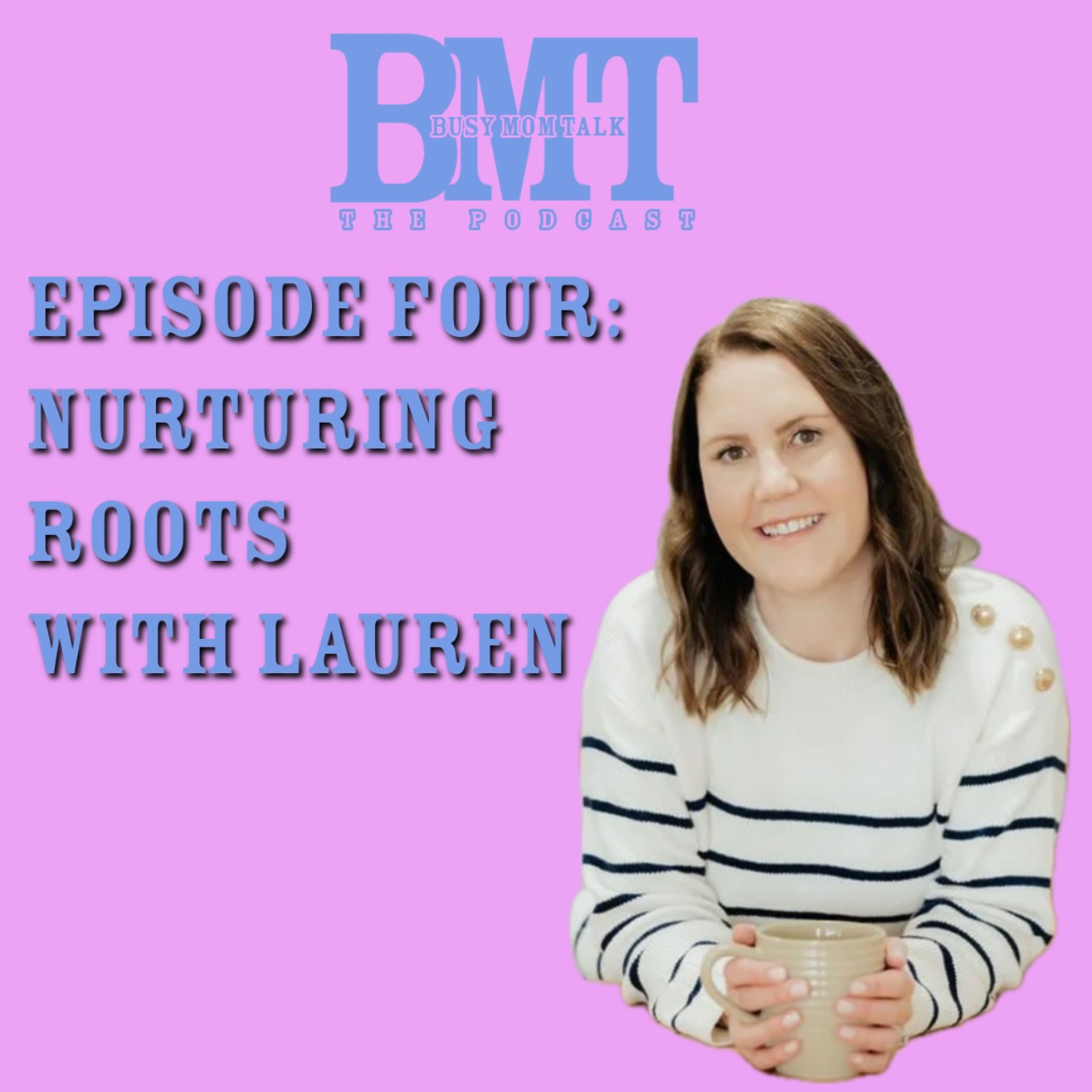
From Potty Training to Poop Troubles With a Pediatric Developmental Consultant
Aug 4, 202500:47:42Tap to summarizeEpisode OverviewIn this episode of Busy Mom Talk, I sit down with Lauren Hurley, a pediatric developmental consultant, certified sleep and toilet training coach, and mom of three. After years in the public sector, Lauren founded Nurturing Roots Consulting to offer holistic, judgment-free support to families navigating the highs and lows of early childhood.We talk openly about the social pressures moms face—especially when sleep isn’t coming easily, potty training feels like a battle, or developmental milestones look different than expected. Lauren shares her compassionate approach, especially in working with neurodivergent children and families with autism diagnoses. Her focus is on empowering parents and respecting each child’s individual timeline without shame or pressure.If you're exhausted from trying to follow “one-size-fits-all” advice, this episode will bring you relief, reassurance, and resources you can actually use.Key TakeawaysDevelopment is not linear — Every child grows at their own pace, and that’s okay.Sleep and potty training don’t need to be stressful — Gentle, individualized strategies are more effective than rigid timelines.Social pressure is real — But parenting isn’t about perfection. Lauren encourages moms to trust their instincts.Neurodivergent children thrive with the right support — Especially when families feel heard, supported, and not rushed.Holistic support includes the whole family — When parents are nurtured too, everyone does better.Don't forget to follow along on instagram, @BusyMomTalk and let us know what resonates most with you!
Transcribe →