
Podcast
Bookish Dives
Hosted by Diana E · EN
Bookish Dives is your go-to AI podcast for quick, insightful summaries of inspiring self-help books. We break down complex ideas into easy-to-digest bites, so you can apply them to your life right away. Whether you're looking to boost your productivity, improve your relationships, or simply find more peace, we've got you covered. Join us on a journey of personal growth, one bookish bit at a time.
13episodes
Episodes
Newest firstAll episodes

The Workshop Survival Guide by Devin Hunt and Rob Fitzpatrick
1w ago00:19:33Tap to summarizeThe Workshop Survival Guide offers a practical framework for creating and leading educational programs that prioritize student learning and engagement. The authors argue that a successful workshop depends more on intentional preparation than on the facilitator’s natural charisma. To achieve this, they introduce the Workshop Skeleton, a foundational planning tool that focuses on identifying the audience, arranging necessary breaks, and defining sharp Learning Outcomes. The book emphasizes maintaining audience goodwill by consistently delivering "a-ha" moments through varied instructional methods. By rotating between five essential teaching formats, such as lectures, group discussions, and hands-on practice, instructors can prevent fatigue and boost participation. Ultimately, this guide provides a reliable system for designing and facilitating sessions that remain effective across diverse topics and audiences.
Transcribe →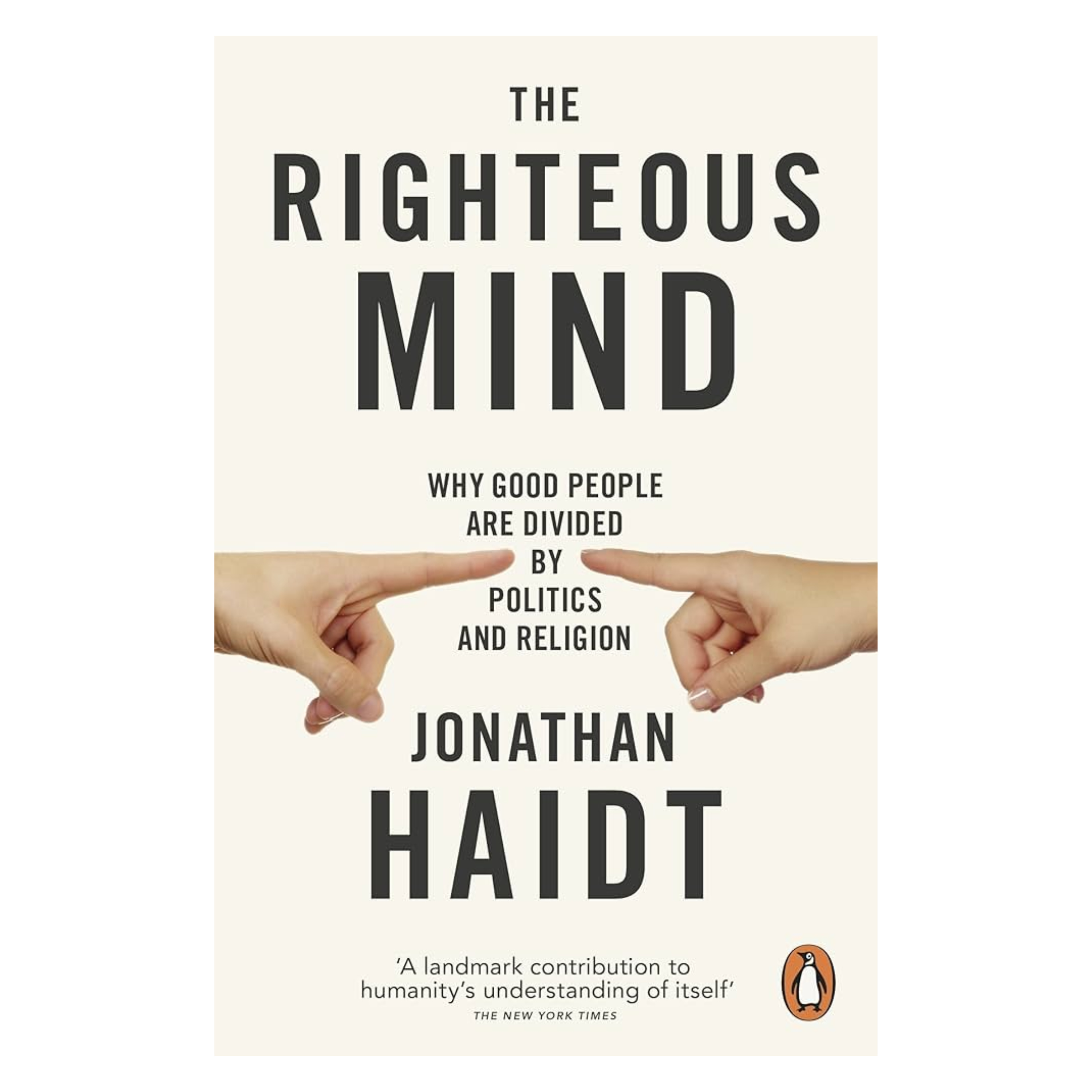
The Righteous Mind by Jonathan Haidt
May 2700:26:47Tap to summarizeIn The Righteous Mind, social psychologist Jonathan Haidt explores the evolutionary and psychological underpinnings of our moral judgments to explain why people are so deeply split by politics and religion. The book posits that intuition acts as a powerful "elephant," while conscious reasoning serves merely as its "rider," often working only to justify predetermined emotional responses. Haidt argues that morality is more diverse than just preventing harm or ensuring fairness, comparing it to a tongue with six taste receptors that include loyalty, authority, and sanctity. He further suggests that humans are "90 percent chimp and 10 percent bee," possessing a unique groupish nature that allows us to cooperate in large teams while simultaneously blinding us to the virtues of opposing sides. By examining these mechanisms, the author seeks to foster mutual understanding and reduce the hostility often found in ideological conflicts. Ultimately, the work serves as a guide to the moral psychology that both connects us into cohesive societies and traps us in self-righteous certainty.
Transcribe →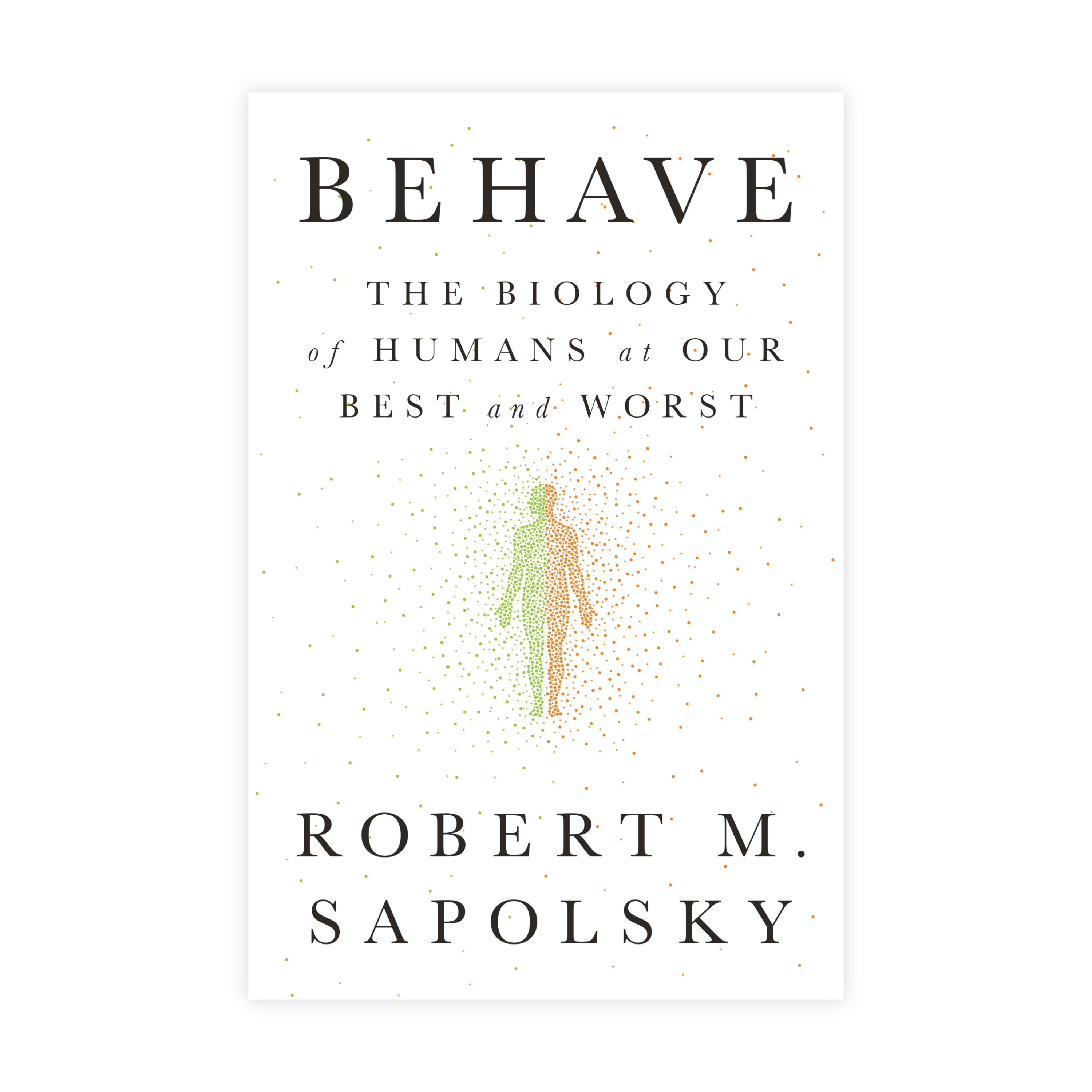
Behave by Robert M. Sapolsky
May 2700:19:06Tap to summarizeIn Robert M. Sapolsky’s book Behave: The Biology of Humans at Our Best and Worst, the author explores the neurobiological foundations of human behavior, specifically focusing on the causes of violence, aggression, and cooperation. Sapolsky argues against categorical thinking, asserting that behavior cannot be attributed to a single factor like a gene or a hormone, but is instead the result of an intertwined continuum of influences ranging from seconds to millions of years. The book details the roles of the amygdala in mediating fear and aggression, the frontal cortex in managing executive function and impulse control, and the limbic system in processing emotions. By examining the triune brain model, the source illustrates how the prefrontal cortex often struggles to "do the harder thing" when faced with emotional or sensory triggers. Ultimately, the book aims to synthesize biological and social sciences to explain why humans are capable of both horrific acts of harm and profound displays of altruism.
Transcribe →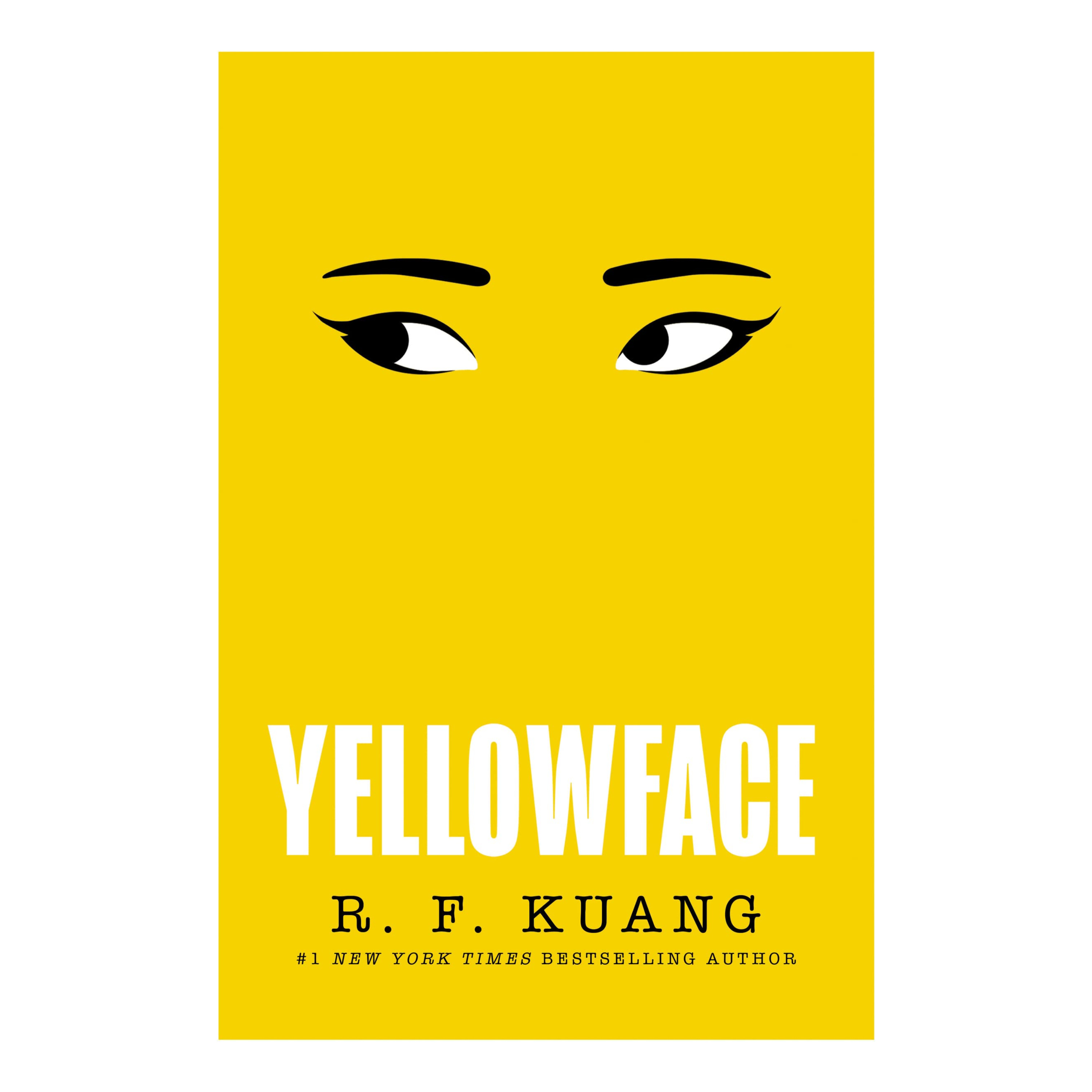
Yellowface by R. F. Kuang
May 2500:17:19Tap to summarizeThe novel Yellowface by R. F. Kuang, a satirical thriller that explores themes of literary theft, cultural appropriation, and the dark side of social media. The story follows June Hayward, a struggling white author who witnesses the freak accidental death of her vastly more successful friend, Athena Liu, a Chinese American literary darling. Seizing a momentary opportunity, June steals Athena’s unpublished masterpiece about the Chinese Labour Corps and publishes it as her own work under the ethnically ambiguous pen name Juniper Song. The narrative detail June’s extensive rewriting process, the complicity of the publishing industry in rebranding her identity for profit, and her increasingly desperate attempts to justify her actions. As the book nears publication, June must navigate a landscape of marketing deception while living in fear that her fraud will be exposed. These chapters ultimately present a sharp critique of diversity in publishing and the psychological cost of achieving fame through deception.
Transcribe →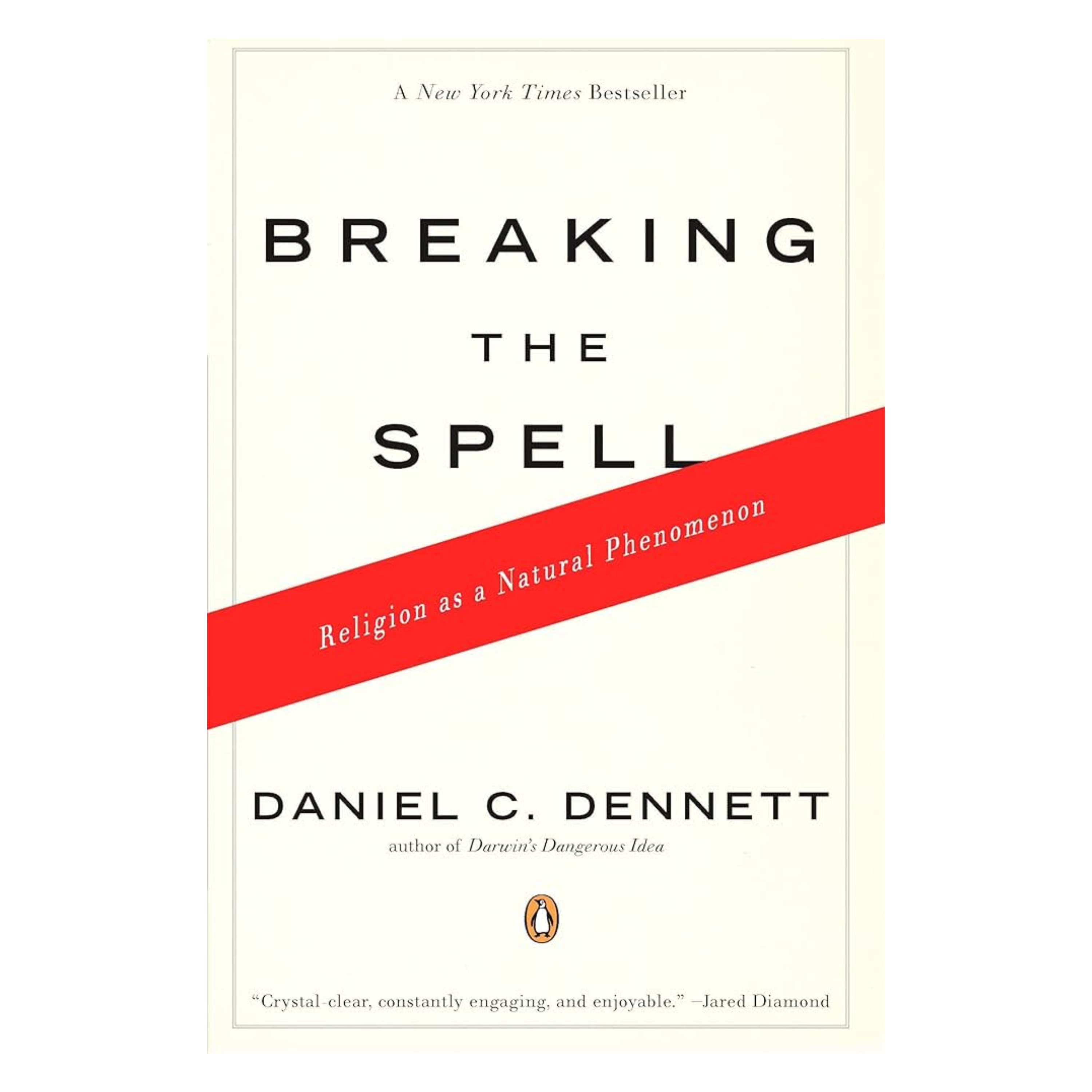
Breaking the Spell by Daniel Dennett
Jan 3000:14:15Tap to summarizeIn Breaking the Spell, Daniel Dennett examines religion as a natural phenomenon that can be analyzed through the lens of evolutionary biology and scientific inquiry. He argues that religious ideas function as cultural replicators or memes, evolving over centuries to exploit human cognitive biases and social needs. The text encourages a rational assessment of faith's costs and benefits, suggesting that traditional taboos against scrutinizing religion must be set aside for the sake of global security and democracy. Dennett explores the transition from unconscious folk traditions to organized "stewardship," where "belief in belief" often supersedes the actual content of doctrines. Ultimately, the book serves as a call to action for a scientific study of religion to help humanity manage the powerful and sometimes toxic influence of sacred symbols in the modern world.
Transcribe →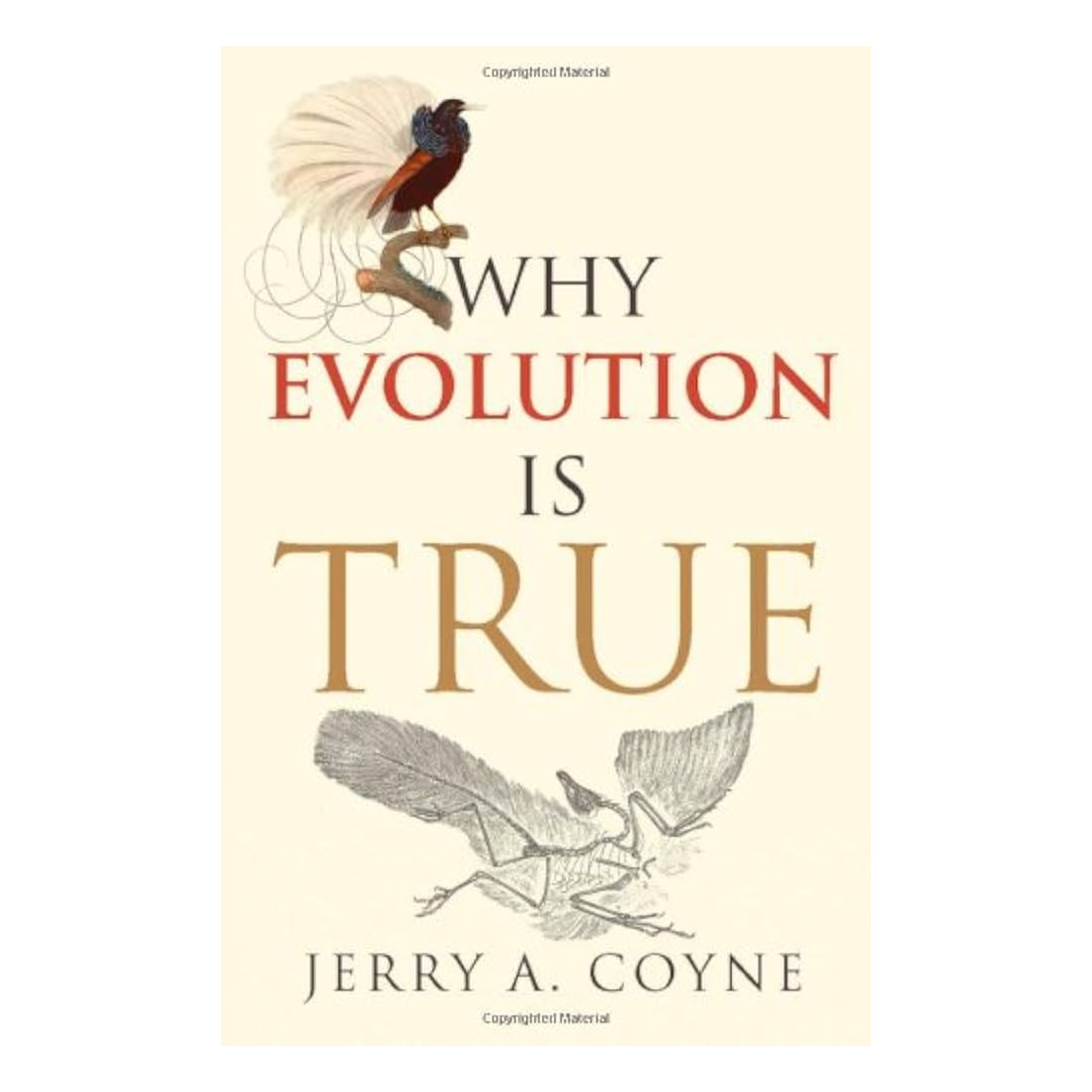
Why Evolution Is True by Jerry Coyne
Jan 2900:14:38Tap to summarizeJerry Coyne’s book establishes evolution as a scientific fact by examining diverse lines of evidence that support Darwin’s original theories. The author highlights the fossil record, specifically transitional forms like Tiktaalik and ancestral whales, to demonstrate how major groups of animals gradually diverged. Beyond fossils, the sources describe vestigial structures—such as the human appendix and flightless bird wings—and "dead" genes as genetic baggage that only makes sense through common ancestry. Coyne also uses island biogeography to show how the unique distribution of species across the globe confirms evolutionary predictions rather than divine creation. Furthermore, he explains natural selection as a non-random process that builds complex adaptations, such as the specialized anatomy of woodpeckers or the defensive behaviors of honeybees. Ultimately, the book argues that accepting our lowly origin and connection to all life provides a more profound and satisfying understanding of the natural world.
Transcribe →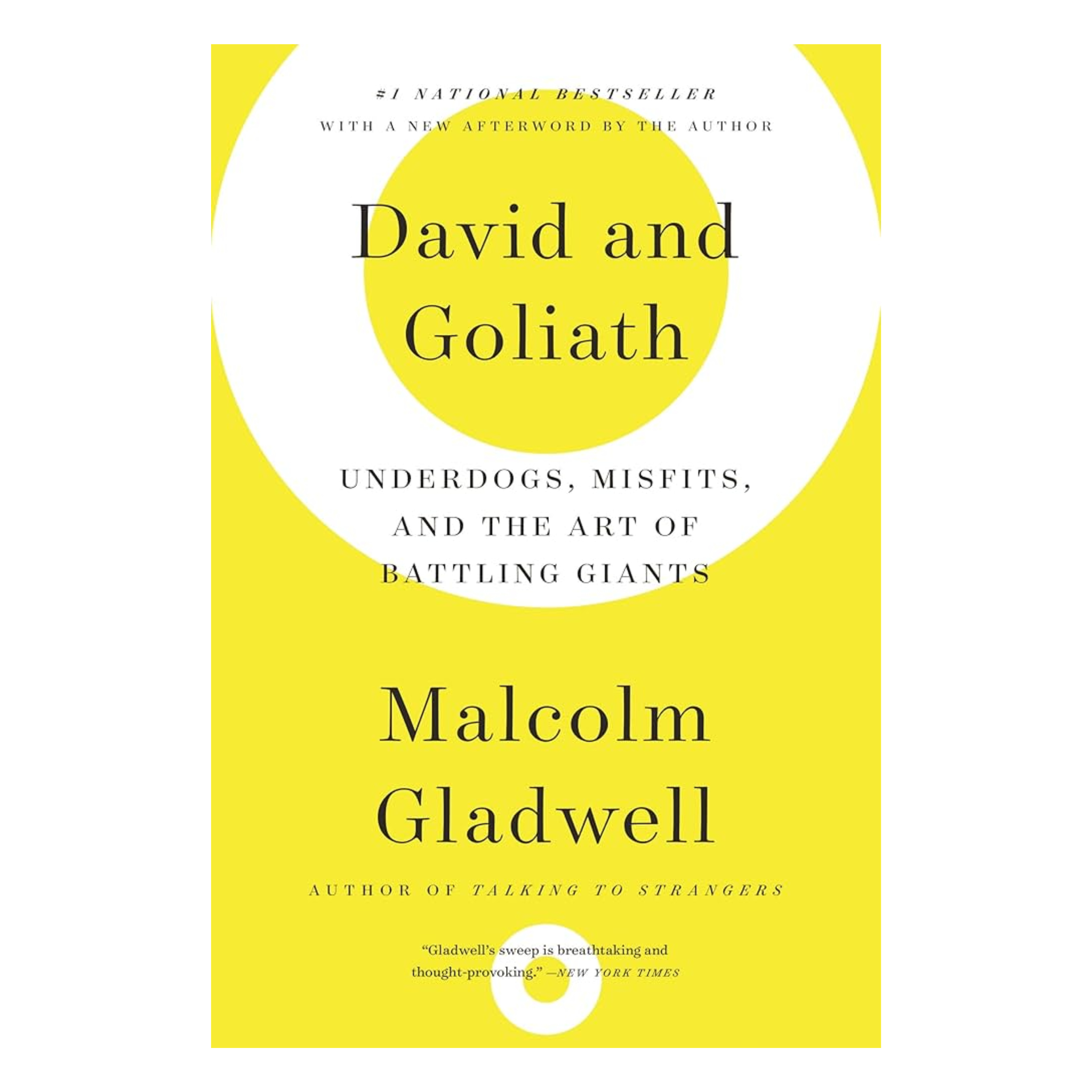
David and Goliath by Malcolm Gladwell
Jan 2800:13:30Tap to summarizeMalcolm Gladwell’s David and Goliath explores the counterintuitive idea that apparent weaknesses can often be transformed into significant advantages. Through various case studies, such as underdog sports teams and successful individuals with dyslexia, the book argues that struggle often fosters unique survival skills and creative problem-solving. It introduces the concept of "desirable difficulties," suggesting that facing early hardships like childhood loss or learning disorders can build resilience and courage. Furthermore, the book examines the "Big Fish–Little Pond" theory, illustrating how being a top performer in a less prestigious environment can be more beneficial than struggling in an elite setting. Finally, Gladwell explores the limitations of power, demonstrating how the overbearing use of authority can backfire and diminish institutional legitimacy.
Transcribe →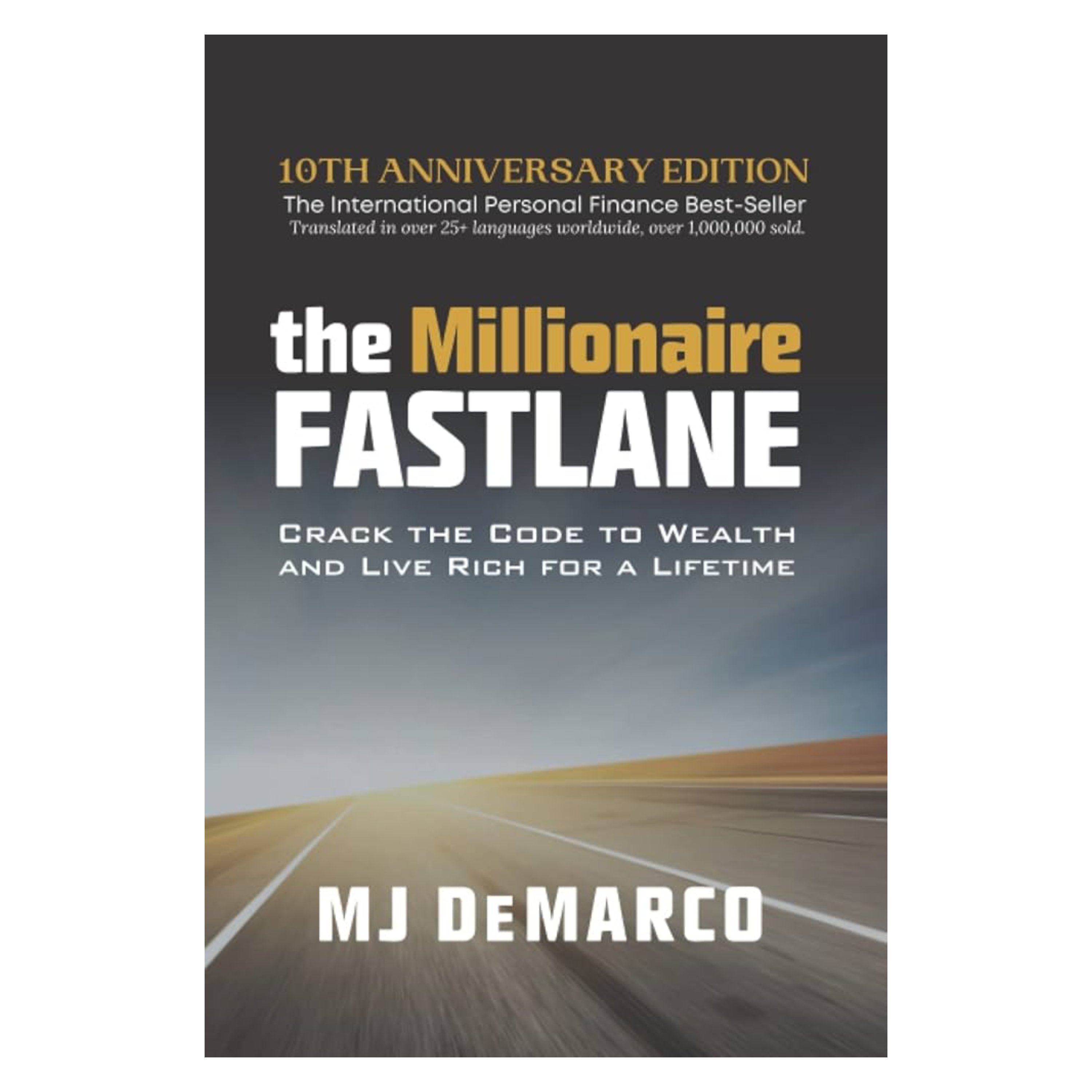
The Millionaire Fastlane by MJ DeMarco
Jan 2700:15:06Tap to summarizeMJ DeMarco’s philosophy challenges traditional financial advice by categorizing wealth strategies into three distinct "lanes": the Sidewalk, the Slowlane, and the Fastlane. While the Slowlane relies on decades of employment and compound interest, the Fastlane focuses on achieving rapid wealth through entrepreneurial systems that decouple income from time. Success in this lane requires a producer mindset, shifting focus from personal desires to solving market needs and pain points. By building scalable business assets—such as software, content, or distribution systems—individuals can experience "liquidation events" that provide total financial freedom. The text emphasizes that wealth is a process built on thousands of consistent choices rather than a singular lucky event. Ultimately, the author argues that true prosperity is found by taking full accountability for one's life and mastering the mathematics of scale.
Transcribe →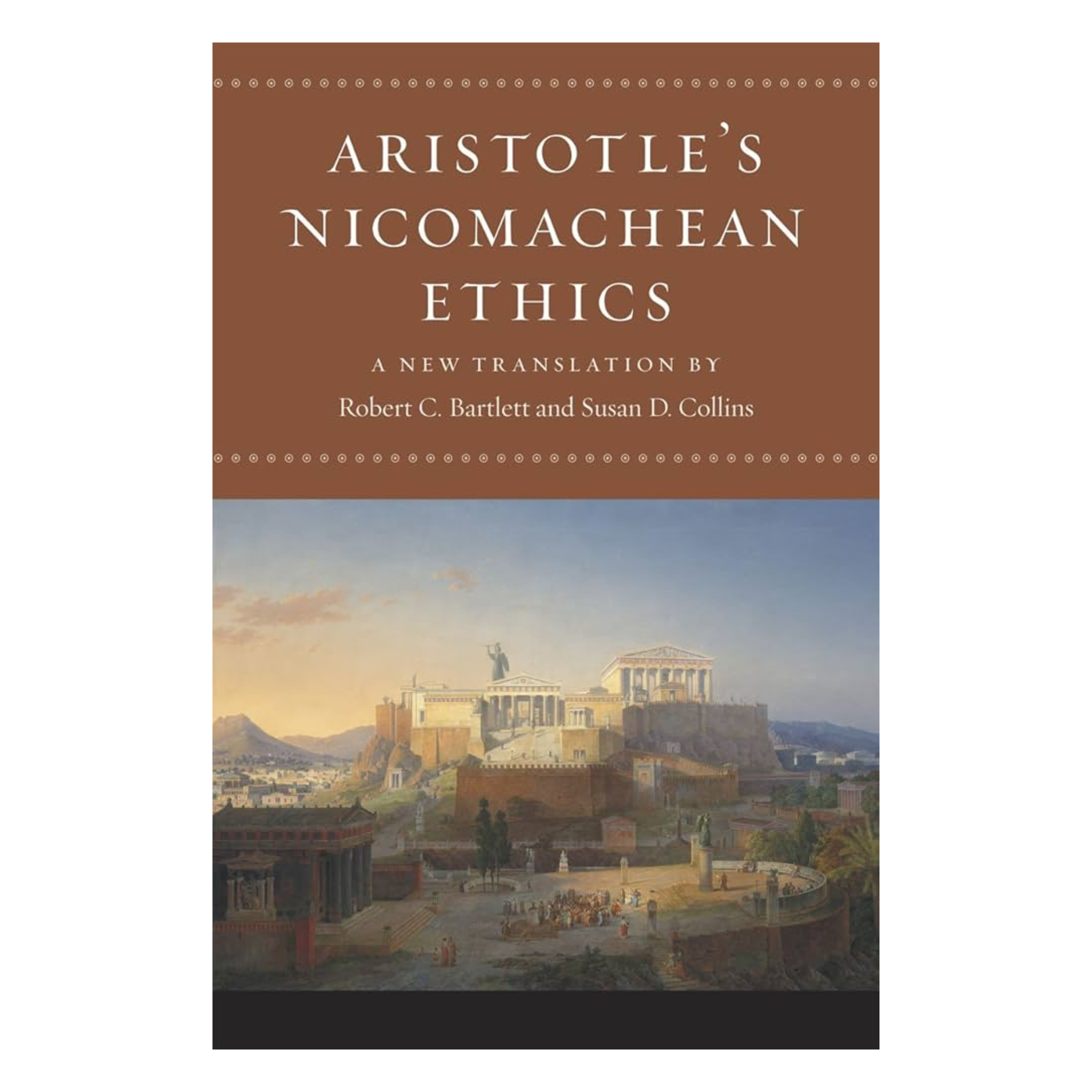
The Nicomachean Ethics by by Robert C. Bartlett & Susan D. Collins
Jan 1500:11:42Tap to summarizeIn this foundational work of moral philosophy, Aristotle investigates the nature of the human good and how it is achieved through virtue. He argues that the ultimate purpose of life is happiness, which is not a fleeting emotion but a consistent activity of the soul performed in accordance with reason. To reach this state, individuals must develop excellent character traits by finding a balance between extremes of behavior. The text examines specific moral virtues, such as bravery and temperance, while also emphasizing the importance of practical wisdom. Ultimately, the author suggests that living a virtuous life within a community is the most fulfilling path for a human being.
Transcribe →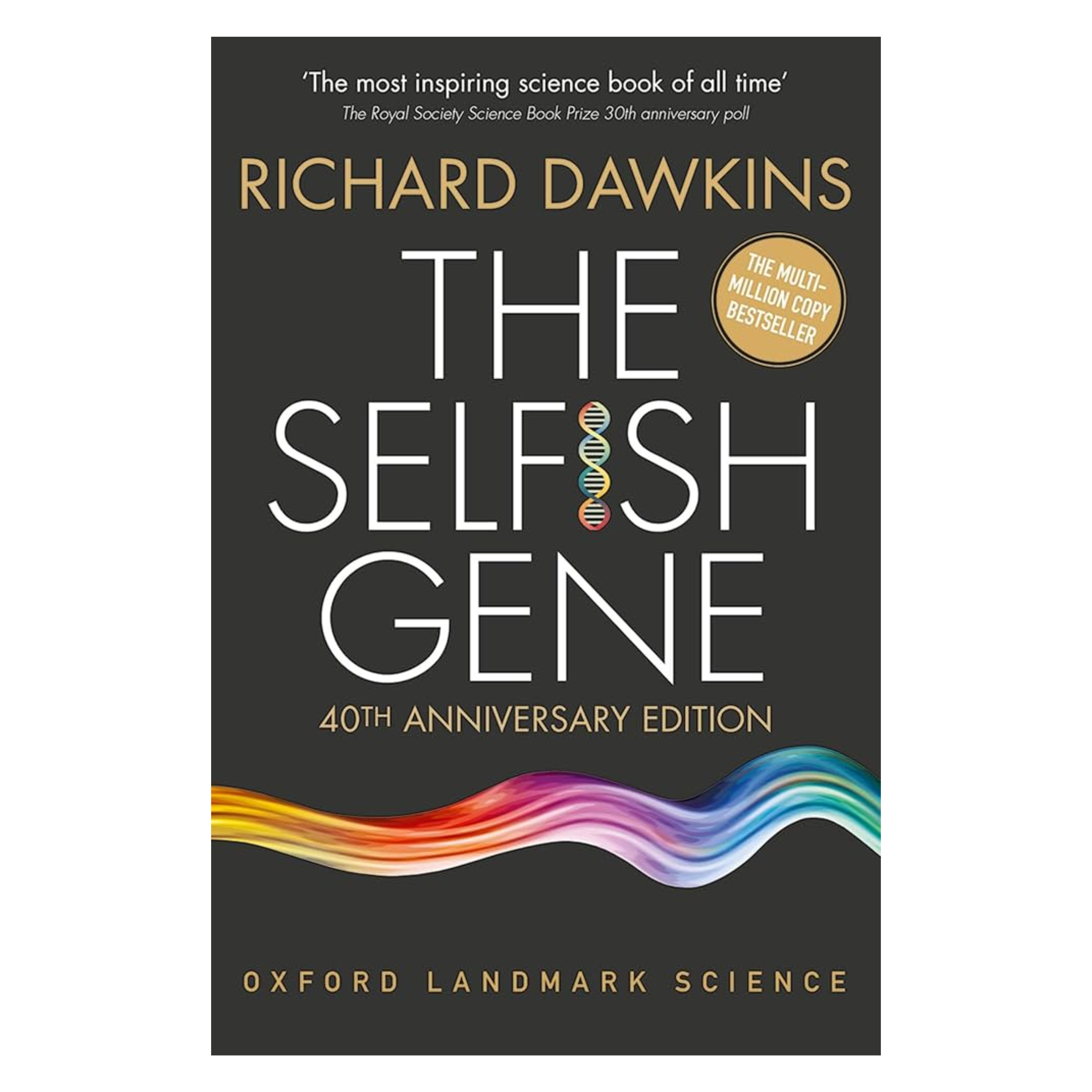
The Selfish Gene by Richard Dawkins
Jan 1400:14:56Tap to summarizeThe Selfish Gene by Richard Dawkins explores the revolutionary idea that natural selection operates primarily at the level of the gene rather than the individual or species. He describes living organisms as survival machines or vehicles constructed by these enduring genetic replicators to ensure their continued existence across generations. This perspective helps explain the evolution of altruism and cooperation, suggesting such behaviors occur when they benefit copies of the same genes in other individuals. The book introduces game theory and the Evolutionarily Stable Strategy (ESS) to demonstrate how stable behavioral patterns emerge in nature without conscious intent. Additionally, Dawkins proposes the concept of memes, suggesting that cultural ideas spread and evolve through a process analogous to biological selection. Ultimately, the book clarifies that while our biological programming is inherently self-interested, humans possess the unique capacity to consciously rebel against their genetic dictates.
Transcribe →