← Breaking Beauty Podcast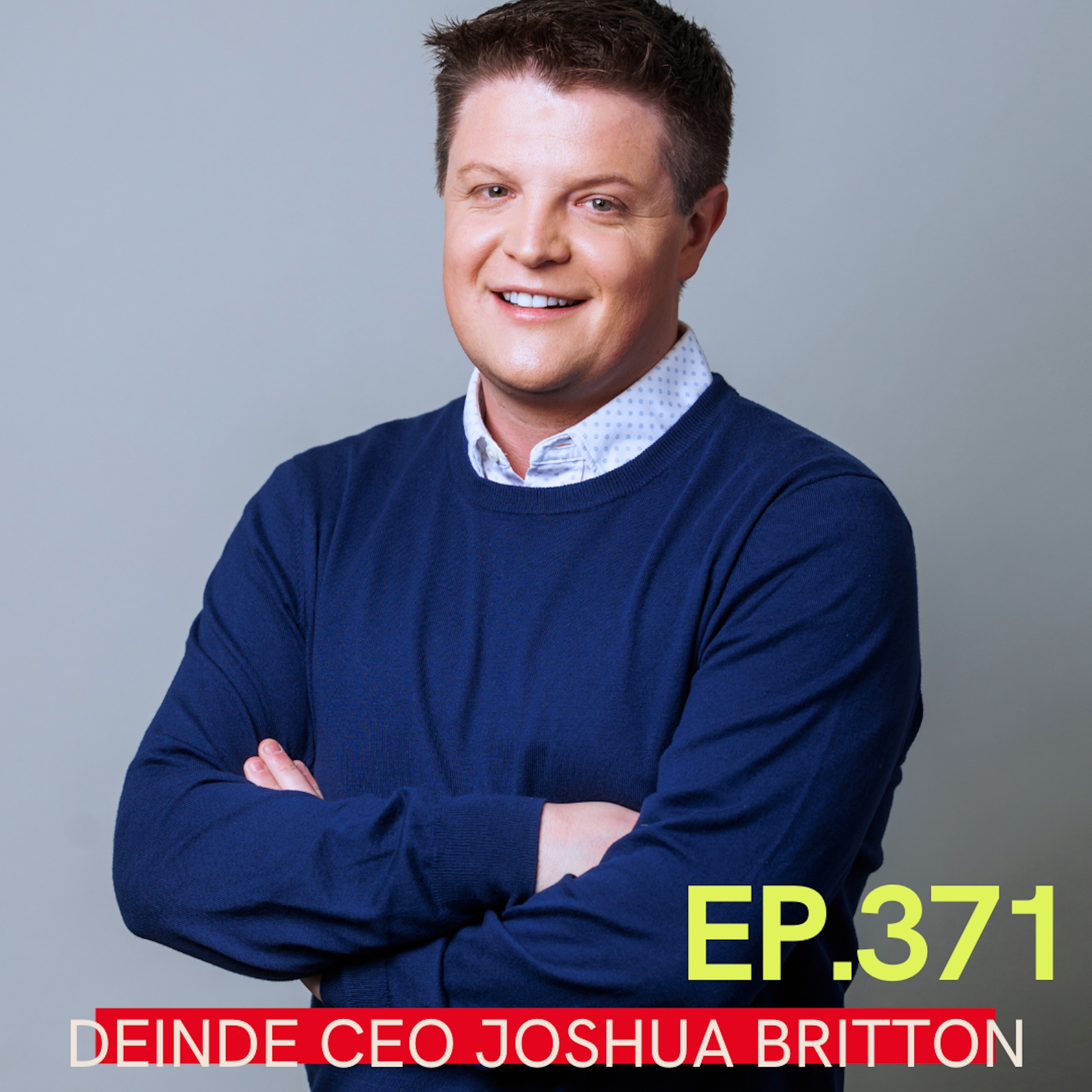
Breaking Beauty Podcast
Future of Beauty: A Chemist Predicts The Next Niacinamide, What The Beauty Biz Change-Makers Are Banking On Now and The Reason “Inflammaging” Will Be The Word on Everyone’s Lips This Year
00:45:29
Loading summary
Transcript88 lines
- [00:01]
Jill Dunn
The following podcast is a Dear media production. Welcome to Breaking Beauty the Podcast, all about the breakthrough people, products and moments in beauty.
- [00:14]
Carlene Higgins
We're your hosts, Jill Dunn and Carlene Higgins. Hi, Carlene. And hi to all of our Breaking Beauty pod fam. Tuning in.
- [00:27]
Jill Dunn
Welcome to another episode of Breaking Beauty Podcast. And hello, Jill. Happy to be back on the mic with you this week like we have for the past eight years. I can't believe we're in our eighth year now. So congrats to you for sticking with me.
- [00:41]
Carlene Higgins
To you. Heck, yeah. Every single week, baby, I'm here.
- [00:44]
Jill Dunn
Yep. Delivering the breakthrough people, products and moments in beauty. We're definitely doing that today. I'm personally really excited about this topic. It's very buzzy right now. We're going to be talking all about inflamma. This conversation is brought to you in partnership with our friends at Denday Skincare. And I also have to say, I think coming into the new year, it's the perfect time to do kind of a future of beauty, to look ahead to where the whole industry is going. And so another one of the subjects we're going to be talking about is biotech, which everyone and anyone who we talk to is always saying how the future of beauty is about biotech. And I think what our listeners are going to love about today's episode is that our guest today, he explains what biotech is so well in lay person's terms. You guys are all going to know exactly what we're talking about by the end of this episode.
- [01:39]
Carlene Higgins
He explains it so well, to your point that I'm. It made me excited about what's to come. And if you haven't heard of Dende, it's a pioneering preventative longevity skincare brand that targets inflamma aging. Like you said, Carlene, and it's designed for the zillennial, I would say so 25 to 35 years old. So for those people who are just starting to see the first signs of aging, maybe uneven skin, skin tone, their first line, texture concerns, and they're looking to adopt a preventative approach to their skin care routine. Now, I will say I'm a smidge older than a zillennial, but I've actually emptied the moisturizer, so I really liked it.
- [02:15]
Jill Dunn
Okay, one of your favorites already. Our featured guest is Joshua Britton. He's the CEO of Denday Skincare. He trained as a scientist at mit where he gained a postdoctoral degree in chemistry. He also holds a PhD in organic chemistry.
- [02:32]
Carlene Higgins
And I think the thing that's already put Denday on the map is that the parent company called Debut Biotech, which Joshua is the CEO of. It's a first of its kind, vertically integrated brand incubator bringing biotech driven climate positive solutions to market. And they've been making headlines this year because L'Oreal's venture capital fund, that's called Bold, it signed on as Debut's lead investor with more than $70 million in funding.
- [02:59]
Jill Dunn
And you know, when L'Oreal is interested in investing, this is a company to pay attention to. So what's the big scientific breakthrough? That's what we're going to learn about today. And in their own words, Denday is the first and only skincare line to harness naringen through biotechnology in their four products. These are the first four that they've launched with the Purifying Whipped Cleanser, the Skin Strengthening Serum, Moisture Locking Face Stick. That's an interesting one. And a barrier building moisture cream. Jill, you mentioned that's your favorite of the bunch.
- [03:32]
Carlene Higgins
Yeah, that's my fave. Apparently the Skin Strengthening Serum is the best seller so far. It's around $88 in the US and 98 in Canada. Just for everyone's reference, we're really excited for this conversation with Joshua today. And if you decide that you want to try Denday, we have an exclusive promo code for breaking Beauty listeners. So if you're based in the US you can visit denday.com that's spelled D E I N D E.com and code beauty for 15% off your next purchase. Once again, denday.com and use code beauty for 15% off. And we'll link to this in our show notes. Of course, as always. Yes.
- [04:10]
Jill Dunn
And for listeners based in Canada, you can visit Renee.com to purchase Denday products. That's r n n a I.com and now onto our conversation with Joshua.
- [04:30]
Joshua Britton
Hi friends, I'm Cameron Rogers, mental health advocate, mom of two, content creator and host of Conversations with Cam. This podcast is dedicated to having honest conversations, prioritizing your well being and reminding you that no matter what you're feeling, you are not alone. We'll discuss mental health maintenance, the ups and downs of motherhood, the trials and tribulations of life, and have a lot of fun along the way. Whether you are knee deep in diapers or just trying to keep your sanity intact, this podcast is for you. Expect laughs, maybe a few tears, and hopefully some breakthroughs along the way. Make sure to subscribe and tune in for new episodes of Conversations with Cam every Wednesday morning.
- [05:11]
Jill Dunn
Welcome to Breaking Beauty Podcast. Joshua, we were having a little chat before we jumped on the mic and I noticed that your accent flipped and you, you mentioned you were calling in from Orange county and then I was like, wait a minute, what is happening here? So, yeah, tell what's the story behind your accent and, and just do a little talking. People will hear it.
- [05:30]
Cameron Rogers
Okay, well, yeah, hopefully we'll get that now, but thank you for the invite to speak here. But yeah, the accents are weird. Amalgam and mixture things. So I was born in Wales in the UK, about 18 years of my life there. So there's like little Welsh twang. And then I did university up to my masters in Nottingham, Northern England. So go a little bit an English twang. My PhD was between Australia and California and so I have like a little bit of an Aussie American twang there. So sometimes I'll sound more Australian, sometimes I'll sound more British and it's just this weird, weird accent going on. So if there's anything I say that you don't understand, we'll just repeat it. Because of the accent. Yes.
- [06:09]
Jill Dunn
At first I was hearing the Orange county and then I fully was hearing the Australian. So that's really funny. And I bet when you get around a group of people either which place, then you just. It's horrendous.
- [06:20]
Cameron Rogers
Yeah, it's horrendous, but we get that.
- [06:23]
Carlene Higgins
Thank you so much for making the time to join us. So we're very curious, how did you get your start working in the beauty business?
- [06:31]
Cameron Rogers
Oh yeah. So I think for everyone, I, I think you can look at me and go, this guy is not from the beauty industry. Right. And that's okay. Like I'm okay with that. So we'd be learning. But so my whole background, my, I had a PhD in chemistry and biochemistry. And so my whole fascination was on the science behind ingredients and molecules and creating ones. And so 10 years of my formal training was on creating new molecules and testing them. And so I started a company with my co founder out of a University of California, Irvine called Greg Weiss. And we were able to create all these amazing ingredients. And when we looked around a business model of where it had to go, Beauty was the industry that was calling for it. There's no other industry like beauty. It's so innovative, it's so advanced, it's so fast moving. People are always looking for higher, better performing products. They're always looking for new experiences. And so when you're taking a new technology like what we create to market, that was Kind of the pull and the allure that we could bring something new, we could bring it to consumers. And you know, for those not in the science world, that's one of the most frustrating things. When you work on programs for four to six years, right. And it never leaves the lab. And one of the best things we're able to see now is, is I think, you know, every 12 minutes we're selling a product, right. And be able to see the science go from a lab out to the real world. That is another reason why we love beauty. So the combination of the pull from what people need and consumers need and trying to provide better differentiated products and experiences combined with like a lot of science, like 80 scientists behind Denday at the moment in the lab, it was the combination of those two things really meeting in the middle. And that's why this works so well.
- [08:17]
Carlene Higgins
Mm.
- [08:18]
Jill Dunn
Now I want to ask you because we know that there are a lot of skin care brands still launching to this day. It's really competitive space. That's something you probably figured out quickly. And there's. There seems to be almost like a divide between these really natural brands and these really science led brands. And sometimes they are led by a doctor or Ph.D. or the science. So how were you able to kind of break through with this science led skin care technology when again, there are a lot of brands doing that as well? What's unique?
- [08:54]
Cameron Rogers
Yeah, so the unique thing about us is two things. So the first is there are very, very few brands that have, you know, 100 people at the stage. We are working behind the scenes. Right. So there are very few brands which can afford to spend close to $100 million now on research and ingredients. And so the unique aspect of it is we approach beauty from very much a product innovation standpoint and not a marketing innovation standpoint. And so that's kind of like the scientist in me. So what we say about Denday is Dende is the first brand we feel that's able to just purely go out there with product innovation both on ingredients, formulation formats. But so, so that's the first thing, like rooted in science, 80 scientists, new ingredients. And the motto, or kind of, I suppose thesis we have at Den Day is we do not release an ingredient unless we have both the preclinical data and the clinical data on new ingredients to show that it does kind of raise the bar. We've had many examples over the last three years where we've brought through ingredients, through biotech, and they've been okay, they haven't been incredible. And so we don't launch them. Right. And so it's a really high bar. And I think that's a really differentiated standpoint for Dendo versus these other, you know, clinical or derm led. Not all of those brands have access to new ingredients. They still do what everyone else does, which they go to one of the 800 contract manufacturers and they have the same formulation ingredients, the same technology. And then it's all about the marketing innovation. It's about how they speak to it and describe the products. What we've learned is you need to be able to speak and describe the products and they have to be that human element of the brand. But what people really care is about performance. And Dende is all about performance, addressing new skin health care concerns, really bringing from new ingredients, formulation formats, and that's what gets us excited. So it's this combination kind of the pull and push between marketing and product.
- [10:49]
Jill Dunn
Got it, Got it.
- [10:51]
Carlene Higgins
So In January of 2024, Women's Wear Daily anointed inflammation as the wellness word to watch. And certainly seen it proliferate throughout this year. And looking ahead to 2025, the same thing. But what is inflammaging exactly? Because. And how is it different than simply just aging? We're all aging every single day. I'd like to know the distinction.
- [11:14]
Cameron Rogers
Yeah, great question. And I think if you want to talk about luck in a brand, there is nothing more lucky than launching a brand in January and then WWD can work around the brand. So this brand is rooted in luck and I do appreciate it. Inflammation to me as more of the science side, is it anti inflammatory and anti aging. Right. Kind of coming together. Now the pure difference I think behind inflammation versus just other anti aging is inflammation looks at the root cause of aging. So if I think about anti aging, I normally think about reductions of fine lines and wrinkles and like the physical appearance of it, when I think about inflammation or inflammation, I think about it going down towards more of the root cause and to try and understand what leads to, to the wrinkles. Right. What leads to the fine lines and how do we stop it there so it's more preventative. And Dende's positioned as a preventative skin line using the most up to date science to kind of stop it at the beginning or control it at the beginning, not just providing kind of relief at the end, if that makes sense. We're not, we're not trying to just say if you apply this for eight to 12 weeks, you'll see reduction in fine lines and wrinkles. That are many brands that do that and they do it really, really well. It's more about how do we stop and control that, how do we provide the science to do that there. Does that answer the question?
- [12:32]
Jill Dunn
Yeah, let's dive into that a little bit more. Because if you're an ancient beauty editor like Jill and I, you'll remember Dr. Perricone from. Dr. Perricone, Maryland from at least 20 years ago when he came out with his line and he's a dermatologist and he really popularized the term inflammation in the realm of skin care.
- [12:56]
Cameron Rogers
Yeah.
- [12:57]
Jill Dunn
And the approach back then was really about anti inflammation from the inside and out. So he talked a lot about diet, he had books, there was a lot of education. Supplements were a big thing. And then also the products themselves. So it was a 360 approach. Twenty years later, what is your approach to inflammation? More specifically, when you talk about, you know, not just applying this cream and looking at what's happening eight to 12 weeks later and, and getting at the root of it, what does that actually look like?
- [13:34]
Cameron Rogers
I think the difference is, number one, the science has come along so, so far. And so I'll give you one example. When we test ingredients at Dende, we look at the 30,000 genes that it activates in your skin. We have a really deep and complex understanding of the science behind it. I will say that we do it topically as, you know, we've got the products. Then there's a topical skincare brand and that's kind of our first approach. Now whether we go to ingestible beauty in the next few years, I think you can imagine that's a thing that's going to come through. We really, we really do believe that. But it's a combination. It's never just going to be a one thing fits all. It's a combination of the topical products that we sell and people use, combined with diet, combined with exercise, combined with a lifestyle. Can one brand address all that? I think we're going to find out. Right. But inflammation is a very, very complex thing. It is a very complex field to try and address. And you know, a little teaser. I think what you'll see with Denday in the next few years is different ingredients trying to hit different parts of inflammation. And that just kind of tends to go show you just, just how complex that is. So, you know, what happened 20 years ago, he was completely right in what he was seeing. I think it's just always about trying to take the scientific advances and great products to the scientific advances.
- [14:58]
Jill Dunn
Let's dive into the science a bit more. And your star ingredient. So I think typically the approach to inflammation has been about antioxidants, powerhouse antioxidants that are going to help. But Denday, I think maybe it requires a little bit more understanding. So I'm going to read this. This came from the brief. I'm going to read this verbatim. Denday is powered by a novel and patented biotech ingredient. Naringen is produced with a patented pharma like process that delivers 99 plus purity per batch, is a powerhouse polyphenol scientifically proven to outperform niacinamide by 15 times at reducing the signs of inflammaging, resetting skin to neutral. So tell us what this ingredient is. And I think we also have to flag this is giving niacinamide a run for its money. That's kind of big news because niacinamide has been dominating the skin care scene in the past couple of years.
- [15:59]
Cameron Rogers
Yeah, look, I also love niacinamide and like, so niacinamide is clinically proven to do what it does, right. If it's in product, it works. I think what we really got excited about was the synergistic ability of new ingredients to play with niacinamide. And it goes back to the product innovation we spoke at the beginning which was, you know, niacinamide is being proven at a specific amount in a product. Right. And it should be used to that amount. Product innovation for the last five to ten years in niacinamide has been about how much can I load into a formulation? And the marketing language has been how do I get 10%, 15%, 20%. And now it's led to skin sensitization issues right across the population. So when we look at, you know, outperforming niacinamide, it's specific areas, but we think these ingredients play together. They play together in a formulation at the right concentrations. And it means that you can kind of offset the benefits of one with the benefit with the downside of the other. So when we look at inflammation, we look at things like skin strengthening activation. And so the way we test ingredients at debut is like I said, we, we not only do it at the gene level, we'll be like a 30,000 genes per skin sample, if you will. We also look at what proteins are made. We do clinical testing of 30 people, double blind placebo. And so what we found is that it upregulated skin barrier genes, it downregulated inflammation genes like niacinamide. But where we really Saw a major difference was in IL6. So IL6 is an inflammatory marker that's used to kind of quantify how powerful this is. And what we saw is that versus niacinamide, you could have, you know, less of naringen and get a better result. And so it's not like it's beating niacinamide, it beats it in that one area. But it has to be synergistic. You can't just drip out niacinamic formulation. You can't strip out narrative. You just. What DENDE really stands for is having potent scientifically backed formulations. And that requires chemists and skin science experts coming together to work with it. And so, you know, we, the data is online. We'll be publishing it now, you know, in, in February to show everyone so they can go through and do it. But I think this, the word of the day is synergistic here, which is, you know, product innovation should come from new ingredients able to hit very specific pathways to make formulations better. It shouldn't just be loaded into a formulation to try and make it better. Right. And, and I don't know if you agree with that because you are the expert here, but that's how we approach it.
- [18:38]
Jill Dunn
Yeah, for sure. It's, it's about getting the cocktail right.
- [18:42]
Cameron Rogers
Yes.
- [18:42]
Jill Dunn
I think, I think we've learned that from the day of these, you know, single ingredient formulas that really destroyed people's skin barrier. So to be clear, what has Nairn Neuron Jennin been proven scientifically proven to achieve when it comes to inflammation?
- [18:59]
Cameron Rogers
Yeah. So in terms of the clinical testing that went on, it was a placebo controlled double blind study with 30 participants per group. So the concentration that it's in the DEN day products, which I think you, you guys have.
- [19:12]
Jill Dunn
Yeah.
- [19:13]
Cameron Rogers
What we saw the, versus the placebo, it was better in skin moisturization elasticity and then against the baseline, the formulation, skin redness, fine lines and wrinkles, deep wrinkles. And if we look at kind of the data we got from the panelists, then it was, you know, 100% panelists showed improvement. Skin moisturization, elasticity. And then when we go to deep wrinkles, fine lines, skin redness, it's between 88 and 97% of panelists, but that's on the formulation, not just ingredients. So I think that's, you know, you guys obviously understand that, but some people don't. The difference between the ingredient clinical testing and the product clinical testing. And yes, Denday is a brand that not only does the ingredient clinical testing but we spend, you know, per product for all the testing's about a quarter million dollars in terms. I know that's a lot.
- [20:03]
Carlene Higgins
That's double what we've heard. Typically people say it's about a hundred thousand to do the clinicals.
- [20:09]
Cameron Rogers
So it is for the, for the product. But once you add in the ingredient, clinical testing, the product, clinical testing, all the preclinical, all the formulation stuff, that's how much it typically costs. And so when we talk about kind of barriers and why Dende approaches it that way, is that we, you know, we have, we're lucky enough to have the financial backing to try and make these products, to try and make these ingredients, to bring them through to people.
- [20:33]
Carlene Higgins
This, this might be a dumb question, but the preparatory ingredient, I think people might have the same question as me. It's not at all stemming from niacinamide. This is completely novel in a petri dish kind of thing. Like, like when it boggles my incident.
- [20:50]
Jill Dunn
Or is it a protein? Like what is it?
- [20:52]
Carlene Higgins
Yeah, I don't, yeah, I don't really understand how it's just like, poof, we have like. Do you know what I mean? How, how do you do that?
- [20:59]
Cameron Rogers
No, great question. And maybe we should have covered that before I jumped into the science. Okay, so what I like to think about biotech is, is are you, do you drink wine? Do we like beer? Okay.
- [21:09]
Carlene Higgins
Why not? Sure.
- [21:10]
Cameron Rogers
Yes. Right. All right. So the way that's made is, you know, you get sugar water, like your grape juice, and you put in a microbe, and the microbe turns that sugar into alcohol. Okay. And that's the process of fermentation. What we do at debut is we go out into nature and we find very, very tiny, rare amounts of these new molecules out in nature. So we screen 7000 brand new molecules that no one has ever heard of. And out of that kind of pool, we found one that we believe was really good for inflammation, which was narangenanin. It's a brand new molecule. It's actually originally found in the, the skins of grapefruits. If you look at that comm, you'll see like some, some grapefruit imagery. So the, the, the real kick behind what we're able to do on the science side is we say, okay, well science, modern science enables us to go, we know how the grapefruit makes it. So we are going to take how the grapefruit makes it and we're going to go in and tell that microbe that instead of making alcohol like it does in the Wine process. We go in and we say, we do some molecular biology, and we go in and say, now you're going to take sugar and you're going to make naranjanin. And so what this allows us to do for narangenin and the new ingredients coming through denday is you can start taking ingredients that are found in such small, rare amounts in nature that without biotechnology, they would never come to the forefront of products because you'd never be able to create enough of them. And that's like, the truly exciting thing is that you suddenly just taken, you know, in beauty, there's probably 10 to 20, like, common ingredients for activation. And now you've just taken that group and you've just unlocked it to 7,000. Is the role of dende to really say which of those 7,000 are going to be used in beauty and why? And then you have a team of 80 scientists behind them going, okay, we love that ingredient. It's. No one else has it. It's rare. It does this, it does that. And we've proven it clinically. Now we have to make it the same way as we brew beer. And that's kind of how naranjanin came to life. And if you came to our labs down in San Diego, you would see the way we make it isn't by going out and cutting down grapefruits and trying to find little amounts of this. It's exactly the same way as a beer fermentation process. It is. The tanks are turning, the sugar water is being converted into naranganin, and then we extract it, we take it out of there and put it into our skincare formulations. And that's the level of science and brand that have to come together to make it special.
- [23:43]
Carlene Higgins
Thank you. That makes sense. Yes.
- [23:45]
Cameron Rogers
Because I could go more into this. I'm obviously super excited by this concept, but fermentation is the way forward. There's zero pesticides, tiny amounts of land, tiny amounts of CO2, low amounts of water. And currently, the first thing you said was the 99.9%. That is because we create the ingredients in this fermentation process the same way as you would ferment a pharmaceutical ingredient. So it's always consistent, the same. There's no external environmental changes. It is a control process in a facility to always make high purity and potency ingredients. And like, that's the real crux of biotech.
- [24:22]
Jill Dunn
Mm. Now, I just wanted to circle back. You mentioned the. How much this product as a whole, these formulas improved wrinkles and moisture, and those things I just wanted to understand how much it improved, improved inflammation. Is there a way to measure that since it is about inflamma aging?
- [24:42]
Cameron Rogers
Yeah. So I mean in the beauty world we have to be very, very careful about measuring inflammation. Right. And so what we look for is what it does to the skin. So you know, we look at things like decreasing in redness and that's kind of like our, our I suppose, marker, if you will. And so we saw that you can see, yeah, you see a decrease in redness. You can't really talk about anti inflammatory at the beauty level. So what you see is, you know, and all the brands do this in information is you have to talk about the pre clinical results you got in the lab matched with the kind of decrease in redness of the products that you see on someone's skin. But it's honestly going to be one of the topics over the next five years that we'll probably be addressing is, you know, we see this emergence right now of like pharmaceutical and beauty kind of coming together and they are very different, very different kind of regulatory landscapes.
- [25:39]
Jill Dunn
Around different languages for sure.
- [25:41]
Cameron Rogers
Exactly. And so, you know, you know, when we talk about it on this podcast, we talk about inflammation, anti aging, anti inflammatory. Right. Well one of those is a pharmaceutical term and one of them is a beauty term. It's kind of like that intersection that. So it's going to be a, I would say like a highly emerging category for people to be talking about.
- [26:00]
Jill Dunn
Okay, got it.
- [26:07]
Carlene Higgins
Nutrafol is supporting our show this week. Did you know that hair thinning affects approximately one in two women? And going through it, it can impact your self confidence and it can feel isolating. But with Nutrafol you're never alone on your hair journey. And if you're actively struggling with hair shedding or you want to get ahead of the challenge and improve your over overall hair health, now is the perfect time to add Nutrafol to your daily routine. And Nutrifol is the number one dermatologist recommended hair growth supplement brand trusted by over 1 million people. See thicker, stronger, faster growing hair with less shedding in just three to six months with neutrophil. And that's definitely what I personally notice on my neutrophil routine is I'm shedding a lot less. So the hair that I do have looks a lot thicker and fuller and neutral. It's physician formulated with 100% drug free ingredients. And neutral supplements support healthy hair growth from within by targeting root causes of thinning, including stress, hormones, aging, nutrition, lifestyle and metabolism. As they evolve throughout a woman's life. And I just appreciate how easy it is to take the Neutol supplement every morning. It's part of my routine and couldn't be easier. So the cold, dry air of winter can be unforgiving. But your hair doesn't have to suffer. For a limited time, Nutriful is offering our listeners $10 off your first month subscription and free shipping. When you go to nutrafol.com and enter promo code BREAKING, find out why over 4, 500 healthcare professionals and stylists recommend Neutrophil for healthier hair. That's Nutrafol.com spelled N u T R-A F o L.com and use promo code breaking. That's Nutraf promo code breaking. And we'll link to the software in our show notes and on our website. Now back to the show. Well, I've been using the products and my favorite is the cream. I did actually empty it pretty much. I really liked it.
- [28:19]
Cameron Rogers
Wow.
- [28:19]
Carlene Higgins
But I'm interested in this face stick that you guys came out with. I didn't actually try that yet, but.
- [28:26]
Jill Dunn
I'm wearing it today.
- [28:27]
Carlene Higgins
Okay. Yeah. Tell us a little bit more because there's, there's, there's four SKUs, everyone that's listening, and I was talking about the cream. There's cleanser, there's serum, and there's this stick. Tell us more.
- [28:40]
Cameron Rogers
Yeah, so one of the, one of the things I, I'm not sure listeners know about when you do biotech is you are creating brand new ingredients. Okay. Which means that you have to develop all of the formulation technology from scratch. And so when we get brand new ingredients, we look at what is the best product format to deliver that ingredient to the place where it should be delivered and do the best results. And so the reason why we love the stick or the reason I love the stick is not only because it's super easy after a flight or a journey or a car to apply it under the eyes. It's also got this beautiful texture which I love, which kind of. You probably definitely can't see it under its camera, but it's really to move in. So, you know, this is, it was a combination of like formulation innovation and the ability to apply narrative specifically where I wanted it and not have to use it all over my face. But the stick is really good. It's the ability to use it on the go very quick. I like it in the balm. I like it as the face, that kind of balm. If you're in colder climates or you Ski. I find it really good after that. Some of the people at work use it on their kids if they have like dry skin anywhere. So it's, it's more of like a really good applicator combined with the clear amount of narrative that should be in the formulation. The stick is one of our, like top selling products. And I think it's to do with both. Like, it's a slightly kind of fun formulation thing and you can put it in your purse, in your car, but it's also just, it feels really good. I have slightly oily skin and so you think maybe a balm isn't the best thing, but where I apply it, it's typically where I'm dry on my face.
- [30:15]
Jill Dunn
Yeah. Okay, nice. And it's a good way to put, if you do put it around your eyes, it won't like leak into your eyes, which is kind of nice if you're, you know, using it on the ski hill or whatnot. I want to ask you, I think you did a great job of explaining kind of what biotech is in layperson's terms. We keep hearing that biotech is the future of beauty. And I'm curious how it's working for you in the realm of sustainability and longevity for the brand and for the industry. What does that kind of look like? Maybe you could break it down.
- [30:50]
Cameron Rogers
I do. And so I'd say about five years ago, when this first started, when biotech started to come to the forefront of beauty, people just assumed it was sustainability. And that's because five years ago, people were making the same exact skincare ingredients, but with biotech. So that tank with no pesticides, less water, all of that sort of stuff. So we went through this period of I can make niacinamide, but without having to make it chemically, or I can make vitamin C without having to cultivate it or whatever it was. And so biotech has sustainability inherent to it, but it's not the most exciting thing about it. So we've now entered this period with a lot of other brands as well, where biotechnology is about, what can I bring new to the consumer, what can I bring new, and what can I bring that's higher performing? And if you think about that statement, the reason why it excites me is for the last 200 years or more in beauty, we've always had the same ingredients. And it's these ingredients which are commercially available. They're found plentiful. And so, you know, for the first time, we're now unlocking kind of the chest. If you Will and biotech is able to produce higher performing ingredients where they're inherently sustainable. And so Dende's formulations are 95% bio based, which means out of all of the ingredients in the formulation, 95% of them come from biotech or circular chemistry processes that we've had to validate. But I think the one thing we get excited about at Denday is it we're trying to be the 4 leader in biotech and sustainability. We're trying to carve a road for others to also come with us. We think it becomes the norm in five to 10 years. We hope it just becomes we are using biotech ingredients and products because not only do we have all the clinical data behind them and we know how to use them, but also that we're able to create just better formulations.
- [32:48]
Carlene Higgins
I'm curious, from an agriculture or farming perspective, will farming economies be affected by this movement? I'm sure they are. And is this something yet you've thought about?
- [32:59]
Cameron Rogers
I think the thing about beauty ingredients is they are not used. So like if you look at a formulation, right, if you look at the percentage of active ingredients in the formulations, they're a lot lower than let's say a food product, right? That's 100% from a farm. I think what we look at biotech in the farmer community is, is that, you know, biotech will preserve farmland for the, for the actual uses of it. Like if we don't need to cultivate all these ingredients from the farmland and that can go back to food or more like regenerative agriculture, then it should. And so, you know, there's no need to over harvest the farmland specifically just for beauty ingredients. So you know, we think that the beauty landscape is the first to kind of go through the biotech advancements, if you will. But hopefully nutrition will and then hopefully other forms of food will. But you know, when we talk about narratives, a good example, it's found in such trace amounts in grapefruits that if you wanted to bring it to market to go into products, you would be harvesting millions of grapefruits. Right. And so it's never going to be combative to agriculture. It's just these ingredients are not available, if you will, through agriculture. They need a new source and it has to be through biotech. But it's a great comment. I think it's, it's very well suited for the discussion of things like palm oil. Like. Yeah, that's what I think.
- [34:25]
Carlene Higgins
Yeah, yeah.
- [34:26]
Cameron Rogers
Palm oil is used in such more higher amounts than the Active ingredients. We find that, that, that is a real question. Same as vanilla example and stuff like that.
- [34:34]
Jill Dunn
Exactly. There's actually a lot, especially when you start thinking about perfumery and. Yeah, there's a, you know, classic example. Yeah, there's a lot of, there's a lot of, you know, strains of certain flowers and plants that they're worried about depleting sanction, you know.
- [34:52]
Cameron Rogers
Yeah.
- [34:53]
Jill Dunn
And it's both ways. Well, there's over harvesting, but then there's also that, you know, there's some beauty brands where they're, they're cultivating and helping these farmers to maintain and prevent these flowers and plants from becoming extinct. So it'll be a very interesting question. I, I have the same sort of question about vegan ingredients. I'm so curious about this because vegan beauty has been such a hot topic in the industry for the past decade and I do wonder. You're, you're definitely a pro at this. So when you're talking about certain types of animal derived ingredients, like does that not, does that mean you can just take that extract one time and then replicate it and you don't need to use the animal? Is it still, do you know what I mean? Like, is it still considered to be non vegan or how is, how is this going to work?
- [35:48]
Cameron Rogers
No, yeah, I mean you've kind of got it right. It's the same process as we talk about the grapefruit. So like Denday or the parent company Debut will never do animal testing. And this is one of the beauties of science now is that, you know, like collagen, we use collagen as an example. Right. Collagen used to be harvested from animals. We know how the animal makes it. So now we can take that process, we can put it into that microbe and we can put it back in the same process that makes beer and wine and out comes collagen. And it's a really good example of, you know, the collagen example is really good. And now you see a lot of brands with vegan collagen, biotech, collagen. And that is a great example of where we've now got the process to biotech away from the animal and it never needs to go back there. And so we're at the infancy of what we're seeing coming through. I think if we, if we did this again in five years, you would look at the list of beauty ingredients that consumers know are in products and I think what you'll see is it will be a very brand new list. It will be new ingredients that are better clinically performing. And every year there'll be something new and innovative pushing out and new combinations of ingredients working together. And so that's why we always say, you know, dende is focused on product innovation because that's where we see it going. It goes back to the ingredients, the testing, the formulations, away from just trying to have to create a marketing story around the same ingredient that we always use and always have. And so, yeah, I think in about five years you'll see the top 10 will be changed.
- [37:21]
Jill Dunn
I just, just to close that out. Do you think the whole issue of vegan or non vegan beauty will become obsolete in the next decade?
- [37:29]
Cameron Rogers
I think it's, it just becomes the norm. Non vegan becomes the norm. I really do believe, and many others believe that a lot of the ingredients are going to be made through biotech and when they're made through biotech, it is vegan. There's no animals involved. And so really it's about, you know, more companies coming to the market, coming forward with the ingredient technology, working closely with brands like Denday to push it forward.
- [37:55]
Carlene Higgins
I do want to ask you because I'm sure, I'm sure some people who are listening, they might be going, well, biotech sounds very, very promising and it sounds like it's going to be revolutionizing things. But is it safe? Is it as safe as putting lanolin on my lips or beeswax? I, I think people think maybe like made in a lab, maybe they don't know if they can trust it as much. I'm not sure, but I'm sure these questions are out there.
- [38:18]
Cameron Rogers
Oh, they're definitely up there. And one of the things we really focus on in Denday is, is trying to educate and trying to get the communication right to show people that the way we make ingredients, yes, it's in a lab, but the way we make them is under the most strict manufacturing guidelines. It's not like it's just coming from a random point in the world, shipped in and added to a formulation. The level of testing before it even goes anywhere near a formulation, on the purity, the potency, if it's anything to do with sensitization, if it's got any toxicology, like it's, again, it's taking the pharma lessons and applying it to beauty. And we all know how strict the pharmaceutical industry is on bring in new stuff to market. Biotech has to do the same. It's, you know, it's, it's not like we can just go out and Find a leaf and grind up a leaf and put it in a formulation. People could do that and they'll get away with it. We're always under like the highest level of scrutiny, especially when there's so much science involved, and especially when we think, you know, performance is absolutely key. We have to be very, very rigorous and safe to ensure that consumers are getting the best.
- [39:25]
Jill Dunn
Mm. I'm curious, what has you most excited in this whole field of. Of biotech and beauty? We know that this size of the ingredients market in 2019 was already 1.61 billion. It's expected to grow to reach 3.01 billion in 2027. So what has you most excited in this field? Or maybe it's even beyond beauty? I mean, I'm not sure.
- [39:50]
Cameron Rogers
I think there's two things which get me really excited. The first is I told you how we discover new ingredients, right? We look at 30,000 genes in skin. I can tell you that there is many, many pathways which we are discovering within skin, which just haven't been found before. Right. And so I get excited about is there a way to do something quicker, better, more exciting for a consumer by looking at how the science of inflammation and inflamma jing kind of it works. And so I get excited by that where it's like, it goes back to biotech doing something new and exciting and novel and really pushing it. That's where you'll see a lot of the innovation, which is, hey, we found a new anti aging pathway. So instead of taking, you know, 20 weeks, it takes 12 or it's more, you know, whatever it is, Right. So I think the science behind beauty is always going to keep pushing and that's really exciting. The second thing that gets me really excited, it goes back to the inflammation point at the start of this conversation, which is there's coming a point now where beauty from within is becoming a thing. Right. And you know, brands are looking to how do I support topically while in sporting internally? And biotech is going to play there again because you get to the same problem, which is, okay, I want to do ingestibles. What do I have? Well, I have vitamin C, I have collagen. And it's like there's no product differentiation, that there's nothing new. And so when we look forward, it's how do I do clinical testing to show that if I apply this scalp treatment and an ingestible, that the combination of both is better for the consumer and that's clinically understood and clinically and clinically proven. I Think that's what gets me excited is when you start giving brand builders and you start giving product developers like new, interesting ingredients, you just get the best return.
- [41:43]
Jill Dunn
Now, having said that, I do want to ask you about Debut versus Denday because Debut Biotech obviously having this relationship with L'Oreal and you've talked about supplements, so we can start to understand where this is all going. But as the parent company, are we going to start to see These technologies in L'Oreal products or other products in the industry? Or like, what is the plan for Debut? And then maybe you can tell us what's next for Denday.
- [42:12]
Cameron Rogers
Sure. So Denday will always be the first brand to receive the cutting edge innovations. Like that's what we're doing this for is Denday, because of its structure, can be very quick, nimble and light and bring stuff to market. And so when you look at Dende, each year we're going to get to a point where there's multiple ingredients, new and interesting clients pushing forward. So that's the relationship. You know, the problem with biotech in general is like I said, product going to market and that's solved by Dende. Dende always has the best things. In terms of our other relationships, the, the parent company works with L'Oreal, it's, it's backed by L'Oreal and we have our own programs there. So there will be debut ingredients hopefully ending up in L'Oreal products soon. But Denday is really going to be the one where, you know, you see a press release and you go, wow, like, how did they do that? Or like, what is this ingredient? And, and how is it 100 times better than vitamin C? Right. That's the interesting conversations about biotech is you want to have those, those claims being pushed, you want product innovation to be pushed and Denday is able to do that because we love pushing things out there, we love innovation and we try and do that as quick as humanly possible.
- [43:26]
Jill Dunn
Okay, well, such a pleasure to speak to you. I think it's going to be a big year for Denday. I think our listeners are going to see a lot of headlines around the brand and I'm so glad that we were able to go have this, you know, deep, deeper conversation to understand what it's all about. I learned something today. I'm sure our listeners did too.
- [43:46]
Carlene Higgins
And I'm just gonna give everyone who's listening a friendly reminder that we have a very special promo code for Breaking Beauty listeners based in the US you can visit denday.com that's spelleD-E-I-N--E.com and use code BEAUTY for 15 off your next purchase. For listeners in Canada, you can actually visit Renee.com to purchase Dende. That's a new very beautiful retailer here, so everyone can have access to it and we're really grateful for your time today.
- [44:13]
Cameron Rogers
Thank you so much.
- [44:14]
Jill Dunn
Thanks for listening. You can find details on every product mentioned in today's episode, along with our exclusive promo codes on our blog@breaking beautypodcast.com.
- [44:24]
Carlene Higgins
While you're there, be sure to sign up for our newsletter. Every episode will be delivered directly to your inbox so you won't miss a.
- [44:30]
Jill Dunn
Single single thing and get social with us. Let us know what you think of the episode. You can follow us on Instagram at Breaking Beauty Podcast and did you know.
- [44:38]
Carlene Higgins
We also have a private Facebook group? Just search Breaking Beauty Podcast chat room.
- [44:42]
Jill Dunn
You can even leave us a voicemail at any time with questions or feedback at 1-844-227-0302.
- [44:50]
Carlene Higgins
And don't forget to subscribe to us wherever you get your podcast fix. Spotify, Stitcher, Google Podcast and Apple Podcasts where you can show us some love by writing a review.
- [45:00]
Jill Dunn
See you next Wednesday.
- [45:19]
Joshua Britton
Please note that this episode may contain paid endorsements and advertisements for products and services.
- [45:24]
Carlene Higgins
Individuals on the show may have a direct or indirect financial interest in products.
- [45:28]
Joshua Britton
Or services referred to in this episode.