Podcast
Business Daily
Hosted by BBC World Service · EN
The daily drama of money and work from the BBC.
256episodes
Episodes
Newest firstAll episodes

Saudi Arabia: The Vision 2030 test
Jul 500:17:58Summary readySameer Hashmi travels to Riyadh to examine the progress of Vision 2030, an ambitious plan launched nearly a decade ago to transform one of the world's biggest oil producers into a more diverse economy. The kingdom has invested hundreds of billions of dollars in tourism, entertainment, sport and mega-projects, while introducing sweeping social reforms that have reshaped everyday life. But oil remains central to the economy, some flagship projects have been scaled back, and now the conflict with Iran is creating fresh uncertainty over the kingdom's plans to diversify its economy.Presenter/producer: Sameer HashmiYou can email the team: businessdaily@bbc.co.uk(Picture: A Saudi man walks past the logo of Vision 2030 after a news conference in Jeddah, Saudi Arabia June 7, 2016. Credit: REUTERS/Faisal Al Nasser)
Summary
Taking stock: Trump's money
Jul 200:27:13Summary readyRahul Tandon is joined by Han Lin in Shanghai and Allison Schrager in New York to examine a set of stories where markets, politics and consumer behaviour collide. They begin with Donald Trump’s financial disclosures and what they reveal about the relationship between politics, markets, and wealth, before discussing the growing role of governments and billionaires in major technology firms, including OpenAI. And are billionaires heroes or villains? Plus, in China, some western consumer brands are finding strong demand among local consumers, including unexpectedly popular pancake chains. So why are companies such as Nike reporting weaker sales in the country? Presenter: Rahul Tandon Producer: David Cann You can email the team: businessdaily@bbc.co.uk(Photo: US President Donald Trump raises a clenched fist to shoulder height after stepping off the new Air Force One, a plane gifted by the Qatari government, after arriving at Joint Base Andrews, Maryland, US, 1 July, 2026. Credit: Evan Vucci/Reuters)
Summary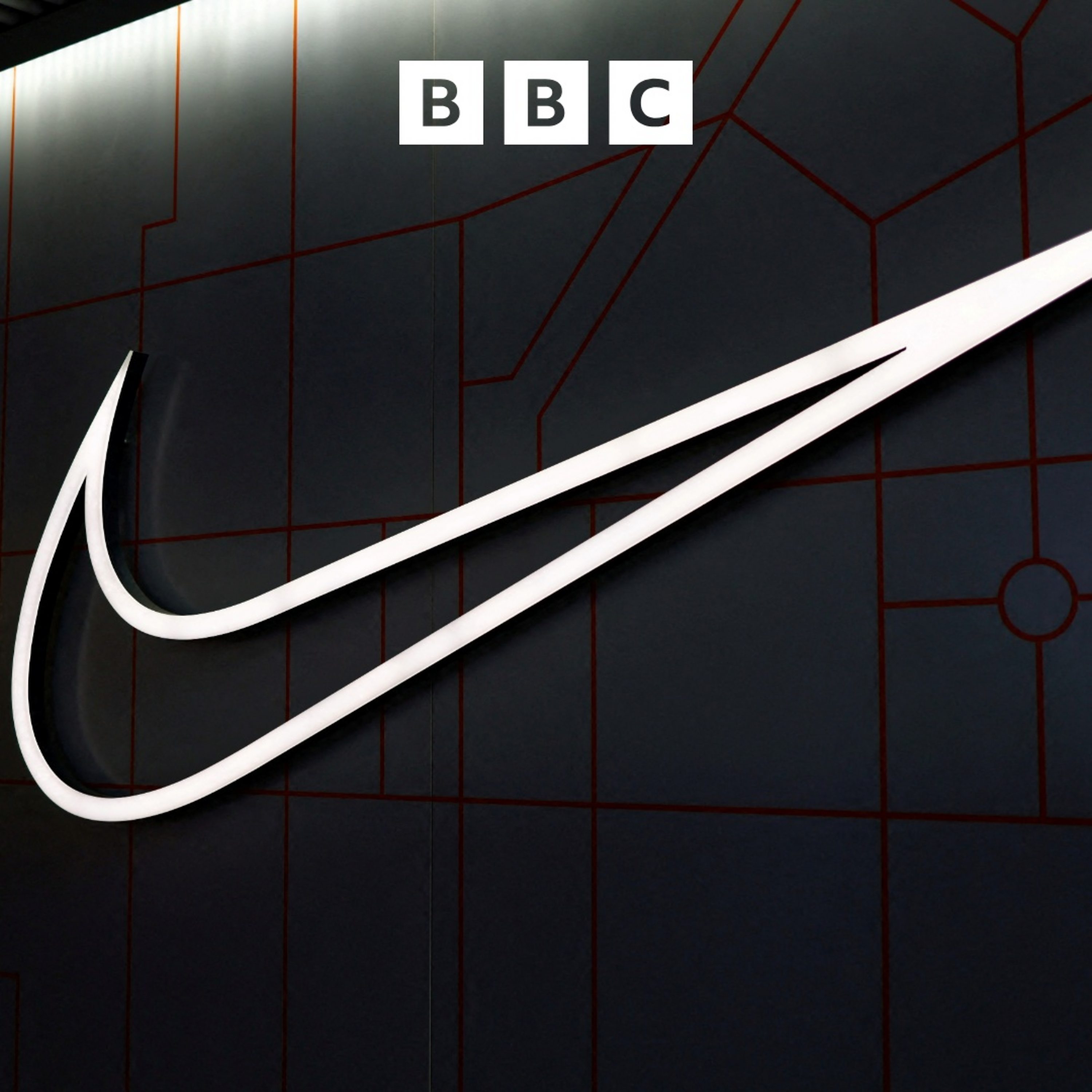
Has Nike lost its magic?
Jul 100:22:13Summary readyFor decades, Nike was the sports brand - a global symbol of winning. One estimate suggests it sells 26 pairs of shoes every second. Elite athletes wore it as they chased titles, while millions of children wore it as they dreamed of sporting glory. But as competition intensified and consumer tastes changed, the company that once dominated the market began to lose momentum. This year alone, Nike's stock market value has fallen by around 35%. So what went wrong? And can Nike find a way back to winning?Presenter: Rahul Tandon, Michelle Fleury and Will Bain Producer: Rebecca Smyllie Editor: Stephen RyanYou can email the team: businessdaily@bbc.co.uk(Photo: Shoppers walk past a Nike store in the King of Prussia Mall in Pennsylvania, US, 3 April, 2025. A giant Nike tick is displayed in the window. Credit: Rachel Wisniewski/Reuters)
Summary
Founders: Charlotte Tilbury on beauty, business and confidence
Jun 3000:17:57Summary readyCharlotte Tilbury, makeup artist and founder of the global beauty brand Charlotte Tilbury, reflects on building an international cosmetics business after spotting a gap in the market. She discusses the role beauty and confidence have played throughout her career, the company's growth and the challenges of navigating Covid-19.Presenter: Leanna Byrne Producers: Amber Mehmood and Barbara GeorgeYou can email the team: businessdaily@bbc.co.uk(Picture: Charlotte Tilbury)
Summary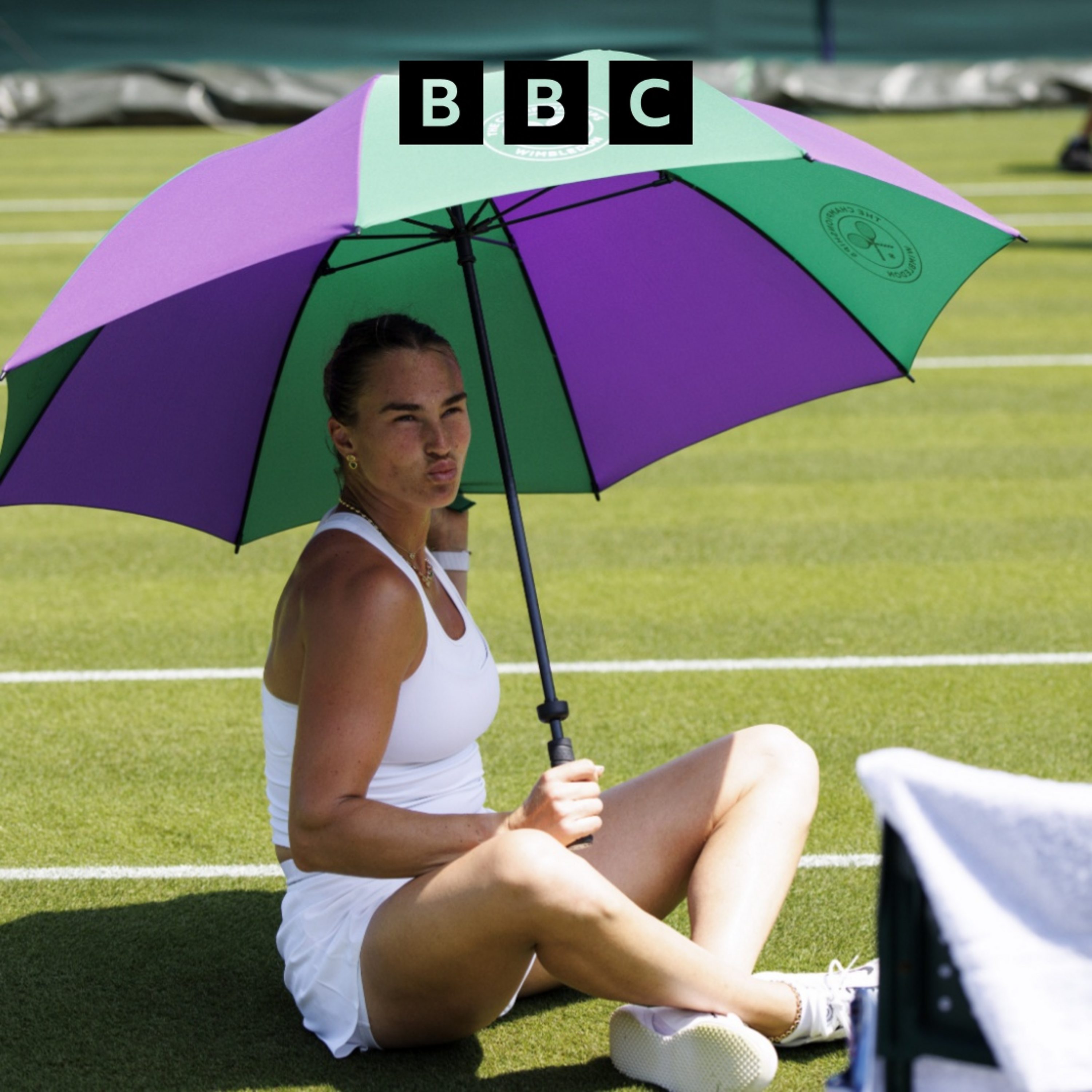
Follow the Money: The Wimbledon business model
Jun 2900:17:58Summary readyIt's the most successful tennis tournament in the world, expected to generate $500 million over two weeks. Yet day tickets still start at around $40, strawberries and cream cost less than $4, and courtside sponsorship remains remarkably restrained. So how does Wimbledon generate so much revenue? We examine the business model behind one of sport's most valuable brands and the debate over how its profits are shared with players.Presenter: Hannah Mullane Producer: Matt LinesYou can email the team: businessdaily@bbc.co.uk(Picture: Aryna Sabalenka of Belarus at a Wimbledon practice session on 26 June 2026. Credit: TOLGA AKMEN/EPA/Shutterstock)
Summary
Rebuilding Gaza and trying to get back to work
Jun 2800:17:29Summary readyRob Young reports on the huge task of rebuilding Gaza, which the United Nations estimates will cost $70 billion. Across Gaza City, earthmovers load piles of waste onto trucks bound for landfill, while in neighbourhood after neighbourhood, rubble stretches into the distance. Yet businesses are trying to get up and running again: markets are slowly refilling, and supply chains are beginning to reopen. Presenter/producer: Rob Young(Photo: Palestinians ride past the rubble of residential buildings destroyed during the Israeli offensive, in Gaza City, 23 June, 2026. Credit: Dawoud Abu Alkas/Reuters)
Summary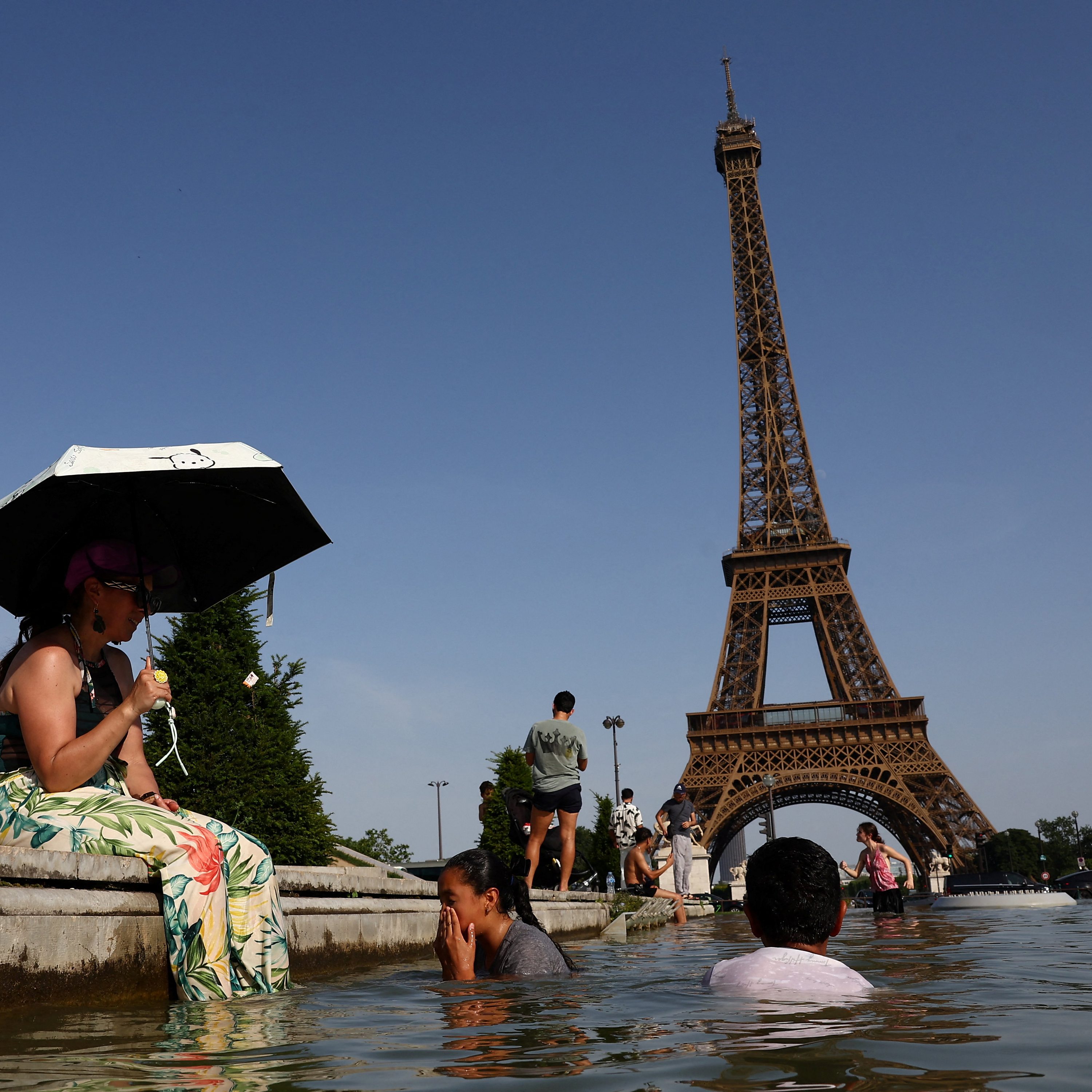
Taking Stock: Heatwaves, Pensions and Tech Turbulence
Jun 2500:22:24Summary readyWill Bain is joined by Nga Pham in Jakarta and Carsten Brzeski in Frankfurt to take stock of the week's business stories.They discuss the economic impact of heatwaves around the world, as extreme temperatures affect productivity, energy demand, and economic growth. The panel also examines Germany's plans to reform its pension system and what they could mean for Europe's largest economy.Plus, a dispute over fruit imports is raising fresh tensions between China and Taiwan, as Beijing's purchases of custard apples spark concerns on the island. And after a volatile week for technology shares, including sharp movements in SpaceX stock, the panel asks whether investors are becoming more nervous about the future of the tech sector.Presenter: Will Bain Producer: David Cann Executive Producer: Justin BonesYou can email the team: businessdaily@bbc.co.ukPhoto: People cool off in the Trocadero fountain in front of the Eiffel Tower as temperatures rise in Paris during a heatwave affecting a large part of France, June 23, 2026. Credit: REUTERS/Abdul Saboor)
Summary
Can Toy Story help Disney's new CEO get the magic back?
Jun 2400:22:18Summary readyToy Story 5 broke opening weekend box office records, handing Josh D'Amaro a welcome gift as he settles in to the top role at Disney. But he inherits many challenges at the global media company as well - theme park attendance has dipped, overall cinema sales are down compared with pre-pandemic box office takings, while its streaming service Disney+ faces strong competition from Netflix, Amazon and HBO Max. And while Toy Story 5 recreated the magic of the original animated adventure, recent releases linked to Marvel or Star Wars have bombed.This is the latest episode of our weekly Power Players show, hosted by Rahul Tandon and Will Bain in the UK, and North America Business Correspondent Michelle Fleury in New York.Producer: Rebecca SmyllieYou can email the team: businessdaily@bbc.co.uk(Picture:A general ambiance of atmosphere during the "Toy Story 5" Paris Premiere at Le Cirque d’Hiver Bouglione on June 14, 2026 in Paris, France. Credit Julien Hekimian/Getty Images)
Summary
Founders: Duolingo's billionaire boss on rejecting Bill Gates
Jun 2300:21:25Summary readyWe hear how a childhood in Guatemala, a fascination with computers and a belief that education should be accessible to everyone helped inspire the world's most popular learning apps. Luis von Ahn tells us how he went from creating CAPTCHA and selling reCAPTCHA to Google, to building Duolingo into a multi-billion-dollar education technology company used by millions around the world. He reflects on his mother's sacrifices to fund his education, the lessons he learned as an entrepreneur, and why he struggles with conflict in his life as a tech CEO.Presenter: Leanna Byrne Producer: Amber MehmoodIf you'd like to get in touch with the team, our email address is businessdaily@bbc.co.uk
Summary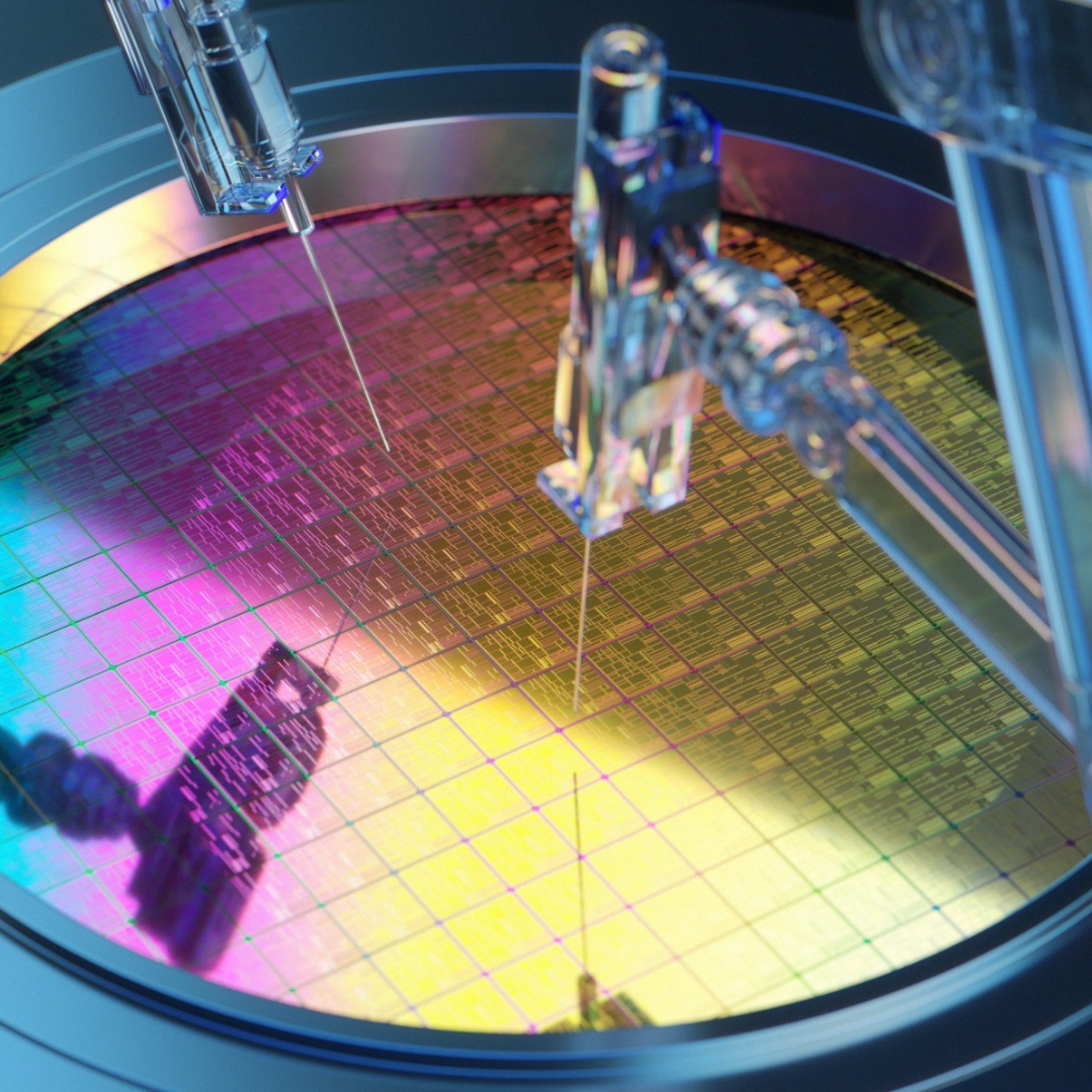
Follow the money: The chips powering AI
Jun 2200:20:19Summary readyArtificial intelligence is transforming industries and creating vast new fortunes. But behind every chatbot, image generator and AI model is a physical product: a semiconductor chip.We trace the global supply chain powering the AI revolution. From the companies designing the world's most advanced chips, to the factories manufacturing them, and the specialist machines needed to produce them, we examine who is profiting from the surge in demand.We also explore why so much of the world's most advanced chip production is concentrated in one place, Taiwan, and what that means for the global economy at a time of growing tensions between China and the West.As governments compete for technological leadership and businesses spend billions on AI infrastructure, we ask a simple question: who is getting rich from the AI boom, and what happens if the supply chain breaks?Presenter: Sam Fenwick Producer: David Cann(Photo: Holographic robot arms making semiconductor Credit:Yuichiro Chino / Getty Images)
Summary