Podcast
Business Daily
Hosted by BBC World Service · EN
The daily drama of money and work from the BBC.
251episodes
Episodes
Newest firstAll episodes
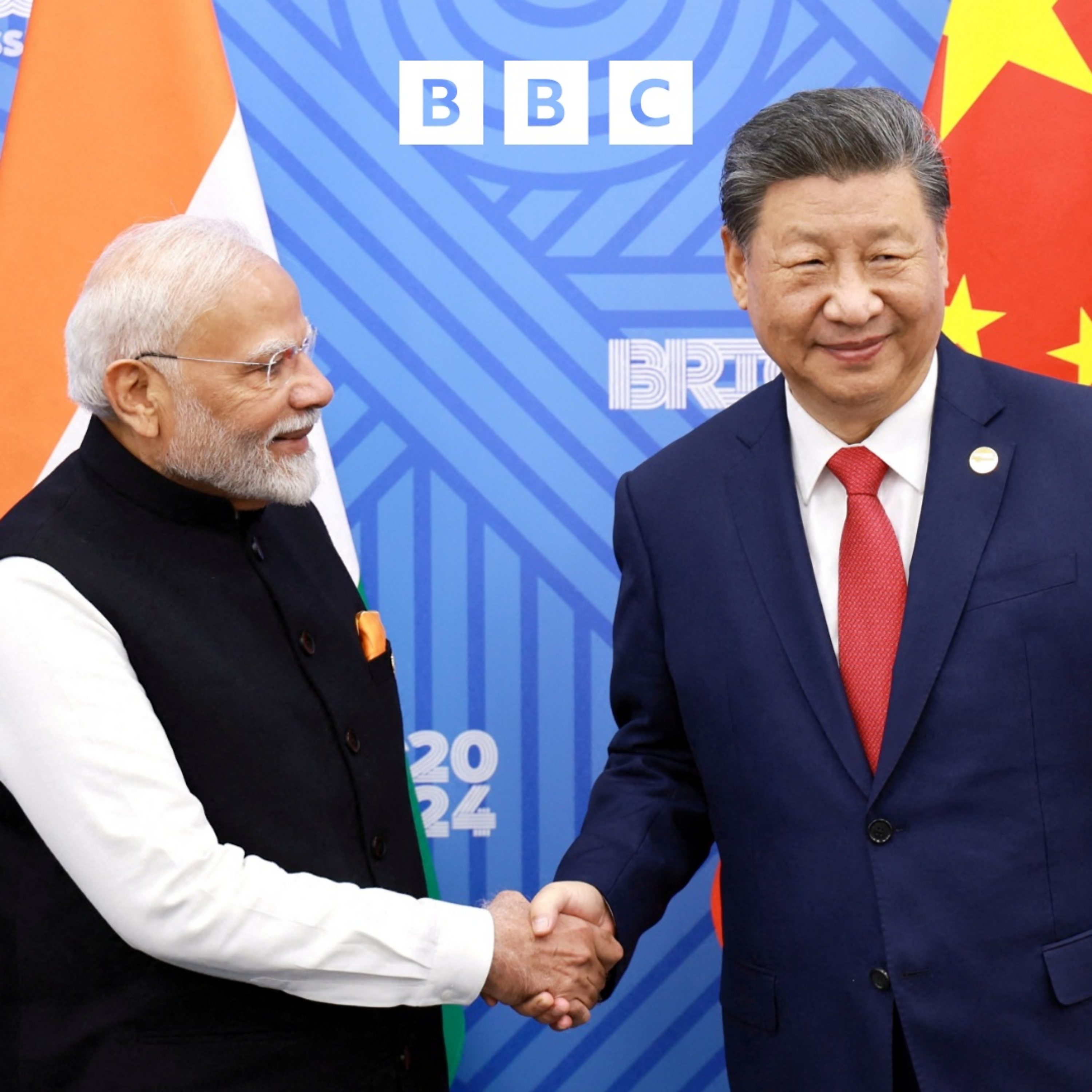
The BRIC architect's warning for the West
4w ago00:20:00Summary readyEd Butler speaks to the man who coined the term BRIC for the emerging economies of Brazil, Russia, India and China. Now back in the headlines as an adviser to Britain’s likely next Prime Minister, Andy Burnham, Jim O'Neill argues that Western nations must abandon what he calls their neo-colonial attitudes towards the world's new industrial powerhouses.(Photo: Chinese President Xi Jinping and India Prime Minister Narendra Modi at the BRICS summit in Kazan, Russia, 23 October, 2024. Credit: China Daily/Reuters)You can email the team: businessdaily@bbc.co.ukProducer/presenter: Ed Butler
Summary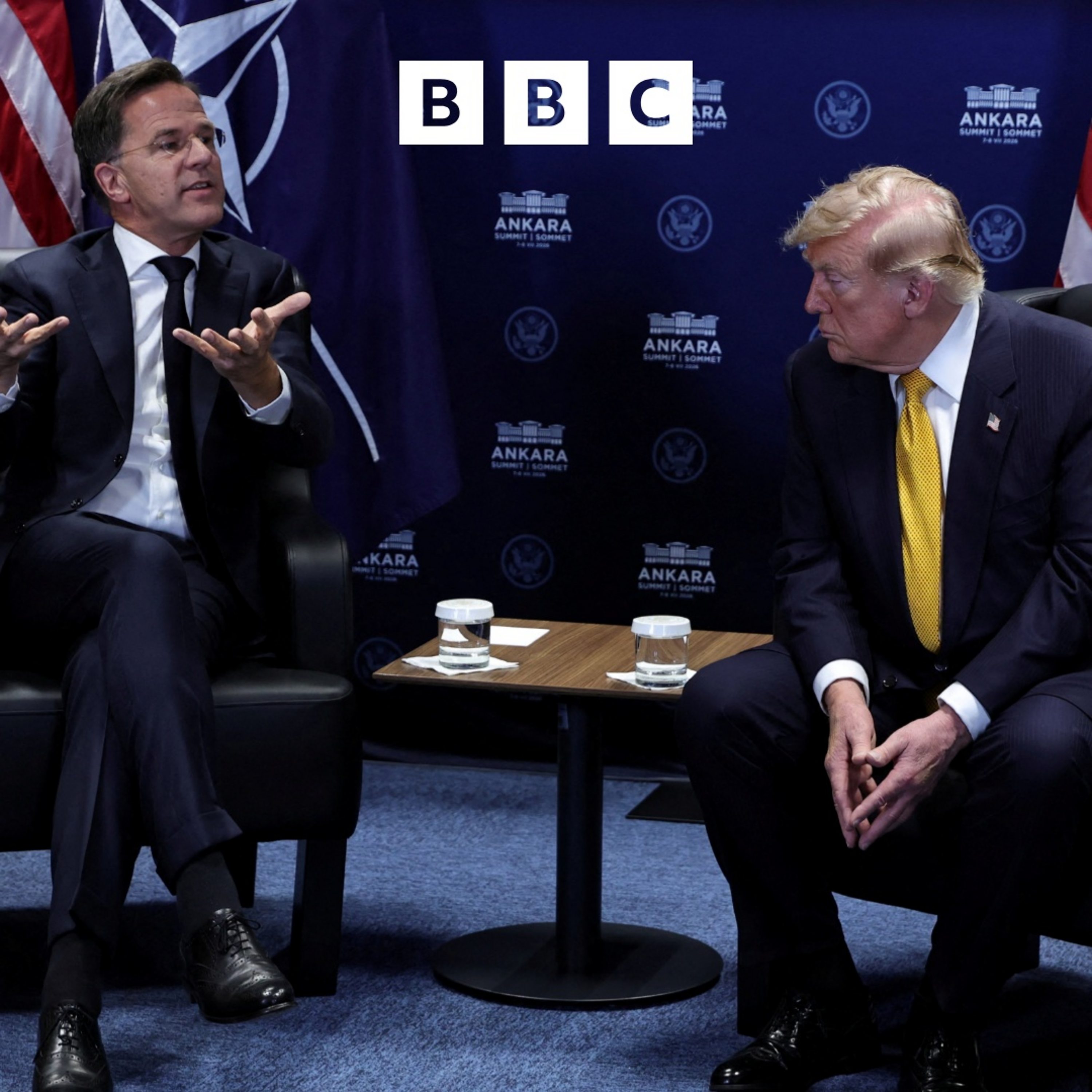
Taking Stock: Is Trump happier with Nato on defence spending?
Jul 900:23:54Summary readyWill Bain is joined by Seijiro Takeshita in Japan and Yael Selfin in the UK to discuss the week's biggest business stories. As Nato members agree to greater defence spending, we examine how economic conditions in the UK and Japan are shaping their ability to fund these commitments, as governments balance growing security demands with pressure on public finances. Plus, what Microsoft's layoffs at Xbox reveal about the global gaming industry after years of rapid growth.(Photo: Nato Secretary General Mark Rutte and US President Donald Trump meet on the sidelines of the NATO summit in Ankara, Turkey, 08 July 2026. Credit: Filip Singer/Reuters)You can email the team: businessdaily@bbc.co.ukPresenter: Will Bain Producer: David Cann
Summary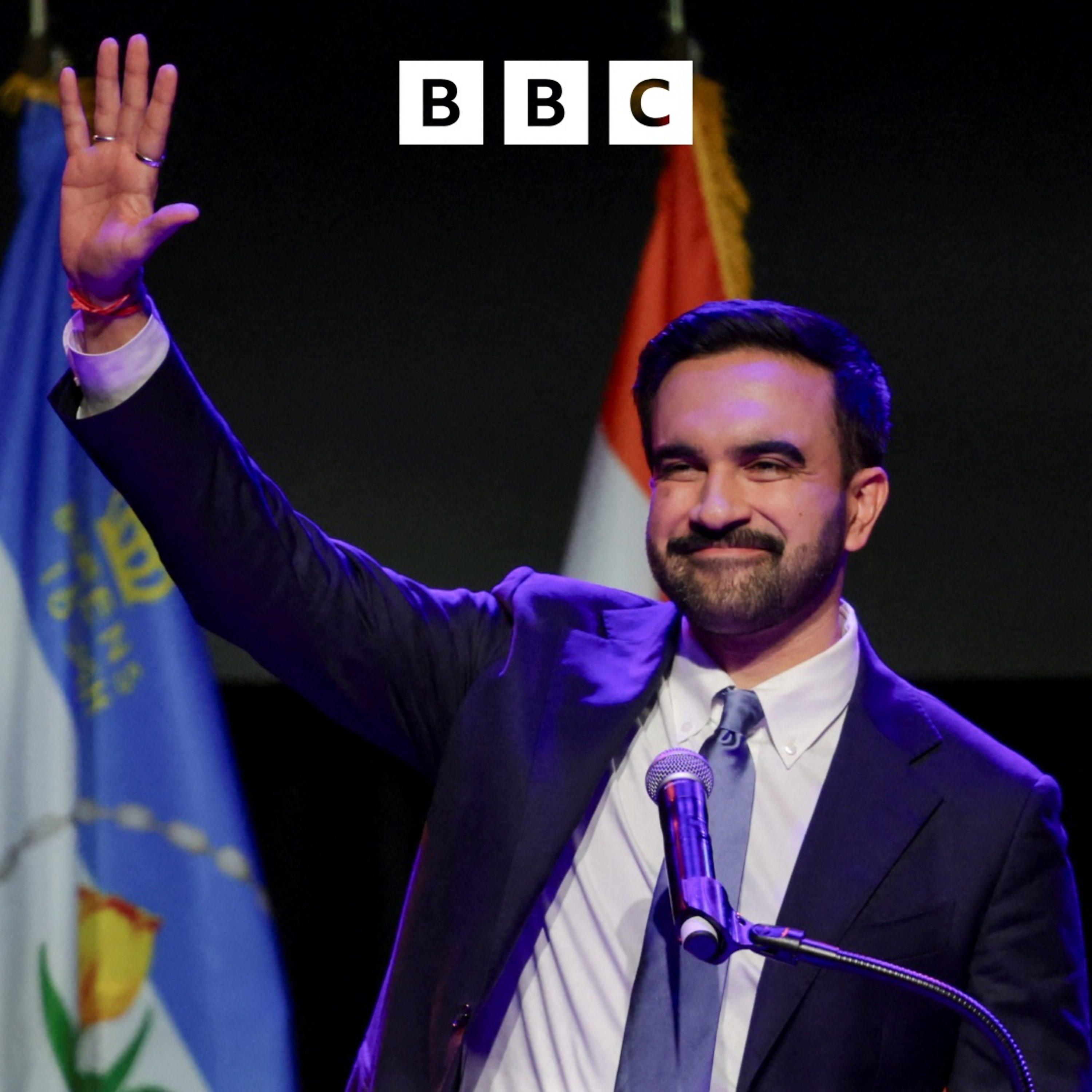
Power Players: What does Mamdani's Manhattan mean for the world?
Jul 800:26:01Summary readyDemocratic socialist Zohran Mamdani rode a wave of anti-Trump sentiment and cost-of-living pressures to win the New York City mayoralty. But talk of new taxes to fund spending spooked some on Wall Street. Six months in, has he found a balance? Presenters: Michelle Fleury and Will Bain Producer: Josh Martin Editor: Stephen RyanYou can email the team: businessdaily@bbc.co.uk(Image: New York City mayor Zohran Mamdani waves to his supporters after winning the 2025 New York City Mayoral race. Credit: Jeenah Moon/ Reuters)
Summary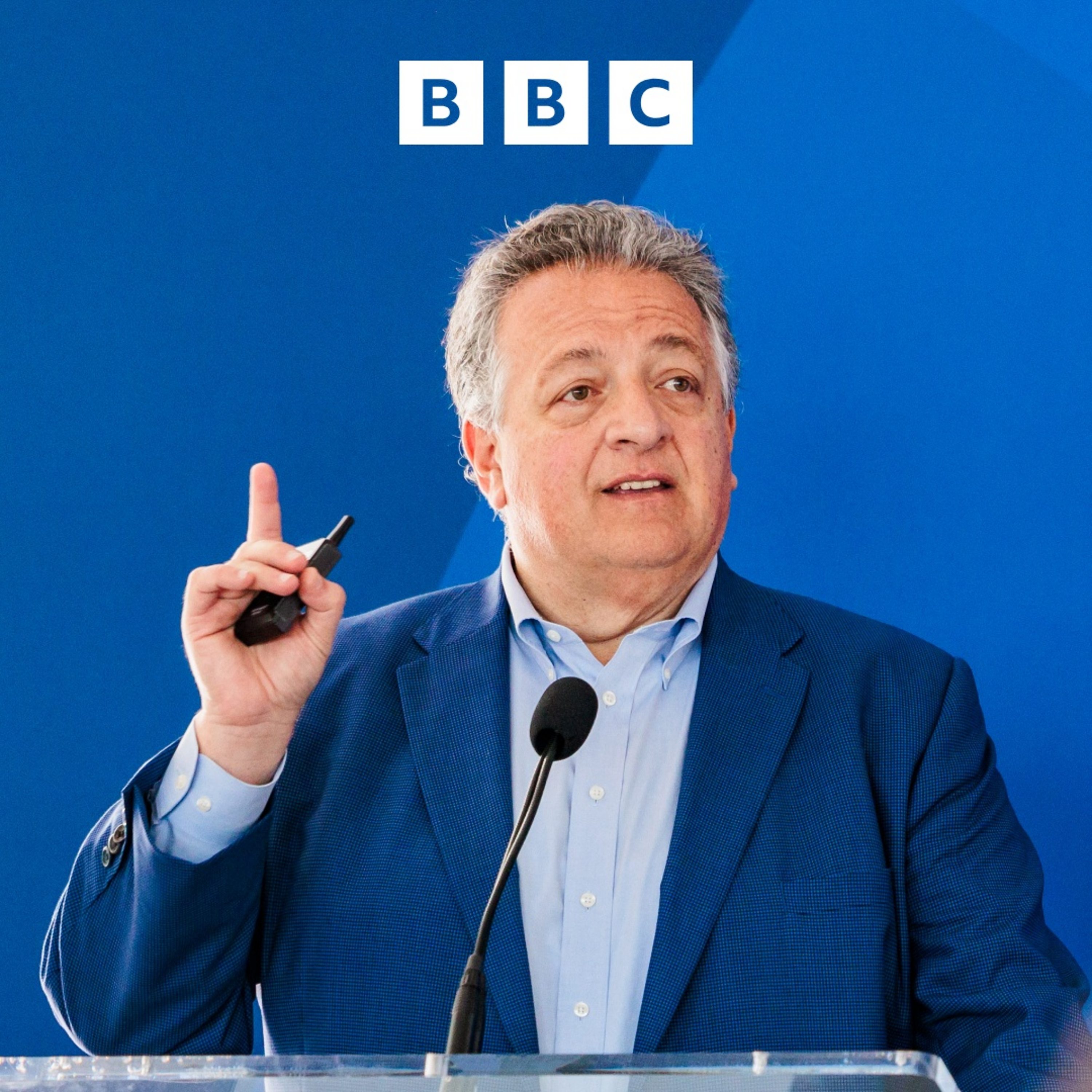
Founders: Moderna's Noubar Afeyan
Jul 700:17:28Summary readyNoubar Afeyan helped bring one of medicine's biggest breakthroughs to the world through Moderna's Covid-19 vaccine. In this episode, he explains why what looked like an overnight success was actually decades in the making.Presenter: Will Bain Producers: Barbara George and David Cann Researcher: Aleeza Siddiq
Summary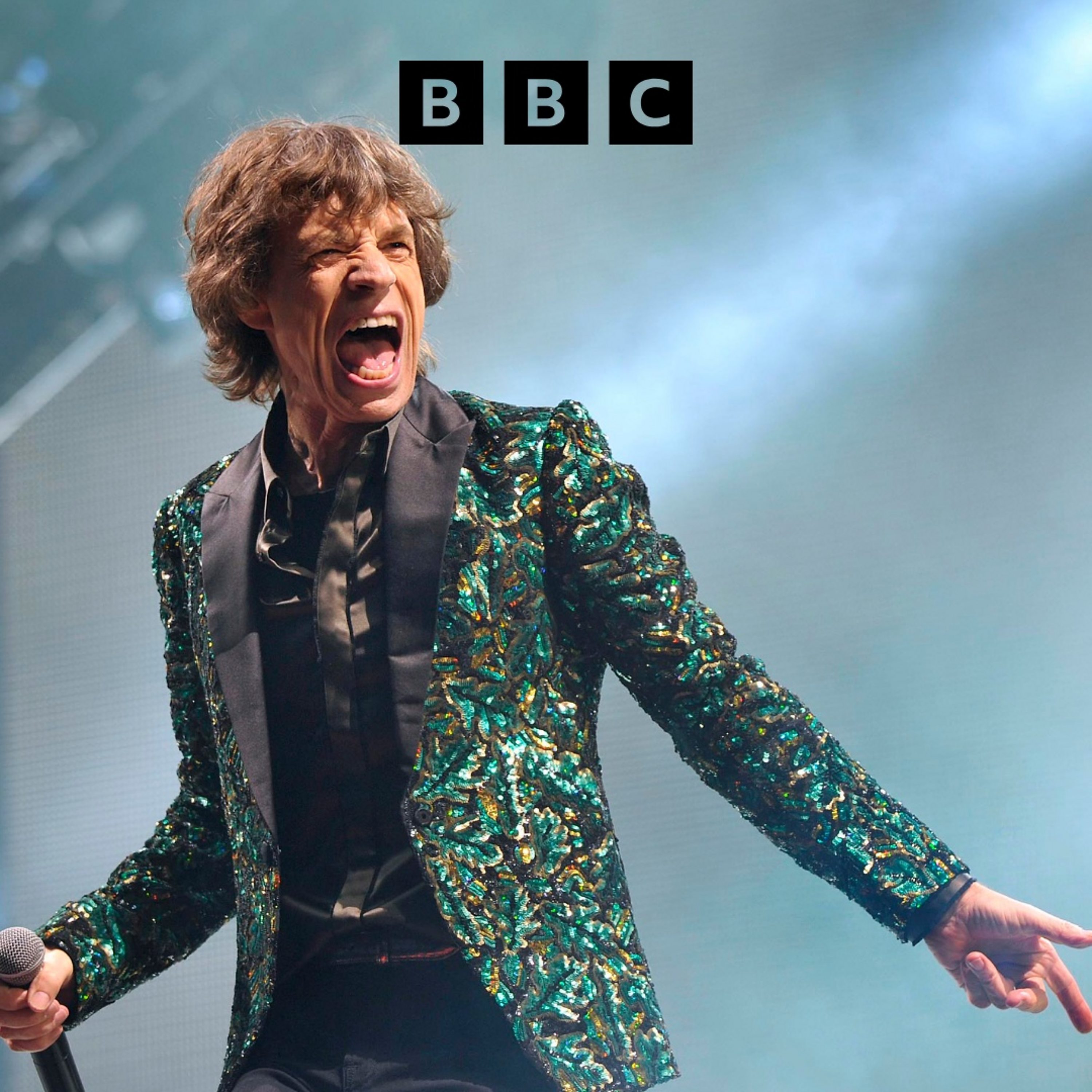
Follow the Money: The Rolling Stones
Jul 600:17:57Summary readyThey are one of the biggest rock bands in the world and are releasing their 25th album this week. So, in a world where artists can make billions from touring alone, should the band release new material or just go on the road?They have earned more than $200 million across six tours, more than $100 million over 10, while many musicians earn less that $0.01 per stream of their songs.Presenter: Hannah Mullane Producer: Matt Lines and Neil MorrowYou can email the team: businessdaily@bbc.co.uk(Photo: Mick Jagger on the Pyramid Stage during a Rolling Stones set at Glastonbury in 2013. Credit: BBC)
Summary
Saudi Arabia: The Vision 2030 test
Jul 500:17:58Summary readySameer Hashmi travels to Riyadh to examine the progress of Vision 2030, an ambitious plan launched nearly a decade ago to transform one of the world's biggest oil producers into a more diverse economy. The kingdom has invested hundreds of billions of dollars in tourism, entertainment, sport and mega-projects, while introducing sweeping social reforms that have reshaped everyday life. But oil remains central to the economy, some flagship projects have been scaled back, and now the conflict with Iran is creating fresh uncertainty over the kingdom's plans to diversify its economy.Presenter/producer: Sameer HashmiYou can email the team: businessdaily@bbc.co.uk(Picture: A Saudi man walks past the logo of Vision 2030 after a news conference in Jeddah, Saudi Arabia June 7, 2016. Credit: REUTERS/Faisal Al Nasser)
Summary
Taking stock: Trump's money
Jul 200:27:13Summary readyRahul Tandon is joined by Han Lin in Shanghai and Allison Schrager in New York to examine a set of stories where markets, politics and consumer behaviour collide. They begin with Donald Trump’s financial disclosures and what they reveal about the relationship between politics, markets, and wealth, before discussing the growing role of governments and billionaires in major technology firms, including OpenAI. And are billionaires heroes or villains? Plus, in China, some western consumer brands are finding strong demand among local consumers, including unexpectedly popular pancake chains. So why are companies such as Nike reporting weaker sales in the country? Presenter: Rahul Tandon Producer: David Cann You can email the team: businessdaily@bbc.co.uk(Photo: US President Donald Trump raises a clenched fist to shoulder height after stepping off the new Air Force One, a plane gifted by the Qatari government, after arriving at Joint Base Andrews, Maryland, US, 1 July, 2026. Credit: Evan Vucci/Reuters)
Summary
Has Nike lost its magic?
Jul 100:22:13Summary readyFor decades, Nike was the sports brand - a global symbol of winning. One estimate suggests it sells 26 pairs of shoes every second. Elite athletes wore it as they chased titles, while millions of children wore it as they dreamed of sporting glory. But as competition intensified and consumer tastes changed, the company that once dominated the market began to lose momentum. This year alone, Nike's stock market value has fallen by around 35%. So what went wrong? And can Nike find a way back to winning?Presenter: Rahul Tandon, Michelle Fleury and Will Bain Producer: Rebecca Smyllie Editor: Stephen RyanYou can email the team: businessdaily@bbc.co.uk(Photo: Shoppers walk past a Nike store in the King of Prussia Mall in Pennsylvania, US, 3 April, 2025. A giant Nike tick is displayed in the window. Credit: Rachel Wisniewski/Reuters)
Summary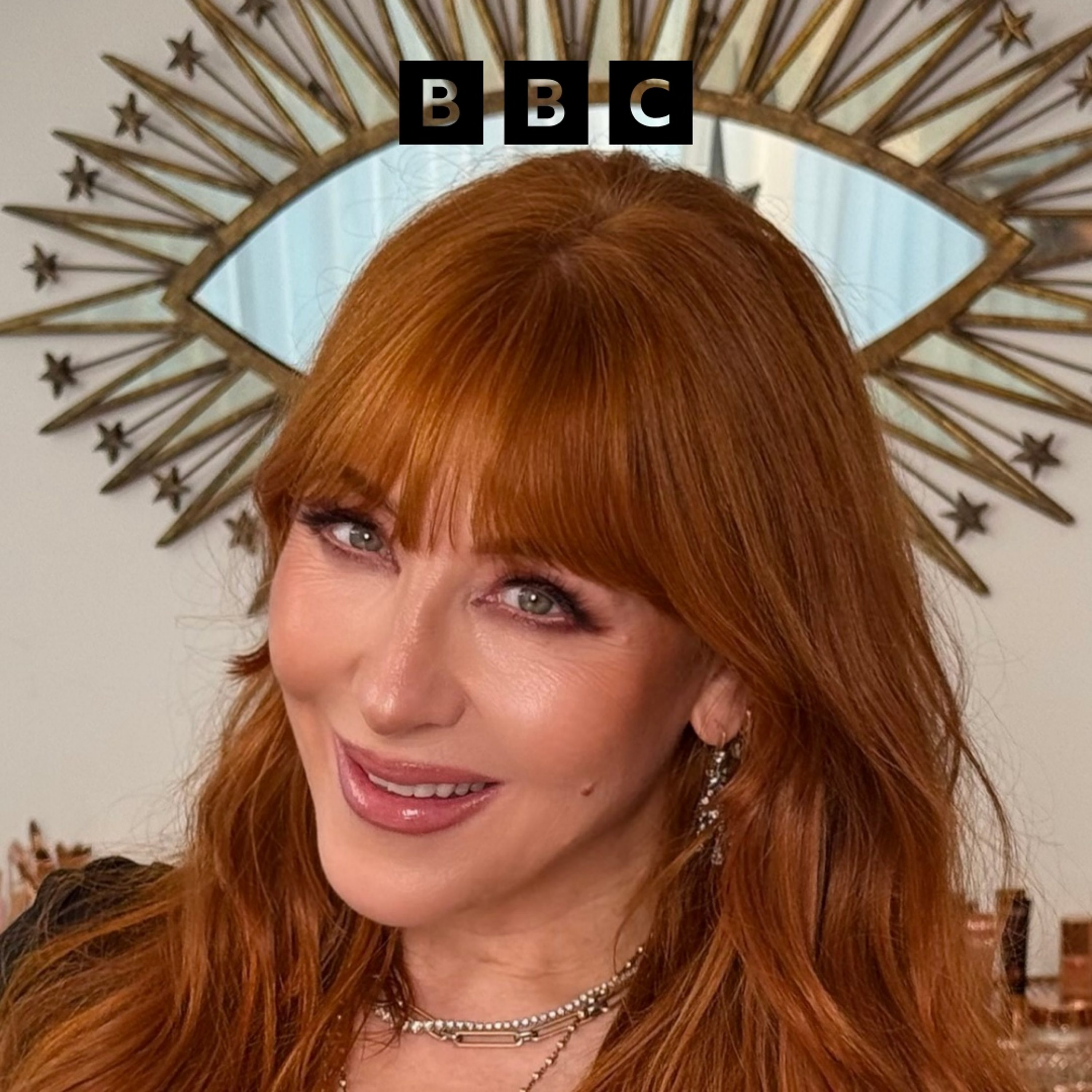
Founders: Charlotte Tilbury on beauty, business and confidence
Jun 3000:17:57Summary readyCharlotte Tilbury, makeup artist and founder of the global beauty brand Charlotte Tilbury, reflects on building an international cosmetics business after spotting a gap in the market. She discusses the role beauty and confidence have played throughout her career, the company's growth and the challenges of navigating Covid-19.Presenter: Leanna Byrne Producers: Amber Mehmood and Barbara GeorgeYou can email the team: businessdaily@bbc.co.uk(Picture: Charlotte Tilbury)
Summary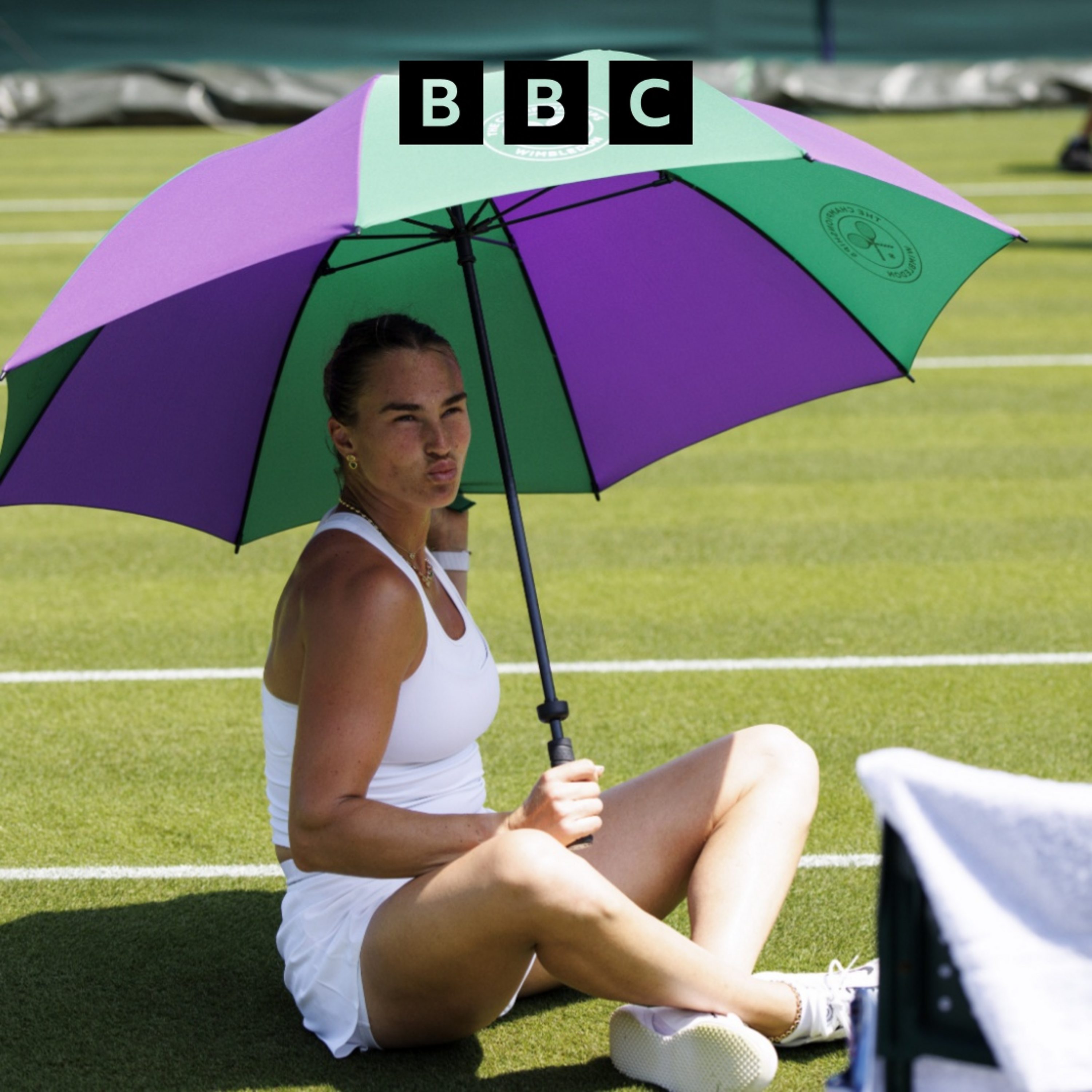
Follow the Money: The Wimbledon business model
Jun 2900:17:58Summary readyIt's the most successful tennis tournament in the world, expected to generate $500 million over two weeks. Yet day tickets still start at around $40, strawberries and cream cost less than $4, and courtside sponsorship remains remarkably restrained. So how does Wimbledon generate so much revenue? We examine the business model behind one of sport's most valuable brands and the debate over how its profits are shared with players.Presenter: Hannah Mullane Producer: Matt LinesYou can email the team: businessdaily@bbc.co.uk(Picture: Aryna Sabalenka of Belarus at a Wimbledon practice session on 26 June 2026. Credit: TOLGA AKMEN/EPA/Shutterstock)
Summary